
Lysosomes are present in animal cells but are less prominent in plant cells, where they serve different functions. These organelles play a crucial role in breaking down waste materials and cellular debris in both types of cells. Read Interesting article: Do Plant Cells Have Lysosomes? Science Answer
Understanding Lysosomes: Overview and Function
What are Lysosomes?
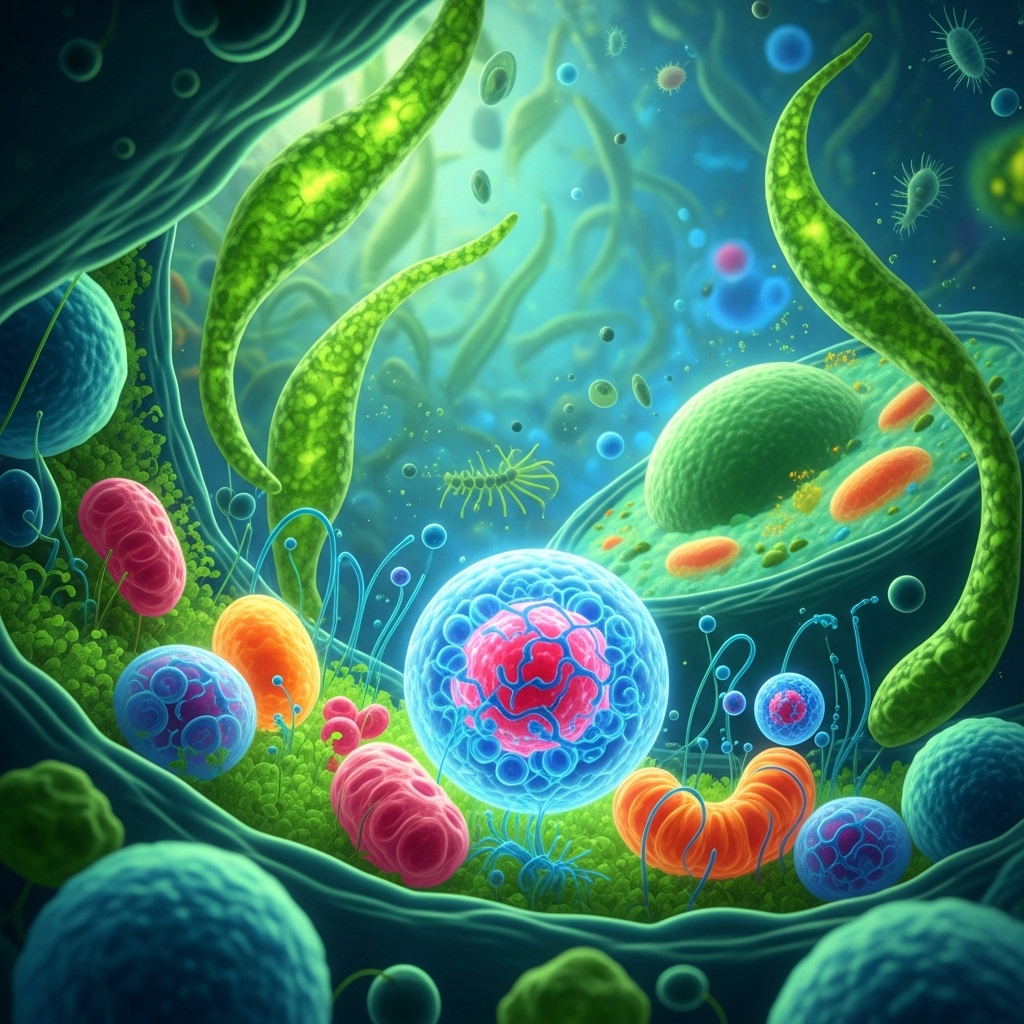
Lysosomes are membrane-bound organelles found in the cytoplasm of cells. They are often referred to as the cell’s “garbage disposal system” because they contain digestive enzymes capable of breaking down various biomolecules. I remember learning about these tiny structures in biology class and being fascinated by how they resemble small sacs filled with powerful enzymes. These enzymes can digest proteins, lipids, carbohydrates, and even old organelles, making lysosomes essential for cellular maintenance and health.
Key Functions of Lysosomes
The primary function of lysosomes is to degrade and recycle cellular waste. This includes not only external materials that the cell has engulfed but also the cell’s own components that are damaged or no longer needed. Imagine cleaning out your closet; just like you need to get rid of old clothes to make space for new ones, cells need to remove old or malfunctioning components to function properly. Lysosomes help in this cleaning process by breaking down waste into simpler molecules that can be reused by the cell.
Additionally, lysosomes play a role in apoptosis, or programmed cell death. This process is crucial for growth and development; without it, damaged or unnecessary cells might linger and cause problems. I find it remarkable how these little organelles help ensure that our cells stay healthy and functional over time.
Importance of Lysosomes in Cellular Processes
Beyond just waste disposal, lysosomes are integral to several cellular processes. They help maintain the cell’s internal environment by regulating the levels of various substances. When I learned about how lysosomes can store enzymes and other materials, it struck me how vital they are for cellular homeostasis. This regulation helps ensure that the cell does not become overwhelmed by waste or harmful substances.
Lysosomes also contribute to the immune response. They can digest pathogens that enter the cell, which is critical for defending against infections. I remember reading about how macrophages—our body’s scavenger cells—use lysosomes to destroy bacteria and viruses. This shows just how powerful lysosomes are in maintaining not only cellular health but also overall health. Read Interesting article: Difference Between Plant and Animal Cells Explained Simply
Are Lysosomes Present in Animal Cells?
Structure of Lysosomes in Animal Cells
In animal cells, lysosomes are typically spherical and contain a single membrane that encloses the digestive enzymes. The enzymes inside are synthesized in the rough endoplasmic reticulum and then transported to the lysosome via the Golgi apparatus. I find it fascinating how these organelles are not just random blobs but are highly structured and organized for efficiency. The acidic environment inside lysosomes is crucial for activating these enzymes, allowing for the effective breakdown of materials.
Role of Lysosomes in Animal Cell Functions
Lysosomes serve multiple roles in animal cells, from waste management to nutrient recycling. They help process incoming materials that the cell consumes, breaking them down into usable components. I remember being amazed by how efficient this process can be, ensuring that cells have a continuous supply of the nutrients they need.
Another vital role of lysosomes is in the turnover of cellular components. This process, known as autophagy, involves lysosomes engulfing damaged organelles and breaking them down. It’s like a cellular spring cleaning! This helps to prevent the accumulation of damaged structures, maintaining cellular health and functionality over time.
Examples of Lysosomal Functions in Animal Cells
One clear example of lysosomal function is in the liver, where they help break down fats and carbohydrates. This process is essential for energy production and metabolism. I once read about conditions like Tay-Sachs disease, which result from lysosomal dysfunction, highlighting how important these organelles are for health. In such cases, the inability to break down certain lipids leads to toxic accumulation, severely affecting brain function.
Another example can be found in immune cells, like neutrophils, which use lysosomes to destroy bacteria and other pathogens. When I learned about how these immune cells engulf pathogens and then utilize lysosomes to break them down, it made me appreciate the complexity and efficiency of our immune system even more.
Overall, lysosomes are not only crucial for maintaining the health of animal cells, but they also play a fundamental role in various physiological processes, ensuring that everything runs smoothly. Their ability to adapt and respond to the needs of the cell is something I find truly impressive.
Are Lysosomes Present in Plant Cells?
Differences Between Plant and Animal Cell Lysosomes
When I first started exploring the differences between lysosomes in plant and animal cells, I was surprised to learn that while both types of cells have lysosomes, their structures and functions can vary significantly. In plant cells, lysosomes are less prominent and are often identified as part of larger organelles called vacuoles. These vacuoles can serve many functions, but they generally combine some roles of lysosomes and other organelles, such as storage and maintaining turgor pressure. Read Interesting article: Do Plant Cells Have Lysosomes? Explained Simply
One key difference is that plant cells often have a single large central vacuole, which can contain enzymes similar to those found in lysosomes. This vacuole can store nutrients, waste products, and even pigments, while also playing a role in breaking down cellular waste. I think it’s fascinating how plant cells have adapted to their needs, creating multifunctional structures that encompass lysosomal tasks alongside storage and support functions.
Role of Lysosomes in Plant Cell Functions
Lysosomes in plant cells, often embedded within vacuoles, contribute significantly to the recycling of cellular components. They help degrade proteins and other macromolecules that are no longer needed, which is essential for the health of the plant. I remember being amazed to learn that during the process of leaf senescence—when leaves change color and eventually fall off—lysosomes play a vital role in breaking down proteins and chlorophyll, recycling these materials for use in other parts of the plant. It’s like a natural process of renewal!
Additionally, lysosomes are involved in the plant’s response to stress. For instance, they can help in degrading damaged proteins that arise from environmental stresses such as drought or extreme temperatures. This shows just how critical these organelles are in helping plants adapt to their surroundings. I often wonder how these tiny structures can help a plant survive in such varied environments.
Examples of Lysosomal Functions in Plant Cells
A clear example of lysosomal function in plant cells is in the formation of fruit. As fruits ripen, they undergo significant changes, including softening. This process involves lysosomes breaking down the cell wall components and other structures to allow the fruit to become more palatable for animals, which aids in seed dispersal. I find it amazing how nature has designed these processes to ensure that plants can thrive and reproduce effectively.
Another interesting instance is in the breakdown of toxins. Certain plants produce toxic compounds as a defense mechanism against herbivores. Lysosomes can help in degrading these toxins, allowing the plant to recycle the components and avoid damage. I remember learning about the fascinating world of plant defense mechanisms and how critical lysosomes are in these scenarios, acting as a detoxification system that protects the plant’s overall health.
Comparative Analysis of Lysosomes in Plant and Animal Cells
Structural Differences
When comparing lysosomes in plant and animal cells, the structural differences are quite pronounced. In animal cells, lysosomes are discrete organelles with a consistent size and shape, typically spherical and encased in a single membrane. On the other hand, in plant cells, lysosomes are not as clearly defined and are often part of larger vacuoles. This makes them less prominent and sometimes harder to identify. I remember being surprised by this variation, realizing that each type of cell has evolved organelles tailored to their specific needs. It’s like each organism has its own version of a toolset!
Functional Differences
Functionally, lysosomes in animal cells focus primarily on waste degradation and recycling. They excel in breaking down materials and managing waste efficiently. However, in plant cells, their roles are more integrated within vacuoles, combining waste management with storage and support. I find it intriguing how this multifunctionality allows plant cells to optimize their resources and adapt to their environments, showcasing the diversity of life on our planet.
Common Features
Despite these differences, there are common features that lysosomes share in both plant and animal cells. For instance, both types contain enzymes capable of digesting biomolecules, and they play a crucial role in cellular health. I believe this highlights a fundamental aspect of cellular biology: that while cells may look different and perform various functions, at their core, they rely on similar mechanisms to maintain life. It’s a beautiful reminder of the interconnectedness of living organisms.
Implications of Lysosomal Functionality
Lysosomal Dysfunction and Its Effects
Lysosomes are essential for maintaining cellular health, and when they don’t function properly, the consequences can be severe. I’ve learned that lysosomal dysfunction can lead to a range of diseases known as lysosomal storage disorders. These conditions occur when specific enzymes within the lysosomes are defective or missing, resulting in the accumulation of undigested or partially digested molecules. It’s like having a garbage disposal that’s jammed; eventually, the waste builds up and creates a mess that affects the whole system.
One of the most well-known examples is Tay-Sachs disease, where a particular enzyme that breaks down a fatty substance called GM2 ganglioside is absent. This leads to harmful levels of the substance accumulating in the brain and spinal cord. I remember feeling a deep sense of empathy when I studied the impact of such diseases on families, knowing how debilitating they can be. The symptoms often start in infancy, and as the condition progresses, it leads to developmental delays, loss of motor skills, and ultimately, premature death.
Another example is Pompe disease, which affects the muscles and heart. In this condition, the enzyme responsible for breaking down glycogen is deficient, causing it to build up in the body. Patients often experience muscle weakness and heart problems. It’s astonishing how a single malfunctioning enzyme can have such widespread effects on health. I think this serves as a reminder of the intricate balance our cells maintain and how easily that balance can be disrupted.
Role in Disease and Cellular Aging
As I delved deeper into the significance of lysosomes, I found that they play a crucial role not only in genetic diseases but also in the aging process. Research has shown that lysosomal function declines with age, which can contribute to various age-related diseases, including neurodegenerative disorders like Alzheimer’s and Parkinson’s. I find it fascinating and a bit concerning to think about how our bodies change over time and how these tiny organelles are involved in that process.
With aging, the accumulation of damaged or dysfunctional cellular components can overwhelm lysosomes. This can create a cycle of further dysfunction, leading to even more waste accumulation and cellular stress. I often reflect on how this relates to my own experiences. As I get older, I notice how important it is to take care of my health and maintain an active lifestyle, as this might help support the body’s ability to manage waste and repair itself.
Furthermore, lysosomes are involved in autophagy, a process where cells break down and recycle their own components. This is essential for clearing out damaged organelles and proteins, which can accumulate and lead to cellular dysfunction. When I read about the connection between autophagy, lysosomal function, and the aging process, it made me appreciate how vital these organelles are in promoting longevity and health. It’s like our cells have their own built-in cleanup crew, and keeping that crew functioning well is key to maintaining our overall well-being.
Research and Discoveries Related to Lysosomes
Recent Studies on Lysosomes
The world of lysosomal research is constantly evolving, and I find it thrilling to see the latest discoveries that shed light on their functions and implications. Researchers are increasingly focusing on how lysosomes interact with other cellular pathways, particularly in relation to metabolism and disease. For instance, recent studies have shown that lysosomes don’t just serve as waste disposal; they also play a role in signaling pathways that regulate cell growth and metabolism. It’s like discovering that the garbage disposal is also a key player in the kitchen, helping to manage what ingredients we use and how we cook!
One exciting area of research is the connection between lysosomes and cancer. Scientists are exploring how cancer cells can manipulate lysosomal functions to promote their survival and growth. I remember being captivated by the idea that understanding lysosomes better could lead to new cancer therapies. If we can target the ways that cancer cells alter lysosomal function, we might be able to develop treatments that effectively disrupt their growth.
Another interesting trend is the investigation of how lifestyle factors, such as diet and exercise, influence lysosomal health. I’ve seen studies indicating that certain dietary patterns, like those rich in antioxidants, can enhance lysosomal function. This emphasizes the impact of our choices on cellular health and how we can potentially support our lysosomes through nutrition and activity.
Future Directions in Lysosomal Research
Looking ahead, I believe there’s immense potential for lysosomal research to deepen our understanding of various biological processes. Scientists are increasingly interested in the role of lysosomes in neurodegenerative diseases, where they could serve as targets for therapeutic intervention. I feel hopeful that advancements in this field could lead to breakthroughs that improve the lives of those affected by conditions like Alzheimer’s and Huntington’s disease.
Additionally, as technology advances, researchers are finding new ways to study lysosomes in real-time within living cells. This could provide invaluable insights into their dynamic functions and how they respond to different stressors. I often think about how amazing it is that we are on the brink of understanding cellular processes that were once a mystery. It’s like piecing together a complex puzzle, and every new discovery reveals another part of the picture.
Overall, the implications of lysosomal functionality are vast and far-reaching. I am excited to see how ongoing research will continue to unravel the mysteries of these essential organelles and their role in health and disease. It feels like we are just beginning to scratch the surface of what lysosomes can teach us about life itself.
Frequently Asked Questions
What are lysosomes?
Lysosomes are membrane-bound organelles found in the cytoplasm of cells, often referred to as the cell’s “garbage disposal system.” They contain digestive enzymes capable of breaking down various biomolecules, including proteins, lipids, carbohydrates, and old organelles.
What is the primary function of lysosomes?
The primary function of lysosomes is to degrade and recycle cellular waste, including external materials that the cell has engulfed and the cell’s own damaged or unnecessary components.
How do lysosomes contribute to apoptosis?
Lysosomes play a role in apoptosis, or programmed cell death, which is crucial for growth and development. This process helps prevent damaged or unnecessary cells from lingering and causing problems.
Are lysosomes present in animal cells?
Yes, lysosomes are present in animal cells and are typically spherical, containing a single membrane that encloses digestive enzymes synthesized in the rough endoplasmic reticulum and transported via the Golgi apparatus.
What role do lysosomes play in animal cell functions?
Lysosomes serve multiple roles in animal cells, including waste management, nutrient recycling, and the turnover of cellular components through a process known as autophagy.
How do lysosomes function in plant cells?
In plant cells, lysosomes are less prominent and are often part of larger organelles called vacuoles. They help in recycling cellular components and breaking down proteins and other macromolecules that are no longer needed.
What are some examples of lysosomal functions in plant cells?
One example is the role of lysosomes in fruit ripening, where they break down cell wall components to allow fruits to soften. They also degrade toxins to protect the plant from herbivores.
What are lysosomal storage disorders?
Lysosomal storage disorders are diseases that occur when specific enzymes within lysosomes are defective or missing, leading to the accumulation of undigested or partially digested molecules, such as in Tay-Sachs disease and Pompe disease.
How do lysosomes relate to aging?
Lysosomal function declines with age, contributing to various age-related diseases, including neurodegenerative disorders. This decline can lead to the accumulation of damaged cellular components and further dysfunction.
What is the future direction of lysosomal research?
Future research is focused on understanding lysosomes’ roles in neurodegenerative diseases, their dynamic functions in real-time within living cells, and how lifestyle factors influence lysosomal health.