
Lysosomes are generally absent in plant cells, as these cells have alternative structures that perform similar functions. While animal cells rely on lysosomes for digestion and waste removal, plant cells utilize other organelles to fulfill these roles. Read Interesting article: Do Plant Cells Have Lysosomes? Science Answer
Table of Contents
Understanding Lysosomes: The Basics

Definition of Lysosomes
Lysosomes are membrane-bound organelles found primarily in animal cells that contain digestive enzymes. These enzymes break down waste materials and cellular debris. I remember being fascinated when I first learned about lysosomes in biology class; it felt like I was discovering a tiny recycling factory within the cell! They play a crucial role in maintaining the health and functionality of the cell by recycling components and removing harmful substances.
Functions of Lysosomes in Cells
In animal cells, lysosomes serve several important functions. They are often referred to as the “clean-up crew” of the cell due to their ability to digest various biomolecules. For instance, when a cell is old or has been damaged, lysosomes can break down and recycle its components. I’ve seen this process likened to taking out the trash, where lysosomes ensure that the cellular environment remains clean and efficient.
Additionally, lysosomes play a role in apoptosis, or programmed cell death, which is critical for development and maintaining homeostasis in multicellular organisms. This function truly highlights the complexity of cellular life, as even the death of a cell can be orchestrated to benefit the organism as a whole. In my experience, understanding how these tiny organelles contribute to larger biological processes has always been eye-opening.
Cell Types: Plant vs. Animal Cells
Key Differences Between Plant and Animal Cells
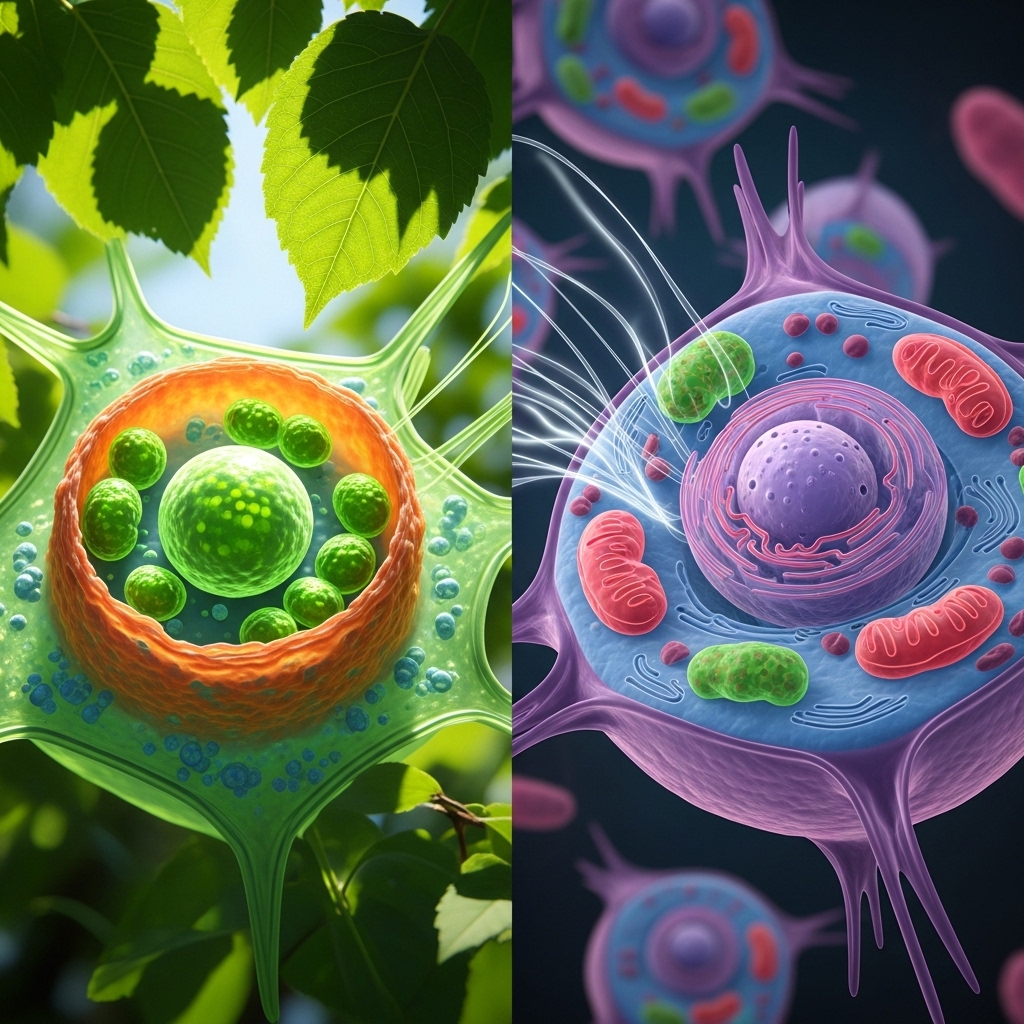
When I first started studying cells, I was surprised to learn just how different plant and animal cells are, even though they share some similarities. Both types of cells are eukaryotic, meaning they have a nucleus and various organelles, but several key differences set them apart. For instance, plant cells have cell walls made of cellulose, which provide structural support, while animal cells do not. Also, plants contain chloroplasts for photosynthesis, a feature that animal cells lack.
Another major distinction is in the way these cells manage storage and waste. Animal cells rely on lysosomes, but plant cells have a large central vacuole that serves as a storage area and helps maintain turgor pressure, which is essential for plant rigidity. I remember being intrigued by how these variations reflect the different lifestyles and functions of plants and animals in the ecosystem.
Overview of Cell Organelles in Plant Cells
Plant cells are equipped with unique organelles that support their functions. Besides the central vacuole, they possess chloroplasts, where photosynthesis occurs, and a cell wall that provides stability. I often think of plant cells as being more complex in terms of their organizational needs due to their stationary lifestyle; they need to be able to store resources and conduct photosynthesis efficiently. In addition to these structures, plant cells also contain other organelles, such as mitochondria, which are present in both plant and animal cells and are responsible for energy production.
Despite lacking lysosomes, plant cells have other components that can perform similar tasks. This adaptability is fascinating, and it makes me appreciate the resilience of plant cells. For example, some studies suggest that plant cells utilize peroxisomes for breaking down fatty acids and detoxifying harmful substances, which is an essential function similar to that of lysosomes in animal cells. Read Interesting article: Are Lysosomes in Plant and Animal Cells? Explained
Are Lysosomes Present in Plant Cells?
Current Scientific Consensus
The question of whether lysosomes are present in plant cells has been debated in the scientific community. While older textbooks might have suggested that lysosomes don’t exist in plant cells, recent research indicates that structures similar to lysosomes do exist in some plants. However, these organelles are not as prominent or as functionally significant as those found in animal cells. From my understanding, this has led to a classification of lysosome-like structures in plants, such as lytic vacuoles, which perform similar roles in degradation and recycling.
Comparative Analysis of Lysosomes in Plant and Animal Cells
If we compare the functions of lysosomes in animal cells with those of vacuoles and other organelles in plant cells, we see some intriguing parallels and differences. Lysosomes in animals are essential for breaking down macromolecules and cellular debris, while in plant cells, vacuoles take on many of these responsibilities. These vacuoles can store nutrients, waste products, and even help in the breakdown of materials, albeit not with the same efficiency as lysosomes.
It’s interesting to note that this difference is not just about structure; it also reflects the evolutionary paths taken by plant and animal cells. For instance, I found it fascinating to learn that the presence of a rigid cell wall in plants may reduce the need for lysosomes since the walls provide an extra layer of protection and support, allowing vacuoles to handle waste management. Overall, the function of lysosomes in animal cells and the roles of alternative organelles in plant cells illustrate the incredible diversity of life and how organisms adapt to their environments.
Alternative Organelles in Plant Cells
Vacuoles: The Plant Cell’s Storage Solution
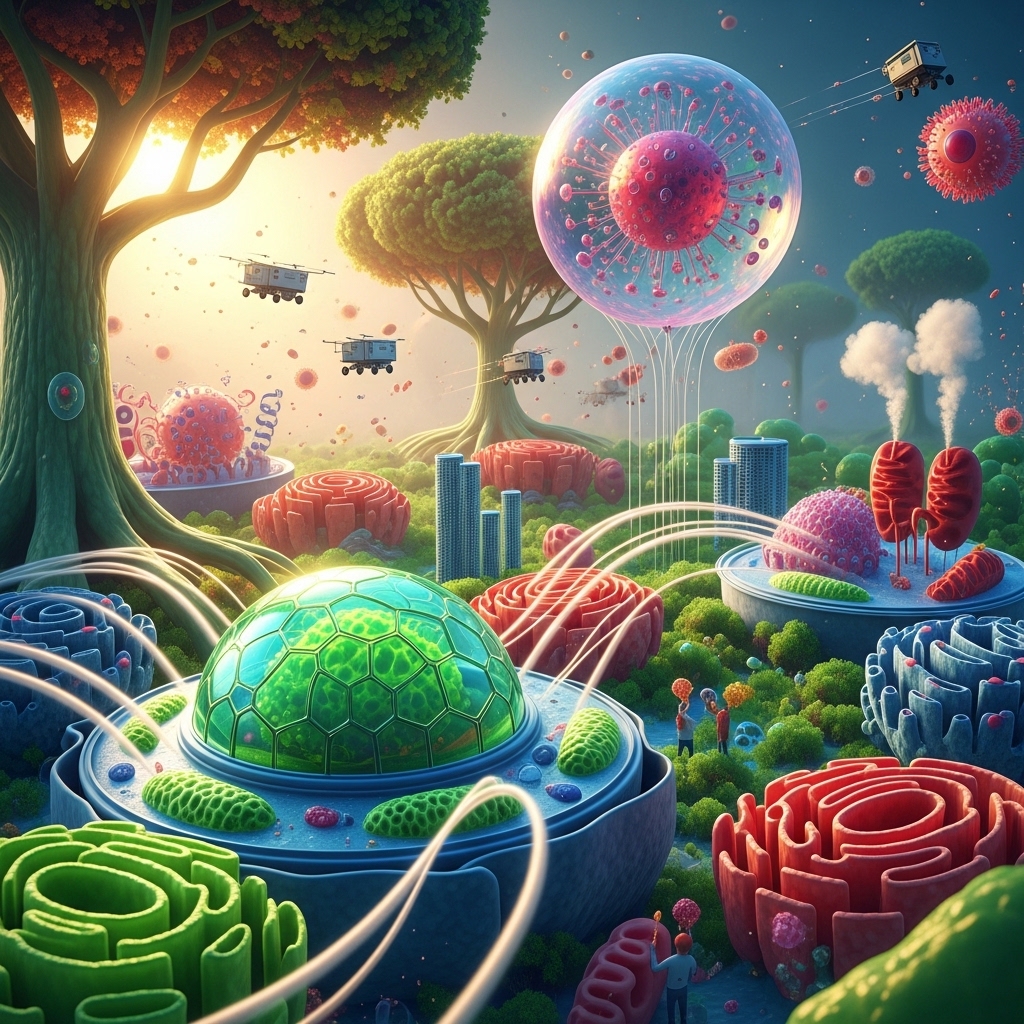
When I think about plant cells, one of the most striking features is the large central vacuole. This organelle is like a storage unit, playing a key role in maintaining the overall health of the plant. I remember my biology teacher describing vacuoles as the cell’s “sponge,” soaking up water and nutrients while helping to regulate internal pressure. This is essential for keeping the plant upright and sturdy, which is something I always found fascinating, considering how vulnerable plants can seem at times.
Vacuoles store a variety of substances, including nutrients, waste products, and even pigments that can affect the color of flowers and fruits. I’ve often marveled at how these storage capabilities allow plants to adapt to different environments. For example, in drought conditions, vacuoles can help conserve water by storing it efficiently. It’s incredible how plants have developed these specialized structures to thrive, even when faced with challenges like limited water supply.
Beyond just storage, vacuoles also assist in the breakdown of waste materials, functioning in a similar capacity to lysosomes in animal cells. However, the efficiency may not match that of lysosomes. I learned that while vacuoles can digest some materials, they aren’t as specialized for this task as lysosomes, which can directly handle macromolecules and cellular debris. This difference highlights the unique adaptations of plant cells and their organelles, showcasing how life can find diverse solutions to similar problems.
Peroxisomes: An Overview
Another organelle that I’ve found intriguing in plant cells is the peroxisome. These small, yet mighty structures play a significant role in various metabolic processes. I was surprised to learn that peroxisomes are involved in breaking down fatty acids and detoxifying harmful substances, which is similar to some of the functions performed by lysosomes in animal cells.
Peroxisomes are particularly fascinating because they contain enzymes that help convert hydrogen peroxide, a potentially harmful byproduct of metabolism, into water and oxygen. I remember reading about how this detoxification process is critical for maintaining cellular health. Without peroxisomes, cells would struggle to manage oxidative stress and could suffer damage from reactive oxygen species.
Moreover, peroxisomes also participate in the metabolism of lipids, which is essential for energy production. This role not only supports the plant’s energy needs but also aids in the construction of cellular membranes. In my experience, learning about these processes really opened my eyes to how interconnected and intricate cellular functions can be. It’s a testament to how different organelles work together to keep the plant thriving.
Functions of Lysosomes in Animal Cells
Digestive Role of Lysosomes
Shifting my focus back to animal cells, I find the digestive role of lysosomes to be particularly intriguing. These organelles are like tiny stomachs, breaking down everything from food particles to worn-out organelles. I remember a specific lab experiment where we observed the effects of lysosomal enzymes on various substances, which made me appreciate their efficiency even more. It felt like witnessing a powerful cleanup crew in action!
When a cell takes in nutrients through endocytosis, lysosomes come into play, fusing with the food vacuole to digest the material. The enzymes within lysosomes are capable of breaking down proteins, lipids, carbohydrates, and nucleic acids. It’s remarkable how these tiny structures contribute to the nutrient cycling within cells, ensuring that vital components are recycled. I think this process is key to how cells maintain their energy balance and productivity.
Role in Cell Recycling
In addition to their digestive functions, lysosomes are crucial for cell recycling. I’ve often thought of them as the cell’s personal janitors, clearing out debris and ensuring that everything runs smoothly. When cells undergo wear and tear, lysosomes can engulf and break down damaged organelles through a process called autophagy. This not only removes waste but also allows the cell to reclaim useful materials.
This aspect of lysosomal function is vital for overall cell health. I learned that when lysosomal function is impaired, it can lead to various diseases, including neurodegenerative disorders. It’s a stark reminder of how interconnected our cellular processes are; when one part fails, it can have a ripple effect throughout the entire system. Understanding this has deepened my appreciation for the roles lysosomes play in not just individual cells, but in the health of the organism as a whole.
Implications of Lysosome Absence in Plant Cells
Impact on Cellular Processes
As we delve deeper into the fascinating world of plant cells, it’s crucial to consider the implications of lysosomes being absent from these structures. Without lysosomes, one might wonder how plants manage their cellular processes, especially regarding waste management and recycling. I found it intriguing to learn that the absence of lysosomes leads plants to adapt their cellular processes in unique ways. For instance, the central vacuole takes on a more prominent role in storage and degradation, yet it doesn’t quite match the efficiency of lysosomes in animal cells.
The lack of lysosomes means plants can’t quickly break down and recycle cellular debris or damaged organelles in the same way animals do. This might impact plant health over time, particularly when it comes to responding to stress or injury. I remember reading about how, in some cases, plants can accumulate waste products, which may lead to cellular dysfunction or reduced growth. This adaptation is a reminder of how evolution shapes the cellular machinery based on the organism’s lifestyle and environment.
Moreover, the absence of lysosomes can affect how plants respond to pathogens. Lysosomes in animal cells help in eliminating harmful microorganisms through digestion. In plants, the central vacuole and other defense mechanisms, like producing secondary metabolites, take on this role. I found it fascinating to see how, instead of relying on lysosomes, plants have developed their own methods for dealing with threats, showcasing the incredible adaptability of life.
Adaptations of Plant Cells Without Lysosomes
In my exploration of plant cells, I noticed that the absence of lysosomes has led to several remarkable adaptations that allow these cells to thrive in their environments. One of the most significant adaptations is the role of the central vacuole. As I’ve mentioned before, this large organelle acts as a multifunctional storage center, but it also plays a critical role in maintaining turgor pressure, which is essential for plant structure and stability.
Another fascinating adaptation is the presence of specialized enzymes within the vacuole. I learned that these enzymes can help break down certain materials, albeit not as efficiently as lysosomal enzymes. This flexibility allows plant cells to still manage waste, even if they are not as specialized as animal cells in this regard. For me, this exemplifies the resourcefulness of nature—plants have found ways to make do with what they have, ensuring their survival.
Additionally, plants have evolved to produce compounds that can help detoxify harmful substances. For example, secondary metabolites like alkaloids and phenolics can play a role in protecting the plant from herbivores or pathogens. I think this is a brilliant strategy; instead of relying on lysosomes to break down toxins, plants have developed a proactive approach by creating their own defense mechanisms. This adaptability demonstrates the complexity of plant life and how it continues to evolve in response to environmental challenges.
Furthermore, the development of peroxisomes, as we discussed earlier, highlights how plant cells have found alternative solutions. These organelles help in breaking down fatty acids and detoxifying harmful substances, which can be crucial for maintaining cellular health. I find it inspiring to see how different organelles work together to fulfill the roles that lysosomes play in animal cells, creating a unique and efficient system tailored to the needs of plants.
In summary, the absence of lysosomes in plant cells has prompted a variety of adaptations that ensure these organisms can thrive despite the challenges they face. From the multifunctional role of the central vacuole to the production of specialized enzymes and secondary metabolites, plants have developed ingenious ways to manage waste and maintain cellular integrity. It’s a testament to the resilience of life and the myriad strategies that different organisms employ to survive and flourish.
Frequently Asked Questions
What are lysosomes?
Lysosomes are membrane-bound organelles primarily found in animal cells that contain digestive enzymes to break down waste materials and cellular debris. They play a crucial role in recycling components and removing harmful substances within the cell.
Do plant cells have lysosomes?
Lysosomes are generally absent in plant cells, as these cells have alternative structures that perform similar functions. However, some recent research indicates that structures similar to lysosomes, like lytic vacuoles, can exist in some plants. Read Interesting article: Do Plant Cells Have Lysosomes? Explained Simply
What functions do lysosomes serve in animal cells?
Lysosomes serve several important functions in animal cells, including digesting biomolecules, recycling cellular components, and playing a role in apoptosis, or programmed cell death, which is crucial for development and homeostasis.
How do plant cells manage waste without lysosomes?
Plant cells manage waste using a large central vacuole that serves as a storage area and helps with waste breakdown and recycling, although it may not be as efficient as lysosomes in animal cells.
What is a central vacuole?
The central vacuole is a large organelle in plant cells that acts as a storage unit, maintaining internal pressure, storing nutrients, waste products, and assisting in breakdown processes similar to lysosomes.
What role do peroxisomes play in plant cells?
Peroxisomes in plant cells are involved in breaking down fatty acids and detoxifying harmful substances. They contain enzymes that convert hydrogen peroxide into water and oxygen, helping maintain cellular health.
What adaptations do plant cells have in the absence of lysosomes?
Plant cells have adapted to the absence of lysosomes by enhancing the functions of the central vacuole, producing specialized enzymes for waste breakdown, and creating secondary metabolites for detoxification and defense against herbivores and pathogens.
How do vacuoles compare to lysosomes in terms of function?
Vacuoles in plant cells can perform some functions similar to lysosomes, such as storage and waste breakdown, but they are not as specialized or efficient as lysosomes in animal cells.
What are secondary metabolites in plants?
Secondary metabolites are compounds produced by plants that can help detoxify harmful substances and protect the plant from herbivores or pathogens, serving as a proactive defense strategy in the absence of lysosomes.
Why are lysosomes important for animal cell health?
Lysosomes are important for animal cell health because they are involved in digestion, recycling of cellular components, and clearing out debris. Impaired lysosomal function can lead to various diseases, highlighting their critical role in cellular processes.