
Red maples are potentially toxic to dogs. The leaves, seeds, and bark contain compounds that can lead to serious health issues if ingested. Symptoms may include lethargy, vomiting, and in severe cases, kidney damage.
Understanding Red Maples
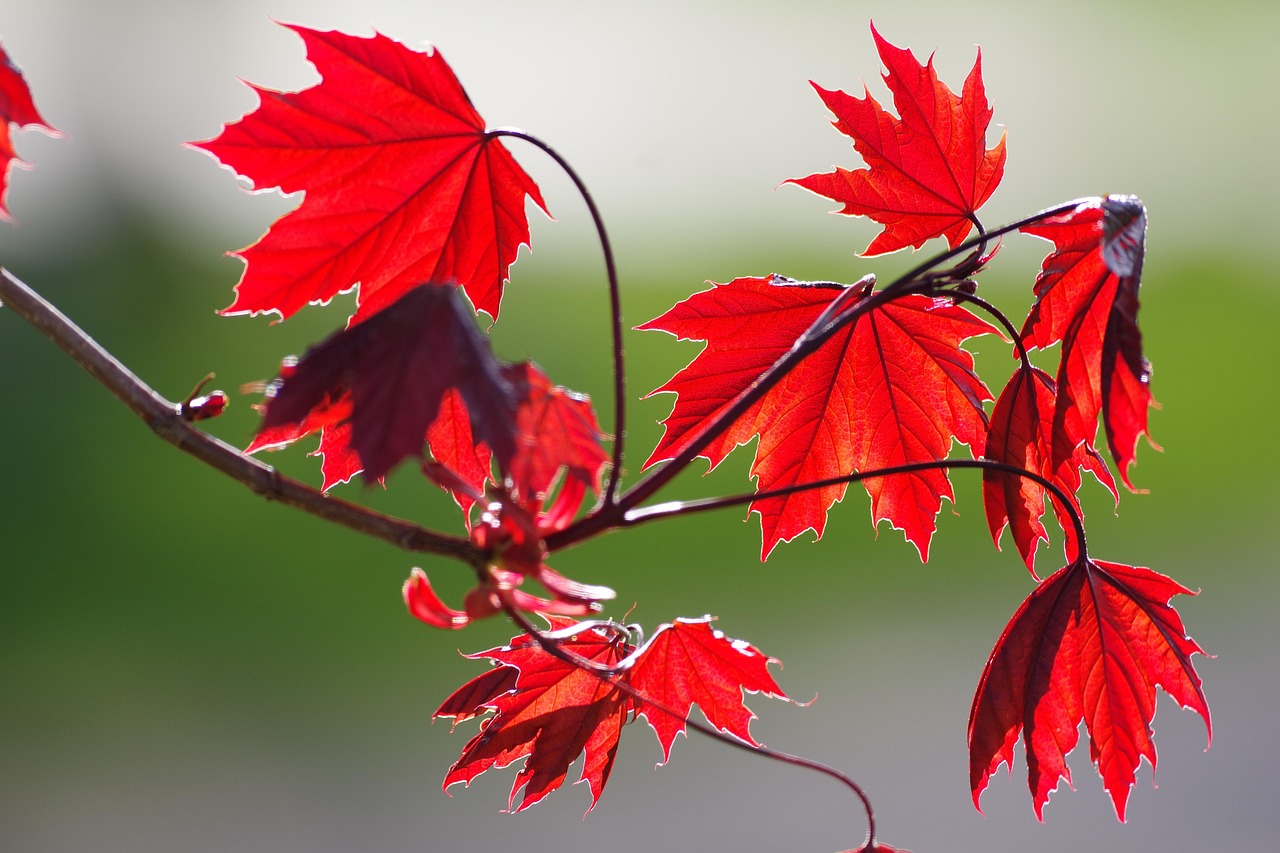
The red maple tree, scientifically known as Acer rubrum, is a common sight in many regions of North America. These trees are favored for their vibrant fall foliage and are often used in landscaping. However, while they may add beauty to our environment, they can pose dangers to pets, particularly dogs.
Red maples can grow up to 100 feet tall and thrive in various soil types. Their leaves are typically green during the summer and turn a brilliant red in the fall. The flowers bloom in early spring, and the trees produce small seeds that can also be harmful if consumed.
Key Toxic Components
The toxic properties of red maples primarily come from certain compounds found in the leaves and other parts of the tree. These compounds can lead to a condition known as hemolytic anemia in dogs. This serious condition occurs when the body starts destroying its own red blood cells.
| Plant Part | Toxicity Level | Symptoms |
|---|---|---|
| Leaves | High | Vomiting, lethargy, jaundice |
| Seeds | Moderate | Diarrhea, abdominal pain |
| Bark | Low | Minimal symptoms |
Symptoms of Red Maple Toxicity
If a dog ingests parts of a red maple tree, it is important for pet owners to be aware of the symptoms of toxicity. Early detection can be crucial in preventing serious health issues. Common symptoms include:
- Lethargy or weakness
- Vomiting or diarrhea
- Loss of appetite
- Pale gums or jaundice (yellowing of skin and eyes)
- Increased heart rate or breathing difficulties
These symptoms can develop within hours of ingestion. If you notice any of these signs, it is essential to seek veterinary care immediately.
Preventing Exposure
Preventing your dog from coming into contact with red maples is the best way to avoid toxicity. Here are some tips for pet owners:
Table of Contents
- Identify and remove any red maple trees from your property if you have pets.
- Avoid taking your dog to areas where red maples are prevalent, especially during the fall when leaves are abundant on the ground.
- Supervise your dog during walks and outdoor playtime to prevent them from chewing on or eating fallen leaves or seeds.
- Educate family members and friends about the dangers of red maples to ensure they do not inadvertently expose your dog to them.
What to Do If Ingestion Occurs
If your dog has ingested any part of a red maple tree, immediate action is necessary. First, try to determine how much your dog has eaten and when. Contact your veterinarian or an emergency animal poison control hotline for guidance. They will advise you on whether you need to bring your dog in for treatment.
In many cases, treatment may involve inducing vomiting or administering activated charcoal to limit further absorption of toxins. Supportive care such as intravenous fluids may be necessary in more severe cases.
Being informed about the risks associated with red maple trees is vital for all dog owners. By taking preventative measures and knowing how to respond in case of ingestion, you can keep your furry friends safe from potential harm.
Understanding Hemolytic Anemia
Hemolytic anemia is a serious condition that can occur when a dog ingests toxic substances, such as those found in red maples. This condition arises when the body’s immune system mistakenly attacks its own red blood cells, leading to a decrease in their number. Understanding the signs and implications of hemolytic anemia is crucial for dog owners.
Causes of Hemolytic Anemia
While red maple ingestion is a primary cause, hemolytic anemia can also result from various other factors. These include:
- Autoimmune disorders, where the body attacks its own cells.
- Infections that can weaken the immune system.
- Exposure to certain drugs or toxins, including some types of medications and plants.
Symptoms of Hemolytic Anemia
If your dog is suffering from hemolytic anemia, several symptoms may present themselves. These symptoms can vary in intensity and may include:
- Pale or yellowish gums
- Rapid breathing or increased heart rate
- Weakness or lethargy
- Fever
- Dark or reddish urine
- Lack of appetite
If you notice these symptoms in your dog, it is essential to contact a veterinarian immediately for evaluation and treatment.
Diagnosis and Treatment of Red Maple Toxicity
Veterinarians will use various methods to diagnose red maple toxicity and hemolytic anemia. A thorough history of your dog’s activities, including any potential exposure to red maples, is vital. Blood tests are commonly performed to assess the number of red blood cells and to identify any abnormalities.
Diagnostic Tests
The following diagnostic tests may be used to confirm hemolytic anemia:
- Complete Blood Count (CBC): This test measures red blood cell levels, white blood cells, and platelets to determine overall health and detect anemia.
- Blood Smear: A microscopic examination of the blood can reveal the presence of damaged red blood cells.
- Urinalysis: This test checks for hemoglobin in the urine, indicating red blood cell breakdown.
Treatment Options
Treatment for red maple toxicity and hemolytic anemia largely depends on the severity of the condition. Common approaches include:
- Induction of Vomiting: If ingestion was recent, the veterinarian may induce vomiting to prevent further absorption of toxins.
- Activated Charcoal: Administering activated charcoal can help absorb toxins still present in the gastrointestinal tract.
- Intravenous Fluids: Providing fluids can help maintain hydration and support kidney function.
- Blood Transfusions: In severe cases, a blood transfusion may be necessary to restore red blood cell levels.
- Medications: Corticosteroids may be prescribed to reduce inflammation and suppress the immune response.
Long-term Effects of Red Maple Toxicity
The long-term effects of ingesting red maple leaves can vary depending on the severity of the toxicity and the promptness of treatment. Some dogs may fully recover without lasting issues, while others may experience complications. Potential long-term effects include:
- Kidney Damage: Severe toxicity can lead to kidney impairment, affecting overall health.
- Chronic Anemia: Some dogs may develop ongoing anemia requiring regular veterinary care.
- Other Health Issues: In rare cases, complications may arise from underlying health conditions exacerbated by anemia.
Common Questions About Red Maple Toxicity
Many dog owners have questions regarding the risks associated with red maples. Here are some frequently asked questions:
Can all dogs be affected by red maple toxicity?
While all dogs can potentially be affected, some breeds may be more susceptible due to their size or existing health conditions. Always monitor your dog’s behavior around plants and trees.
Are other types of maples toxic to dogs?
Not all maple trees are toxic. However, it is essential to research specific species if you have concerns. Red maples are particularly well-known for their toxic effects on dogs.
3>What should I do if my dog shows no symptoms after ingestion? If your dog has ingested any part of a red maple but shows no symptoms, it is still advisable to consult your veterinarian. Early intervention can prevent future complications. Being well-informed about the dangers associated with red maples is crucial for protecting your furry companions. Understanding how to recognize symptoms and what steps to take in case of ingestion will help ensure their safety and well-being. While red maple is a significant concern for dog owners, it is essential to be aware of other plants that can also be toxic to dogs. Understanding potential hazards in your surroundings can help you create a safer environment for your pets. Many plants can pose health risks to dogs. Here is a list of some common toxic plants that every dog owner should be aware of: If a dog has ingested a toxic plant, symptoms can range from mild to severe. Common signs of plant toxicity may include: If you observe any of these symptoms, it is crucial to seek veterinary assistance immediately, as prompt treatment can be life-saving. Preventing exposure to toxic plants is an essential step in ensuring your dog’s safety. Here are some strategies to help you create a pet-friendly environment: When selecting plants for your garden or yard, consider the following tips: Indoor plants can also pose risks to dogs. Here are some steps to ensure indoor safety: If you’re ever uncertain about a plant’s safety, it’s best to err on the side of caution. Here are some actions you can take: Education is key to preventing accidents and ensuring the safety of your pets. Here are some ways to stay informed: Utilizing available resources can help you stay updated on pet safety: Engaging with other dog owners can provide additional insights into pet safety: By being proactive in educating yourself and others about potential hazards, you contribute to a safer environment for all pets in your community. Staying informed about the risks associated with red maples and other toxic plants will help ensure that your furry friends remain healthy and happy. Regular veterinary care plays a crucial role in maintaining your dog’s health. Annual check-ups can help detect any potential issues early on, including those related to toxins. Your veterinarian can provide you with tailored advice based on your dog’s breed, age, and health status. Creating a health plan for your dog can include several key components: Being observant of your dog’s behavior and habits can help catch problems early. Here are some signs to watch for: If you notice any of these signs, consult your veterinarian promptly to determine the underlying cause and get appropriate treatment. Being prepared for emergencies is essential for every dog owner. Here are some steps you can take to ensure you are ready: Your dog’s emergency kit should include: Establishing a clear plan for emergencies can help reduce panic during a crisis: Being aware of the risks associated with red maples and other toxic plants is essential for every dog owner. Understanding the symptoms of toxicity, knowing how to respond in emergencies, and creating a safe environment will significantly reduce risks to your pet’s health. Regular veterinary visits and staying informed about potential hazards are also critical components of responsible pet ownership. Your commitment to educating yourself and others about these dangers contributes not only to your dog’s safety but also helps foster a community that prioritizes pet health. By taking proactive steps, you can ensure that your furry friends lead long, healthy lives free from the dangers posed by toxic plants such as red maples. The more you know about the plants around you and their potential effects on dogs, the better equipped you will be to provide a safe and nurturing environment for your beloved pets. Always remember to seek professional advice if you have any concerns regarding your dog’s health or safety.
Recognizing Other Common Plants Toxic to Dogs
Common Toxic Plants
Signs of Plant Toxicity
Creating a Safe Environment for Your Dog
Landscaping Choices
Indoor Plant Safety
What to Do in Case of Uncertainty
The Role of Education in Pet Safety

Resources for Dog Owners
Community Involvement
Understanding the Importance of Veterinary Care
Establishing a Health Plan
Keen Observation
Emergency Preparedness for Pet Owners
Creating an Emergency Kit
Emergency Action Plan
Final Thoughts