
Snake plants are mildly toxic to cats, primarily causing gastrointestinal upset if ingested. While they are popular houseplants for their low maintenance needs, pet owners should be cautious about their potential risks. If you’re concerned about pet-friendly options, you might want to read more about Are Spider Plants Toxic to Cats? What Pet Owners Must Know.
Table of Contents
Understanding Snake Plants
What are Snake Plants?
I remember the first time I came across a snake plant; its tall, rigid leaves caught my eye instantly. Snake plants, scientifically known as Sansevieria, are hardy indoor plants that thrive with little care. Native to Africa, they are beloved for their striking appearance and resilience. The leaves are typically long and sword-like, often variegated with shades of green and yellow. They can grow up to several feet tall, making them a stunning addition to any room.
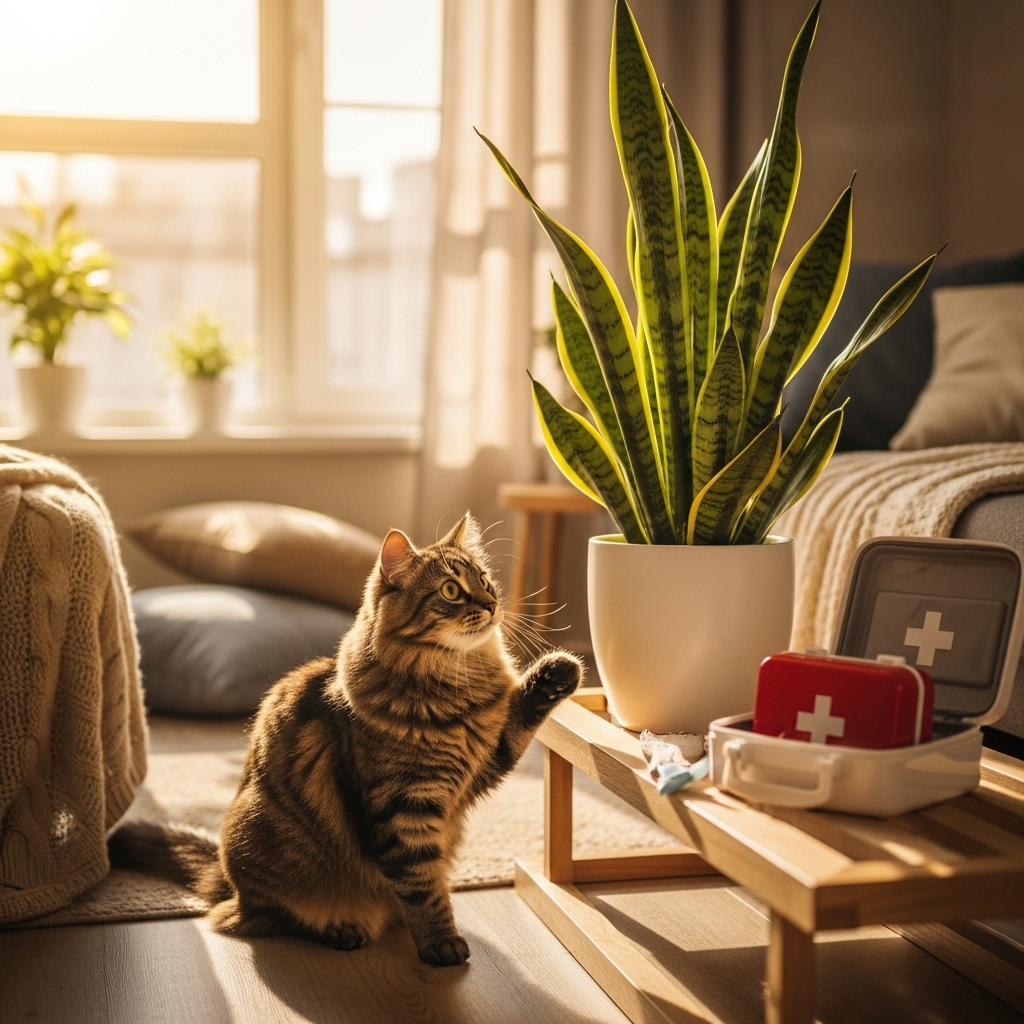
Common Varieties of Snake Plants
There are a few varieties of snake plants that I’ve found particularly interesting. The most common include:
- Sansevieria trifasciata: Also known as the mother-in-law’s tongue, this variety has thick, upright leaves with a beautiful marbled pattern.
- Sansevieria cylindrica: Known for its round leaves, this type adds a unique twist to the traditional snake plant look.
- Sansevieria laurentii: This variety features yellow edges, providing a vibrant contrast to the green center.
Each type has its own charm, but they all share the same low-maintenance qualities that make them popular among plant lovers. I’ve tried growing a couple of these varieties, and they have all been surprisingly forgiving of my occasional forgetfulness when it comes to watering.
Care and Maintenance of Snake Plants
One of the best things about snake plants is how easy they are to care for. I remember when I first started gardening indoors; I was thrilled to discover that these plants are almost impossible to kill. Here are some basic care tips I found helpful:
- Light Requirements: Snake plants prefer indirect light but can tolerate low light conditions. I placed mine near a window but not directly in the sun, and it thrived.
- Watering: Overwatering is the most common mistake with snake plants. They prefer to dry out completely between waterings. I usually wait until the soil is bone dry before giving them a drink.
- Soil: A well-draining potting mix is crucial. I use a cactus mix for mine, as it allows for good drainage.
- Humidity and Temperature: Snake plants are quite adaptable. They do well in average household humidity and temperatures between 60°F and 80°F.
Maintaining a snake plant has been a joy for me, and I love how it adds an air of freshness to my home. Plus, it doesn’t demand too much attention, which is a bonus for anyone with a busy lifestyle. I’ve also discovered that some houseplants can purify the air effectively; for more information, check out 10 Houseplants That Will Purify Your Air Better Than a $500 Air Purifier.
Are Snake Plants Toxic to Cats?
Scientific Classification and Toxicity Levels
Now, let’s dive into the important topic of toxicity, especially for pet owners. Snake plants belong to the Asparagaceae family, which means they have some compounds that can be harmful if ingested by certain pets. These plants contain saponins, which are toxic substances that can lead to mild to moderate symptoms in cats. While I appreciate the beauty of snake plants, I also understand the need to be cautious if you have furry friends roaming around.
Why Snake Plants are Considered Toxic
So why exactly are snake plants considered toxic? From what I’ve researched and experienced, the saponins in snake plants can cause gastrointestinal upset in cats. If a cat nibbles on a leaf, it can lead to vomiting, diarrhea, or even lethargy. I recall a friend of mine who had a curious cat that loved to munch on houseplants. After a quick visit to the vet, they learned that snake plants were off-limits in their home. It’s essential for us as pet owners to be aware of the potential dangers.
Comparison with Other Common Houseplants
When considering houseplants, I often weigh the pros and cons of their safety around pets. Snake plants are not alone in this category. For instance, many common houseplants, such as pothos and philodendrons, are also toxic to cats. However, there are several non-toxic alternatives, like spider plants and Boston ferns, that can safely coexist with our furry companions. I’ve swapped out a few toxic plants in my collection to ensure my home is a safe space for my pets. It’s all about making informed choices and enjoying our green companions without worry.
Signs and Symptoms of Snake Plant Poisoning in Cats
Common Symptoms to Watch For
As a cat owner, I know how important it is to be vigilant about our pets’ well-being. If a cat happens to nibble on a snake plant, there are some signs that may indicate they are having a reaction. Common symptoms of snake plant poisoning include vomiting, diarrhea, and loss of appetite. I remember a time when my friend’s cat started vomiting after chewing on a houseplant; it was a scary moment for her. Watching for these signs can make a significant difference in how quickly we respond and get our furry friends the help they need.
Severe Reactions and When to Seek Help
While the symptoms of snake plant ingestion are usually mild, there can be more severe reactions in some cases. If I ever noticed my cat becoming lethargic, having difficulty breathing, or showing any signs of distress, I would not hesitate to contact a veterinarian. Severe reactions can vary depending on the individual cat’s health and size. I learned that it’s always better to err on the side of caution when it comes to our pets. If you suspect ingestion, seeking professional help is a wise choice.
Differences in Symptoms by Cat Size and Age
One thing I’ve noticed in my experience as a cat parent is that the size and age of a cat can influence how they react to toxins like those in snake plants. Kittens, for example, are generally more sensitive to toxins than adult cats, and smaller cats might experience symptoms more severely than larger cats. If you’re like me and have a mix of ages and sizes in your household, it’s crucial to keep an eye on all of them. I’ve often thought about how important it is to tailor our approach to each pet’s unique needs. Knowing this has helped me be more proactive in creating a safe environment for all my furry companions.
What to Do if Your Cat Ingests a Snake Plant
Immediate Steps to Take
If you find yourself in a situation where your cat has ingested part of a snake plant, it’s essential to act quickly. First, I would calmly assess the situation. Keeping a close eye on my cat for any immediate symptoms is crucial. If I notice anything unusual, I would take note of what part of the plant was ingested, as this information can be helpful for the vet. I’ve learned that having a plan in place can reduce panic and make acting swiftly much easier.
When to Contact a Veterinarian
In my experience, knowing when to reach out for help is vital. If my cat shows any severe symptoms like excessive vomiting or lethargy, I wouldn’t hesitate to contact my veterinarian. I’ve found that it’s always better to be safe than sorry. Even if symptoms seem mild, a quick call to the vet can provide peace of mind and guidance on the best next steps. They can offer advice tailored to your specific situation, which is invaluable.
Home Remedies and Treatments
While I always recommend consulting a vet, I’ve also discovered some simple home remedies that can help ease mild symptoms of snake plant poisoning. Ensuring my cat stays hydrated is a top priority, as vomiting and diarrhea can lead to dehydration. I usually offer them fresh water or even a bit of low-sodium chicken broth to encourage them to drink. If my cat seems to have an upset stomach, I might try offering them some plain, boiled chicken or rice. However, I always remember to check with a vet before trying any home remedies to ensure they’re safe for my pet.
Preventing Cat Exposure to Snake Plants
Safe Placement of Snake Plants in Your Home
After learning about the potential risks of snake plants, I took a proactive approach to keep my home safe for my cats. One of the easiest ways to prevent exposure is by strategically placing my snake plants out of reach. I’ve found that putting them on high shelves or in rooms that my cats don’t frequent works well. It’s been a game-changer for me, as it allows me to enjoy my plants without worrying about my furry friends getting into trouble.
Alternatives to Snake Plants for Cat Owners
I’m always on the lookout for pet-friendly houseplants. If you’re like me, you want your home to be green and vibrant while keeping your pets safe. Some excellent alternatives to snake plants include spider plants, Boston ferns, and African violets. These plants not only add beauty to my space but also give me peace of mind knowing they won’t harm my cats. I think finding a mix of safe plants that I enjoy has made gardening even more rewarding.
Creating a Cat-Friendly Environment
As a cat lover, I believe creating a cat-friendly environment is essential. I’ve taken time to research and design a space that accommodates both my love for plants and my pets’ safety. I created designated areas for my plants, ensuring they are placed where my cats can’t access them. Additionally, I’ve filled those areas with non-toxic plants, enriching our home with greenery while keeping my cats safe. I’ve seen firsthand how a little planning can make a big difference in ensuring harmony between my plants and pets.
Frequently Asked Questions (FAQs)
Can Snake Plants Kill Cats?
I often find myself wondering just how dangerous certain houseplants can be for my pets. Thankfully, while snake plants are indeed toxic to cats, they are generally not fatal. The saponins in the plant can cause gastrointestinal upset, but I’ve learned that serious health issues are quite rare. In my opinion, the key lies in prevention and awareness. If we keep a close eye on our pets and monitor their interactions with these plants, we can keep them safe. I remember reading stories from other pet owners whose cats experienced mild symptoms after nibbling on snake plants, but with prompt attention, their cats recovered without any lasting effects. It’s a reminder that while caution is essential, there’s no need to panic if we take the right steps.
How to Identify Snake Plants vs. Non-Toxic Plants
As a plant enthusiast and a cat parent, I’ve spent a lot of time familiarizing myself with different plants, making it easier to distinguish between toxic and non-toxic varieties. Snake plants have very distinct features that set them apart. Their long, upright leaves are often green with yellow or white edges, resembling swords. To make identification easier, I’ve created a little mental checklist for myself:
- Leaf Shape: Snake plants have long, rigid, and sword-like leaves, while many non-toxic plants, like spider plants, have softer and more arching leaves.
- Growth Pattern: Snake plants typically grow vertically, with leaves sprouting directly from the soil. In contrast, plants like pothos tend to trail or vine.
- Color Variations: Look for the variegation in snake plants, which can include multiple shades of green along with yellow or white stripes.
If you’re ever unsure, I recommend checking online resources or plant identification apps. I’ve found them super helpful when I want to double-check a plant’s safety before bringing it home.
Are There Any Benefits of Snake Plants for Pet Owners?
Despite their toxicity, I’ve come to appreciate some of the benefits that snake plants offer, even as a pet owner. For one, they are excellent air purifiers. I remember reading a study that highlighted how snake plants can remove toxins from the air, which is a big plus in any home. This means not only do they add beauty to my space, but they also contribute to a healthier environment for both me and my pets. I’ve noticed that having plants around helps create a calming atmosphere, which benefits my furry friends too.
Another bonus is that snake plants are incredibly low-maintenance. For busy pet owners like me, this means I can enjoy the aesthetic of having greenery without the stress of constant care. Plus, they can thrive in various light conditions, which makes them adaptable to almost any room. I’ve even heard from fellow cat owners who keep snake plants in their homes, taking precautions to place them safely out of reach, ensuring their pets remain unharmed while still enjoying the benefits of these hardy plants. For more insights into the meanings and benefits of snake plants, you can read about Snake Plant Spiritual Meanings Across Cultures & Feng Shui Benefits.
Ultimately, it’s about finding a balance. I believe that we can have beautiful indoor plants while also ensuring the safety of our pets. By doing a little research and being mindful of our choices, we can cultivate a home that is both vibrant and safe for our furry companions.
Frequently Asked Questions
Are snake plants toxic to cats?
Yes, snake plants are mildly toxic to cats. They contain saponins that can cause gastrointestinal upset if ingested, leading to symptoms like vomiting and diarrhea.
What symptoms should I watch for if my cat ingests a snake plant?
Common symptoms of snake plant poisoning in cats include vomiting, diarrhea, loss of appetite, and lethargy. It is important to monitor your cat for these signs if you suspect they have ingested part of the plant.
What should I do if my cat ingests a snake plant?
If your cat ingests part of a snake plant, assess the situation and watch for any immediate symptoms. If you notice any unusual behavior or symptoms, contact your veterinarian for advice.
Can snake plants kill cats?
While snake plants are toxic to cats, they are generally not fatal. The saponins can cause gastrointestinal upset, but serious health issues are rare with prompt attention.
How can I prevent my cat from accessing snake plants?
To prevent cat exposure to snake plants, place them out of reach by using high shelves or keeping them in rooms where your cats do not go. This helps ensure your pets do not have access to the plants.
What are some non-toxic alternatives to snake plants for cat owners?
Some excellent alternatives to snake plants include spider plants, Boston ferns, and African violets. These plants are safe for cats and can still beautify your home.
How do I identify snake plants compared to non-toxic plants?
Snake plants have long, rigid, sword-like leaves that are typically green with yellow or white edges. They grow vertically and have a distinct growth pattern compared to more trailing plants, such as pothos.
What care do snake plants require?
Snake plants prefer indirect light but can tolerate low light conditions. They require a well-draining potting mix and prefer to dry out completely between waterings. Average household humidity and temperatures between 60°F and 80°F are suitable for their growth.
Are there benefits to having snake plants as a pet owner?
Yes, snake plants are excellent air purifiers and can remove toxins from the air, creating a healthier environment. They are also low-maintenance, making them ideal for busy pet owners.
What should I do if my cat shows severe symptoms after ingesting a snake plant?
If your cat shows severe symptoms such as excessive vomiting or difficulty breathing, contact your veterinarian immediately. It’s always better to err on the side of caution when it comes to your pet’s health.