
As a cat owner, I’ve always been curious about the plants we bring into our homes. One plant that often caught my eye is the spider plant. But, are they safe for our feline friends? Let’s dive into the world of spider plants and their relationship with cats.
Table of Contents
Understanding Spider Plants
What Are Spider Plants?
Spider plants, scientifically known as Chlorophytum comosum, are popular houseplants known for their lush green leaves and unique spider-like offshoots. These offshoots give them their name as they resemble tiny spiders hanging from the mother plant. I remember the first time I saw one in a friend’s house; it was so vibrant and full of life! These plants are native to tropical and southern Africa, but they have become a staple in homes around the world due to their easy care and air-purifying properties.
Common Varieties of Spider Plants
When I started researching spider plants, I was surprised to learn that there are several varieties. The most common ones include:
- Green Spider Plant: This is the classic version, with solid green leaves.
- Variegated Spider Plant: It features green leaves with white or yellow stripes, adding a touch of color to any room.
- Bonnie Spider Plant: This variety has curly leaves, giving it a more whimsical look.
Each variety has its own charm and can add a unique aesthetic to your home. I personally love the variegated one for its striking appearance!
Benefits of Having Spider Plants at Home
Beyond their beauty, spider plants offer several benefits. I’ve noticed that they’re particularly forgiving when it comes to care, making them perfect for those of us who may not have a green thumb. They thrive in a range of conditions and can tolerate occasional neglect. Here are some benefits I’ve found:
- Air Purification: Spider plants are known to filter toxins from the air, making your home a healthier place. Studies have shown they can remove pollutants like formaldehyde and xylene.
- Humidity Regulation: They can help increase humidity levels in your home, which is great during dry seasons.
- Pet-Friendly Status: Though I’ll discuss their safety more in-depth shortly, many believe spider plants are non-toxic to pets, making them a popular choice for households with furry residents. Keep Your Cats Safe from Monstera Plant Toxicity
Having a spider plant in my living room not only boosts the décor but also contributes to a healthier indoor environment. It’s like having a little green friend that looks after us!
Are Spider Plants Toxic to Cats?
Overview of Toxicity in Plants
As a pet parent, I understand the concern about which plants are safe for our furry companions. Plant toxicity can vary widely, with some plants being harmless and others causing serious health issues. It’s essential to know which plants can pose risks to our pets. Toxicity typically depends on the type of plant and the amount ingested. Some plants can cause mild gastrointestinal upset, while others may lead to more severe complications. I remember the first time I found out about toxic plants; it made me rethink my indoor garden!
Research Findings on Spider Plants and Cats
When it comes to spider plants, the good news is that they are generally considered non-toxic to cats. The ASPCA lists them as having a low toxicity level, meaning they won’t cause major harm if ingested. However, while I felt relieved reading this, I also learned that even non-toxic plants can lead to some unpleasant side effects. The leaves might cause mild gastrointestinal upset in cats. This means if your curious feline decides to munch on a spider plant, they might experience some vomiting or diarrhea. In my case, I had to keep an eye on my cat after she took a few nibbles. Thankfully, she was just fine!
Symptoms of Spider Plant Ingestion in Cats
It’s essential to be aware of what signs to watch for if your cat does nibble on a spider plant. While the effects are generally mild, I’ve discovered that being proactive can help ease any worries. Symptoms of ingestion may include:
- Vomiting
- Diarrhea
- Loss of appetite
- Increased salivation
If you notice any of these symptoms after your cat has interacted with a spider plant, it’s a good idea to monitor them closely. In my experience, I found that my cat’s digestive system can be quite sensitive, so it’s always better to err on the side of caution. If symptoms persist, reaching out to my veterinarian provides peace of mind.
Understanding Cat Behavior Around Plants
Why Cats are Attracted to Spider Plants
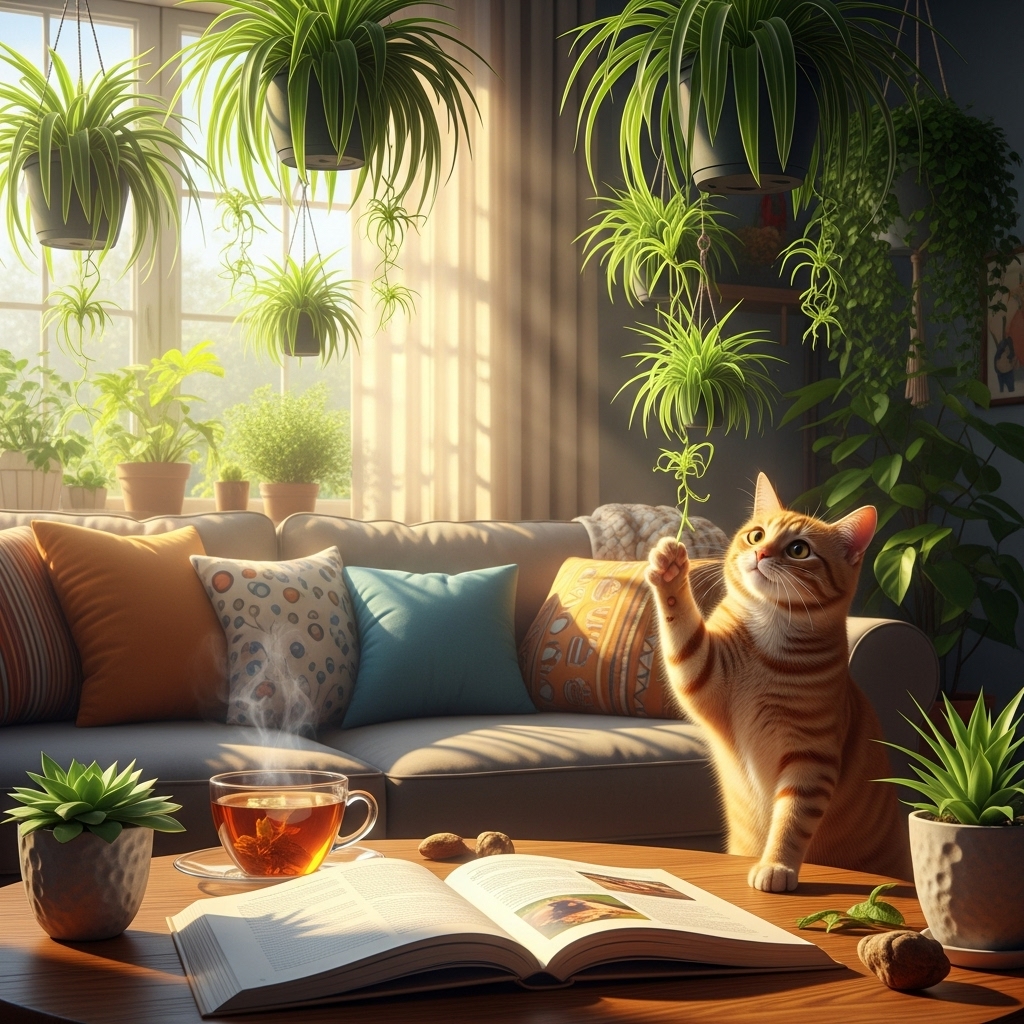
As I’ve observed my cats over the years, their fascination with plants is both amusing and puzzling. It’s almost like they have a built-in radar that directs them to greenery! When it comes to spider plants, I think their long, arching leaves and dangling offshoots mimic the movement of prey, which can really catch a cat’s eye. I’ve noticed my furry friends pawing at the leaves and sometimes even trying to play with the small plantlets that dangle from the main stem.
Another reason may be that many cats enjoy chewing on plants. I’ve read that some cats are drawn to the texture and taste of certain greens. For many of us cat owners, this is a natural part of their behavior. It seems like they instinctively know that these plants can provide some sort of stimulation. Plus, I remember reading somewhere that cats can derive certain benefits, like aiding in digestion, from chewing on grass and plant materials. A spider plant might just be a more convenient option for them!
Safe vs. Unsafe Plants for Cats
As much as we love having plants around, it’s important to be mindful of what’s safe for our feline companions. I’ve gone through the exhaustive list of both safe and unsafe plants, and it can be a bit overwhelming. From my experience, it’s crucial to familiarize ourselves with plants that can be harmful to our cats.
Some common household plants that are toxic include:
- Lilies: All parts of this plant are highly toxic to cats and can lead to kidney failure.
- Pothos: While beautiful, this plant can cause severe gastrointestinal distress if ingested.
- Philodendron: Similar to pothos, it can irritate the mouth and stomach.
On the flip side, I’ve discovered many plants that are safe for cats, including cat grass, catnip, and even some herbs like basil and parsley. I love keeping a little pot of cat grass for my cats. They enjoy nibbling on it without any worry on my part! I always recommend doing a quick check on any new plant before bringing it home to ensure it’s safe for our furry friends. What Is Dormant Oil and How Can It Save Your Fruit Trees
What Pet Owners Must Know
Precautions for Cat Owners with Spider Plants
Even though spider plants are generally considered non-toxic, I find it essential to take a few precautions to ensure both my plants and my cats coexist peacefully. One of the first things I did was place my spider plants in areas that are out of reach of my cats. Hanging them from a shelf or placing them on a high table has worked well for me. Not only does it help protect the plants, but it also keeps my cats from causing a mess when they inevitably investigate.
Another precaution is to keep an eye on their behavior around the plants. I learned the hard way when I caught my cat trying to dig into the soil of my spider plant. I quickly redirected her to her cat grass, which seemed to satisfy her curiosity. I’ve also noticed that providing plenty of toys and scratching posts can help deter them from the plants. Keeping them entertained is key!
Alternative Safe Plants for Cats
If you’re looking to expand your indoor garden while keeping your cats safe, there are plenty of pet-friendly options out there. Some of my favorites include:
- Bamboo Palm: This lush plant not only looks great but also acts as a natural air purifier.
- Areca Palm: It’s non-toxic and adds a tropical touch to any room.
- Boston Fern: I love its feathery foliage, and it’s safe for both cats and dogs.
- Spiderwort: Another vibrant option that can thrive indoors and is safe for pets.
Having a variety of plants not only beautifies my home but also gives my cats safe options to explore. Plus, it’s fun to watch them interact with the greenery! Snake Plant Spiritual Meanings Across Cultures & Feng Shui Benefits
Emergency Steps if Your Cat Ingests a Spider Plant
In the unfortunate event that your cat does ingest a spider plant, it’s essential to stay calm and take the right steps. From my experience, the first thing to do is to monitor your cat for any symptoms like vomiting or diarrhea. If you notice any of these signs, I recommend checking with your veterinarian as soon as possible. They can offer guidance on what actions to take next.
While spider plants typically don’t cause severe reactions, it’s always better to err on the side of caution. I keep the contact information of my vet handy, just in case of emergencies. Additionally, having the ASPCA Poison Control number saved in my phone has been a lifesaver for my peace of mind.
Overall, being proactive and informed helps ensure that our homes are safe havens for both our plants and our beloved pets. After all, we want our indoor gardens to flourish alongside our furry companions!
Making Informed Choices for Your Pet
Consulting Your Veterinarian
As a cat owner, I’ve learned that my veterinarian is one of my best resources when it comes to keeping my furry friends safe. Whenever I’m considering adding a new plant to my home, I make it a point to consult with them first. They can provide detailed information on which plants are safe and which ones might pose a risk. I remember when I first brought my cat home; I had a million questions, and my vet was incredibly patient and informative. They can also offer advice on how to manage your cat’s curiosity around plants, helping to ease any concerns I might have.
In my experience, a simple phone call or visit can be incredibly reassuring. My vet always reminds me to keep a close eye on my cats and to watch for changes in their behavior. If I notice anything unusual, I know I can reach out for advice. This proactive approach helps me feel more confident in creating a home that balances my love for plants and my responsibility as a pet owner.
Creating a Safe Environment for Your Pets
Creating a safe environment for our pets is something I take seriously. I’ve learned a few practical tips that make a big difference. First, I make sure to place plants out of reach, especially those that might be tempting for my cats to nibble on. Utilizing shelves, hanging pots, or even plant stands has worked wonders in keeping my space looking beautiful while ensuring my cats stay safe.
Another strategy I’ve found effective is to designate specific “cat-safe” areas in my home. These can be spaces where I allow my cats to explore and play. I’ve filled these areas with cat grass, toys, and safe plants like catnip to keep them entertained. This not only satisfies their curiosity but also keeps them from feeling the need to investigate my more delicate houseplants. I remember feeling so relieved when I noticed my cats happily enjoying their own space without bothering my spider plants!
It’s also essential to regularly check on the plants I have at home. I’ve made it a habit to keep my plants healthy, which includes ensuring there are no dead leaves or stems that could attract my cats. Healthy plants are less likely to be a point of interest for them, and it gives me peace of mind knowing they’re not tempted to explore further. Plus, I find that taking care of my plants is a relaxing hobby that brings me joy.
Lastly, I suggest considering pet-proofing sprays or solutions that deter cats from chewing on plants. I was hesitant at first, but I found a product that is safe for both cats and plants. I’ve used it on a few occasions, and it helps keep my curious kitties at bay without harming my greenery.
Alternative Safe Plants for Cats
Great Options for Your Feline-Friendly Garden
If you’re like me and want to fill your home with plants that are both beautiful and safe for your cats, there are plenty of options out there. Here are some more plants I’ve personally added to my collection:
- Ponytail Palm: This quirky plant not only looks unique, but it’s also safe for cats. Its long, arching leaves can even provide a bit of fun for my cats to explore without any worries.
- Parlor Palm: A great indoor plant that adds a touch of elegance to any room, and it’s safe for our furry companions.
- Cast Iron Plant: Known for its resilience, this plant can thrive in various conditions, all while being non-toxic to cats.
- Calathea: These plants are not only stunning with their colorful leaves, but they’re also completely cat-friendly.
Having a variety of safe plants has been such a rewarding experience. I love watching my cats play around these plants, and it gives me peace of mind knowing that they can enjoy the greenery without any risk to their health. Plus, it adds a vibrant touch to my home that I absolutely adore!
Emergency Steps if Your Cat Ingests a Spider Plant
While I hope it never happens, it’s essential to be prepared in case my cat does ingest a spider plant or any other non-toxic plant. I’ve learned that keeping a calm demeanor is vital for both my cat’s wellbeing and my own. The first thing I do is check for any immediate symptoms, as I mentioned earlier. If I see signs like vomiting or diarrhea, I don’t panic; instead, I take note of when it started and what else my cat might have eaten.
Having my veterinary clinic’s number saved in my phone has come in handy more times than I care to admit. I recommend contacting them for guidance on whether a visit is necessary. They can help assess the situation over the phone, which often alleviates my worries. If they advise coming in, I make sure to bring information about the plant my cat ingested, as this can help them provide the best care.
Remembering that spider plants are generally non-toxic helps ease my mind, but I’ve learned it’s always better to take precautions. Additionally, I keep the ASPCA Poison Control number readily available. Having these resources at my fingertips makes me feel more prepared for any situation.
By taking these steps, I can ensure that my home remains a safe and happy place for both my cats and my beloved plants. It’s all about balance and being informed as a pet owner!
Frequently Asked Questions
What are spider plants?
Spider plants, scientifically known as Chlorophytum comosum, are popular houseplants characterized by their lush green leaves and unique spider-like offshoots. They are native to tropical and southern Africa and are known for their easy care and air-purifying properties.
Are spider plants safe for cats?
Yes, spider plants are generally considered non-toxic to cats. The ASPCA lists them as having a low toxicity level, meaning they won’t cause major harm if ingested, though they can lead to mild gastrointestinal upset.
What symptoms might occur if a cat ingests a spider plant?
Symptoms of ingestion may include vomiting, diarrhea, loss of appetite, and increased salivation. It’s important to monitor your cat closely if they interact with a spider plant.
Why are cats attracted to spider plants?
Cats are attracted to spider plants due to their long, arching leaves and dangling offshoots, which mimic the movement of prey. Additionally, many cats enjoy chewing on plants, which can provide them with stimulation.
What precautions should cat owners take with spider plants?
Cat owners should consider placing spider plants out of reach of their cats and monitoring their behavior around the plants. Providing alternative distractions like cat grass and toys can also help deter them from investigating the plants.
What are some alternative safe plants for cats?
Some alternative safe plants for cats include bamboo palm, areca palm, Boston fern, ponytail palm, parlor palm, cast iron plant, and calathea.
What should I do if my cat ingests a spider plant?
If your cat ingests a spider plant, monitor them for symptoms like vomiting or diarrhea. If symptoms persist, contact your veterinarian for guidance on what actions to take next.
How can I create a safe environment for my pets with plants?
To create a safe environment, place plants out of reach, designate cat-safe areas filled with toys and safe plants, and regularly check on the health of your plants to keep them less interesting to your cats.
Can I consult my veterinarian about plant safety for my cat?
Yes, consulting your veterinarian is a great idea when considering adding new plants to your home. They can provide detailed information on which plants are safe and which might pose a risk to your cat.
What is the best way to handle a curious cat around houseplants?
Providing plenty of toys, distractions, and designated cat-safe areas can help manage a curious cat. Using pet-proofing sprays that deter cats from chewing on plants can also be effective.