
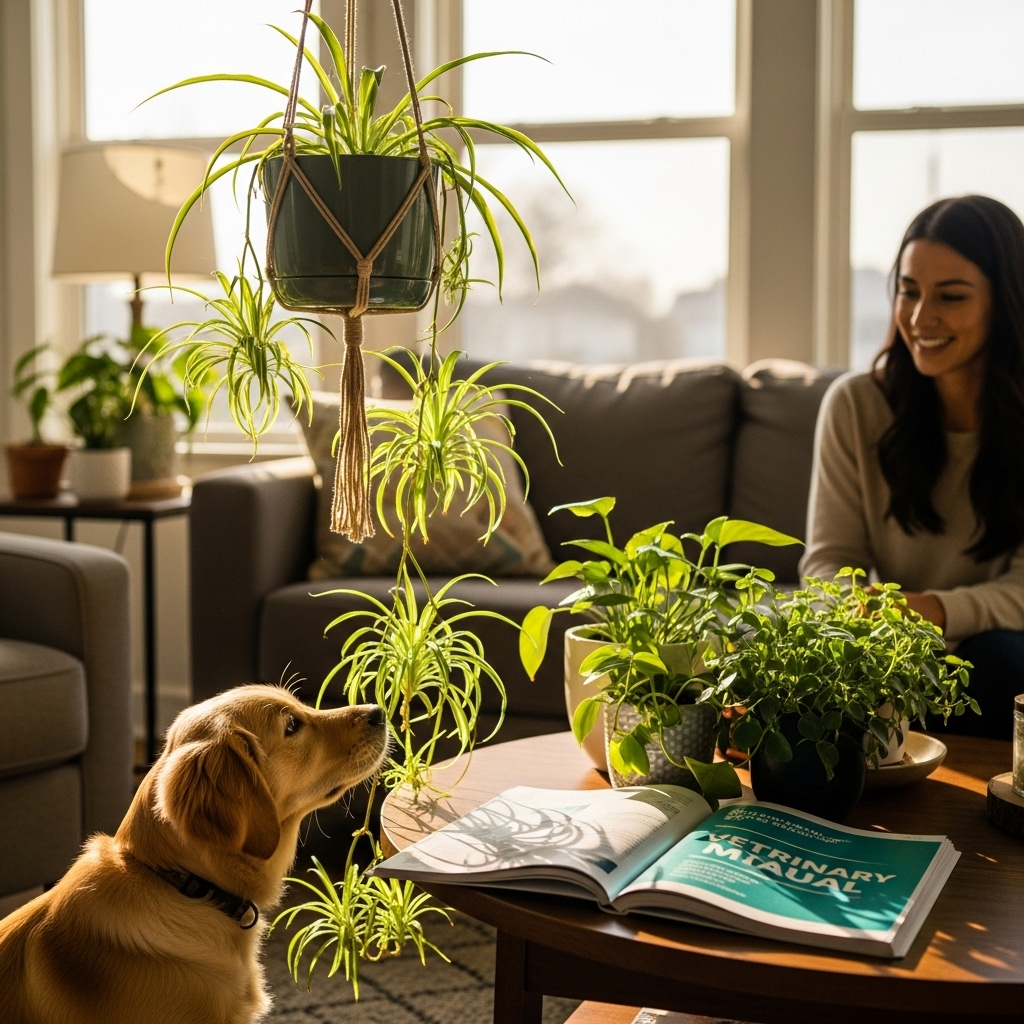
Spider plants are not toxic to dogs, making them a safe choice for pet owners who love houseplants. However, while they are generally safe, it’s good to be mindful of how your dog interacts with them. If you’re also a cat owner, you might want to check out information on Are Spider Plants Toxic to Cats? What Pet Owners Must Know.
Understanding Spider Plants
What are Spider Plants?
Spider plants, scientifically known as *Chlorophytum comosum*, are popular houseplants recognized for their long, arching leaves and small white flowers. I remember the first time I saw one—I was captivated by its lush green foliage and the way it seemed to thrive effortlessly, even in less-than-ideal lighting conditions. They’re known for their air-purifying qualities and are often recommended for homes and offices to improve indoor air quality. What makes spider plants even more appealing is their ability to produce “pups,” or baby plants, that can be easily propagated. This means one spider plant can lead to many, making them a favorite among gardeners and plant enthusiasts alike.
Common Varieties of Spider Plants
There are several varieties of spider plants, each with its unique charm. The most common is the classic green spider plant, but I’ve also seen variegated types, like *Chlorophytum comosum ‘Variegatum’*, which feature creamy white edges on their leaves. Then there’s the *Chlorophytum comosum ‘Bonnie’*, known for its curly leaves that give it a distinctive look. I’ve tried growing a few of these varieties, and each one brings a new aesthetic to my home. They’re easy to care for, often thriving on neglect, which is perfect for someone like me who sometimes forgets to water them regularly!
Are Spider Plants Toxic to Dogs?
Overview of Toxicity
When it comes to the safety of our furry friends, it’s natural to worry about the plants we bring into our homes. I remember when I first got a dog, I was constantly researching which houseplants were safe. The good news for dog owners is that spider plants are considered non-toxic to dogs. According to the ASPCA, these plants are classified as safe, meaning they won’t cause serious harm if ingested. However, it’s essential to note that while they are non-toxic, this doesn’t mean that all dogs will react the same way. Each pet is unique, and I’ve found that some dogs can have more sensitive stomachs than others.
Symptoms of Spider Plant Ingestion in Dogs
Even though spider plants are non-toxic, ingestion can still lead to mild gastrointestinal upset in dogs. If your dog decides to munch on a few leaves, you might notice symptoms like vomiting, diarrhea, or a slight decrease in appetite. I once had a friend whose dog nibbled on her spider plant, and while the pup was fine, he did have a bit of an upset stomach for a day. It was a reminder for me that even safe plants can lead to discomfort. Always keep an eye on your dog after they’ve eaten something they shouldn’t, just to be cautious.
Comparison with Other Common Houseplants
Comparatively, many other houseplants can be toxic to dogs. For instance, plants like pothos or philodendrons can cause more severe reactions, including oral irritation and difficulty swallowing. I remember when I first learned about these toxic plants; it made me appreciate spider plants even more! Knowing that I could have them around without worrying too much about my dog’s health was a relief. If you’re considering adding more greenery to your home, it’s wise to research each plant’s safety, especially ones that may be easily accessible to your dog. Spider plants stand out in this regard as a pet-friendly option among the many plants that pose risks to our furry companions. If you’re curious about other plants, you can read about Are Snake Plants Toxic to Dogs? Symptoms + Treatment.
Safety Considerations for Dog Owners
Safe Houseplant Alternatives
For those of us who adore houseplants but worry about our pets, knowing which plants are safe can feel a bit overwhelming. I’ve spent hours browsing through lists and recommendations, searching for alternatives that won’t pose a risk to my furry friends. Aside from spider plants, there are several other houseplants that are safe for dogs. For example, you might consider getting a Boston fern, a parlor palm, or a areca palm. These plants not only bring life into your home but also keep your pets safe. I’ve had a Boston fern in my living room, and it adds a lovely touch while letting me relax knowing my dog can’t get hurt by it. It’s all about finding that perfect balance between aesthetics and safety.
How to Keep Spider Plants Safe from Dogs
I’ve learned a few tricks over the years to keep my spider plants safe from my curious dog. One of the most effective methods is placing them in elevated areas, such as on a high shelf or in hanging planters. This way, my dog can’t reach them, and I can still enjoy their beauty. If you don’t have space for high shelves, consider using plant stands that elevate your greenery. I’ve also found that adding decorative stones or pebbles on the soil can deter my dog from digging around in the pots. While it’s not foolproof, it definitely helps keep her away from the plants she might find tempting.
Creating a Dog-Friendly Home Environment
Creating a safe environment for both plants and pets is crucial. I remember when I first adopted my dog; I had to re-evaluate my space to make it more dog-friendly. Start by identifying areas where your dog spends the most time and ensure those spaces are free from hazardous plants or items. Using barriers, like baby gates, can help keep pets away from certain areas of your home where plants are located. Additionally, establishing a designated play area for your dog can help limit their curiosity about your plants. I’ve found that when my dog has her own space filled with toys and comfy spots, she’s less likely to wander into the plant zone. It’s all about setting boundaries while still allowing your home to feel like a sanctuary for both humans and pets.
What to Do if Your Dog Ingests a Spider Plant
Immediate Actions to Take
If you ever find yourself in a situation where your dog has ingested a spider plant, it’s important to stay calm. I remember a time when I panicked after catching my dog munching on a leaf. The first thing I did was remove any remaining plant material from her reach. After that, I observed her for any signs of distress. Keeping a close eye on your dog can help you catch any symptoms early. If your dog seems okay, you may just need to monitor them for a while to ensure they don’t develop any discomfort. However, if you notice any unusual behavior, it’s time to act.
When to Contact a Veterinarian
It’s always better to be safe than sorry when it comes to our pets. If your dog shows significant signs of distress—like persistent vomiting, diarrhea, or lethargy—don’t hesitate to reach out to your veterinarian. I learned this the hard way after ignoring a few symptoms thinking they were minor. My vet explained that even mild symptoms could indicate a more significant issue, especially after consuming something they shouldn’t have. Trust your instincts; if something feels off, it’s best to seek professional advice.
Potential Treatment Options
Your vet may recommend several treatment options depending on your dog’s condition. In many cases, supportive care like hydration and a bland diet can help them recover from mild gastrointestinal upset. If the situation is more serious, your vet might suggest medication to help ease your dog’s symptoms. I’ve found that open communication with my vet is key; they can provide guidance on what to do next and how to care for my dog during recovery. It’s comforting to know that I have a knowledgeable resource to turn to whenever I have concerns about my pets.
Expert Opinions on Spider Plants and Dogs
Veterinarian Insights on Plant Toxicity
When I first got my dog, I sought advice from my vet about the safety of the plants in my home. They emphasized that spider plants are generally safe but reminded me to always keep an eye on my dog’s behavior. Many veterinarians agree that while spider plants are non-toxic, individual reactions can vary based on each dog’s sensitivities. From my experience, it’s always a good idea to keep an open dialogue with your vet about any new plants you want to bring into your home.
Pet Safety Organizations’ Recommendations
Organizations like the ASPCA and the Pet Poison Helpline provide valuable resources for pet owners. They have extensive databases that list plants and their toxicity levels, which I refer to often. These organizations recommend always checking their resources before introducing new plants into your home. I’ve found this to be a fantastic way to feel more secure in my choices as a plant-loving dog owner. It’s reassuring to know there are dedicated resources out there to keep our pets safe while we enjoy the beauty of nature indoors. If you’re also interested in other plants’ safety, look into Are Spathiphyllum (Peace Lily) Plants Poisonous to Cats?.
Understanding Spider Plants
Benefits of Having Spider Plants at Home
One of the things I love about spider plants is their numerous benefits beyond just being a pretty addition to my home. For starters, they are fantastic air purifiers. I remember reading that they can help remove toxins like formaldehyde and xylene from the air, which felt like a win-win for both my health and my dog’s comfort. Having cleaner air in my living space is something I value, especially since we spend so much time indoors. Plus, spider plants are also known to increase humidity levels, which can be beneficial during dry seasons.
Another benefit I’ve noticed is how easy they are to care for. Spider plants handle neglect like champions, which suits my sometimes chaotic lifestyle. They thrive in a variety of lighting conditions, though they prefer bright, indirect sunlight. I’ve found that even if I forget to water them for a week or two, they usually bounce back without a hitch. This resilience makes them perfect for anyone who might be new to plant parenting or simply has a busy schedule.
Lastly, their ability to produce “pups” is an exciting aspect of having spider plants. I once had a friend who was thrilled to learn that she could propagate her spider plant and share the baby plants with her friends. It’s a wonderful feeling to give someone a piece of your plant, knowing that it will continue to grow and thrive in their home.
Tips for Growing Healthy Spider Plants
If you decide to welcome a spider plant into your home, there are a few tips I’ve learned over the years that can help ensure it thrives. First, make sure to plant it in well-draining soil. I often mix regular potting soil with some perlite or sand to enhance drainage. This prevents the roots from sitting in water, which can lead to root rot—a mistake I made in the past, resulting in a sad, droopy plant.
Another important aspect is watering. While spider plants are forgiving, they prefer to dry out a bit between waterings. I’ve found that sticking my finger in the soil about an inch deep helps me gauge when it’s time to water again. If it feels dry, it’s time for a drink! Additionally, fertilizing during the growing season can boost their growth. I like using a balanced liquid fertilizer every few weeks in the spring and summer months to give my plants a little extra love.
Lastly, spider plants benefit from occasional grooming. I trim off any brown tips or dead leaves to keep the plant looking tidy and healthy. This simple maintenance task can go a long way in promoting new growth and keeping your spider plant vibrant.
What to Do if Your Dog Ingests a Spider Plant
Immediate Actions to Take
If you ever find yourself in a situation where your dog has ingested a spider plant, it’s important to stay calm. I remember a time when I panicked after catching my dog munching on a leaf. The first thing I did was remove any remaining plant material from her reach. After that, I observed her for any signs of distress. Keeping a close eye on your dog can help you catch any symptoms early. If your dog seems okay, you may just need to monitor them for a while to ensure they don’t develop any discomfort. However, if you notice any unusual behavior, it’s time to act.
When to Contact a Veterinarian
It’s always better to be safe than sorry when it comes to our pets. If your dog shows significant signs of distress—like persistent vomiting, diarrhea, or lethargy—don’t hesitate to reach out to your veterinarian. I learned this the hard way after ignoring a few symptoms thinking they were minor. My vet explained that even mild symptoms could indicate a more significant issue, especially after consuming something they shouldn’t have. Trust your instincts; if something feels off, it’s best to seek professional advice.
Potential Treatment Options
Your vet may recommend several treatment options depending on your dog’s condition. In many cases, supportive care like hydration and a bland diet can help them recover from mild gastrointestinal upset. If the situation is more serious, your vet might suggest medication to help ease your dog’s symptoms. I’ve found that open communication with my vet is key; they can provide guidance on what to do next and how to care for my dog during recovery. It’s comforting to know that I have a knowledgeable resource to turn to whenever I have concerns about my pets.
Expert Opinions on Spider Plants and Dogs
Veterinarian Insights on Plant Toxicity
When I first got my dog, I sought advice from my vet about the safety of the plants in my home. They emphasized that spider plants are generally safe but reminded me to always keep an eye on my dog’s behavior. Many veterinarians agree that while spider plants are non-toxic, individual reactions can vary based on each dog’s sensitivities. From my experience, it’s always a good idea to keep an open dialogue with your vet about any new plants you want to bring into your home.
Pet Safety Organizations’ Recommendations
Organizations like the ASPCA and the Pet Poison Helpline provide valuable resources for pet owners. They have extensive databases that list plants and their toxicity levels, which I refer to often. These organizations recommend always checking their resources before introducing new plants into your home. I’ve found this to be a fantastic way to feel more secure in my choices as a plant-loving dog owner. It’s reassuring to know there are dedicated resources out there to keep our pets safe while we enjoy the beauty of nature indoors.
Frequently Asked Questions
Are spider plants toxic to dogs?
No, spider plants are considered non-toxic to dogs, meaning they won’t cause serious harm if ingested.
What symptoms might a dog experience after ingesting a spider plant?
While spider plants are non-toxic, ingestion can lead to mild gastrointestinal upset in dogs, including symptoms like vomiting, diarrhea, or a slight decrease in appetite.
What are some safe houseplant alternatives for dog owners?
Some safe houseplant alternatives for dog owners include Boston ferns, parlor palms, and areca palms, which bring life into your home while keeping pets safe.
How can I keep spider plants safe from my dog?
To keep spider plants safe from dogs, consider placing them in elevated areas, such as on high shelves or in hanging planters, and using decorative stones or pebbles on the soil to deter digging.
What should I do if my dog ingests a spider plant?
If your dog ingests a spider plant, stay calm, remove any remaining plant material from their reach, and observe them for any signs of distress. If they seem okay, monitor them for a while.
When should I contact a veterinarian regarding my dog?
You should contact a veterinarian if your dog shows significant signs of distress, such as persistent vomiting, diarrhea, or lethargy, as these could indicate a more serious issue.
What potential treatment options might a veterinarian suggest?
A veterinarian may recommend supportive care like hydration and a bland diet for mild gastrointestinal upset, or medication if the situation is more serious.
What are the benefits of having spider plants at home?
Spider plants are excellent air purifiers, can help remove toxins from the air, increase humidity levels, and are easy to care for, making them a great choice for busy individuals.
How do I promote healthy growth in spider plants?
To promote healthy growth in spider plants, use well-draining soil, water them only when the top inch of soil is dry, fertilize during the growing season, and groom by trimming off brown tips or dead leaves.
What do veterinarians say about spider plants and dogs?
Veterinarians generally agree that spider plants are safe for dogs but advise pet owners to monitor their dogs’ behavior, as individual reactions can vary based on each dog’s sensitivities.