
Tulips are perennial plants, meaning they can return year after year when properly cared for. I’ve personally enjoyed watching these vibrant flowers blossom in my garden every spring, making them a delightful addition to any landscape. Read Interesting article: Add Drama to Your Garden: Incredible Purple Leaf Plants Revealed!
Understanding Tulips: An Overview
What Are Tulips?
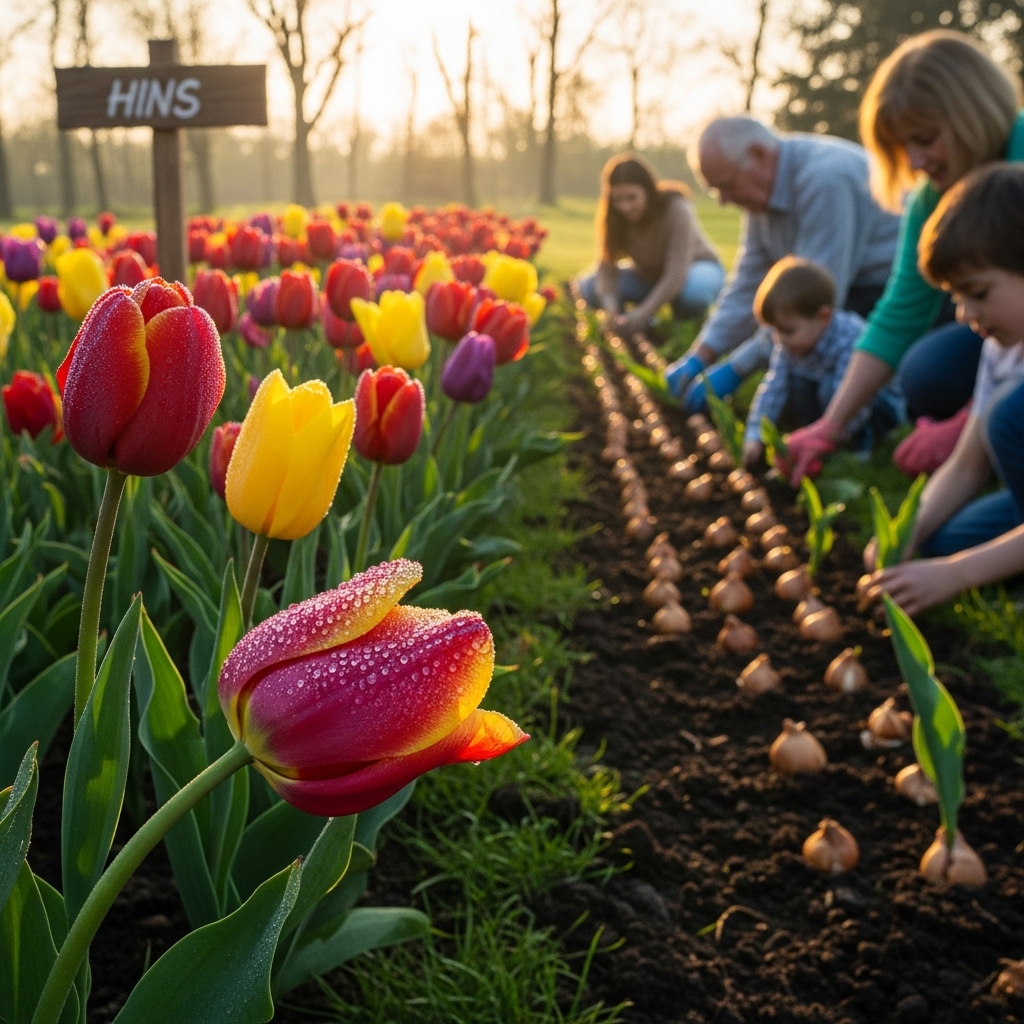
Tulips are one of the most popular spring-blooming flowers and belong to the Liliaceae family. They come in a wide variety of colors and shapes, which is why they are often seen in gardens and parks worldwide. Their classic cup shape and vibrant hues capture the essence of spring, and I remember the first time I planted them; the anticipation of their blooming was almost as beautiful as the flowers themselves. Each tulip bulb contains all the nutrients required for the plant to grow and bloom, making them relatively easy to cultivate for both seasoned gardeners and novices alike.
Types of Tulips
When it comes to types of tulips, the diversity is astounding. There are over 3,000 registered varieties, but they can be generally categorized into several groups. Some of my favorites include:
- Darwin Hybrid Tulips: Known for their strong stems and large flowers, they are perfect for perennial gardens.
- Triumph Tulips: These are shorter, sturdy, and bloom in a wide array of colors, making them ideal for borders.
- Parrot Tulips: With fringed and feather-like petals, these are a showstopper in any garden.
- Fringed Tulips: Similar to Parrot tulips but with finer fringes, they add a unique texture to floral arrangements.
- Single Late Tulips: They bloom later in the season and are known for their large, colorful blooms that stand tall.
Each type has its own charm and preferred growing conditions, so it’s essential to consider what will work best in your garden. I’ve found that mixing different varieties creates a beautiful tapestry of colors and shapes that enhances the beauty of spring.
Origins and History of Tulips
The history of tulips is as rich and vibrant as the flowers themselves. Tulips originated in Central Asia, and they were first cultivated by the Ottoman Empire in the 16th century. I remember reading about how these flowers were so treasured that they sparked a financial frenzy in the 17th century—this period, known as “Tulip Mania,” saw the price of tulip bulbs skyrocket to astronomical levels. They eventually found their way to Europe, where they became symbols of wealth and prestige. Today, the Netherlands is famous for its tulip fields, attracting millions of tourists each spring, including myself—I still dream of visiting and seeing those colorful fields in person!
Are Tulips Perennial Plants?
Definition of Perennial Plants
To understand if tulips are perennial, we first need to clarify what a perennial plant is. Perennials are plants that live for more than two years, coming back to bloom season after season. They typically have a life cycle that includes a period of dormancy during the winter months. In my experience, having perennials in my garden means I get to enjoy their beauty year after year without needing to replant them every spring, which is one of the many reasons I cherish tulips.
Tulip Lifespan and Growth Cycle
Tulips are indeed perennials, but their lifespan can vary based on several factors, including climate, soil conditions, and care. Generally, tulips can last anywhere from 3 to 5 years, but with optimal conditions, some can thrive even longer. I’ve seen some tulip patches in my neighborhood that seem to come back stronger with each passing year. Their growth cycle begins in the fall when you plant the bulbs, which then go dormant during the winter. As temperatures warm up in spring, the bulbs begin to sprout, and soon you’ll see those delightful blooms. This cycle is fascinating to witness and adds a layer of excitement to gardening. Read Interesting article: How Long Do Tulips Last After They Bloom?
Differences Between Perennial and Annual Plants
Understanding the difference between perennials and annuals helps clarify why tulips are unique. While perennials come back every year, annuals are plants that complete their life cycle in a single growing season. After they bloom, they die off, requiring you to replant them each year. I’ve enjoyed both types in my garden, but there’s something truly special about knowing that my tulips will return season after season. Perennials like tulips often require less maintenance in the long run, allowing us to enjoy their beauty without the same level of effort required for annuals.
In my experience, tulips are not just beautiful additions to a garden; they also symbolize resilience and new beginnings. Their ability to return each spring is a reminder of the cyclical nature of life, something I cherish every time I see them bloom.
Do Tulips Come Back Every Year?
Natural Growth Habits of Tulips
One of the things that fascinates me about tulips is their natural growth habits. Tulips are programmed by nature to come back year after year, but it’s essential to understand how this process works. After they bloom in the spring, tulips enter a dormant phase during the summer months. In my experience, this is when they need a little extra attention to ensure they return beautifully the next season. During dormancy, the leaves may yellow and die back, but that doesn’t mean the bulbs are gone. They’re simply storing energy for the next year, and I find comfort in knowing that beneath the soil, they are preparing for another spectacular show. It’s like they have their own little secret life happening out of sight!
Factors Affecting Tulip Return
While tulips are indeed perennial and have a natural tendency to return, several factors can influence their success. I’ve learned that climate plays a significant role—tulips thrive in areas with a cold winter and a warm spring. If you live in a warmer climate, you may find that your tulips struggle to come back, as they require a chilling period for the bulbs to rejuvenate properly. Soil quality is another factor; well-draining soil is crucial to prevent rot, which can be detrimental to bulb health. I remember when I first started gardening, I planted tulips in heavy clay soil. They barely returned the next year, and I quickly learned the importance of proper soil conditions.
Another element to consider is how and when you plant the bulbs. If you plant them too shallow or too deep, it can affect their ability to return. I’ve experimented with different planting depths, finding that about 6-8 inches deep works best for me. Additionally, factors like pests and diseases can also impact whether tulips come back. Understanding these variables helps me create the best environment for my tulips to thrive.
What to Expect After Planting Tulips
After planting tulips, I always get excited about what to expect. Typically, you may not see much action above ground until the spring, but underneath, those bulbs are working hard! When spring arrives, you can expect the first green shoots to appear, often peeking through the soil as a promise of what’s to come. I remember the thrill of seeing those little green tips emerging after a long winter; it felt like a sign that warmer days were ahead.
As the season progresses, those shoots will grow taller and develop into beautiful blooms. I’ve found that the anticipation builds as I watch the buds swell and change colors. It’s almost like they’re teasing me with their beauty! Depending on the variety and local climate conditions, you can expect them to bloom anywhere from late March to mid-May. Keeping track of the blooming times of my tulips has become a delightful tradition in my garden.
After the blooms appear, they can last for several weeks, filling my garden with color and joy. I often take time to appreciate them fully, knowing that their beauty is temporary yet significant. Watching the tulips sway gently in the breeze is a reminder to enjoy the fleeting moments of beauty in life. Once the blooms fade, that’s when the real work begins to ensure they come back next year, which brings us to the next section—how to grow tulips and care for them after their stunning display.
Growing Tulips: Tips and Best Practices
Choosing the Right Variety for Your Garden
When it comes to growing tulips, one of the first steps is choosing the right variety for your garden. With so many options available, I’ve often found myself lost in the beauty of the different types. It helps to consider the color scheme and the height of the tulips. For instance, if you want to create a layered effect, I suggest combining taller varieties, like Darwin Hybrids, with shorter ones like Triumph Tulips. This way, you can enjoy a visually appealing arrangement that draws the eye.
Moreover, I’ve learned that certain varieties perform better in specific climates. If you live in an area with harsh winters, opt for varieties known to withstand cold. On the other hand, for milder climates, I recommend looking into early-blooming varieties that can thrive without the intense chill. I’ve found that this thoughtful selection process is one of the most rewarding parts of tulip gardening.
Ideal Planting Conditions
Creating ideal planting conditions is crucial for tulips to flourish. I’ve discovered that they prefer a sunny spot with at least 6 hours of sunlight each day. In my garden, I’ve noticed that tulips planted in partial shade tend to be weaker and sometimes fail to return. The location should also have good drainage; tulips don’t like to sit in waterlogged soil. I often mix in compost or sand to improve drainage in my garden beds. This not only helps with tulip growth but also benefits other plants I grow!
Soil Requirements for Tulips
Soil quality is a significant factor in growing tulips successfully. I’ve learned that they thrive in well-draining, sandy loam soil enriched with organic matter. Testing the soil pH can also be beneficial, as tulips prefer a slightly acidic to neutral pH (around 6.0 to 7.0). I usually take some time to prepare my soil before planting—you can never go wrong with a little pre-planting care! Mixing in some compost and ensuring the soil is loose helps the bulbs settle in comfortably.
By taking the time to choose the right variety, create ideal planting conditions, and ensure the soil is just right, I’ve seen an incredible transformation in my tulip garden. Each spring, as they burst into bloom, I am reminded of the joy that comes from nurturing these beautiful flowers. And with that joy, I look forward to sharing more about how to care for tulips after they have bloomed. It’s all part of the journey of being a passionate gardener!
Caring for Tulips After Blooming
Deadheading and Pruning Techniques
After the stunning display of tulip blooms has faded, I’ve found that knowing how to care for them afterward is crucial for future growth. One of the first things I do is deadheading—removing the spent flowers before they go to seed. This not only helps keep the garden tidy but also encourages the plant to direct its energy back into the bulb, promoting stronger blooms the next season. I remember the first time I didn’t deadhead, thinking the dried flowers would look interesting, but it turned out to be a mistake. My tulips didn’t perform as well the following year, which taught me the importance of this simple task.
When deadheading, I gently pinch or cut off the flower stem close to its base, being careful not to damage the leaves. The leaves are vital as they continue to photosynthesize and store energy in the bulb. I’ve learned that patience is key during this phase; even when the blooms are gone, the leaves should remain intact until they turn yellow and die back naturally. This process ensures that the bulbs are well-fed and ready to thrive in the next growing season.
Fertilizing Tulips for Future Blooms
Fertilizing is another essential part of tulip care that I never overlook. After the blooms fade, I typically apply a balanced, slow-release fertilizer to give the tulips a nutrient boost. I’ve found that using a fertilizer high in potassium is particularly beneficial, as it helps the bulbs store energy for next year’s blooms. Timing is everything here; I usually fertilize right after I deadhead, ensuring that the plants have what they need as they prepare for dormancy.
In the past, I had a habit of over-fertilizing, thinking more is better. However, I learned that too much fertilizer can lead to excessive leaf growth at the expense of the bulb’s health. Now, I stick to a light application, following the package instructions carefully. It’s a balancing act, but I believe that taking the time to care for my tulips in this way pays off beautifully come springtime.
Watering Needs Throughout the Seasons
Watering is another crucial aspect of tulip care, and I’ve discovered that understanding their needs at different stages can make all the difference. During their growing season, tulips need consistent moisture, especially when they are blooming. I usually check the soil regularly; if it feels dry to the touch, it’s time to water. I prefer to water in the morning to allow the foliage to dry off during the day, reducing the risk of fungal diseases.
However, once the blooms have faded and the leaves begin to yellow, I gradually reduce watering. Tulips don’t like to sit in waterlogged soil, which can lead to bulb rot. I’ve made the mistake of watering too much at this stage, thinking they still needed as much attention. Now, I keep in mind that their natural dormancy phase means they require less water. A little care and observation go a long way in ensuring that my tulips come back healthier and more vibrant year after year.
As the season transitions to summer, I often stop watering altogether, allowing the soil to dry out as the leaves die back. This mimics their natural environment and lets the bulbs store the energy they need for another show-stopping performance in the spring. Watching this cycle has truly deepened my appreciation for tulips and the rhythm of gardening.
With all these tips, I feel much more confident in nurturing my tulips after blooming. It’s a rewarding experience to see how these small efforts can lead to a stunning garden each spring. Now that I’ve shared how to care for tulips post-bloom, let’s dive into some common problems and solutions that may arise along the way. Every gardener faces challenges, and learning how to tackle them can really enhance our gardening journey.
Frequently Asked Questions
What are tulips?
Tulips are perennial plants that belong to the Liliaceae family and are popular for their vibrant colors and cup shape. They are easy to cultivate and can be enjoyed in gardens and parks worldwide.
Are tulips perennial plants?
Yes, tulips are perennial plants, meaning they can return year after year when properly cared for. Their lifespan typically ranges from 3 to 5 years, depending on conditions.
How do tulips grow and bloom?
Tulips grow from bulbs that are planted in the fall. They enter a dormant phase during winter and begin to sprout in spring, eventually blooming from late March to mid-May.
What factors affect whether tulips come back each year?
Factors that influence tulip return include climate, soil conditions, planting depth, and care. Tulips thrive in cold winters and warm springs, and they require well-draining soil to prevent rot.
What are some popular types of tulips?
Some popular types of tulips include Darwin Hybrid Tulips, Triumph Tulips, Parrot Tulips, Fringed Tulips, and Single Late Tulips, each with unique characteristics and growing conditions.
How should tulips be cared for after blooming?
After blooming, tulips should be deadheaded to promote bulb health, and the leaves should remain until they yellow and die back naturally. This allows the bulbs to store energy for the next season.
When should tulips be fertilized?
Tulips should be fertilized after blooming with a balanced, slow-release fertilizer, ideally one high in potassium, to help the bulbs store energy for future blooms.
How much water do tulips need during their growing season?
During the growing season, tulips require consistent moisture, especially when blooming. It’s important to check the soil regularly and water if it feels dry, preferably in the morning.
What soil conditions are best for growing tulips?
Tulips thrive in well-draining, sandy loam soil enriched with organic matter. They prefer a slightly acidic to neutral pH (around 6.0 to 7.0) for optimal growth.
How do climate conditions affect tulip growth?
Climate conditions significantly affect tulip growth; they thrive in areas with cold winters and warm springs. In warmer climates, tulips may struggle to return without the necessary chilling period. Read Interesting article: Are Geraniums Annuals or Perennials? How to Know If It Come Back Year After Year