
The Balsam Fir, scientifically known as Abies balsamea, is a fragrant evergreen tree celebrated for its unique features and ecological importance. This guide explores its characteristics, care requirements, and significance in landscaping and wildlife habitats.
Table of Contents
Overview of Balsam Fir Characteristics
Balsam Fir, or Abies balsamea, is known for its beautiful appearance and delightful fragrance. It stands out in both forests and gardens. Let’s dive into its physical attributes and unique features that make it a favorite among tree enthusiasts.
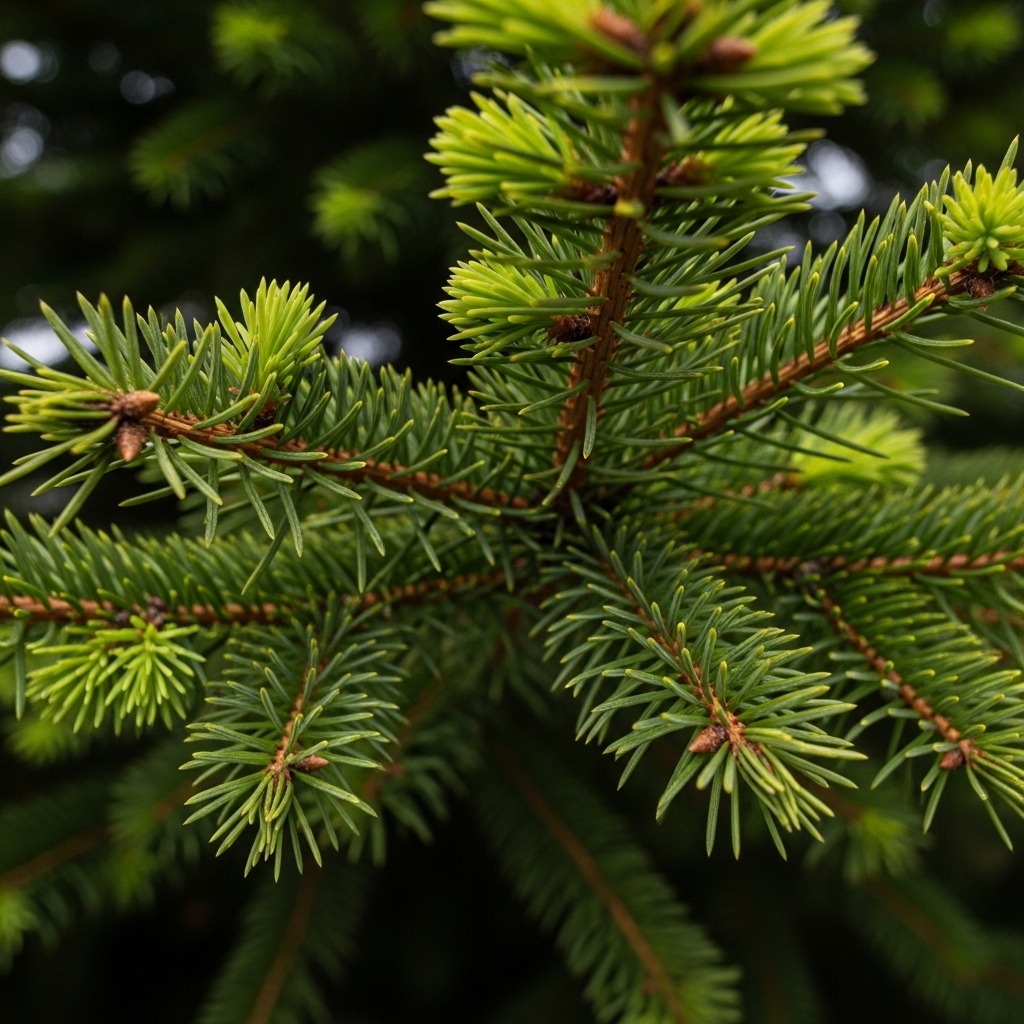
Physical Appearance and Growth Habit
Balsam Fir typically grows to a height of 12 to 18 meters (about 40 to 60 feet). In ideal conditions, it can reach up to 27 meters (90 feet) tall! The trunk can have a diameter of 30 to 46 cm (12 to 18 inches) at breast height. Its growth is influenced by factors like soil quality, climate, and age.
- Shape: Narrow pyramidal or conical form.
- Growth Rate: Moderate to slow, depending on environmental conditions.
- Roots: Generally shallow, which can make mature trees susceptible to wind.
Fragrance and Needle Characteristics
One of the most beloved features of Balsam Fir is its fragrance. The needles emit a pleasant scent, especially when crushed. They are flat, soft, and shiny, making them easy to handle.
- Needle Length: Typically 2 to 5 cm (about 0.8 to 2 inches).
- Color: Dark green on top, with a silvery underside.
- Arrangement: Needles grow directly from the branch (alternately arranged).
Cone Structure and Seed Dispersal
Balsam Fir produces distinctive cones that are part of its charm. Young cones start as purple and mature to a light brown.
- Cone Size: Usually 6 to 10 cm (2.5 to 4 inches) long.
- Position: Cones sit upright on branches, which is a unique feature compared to other firs.
- Seed Dispersal: Seeds are released from the cones in late summer, relying on wind for distribution.
Understanding these characteristics can help you appreciate the Balsam Fir even more. Whether you admire it in a forest or consider it for your yard, this tree is truly a standout!
Ecological and Environmental Benefits of Balsam Fir
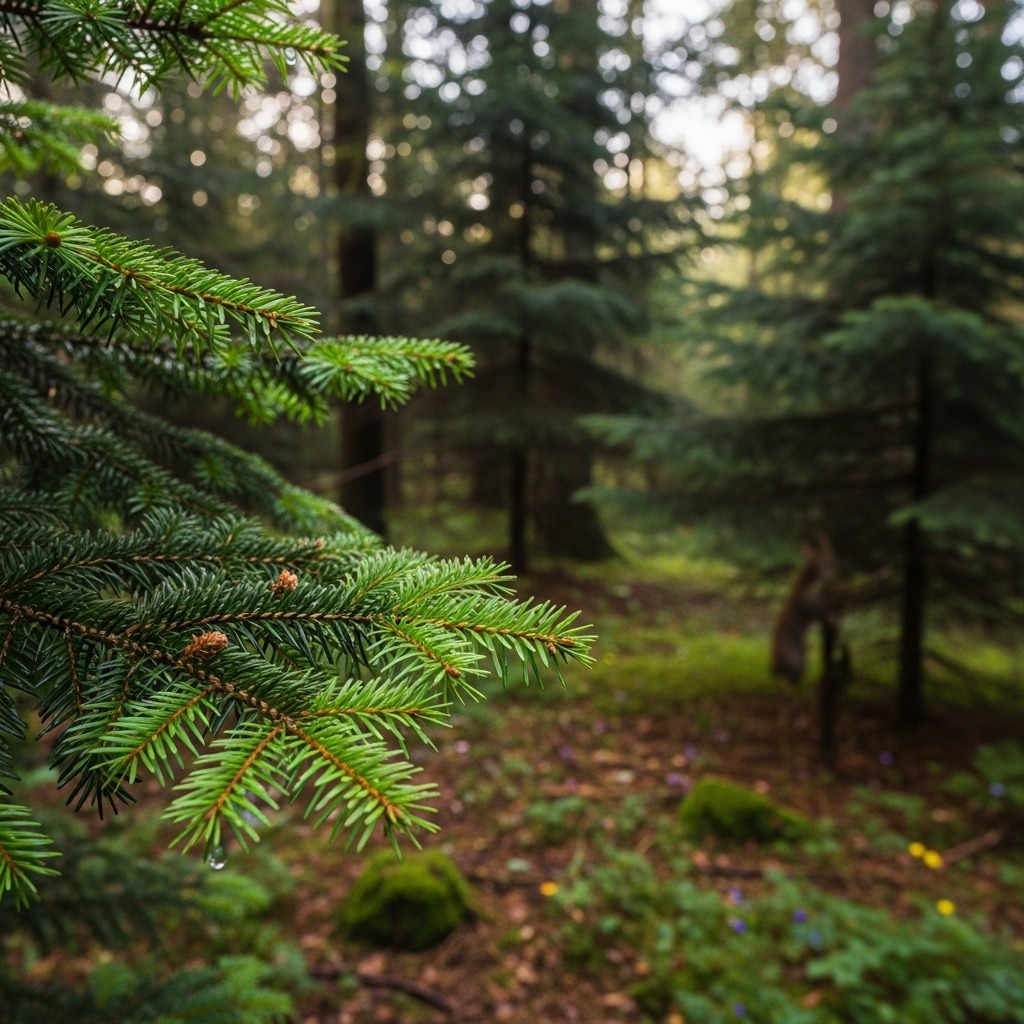
Balsam Fir is more than just a pretty face in the forest. This fragrant evergreen plays a vital role in its ecosystem. It provides habitat for wildlife and helps combat climate change. Let’s dive into its ecological significance!
Habitat for Wildlife
Balsam Fir is a haven for various wildlife species. Many animals rely on it for food and shelter. Here are some notable residents:
- Moose: They munch on the needles during winter.
- Deer: Balsam Fir stands offer shelter and cover, especially in harsh weather.
- Birds: Songbirds and small mammals forage on its seeds.
This tree supports a rich biodiversity, making it essential for forest health.
Carbon Sequestration and Soil Erosion Prevention
Balsam Fir is a champion for the environment. It acts as a carbon sink, absorbing CO2 from the atmosphere. This helps mitigate climate change. Plus, its dense roots prevent soil erosion, especially on slopes. Here’s how it makes a difference:
- Carbon Storage: Balsam Fir captures significant carbon, contributing to cleaner air.
- Soil Stability: It stabilizes soil and reduces runoff, protecting waterways.
These features make it a key player in maintaining ecological balance.
Role in Ecosystem Stability
Balsam Fir contributes to overall ecosystem stability. Its presence enhances forest resilience. Here are some important aspects:
- Biodiversity Support: It provides a habitat for numerous species, which boosts ecosystem health.
- Windbreaks: Its strong structure protects against wind damage, making it a natural shield in forests.
By fostering diverse life forms and helping maintain stable environments, Balsam Fir proves to be a significant evergreen in our landscapes.
Cultivation and Care of Balsam Fir
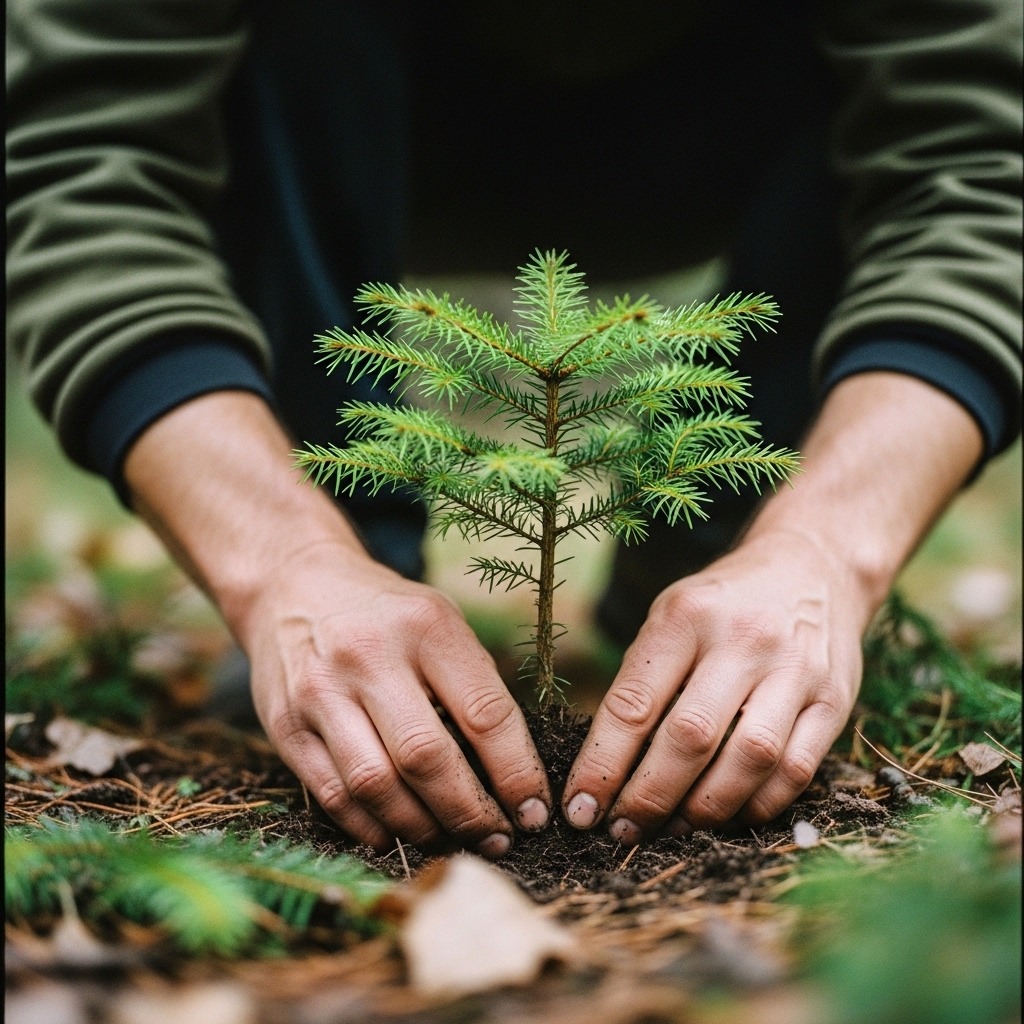
Balsam Fir is not just a pretty face; it’s a resilient evergreen that thrives with the right care. Let’s dive into how to plant, grow, and maintain this fragrant tree.
Soil and Sunlight Requirements
Balsam Fir prefers specific soil types and sunlight exposure. Here’s what you need to know:
- Soil Type: It loves well-drained, moist, and acidic soil. Think of sandy loams or even clay, but avoid overly heavy or poorly drained soils.
- pH Levels: Aim for a pH between 4.0 and 6.0 for optimal growth.
- Sunlight: Full sun is ideal, but it can tolerate partial shade. Just remember, the more light, the better the growth!
Watering and Fertilization Tips
Keeping your Balsam Fir hydrated and well-fed is key to its health. Follow these tips:
- Watering: Regular watering is essential, especially during dry spells. Aim for about 1 inch of water per week. Be careful not to overwater, as balsam firs dislike soggy roots.
- Fertilization: Use a balanced fertilizer in early spring. This boosts growth and keeps the tree vibrant.
Pruning and Maintenance
Proper maintenance keeps your Balsam Fir looking its best. Here’s how to do it:
- Pruning: Trim dead or damaged branches in late winter or early spring. This encourages healthy growth and improves airflow.
- Mulching: Apply a layer of mulch around the base to retain moisture and suppress weeds.
- Seasonal Care Checklist:
- Spring: Fertilize and check for pests.
- Summer: Ensure consistent watering.
- Fall: Clean up fallen needles and debris.
- Winter: Protect from heavy snow and ice.
By following these guidelines, your Balsam Fir will not only thrive but also become a cherished part of your landscape.
Comparison: Balsam Fir vs. Fraser Fir
Balsam Fir and Fraser Fir are two popular evergreen trees, especially around the holiday season. Though they share similarities, they also have distinct features that set them apart.
Visual and Growth Characteristics
- Height: Balsam Fir typically grows between 12 to 18 meters (40 to 60 feet), while Fraser Fir can reach up to 18 meters (60 feet) but often grows taller in optimal conditions.
- Needles: Balsam Fir has longer, softer needles, about 2 to 3.5 centimeters (0.8 to 1.4 inches) long. Fraser Fir needles are shorter, measuring around 1.5 to 3 centimeters (0.6 to 1.2 inches).
- Cones: Balsam Fir cones are purple when young and sit erect on the branches. In contrast, Fraser Fir cones hang down and have longer bracts that extend beyond the cone scales.
| Feature | Balsam Fir | Fraser Fir |
|---|---|---|
| Height | 12-18 m (40-60 ft) | Up to 18 m (60 ft) |
| Needle Length | 2-3.5 cm (0.8-1.4 in) | 1.5-3 cm (0.6-1.2 in) |
| Cone Orientation | Erect | Hanging |
| Bract Length | Shorter than cone scales | Longer than cone scales |
Uses in Landscaping and Ornamentation
Both Balsam Fir and Fraser Fir are popular choices for Christmas trees. Here’s how they differ in landscaping:
- Balsam Fir: Known for its strong fragrance, it’s often used as a specimen tree in gardens and parks. Its dense foliage provides excellent windbreaks and privacy screens.
- Fraser Fir: Slightly preferred for Christmas trees due to its perfect shape and sturdy branches. It also works well in landscaping but tends to require slightly cooler conditions.
Ecological Roles and Resilience
Both trees play important roles in their ecosystems, but they have different preferences:
- Soil Requirements: Balsam Fir thrives in slightly acidic, moist soils, while Fraser Fir prefers cooler, well-drained soils.
- Wildlife Habitat: Balsam Fir serves as habitat for various wildlife, including birds and small mammals. Fraser Fir is also a habitat provider, particularly for birds that nest in its branches.
When choosing between Balsam Fir and Fraser Fir, consider your local climate, soil type, and intended use. Both trees can bring beauty and functionality to your landscape!
Common Issues: Pests and Diseases Affecting Balsam Fir
Balsam Fir is a stunning evergreen, but it can face a few pesky problems. Let’s dive into the common pests and diseases that might affect your beloved tree, along with some handy prevention and treatment strategies.
Identifying Common Pests
Balsam Fir can attract a few unwelcome guests. Here are some common pests to watch out for:
- Balsam Woolly Adelgid: This tiny insect feeds on the tree’s sap, causing branches to wilt and die back.
- Eastern Tent Caterpillar: These caterpillars can defoliate trees quickly, making them look quite sad.
- Spider Mites: These little guys suck the juices from the needles, leading to discoloration.
Recognizing Disease Symptoms
Balsam Fir can also suffer from various diseases. Here are a few signs to look for:
- Root Rot: Yellowing needles and stunted growth may indicate root rot. This happens when the roots sit in soggy soil too long.
- Needle Blight: Watch for browning needles, especially on the lower branches. This disease thrives in humid conditions.
- Fusiform Rust: Look for orange galls on branches. This disease can weaken the tree and stunt its growth.
Preventative Measures and Treatments
Keeping your Balsam Fir healthy is key. Here are some preventative measures and treatments you can apply:
- Monitor Soil Moisture: Ensure your tree isn’t overwatered. Use well-draining soil to avoid root rot.
- Regular Pruning: Trim away dead or diseased branches to promote airflow and reduce disease spread.
- Insecticidal Soap: For pests like aphids or spider mites, a spray of insecticidal soap can work wonders.
- Healthy Fertilization: Feed your tree with a balanced fertilizer to boost its immunity against diseases.
By staying vigilant and acting quickly, you can keep your Balsam Fir thriving and looking its best!
Cultural Significance and Historical Uses of Balsam Fir
Balsam Fir has deep roots in the cultures of North America. It’s not just a pretty tree; it has been a vital part of many communities for centuries. From traditional medicine to crafts, its uses are rich and varied.
Traditional Medicinal Uses
Indigenous peoples have long used Balsam Fir for its healing properties. The resin, known for its soothing qualities, has been applied to wounds to promote healing. Its needles were also brewed into teas to alleviate respiratory issues.
- Cold Remedy: Balsam Fir tea was often consumed to help fight colds.
- Wound Healing: The resin was used topically for cuts and abrasions.
- Inhalation: Steam from boiling Balsam Fir needles was inhaled to relieve congestion.
Role in Indigenous Cultures
Balsam Fir plays a significant role in many indigenous cultures. It is often seen as a symbol of strength and resilience.
- Building Material: The wood is lightweight and easy to work with, making it ideal for building shelters and tools.
- Ceremonial Uses: Some tribes use Balsam Fir in rituals and ceremonies, believing it brings protection and good fortune.
- Cultural Stories: Legends often feature Balsam Fir as a guardian of the forest, showcasing its importance in local lore.
Contemporary Uses in Crafts and Decoration
Today, Balsam Fir continues to inspire creativity. Its fragrant needles and symmetrical shape make it a popular choice for crafting.
- Christmas Trees: Many families choose Balsam Fir for its delightful scent and classic look.
- Home Decor: Balsam Fir branches are often used in wreaths and garlands, bringing a touch of nature indoors.
- Artisan Crafts: Crafters use the wood for various projects, from furniture to small decorative items.
Balsam Fir’s historical and cultural significance extends beyond its ecological benefits. Its rich uses in medicine, indigenous practices, and modern crafts highlight its enduring legacy.
Frequently Asked Questions
These quick answers cover the most common questions about this topic, including key details, practical tips, and common concerns.
What are the disadvantages of Balsam Fir?
Balsam Fir can be susceptible to pests like the balsam woolly adelgid and diseases such as root rot and needle blight. Its shallow roots make it vulnerable to wind damage, especially in exposed areas. Additionally, it prefers specific soil and climate conditions, which can limit its adaptability in some regions. Its dense foliage may also require regular maintenance to prevent pest infestations.
What is the best tree to block neighbors?
The best tree for blocking neighbors depends on your landscape goals. Fast-growing, dense evergreens like Leyland Cypress or Thuja Green Giant are popular choices for privacy screens. They grow quickly, provide year-round coverage, and can be maintained at desired heights. Balsam Fir, while fragrant and attractive, is less ideal for this purpose due to its slower growth and shallower roots.
What is the lifespan of a Balsam Fir?
Balsam Fir typically lives around 80 to 100 years in its natural habitat. With proper care and ideal growing conditions, some trees can live even longer. However, in urban or less optimal environments, their lifespan may be reduced due to pests, diseases, or environmental stressors.
Which Christmas tree has the strongest fragrance?
Balsam Fir is renowned for its strong, pleasant fragrance, making it a favorite for Christmas trees. Its scent is fresh, pine-like, and long-lasting. Fraser Fir also has a notable fragrance, but Balsam Fir generally produces a more intense aroma, which many people find appealing during the holiday season.
How do I propagate Balsam Fir?
Balsam Fir can be propagated through seed planting or cuttings. Seeds should be collected from mature cones in late summer and sown in well-draining soil, kept moist, and placed in a cool, sheltered location. Softwood cuttings taken in early summer can be rooted in a moist, sandy mix under humidity. Propagation requires patience and proper care to ensure successful growth.
What are the best soil conditions for Balsam Fir?
Balsam Fir thrives in moist, well-drained, acidic soils with a pH between 4.0 and 6.0. It prefers sandy loam or loamy soils but can tolerate some clay if drainage is adequate. Consistent moisture and good aeration are essential for healthy root development and overall growth.
Can Balsam Fir be grown in urban areas?
Yes, Balsam Fir can be grown in urban areas, provided it has enough space, suitable soil, and proper care. Its shallow roots mean it needs protection from strong winds or heavy snow loads. Regular watering, mulching, and pest management are important to keep it healthy in city environments.
What wildlife benefits from Balsam Fir?
Balsam Fir provides habitat and food for various wildlife. Moose and deer browse on its needles, especially during winter. Birds such as crossbills, chickadees, and nuthatches feed on its seeds and use its branches for nesting. Its dense foliage offers shelter for small mammals and insects, supporting local biodiversity.
What should readers know about visual identification aids (images or diagrams)?
Visual aids like photos, diagrams, or illustrations can help you accurately identify Balsam Fir. Look for its flat, soft, dark green needles with silvery undersides, upright cones, and a narrow pyramidal shape. Using these visual cues can prevent confusion with similar species like Fraser Fir or other firs, ensuring proper identification for care or landscaping.