
The best grub worm killer for lawns includes products like Scotts GrubEx1 and BioAdvanced Grub Killer, which effectively target grubs while offering various application methods for both preventative and curative treatments.
Table of Contents
Choosing the best grub worm killer for your lawn is crucial for maintaining its health. Effective products not only eliminate grubs but also prevent future infestations, ensuring your grass stays vibrant and lush. Here’s a detailed comparison of top options.

Understanding Grub Worm Infestations and Their Impact
Grub worms are the larval stage of various beetles, including Japanese beetles and June bugs. These pests primarily feed on grass roots, leading to significant lawn damage when their populations are high. Understanding their lifecycle, signs of infestation, and the damage they cause is essential for selecting the best grub worm killer for your lawn.
What are Grub Worms?
Grub worms are C-shaped larvae that live underground. They typically hatch from eggs laid by adult beetles. The larvae feed on the roots of grass, which weakens the plants and can lead to large patches of dead grass.
Signs of Grub Infestation
Identifying a grub infestation early can help mitigate damage. Look for these signs:
- Irregular brown patches: Dead grass areas can appear suddenly.
- Spongy turf: A lawn may feel soft and springy underfoot.
- Increased wildlife activity: Animals like birds, skunks, and raccoons may dig in your lawn to hunt for grubs.
How Grubs Damage Your Lawn
Grubs damage lawns primarily by feeding on root systems. This feeding weakens the grass, making it susceptible to disease and environmental stress. Here’s a checklist to assess the impact of grubs on your lawn:
- Check for brown patches, especially in late summer or fall.
- Pull back sections of grass to see if the roots are severed.
- Observe if wildlife is more active in your yard than usual.
By recognizing these signs and understanding the lifecycle of grubs, you can take action before your lawn suffers extensive damage. Effective treatments like Scotts GrubEx1 Season Long Grub Killer can provide preventative and curative solutions, ensuring your lawn remains healthy and vibrant.
Types of Grub Killers: Chemical vs. Organic Solutions
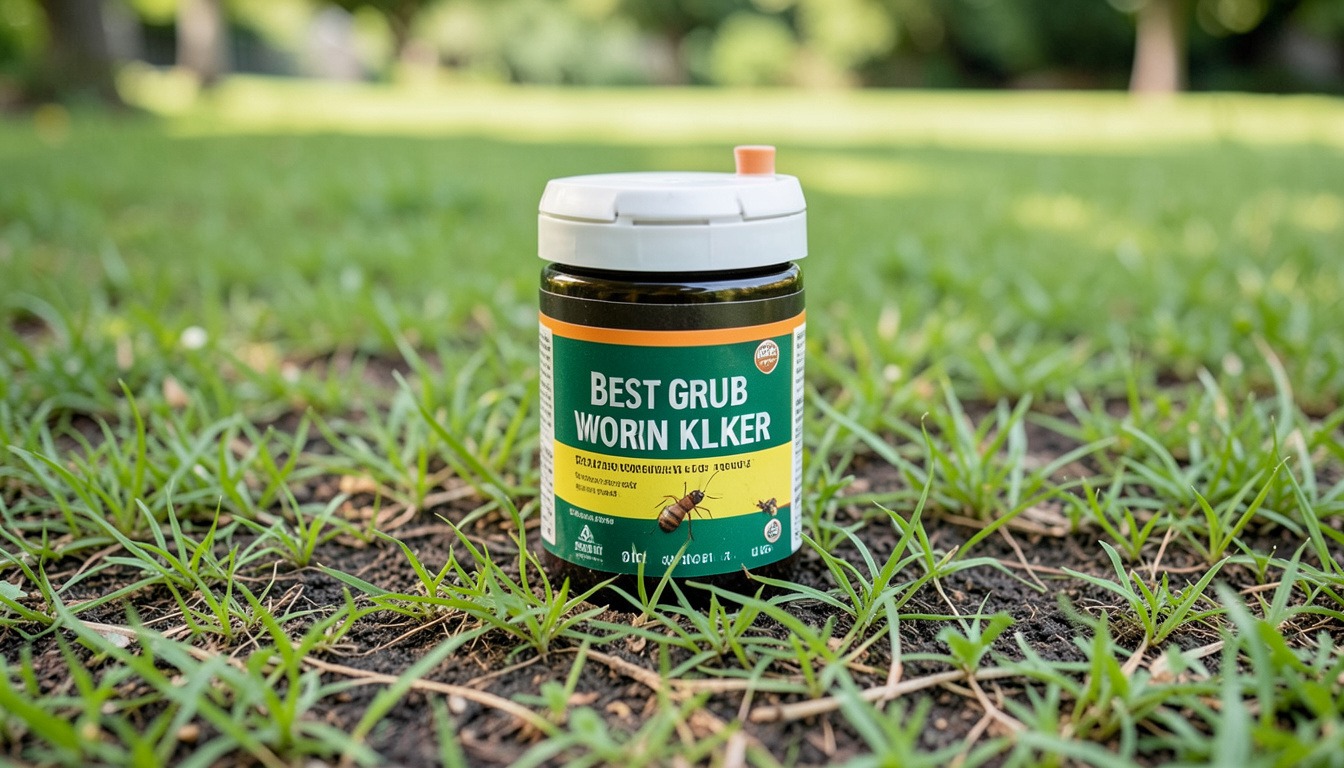
Selecting the right grub killer for your lawn depends on understanding the differences between chemical and organic solutions. Each type offers unique benefits and considerations based on your specific needs.
Chemical Grub Killers
Chemical grub killers typically contain synthetic active ingredients designed to eliminate grubs quickly. They are effective for immediate infestations.
Pros:
- Fast-acting: Provides results within 24 hours.
- Wide availability: Many brands are easily found at local stores.
- Proven effectiveness: Often targets various types of grubs effectively.
Cons:
- Environmental impact: May harm beneficial insects and wildlife.
- Safety concerns: Requires careful handling around pets and children.
- Multiple applications: Some products need reapplication for ongoing effectiveness.
Organic Grub Killers
Organic options use natural ingredients and biological agents to combat grubs. These solutions are generally safer for the environment and non-target organisms.
Pros:
- Eco-friendly: Less harmful to wildlife and beneficial insects.
- Long-lasting: Some products, like milky spore, provide protection for years.
- Safe for pets: Typically pose minimal risks when used as directed.
Cons:
- Slower action: May take longer to show results, especially during active infestations.
- Limited availability: Not all garden centers stock organic options.
- Specific targeting: Some organic killers are effective only against certain grub species.
Choosing the Right Type for Your Lawn
When deciding between chemical and organic grub killers, consider the following factors:
1. Infestation Severity: For a severe infestation, chemical options might be necessary for immediate relief.
2. Environmental Concerns: If you prioritize eco-friendliness, organic solutions are preferable.
3. Application Timing: Chemical products often require specific timing for maximum effectiveness, while organic solutions can be applied preventatively.
4. Lawn Size: Larger areas may benefit from granular chemical options, while smaller lawns can effectively utilize both types.
Decision Framework:
- Immediate Control Needed: Choose chemical grub killers.
- Long-Term Prevention: Opt for organic solutions.
- Pet Safety: Favor organic products.
By understanding these differences, you can select the best grub worm killer tailored to your lawn’s needs.
Top 11 Grub Killers for Lawns in 2026

Choosing the right grub killer can significantly impact the health of your lawn. Below, we compare top products, highlighting key features and effectiveness based on user feedback.
Scotts GrubEx1
Scotts GrubEx1 is a leading choice for long-term prevention. It contains chlorantraniliprole, which targets grubs effectively while minimizing toxicity to other wildlife.
- Active Ingredient: Chlorantraniliprole
- Type: Preventative
- Effectiveness: Long-lasting protection (up to 4 months)
- User Ratings: Generally positive, with users noting significant reduction in grub populations
- Application Timing: Early spring is optimal for best results
BioAdvanced Grub Killer
BioAdvanced Grub Killer offers rapid control of existing infestations. It utilizes trichlorfon, a potent ingredient that acts quickly against feeding grubs.
- Active Ingredient: Trichlorfon
- Type: Curative
- Effectiveness: Kills grubs within 24 hours
- User Ratings: Highly rated for quick action; effective for immediate relief
- Application Timing: Best applied when grubs are actively feeding
Comparison Table
| Product Name | Active Ingredient | Type | Effectiveness | User Ratings | Application Timing |
|---|---|---|---|---|---|
| Scotts GrubEx1 | Chlorantraniliprole | Preventative | Up to 4 months | Positive | Early spring |
| BioAdvanced Grub Killer | Trichlorfon | Curative | Kills within 24 hours | Highly rated | During active feeding |
Third Product: Complete Insect Killer
Complete Insect Killer provides a balance between preventative and curative treatments. It combines imidacloprid and β-cyfluthrin, targeting both grubs and other surface pests.
- Active Ingredients: Imidacloprid and β-cyfluthrin
- Type: Dual-action
- Effectiveness: Good for newly hatched larvae and surface pests
- User Ratings: Generally favorable; users appreciate its versatility
- Application Timing: Can be applied during peak pest activity
By understanding the unique features and applications of these products, homeowners can select the best grub worm killer tailored to their lawn’s needs. For an effective long-term solution, consider Scotts GrubEx1 Season Long Grub Killer.
Application Techniques: How to Use Grub Killers Effectively

Applying grub killers correctly is crucial for effective lawn protection. Timing, application methods, and safety precautions all play significant roles in your success.
Best Timing for Application
Timing significantly impacts the effectiveness of grub killers. Here are the recommended periods:
- Preventative Treatments: Apply in late spring to early summer, typically from late May to mid-August. This coincides with active feeding periods for grubs.
- Curative Treatments: If you notice lawn damage, apply liquid grub killers immediately. These products can provide faster results, often within 24 hours.
How to Apply Granular vs. Liquid Killers
Different application methods require varied approaches. Here’s a breakdown:
| Type | Application Method | Coverage Area | Additional Tips |
|---|---|---|---|
| Granular | Spread evenly with a rotary or drop spreader. | Typically covers 5,000 sq ft per bag. | Water thoroughly post-application to activate the granules. |
| Liquid | Use a sprayer for even distribution. | Depends on product; refer to label. | Ensure the soil is moist for better absorption. |
Example Scenario: For a standard 2,500 sq ft lawn, use half a bag of granular product. Apply in the early morning or late evening to avoid heat stress on grass.
Safety Precautions When Applying Grub Killers
Safety is paramount when using any chemical treatments. Follow these precautions:
- Keep Children and Pets Away: Ensure that children and pets are not in the area during and after application.
- Wear Protective Gear: Use gloves and a mask to prevent skin contact and inhalation of chemicals.
- Follow Label Instructions: Adhere strictly to the manufacturer’s guidelines for application rates and safety measures.
Checklist for Application:
- [ ] Determine the lawn size.
- [ ] Choose the right product (granular or liquid).
- [ ] Check weather conditions—avoid windy days.
- [ ] Apply at the recommended time for maximum effectiveness.
By following these guidelines, you can enhance the effectiveness of your chosen grub killer, ensuring a healthier lawn free from damaging pests.
Understanding Active Ingredients in Grub Killers
Active ingredients in grub killers play a crucial role in determining their effectiveness against various types of grubs. Understanding these ingredients helps you select the right product for your lawn’s specific needs.
Common Active Ingredients
1. Imidacloprid: A widely used systemic insecticide, effective against grubs like Japanese beetles. It disrupts the nervous system of insects.
2. Trichlorfon: A fast-acting option that eliminates grubs within days. Best for immediate infestations but has a short residual effect.
3. Bifenthrin: Known for its dual action against above and below-ground pests. It provides long-lasting protection against multiple lawn insects.
4. Chlorantraniliprole: Targets grubs at various stages, providing residual control and is safer for beneficial insects.
5. Nematodes: Natural predators that target grubs, suitable for organic lawn care. They offer a safe alternative without chemical exposure.
How They Work Against Grubs
- Systemic vs. Contact Killers: Systemic insecticides like imidacloprid get absorbed by the plant, killing grubs when they feed on roots. In contrast, contact insecticides like trichlorfon kill on contact but may require grubs to be actively feeding.
- Timing of Application: The effectiveness of these ingredients often depends on the timing of application. For instance, applying during late spring aligns with the feeding habits of grubs, maximizing impact.
Safety and Environmental Impact
While grub killers are effective, their safety and environmental impact are vital considerations:
- Pet Safety: Some ingredients, like trichlorfon, can be more toxic, requiring precautions for pets and wildlife. Always check the label for specific re-entry instructions.
- Environmental Concerns: Natural options like nematodes and plant-based insecticides (e.g., neem oil) pose less risk to non-target species and contribute to sustainable lawn care practices.
Comparison of Active Ingredients
| Active Ingredient | Target Grubs | Speed of Action | Environmental Impact |
|---|---|---|---|
| Imidacloprid | Japanese beetles | Moderate | Moderate |
| Trichlorfon | Various grubs | Fast | Higher toxicity |
| Bifenthrin | Multiple pests | Slow | Moderate |
| Chlorantraniliprole | Various stages | Moderate | Lower toxicity |
| Nematodes | Grubs (organic) | Slow | Very low impact |
By understanding these active ingredients and their specific effects, you can make an informed choice for the best grub worm killer for your lawn.
Timing Your Grub Killer: When to Apply for Best Results
Timing is crucial when applying grub killers to ensure effective control of these pests. The life cycle of grubs directly influences the best periods for treatment, making understanding application timing essential for lawn health.
Spring Applications
In the spring, apply grub killers during late April to early June. This timing coincides with the larval stage of grubs, which actively feeds on grass roots. Preventative treatments are most effective when applied before grubs hatch.
- Ideal Timing: Late April to early June
- Target Grub Stage: Larval stage
- Recommended Products: Preventative options like Scotts GrubEx1
Fall Applications
For lawns experiencing a severe infestation, fall applications are crucial. Apply treatments from late August to early October, targeting grubs that are preparing for winter. This timing allows for immediate control of existing grubs.
- Ideal Timing: Late August to early October
- Target Grub Stage: Late summer feeding
- Recommended Products: Curative options like BioAdvanced Grub Killer
Regional Differences in Application Timing
Application timing can vary based on geographical location. Warmer climates may require earlier applications, while cooler regions may delay treatments until late spring.
| Region | Spring Application | Fall Application |
|---|---|---|
| Northern States | Late May | Late August |
| Central States | Mid-May | Early September |
| Southern States | Early April | Late September |
Consider local climate conditions and the specific life cycle of grubs in your area when scheduling applications. Monitoring adult beetle populations can also provide cues for when to apply grub killers effectively.
Common Mistakes When Applying Grub Killers
Homeowners often make mistakes when applying grub killers, which can hinder their effectiveness. Understanding common pitfalls will help you achieve better results in lawn care.
Over or Under-Application
Applying too much or too little grub killer can lead to ineffective treatment.
- Over-Application: Using excess product can harm your lawn and surrounding environment. It may also create resistance in pest populations.
- Under-Application: Insufficient product won’t kill grubs effectively, allowing them to thrive and damage your lawn.
Checklist for Application:
- Measure your lawn area accurately.
- Follow the recommended dosage on the product label.
- Use a calibrated spreader for granular products or a precise sprayer for liquids.
Ignoring Environmental Conditions
Weather plays a crucial role in the success of grub killer applications.
- Rainfall: Applying before heavy rainfall can wash away treatments. Aim for a dry period for granular products.
- Temperature: High temperatures may cause products to degrade quickly.
Scenario Insight: If you live in a humid area, consider applying in the early morning or late afternoon when temperatures are cooler.
Timing Mistakes
Timing your application incorrectly can result in poor control of grub populations.
- Preventative Treatments: Apply before grubs hatch, typically late spring. This helps prevent infestations.
- Curative Treatments: If grubs are already present, apply in late summer for immediate control.
Timing Decision Rule:
- If you spot adult beetles, apply a preventative treatment within two weeks.
- If you notice lawn damage, switch to a curative treatment immediately.
By avoiding these common mistakes, you can maximize the effectiveness of your grub killer and maintain a healthy lawn.
Comparing Liquid vs. Granular Grub Killers
When selecting a grub killer for your lawn, understanding the differences between liquid and granular options is essential. Each type offers unique benefits and drawbacks that cater to various lawn care needs.
Pros and Cons of Liquid Killers
Advantages:
- Rapid Action: Liquid grub killers often deliver results within 24 hours, making them ideal for immediate infestations.
- Deep Penetration: They can quickly penetrate the soil, ensuring active ingredients reach grubs effectively.
- Ease of Use: Many liquid products come in ready-to-spray formats, simplifying application.
Disadvantages:
- Frequent Applications Needed: Liquid treatments typically require multiple applications for extended control.
- Equipment Required: They often necessitate spraying equipment, which may not be available to all homeowners.
- Potentially Harmful: Some liquid formulations may pose risks to pets and wildlife until they dry completely.
Pros and Cons of Granular Killers
Advantages:
- Long-lasting Protection: Granular grub killers provide season-long control with a single application.
- Safety: Once dry, these products are generally safer around children and pets.
- Easy Application: They can be spread using a rotary or drop spreader, covering large areas efficiently.
Disadvantages:
- Delayed Action: Granular options may take longer to dissolve and activate, which can delay results.
- Watering Required: Proper watering is crucial for effectiveness, as it helps dissolve the granules and distribute the active ingredients.
- Less Effective for Immediate Infestations: They are better suited for preventative measures than for addressing existing grub problems.
Which is Best for Your Lawn?
The choice between liquid and granular grub killers often depends on your specific lawn conditions and pest management needs. Here are some scenarios to consider:
- For Immediate Control: If you notice brown patches or lawn damage from grubs, a liquid killer like BioAdvanced Grub Killer may be your best option. Its quick action addresses current infestations effectively.
- For Preventative Measures: If you are looking to prevent grubs before they become a problem, granular products such as Scotts GrubEx1 offer robust protection with minimal effort.
- Lawn Size Consideration: For larger lawns, granular killers usually provide easier application over broad areas. Liquid options may require more time and equipment to cover the same space effectively.
Understanding these differences will help you select the most suitable grub killer for your lawn, ensuring effective control and a healthy yard.
Integrated Pest Management Strategies for Grub Control
Integrated Pest Management (IPM) offers a holistic approach to managing grub populations while reducing reliance on chemical treatments. By combining multiple strategies, homeowners can achieve effective grub control and promote a healthier lawn.
What is Integrated Pest Management?
IPM is a sustainable approach that integrates various techniques to manage pests. It focuses on long-term prevention and control strategies rather than solely relying on chemical solutions. This method encompasses cultural, biological, and mechanical practices, allowing for a balanced approach to pest management.
Benefits of IPM in Grub Control
1. Reduced Chemical Use: IPM minimizes the need for pesticides, lowering environmental impact.
2. Enhanced Lawn Health: Healthy lawns can better withstand grub damage, leading to more resilient turf.
3. Cost-Effectiveness: By preventing infestations, homeowners can save on expensive chemical treatments.
4. Safety for Pets and Wildlife: IPM practices often include organic solutions that are safer for non-target species.
Combining Techniques for Optimal Results
Effective grub control requires a combination of strategies. Here are some key techniques:
- Cultural Practices: Maintain a healthy lawn through proper watering, fertilization, and mowing. Strong grass can outgrow moderate grub damage.
- Biological Control: Introduce beneficial nematodes, which are microscopic worms that naturally control grub populations by invading and killing larvae.
- Mechanical Methods: Regular lawn aeration enhances soil health and encourages robust grass growth, reducing grub establishment.
Case Study: Successful IPM Approach
A homeowner in the Midwest implemented an IPM strategy over three years. They aerated their lawn annually, applied beneficial nematodes in late spring, and used Scotts GrubEx1 as a preventive measure. This approach resulted in minimal grub presence and a vibrant lawn, demonstrating the effectiveness of combining cultural, biological, and chemical techniques.
By adopting IPM strategies, homeowners can effectively manage grub populations while fostering a healthier lawn ecosystem.
Final Thoughts on Choosing the Best Grub Worm Killer
Selecting the right grub worm killer is crucial for maintaining a healthy lawn. Understanding the types of products available, their active ingredients, and optimal application methods will enhance your results.
Recap of Key Points
- Types of Grub Killers: Choose between preventative and curative options. Preventative treatments work best before grubs hatch, while curative treatments address existing infestations.
- Active Ingredients: Common active ingredients include imidacloprid and chlorantraniliprole. Each targets specific pests and varies in effectiveness.
- Application Timing: The ideal application window typically spans late May through mid-August, aligning with grub feeding behavior. Early spring and fall are also viable for curative treatments.
Personalizing Your Grub Control Approach
To select the best grub killer for your lawn, consider the following decision framework:
1. Identify the Grub Species: Determine if you are dealing with white grubs, Japanese beetles, or another species. This choice influences product selection.
2. Assess Lawn Size: For small lawns, granular treatments may suffice. Larger areas may benefit from liquid applications for even coverage.
3. Evaluate Lawn Conditions: A lawn with existing damage may require a fast-acting curative product, while healthy lawns can utilize preventative options.
Resources for Further Learning
Explore user testimonials and expert reviews to gauge product effectiveness. Additionally, consider visual guides for application techniques tailored to your specific lawn conditions. A checklist for selecting a grub killer might include:
- Grub identification
- Lawn size and condition
- Desired treatment speed (preventative vs. curative)
- Environmental considerations (impact on pets and wildlife)
Understanding these elements will empower you to choose the most suitable grub killer for your lawn, leading to effective control and a thriving yard.
Frequently Asked Questions
These quick answers cover the most common questions about this topic, including key details, practical tips, and common concerns.
Is Grubex a better grub killer than BioAdvanced Grub Killer?
GrubEx and BioAdvanced Grub Killer serve different purposes. GrubEx is primarily a preventative treatment, effective for long-term control, while BioAdvanced targets existing infestations with fast action. If you’re looking to prevent grubs from hatching, GrubEx is your best choice. For immediate control of an active infestation, BioAdvanced is more suitable.
What month should I put down grub killer?
The best time to apply grub killer typically falls between late April and early June for preventative treatments. This timing aligns with the larval stage of grubs, ensuring effective control. If you’re addressing an existing infestation, apply curative treatments in late summer, from late August to early October, when grubs are actively feeding.
What is the best spray to use to get rid of lawn grubs?
For quick results against lawn grubs, liquid products like BioAdvanced Grub Killer are highly effective. They work within 24 hours and are ideal for treating active infestations. Always follow the manufacturer’s instructions for application to ensure safety and effectiveness.
Which is better, liquid or granular grub killer?
The choice between liquid and granular grub killers depends on your needs. Liquid killers act quickly and penetrate the soil deeply, making them suitable for immediate infestations. Granular products, on the other hand, offer long-lasting protection with a single application and are easier to apply over large areas. Consider your lawn’s size and the urgency of your grub problem when deciding.
Are you trying to prevent grubs or get rid of an active infestation right now?
Identifying your goal is crucial in selecting the right product. If you’re looking to prevent grubs, opt for a preventative treatment like GrubEx. If you already see signs of damage, a curative option like BioAdvanced will provide quicker relief. Knowing your lawn’s condition helps tailor your approach for optimal results.
What are common mistakes when applying grub killer?
Common mistakes include over or under-application of the product, ignoring environmental conditions, and mis-timing the application. Always measure your lawn accurately and follow label instructions for dosage. Additionally, apply during dry weather to prevent runoff and ensure the product reaches the soil effectively.
What are natural alternatives to chemical grub killers?
Natural alternatives include beneficial nematodes, which are microscopic worms that target grubs without harming other wildlife. Other options include using organic insecticidal soaps or diatomaceous earth. These alternatives are generally safer for pets and the environment, making them suitable for eco-conscious homeowners.
When is the best time to prevent grubs?
The best time to prevent grubs is during late spring, particularly from late April to early June. This period coincides with the eggs hatching, allowing preventative treatments like GrubEx to be most effective. Regularly monitoring your lawn and applying treatments at the right time can help maintain a healthy yard.