
To effectively prune balsam fir trees, focus on removing dead or diseased branches, thinning overcrowded areas, and shaping the tree to promote healthy growth. The best time to prune is late winter or early spring before new growth begins.
Balsam fir trees (Abies balsamea) are popular for their aromatic foliage and conical shape. They thrive in cool, moist environments and are commonly found in the northeastern United States and Canada. These evergreen trees can grow up to 60 feet tall, making them a favored choice for landscapes and holiday decorations. Proper pruning techniques are essential to maintain the health and aesthetic appeal of balsam firs.
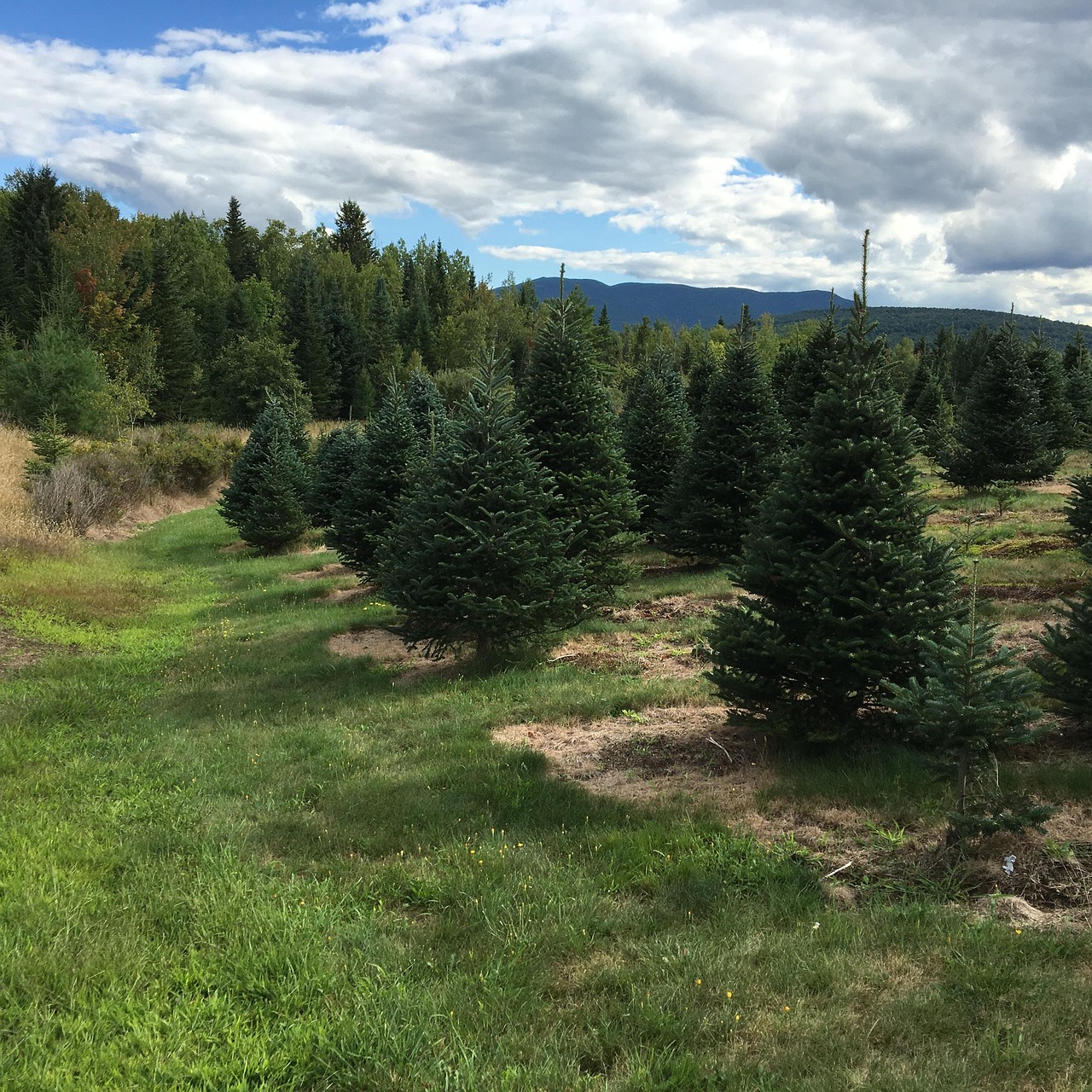
Pruning is not just about maintaining appearance; it also plays a critical role in tree health. Balsam fir trees can suffer from various issues, including disease and pest infestations. Regular pruning helps to minimize these risks by improving air circulation and allowing sunlight to penetrate the canopy. This practice can also enhance the tree’s natural shape and promote vigorous growth.
Understanding Balsam Fir Growth
Before diving into pruning techniques, it is important to understand how balsam fir trees grow. They typically have a pyramidal shape with strong central leaders and horizontal branches. The growth pattern of these trees dictates how and when to prune for optimal results.
Here are some key characteristics of balsam fir trees:
| Characteristic | Description |
|---|---|
| Height | Can reach up to 60 feet |
| Width | Typically 20 to 30 feet at maturity |
| Growth Rate | Moderate, about 1 to 2 feet per year |
| Foliage | Dark green needles, 0.5 to 1 inch long |
| Soil Preference | Well-drained, acidic soils |
Understanding these characteristics helps in determining the best practices for pruning. A well-pruned balsam fir will not only look more attractive but also remain healthy over the years.
When to Prune Balsam Fir Trees
The timing of pruning is crucial. Balsam fir trees should be pruned during their dormant season, which is typically late winter to early spring. This period occurs before new growth begins, reducing stress on the tree and minimizing sap loss. Pruning during dormancy also helps avoid potential damage from pests and diseases that can thrive during warmer months.
Essential Pruning Tools
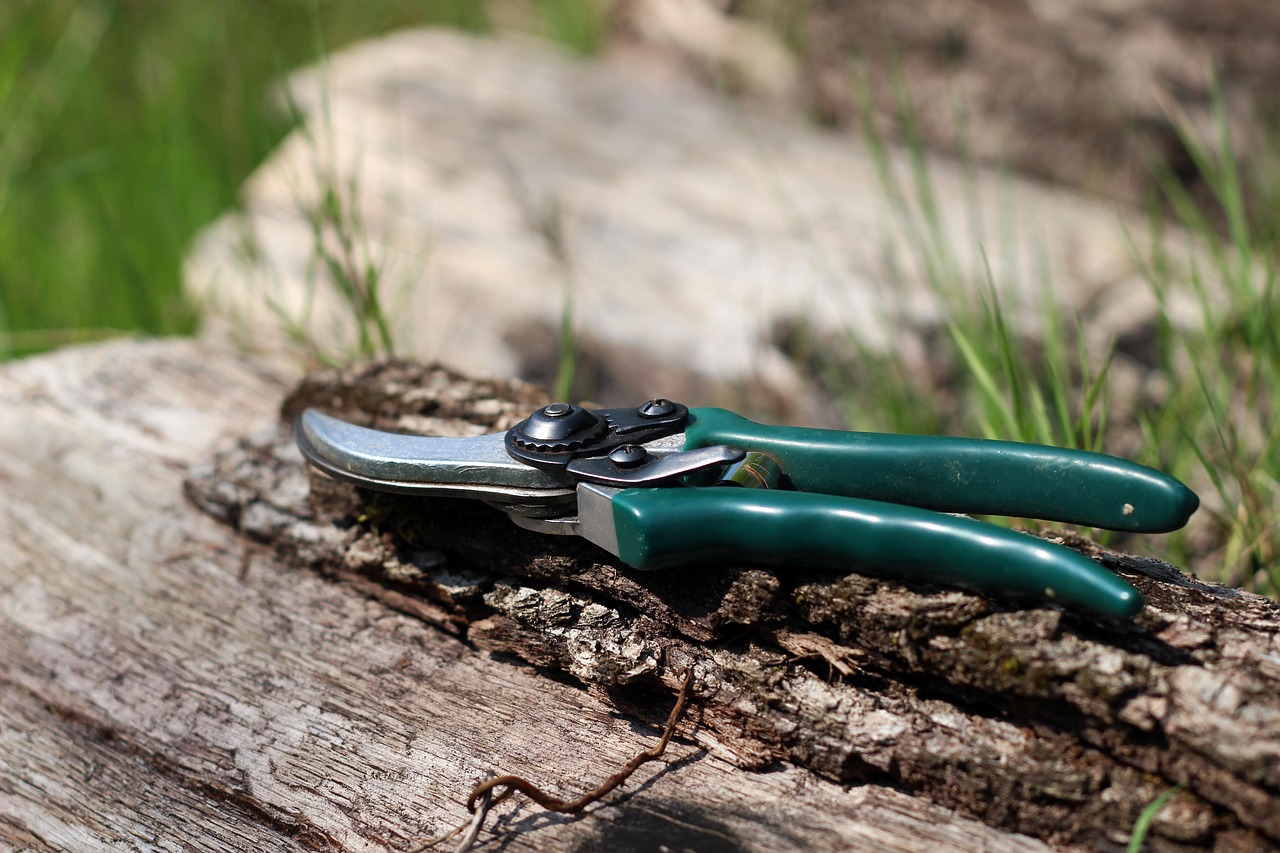
Having the right tools is vital for effective pruning. The following tools are recommended for pruning balsam fir trees:
- Hand Pruners: Ideal for small branches up to ¾ inch thick.
- Loppers: Best for branches between ¾ inch and 1½ inches thick.
- Saws: Use a pruning saw for larger branches over 1½ inches in diameter.
- Gloves: Protect your hands from sharp branches and sap.
- Ladder: Ensure safety when reaching higher branches.
Using sharp and clean tools is essential for making clean cuts. Dull tools can tear the bark and create openings for pests and diseases. Always disinfect your tools before use, especially if you have pruned diseased plants previously.
Pruning Techniques for Balsam Fir Trees
There are several techniques to consider when pruning balsam fir trees:
- Remove Dead or Diseased Branches: Start by cutting away any dead or diseased branches. Look for signs such as discoloration or lack of foliage.
- Thin Out Crowded Areas: Identify branches that are growing too closely together. Remove some of these branches to improve air circulation and light penetration.
- Shape the Tree: Maintain the natural pyramidal shape by trimming back the outermost branches. This enhances the tree’s appearance while promoting even growth.
- Avoid Topping: Do not cut off the top of the tree or remove large sections of foliage at once. This can lead to stress and an unbalanced appearance.
By following these practices, you can ensure that your balsam fir trees remain healthy and vibrant throughout their lifespan.
Common Mistakes to Avoid When Pruning Balsam Fir Trees
While pruning is essential for maintaining the health of balsam fir trees, several common mistakes can hinder their growth. Recognizing and avoiding these pitfalls will help ensure a successful pruning experience.
- Pruning at the Wrong Time: Pruning during late spring or summer can lead to excessive sap loss and stress the tree. Always aim for the dormant season.
- Over-Pruning: Removing too many branches can weaken the tree. It is important to prune selectively and conservatively.
- Improper Cuts: Making flush cuts or leaving stubs can damage the tree. Always cut just outside the branch collar, where the branch meets the trunk.
- Ignoring Safety Precautions: Failing to use safety equipment, such as gloves and goggles, can lead to injuries. Always prioritize safety during pruning.
- Neglecting Tree Health: Not assessing the overall health of the tree before pruning can lead to further issues. Inspect for pests or diseases first.
Signs Your Balsam Fir Needs Pruning
Understanding when your balsam fir tree requires pruning is essential for its health. Here are some indicators that it may be time to prune:
- Dead or Dying Branches: Look for branches that are brown, brittle, or lack needles.
- Crowded Growth: If branches are growing too closely together, it may be preventing light and air from reaching the inner foliage.
- Unusual Growth Patterns: If you notice any branches growing in odd directions or at unnatural angles, they should be pruned.
- Pest Infestation: Signs of pests, such as holes in the branches or visible insects, can indicate areas that need attention.
- Disease Symptoms: Look for discoloration, fungus, or other abnormal signs that suggest disease.
Pruning Techniques Based on Tree Age
The age of a balsam fir tree plays a significant role in determining how it should be pruned. Different techniques are suitable for young, mature, and old trees.
Younger Balsam Fir Trees
For younger balsam firs (under 5 years), focus on establishing a strong central leader and balanced branching. Use the following techniques:
- Tip Pruning: Gently trim the tips of the main branches to encourage bushier growth.
- Selective Thinning: Remove any weak or competing leaders to promote a strong central leader.
- Formative Pruning: Shape the tree early to develop an even distribution of branches.
Mature Balsam Fir Trees
Mature trees (5-20 years) require a different approach. Their structure is more established, so focus on maintaining health and aesthetics:
- Thinning: Remove overcrowded branches to improve light access.
- Deadwood Removal: Regularly check for and remove dead or damaged branches.
- Aesthetic Shaping: Maintain the natural shape by trimming the outermost branches without compromising the tree’s health.
Older Balsam Fir Trees
Older balsam firs (over 20 years) may have unique challenges. Focus on preserving their health:
- Minimal Pruning: Limit pruning to only dead or diseased wood unless necessary for safety or aesthetics.
- Crown Restoration: If needed, lightly thin the crown to reduce weight on older branches.
- Health Monitoring: Keep an eye out for signs of decay or disease as older trees are more susceptible.
Caring for Pruned Areas
After pruning, proper care of the pruned areas is crucial for healing. Here are some tips for caring for balsam fir trees post-pruning:
- Seal Wounds: In certain cases, apply a tree wound dressing to larger cuts to protect against pests and diseases.
- Avoid Overwatering: Ensure that the tree is not overwatered after pruning, as this can lead to root rot.
- Nutrient Boost: Consider applying a balanced fertilizer to support recovery and stimulate healthy growth.
- Regular Monitoring: Keep an eye on the pruned areas for any signs of infection or abnormal growth.
Caring for your balsam fir after pruning ensures that it recovers effectively and continues to thrive in your landscape.
Pest and Disease Management for Balsam Fir Trees
Maintaining the health of balsam fir trees goes beyond pruning. Pests and diseases can significantly affect their growth and vitality. Understanding how to identify and manage these threats is essential for any tree caretaker.
Common Pests Affecting Balsam Fir Trees
Balsam fir trees can be susceptible to various pests. Here are some of the most common ones:
- Balsam Woolly Adelgid: This insect feeds on the tree’s sap, causing stunted growth and needle drop. Look for white, woolly masses on the bark.
- Eastern Pine Weevil: The larvae of this beetle bore into the tree, creating wilted branches and a characteristic “shepherd’s crook” appearance.
- Spider Mites: These tiny pests can cause yellowing needles and webbing on the branches. They thrive in hot, dry conditions.
- Needle Blight: A fungal disease that affects older needles, causing them to turn brown and drop prematurely.
Identifying Pest Infestations
Being able to spot early signs of pest infestations can help mitigate damage. Here are some indicators:
- Discolored Foliage: Yellowing or browning needles may suggest stress from pests or disease.
- Visible Insects: Inspect the bark and foliage closely for any visible insects or webs.
- Wilting Branches: Branches that appear wilted or droopy may indicate feeding damage from pests.
- Loss of Needles: An unusual amount of needle drop can be a sign of infestation or disease.
Managing Pests Effectively
Effective management strategies include both preventive measures and treatments:
- Regular Inspections: Conduct routine checks of your balsam fir trees to catch issues early.
- Encourage Beneficial Insects: Ladybugs and lacewings are natural predators of many harmful pests. Planting flowers that attract these beneficial insects can help keep pests in check.
- Insecticidal Soap: For minor infestations, apply insecticidal soap to affected areas. This organic treatment suffocates pests without harming the tree.
- Pesticides: In severe cases, consider using targeted pesticides. Always follow application guidelines carefully.
Disease Management for Balsam Fir Trees
In addition to pests, various diseases can threaten the health of balsam firs. Understanding these diseases helps in quick identification and management.
Common Diseases Affecting Balsam Fir Trees
Balsam firs can encounter several diseases, including:
- Root Rot: Caused by poor drainage or overwatering, this disease attacks the roots, leading to tree decline. Symptoms include yellowing needles and stunted growth.
- Fusarium Needle Blight: This fungal disease causes needle browning and drop, often affecting younger needles first.
- Canker Diseases: These diseases create sunken, dead areas on branches or stems. They often result from fungal infections following injuries.
- Bacterial Blight: Caused by bacteria, this disease leads to needle spots and branch dieback.
Identifying Disease Symptoms
Awareness of potential symptoms is key to managing diseases effectively:
- Browning Needles: Look for needles that turn brown or develop spots, which may indicate disease.
- Sooty Mold: A black fungal growth on needles can suggest a pest problem that may lead to further disease.
- Cankers: Examine branches for dark, sunken areas that may signify canker diseases.
- Sudden Decline: Rapid health decline in a previously healthy tree often indicates a serious underlying issue.
Treatment and Prevention Strategies
Treating diseases in balsam fir trees requires a combination of immediate action and preventive care:
- Cultural Practices: Maintain proper watering and drainage to reduce the risk of root rot. Ensure good air circulation by pruning appropriately.
- Remove Infected Materials: Dispose of any infected branches or needles promptly to prevent the spread of disease.
- Fungicides: For certain fungal diseases, fungicides may be effective. Apply according to manufacturer instructions and local regulations.
- Avoid Mechanical Damage: Protect trees from physical damage during maintenance activities to prevent entry points for pathogens.
By understanding pest and disease management techniques, you can ensure the ongoing health and vitality of your balsam fir trees. Proper monitoring and timely intervention are key components of successful tree care.
Additional Considerations for Pruning Balsam Fir Trees
Beyond the basic pruning techniques and pest management strategies, there are additional considerations to keep in mind to promote the health and beauty of balsam fir trees. These factors include environmental conditions, local climate, and the specific role of the trees in your landscape.
Environmental Factors
The environment plays a significant role in the growth and health of balsam fir trees. Here are some important environmental factors to consider:
- Soil Quality: Balsam firs prefer well-drained, acidic soils. Testing soil pH can guide you in adjusting soil properties to suit the needs of your trees.
- Water Availability: While these trees thrive in moist conditions, they cannot tolerate standing water. Ensure that your trees have adequate drainage to prevent root rot.
- Sunlight Exposure: Balsam firs do best in full sun to partial shade. Make sure surrounding vegetation does not overly shade your trees.
- Wind Protection: Young balsam firs can be vulnerable to wind damage. Planting windbreaks or providing some form of protection can support their growth.
Caring for Balsam Fir Trees in Different Climates
The local climate can influence the care and pruning of balsam fir trees. For example:
- Cold Climates: In colder areas, ensure that pruning is done before heavy snow falls to avoid damage from snow-laden branches.
- Warm Climates: In warmer regions, monitor for pests more closely, as higher temperatures can increase pest activity.
- Humidity Levels: High humidity can lead to fungal diseases. Maintain proper air circulation and avoid excessive watering during humid periods.
Long-Term Care and Maintenance
Owning and caring for balsam fir trees is a long-term commitment. Regular maintenance ensures that your trees remain healthy and vibrant for decades. Here are some long-term care tips:
- Regular Pruning Schedule: Establish a regular pruning schedule based on the age and health of the trees. This can help you keep track of necessary maintenance.
- Mulching: Apply an organic mulch around the base of the tree to conserve moisture, suppress weeds, and improve soil health over time.
- Fertilization: Consider annual fertilization in early spring with a balanced fertilizer to support growth, especially in nutrient-deficient soils.
- Monitoring Health: Continually assess for signs of stress, pests, or diseases, adjusting care routines as needed.
Final Thoughts
Pruning balsam fir trees is an essential practice that promotes their health, aesthetic appeal, and longevity. By understanding the optimal techniques, timing, and tools required for effective pruning, you can ensure that your trees thrive in your landscape. Additionally, being aware of potential pests and diseases will empower you to take preventative measures that safeguard your investment in these beautiful evergreens.
The combination of proper pruning, ongoing maintenance, and environmental consideration creates a holistic approach to caring for balsam fir trees. As you implement these best practices, you will not only enhance the beauty of your landscape but also contribute to a healthier ecosystem. Your dedication to the care of these trees will yield rewards in the form of lush foliage and a thriving environment for years to come.
In summary, remember that each balsam fir is unique. Tailor your care strategies based on the specific needs of your tree and the conditions of your environment. With patience and diligence, you can enjoy the splendor of healthy balsam fir trees in your yard or garden.