
Choosing the best pruners for grape vines is essential for maintaining healthy growth and maximizing fruit production [1]. The right tools can make the pruning process easier and more effective, ensuring your vines thrive. In this guide, we will explore the top pruners specifically designed for grape vine care and provide essential tips for their use.
Why Are Pruners Important for Grape Vines?

Pruners play a crucial role in grape vine maintenance. The right tools enhance the pruning process, leading to healthier plants and improved grape yield.
What Makes Pruners Special for Grape Vines?
Grape vines require precision when pruned. The right pruners, like Fiskars 3910 Pruning Shears, offer sharp, clean cuts. This minimizes damage to the vine, promoting faster healing. Well-designed pruners can reach tight spaces between canes and spurs, allowing for more effective pruning.
How Do Pruners Impact Grape Quality?
Using the right pruners affects grape quality significantly. Proper pruning encourages sunlight exposure and airflow. This reduces the risk of diseases and boosts overall vine health.
- Improved Airflow: Well-pruned vines allow better circulation, essential for photosynthesis.
- Disease Prevention: Removing unhealthy canes lowers the chance of disease spread.
- Enhanced Fruit Production: Healthy vines produce more and better-quality grapes.
For instance, a vineyard that switched to high-quality pruners reported a 20% increase in grape yield after just one season. This demonstrates how investing in the right tools can lead to tangible results.
Pruning also requires knowledge of timing and technique. Missteps can lead to poor growth. Avoid common mistakes such as pruning too late or using dull tools. Ensuring you have the right equipment sets the foundation for successful grape vine care.
What Are the Best Pruners for Grape Vines?
Choosing the right pruners can significantly affect your grape vine’s health and productivity. Here, we compare three top-rated pruners, focusing on their features, pros, and cons.
Fiskars 3910 Pruning Shears
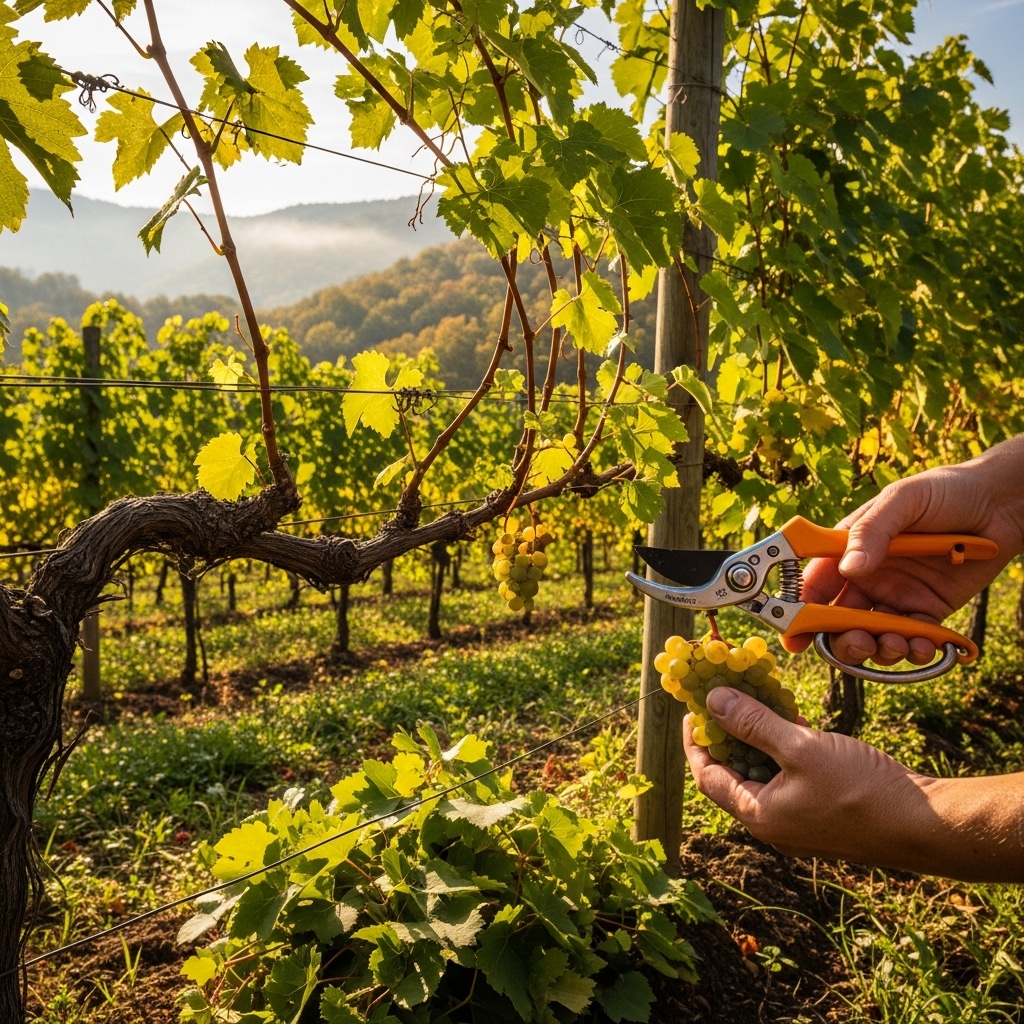
What makes Fiskars 3910 a top choice?
These pruners excel in precision and comfort. Their design allows for easy handling, making them suitable for long pruning sessions.
Features:
- Stainless steel blades for clean cuts
- Ergonomic handle reduces hand fatigue
- Easy open/close mechanism
Pros:
- Lightweight and easy to use
- Great for detailed work
- Affordable price point
Cons:
- Not ideal for larger branches
- May require frequent sharpening
Achieve precise cuts with Fiskars 3910 Pruning Shears — Get yours on Amazon today!
Felco F-2 Classic Manual Hand Pruner
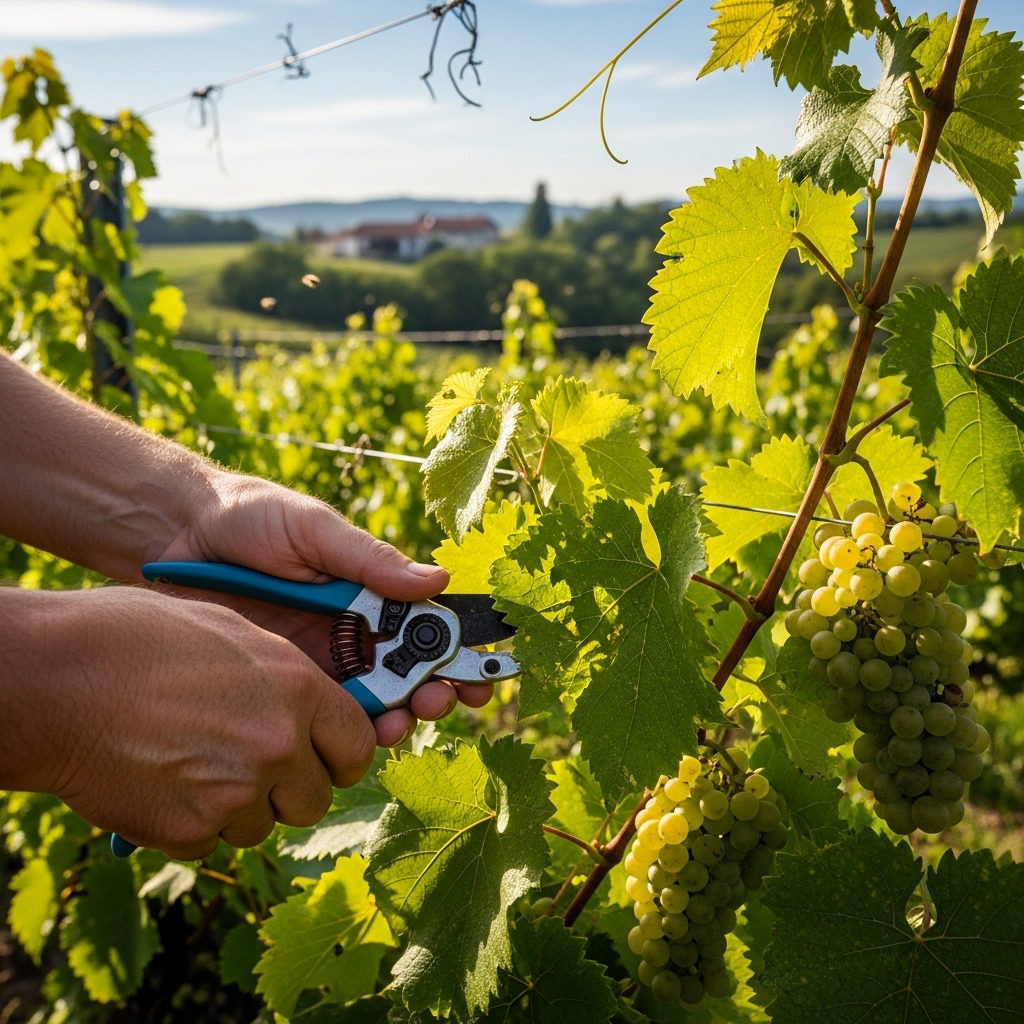
Why consider Felco F-2?
Renowned for durability, Felco F-2 is a favorite among professional gardeners. It’s built to last and performs exceptionally well on grape vines.
Features:
- High-quality forged aluminum handles
- Replaceable parts for longevity
- Adjustable blade tension
Pros:
- Excellent cutting power
- Suitable for various pruning tasks
- Comfortable grip
Cons:
- Higher price point
- Heavier than some competitors
Felco F-2 Classic Manual Hand Pruner
Corona BP 3180D Bypass Pruner
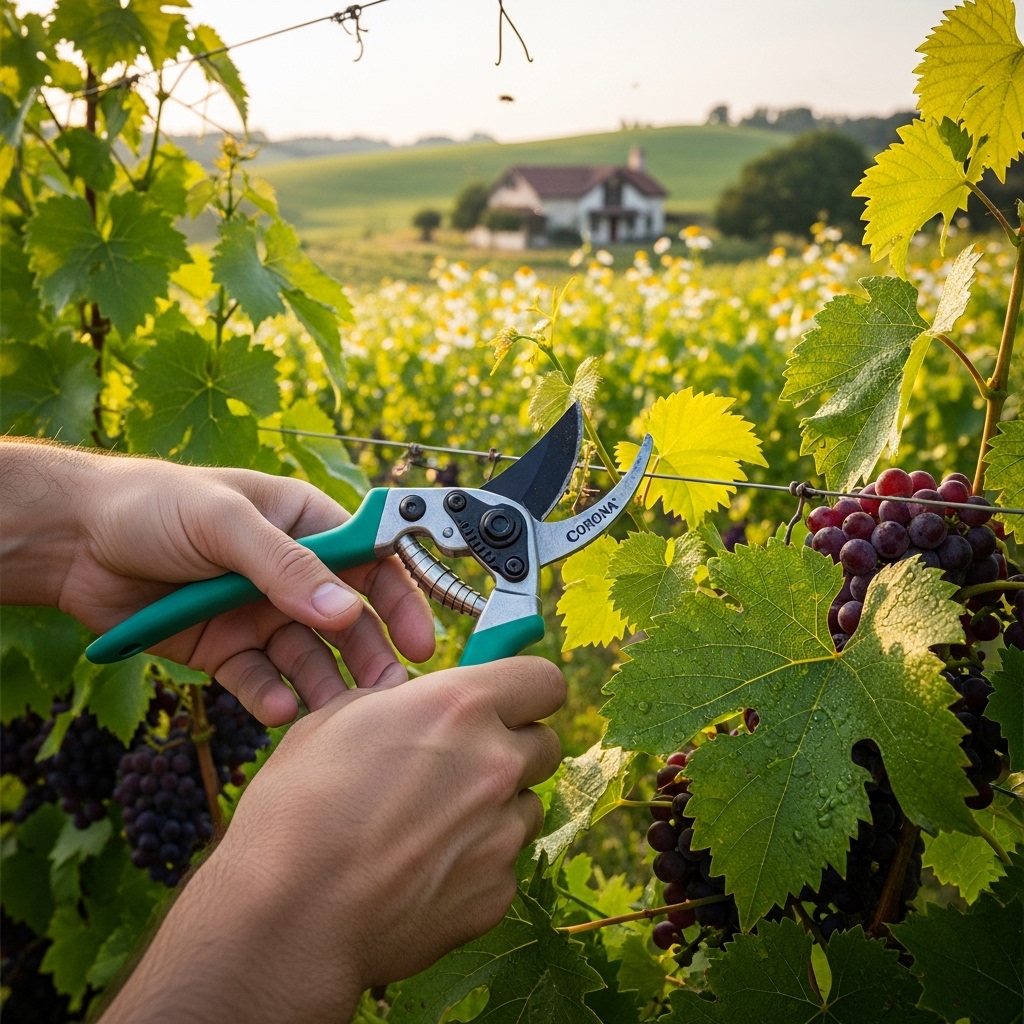
What does the Corona BP 3180D offer?
This pruner features a bypass design, making it excellent for clean cuts on live vines. It’s perfect for maintaining the health of your grape vines.
Features:
- Bypass blade design for smooth cuts
- Shock-absorbing bumpers for comfort
- Rust-resistant coating
Pros:
- Great for thicker canes
- Provides a clean cut to promote healing
- Adjustable blade tension
Cons:
- Bulky design may not suit everyone
- Can be pricier than basic models
Corona BP 3180D Bypass Pruner
Comparison Table
| Pruner | Weight | Blade Type | Price Range | Best For |
|---|---|---|---|---|
| Fiskars 3910 | Light | Bypass | $25 – $50 | Detail work on vines |
| Felco F-2 | Medium | Bypass | $70 – $170 | All-purpose pruning |
| Corona BP 3180D | Medium | Bypass | $24-$80 | Thick canes |
Selecting the right pruner can greatly enhance your grape vine care. Each of these pruners has its strengths and weaknesses, catering to different pruning needs. For example, if you focus on detail, the Fiskars 3910 is ideal. However, for heavier pruning, consider the Felco F-2 or Corona BP 3180D.
When Is the Best Time to Prune Grape Vines?
Timing is crucial for effective grape vine pruning. The best results come from understanding the dormant season and local weather conditions.
What is the Dormant Season?
The dormant season typically spans late winter, from January to early March. During this period, grape vines shed their leaves and stop growing. This makes it easier to identify which canes to prune. Pruning during dormancy encourages healthier growth and optimal fruit production.
- Benefits of Pruning in Dormancy:
- Reduces stress on the plant.
- Minimizes risk of disease from open wounds.
- Enhances visibility for making precise cuts.
How Weather Affects Pruning Timing
Local climate plays a significant role in determining the best time to prune. In colder regions, wait until late winter when the risk of frost has passed. In warmer areas, you might prune slightly earlier. Always avoid pruning during fall, as vines still produce nutrients and sugars, which can hinder their recovery.
- Pruning Checklist:
- Assess local frost dates.
- Monitor vine behavior as temperatures warm.
- Plan for cuts before new growth emerges.
By understanding these factors, you can maximize your grape vine’s health and yield. For precise cuts, consider investing in quality pruners like the Fiskars 3910 Pruning Shears.
How to Prune Grape Vines Effectively?
Pruning grape vines is essential for promoting healthy growth and maximizing fruit production. By using the right techniques and tools, you can ensure your vines thrive year after year.
What Techniques Should You Use?
There are two primary pruning techniques for grape vines: cane pruning and spur pruning. Each method has its benefits and is suited for different vine varieties.
- Cane Pruning: This technique involves selecting one to three strong canes to keep for the next season. You cut these canes back to about 6-10 buds. This method works well for varieties that produce fruit on new wood. It’s ideal for colder climates where growth is slower.
- Spur Pruning: This simpler method involves cutting back each spur to two buds. You maintain 12-14 spurs per vine for optimal yield. Spur pruning is effective for vigorous varieties that bear fruit on older wood. It keeps the vine manageable and encourages stronger growth each year.
What Are Common Pruning Mistakes to Avoid?
Avoid these common mistakes to ensure your grape vines flourish:
- Pruning Too Late: Timing is crucial. Pruning too late in the season can harm your vines. Aim to prune during the dormant season, ideally in late winter to early spring.
- Neglecting Old Wood: Failing to remove older, less productive canes can hinder new growth. Always remove unhealthy canes to promote vitality.
- Over-Pruning: Cutting too much can stress the vine. Stick to recommended guidelines for the number of buds and spurs.
Practical Example of Pruning Success
Imagine a vineyard where spur pruning is consistently applied. Each season, the vineyard manager removes excess wood and maintains healthy spurs. The result? Plentiful grape clusters and robust vines. Conversely, a vineyard that neglects pruning suffers from overcrowded canes, leading to poor fruit quality and increased disease risk.
By understanding these techniques and avoiding common pitfalls, you can optimize the health and productivity of your grape vines. Equip yourself with the best pruners, like the Fiskars 3910 Pruning Shears, for precise cuts that enhance your vine care.
Aftercare for Grape Vines: What to Do Post-Pruning?
After pruning your grape vines, proper aftercare is essential for their recovery and growth. Implementing effective post-pruning strategies will help ensure your vines thrive and produce abundant fruit.
How to Support Your Vines After Pruning?
- Watering: After pruning, your vines need regular watering. This helps to rejuvenate the plant and encourage new growth. Ensure the soil remains consistently moist but not waterlogged.
- Fertilization: Applying a balanced fertilizer can promote strong recovery. Fertilization is crucial for post-pruning growth as it provides essential nutrients that support new shoots and leaf development [9].
- Pest Control: Implement pest control measures promptly after pruning. New cuts can attract pests, so it’s vital to monitor for any signs of infestation and treat accordingly [7].
- Mulching: Adding mulch around the base of the vines can help retain soil moisture and suppress weeds. This creates a healthier environment for your grapevines.
- Monitoring Growth: Keep an eye on new growth. If you notice weak or unhealthy shoots, consider additional pruning to redirect the plant’s energy toward stronger canes.
Why is Aftercare Important?
Aftercare plays a vital role in the overall health and productivity of grape vines. Without it, your vines may struggle to recover from the stresses of pruning.
- Encourages Healthy Growth: Proper watering and fertilization promote robust new growth. This helps vines produce more fruit and reduces the risk of disease.
- Prevents Pests and Diseases: By monitoring and controlling potential threats, you can prevent infestations that can devastate your crop.
- Optimizes Yield: Good aftercare leads to better-quality grapes. Healthy vines are more productive, ensuring a bountiful harvest.
Practical Example of Effective Aftercare
Consider a vineyard that diligently waters and fertilizes after pruning. The grower applies a balanced fertilizer and ensures consistent moisture. As a result, the vines flourish, producing abundant clusters of grapes. In contrast, a vineyard that neglects aftercare sees stunted growth and lower yields. This highlights the importance of aftercare in vine health and productivity.
Use these strategies to enhance the vitality of your grapevines after pruning. Implementing them can make a significant difference in your harvest quality.
Frequently Asked Questions
These quick answers cover the homeowner questions that come up most often about hackberry trees, including growth, care, and common problems.
What are the top features to look for in grape vine pruners?
When selecting pruners for grape vines, look for sharp, stainless steel blades for clean cuts. Ergonomic handles are also essential to reduce hand fatigue during long pruning sessions. A lightweight design can enhance maneuverability, while a bypass blade type is preferred for live vines to promote healing.
How often should grape vines be pruned?
Grape vines should typically be pruned annually during the dormant season, which is late winter to early spring. This timing allows for easy identification of canes and minimizes stress on the plant. Regular pruning helps maintain vine health and encourages optimal fruit production.
Can I use regular garden shears for grape vines?
While regular garden shears can be used for light trimming, they are not ideal for grape vines. Grape vines require precise cuts to promote healing and growth. Specialized pruners designed for grape vines provide better control and reduce the risk of damaging the plant.
What are the signs of a healthy grape vine after pruning?
A healthy grape vine post-pruning will show signs of new growth, including fresh buds and leaves. The cuts should heal quickly, with minimal signs of browning or disease. Additionally, healthy vines will exhibit improved airflow and sunlight exposure, which are crucial for fruit production.
How do I maintain my pruning tools for longevity?
To maintain your pruning tools, clean them after each use to remove sap and debris. Regularly sharpen the blades to ensure clean cuts, which helps prevent damage to the vines. Additionally, lubricate the pivot points and store them in a dry place to prevent rust.
Can I prune grape vines in the summer?
Pruning grape vines in the summer is generally not recommended, as it can stress the plant and lead to reduced fruit production. Summer pruning can also expose the vine to disease risks. However, light trimming of excess growth can be done to maintain shape and airflow.
What should I do if I miss the pruning season?
If you miss the ideal pruning season, assess the health of your vines before deciding to prune. If the vines are overgrown or unhealthy, you may still need to prune lightly to remove dead or damaged canes. Avoid heavy pruning until the next dormant season to minimize stress on the plant.
What should readers know about visual aids like diagrams or videos showing pruning techniques?
Visual aids, such as diagrams and videos, can significantly enhance understanding of pruning techniques. They provide clear examples of proper cuts and the anatomy of grape vines, making it easier to grasp complex concepts. Consider looking for reputable sources that demonstrate both cane and spur pruning methods.
References
1. Pruning and Training Grapes in the Home Vineyard [fact sheet]
3. Basic Principles of Pruning Backyard Grapevines – Ohioline
4. Pruning Tools | UC Marin Master Gardeners
5. To Prune or Not to Prune – UNH Extension
6. Pruning Dormant Grapevines | Aggie Horticulture
7. Summer Considerations for Grapevine Pruning – Viticulture
8. Grapevine Cane and Spur Pruning Fundamentals
9. Applying Fertilizer to Vineyards After Harvest