
The best science questions you can test using plants involve exploring how different environmental factors affect their growth, reproduction, and overall health. By experimenting with variables like light, water, and soil composition, we can uncover fascinating insights into plant biology. Additionally, understanding how what organisms fix nitrogen gas for plants can provide further depth to our studies.
Understanding Plant Biology: Key Concepts
Photosynthesis
Photosynthesis is one of the most fundamental processes in the plant kingdom. It’s how plants convert sunlight into energy, using carbon dioxide and water to produce glucose and oxygen. I remember when I first learned about this incredible process; it felt like uncovering a secret recipe that nature has perfected over millions of years. Essentially, plants are like little solar panels, capturing sunlight and using it to fuel their growth. Understanding this process is crucial because it sets the foundation for many scientific questions we might want to explore.
Plant Growth and Development
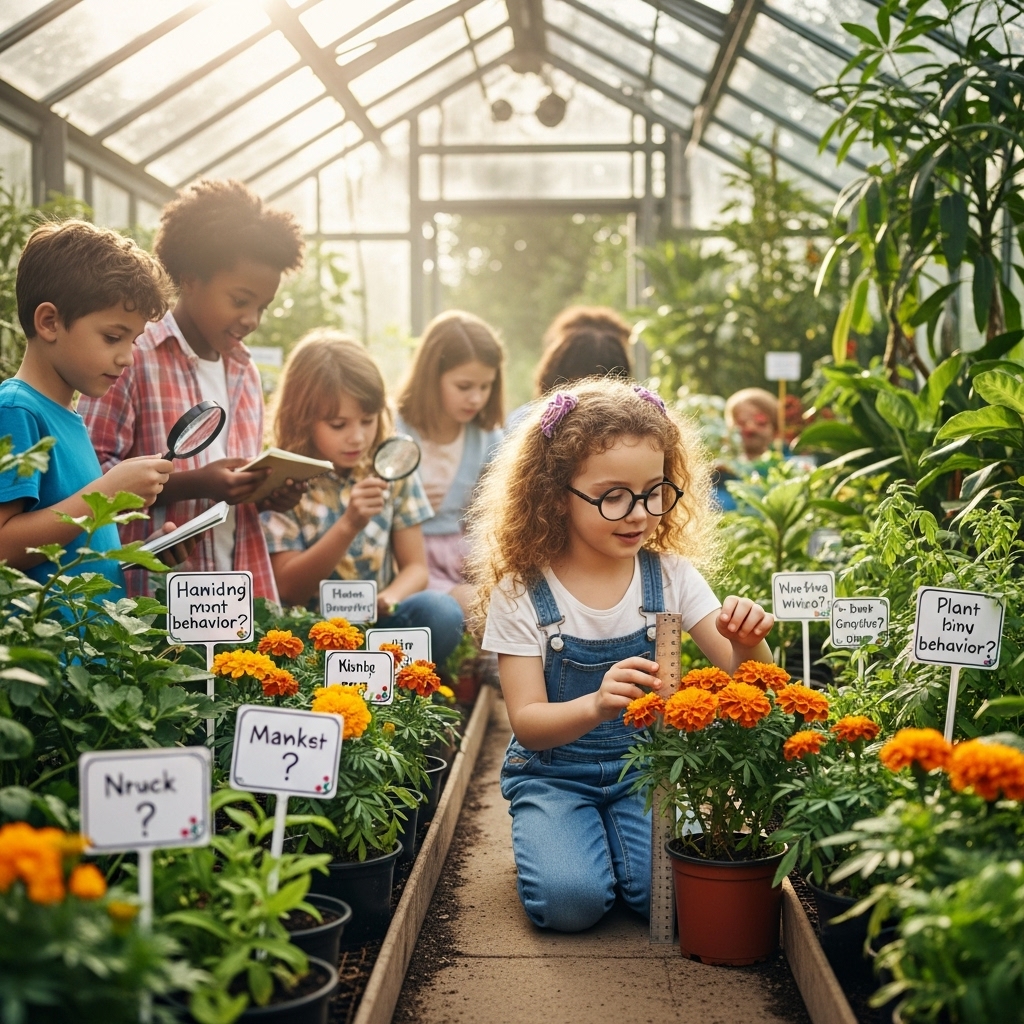
Plant growth is influenced by a variety of factors, including genetics and environmental conditions. I often think of it like a dance between the plant and its surroundings. For instance, a seed’s ability to sprout and develop into a robust plant depends heavily on the availability of light, nutrients, and water. I’ve seen firsthand how a well-tended garden flourishes compared to one that’s neglected. This difference sparked my interest in experimental questions about what really drives plant growth.
Plant Reproduction
Plants reproduce in fascinating ways, either sexually through seeds or asexually through methods like budding or fragmentation. My first experience watching a bean plant grow from seed to flower was eye-opening. I remember being captivated by the intricate process of pollination and seed formation. Delving into plant reproduction can lead to questions about how environmental factors influence these processes. For example, what happens to seed production when you change the light conditions? This is just one of the many avenues for exploration.
Plant Adaptations
Plants have adapted over time to survive in various environments. I’ve always been fascinated by how cacti thrive in arid deserts while ferns flourish in humid rainforests. Each species has unique strategies to cope with its surroundings. This concept of adaptation can lead us to intriguing questions about how different plants respond to changes in their environment, such as drought or extreme temperatures. It’s like watching nature’s resilience in action, and there’s so much we can experiment with to understand these adaptations better.
Types of Science Questions to Explore with Plants
Hypothesis-Driven Experiments
Hypothesis-driven experiments are a cornerstone of scientific inquiry. These experiments start with a specific question or prediction and involve testing to see if the hypothesis holds true. I recall setting up my first experiment to test whether light color affects plant growth. I placed seedlings under red, blue, and white lights, and eagerly tracked their development. Crafting a hypothesis helped me focus my observations and provided a clear path for collecting data. It’s a fantastic way to engage with science and discover new insights.
Observational Studies
Observational studies involve watching and recording the behavior or characteristics of plants in their natural environments without manipulation. I remember spending time in a local park, observing how different plants interacted with their surroundings. This approach can spark fascinating questions such as, “How do plants compete for resources?” or “What strategies do plants use to attract pollinators?” Observational studies are perfect for those moments when you want to appreciate the beauty of nature while still conducting scientific exploration.
Comparative Analyses
Comparative analyses allow us to look at different variables side by side to understand their impacts. For instance, I once compared the growth rates of two different species of plants under similar conditions. It was fascinating to see how their responses varied even when given the same resources. This type of study can lead to questions about which species are more resilient or better adapted to specific conditions. It’s a wonderful way to deepen our understanding of plant diversity and ecological interactions.
Best Science Questions Involving Plants
How Does Light Intensity Affect Photosynthesis Rates?
This question strikes at the heart of plant biology. By varying light intensity and measuring the rate of photosynthesis, we can learn how plants optimize their energy production. I often ponder this when I’m trying to grow herbs indoors; too little light makes them leggy, while too much can scorch their leaves. Setting up an experiment to measure oxygen output under different light levels could yield valuable insights.
What is the Impact of Soil pH on Plant Growth?
Soil pH can significantly influence nutrient availability and, consequently, plant health. I remember testing different soil samples in my backyard and noticing how some plants thrived while others struggled. This question invites us to explore how adjusting soil acidity affects everything from seed germination to overall growth. It’s an excellent opportunity for hands-on experimentation!
How Do Different Fertilizers Influence Plant Health?
Fertilizers can make or break a plant’s growth success. I once conducted a side-by-side comparison of organic versus synthetic fertilizers on tomato plants. The results were eye-opening! Understanding how various fertilizers impact plant health can lead to better gardening practices and sustainable agriculture. This question is perfect for anyone looking to dive deeper into plant nutrition.
What Role Do Environmental Factors Play in Seed Germination?
Seed germination is a delicate process influenced by temperature, moisture, and light. I’ve experimented with soaking seeds in water and controlling temperature to see how it affects germination rates. This question can lead to fascinating discoveries about which conditions are optimal for different types of seeds, helping us understand what makes some seeds more resilient than others.
How Does Water Quality Affect Aquatic Plants?
Water quality is crucial for aquatic plants, yet it’s often overlooked. I’ve observed how algae blooms can choke out sunlight for submerged plants, leading to a decline in health. Exploring the relationship between different water qualities and plant health can yield vital information for conservation efforts and maintaining healthy ecosystems. In particular, understanding what method is used at water desalination plants can be key to preserving aquatic environments.
What is the Effect of Temperature on Plant Metabolism?
Temperature affects every aspect of plant life, from growth rates to metabolic processes. I remember conducting an experiment where I placed plants in varying temperature conditions and monitored their health over time. This question opens the door to understanding how climate change might impact flora and the broader ecosystem.
Designing Experiments to Test Plant Questions
Choosing the Right Plant Species
When it comes to experimenting with plants, choosing the right species can make all the difference. I remember when I first dived into plant experiments; I was so eager to get started that I didn’t consider which plants were best suited for my questions. I soon learned that some plants are more resilient than others and can withstand various experimental conditions. For instance, fast-growing plants like radishes or beans are great for observing growth patterns over a short period. In contrast, slower-growing plants require more patience, but they can provide deeper insights into long-term effects. Selecting the right species not only simplifies the experiment but also enriches the learning experience.
Setting Up Controlled Environments
Creating a controlled environment for your experiments is crucial to obtaining reliable results. I remember the first time I tried to grow plants indoors; I was amazed at how much the environment influenced their growth. By controlling factors such as light, temperature, and humidity, we can isolate variables and truly understand their effects. For example, I set up a small greenhouse to maintain optimal conditions for my plants, which allowed me to focus solely on how different fertilizers impacted their growth. Controlled environments also help minimize outside influences, making it easier to draw conclusions. It’s like being a conductor of an orchestra, making sure each element plays its part harmoniously.
Data Collection Methods
Once you’ve set up your experiment, the next step is figuring out how to collect data effectively. I’ve found that having a clear plan for data collection not only streamlines the process but also makes it easier to analyze results later. Keeping a detailed log of observations is essential. For instance, I often used simple charts to note growth rates, leaf color changes, and any noticeable differences between plant groups. Additionally, using tools like rulers for measuring height or digital scales for weighing can provide precise data that enhances our findings. I recommend being as thorough as possible during this phase; the more detailed your data, the better your analysis will be.
Analyzing Results and Drawing Conclusions
Analyzing the data you’ve gathered is where the magic happens. This is when I really started to appreciate the scientific method. After conducting an experiment on how different light intensities affected plant growth, I spent hours sifting through my notes and measurements. I realized that patterns and trends often emerge that aren’t immediately obvious. For example, I discovered that plants under blue light not only grew taller but also had a richer color than those under red light. Drawing conclusions involves looking for these patterns and connecting them back to your original hypothesis. It’s incredibly satisfying to see how your observations lead to meaningful insights that contribute to our understanding of plant biology.
Common Variables to Consider in Plant Experiments
Light Exposure
Light exposure is perhaps one of the most critical variables to consider when designing plant experiments. I often think back to my time experimenting with different light sources. I learned that not only the intensity but also the quality of light can impact plant growth. For example, plants may thrive under certain wavelengths while struggling under others. During my experiments, I noticed that giving plants access to full-spectrum light led to healthier foliage and faster growth. By understanding how light affects plants, we can tailor our experiments to explore this fascinating aspect of their biology.
Water Levels
Water levels play a vital role in plant health, and experimenting with varying amounts can yield interesting insights. I remember my first attempt to test drought resistance in different plant species. I established a watering schedule and noted how each species responded to the changes. It was eye-opening to see how some plants wilted quickly, while others adapted more gracefully. By manipulating water levels, we can explore how plants adjust their growth and survival strategies, providing valuable lessons in resilience.
Nutrient Availability
Nutrients are essential for plant growth, and understanding how different levels affect health and development can lead to significant discoveries. I recall conducting an experiment where I altered the nutrient composition of the soil for different groups of plants. The results were astounding! Some plants thrived, while others showed signs of nutrient deficiency. This experience highlighted the importance of nutrient availability and how it directly correlates with plant health. It’s a great reminder of how interconnected all these factors are in the life of a plant.
Soil Composition
The composition of the soil can dramatically impact plant growth and health. My experiments with various soil types opened my eyes to how different mixtures affect root development and nutrient uptake. For example, I compared sandy soil to clay soil and noticed that plants in sandy soil had better drainage and quicker growth. This variable is crucial since it can determine which plants are best suited for specific environments, helping us understand plant ecology better.
Temperature Fluctuations
Temperature is another key variable that can influence plant biology. I remember experimenting with different temperature settings in a controlled environment. The results were fascinating! Some plants thrived in warmer conditions, while others preferred cooler climates. By varying temperatures, we can explore how plants react to climate change and adapt to their surroundings. This is not just essential for scientific inquiry but also has real-world implications for agriculture and conservation.
Tips for Conducting Successful Plant Experiments
Maintaining Consistency in Conditions
One of the most important tips I can share is to maintain consistency in your experimental conditions. I learned this the hard way when I conducted a series of plant growth experiments and accidentally changed the watering schedule midway through. The results were all over the place, and it was hard to draw any meaningful conclusions. Keeping variables constant, such as light exposure and temperature, will help ensure that your results are reliable and valid.
Documenting Observations
Keeping thorough documentation of your observations is crucial. I always kept a journal during my experiments, noting every detail from plant height to leaf color. This not only helped me track changes over time but also provided a wealth of information to reference later. Good documentation practices can make the analysis phase so much easier and more insightful.
Using Technology for Data Collection
In today’s world, technology can significantly enhance data collection. I’ve utilized apps for tracking growth metrics and even digital cameras to document changes visually. By using technology, we can gather more precise data and analyze it more efficiently. This approach can also make experiments more engaging and fun, especially for students or anyone new to plant science.
Engaging Students with Plant Science Questions
Creating Interactive Plant Experiments
Engaging students in plant science can be incredibly rewarding. I’ve found that creating interactive experiments can spark curiosity and enthusiasm. For instance, setting up a small garden project where students can plant seeds, observe their growth, and track changes helps them connect with the material. Allowing them to personalize their experiments, such as choosing their favorite plants, fosters a sense of ownership and investment in the learning process.
Incorporating Field Studies
Field studies can bring plant science to life. I vividly remember taking a group of students to a nearby park to observe native plant species in their natural habitats. It was fascinating to see them draw connections between what they learned in the classroom and the world outside. Incorporating field studies into the curriculum not only enhances understanding but also instills a sense of wonder about the natural world.
Encouraging Critical Thinking and Problem Solving
Finally, I believe that encouraging critical thinking and problem-solving is vital in plant science education. I often posed open-ended questions during experiments, asking students to hypothesize what might happen under different conditions. This approach encourages them to think deeply about the material and fosters a sense of curiosity. By creating an environment where questioning is welcomed, we can inspire the next generation of plant scientists.
Frequently Asked Questions
What is photosynthesis and why is it important for plants?
Photosynthesis is the process by which plants convert sunlight into energy, using carbon dioxide and water to produce glucose and oxygen. It is fundamental for plant biology as it sets the foundation for their growth and development.
How do environmental factors influence plant growth?
Environmental factors such as light, water, and soil composition play a crucial role in plant growth. A seed’s ability to sprout and develop into a healthy plant depends heavily on these variables.
What are the different ways plants reproduce?
Plants can reproduce sexually through seeds or asexually through methods like budding or fragmentation. This diversity in reproduction can lead to various scientific questions about environmental influences on these processes.
What is the significance of plant adaptations?
Plants have adapted over time to survive in various environments, such as cacti in deserts and ferns in rainforests. Studying these adaptations can provide insights into how plants respond to environmental changes like drought or extreme temperatures.
What are hypothesis-driven experiments in plant science?
Hypothesis-driven experiments start with a specific question or prediction and involve testing to see if the hypothesis holds true. They are essential for scientific inquiry and help focus observations and data collection.
What are observational studies in the context of plant science?
Observational studies involve watching and recording the behavior or characteristics of plants in their natural environments without manipulation. This method can lead to questions about plant interactions and strategies for survival.
How can comparative analyses be beneficial in plant studies?
Comparative analyses allow researchers to examine different variables side by side, helping to understand their impacts on plant growth and health. This method can reveal insights into plant resilience and adaptation.
What factors can affect seed germination?
Seed germination is influenced by several environmental factors, including temperature, moisture, and light. Understanding these conditions can help determine the optimal environment for different seeds.
Why is water quality important for aquatic plants?
Water quality is crucial for aquatic plants as it affects their health and growth. Factors like algae blooms can reduce sunlight availability, thereby impacting plant vitality.
What are some common variables to consider when conducting plant experiments?
Common variables include light exposure, water levels, nutrient availability, soil composition, and temperature fluctuations. Each of these can significantly influence plant health and growth outcomes.