
The black gum tree, or Nyssa sylvatica, offers aesthetic beauty and wildlife benefits, but it has drawbacks like messy fruit and slow growth.
Table of Contents
The black gum tree, also known as Nyssa sylvatica, is a native North American tree celebrated for its vibrant fall colors and wildlife support. However, before planting, it’s essential to weigh its pros and cons to ensure it’s the right fit for your landscape.
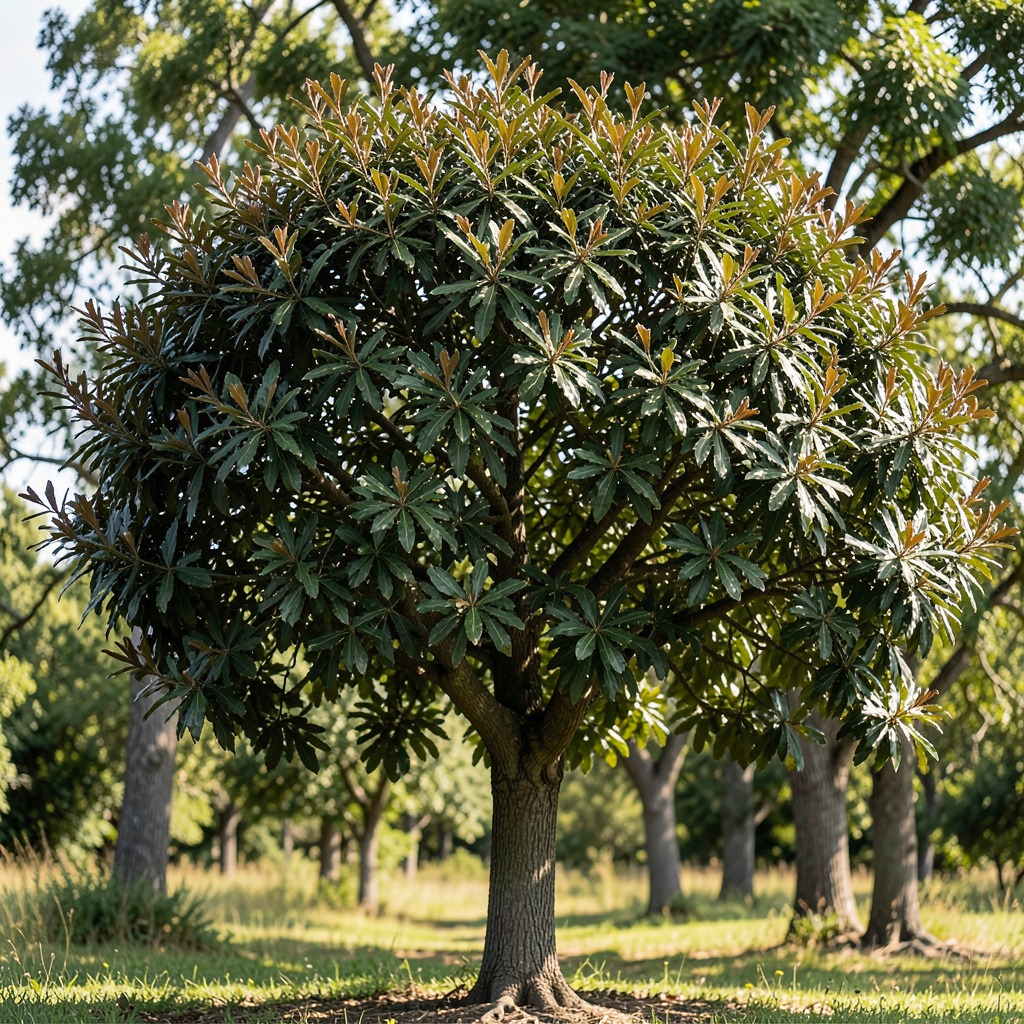
Understanding the Black Gum Tree
The black gum tree, scientifically known as Nyssa sylvatica, is a versatile and hardy tree native to the eastern United States. It is renowned for its stunning fall foliage and ecological benefits, making it a popular choice for landscaping.
Native Range and Appearance
Nyssa sylvatica thrives in various environments, from wetlands to upland forests. Its native range extends from Maine to Florida and west to Texas and Illinois. The tree exhibits a pyramidal shape in youth, maturing to a rounded crown.
Key Characteristics:
- Height: Typically reaches 30 to 50 feet.
- Bark: Dark, blocky texture that becomes fissured with age.
- Leaves: Glossy, dark green leaves turn vibrant shades of red, orange, and yellow in autumn.
- Flowers: Small, greenish-white flowers that bloom in spring, attracting pollinators.
Ecological Significance
The black gum tree plays a critical role in local ecosystems. It provides habitat and food for various wildlife species, including birds and insects. Its nectar-rich flowers are particularly beneficial for pollinators.
Benefits to Wildlife:
- Habitat: Offers shelter for nesting birds.
- Food Source: Produces fruits that attract birds and mammals.
- Pollinator Support: Flowers are a vital nectar source for bees and other pollinators.
Role in Landscaping
In landscaping, the black gum tree adds aesthetic value and ecological benefits. Its adaptability to different soil types, especially wet conditions, makes it suitable for various planting locations.
Advantages for Landscaping:
- Fall Color: Offers stunning seasonal changes with brilliant foliage.
- Soil Stabilization: Its root system helps prevent soil erosion in wet areas.
- Low Maintenance: Generally requires minimal care once established.
Decision Framework for Planting
Before deciding to plant a black gum tree, consider the following:
- Soil Type: Prefers well-drained to moist soils.
- Space Requirements: Ensure there is adequate room for growth, as it can reach significant heights.
- Local Climate: Verify compatibility with your regional climate and weather conditions.
By understanding these aspects, you can make an informed choice about incorporating Nyssa sylvatica into your landscape.
1. Aesthetic Appeal: Vibrant Fall Colors
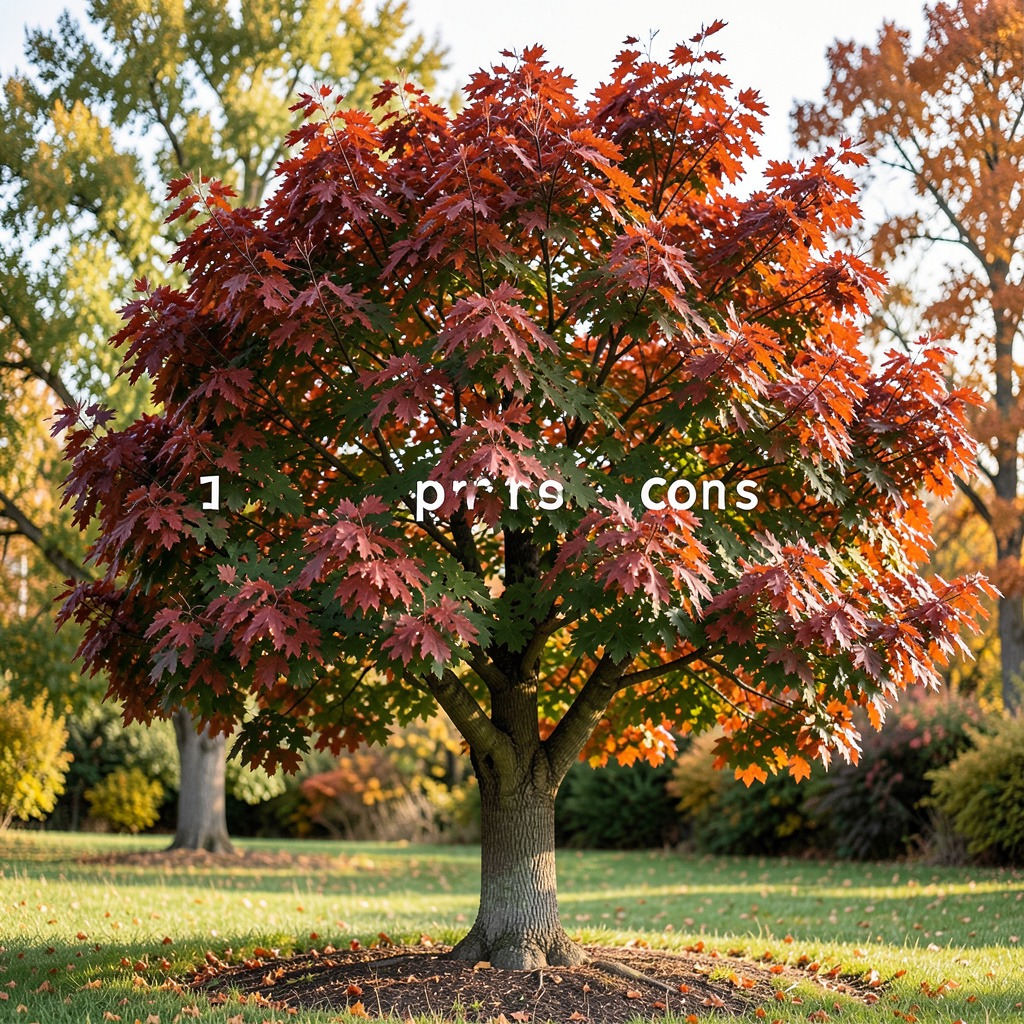
The black gum tree (Nyssa sylvatica) is renowned for its breathtaking fall foliage. As the seasons shift, its leaves transform into a vibrant display of color, enhancing any landscape.
A. Seasonal Changes
In autumn, black gum trees showcase a stunning palette. Their leaves can turn brilliant shades of red, orange, and purple. This seasonal spectacle can create a striking visual impact in gardens and parks.
- Color Variations: The intensity and hue of the tree’s fall colors depend on several factors, including:
- Temperature: Cooler nights enhance color vibrancy.
- Soil Type: Nutrient-rich soils can lead to more intense colors.
- Sun Exposure: Trees receiving full sunlight typically exhibit more vivid foliage.
B. Landscape Integration
Integrating black gum trees into your landscape can elevate its aesthetic value. Their unique features make them versatile additions to various settings.
- Visual Interest Year-Round: Beyond fall colors, black gum trees have:
- Glossy Green Leaves: In summer, they provide a lush, vibrant backdrop.
- Unique Bark Texture: The blocky bark adds visual interest in all seasons.
- Complementary Plantings: Pairing black gum trees with other plants can enhance their beauty. Consider integrating:
- Evergreens: To provide contrast in winter.
- Flowering Plants: For a colorful spring display.
Incorporating a black gum tree can transform your landscape, making it a captivating focal point throughout the year.
2. Wildlife Support: A Habitat for Many
Black gum trees (Nyssa sylvatica) play a crucial role in supporting wildlife. Their dense foliage and fruit production create an inviting habitat for various species, making them a valuable addition to any landscape.
A. Fruit and Pollinators
The black gum tree produces small, dark berries that serve as a vital food source for numerous bird species. These fruits are particularly attractive to:
- Cedar waxwings
- Robins
- Bluebirds
- Woodpeckers
In addition to providing food, the tree’s flowers are rich in nectar. They attract essential pollinators, including bees and butterflies. This interaction supports the ecosystem by promoting biodiversity and enhancing pollination efforts in nearby plants.
B. Shelter for Birds
The dense canopy of the black gum tree offers excellent shelter for birds. Its sturdy branches create safe nesting sites, protecting birds from predators. Notable benefits include:
- Habitat for over 200 species of moths and butterflies.
- Shelter for small mammals such as squirrels and raccoons.
These features contribute to a thriving ecosystem. Birds benefit from both food and shelter, while mammals find protection and sustenance.
Wildlife Statistics
Research indicates that black gum trees support up to 50 different bird species. This statistic underscores their importance in local ecosystems. When planting, consider the following decision factors:
- Location: Ensure it fits your landscape design.
- Soil Conditions: Black gum trees thrive in moist, well-drained soils.
- Local Wildlife Needs: Assess the types of wildlife in your area to maximize habitat benefits.
By incorporating black gum trees into your landscape, you contribute significantly to local biodiversity and ecological health.
3. Low Maintenance Requirements
The black gum tree, or Nyssa sylvatica, offers several advantages in terms of maintenance. Its low upkeep nature makes it an appealing choice for homeowners looking to enhance their landscapes without extensive care.
A. Watering Needs
Black gum trees are relatively drought-tolerant once established. However, they require consistent watering during their initial growth phase. Here are key watering tips:
- Initial Establishment: Water deeply once a week for the first year.
- After Establishment: Reduce frequency to every two weeks, adjusting based on rainfall.
- Signs of Insufficient Water: Look for dry, wilted leaves as indicators of low moisture.
B. Pruning Tips
Pruning is minimal with black gum trees, but some guidelines can enhance their health and appearance:
- Frequency: Prune only as necessary, typically once a year.
- Timing: Late winter or early spring is ideal before new growth begins.
- Focus Areas: Remove any dead or damaged branches to maintain structural integrity.
Maintenance Checklist
To ensure a thriving black gum tree, follow this checklist:
- [ ] Watering: Weekly for the first year; bi-weekly thereafter.
- [ ] Pruning: Annually in late winter; focus on dead or damaged limbs.
- [ ] Soil Checks: Monitor for adequate moisture levels, especially in dry conditions.
- [ ] Mulching: Apply mulch to retain moisture and suppress weeds.
The black gum tree’s low maintenance requirements make it suitable for various landscapes, allowing homeowners to enjoy its ecological benefits with minimal effort.
4. Soil Adaptability: Thriving in Various Conditions
The black gum tree (Nyssa sylvatica) is known for its remarkable adaptability to different soil types and moisture levels. Understanding these characteristics is essential for successful landscaping.
A. Moisture Preferences
Black gum trees thrive in a range of moisture conditions. They prefer consistently moist soil but can tolerate temporary wetness. Ideal settings include:
- Low-lying areas: Perfect for regions that experience occasional flooding.
- Near water sources: Such as ponds or streams, where soil remains moist.
While they can handle some standing water, excessive flooding is detrimental. It can lead to root rot and hinder growth.
B. Soil pH Requirements
The black gum tree also has specific soil pH requirements. It generally prefers:
- Slightly acidic soils: pH between 5.0 and 6.5.
- Well-drained soils: Although adaptable, they flourish best in soils that do not retain excessive moisture.
Here’s a comparative overview of suitable soil types for black gum trees:
| Soil Type | Compatibility | Notes |
|---|---|---|
| Loamy | Excellent | Retains moisture while providing drainage. |
| Sandy | Good | Drains quickly, may require additional watering. |
| Clay | Moderate | Can retain moisture; avoid compacted areas. |
| Silty | Good | Holds nutrients well; good for growth. |
When planting, assess your soil type to ensure optimal conditions. If you have clay soil, consider amending it with organic matter to enhance drainage and nutrient availability.
By understanding the moisture and soil preferences of black gum trees, you can make informed decisions about their placement in your landscape.
5. Slow Growth: A Long-Term Investment
The black gum tree (Nyssa sylvatica) is often characterized by its slow growth rate, which has significant implications for landscaping decisions. Understanding this growth pattern is essential for homeowners considering this tree for their yards.
A. Growth Rate Overview
Black gum trees grow at a modest pace, typically achieving an annual height increase of just 1 to 2 feet. This slow progression can deter those seeking quick shade or privacy. While their growth may seem unremarkable at first, it is essential to evaluate the long-term benefits they offer:
- Longevity: Black gum trees can live for 150 to over 650 years, making them a lasting addition to any landscape.
- Aesthetic Value: The trees showcase vibrant fall colors, contributing to seasonal beauty over the years.
B. Time to Maturity
The slow growth rate means that black gum trees take time to reach their full potential. A typical timeline for growth stages includes:
- Years 1-5: Establishment phase, with growth primarily focused on root development.
- Years 6-15: Gradual upward growth, reaching heights of 6-15 feet.
- Years 16-30: Approaching maturity, with trees often attaining heights of up to 30 feet.
Visual Comparison: A diagram illustrating these growth stages could be beneficial, comparing black gum trees with faster-growing species like the Eastern Redbud or Silver Maple. This visual will help homeowners understand what to expect when planting black gum trees.
Decision Framework for Selecting Trees
When considering the black gum tree, homeowners should weigh the following factors:
- Immediate Needs: If rapid shade or privacy is a priority, faster-growing trees may be more suitable.
- Long-Term Goals: For those planning a landscape that matures over decades, black gum trees can provide enduring benefits.
- Maintenance Commitment: Understanding that patience is required for growth will help in managing expectations.
Incorporating the black gum tree into your landscape requires careful consideration of its growth characteristics. While the slow growth may seem like a disadvantage initially, its long-term ecological and aesthetic contributions can be substantial, making it a worthwhile investment for future generations.
6. Messy Fruit and Leaf Drop
The black gum tree (Nyssa sylvatica) presents some challenges related to its fruit and leaf drop. While it offers many benefits, homeowners should consider the maintenance involved in managing debris.
A. Fruit Characteristics
The fruit of the black gum tree is small and dark blue, hanging high on the branches. While these fruits can be a culinary delight, they also create a significant mess when they fall. Here are some key points about the fruit:
- Messy Cleanup: Fallen fruit can accumulate quickly on the ground, creating a nuisance.
- Wildlife Attraction: The fruit attracts various wildlife, which can lead to additional messes.
- Timing: The fruit typically drops in late summer to early fall, coinciding with the time many homeowners are preparing for autumn landscaping.
B. Leaf Maintenance
In addition to fruit drop, black gum trees also shed leaves, particularly in the fall. This leaf drop, while brief, can contribute to yard maintenance challenges.
- Short Leaf Drop Period: Leaves tend to fall over a short period, making cleanup manageable but potentially overwhelming if not addressed promptly.
- Decomposing Leaves: The leaves decompose quickly, which can benefit soil health if left in place. However, homeowners may choose to rake them up for aesthetic reasons.
Cleanup Strategies
Dealing with fallen fruit and leaves requires a proactive approach. Here are some effective cleanup strategies:
- Regular Maintenance: Schedule regular cleanups during the fruit drop season to prevent accumulation.
- Use Tools: Employ a leaf blower or rake to efficiently gather debris.
- Strategic Placement: Consider planting the black gum tree away from high-traffic areas to minimize the impact of fallen fruit and leaves.
- Composting: Utilize fallen fruit and leaves in a compost pile, transforming waste into nutrient-rich soil for future gardening.
By understanding the messy aspects of the black gum tree, homeowners can make informed decisions about its placement and maintenance in their landscapes.
7. Space Requirements: Room to Grow
Black gum trees (Nyssa sylvatica) require ample space both above and below ground to thrive. Understanding their growth patterns is essential for effective landscaping.
A. Root Systems
Black gum trees develop extensive root systems. Their roots can spread out to twice the width of the canopy. This depth and breadth are crucial for nutrient absorption and stability. Here are some key considerations:
- Root Depth: Black gum trees have a deep taproot, which can make transplanting difficult.
- Width: Ensure at least 30 to 50 feet of space to accommodate mature roots.
- Soil Health: Healthy soil supports root growth. Moist, well-draining soil is ideal.
B. Canopy Spread
The canopy of a black gum tree can reach an impressive height and width. Proper spacing aids in avoiding overcrowding and promotes healthy growth. Consider the following:
- Height: Mature trees can grow between 30 to 50 feet tall.
- Width: Canopy spread can range from 20 to 30 feet.
- Placement: Position the tree away from structures to prevent future conflicts with buildings, power lines, or other trees.
Spacing Guide for Landscaping Goals
When planning your landscape, consider these spacing recommendations based on your goals:
| Goal | Recommended Spacing |
|---|---|
| Shade Provision | 30-40 feet from buildings |
| Wildlife Support | 20-30 feet from other trees |
| Aesthetic Appeal | 15-25 feet from pathways |
By following these guidelines, you can ensure your black gum tree has the room it needs to grow healthily while enhancing your landscape.
8. Disease Susceptibility: Common Pests and Issues
Black gum trees (Nyssa sylvatica) are generally resilient, but they can face specific pests and diseases that may impact their health and growth. Understanding these threats is essential for effective management and maintaining a thriving landscape.
A. Common Pests
Black gum trees may encounter a few pests, although they are not typically severe threats. Here are the common pests to watch for:
- Leaf Miners: These pests create tunnels in leaves, causing aesthetic damage.
- Scales: These small insects can weaken trees by sucking sap, leading to yellowing leaves.
- Black Twig Borers: While they do not cause widespread devastation, they can affect the tree’s branches.
Monitoring your black gum tree for signs of these pests will help you take timely action if needed.
B. Disease Prevention
Preventing diseases is crucial for the longevity of black gum trees. Here are some common issues and management strategies:
- Leaf Spot: Often caused by fungal infections, this can lead to unsightly leaves. Improve air circulation and remove fallen leaves to decrease humidity around the tree.
- Cankers: These are localized infections that can girdle branches. Prune infected areas promptly to prevent further spread.
- Rusts: While not excessively harmful, rusts can affect overall vigor. Ensure proper watering practices to reduce stress on the tree.
Pest Management Guide
To effectively manage these challenges, follow this checklist:
1. Regular Inspections: Check foliage and branches for signs of pests or disease.
2. Proper Watering: Avoid over or under-watering to maintain tree health.
3. Pruning: Remove dead or diseased branches to enhance air circulation.
4. Healthy Soil: Ensure the tree is planted in well-drained, nutrient-rich soil.
5. Use of Insecticides: If infestations occur, consider targeted applications of appropriate insecticides. Always follow label instructions.
By implementing these strategies, you can mitigate the risks associated with pests and diseases, ensuring your black gum tree remains a vibrant part of your landscape.
9. When to Plant: Timing for Success
Planting black gum trees (Nyssa sylvatica) at the right time is crucial for their successful establishment and growth. Understanding seasonal considerations and ideal conditions will help you make informed decisions.
A. Seasonal Considerations
Optimal planting times for black gum trees are essential for ensuring their health and growth. The best seasons for planting are:
- Spring (March to May): This is the ideal time for planting as the soil warms up and rainfall is typically abundant. Trees establish roots better during this season.
- Fall (September to November): Planting in early fall allows trees to take advantage of cooler temperatures and moisture. This timing also prepares them for the spring growth spurt.
B. Ideal Conditions
To maximize growth potential, consider the following conditions when planting black gum trees:
- Soil Type: They prefer moist, well-drained, acidic soils. Avoid compacted or poorly drained soils that can hinder root development.
- Sunlight: Black gum trees thrive in full sun but can tolerate partial shade. Ensure the planting site receives adequate sunlight.
- Watering: Maintain consistent moisture during the establishment phase. Regular watering is critical, especially in dry spells.
Planting Calendar Overview
| Season | Ideal Action | Notes |
|---|---|---|
| Spring | Plant new trees | Soil is warming and moisture is plentiful. |
| Early Fall | Plant new trees | Cooler temperatures aid root establishment. |
| Year-round | Monitor and maintain existing trees | Regular care ensures overall health. |
By adhering to these seasonal insights and ideal conditions, you can ensure that your black gum tree flourishes in your landscape.
10. Ideal Locations: Best Planting Spots
Choosing the right location for planting black gum trees is crucial for their growth and health. These trees have specific sunlight and soil requirements that can significantly influence their establishment and long-term viability.
A. Sunlight Needs
Black gum trees thrive best in full sun. They require a minimum of six hours of direct sunlight each day. Adequate sunlight promotes robust growth and vibrant fall foliage. Areas with partial shade may hinder their development and reduce their ecological benefits.
B. Soil Preferences
Black gum trees are adaptable but prefer specific soil conditions. They flourish in:
- Moist, well-drained soils: Ideal for healthy root development.
- Slightly acidic to neutral pH: This range supports nutrient uptake.
- Clay and loamy soils: Their root systems can penetrate compacted soils, making them versatile in various environments.
Ideal Planting Locations Checklist
| Condition | Ideal Requirement |
|---|---|
| Sunlight | Full sun (6+ hours daily) |
| Soil Type | Moist, well-drained, slightly acidic |
| Drainage | Avoid compacted or poorly drained soil |
In urban or suburban settings, plant black gum trees near water features or low-lying areas where soil moisture is naturally higher. This placement maximizes their adaptability and supports their ecological role in local wildlife habitats.
11. Comparing Black Gum Trees to Other Shade Trees
When considering the black gum tree (Nyssa sylvatica) for your landscape, it is essential to compare it with other popular shade trees. Understanding their differences in growth, maintenance, and ecological benefits can guide your decision.
A. Pros and Cons Overview
| Feature | Black Gum Tree | Oak Tree | Maple Tree |
|---|---|---|---|
| Growth Rate | Slow | Moderate to Fast | Moderate |
| Aesthetic Appeal | Vibrant fall color | Strong structure | Colorful foliage |
| Soil Preference | Moist, acidic | Versatile | Moist, well-drained |
| Wildlife Support | High | Moderate | High |
| Maintenance | Moderate | Low | Moderate |
| Drought Tolerance | Moderate | High | Low |
B. Suitability for Different Landscapes
The black gum tree thrives in moist, well-drained, acidic soils, making it ideal for riparian zones and areas with high water tables. In contrast, oak trees are more versatile and can adapt to various soil types, while maple trees prefer slightly drier conditions.
When selecting a tree, consider the following:
- Growth Rate: Black gum trees grow slowly and can take years to reach maturity. If immediate shade is a priority, consider faster-growing options like oaks or maples.
- Aesthetic Appeal: Black gum trees provide stunning fall colors, but oaks offer a strong structure and shade, while maples are known for their vibrant foliage.
- Wildlife Attraction: Black gum trees excel in attracting wildlife, including various bird species and pollinators. Oaks also support diverse wildlife, though maples primarily offer food sources through their seeds.
A decision framework can help assess suitability:
- Immediate Shade Needs: Choose faster-growing options like oaks.
- Wildlife Support: Opt for black gum trees.
- Aesthetic Preferences: Consider the seasonal display of color.
By weighing these factors, you can make an informed choice that aligns with your landscaping goals and environmental conditions.
Alternatives to Black Gum Trees
When considering alternatives to the black gum tree (Nyssa sylvatica), several species offer similar aesthetic and ecological benefits. These alternatives can enhance your landscape while supporting local wildlife and adapting to various soil conditions.
A. Similar Aesthetic Trees
If you appreciate the vibrant fall colors of black gum trees, consider the following options:
- Sugar Maple (Acer saccharum): Known for its brilliant yellow, orange, and red foliage in autumn. It thrives in well-drained, fertile soils.
- Sweetgum (Liquidambar styraciflua): Offers star-shaped leaves that turn vivid shades of red, purple, and yellow in fall. Adaptable to a range of soil types.
- Red Maple (Acer rubrum): Features brilliant red foliage and is tolerant of wet soils. It grows quickly and provides excellent shade.
B. Wildlife-Friendly Options
For those focused on attracting wildlife, these trees provide significant ecological value:
- Eastern Red Cedar (Juniperus virginiana): This evergreen supports various bird species with its dense foliage and berries. It adapts well to poor soil conditions.
- Black Cherry (Prunus serotina): The flowers attract pollinators, and its fruit is a food source for birds and mammals. Thrives in a variety of soil types.
- White Oak (Quercus alba): Supports diverse wildlife and offers acorns as a food source. Its broad canopy provides excellent shade.
Comparative Insights
| Tree Species | Aesthetic Value | Wildlife Support | Soil Adaptability |
|---|---|---|---|
| Black Gum | Vibrant fall colors | Attracts birds/pollinators | Tolerates wet soils |
| Sugar Maple | Brilliant foliage | Moderate | Prefers well-drained soil |
| Sweetgum | Colorful leaves | Attracts insects/birds | Adaptable |
| Eastern Red Cedar | Evergreen appeal | High | Tolerates poor soils |
| Black Cherry | Beautiful flowers | High | Versatile |
| White Oak | Strong structure | High | Well-drained to clay |
Choosing the right tree depends on your specific landscape goals. Assess your aesthetic preferences, wildlife attraction needs, and soil conditions to make an informed decision.
13. Real-Life Examples: Successful Landscaping with Black Gum Trees
Many homeowners and landscapers have successfully integrated black gum trees into their properties. These examples highlight the benefits and potential challenges of incorporating Nyssa sylvatica into various landscapes.
A. Residential Landscapes
1. Vibrant Color Displays
Homeowners in the Mid-Atlantic region report that black gum trees provide stunning fall foliage. One resident noted, “Our black gum tree lights up the yard with its brilliant reds and oranges. It’s a focal point during autumn.”
2. Wildlife Support
In suburban areas, black gum trees attract diverse wildlife. A local gardener shared, “We’ve seen more birds and butterflies since planting our black gum. It’s rewarding to support local ecosystems.”
3. Adaptability to Soil Conditions
A property owner in a wetter region successfully planted a black gum tree in a challenging, swampy area. They stated, “This tree thrives where few others can. It’s a perfect fit for our landscape.”
B. Public Spaces
1. Urban Park Integration
In a city park, black gum trees were planted along pathways. The park manager noted, “These trees provide shade and beauty. They also help manage stormwater runoff effectively.”
2. Educational Green Spaces
A botanical garden features black gum trees as part of an educational exhibit on native species. “Visitors appreciate learning about their ecological roles,” the curator emphasized.
3. Maintenance Considerations
While black gum trees require moderate water, proper planning can mitigate challenges. A landscape designer recommended, “Ensure regular watering during dry spells, especially for young trees, to avoid wilting.”
Checklist for Successful Landscaping with Black Gum Trees
- Site Assessment: Evaluate soil conditions and moisture availability.
- Wildlife Consideration: Plan for attracting birds and pollinators.
- Aesthetic Integration: Position trees for maximum visual impact.
- Maintenance Planning: Establish a watering schedule to support growth.
These real-life examples underscore the versatility and ecological benefits of black gum trees, making them a valuable addition to both residential and public landscapes.
14. Conclusion: Weighing Your Decision
When considering the black gum tree (Nyssa sylvatica) for your landscape, it’s vital to assess both its advantages and disadvantages. This tree offers unique benefits, but it also comes with specific challenges that need to be evaluated against your landscaping goals.
Key Benefits of the Black Gum Tree
- Aesthetic Appeal: The black gum tree is renowned for its vibrant fall colors, offering visual interest to any landscape.
- Wildlife Support: It attracts various birds and pollinators, enhancing biodiversity in your garden.
- Adaptability: This species thrives in wet soils, making it suitable for areas prone to flooding.
Notable Drawbacks to Consider
- Slow Growth Rate: Expect a longer wait for shade and coverage, as black gum trees take time to mature.
- Maintenance Needs: Regular watering and monitoring of growth conditions are essential to prevent stunted development.
- Size Considerations: Ensure sufficient space for the tree’s mature size to avoid future conflicts with buildings or other plants.
Decision-Making Framework
To decide if a black gum tree fits your landscape:
1. Evaluate Your Space: Consider soil type, moisture levels, and available sunlight.
2. Identify Your Goals: Determine if your priority is aesthetic appeal, wildlife attraction, or shade provision.
3. Assess Commitment: Factor in the maintenance and time investment required for growth.
By carefully weighing these pros and cons, you can make an informed decision that best aligns with your landscaping objectives and the specific conditions of your property.
Frequently Asked Questions
These quick answers cover the most common questions about this topic, including key details, practical tips, and common concerns.
What are the disadvantages of the black gum tree?
The black gum tree, or Nyssa sylvatica, has a few notable disadvantages. Its slow growth rate can be a drawback for those seeking quick shade or privacy. It typically grows only 1 to 2 feet per year, which may not meet the immediate needs of homeowners. Additionally, the tree produces messy fruit that can create debris on the ground, requiring regular cleanup.
Another consideration is its susceptibility to pests like leaf miners and scales, which can affect its health. Lastly, while it thrives in moist soils, excessive flooding can lead to root rot, making careful site selection essential.
Where is the best place to plant a black gum tree?
The ideal location for planting a black gum tree is in a spot that receives full sun, with at least six hours of direct sunlight daily. It prefers moist, well-drained, slightly acidic soils, making low-lying areas or locations near water sources suitable. Avoid planting near structures or other trees to ensure ample space for its expansive root system and mature canopy.
Consider planting it in areas that can benefit from its ecological contributions, such as wildlife gardens or near water features where it can help manage stormwater runoff.
What is the typical life expectancy of a black gum tree?
Black gum trees are known for their impressive longevity, often living between 150 to 650 years. This long lifespan makes them a valuable addition to landscapes, as they provide lasting beauty and ecological benefits over generations. Their resilience and adaptability contribute to their extended life, allowing them to thrive in various environmental conditions.
Are black gum trees good for anything?
Yes, black gum trees offer numerous ecological and aesthetic benefits. They are excellent for supporting local wildlife, providing food and habitat for various birds, insects, and mammals. Their nectar-rich flowers attract pollinators like bees and butterflies, promoting biodiversity.
In landscaping, black gum trees enhance visual appeal with their stunning fall colors, ranging from vibrant reds to oranges. They also play a role in soil stabilization and erosion control, particularly in wet areas, making them beneficial for managing stormwater runoff.
Is a black gum tree the best choice for your yard?
Whether a black gum tree is the best choice for your yard depends on your specific landscaping goals. If you seek a tree that supports wildlife and offers vibrant seasonal color, it could be an excellent fit. However, consider its slow growth rate and maintenance needs, such as regular watering and cleanup of fallen fruit.
For quick shade or privacy, you might want to explore faster-growing alternatives like oaks or maples. Assess your soil conditions, available space, and the ecological benefits you desire to determine if the black gum tree aligns with your landscape vision.
How do black gum trees support local wildlife?
Black gum trees provide critical habitat and food sources for various wildlife species. Their small, dark fruits are a favorite among birds like cedar waxwings and robins, attracting them to your garden. Additionally, the tree’s dense foliage offers shelter for nesting birds and small mammals, contributing to a thriving ecosystem.
The flowers of the black gum tree are rich in nectar, making them particularly beneficial for pollinators such as bees and butterflies. This interaction helps support local biodiversity and enhances the overall health of your landscape.
What are the best soil conditions for black gum trees?
Black gum trees thrive in moist, well-drained soils with a slightly acidic pH, typically ranging from 5.0 to 6.5. They can tolerate a variety of soil types, including clay and loamy soils, but they flourish best in conditions that retain moisture without becoming waterlogged.
When planting, ensure the location has good drainage to prevent root rot. If your soil is heavy clay, consider amending it with organic matter to improve drainage and nutrient availability, ensuring optimal growth for your black gum tree.
How can I prevent pests from affecting my black gum tree?
To prevent pests from affecting your black gum tree, regular monitoring is key. Inspect the leaves and branches for signs of pests like leaf miners or scales. Maintaining good tree health through proper watering and soil management can also help reduce susceptibility.
If pests are detected, consider using targeted insecticides or organic pest control methods. Pruning dead or damaged branches can enhance air circulation, making the tree less attractive to pests and diseases. Regular maintenance and early intervention are crucial for keeping your black gum tree healthy.