
Black Oak (Quercus velutina) thrives in well-drained, slightly acidic soil, full sun, and requires regular watering, especially when young.
Table of Contents
Caring for Black Oaks involves understanding their specific needs to ensure healthy growth and ecological contributions. This guide will provide comprehensive insights into their care, maintenance, and the benefits they bring to their environment.

Understanding Black Oak: Characteristics and Native Range
Black Oak trees (Quercus velutina) are notable for their ecological significance and adaptability. Understanding their classification, features, and native habitats is essential for effective care.
Scientific Classification of Black Oak
Black Oak belongs to the family Fagaceae. Below is its scientific classification:
- Kingdom: Plantae
- Clade: Angiosperms
- Clade: Eudicots
- Clade: Rosids
- Order: Fagales
- Family: Fagaceae
- Genus: Quercus
- Species: Quercus velutina
Physical Description and Identifying Features
Black Oaks exhibit several distinct characteristics that aid in their identification:
- Bark: Dark, deeply furrowed bark that appears almost black.
- Leaves: Lobed leaves with pointed tips and deeper sinuses compared to other oaks.
- Acorns: Acorns have a cup that covers about half of the nut, differentiating them from Red Oaks.
- Height: These trees can grow up to 150 feet tall, making them one of the larger oak species.
These features help distinguish Black Oaks from closely related species, such as Northern Red Oak (Quercus rubra).
Native Range and Environmental Adaptability
Black Oaks are native to eastern and central North America, thriving in a variety of habitats. Their range extends from Maine to Texas, encompassing the Great Plains and Upper Midwest. Key environmental preferences include:
- Soil: Prefers well-drained, slightly acidic soils found on ridgelines and south-facing slopes.
- Light: Requires full sun, ideally receiving at least 6 hours of direct sunlight daily.
- Water: While established trees need minimal watering, younger saplings benefit from additional moisture during dry spells.
Black Oaks play a vital role in their ecosystems. They support diverse wildlife, including numerous bird species that rely on their acorns for food. Additionally, their adaptability to fire allows them to thrive in environments that experience periodic disturbances, such as those historically managed by Indigenous burning practices.
By understanding these characteristics and environmental needs, you can better nurture Black Oaks in your landscape, ensuring their health and ecological contributions.
Optimal Growing Conditions for Black Oak Trees
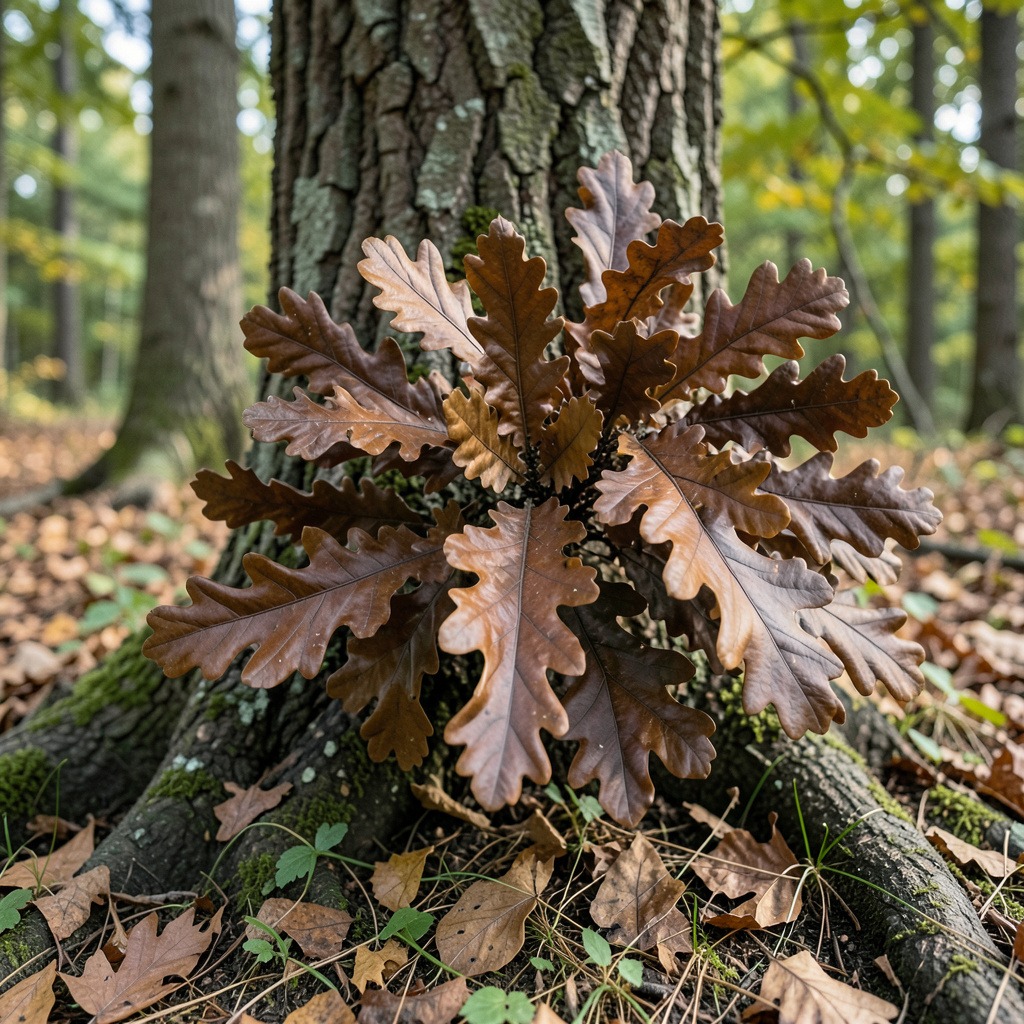
Black Oak trees (Quercus velutina) thrive under specific environmental conditions. Understanding their needs for soil, sunlight, and water is crucial for fostering their growth and ensuring their health.
Preferred Soil Types and pH Levels
Black Oaks prefer well-drained, slightly acidic soils. Aim for a pH between 6.0 and 6.5. Here are key soil characteristics:
- Well-drained: Prevents root rot.
- Slightly acidic: Enhances nutrient availability.
- Organic matter: Improves soil structure and moisture retention.
Scenario Insight: A Black Oak planted in clay soil may grow slower than one in sandy loam, due to drainage issues. Over time, the latter tree may achieve up to 30% faster growth rates, illustrating the importance of soil choice.
Sunlight Requirements for Healthy Growth
Black Oak trees require full sunlight to flourish. They need:
- At least 6 hours of direct sunlight daily.
- A sunny location with minimal shade from other trees.
Without adequate sunlight, growth will stall, and the tree may become susceptible to stress and disease.
Watering Needs: Young vs. Mature Trees
Water requirements differ significantly between young saplings and mature Black Oaks:
- Young saplings:
- Water regularly, especially during dry spells.
- Monitor for signs of dehydration, such as wilting leaves.
- Mature trees:
- Once established, they require minimal additional watering.
- Depend mainly on natural precipitation for moisture.
Checklist for Watering:
- For saplings, ensure consistent moisture.
- Evaluate soil moisture before watering.
- Observe tree health regularly for signs of stress.
Comprehensive Care Tips for Black Oaks
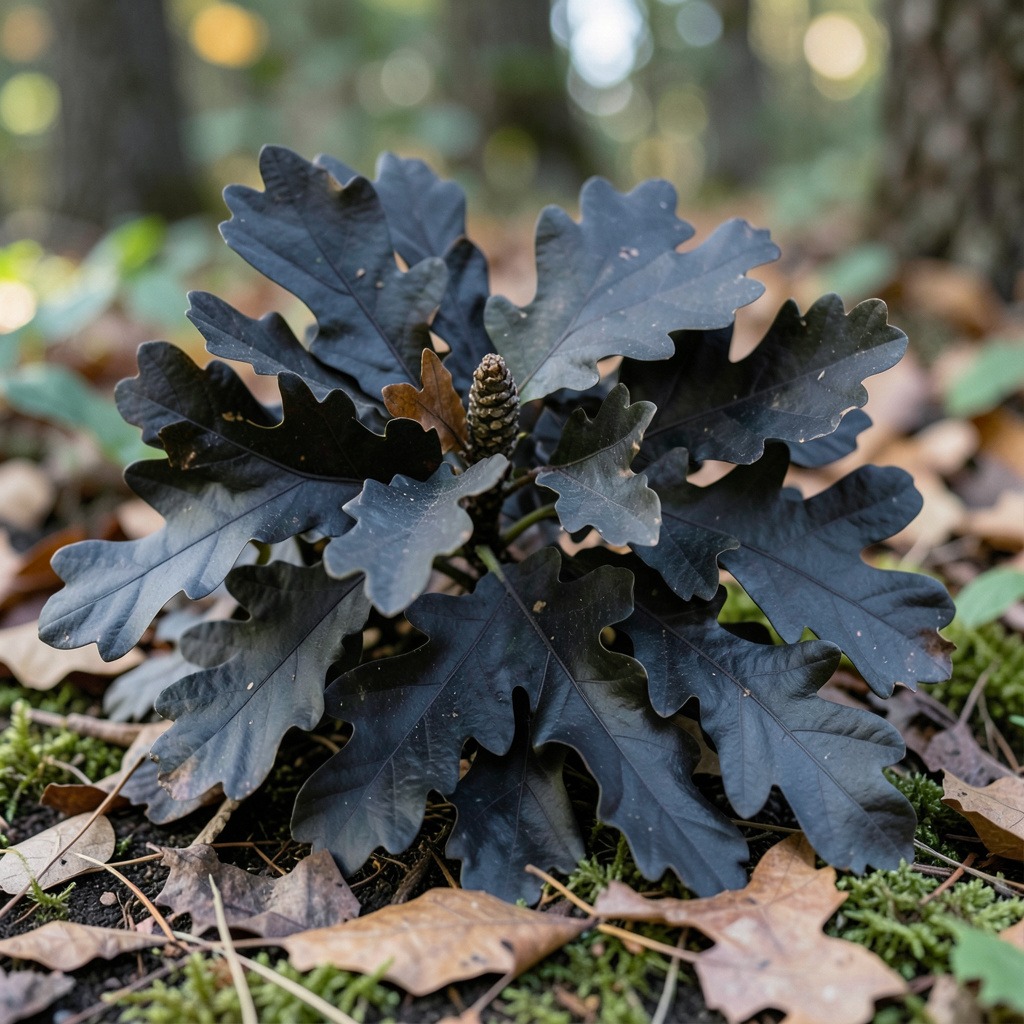
Caring for Black Oaks (Quercus velutina) involves several practices that promote growth and health. Proper pruning, fertilization, and pest management are essential components of maintaining these majestic trees.
Pruning Techniques for Health and Aesthetics
Pruning is crucial for developing a strong structure and enhancing the aesthetic appeal of Black Oaks. Follow these guidelines:
- Timing:
- Prune in late winter to remove dead or damaged branches.
- Avoid pruning during April through June to prevent oak wilt transmission by beetles.
- Young Trees:
- Focus on structural pruning during the first 10–15 years.
- Aim to establish a strong scaffold of primary branches.
- Mature Trees:
- Limit heavy pruning, as large wounds can take a long time to heal.
- Checklist for Pruning:
- Inspect trees annually for dead or damaged branches.
- Use clean, sharp tools to make clean cuts.
- Monitor for signs of oak wilt, particularly in vulnerable regions.
Fertilization: When and What to Use
Fertilization supports healthy growth, particularly in young Black Oaks. Here’s how to approach it:
- Soil Testing:
- Perform a soil test to determine nutrient deficiencies.
- Timing:
- Fertilize in early spring before new growth begins.
- Recommended Fertilizers:
- Use a balanced fertilizer (e.g., 10-10-10) or one with higher nitrogen content for young trees.
- Application:
- Spread the fertilizer evenly around the root zone.
- Water thoroughly after application to help nutrients reach the roots.
Managing Common Pests and Diseases
Black Oaks are generally pest-resistant, yet they can face some challenges. The following strategies can help manage pests and diseases:
- Common Pests:
- Oak Wilt: Monitor for leaf discoloration and premature leaf drop.
- Bark Beetles: Check for holes in the bark and frass (sawdust).
- Management Strategies:
- Maintain tree health through proper watering and fertilization to enhance resistance.
- Apply insecticidal treatments in early spring if infestations occur.
- Decision Framework for Pest Management:
- Assess Environmental Conditions:
- If your Black Oak is in a stressed environment (e.g., drought, compacted soil), prioritize enhancing overall health.
- Integrated Pest Management (IPM):
- Combine biological control, cultural practices, and chemical treatments as needed.
- Checklist for Pest Management:
- Inspect trees regularly for signs of pests.
- Keep a record of pest occurrences and responses.
- Ensure trees are not overcrowded to improve air circulation.
By implementing these care tips, you can support the health and longevity of your Black Oak trees while enhancing their ecological benefits.
Propagation Techniques for Black Oak Trees
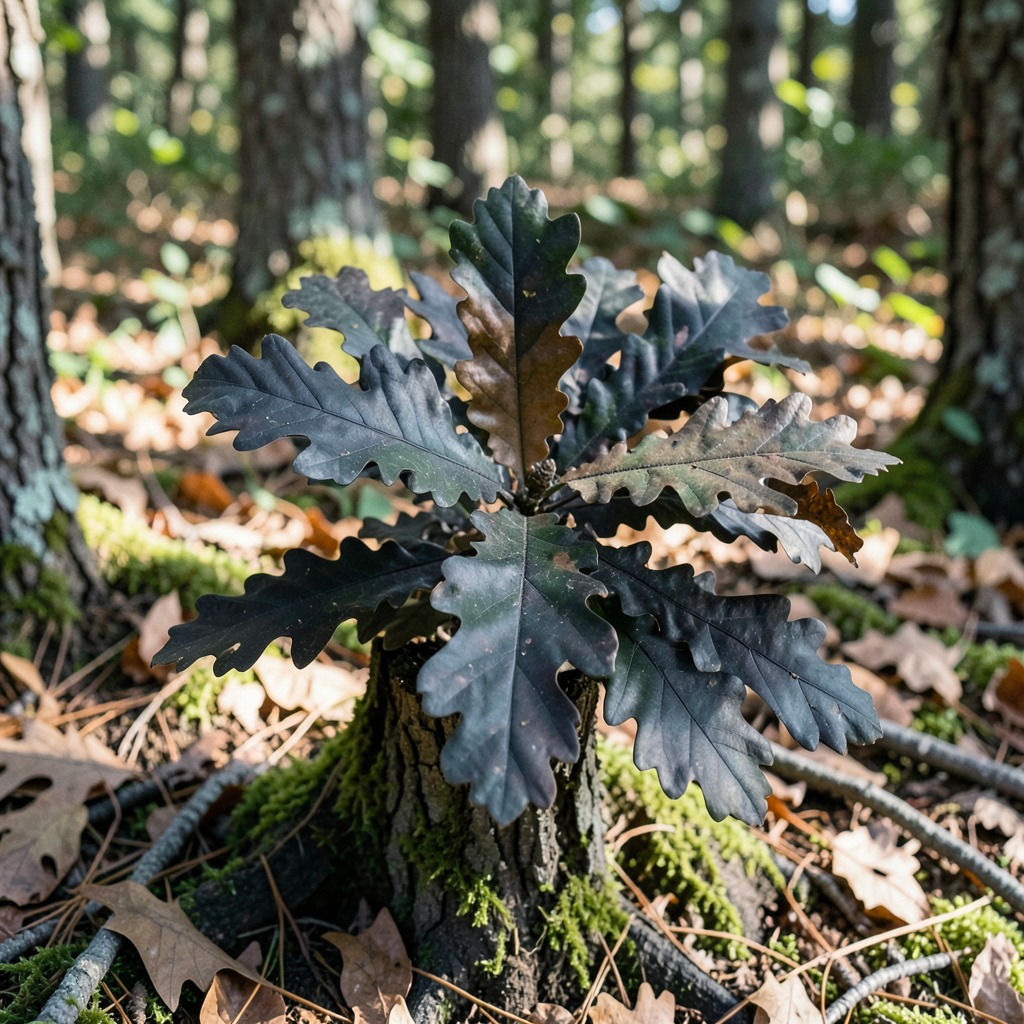
Propagation of Black Oak trees (Quercus velutina) involves careful seed collection, germination, and seedling transplanting. Following these steps will ensure successful growth and establishment.
Collecting Seeds: Timing and Methods
1. Timing: Collect acorns in the fall, typically from late September to early November. Wait until they drop from the tree for the best results.
2. Selection: Choose acorns that are healthy and free from damage. Discard any that float in water, as they are likely not viable.
3. Preparation: Store collected acorns in a cool, dry place until you are ready to plant them. Consider placing them in a mesh bag to prevent mold.
Germination Process and Seedling Care
1. Pre-treatment: Soak acorns in water for 24 hours before planting. This helps to soften the outer shell and encourages germination.
2. Planting:
- Plant acorns in well-drained, slightly acidic soil.
- Space them about 1-2 inches apart, burying them 1 inch deep.
3. Watering:
- Keep the soil consistently moist but not waterlogged.
- Water the area lightly every few days until seedlings emerge.
4. Light Requirements:
- Place the planting site in full sun, ensuring at least 6 hours of direct sunlight daily.
5. Monitoring:
- Watch for signs of seedling growth, which typically occurs within 4-8 weeks.
- Thin out seedlings if overcrowding occurs, leaving the strongest ones to grow.
Transplanting Seedlings: Best Practices
1. Timing: Transplant seedlings in the spring when they are at least 6 inches tall. This gives them the best chance to acclimate.
2. Preparation:
- Dig a hole twice the diameter of the seedling’s root ball.
- Ensure the soil is well-drained and enriched with organic matter.
3. Transplanting:
- Gently remove the seedling from its original location, taking care not to damage the roots.
- Place the seedling in the hole, ensuring it is at the same depth as it was previously growing.
4. Watering:
- Water thoroughly after transplanting and continue to keep the soil moist for several weeks.
5. Protection:
- Consider using a protective guard around the seedling to prevent browsing by wildlife, especially deer.
By following these propagation techniques, you can successfully grow Black Oak trees from seeds, contributing to their health and longevity in your landscape.
Ecological Benefits of Black Oak Trees
Black Oak trees (Quercus velutina) play a vital role in their ecosystems, significantly contributing to wildlife habitats and soil health. Understanding these benefits can enhance your appreciation and care for these majestic trees.
Habitat for Wildlife: Birds and Mammals
Black Oaks provide essential resources for various wildlife species. Their acorns serve as a critical food source for mammals and birds. Key consumers include:
- White-tailed Deer: Young trees attract deer for browsing, helping maintain their populations.
- Squirrels: Gray squirrels cache acorns, which promotes seed dispersal and supports tree regeneration.
- Birds: Species like Wild Turkeys, Blue Jays, and Woodpeckers rely on Black Oak acorns for nutrition. Jays, in particular, transport acorns away from the parent tree, aiding in natural propagation.
Planting Black Oaks boosts local biodiversity and supports the food web in your area.
Soil Enrichment and Erosion Control
Black Oaks contribute to soil health through their leaf litter and root systems. Their fallen leaves decompose, adding organic matter to the soil. This process enhances nutrient availability and improves soil structure, fostering a robust ecosystem.
Additionally, the extensive root system of Black Oaks helps prevent soil erosion. Their deep roots stabilize the soil, making them valuable in areas prone to erosion. This trait is particularly beneficial in landscaping where soil integrity is crucial.
Role in Local Ecosystems
By promoting biodiversity and soil health, Black Oak trees play a significant role in local ecosystems. They provide shade, which reduces soil temperatures and conserves moisture. This microclimate benefits both the tree and the surrounding plant life.
Moreover, Black Oaks are integral to the cycle of life within their habitats. They support various fungi and microorganisms crucial for nutrient cycling. A thriving Black Oak contributes to a healthier environment, demonstrating the interconnectedness of trees and wildlife.
Consider planting Black Oaks to enrich your landscape and support ecological balance. Their benefits extend beyond aesthetics, promoting a thriving ecosystem that nurtures wildlife and improves soil health.
Common Problems and Solutions in Black Oak Care
Understanding the common problems that affect Black Oaks (Quercus velutina) is crucial for maintaining their health and vitality. This section addresses nutrient deficiencies, pest management, and environmental stresses, providing clear solutions for each issue.
Identifying and Treating Nutrient Deficiencies
Nutrient deficiencies can hinder the growth of Black Oak trees. Here are common deficiencies and their symptoms:
| Nutrient | Symptoms | Solutions |
|---|---|---|
| Nitrogen | Yellowing leaves, poor growth | Apply a balanced fertilizer or compost. |
| Iron | Interveinal chlorosis (yellowing between veins) | Use chelated iron supplements or foliar sprays. |
| Magnesium | Leaf curling, older leaves yellowing | Apply magnesium sulfate (Epsom salt). |
| Phosphorus | Stunted growth, dark green leaves | Incorporate bone meal or rock phosphate into the soil. |
Regular soil testing can help identify these deficiencies early, allowing for timely intervention. Always follow application rates recommended on fertilizer packages.
Common Pests and Management Strategies
Black Oaks are generally resilient. However, they can suffer from pest infestations. Here are some common pests and effective management strategies:
- Oak Wilt Beetles: These insects can transmit oak wilt, a serious disease.
- Solution: Avoid pruning during April through June to minimize transmission risk. If oak wilt is detected, consult an arborist for treatment options.
- Gypsy Moths: These pests defoliate trees, weakening their health.
- Solution: Use insecticides during the larval stage or introduce natural predators like parasitic wasps.
- Scale Insects: They suck sap from leaves and branches.
- Solution: Apply horticultural oils during the dormant season to smother the insects.
Regular inspections of your Black Oak will help catch these pests early. Monitoring for signs of infestation can promote timely management.
Environmental Stresses and Resilience
Black Oaks are adapted to various environmental conditions but can face stresses that impact their health. Here are common stress factors and their solutions:
- Soil Drainage Issues: Black Oaks prefer well-drained soils. Poor drainage can lead to root rot.
- Solution: Improve soil drainage by amending with organic matter or planting in raised beds.
- Drought Stress: Insufficient water can cause leaf scorch and reduced growth.
- Solution: Water deeply during dry spells, especially young trees in their establishment phase.
- Compaction: Heavy foot traffic can compact soil and restrict root growth.
- Solution: Limit access to the area around the tree or use mulch to protect the root zone.
By addressing these common issues proactively, you can ensure your Black Oak thrives in its environment while providing ecological benefits.
Comparing Black Oak to Other Native Oaks
Understanding how Black Oak (Quercus velutina) compares to other native oak species aids in making informed choices for care and landscape suitability. This comparison highlights key differences in care requirements and the ecological benefits each oak provides.
Black Oak vs. White Oak: Care Differences
While both Black Oak and White Oak (Quercus alba) are native to North America, their care needs differ significantly.
| Care Aspect | Black Oak | White Oak |
|---|---|---|
| Soil Type | Prefers dry to moderately dry, well-drained, acidic soils. | Thrives in well-drained, fertile soils, tolerates clay. |
| Sunlight | Requires full sun to partial shade for optimal growth. | Prefers full sun but can tolerate some shade. |
| Watering Needs | Moderate watering; drought-tolerant once established. | Needs consistent moisture, especially during dry spells. |
| Growth Rate | Moderate; can reach 60-80 feet in height. | Slower growth; can grow taller, up to 100 feet. |
| Acorn Production | High; supports a wide range of wildlife. | Also high; acorns are larger and favored by different species. |
Suitability for Various Landscapes
Black Oaks and other native oaks offer unique benefits for landscaping.
- Black Oak: Ideal for dry, sandy sites; effective in open woodlands or as a specimen tree.
- White Oak: Suited for moist, rich soils; excellent for park settings and shade.
Each oak species enhances biodiversity differently. For instance, Black Oak supports over 150 wildlife species through its acorns and foliage, while White Oak’s larger acorns attract different birds and mammals.
Unique Features of Other Native Oaks
Several other native oaks also deserve attention for their distinctive traits:
- Northern Red Oak (Quercus rubra): Known for its rapid growth and beautiful fall foliage. It prefers slightly moister soils than Black Oak.
- Scarlet Oak (Quercus coccinea): Features brilliant red leaves in autumn. It thrives in acidic soils and is often found in similar environments to Black Oak.
When selecting an oak for your landscape, consider both the ecological benefits and the specific care requirements. Choose based on your soil type, moisture levels, and desired wildlife interactions.
Final Thoughts on Black Oak Care
Caring for Black Oaks (Quercus velutina) is essential for promoting healthy growth and supporting local ecosystems. By understanding their specific needs, you can ensure these trees thrive in your landscape.
Key Care Practices
1. Soil Requirements: Black Oaks prefer well-drained, slightly acidic soil. Avoid overly rich soils, as they can lead to weak root systems.
2. Sunlight Needs: Plant Black Oaks in a location that receives at least 6 hours of direct sunlight daily. They thrive in full sun conditions.
3. Watering: Newly planted saplings require regular watering for the first few years to establish roots. After establishment, Black Oaks are drought-tolerant but benefit from periodic watering during dry spells.
Ecological Benefits
Black Oaks provide significant ecological value. They support a variety of wildlife by producing acorns, which serve as food for species such as deer, squirrels, and birds. A single tree can produce over 20,000 acorns in a mast year, enhancing biodiversity in the area.
Pest Management Strategies
While Black Oaks are generally resistant to pests, they can be susceptible to oak wilt, particularly in certain regions.
- Prevention: Avoid pruning during the spring and early summer when beetles that spread oak wilt are most active.
- Monitoring: Regularly inspect for signs of stress or disease, such as wilting leaves or dead branches.
Propagation Techniques
Black Oaks can be propagated from acorns or saplings. Here’s a simple method for acorn propagation:
1. Collect Acorns: Gather acorns in the fall when they drop from the tree.
2. Stratification: Soak the acorns in water for 24 hours, then place them in a moist medium (like sand) in the refrigerator for 30 days.
3. Planting: After stratification, plant the acorns in spring, about 1 inch deep in well-drained soil.
By following these care practices, you not only promote the health of your Black Oak trees but also contribute to the well-being of your local ecosystem.
Frequently Asked Questions
These quick answers cover the most common questions about this topic, including key details, practical tips, and common concerns.
Is black oak fast growing?
Black Oak trees (Quercus velutina) have a moderate growth rate. They typically grow between 1 to 2 feet per year under ideal conditions, reaching heights of 60 to 80 feet at maturity. While not the fastest-growing oak species, they are still a popular choice for landscapes due to their ecological benefits and adaptability.
How to make an oak tree healthy again?
To restore the health of a Black Oak, start by assessing its environment. Ensure it has well-drained, slightly acidic soil and receives at least 6 hours of sunlight daily. Water young trees regularly, especially during dry spells. Check for signs of pests or diseases, such as oak wilt or leaf discoloration, and treat them promptly. Fertilizing with a balanced fertilizer can also help address nutrient deficiencies and promote healthy growth.
What is the average lifespan of a black oak tree?
The average lifespan of a Black Oak tree is around 100 to 150 years, although some individuals can live longer under optimal conditions. Factors such as soil quality, water availability, and pest management can influence their longevity. Providing proper care will help maximize their lifespan.
What are common pests affecting Black Oaks?
Common pests that affect Black Oaks include oak wilt beetles, gypsy moths, and scale insects. Oak wilt can cause leaf discoloration and premature leaf drop. Gypsy moths defoliate trees, while scale insects suck sap from leaves. Regular inspections and prompt treatment with insecticides or cultural practices can help manage these pests effectively.
How to identify a Black Oak tree?
Black Oak trees can be identified by their dark, deeply furrowed bark, lobed leaves with pointed tips, and acorns that have a cup covering about half of the nut. They can grow up to 150 feet tall, making them one of the larger oak species. The leaves turn a brilliant red in the fall, adding to their distinctive appearance.
When to prune Black Oak trees?
Prune Black Oaks in late winter while they are still dormant. This timing helps minimize the risk of oak wilt transmission, which can occur if pruned during the active growing season (April to June). Focus on removing dead or damaged branches and shaping young trees for structural strength.
What are the best soil conditions for Black Oak?
Black Oaks thrive in well-drained, slightly acidic soils with a pH between 6.0 and 6.5. They prefer sandy loam or loamy soils that provide good drainage while retaining some moisture. Avoid heavy clay soils, as they can hinder root growth and increase the risk of root rot.
Alternatives to Black Oak for landscaping?
If you’re considering alternatives to Black Oak for landscaping, look into Northern Red Oak (Quercus rubra) or White Oak (Quercus alba). Northern Red Oaks grow faster and have similar ecological benefits, while White Oaks are known for their larger acorns and adaptability to various soil types. Both species contribute to local biodiversity and can enhance your landscape’s aesthetic appeal.