
Under ideal conditions, black oak trees can grow between 1 to 3 feet per year, with some young trees achieving up to 3 feet annually in open environments.
Table of Contents
Black oak trees are renowned for their impressive growth potential, adapting well to various environments. Understanding their growth rate is crucial for effective planting and care. This guide will explore the factors influencing their growth and provide essential care tips.
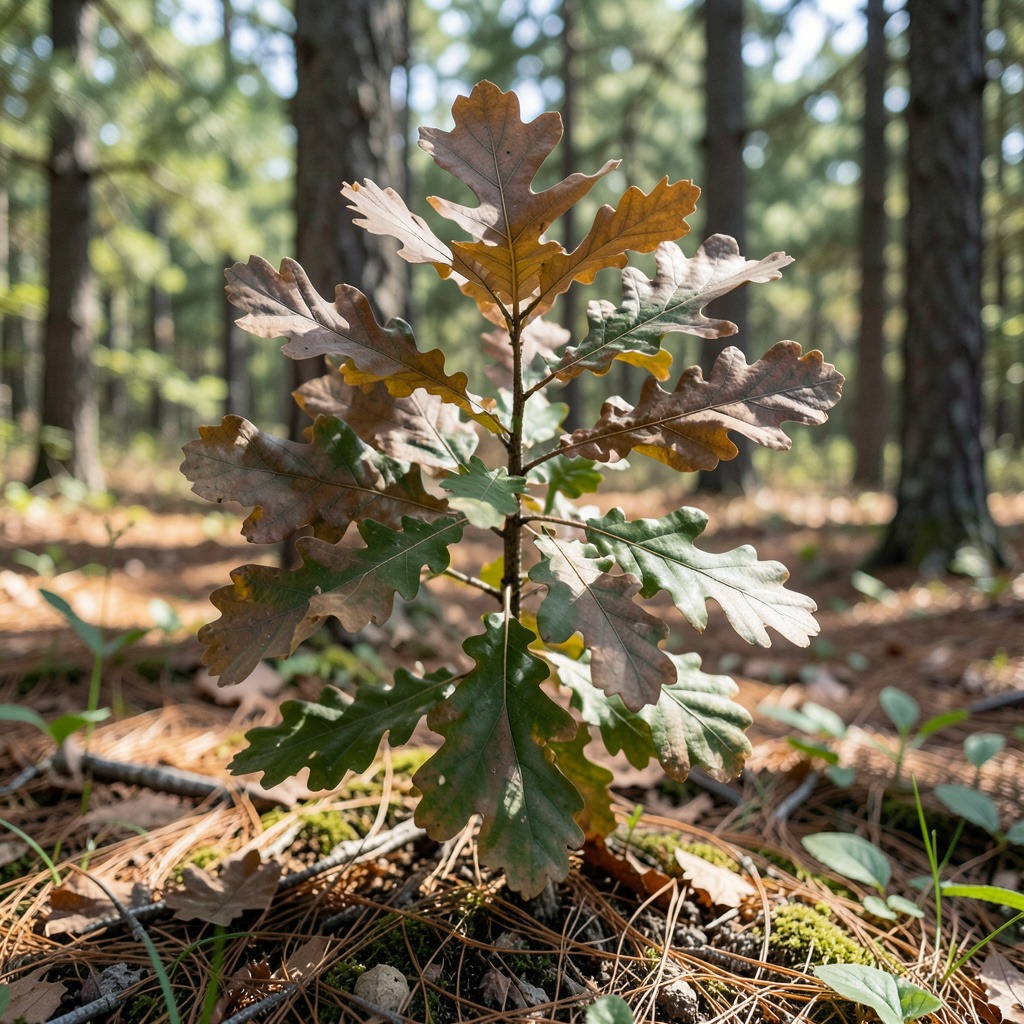
Overview of Black Oak Trees and Their Growth Rate
Black oak trees (Quercus velutina) are notable for their robust structure and adaptability to various environmental conditions. Understanding their growth rate is essential for successful cultivation and long-term care.
Characteristics of Black Oak Trees
Black oaks are deciduous trees that typically reach heights between 60 to 80 feet, with some exceptional specimens growing up to 100 feet. Their leaves are deeply lobed, and they produce acorns that serve as a vital food source for wildlife. These trees thrive in well-drained, acidic soils and prefer full sun exposure.
Typical Growth Rate Metrics
The growth rate of black oak trees varies based on several factors, including soil quality, water availability, and sunlight. Under optimal conditions, black oaks can grow:
- 1 to 2 feet per year in moderate settings
- 2 to 3 feet per year in ideal, open environments with ample sunlight and nutrients
This growth rate can be influenced by the tree’s age, with younger trees typically exhibiting faster growth.
Comparison with Other Oak Species
When comparing black oaks to other oak species, it becomes clear that their growth rates can differ significantly. For instance:
- Northern Red Oak: Can grow up to 24 inches annually.
- White Oak: Generally grows around 12 inches each year.
While black oaks exhibit moderate growth, their resilience and structural integrity make them a preferred choice for landscaping and wildlife habitats.
Checklist for Optimal Growth Conditions
To ensure healthy growth of black oak trees, consider the following conditions:
- Soil: Well-draining, acidic soil with a pH of 4.5 to 6.5
- Sunlight: At least 6 hours of direct sunlight daily
- Watering: Regular deep watering, especially during dry spells
- Space: Adequate room for roots and canopy development
By adhering to these guidelines, you can foster the growth of robust black oaks that thrive in your landscape.
Factors Influencing Black Oak Growth Rates
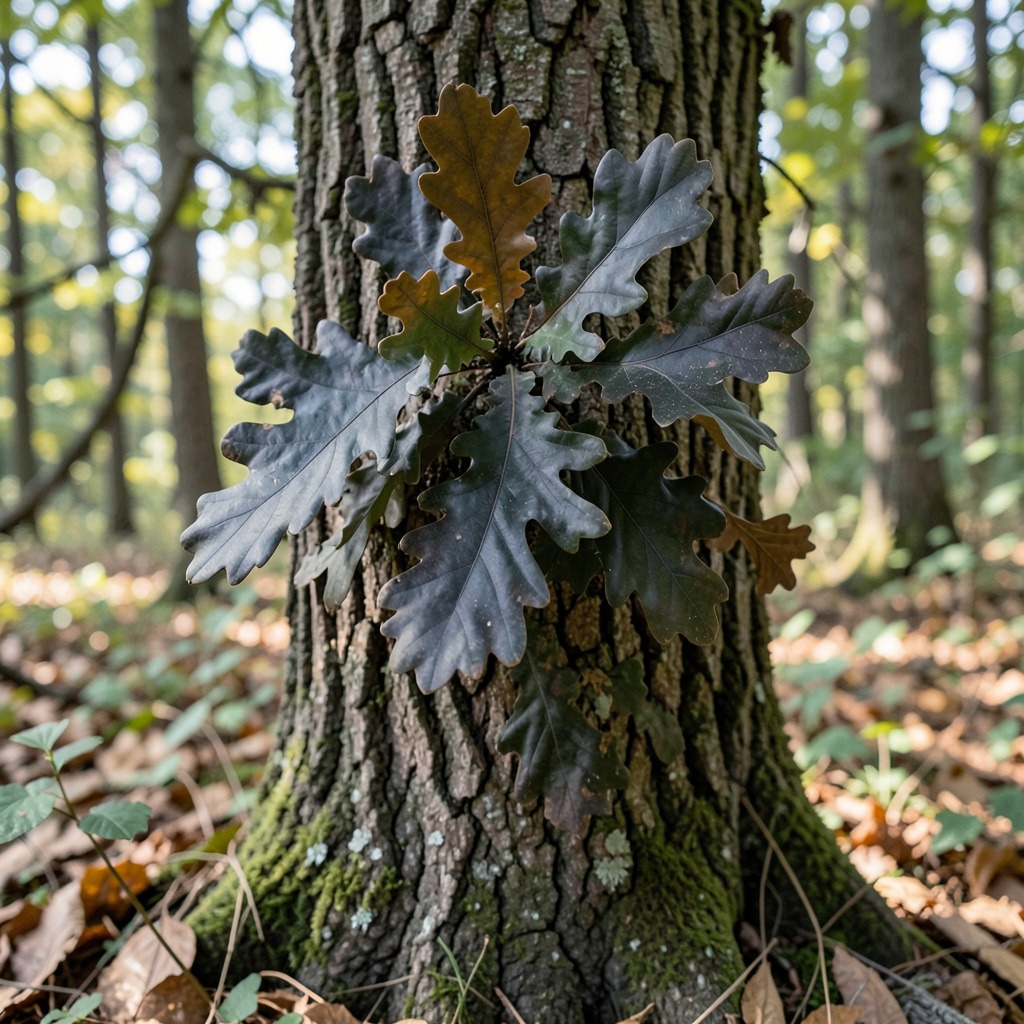
The growth rate of black oak trees is influenced by several environmental and care factors. Understanding these elements is crucial for promoting healthy development and maximizing growth.
Soil Quality and pH Levels
Soil quality plays a vital role in the growth of black oaks. They thrive in well-draining, acidic soils. The ideal pH range for black oaks is between 4.5 and 6.5. Poor soil conditions can limit growth and vitality.
| Soil Type | pH Range |
|---|---|
| Optimal | 4.5 – 6.5 |
| Poor Conditions | Below 4.5 or Above 6.5 |
To enhance soil conditions:
- Conduct a soil test to determine pH levels.
- Amend soil with organic matter for better drainage and nutrients.
- Clear the planting area of weeds and debris to reduce competition.
Sunlight Requirements
Sunlight is essential for photosynthesis and overall growth. Black oaks require a minimum of 6 hours of direct sunlight daily. Insufficient sunlight can stunt their growth and affect their structural integrity.
Watering Needs and Techniques
Proper watering is crucial, especially during the early years of growth. Newly planted black oaks need regular deep watering to establish strong roots.
- Watering Schedule:
- First Year: Water deeply once a week, more frequently during dry spells.
- Mature Trees: Generally drought-tolerant, but may require supplemental watering during prolonged drought periods.
To maintain optimal moisture levels:
- Use mulch around the base to retain moisture and regulate soil temperature.
- Monitor for signs of stress, such as wilting or yellowing leaves.
By providing appropriate soil conditions, sunlight, and water, you can significantly enhance the growth rate of black oak trees, ensuring they thrive in your landscape.
The Growth Timeline of Black Oak Trees
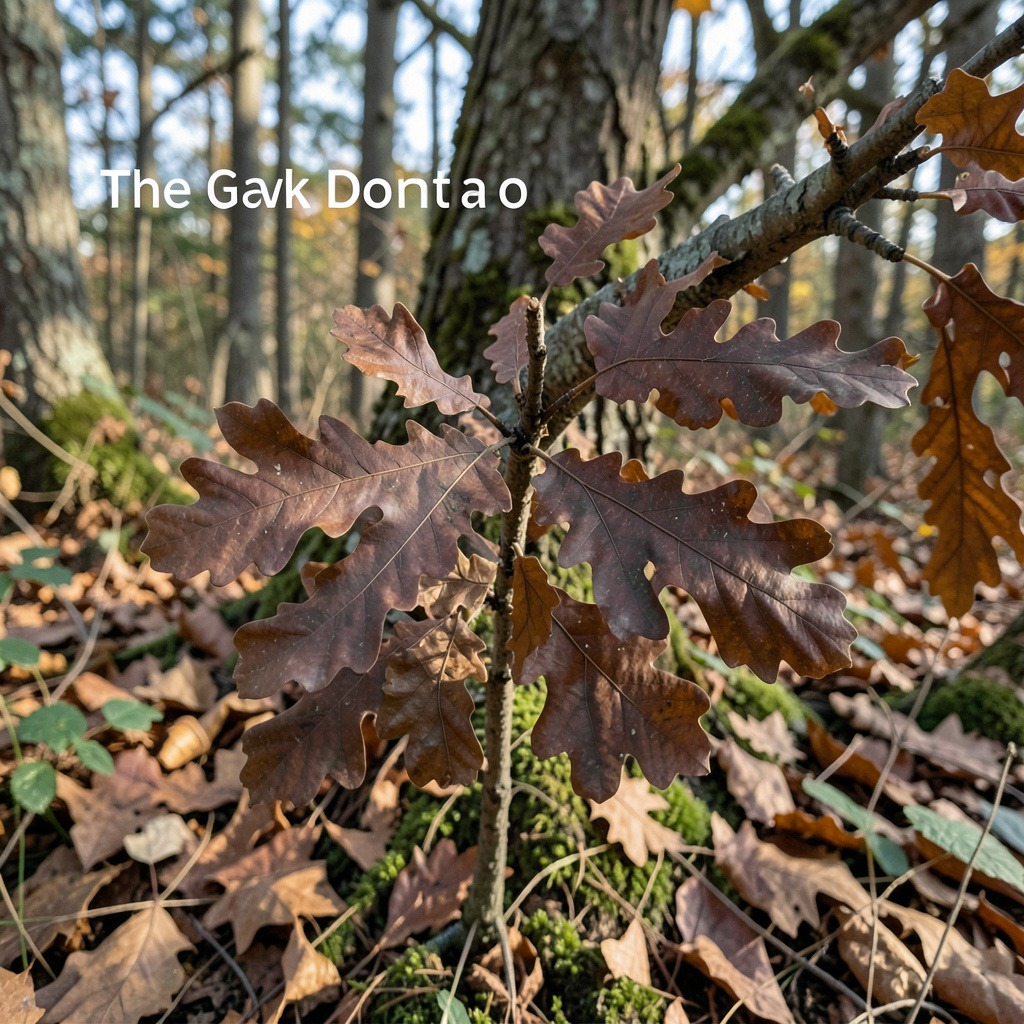
Understanding the growth timeline of black oak trees is crucial for effective cultivation. These trees follow a distinct path from sapling to maturity, with specific milestones marking their development.
Early Growth Stages
In the initial years after planting, black oaks focus on establishing their root systems.
- Year 1:
- Height: 1-2 feet
- Roots: Establishing a deep taproot
- Care: Deep watering once a week, using mulch to retain moisture
- Year 2:
- Height: 2-3 feet
- Structural Growth: Developing lateral roots
- Care: Continue deep watering and apply slow-release fertilizer in early spring
- Year 3:
- Height: 3-4 feet
- Health: Strong foundation for future growth
- Care: Monitor for pests and signs of stress
Mid-Life Growth Expectations
As black oaks enter their mid-life phase, they experience faster growth rates, especially in optimal conditions.
- Years 4-10:
- Height: 4-10 feet per year, depending on conditions
- Focus: Height gain with sturdy trunk development
- Care: Maintain proper watering and begin light pruning to shape the canopy
- Years 11-20:
- Height: 10-20 feet
- Maturity: Trees begin to develop their characteristic broad crown
- Care: Fertilization should be minimal; focus on maintaining soil health
Maturity and Lifespan
Black oaks reach full maturity over the span of several decades.
- Years 21-50:
- Height: 30-60 feet, with exceptional specimens reaching 80 feet
- Lifespan: Can live for over 200 years
- Care: Regular monitoring for pests and diseases; pruning may be necessary for maintaining structure
- Years 51 and Beyond:
- Height: Stabilizes; growth slows but continues
- Care: Focus on maintaining health and vitality
- Challenges: Monitor for environmental stressors and ensure adequate space for roots
Visual Growth Timeline Chart
| Age (Years) | Expected Height (Feet) | Key Milestones | Care Focus |
|---|---|---|---|
| 1 | 1-2 | Establishing roots | Deep watering, mulch |
| 2 | 2-3 | Developing lateral roots | Deep watering, fertilizer |
| 3 | 3-4 | Strong foundation | Pest monitoring |
| 4-10 | 4-10 | Rapid growth | Watering, light pruning |
| 11-20 | 10-20 | Broad crown development | Soil health maintenance |
| 21-50 | 30-60 | Maturity | Pest and disease management |
| 51 and beyond | 60+ | Stabilized growth | Vitality maintenance |
By following this growth timeline, you can ensure your black oak trees thrive, maximizing their growth potential and ecological benefits.
Common Pests and Diseases Affecting Black Oaks
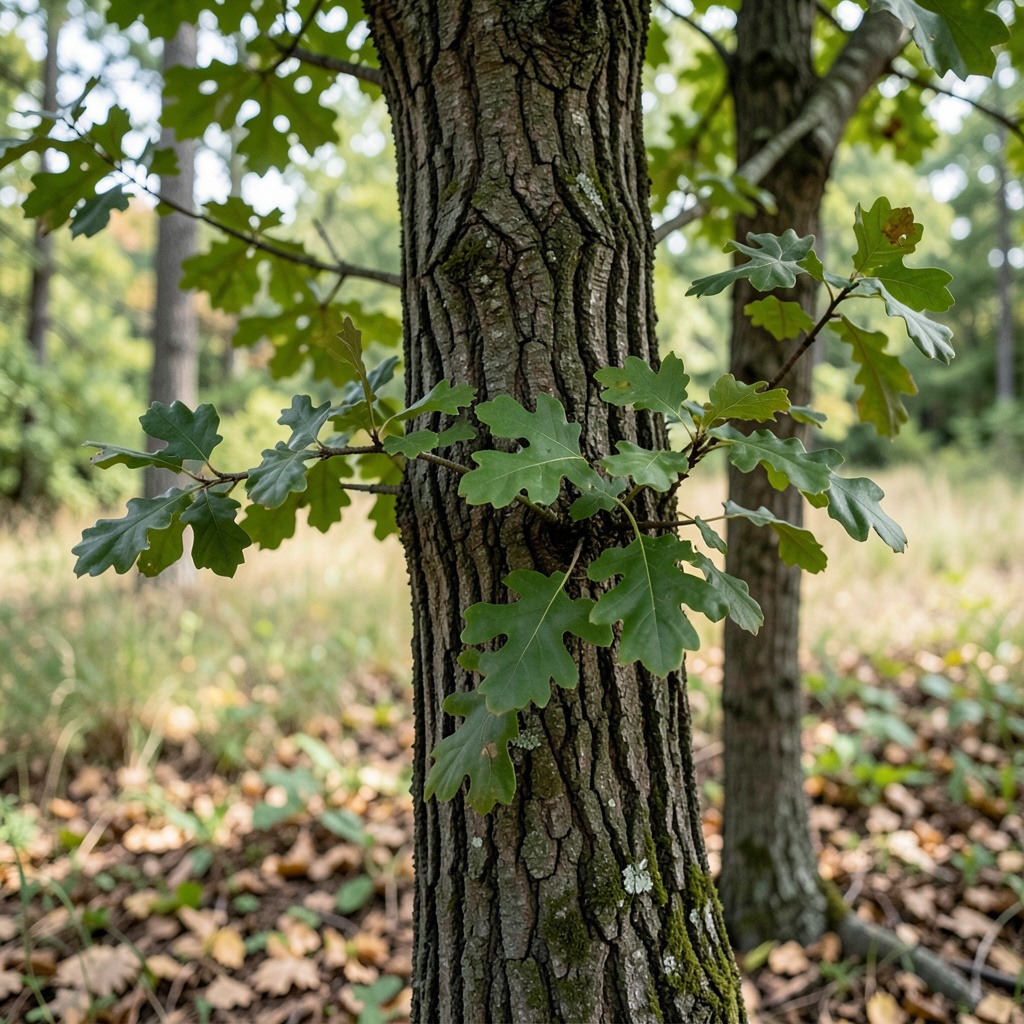
Black oak trees, while resilient, face threats from various pests and diseases that can impede their growth. Understanding these challenges and implementing effective management strategies is essential for maintaining the health of your trees.
Common Pests and Their Impact
Several pests can adversely affect black oak trees. Here are the most common ones:
- Oak Wilt: A deadly fungal disease that blocks water transport in the tree, leading to wilting and eventual death.
- Oak Borer: This insect bores into the trunk, disrupting nutrient flow and weakening the tree.
- Leaf Spot: Fungal infections that create brown spots on leaves, reducing photosynthesis efficiency.
Diseases Affecting Black Oak Trees
Black oaks are susceptible to specific diseases that can significantly hinder their growth:
- Anthracnose: A fungal disease causing leaf blight, which can lead to early leaf drop. It thrives in wet conditions.
- Root Rot: Caused by poorly drained soils, it leads to root decay and can stunt growth or kill the tree.
Prevention and Management Strategies
To safeguard black oaks from pests and diseases, follow these management strategies:
- Regular Inspections: Check your trees for signs of pests or disease, such as wilting leaves or unusual growth patterns.
- Soil Health: Maintain well-draining soil and avoid overwatering to prevent root rot. Conduct periodic soil tests to ensure nutrient levels are optimal.
- Proper Pruning: Remove dead or infected branches promptly to improve air circulation and reduce disease spread.
- Mulching: Apply organic mulch to retain soil moisture and suppress weeds, which can compete for nutrients.
- Pest Control: Use targeted insecticides for pests like the oak borer. Follow all label instructions for safe application.
Monitoring Checklist
- Inspect leaves for discoloration or spots weekly.
- Monitor trunk and branches for boreholes or sap oozing.
- Test soil pH and nutrient levels biannually.
- Prune affected areas during the dormant season.
By implementing these strategies, you can effectively manage pests and diseases, ensuring your black oak trees grow robustly and healthily.
Practical Care Tips for Enhancing Black Oak Growth
To ensure optimal growth rates and health for black oak trees, implementing effective care strategies is essential. Here are actionable tips to enhance their development.
Best Practices for Soil Preparation
Proper soil conditions are crucial for black oak growth. Aim for well-draining, loamy soil with a pH level between 6.0 and 7.5. Follow these steps to prepare the soil effectively:
- Conduct a Soil Test: Determine nutrient levels and pH balance.
- Amend Soil: Incorporate organic matter, such as compost, to improve drainage and nutrient content.
- Clear Weeds and Debris: Eliminate competing plants to reduce resource competition.
Watering and Fertilization Techniques
Watering and fertilization are vital in the early stages of growth. Here’s how to manage these needs:
- Watering:
- Water deeply once a week during the first three years, especially during dry spells.
- Mature black oaks typically require less water but monitor them during drought conditions.
- Fertilization:
- Use a slow-release, low-nitrogen fertilizer in early spring to support young trees.
- Avoid over-fertilization, as this can lead to excessive leaf growth at the expense of root development.
Seasonal Care Tips
Seasonal care helps maintain the overall health of black oak trees. Implement the following strategies:
- Spring:
- Inspect for pests and diseases. Apply necessary treatments promptly.
- Mulch around the base to retain moisture and regulate soil temperature.
- Summer:
- Monitor for water stress signs, such as wilting leaves. Adjust watering as needed.
- Prune any dead or crossing branches to promote air circulation.
- Fall:
- Rake fallen leaves to prevent fungal diseases.
- Prepare the tree for winter by ensuring it is well-watered before the first frost.
Actionable Care Checklist
Here’s a checklist summarizing best practices for optimal black oak growth:
- Soil Preparation:
- [ ] Conduct soil test
- [ ] Amend soil with organic matter
- [ ] Clear area of weeds
- Watering:
- [ ] Water deeply once a week (first three years)
- [ ] Monitor moisture levels in drought
- Fertilization:
- [ ] Apply slow-release fertilizer in spring
- [ ] Avoid over-fertilization
- Seasonal Care:
- [ ] Inspect for pests and diseases
- [ ] Mulch in spring
- [ ] Rake leaves in fall
By following these strategies, you can enhance the growth rate and health of your black oak trees, ensuring they thrive in their environment.
Frequently Asked Questions
These quick answers cover the most common questions about this topic, including key details, practical tips, and common concerns.
How long does it take an oak tree to get 20 ft tall?
Under ideal conditions, black oak trees can reach 20 feet tall in about 10 to 15 years. Growth rates can vary depending on factors like soil quality, sunlight, and water availability. In optimal conditions, black oaks can grow between 1 to 3 feet per year, with younger trees typically growing faster.
Is black oak fast growing?
Yes, black oak trees are considered moderately fast-growing. They can achieve growth rates of 1 to 3 feet per year under the right conditions. Factors such as soil quality, sunlight, and watering significantly influence their growth rate.
How tall is a 10-year-old oak tree?
A 10-year-old black oak tree can typically reach heights of 20 to 30 feet, depending on environmental conditions. Proper care, including adequate sunlight and water, can enhance this growth.
Is a black oak a good tree?
Yes, black oaks are excellent trees for landscaping and wildlife habitats. They are resilient, provide shade, and support various wildlife. Their acorns serve as a food source for many animals, making them beneficial for local ecosystems.
What are the best soil conditions for black oak trees?
Black oaks thrive in well-draining, acidic soils with a pH between 4.5 and 6.5. They prefer loamy soil rich in organic matter. Conducting a soil test can help determine if amendments are needed to optimize growth.
How often should I water my black oak?
Newly planted black oaks should be watered deeply once a week, especially during dry spells. Mature trees are more drought-tolerant but may require supplemental watering during prolonged dry periods. Always check for signs of water stress, such as wilting leaves.
What pests are common for black oak trees?
Common pests affecting black oaks include the oak borer and various leaf spot fungi. Oak wilt is a significant disease that can severely impact tree health. Regular inspections and proper care can help manage these threats effectively.
When is the best time to plant black oaks?
The best time to plant black oaks is in the spring or early fall. Planting during these seasons allows the trees to establish their root systems before extreme temperatures set in. Ensure that the planting site has adequate sunlight and well-draining soil for optimal growth.