
Black oak (Quercus velutina) can be identified by its dark blocky bark, glossy lobed leaves with bristle tips, yellow inner bark, and distinctive acorns.
Table of Contents
Identifying black oak trees is crucial for nature enthusiasts and conservationists alike. This guide outlines eight essential steps to accurately recognize black oaks, focusing on their distinctive physical characteristics and ecological significance in their habitats.
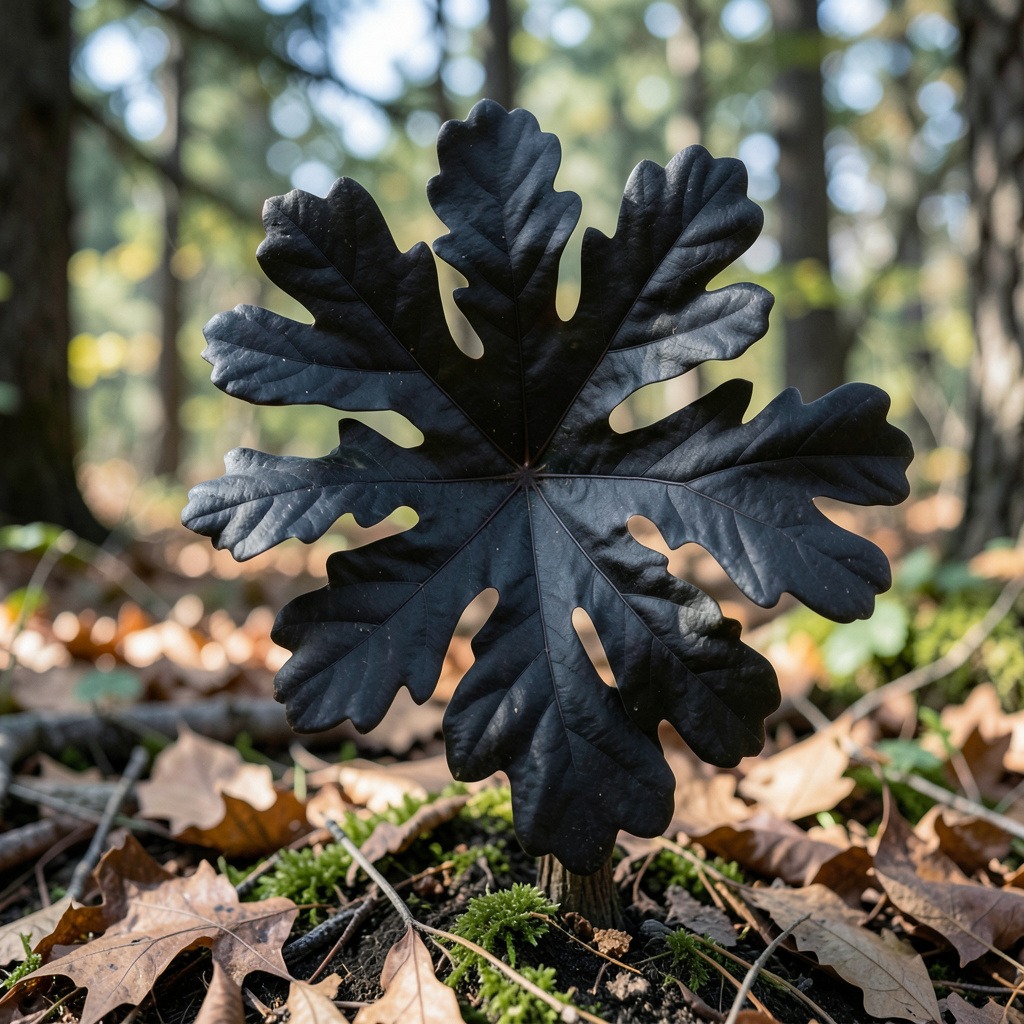
Overview of Black Oak (Quercus velutina)
Black oak, scientifically known as Quercus velutina, is a deciduous tree native to eastern and central North America. Its distinctive characteristics help in accurate identification and differentiation from related species.
Scientific Classification
- Kingdom: Plantae
- Clade: Angiosperms
- Clade: Eudicots
- Clade: Rosids
- Order: Fagales
- Family: Fagaceae
- Genus: Quercus
- Species: Q. velutina
Black oak belongs to the red oak group, which is characterized by lobed leaves with bristle tips. Understanding its classification helps in recognizing its relationships with other oak species.
General Characteristics
Black oak is notable for several key features:
- Leaves: The leaves are typically 5 to 9 inches long with 5 to 7 lobes. The lobes are broad and have rounded C-shaped sinuses. The upper surface is dark green and glossy, while the underside is often covered in fine hairs.
- Bark: The bark is a significant identification feature. It appears dark, thick, and furrowed, with deep ridges and a somewhat blocky texture. Younger trees may have smoother bark that transitions as they mature.
- Acorns: Black oak produces acorns that are 0.5 to 1 inch long, featuring a deep, turbinate cup. These acorns take two years to mature, differentiating them from some other oak species.
- Habitat: Black oak thrives in dry, sandy soils and is often found in mixed forests. It typically grows in areas with full sun exposure and is shade-intolerant.
Seasonal Variations
Identifying black oaks can vary with the seasons:
- Spring: Leaves emerge as bright green, unfurling in clusters.
- Summer: The foliage remains vibrant and sturdy, providing shade.
- Autumn: Leaves turn a brilliant yellow to red, offering a stunning visual cue.
- Winter: The stark silhouette of black oak’s structure becomes apparent, aiding in identification when foliage is absent.
These seasonal changes are essential for those seeking to identify black oak throughout the year. Observing leaf shape, bark texture, and acorn characteristics across seasons enhances accurate recognition.
Black oak plays a crucial role in its ecosystem, supporting various wildlife species. Its acorns provide a food source for birds and mammals, while its dense canopy offers shelter. Understanding these ecological aspects further underscores the importance of accurate identification.
Key Identification Features of Black Oak
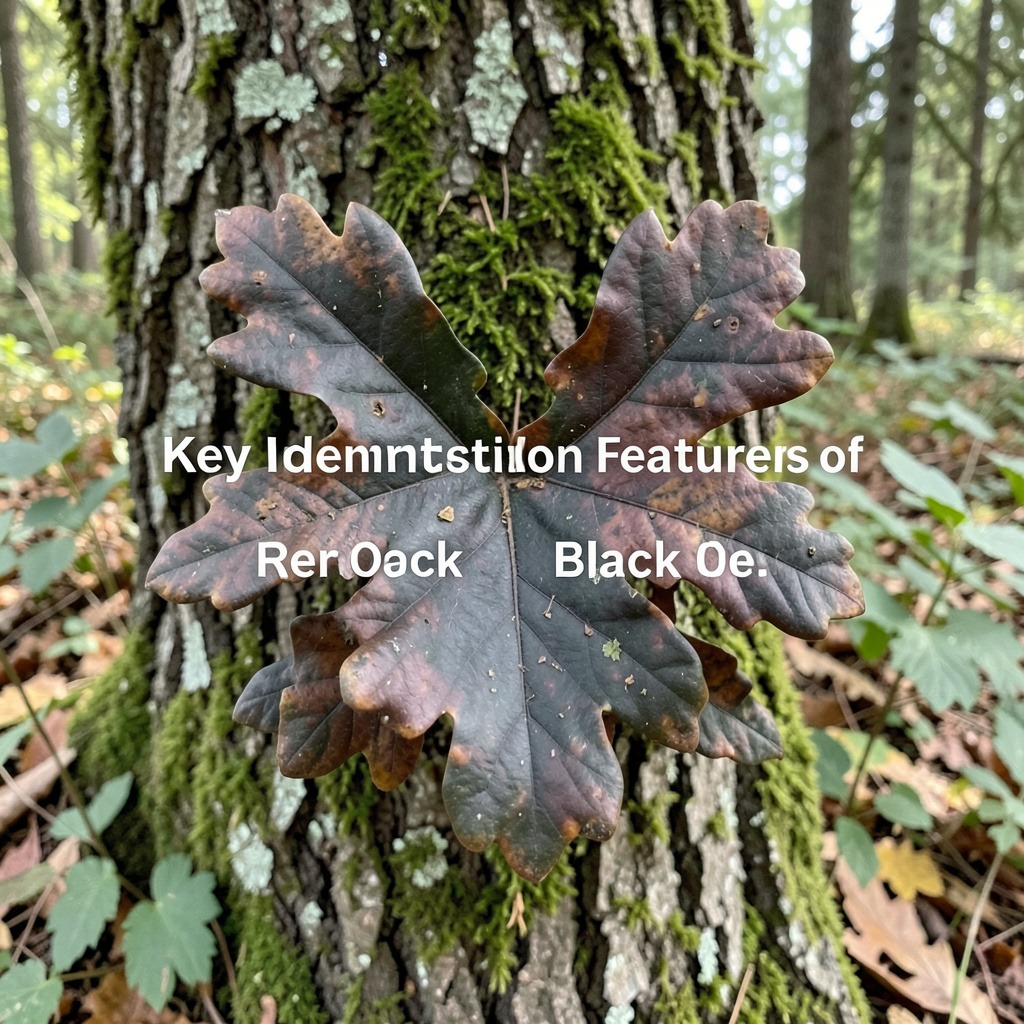
Identifying black oak (Quercus velutina) requires careful observation of its bark, leaves, and acorns. Each feature provides distinct clues that contribute to accurate recognition.
Bark Characteristics
The bark of the black oak is one of its most distinguishing features. Key attributes include:
- Color: The outer bark is dark gray to black.
- Texture: It exhibits deep grooves and blocky ridges, creating a rugged appearance.
- Inner Bark: Scraping the outer bark reveals bright orange-yellow inner bark, a significant identifying characteristic. This color sets it apart from other oak species, particularly when performing a quick identification test.
Leaf Structure and Color
Black oak leaves can vary significantly, but they generally possess specific traits that aid in identification:
- Shape: Leaves are lobed with broad, rounded C-shaped sinuses.
- Surface: The upper surface is glossy and dark green, while the underside is often fuzzy.
- Size: Leaves typically measure 4 to 8 inches long.
- Seasonal Changes: In autumn, leaves turn vibrant yellow to red, providing a clear visual cue for identification.
Acorn Description
Acorns are another essential feature for identifying black oak. Note the following characteristics:
- Size: Black oak acorns are medium-sized, generally around 0.5 to 1 inch long.
- Cup: They possess a deep turbinate cup, which differentiates them from acorns of other oak species, like the shallow cup of the shumard oak.
- Maturity: Acorns take two years to mature, typical for species in the red oak group.
Identification Checklist
When identifying black oak, use the following checklist:
- Bark: Look for dark, blocky outer bark and bright orange-yellow inner bark.
- Leaves: Check for lobed leaves with glossy surfaces and a distinct autumn color change.
- Acorns: Observe the size and shape of acorns, noting the deep cup.
This checklist will enhance your field identification efforts, ensuring you accurately recognize black oaks in various environments.
Habitat and Distribution of Black Oak
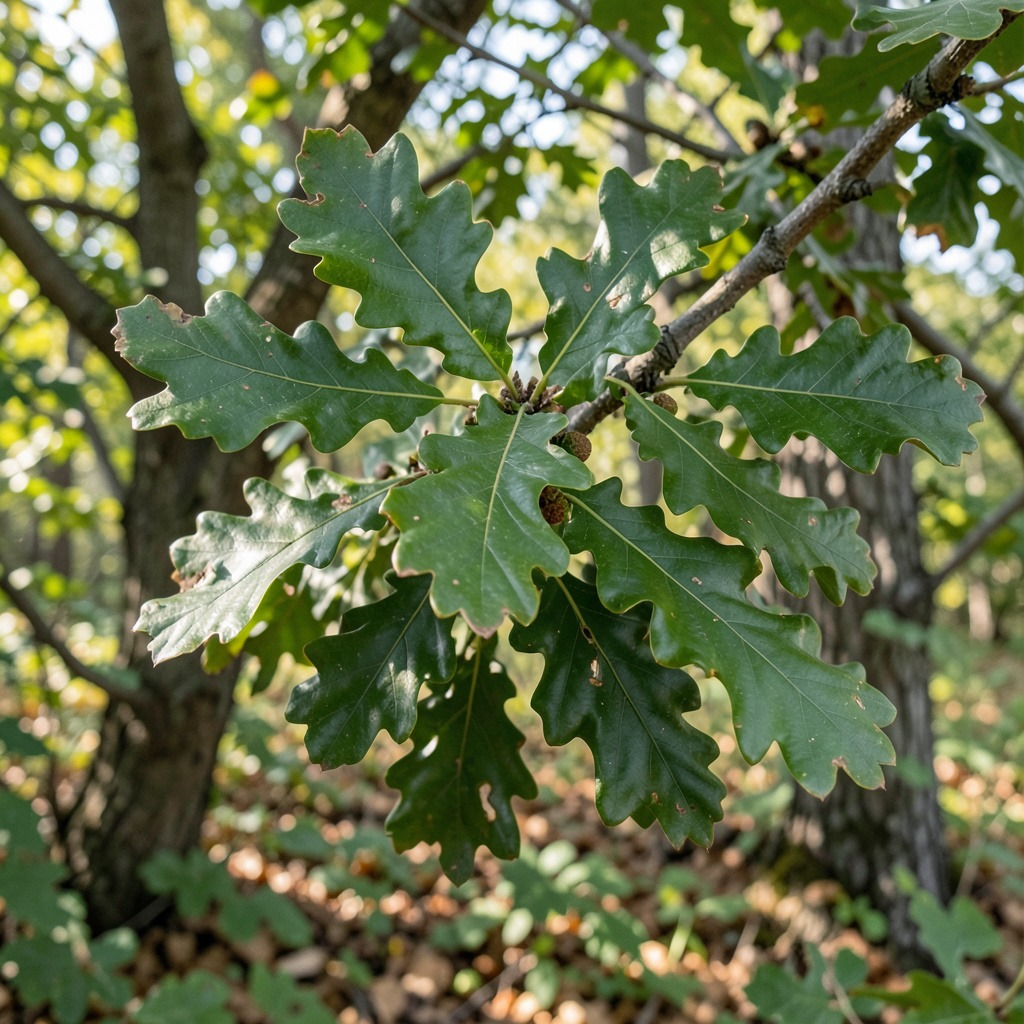
Black oaks thrive in a variety of environments across North America. Understanding their habitat preferences and geographic distribution is crucial for accurate identification.
Preferred Soil Conditions
Black oaks prefer well-drained soils that range from silty clay to loam. They are often found in:
- Udalfs and udolls derived from glacial materials.
- Soils that can vary from heavy clays to loamy sands.
- Areas with some rocky or chert fragments.
These conditions allow black oaks to establish themselves in both dry and nutrient-poor sites. They are typically among the first oaks to colonize such areas.
Geographic Distribution
Black oaks are widespread throughout the eastern and central United States. Key distribution regions include:
- Southern New England: Thrives on cool, moist soils.
- Southern Appalachians: Grows at elevations up to 1,200 meters (3,900 feet).
- Mixed stands with other oak species, such as scarlet oak and chestnut oak.
This adaptability to various soil types and climates contributes to their resilience and ecological significance. A visual map can help illustrate their range across North America, highlighting the regions where black oaks commonly grow.
Seasonal Variations in Black Oak Appearance
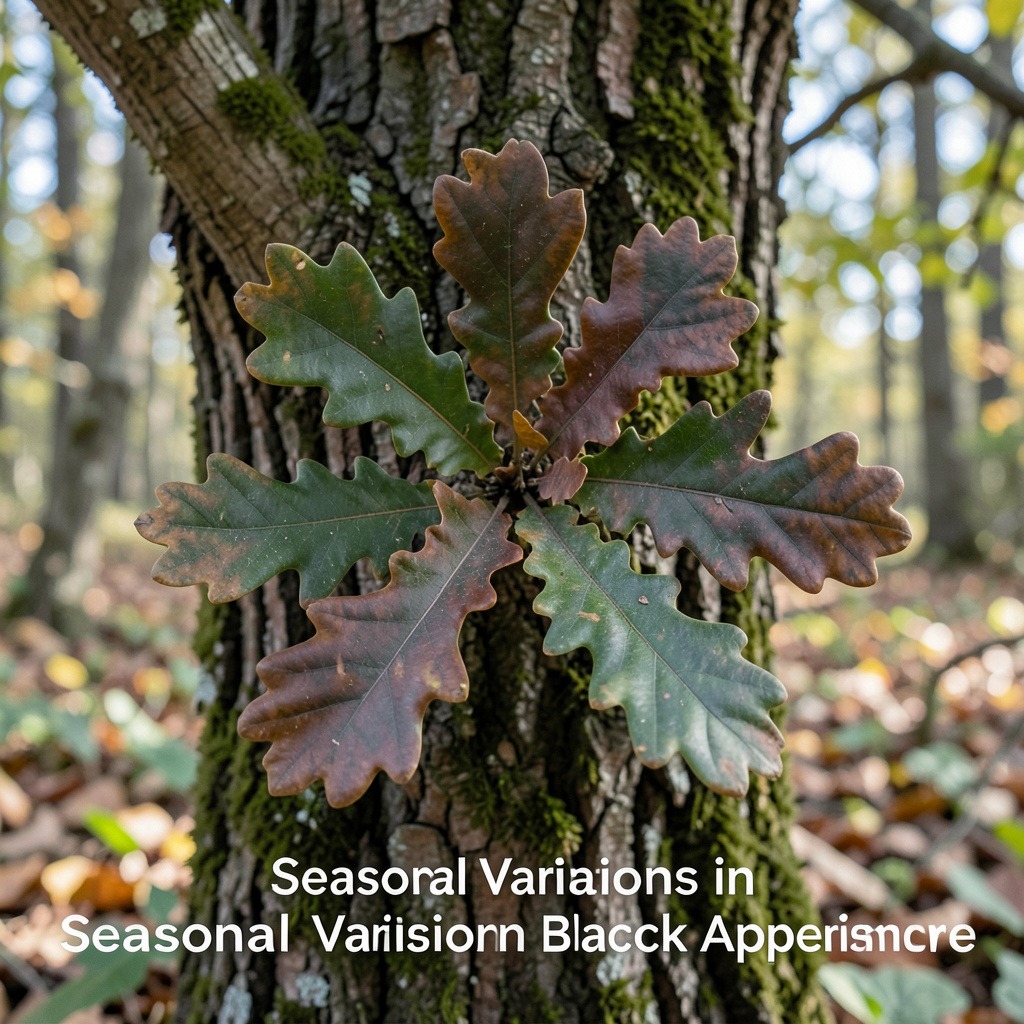
The appearance of black oaks changes significantly throughout the seasons. Understanding these variations is crucial for accurate identification.
Spring and Summer Features
In spring, black oaks begin to produce new leaves, characterized by their distinctive lobed shape. The leaves emerge with a glossy green color and bristle-tipped lobes. During summer, the foliage remains vibrant but can take on a darker green hue. Here are key features to observe:
- Leaves: Deeply lobed with bristle tips.
- Bark: Dark, furrowed appearance with a rough texture.
- Acorns: Small, oval, and often clustered, maturing over two years.
Observing these features can help distinguish black oaks from similar species like red and scarlet oaks, especially during the growing season.
Autumn Color Changes
As autumn approaches, black oaks display a striking transformation. The leaves turn to shades of yellow and orange before falling. This seasonal color change is vital for identification. Key autumn features include:
- Leaf Color: Bright yellow to orange hues.
- Bark: Retains its dark appearance, contrasting with colorful leaves.
- Acorns: Begin to drop, often noticeable beneath the tree.
These autumn characteristics can aid in differentiating black oaks from other oaks, like the scarlet oak, which tends to have different leaf shapes and colorations.
Visual Aids for Identification
Incorporating visual aids can enhance identification efforts. Consider using:
- Photographs of black oak leaves in spring and autumn.
- Diagrams illustrating leaf shapes and bark textures.
- Seasonal comparison charts to highlight key differences between black oaks and similar species.
Utilizing these resources can improve confidence in identifying black oaks throughout the year.
Common Mistakes in Identifying Black Oak
Identifying black oak can be tricky due to its similarities with other oak species. Understanding these common mistakes can enhance accuracy in recognition.
Confusion with Similar Oaks
Misidentification often occurs when comparing black oak to other oaks. Here are key differences to note:
- Red Oak (Quercus rubra): Red oak leaves have shallower lobes and a dull green surface. The inner bark is pinkish-tan, whereas black oak exhibits bright yellow to orange bark beneath the outer layer.
- Scarlet Oak (Quercus coccinea): Its lobes are more deeply cut, giving them a spidery appearance. Black oak’s sinuses are broader and rounded, which aids in distinguishing the two.
- Shumard Oak (Quercus shumardii): Shumard oak prefers richer soils and has larger acorns with a shallow cup. Black oak has smaller acorns and a deep turbinate cup.
Misidentification Due to Seasonal Changes
Seasonal variations can also lead to confusion. Here are scenarios illustrating potential misidentification:
- Spring Identification: In spring, black oak leaves may appear similar to those of red oak. Ensure you examine the leaf surface—black oak leaves are shinier and more leathery.
- Autumn Colors: During autumn, the coloration of black oak leaves can resemble that of scarlet oaks. Focus on leaf shape, as black oak has broader lobes with rounded sinuses.
Tips for Accurate Identification
To avoid common identification mistakes, consider the following checklist:
- Examine the Bark: Scratch through the outer layer. The inner bark should reveal a bright yellow to orange hue for black oak.
- Leaf Shape: Look for broader lobes with rounded sinuses, especially in spring and summer.
- Acorn Characteristics: Check the acorn size and shape. Black oak acorns are smaller and have a distinct deep cup.
By applying these tips and comparisons, you can significantly improve your accuracy in identifying black oak trees.
Key Differences: Black Oak vs. Similar Species
Identifying black oak requires distinguishing it from similar species, such as red oak and scarlet oak. Each species has unique traits that aid in accurate recognition.
Black Oak vs. Red Oak
| Feature | Black Oak | Red Oak |
|---|---|---|
| Leaf Shape | Broader lobes with rounded sinuses | Shallower lobes, cuts 1/3 to 1/2 way to midrib |
| Bark | Dark, deeply furrowed | Flatter, wider ridges with a grayish cast |
| Inner Bark Color | Yellow to orange | Reddish-pink |
| Acorn Characteristics | Smaller, deep turbinate cup | Larger, shallower cup |
| Habitat | Dry ridges and upland areas | Richer, moister soils |
Identification Tip: When in doubt, examine the bark and leaf shape. The deeper sinuses of red oak leaves can help differentiate the two species.
Black Oak vs. Scarlet Oak
| Feature | Black Oak | Scarlet Oak |
|---|---|---|
| Leaf Shape | Broader lobes with rounded sinuses | More deeply cut lobes, spidery outline |
| Bark | Dark, deeply furrowed | Dark gray to black, also deeply furrowed |
| Inner Bark Color | Yellow to orange | Yellowish, similar but less reliable |
| Acorn Characteristics | Smaller, deep turbinate cup | Larger, shallow cup |
| Habitat | Dry uplands | Prefers drier, sandy soils |
Identification Tip: Focus on the leaf shape and the pattern of sinuses. Scarlet oak lobes are often more angular than those of black oak.
Visual Comparison Table
| Identification Feature | Black Oak | Red Oak | Scarlet Oak |
|---|---|---|---|
| Leaf Shape | Broad, rounded lobes | Shallow, wider lobes | Deeply cut, angular |
| Bark | Dark, furrowed | Flatter, wider ridges | Dark gray, furrowed |
| Acorn Size | Small, deep cup | Larger, shallow cup | Medium, shallow cup |
| Inner Bark Color | Yellow to orange | Reddish-pink | Yellowish |
| Typical Habitat | Dry ridges | Rich, moist soils | Sandy, drier soils |
Utilize this information to improve your identification skills. Pay close attention to leaf shape, acorn characteristics, and bark texture to differentiate black oak from its counterparts effectively.
Cultural and Ecological Significance of Black Oak
Black oak (Quercus velutina) plays a vital role in ecosystems and holds significant cultural value for indigenous communities. Its ecological contributions and historical uses underscore its importance in both natural and human contexts.
Role in Ecosystems
Black oak trees contribute to biodiversity and provide essential habitat for various species. They:
- Support numerous insects, including caterpillars, which serve as food for birds.
- Offer shelter and nesting sites for wildlife.
- Improve soil quality through leaf litter decomposition.
The acorns of black oak are a critical food source for animals such as squirrels, deer, and various birds. Their growth in mixed stands with other oaks enhances forest resilience and promotes healthy ecosystems.
Historical Uses by Indigenous Peoples
Indigenous cultures have long valued black oak for its resources. The bark was used for its strong fibers, often woven into baskets and mats. Acorns were a staple food source, ground into meal or leached to remove tannins.
For example, the Pomo people of Northern California utilized black oak acorns as a dietary staple. They held ceremonies to celebrate the harvest, reflecting the tree’s cultural significance.
Indigenous practices often emphasize sustainable harvesting methods, ensuring that black oak populations remain healthy and abundant for future generations. This ongoing relationship illustrates the deep connection between black oak and indigenous identities.
Conclusion: Mastering Black Oak Identification
Accurate identification of black oak is essential for understanding its ecological role and cultural significance. This guide provides critical insights into its distinct features and comparison with similar species.
Key Identification Features to Remember
- Bark: Black oak has dark, almost black bark with large vertical whorls and lateral cracks.
- Leaves: The leaves are lobed with broad, rounded C-shaped sinuses, often ending in bristle tips.
- Acorns: Black oak acorns are small, typically around 0.5 to 1 inch long, with a deep turbinate cup.
Differences from Similar Species
- Red Oak: Red oak leaves have shallower sinuses and a grayish cast to the bark.
- Scarlet Oak: Scarlet oak leaves have deeper sinuses and a spidery outline compared to black oak.
- Shumard Oak: Shumard oak usually grows in richer soils and has larger acorns.
Seasonal Variations in Appearance
Identifying black oak throughout the seasons can enhance your recognition skills. In spring, the leaves emerge bright green. By fall, they turn a vibrant yellow to orange before dropping. Observing these changes can aid in accurate identification year-round.
Engaging with local resources, such as guided tree identification walks or workshops, can further deepen your understanding and appreciation of black oak. By mastering these identification techniques, you contribute to the preservation of this vital species and its habitat.
Frequently Asked Questions
These quick answers cover the most common questions about this topic, including key details, practical tips, and common concerns.
How rare is black oak?
Black oak is not considered rare, but its population can vary by region. It is widely distributed across eastern and central North America. However, certain habitats may experience a decline in black oak due to urban development, logging, and environmental changes. Conservation efforts are essential to maintain healthy populations in areas where they are threatened.
Is black oak worth anything?
Yes, black oak has economic value. Its wood is strong, durable, and often used for furniture, flooring, and cabinetry. Additionally, black oak acorns serve as a food source for wildlife and can be harvested for human consumption after proper processing. The ecological benefits it provides also contribute to its value in forestry and conservation.
How can I tell the difference between black oak and blackjack oak?
To differentiate black oak from blackjack oak, examine their leaves and bark. Blackjack oak (Quercus marilandica) typically has smaller, more triangular leaves with fewer lobes compared to black oak’s broader, rounded lobes. The bark of blackjack oak is darker and more blocky, while black oak features a dark, deeply furrowed appearance with bright yellow inner bark. Observing these details can help ensure accurate identification.
What are the key differences between scarlet oak and black oak?
Scarlet oak (Quercus coccinea) and black oak can be distinguished by their leaf shape and sinuses. Scarlet oak leaves have deeper, more angular lobes, creating a spidery look, while black oak leaves have broader, rounded lobes. Additionally, the inner bark of scarlet oak is yellowish, similar to black oak, but the overall bark texture is less furrowed. Pay attention to these characteristics for accurate identification.
What is the best habitat for black oak?
Black oak thrives in dry, sandy soils and is often found in mixed forests or upland areas. It prefers well-drained soils that can vary from silty clay to loam. These trees typically grow in full sun exposure and are shade-intolerant, making them common in open woodlands and along ridges. Understanding their habitat preferences aids in locating and identifying black oak.
When do black oaks produce acorns?
Black oaks typically produce acorns in late summer to early fall. However, their acorns take two years to mature, meaning that the acorns you see in one season were likely formed from flowers in the previous year. This two-year cycle is a distinguishing feature of black oaks compared to some other oak species, which may have a quicker acorn maturation process.
What animals rely on black oak acorns for food?
Black oak acorns are a vital food source for various wildlife species. Animals such as squirrels, deer, and numerous bird species, including woodpeckers and jays, rely on these acorns during the fall and winter months. The high-fat content in acorns provides essential nutrition, making black oaks an important component of their habitats.
What should readers know about visual aids for identification?
Visual aids can significantly enhance your ability to identify black oak. Photographs of black oak leaves, bark, and acorns can provide clear examples of their distinctive features. Diagrams comparing black oak with similar species can also be beneficial. Utilizing these resources can improve your confidence and accuracy in identifying black oaks throughout different seasons.