
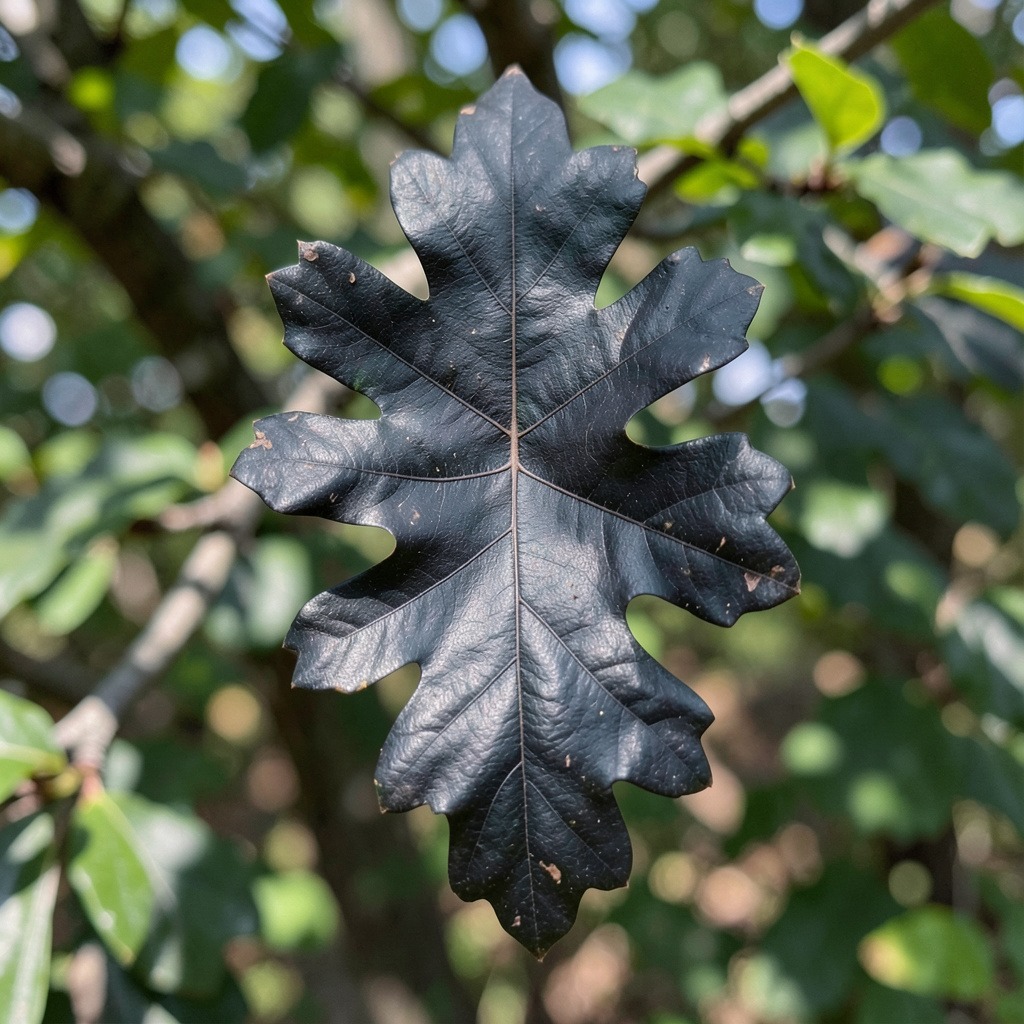
Black oak leaves are alternate, simple, and typically measure 5 to 10 inches long with 5 to 7 lobes featuring bristle tips.
Table of Contents
Identifying black oak leaves can be straightforward once you know their key characteristics. This guide breaks down the identifying features, habitat, ecological significance, and more, ensuring you can recognize this important tree species in your area.
Key Characteristics of Black Oak Leaves
Black oak leaves are distinctive and easily identifiable with several key features. Understanding these characteristics can help you differentiate them from similar oak species.
Leaf Size and Shape
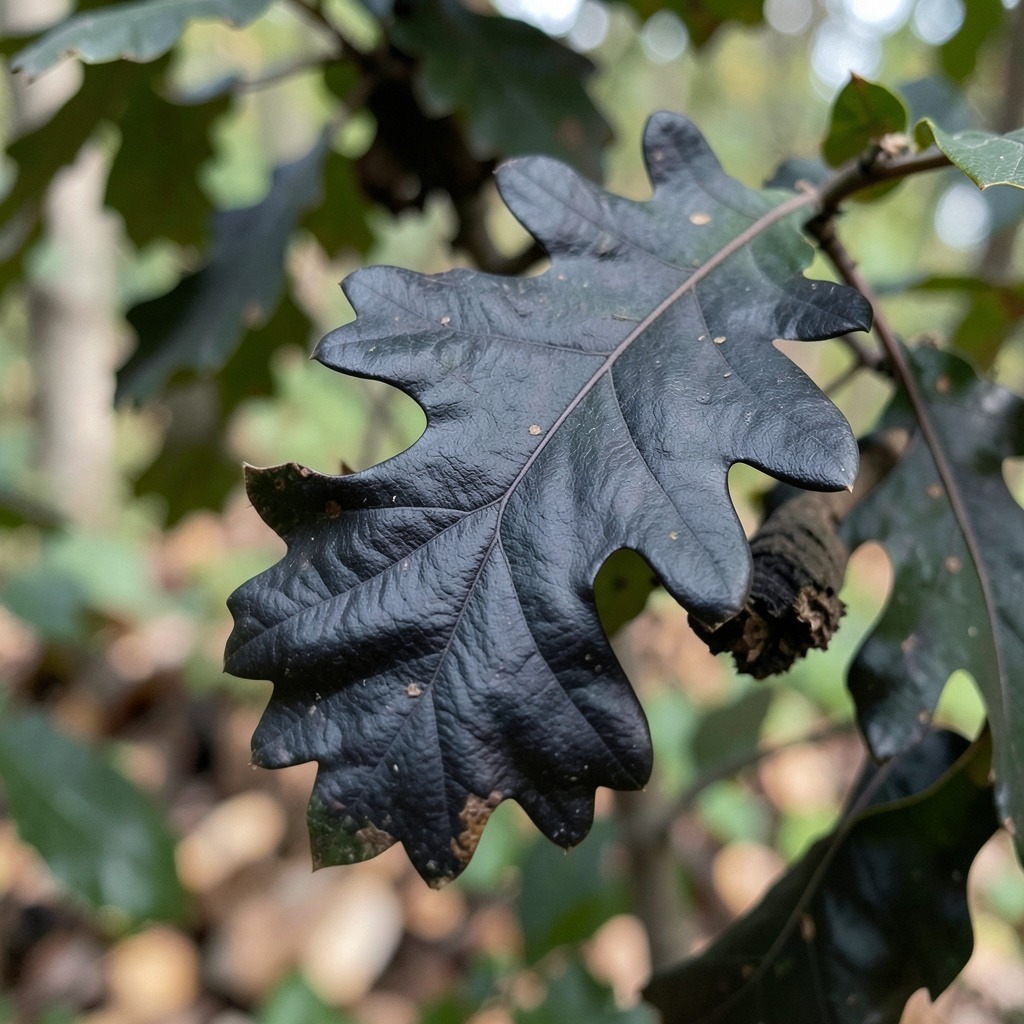
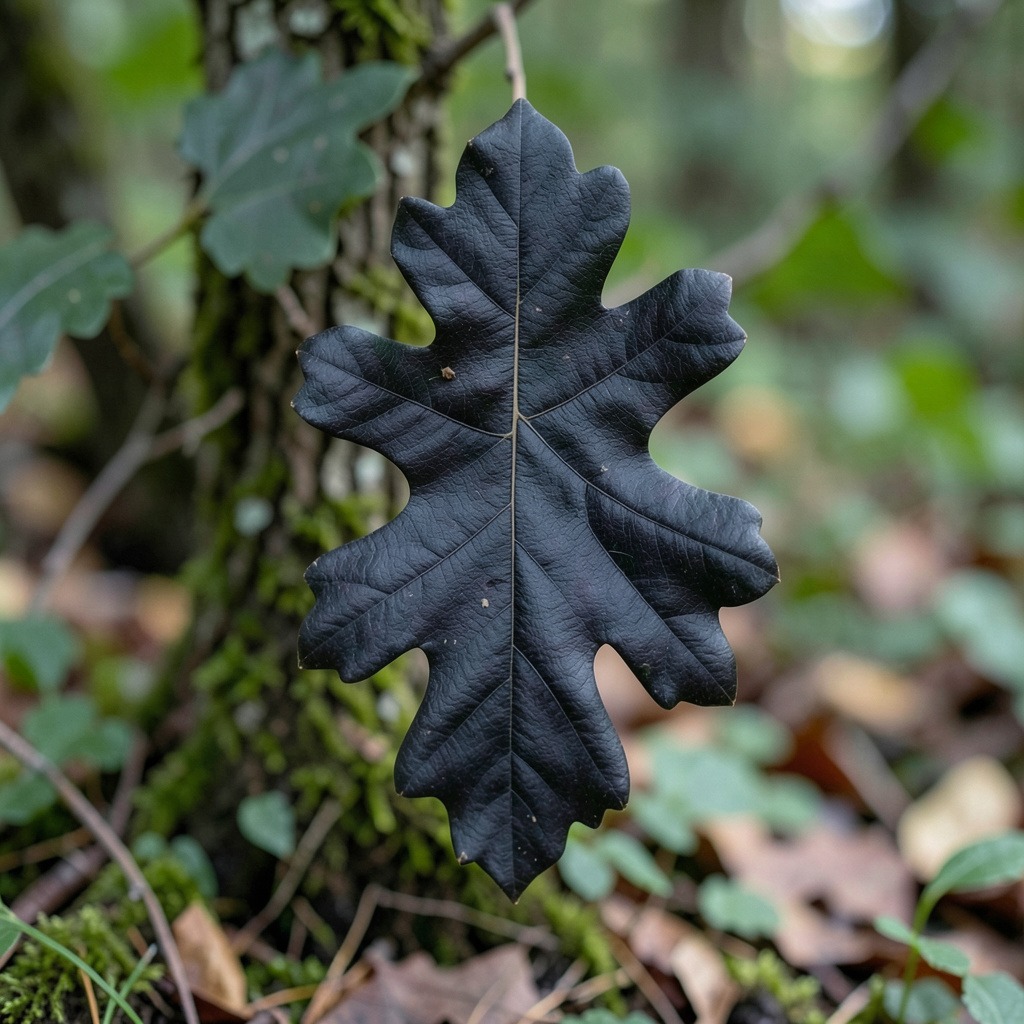
Black oak leaves are typically 2 to 4 inches (5 to 10 cm) long. They exhibit a spatula-like shape and are generally oblong to obovate. The pointed lobes and deep, rounded incisions are significant identifying traits.
Color and Surface Texture
The upper surface of black oak leaves is a rich bluish-green, while the underside is lighter and may appear somewhat fuzzy. This contrast in color enhances visibility during identification.
Distinctive Lobes and Tips
Black oak leaves have three bristle-tipped lobes at the apex. This feature stands out compared to leaves from other oak species, which may have rounded or fewer lobes. The strong veining pattern also adds to their uniqueness, making it easier to identify them in different seasons.
Comparison with Similar Species
| Characteristic | Black Oak (Quercus velutina) | Red Oak (Quercus rubra) | White Oak (Quercus alba) |
|---|---|---|---|
| Leaf Size | 2″ – 4″ (5 cm – 10 cm) | 4″ – 6″ (10 cm – 15 cm) | 4″ – 7″ (10 cm – 18 cm) |
| Lobe Shape | Pointed | Pointed | Rounded |
| Apex Characteristics | 3 bristle-tipped lobes | 7 to 11 lobes | 5 to 9 rounded lobes |
| Surface Texture | Fuzzy underside | Smooth | Smooth |
Practical Tips for Identification
1. Seasonal Changes: In spring, look for fresh, vibrant leaves. In fall, identify by the color change to yellow or brown.
2. Habitat: Black oaks thrive in well-drained, sandy soils, often found in dry uplands.
3. Leaf Arrangement: Observe that leaves grow alternately on the branches, a common trait among oak species.
By noting these characteristics, you can accurately identify black oak leaves, contributing to your understanding of this important tree species in its ecological context.
Bark Characteristics of Black Oak
The bark of the black oak (Quercus velutina) is a key feature for identification. Its texture and color vary with the tree’s age, providing clues to its maturity and health.
Bark Color and Texture
- Young Trees: The bark is smooth and grayish, offering a clean appearance.
- Mature Trees: As the tree ages, the bark becomes deeply furrowed and grooved. It typically darkens to a slate gray or nearly black color, featuring large vertical whorls and lateral cracks.
- Inner Bark: The inner bark is notably yellowish, which contributes to its various common names, such as yellow oak.
Comparison with Other Oaks
Understanding how black oak bark compares to that of similar species can enhance identification skills. Here is a comparison of bark characteristics between black oak and red oak:
| Characteristic | Black Oak | Red Oak |
|---|---|---|
| Color | Dark gray to black | Reddish-brown |
| Texture | Deeply furrowed, highly grooved | Smooth with shallow ridges |
| Age Factor | More pronounced grooves with age | Less notable grooves with age |
By recognizing these differences, you can more accurately identify black oak trees in the field.
Habitat and Distribution of Black Oak

Black oak (Quercus velutina) thrives in a variety of habitats across North America. Understanding its preferred environments enhances identification, especially when observing its leaves and overall structure.
Preferred Soil Types
Black oak prefers well-drained soils, which can vary in composition. Key soil types include:
- Silty clay
- Loam
- Heavy clays
- Loamy sands
These soils often originate from glacial materials, sandstones, or limestone. Black oak grows best in areas with a high moisture content but also tolerates warmer conditions.
Climatic Conditions for Growth
Black oak is adaptable to different climatic conditions, although specific factors influence its growth:
- Temperature Range: Grows well in moderate climates but may struggle in extreme heat or cold.
- Moisture Needs: Prefers cool, moist soils, particularly in southern New England. In drier regions, it can thrive on warm, moist soils.
Geographical Distribution
Black oak is found primarily in the eastern and central United States. Its range includes:
- Southern Appalachians up to 1,200 m (3,900 ft) elevation
- Widespread across southern New England and the Midwest
This distribution highlights its adaptability to various landscapes, making it a significant species in many ecological communities.
Impact of Climate Change
As climate conditions shift, black oak populations may face challenges. Increased temperatures and altered precipitation patterns can affect soil moisture levels and growth rates.
For example, a prolonged drought could impact seed germination and young sapling survival. Monitoring these changes is crucial for understanding how black oak and its leaves may respond in the future.
Ecological Importance of Black Oak
Black oak, or Quercus velutina, plays a crucial role in its ecosystem. It supports a wide range of wildlife and contributes to biodiversity in its habitat.
Wildlife Interactions
Black oak leaves and acorns serve as vital food sources for various species.
- Birds: Many birds, including woodpeckers and jays, feed on black oak acorns during the fall.
- Mammals: Squirrels, deer, and raccoons rely on the foliage and acorns for nourishment.
- Insects: The leaves attract numerous insects, which in turn support insectivorous birds.
Black oak trees often provide nesting sites and shelter for various wildlife, enhancing habitat complexity. For instance, the thick bark offers refuge for insects and small mammals, while the canopy provides cover for birds.
Contribution to Biodiversity
Black oak contributes significantly to forest biodiversity. Its presence supports a variety of plant and animal interactions.
- Habitat Structure: The tree’s height and broad canopy create a layered habitat, fostering diverse species.
- Nutrient Cycling: Fallen leaves decompose and enrich the soil, promoting growth for understory plants. This process supports herbivores and, subsequently, their predators.
- Mycorrhizal Networks: Black oaks form symbiotic relationships with fungi, enhancing nutrient absorption for surrounding plants. This collaboration strengthens forest resilience.
In a case study, researchers found that areas with abundant black oak populations supported higher species richness compared to regions dominated by other oak species. This highlights the ecological significance of black oak in maintaining healthy ecosystems.
Common Misidentifications of Black Oak
Identifying black oak leaves can be challenging due to similarities with other oak species. Misidentification often leads to confusion with red oaks and white oaks. Here, we outline key features to help avoid common mistakes.
Confusion with Red Oak
Black oaks and red oaks (Quercus rubra) share several characteristics, but their leaves differ significantly.
- Lobe Shape: Black oak leaves have pointed lobes, while red oak leaves are typically more elongated with sharper tips.
- Leaf Margin: Black oak leaves are characterized by deep U-shaped notches between lobes, giving them a more jagged appearance.
- Leaf Color: In summer, black oak leaves exhibit a glossy dark green color, whereas red oak leaves are often a lighter green.
Identifying Features to Note
To confidently identify a black oak leaf, consider the following checklist:
- Leaf Size: Black oak leaves range from 5 to 10 inches long.
- Lobe Count: Most black oak leaves have 5 to 9 lobes, with bristles at the tips.
- Bark Characteristics: The bark is dark and almost black with deep vertical furrows.
- Acorns: Black oak acorns are typically larger than those of red oaks and have a distinctive cap that covers about one-third of the nut.
Identification Checklist
| Feature | Black Oak | Red Oak | White Oak |
|---|---|---|---|
| Leaf Shape | Pointed lobes | Pointed lobes | Rounded lobes |
| Leaf Size | 5-10 inches | 4-8 inches | 5-10 inches |
| Bark Color | Black to dark brown | Grayish-brown | Light gray to brown |
| Acorn Size | Larger, cap covers 1/3 | Smaller, cap covers 1/4 | Intermediate size, cap covers 1/2 |
Use this checklist as a practical tool when identifying black oak leaves. Avoiding confusion with similar species ensures accurate identification and appreciation of these vital trees.
Comparison of Black Oak with Other Oak Species
Understanding the differences between black oak and other oak species, such as red oak and white oak, is crucial for accurate leaf identification. This section highlights the key distinguishing features of each species, aiding in recognition.
Leaf Differences
| Feature | Black Oak | Red Oak | White Oak |
|---|---|---|---|
| Leaf Shape | Pointed lobes | Pointed lobes | Rounded lobes |
| Leaf Size | 5-10 inches (13-25 cm) | 4-8 inches (10-20 cm) | 5-9 inches (13-23 cm) |
| Lobe Count | 5-7 lobes | 7-11 lobes | 5-9 lobes |
| Color | Bluish-green | Glossy dark green | Bright green |
To identify black oak leaves, focus on the pointed lobes and the bluish-green color. In contrast, red oak leaves often have a shinier appearance, while white oak leaves feature rounded lobes.
Bark and Acorn Comparison
- Bark Characteristics:
- Black Oak: Dark, thick, and deeply furrowed bark. The black coloration is a key identifier.
- Red Oak: Grayish-brown bark with shallow fissures. It tends to be smoother compared to black oak.
- White Oak: Light gray to brown bark, often scaly in texture.
- Acorn Size:
- Black Oak: Larger acorns; the cap covers about one-third of the nut.
- Red Oak: Smaller acorns; the cap covers about one-quarter.
- White Oak: Intermediate size; the cap typically covers half of the acorn.
Practical Tips for Identification
- Seasonal Changes: Observe leaves in different seasons. Black oak leaves change from a bluish-green in summer to a vibrant yellow or brown in fall.
- Growth Habitats: Black oaks thrive in dry, sandy soils, often in mixed hardwood forests. This contrasts with red oaks, which prefer moist environments, and white oaks, found in a variety of soil types.
By using these characteristics, you can confidently distinguish black oak leaves from those of red and white oak species.
Practical Uses and Benefits of Black Oak
Black oak (Quercus velutina) serves multiple purposes, both ecologically and economically. Its strong wood and vital role in local ecosystems make it a valuable species.
Wood Properties and Applications
Black oak wood is known for its strength and durability. It is often utilized in various industries, including:
- Furniture Manufacturing: The wood’s resistance to wear makes it ideal for crafting high-quality furniture.
- Flooring: Its aesthetic appeal and durability make black oak a popular choice for flooring materials.
- Timber Products: Black oak is also used in producing items such as cabinetry, barrels, and guard rails.
This wood is distinct from red oak in that it has a darker hue and a more pronounced grain pattern, making it desirable for specific applications.
Benefits for Local Ecosystems
Black oak trees play a crucial role in their habitats. Their acorns are a vital food source for many wildlife species, including:
- Squirrels
- Birds
- Deer
These trees also support a diverse range of insects that contribute to the local food web. Moreover, black oaks provide shade and shelter, enhancing biodiversity in mixed hardwood forests.
Quick Comparison
| Feature | Black Oak | Red Oak |
|---|---|---|
| Leaf Shape | Spatula-shaped with lobes | Broader, rounded lobes |
| Bark Color | Dark, deeply furrowed | Lighter, smoother |
| Acorn Size | 0.5” to 1” long | 0.75” to 1.25” long |
Understanding these differences can aid in accurately identifying black oak leaves and appreciating their ecological significance.
Conclusion and Summary of Key Points
Understanding black oak leaves is essential for accurate identification and appreciation of this species. Their distinct characteristics and ecological roles contribute significantly to their environments.
Key Identification Features
- Leaf Shape: Black oak leaves are spatula-shaped with pointed lobes, typically measuring 2 to 4 inches long.
- Lobes: Each leaf has three bristle-tipped lobes at the apex, with deep, rounded incisions.
- Veining: A strong veining pattern is visible, enhancing their identification.
Bark and Acorn Characteristics
- Bark: The bark of the black oak is dark and deeply furrowed, providing a contrast to other oak species.
- Acorns: Black oak acorns range from 0.5 to 1 inch long and are dark brown to burgundy, playing a vital role in the maturation of the tree.
Ecological Significance
Black oaks are vital in their ecosystems. They provide habitat and food for various species, including birds, mammals, and insects. Their leaves contribute to the nutrient cycle by decomposing and enriching the soil. The black oak also plays a role in carbon sequestration, helping to mitigate climate change effects.
Practical Tips for Identification
- Seasonal Changes: In fall, observe leaf color changes; black oak leaves turn a brilliant yellow to orange before falling.
- Comparison: Use a checklist to differentiate black oak from red oak:
- Black oak: Pointed lobes, dark bark
- Red oak: Broader, rounded lobes, lighter bark
By recognizing these features, you can confidently identify black oak leaves and appreciate their role in forestry and ecology.
Frequently Asked Questions
These quick answers cover the most common questions about this topic, including key details, practical tips, and common concerns.
What are the differences between red and black oak leaves?
Red oak leaves are typically larger, measuring 4 to 8 inches, with 7 to 11 lobes that are more elongated and have sharper tips. In contrast, black oak leaves are smaller, measuring 2 to 4 inches, and feature 5 to 7 lobes with pointed tips and deep, rounded notches. The upper surface of black oak leaves is a bluish-green, while red oak leaves appear a lighter green.
How rare is black oak?
Black oak is not considered rare but is less common than some other oak species. It is primarily found in eastern and central North America, thriving in well-drained, sandy soils. Habitat loss and changes in land use can impact local populations, but black oak remains a significant component of many forests.
How can I identify a black oak tree?
To identify a black oak tree, look for its distinctive leaves, which are spatula-shaped with pointed lobes and a bluish-green color. The bark is another key feature, appearing dark gray to black with deep furrows as the tree matures. Additionally, observe the tree’s habitat; black oaks are often found in dry uplands with sandy soils.
Is black oak a good tree for landscaping?
Yes, black oak can be a good choice for landscaping, especially in larger spaces. It provides shade and has a strong, attractive structure. However, consider its size and growth rate; black oaks can grow quite tall and wide, making them suitable for parks or large yards rather than small gardens.
What wildlife benefits from black oak trees?
Black oak trees are vital to many wildlife species. Their acorns serve as food for birds, squirrels, and deer. The leaves attract insects, which in turn support insectivorous birds. Additionally, the tree’s bark provides habitat for various insects and small mammals, enhancing local biodiversity.
What are the common diseases affecting black oak?
Common diseases that can affect black oak include oak wilt, which is caused by a fungal pathogen and can be fatal. Other issues include leaf spot diseases and root rot, often exacerbated by poor soil drainage or stress conditions. Regular monitoring and proper care can help maintain the health of black oak trees.
When do black oaks produce acorns?
Black oaks typically begin producing acorns at around 20 to 30 years of age. Acorns usually mature in the fall, with the peak production occurring every 2 to 3 years. The acorns are an essential food source for wildlife during the autumn months.