
The average lifespan of black oak trees (Quercus velutina) ranges from 150 to 200 years under optimal conditions, but urban stress can reduce this to 60-80 years, depending on environmental factors.
Table of Contents
Black oak trees, known scientifically as Quercus velutina, are a vital species in North America’s forests. Understanding their lifespan is crucial, as it varies significantly based on environmental conditions, soil types, and climate. This guide explores these factors and provides insights into black oak longevity.
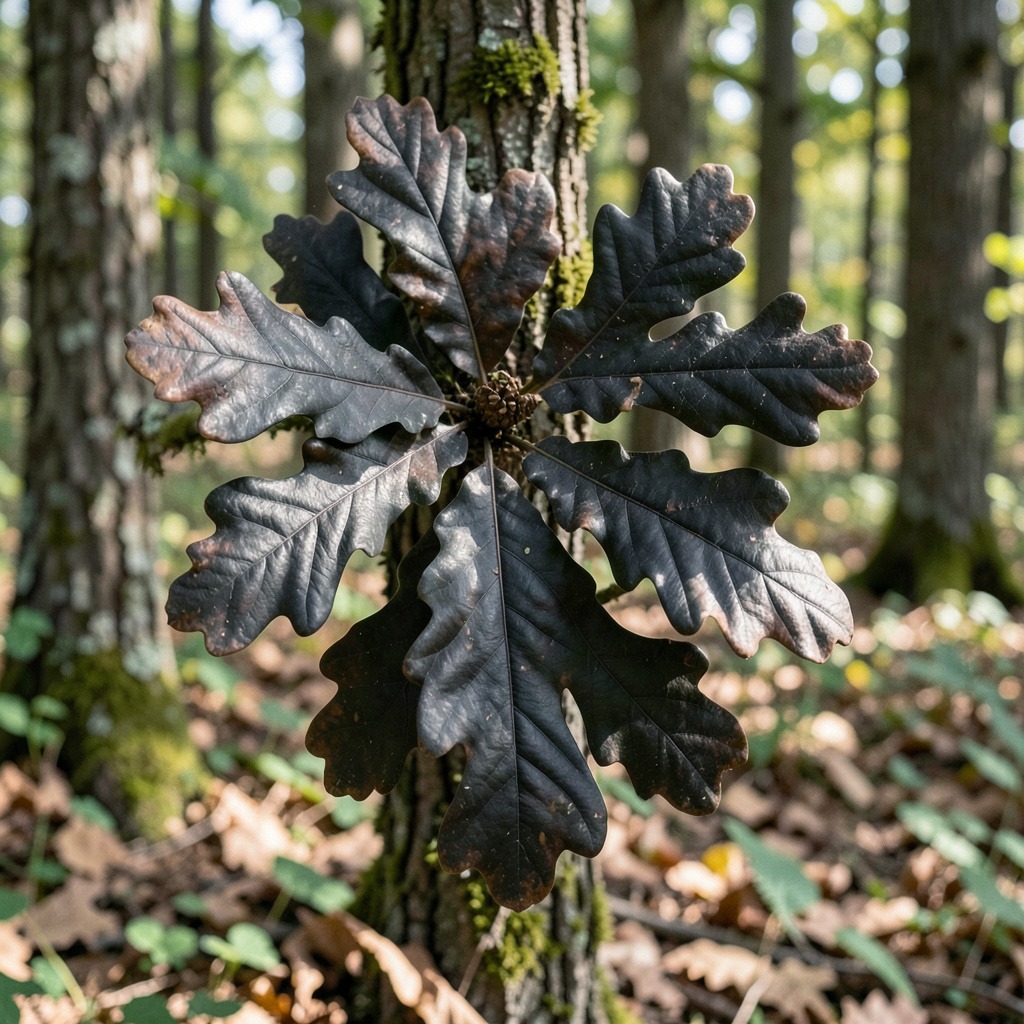
Lifespan Overview of Black Oak Trees
Black oak trees, or Quercus velutina, have an average lifespan ranging from 100 to 300 years. However, their longevity is influenced by several environmental factors, including soil quality, climate conditions, and urban versus rural growth scenarios.
Key Factors Influencing Longevity
1. Soil Requirements: Black oaks thrive in well-drained, fertile soils. Poor soil conditions can reduce their lifespan significantly, often limiting them to about 200 years.
2. Climate Conditions: Black oaks prefer moist environments but can adapt to various climates. Extreme weather events such as droughts or harsh winters can shorten their lifespan.
3. Urban vs. Rural Growth: Black oaks in urban settings often face stress from pollution, compacted soil, and limited space, which can impact their health and longevity. In contrast, rural black oaks typically experience fewer stressors, allowing for a longer lifespan.
Pests and Diseases
Black oaks are susceptible to various pests and diseases that can affect their lifespan. Common threats include:
- Root Rot: Conditions like Armillaria mellea can weaken trees, making them more vulnerable.
- Leaf Diseases: Foliage diseases, such as anthracnose, can hinder growth.
Effective management of these threats is essential for maximizing the lifespan of black oaks.
Comparative Lifespan with Other Oaks
When compared to other oak species, black oaks generally have a similar lifespan to northern red oaks but may live longer than white oaks under optimal conditions. Understanding these differences can aid in selecting the appropriate oak species for specific environments.
Real-Life Examples of Growth Scenarios
In a study of black oak growth in Missouri, researchers found that young trees on rich sites sprouted more frequently and thrived better than older trees in poor soil. For instance, a black oak stump with a diameter of 3 inches had a nearly 100% chance of producing dominant sprouts after one year, while a 30-inch stump had only a 15% chance. This demonstrates the critical role of site conditions in determining lifespan and growth potential.
Factors Influencing Black Oak Lifespan
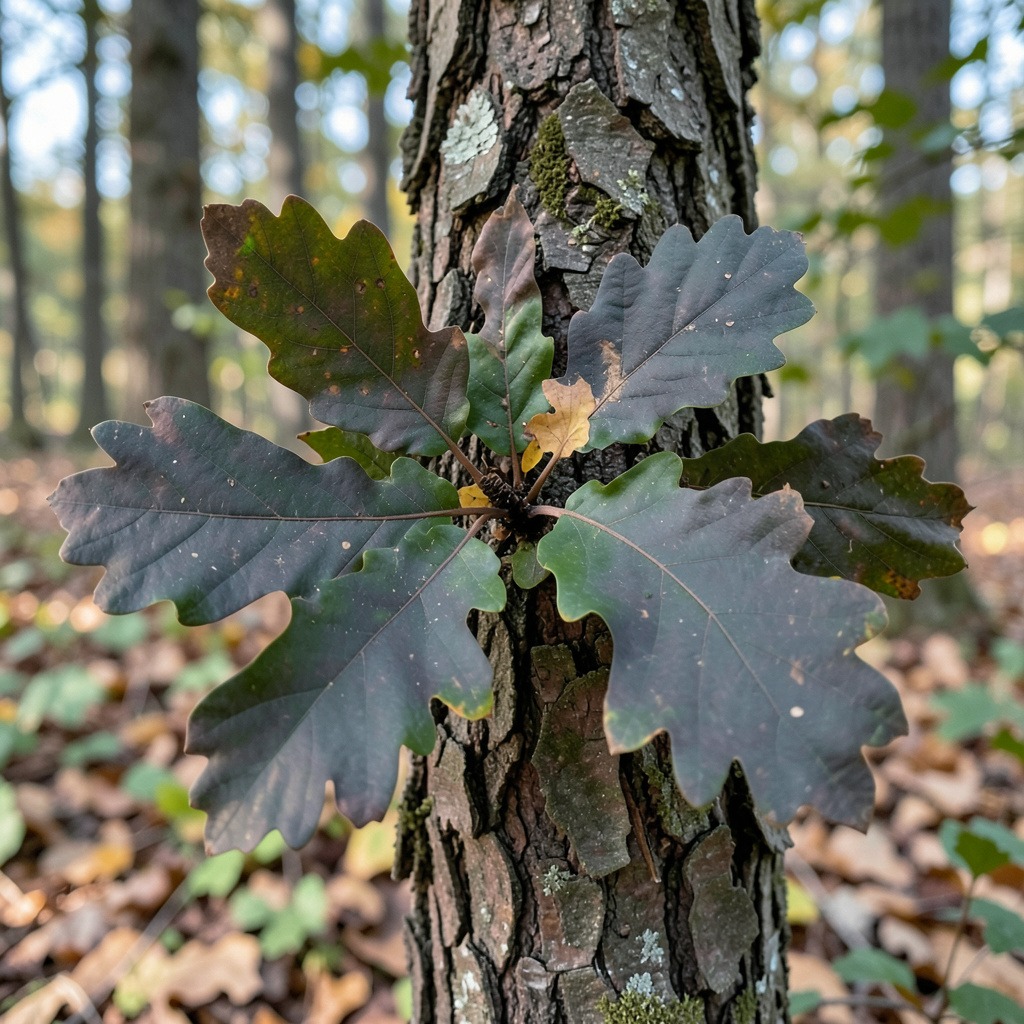
The lifespan of black oak trees (Quercus velutina) is influenced by various factors, including soil quality, climate conditions, and urban stress. Understanding these elements can help predict growth potential and longevity.
Optimal Soil Conditions for Black Oaks
Black oaks thrive best in well-drained, rich soils. The following soil characteristics are crucial for optimal growth:
- Soil Texture: Loamy soils promote better growth than sandy or clay soils.
- Nutrient Content: High organic matter levels enhance soil fertility.
- Moisture Retention: Soils that maintain adequate moisture levels support healthy root systems.
| Soil Condition | Effect on Lifespan |
|---|---|
| Well-drained loamy soil | Increases longevity |
| Sandy soil | Decreases lifespan |
| Heavy clay | Decreases growth rate |
Climate Effects on Growth and Longevity
Black oaks are sensitive to climate variations. Key climate factors include:
- Temperature: Optimal growth occurs in temperate climates with moderate temperatures.
- Precipitation: Adequate rainfall supports healthy growth, while drought can severely limit lifespan.
- Seasonality: Seasonal changes impact growth cycles and acorn production.
For instance, black oaks in regions with consistent rainfall often exhibit longer lifespans compared to those in arid climates.
Urban Stress and Its Impact on Lifespan
Urban environments pose unique challenges for black oaks. Factors that contribute to stress include:
- Soil Compaction: Reduces root growth and nutrient uptake.
- Pollution: Air and soil contaminants can weaken trees.
- Limited Space: Competition with built structures limits access to sunlight and nutrients.
In urban settings, black oaks typically have shorter lifespans due to these stresses. For example, a black oak in a park might live only 100 years compared to 200 years in a natural forest setting.
These insights highlight the importance of considering environmental factors when assessing the lifespan potential of black oak trees.
Ecological Role and Importance of Black Oaks
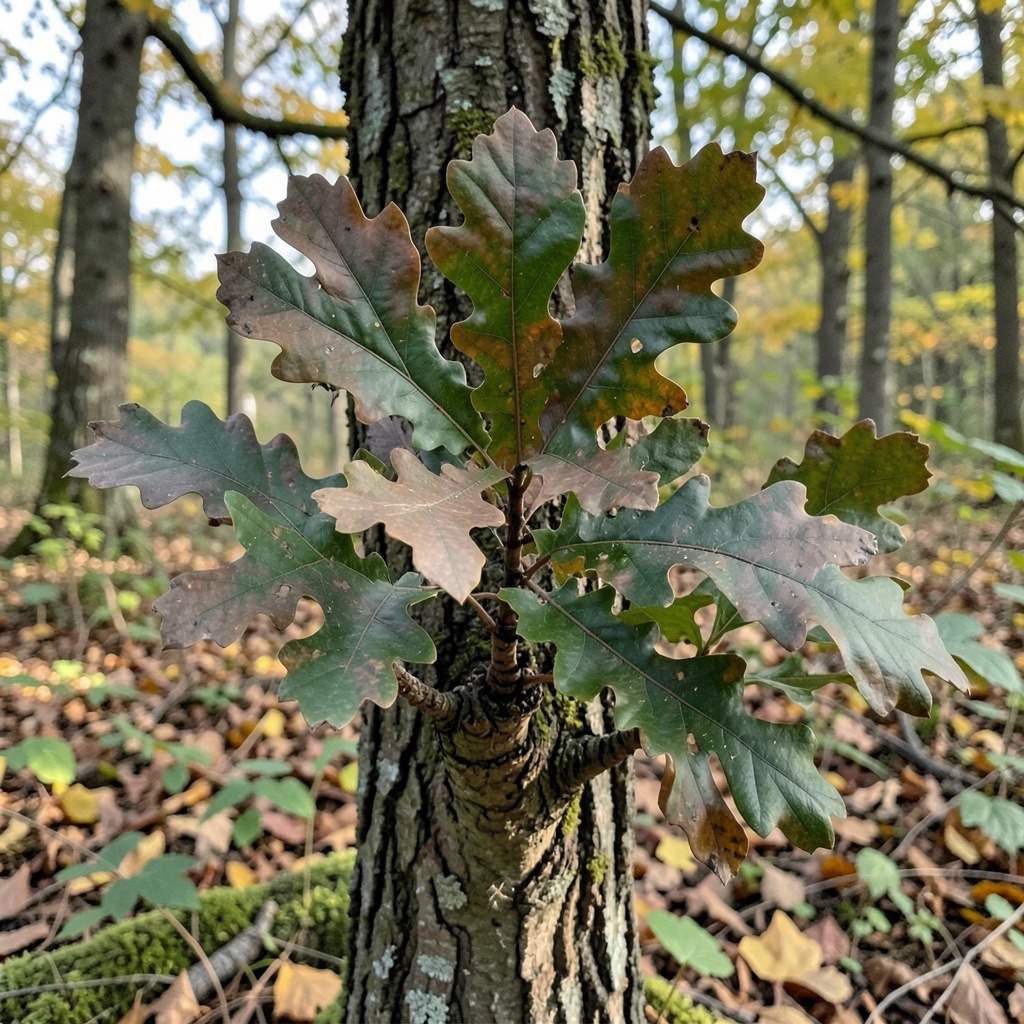
Black oak trees (Quercus velutina) play a vital role in their ecosystems. Their longevity and growth conditions significantly influence forest health and wildlife habitats.
Habitat and Wildlife Associations
Black oaks support diverse wildlife. Their acorns provide a nutritious food source for various animals, including deer, squirrels, and birds. Additionally, black oaks offer shelter and nesting sites for numerous species, fostering biodiversity.
- Acorns: Important food for wildlife, particularly in autumn.
- Nesting Sites: Hollow trunks and large branches create habitats for birds and small mammals.
- Biodiversity Support: Black oaks are integral to food webs, supporting both herbivores and their predators.
Contributions to Forest Health
Black oaks contribute to overall forest health. They help improve soil quality and stabilize ecosystems. Their deep root systems prevent soil erosion and enhance water retention.
- Soil Improvement: Black oaks enrich the soil through leaf litter, which decomposes to add nutrients.
- Erosion Control: Their extensive root structures anchor soil, reducing runoff.
- Competition Dynamics: Black oaks are intermediate in shade tolerance, allowing them to thrive alongside other tree species while also supporting a mix of flora and fauna.
Their ecological significance cannot be overstated, as they foster resilient forest ecosystems. For example, in mixed oak forests, the presence of black oaks can enhance the growth and survival of associated species, leading to healthier, more productive habitats. Understanding these dynamics is essential for forest management and conservation efforts aimed at sustaining black oak populations and their associated ecosystems.
Common Pests and Diseases Affecting Black Oaks
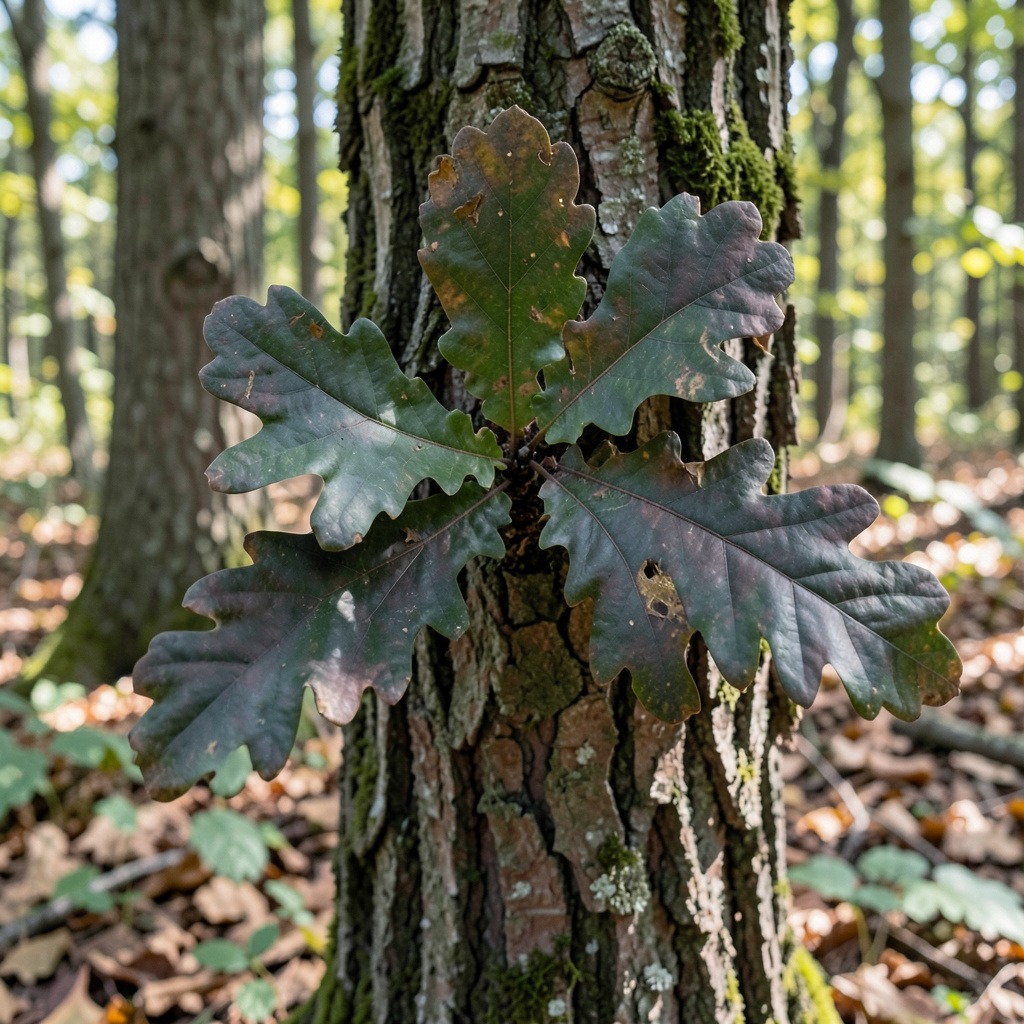
Black oaks (Quercus velutina) face various pests and diseases that can significantly affect their lifespan and overall health. Recognizing these threats is crucial for maintaining robust black oak populations.
Common Pests of Black Oaks
Black oaks are susceptible to several pests that can weaken trees and reduce their longevity. Key pests include:
- Oak Wilt: This fungal disease disrupts the tree’s vascular system and can lead to rapid decline and death if not managed.
- Red Oak Borer: This insect targets weakened trees, causing further stress and potential mortality.
- Leafcutter Bees: While they primarily affect foliage, their activity can reduce photosynthesis, impacting growth and health.
Managing Diseases in Black Oak Trees
Effective management of diseases is essential for prolonging the lifespan of black oaks. Some strategies include:
- Regular Monitoring: Check trees for signs of pests or diseases, such as wilted leaves or unusual growth patterns.
- Soil Health: Maintain healthy soil conditions. Well-drained, nutrient-rich soil supports tree resilience against diseases.
- Pruning: Remove infected branches to prevent the spread of diseases. Proper sanitation practices can reduce infection rates.
- Pesticide Applications: When necessary, apply targeted pesticides in consultation with a forestry professional to manage specific pest threats.
Checklist for Pest Management Strategies
1. Inspect trees regularly for signs of infestation or disease.
2. Ensure optimal soil conditions (drainage, nutrients).
3. Practice proper pruning and sanitation.
4. Consult professionals for pesticide use.
5. Promote biodiversity around black oaks to enhance natural pest control.
Implementing these strategies can help mitigate the impact of pests and diseases, thereby supporting the longevity of black oak trees.
Comparing Black Oak Lifespan with Other Oak Species
The lifespan of black oak (Quercus velutina) varies significantly compared to other oak species. Understanding these differences is crucial for proper management and conservation efforts.
Lifespan of Red Oak vs. Black Oak
Red oak (Quercus rubra) generally has a shorter lifespan than black oak. While black oak can live up to 200 years or more under optimal conditions, red oak typically reaches 75 to 100 years.
| Oak Species | Average Lifespan | Key Growth Conditions |
|---|---|---|
| Black Oak | Up to 200 years | Rich, well-drained soils; moderate climate |
| Red Oak | 75-100 years | Well-drained, moist soils; full sunlight |
| White Oak | 200-300 years | Deep, fertile soils; tolerant of drought |
| Pin Oak | 40-70 years | Wet, poorly drained soils; adaptable |
Other Oak Species Lifespans
Several other oak species also exhibit varying lifespans influenced by environmental conditions.
- White Oak (Quercus alba): Known for its longevity, it can live between 200 to 300 years. It thrives in deep, fertile soils and is less affected by drought.
- Pin Oak (Quercus palustris): Generally has a shorter lifespan, ranging from 40 to 70 years, and prefers wet soils.
- Scarlet Oak (Quercus coccinea): Typically lives around 50 to 70 years, often found in dry, sandy soils.
Factors Influencing Lifespan
Several factors impact the lifespan of black oak compared to other species:
- Soil Quality: Black oak prefers well-drained soils. Poor soil conditions can shorten its lifespan.
- Climate: Black oak thrives in moderate climates. Extreme weather can stress the tree, leading to a reduced lifespan.
- Pests and Diseases: Black oak is susceptible to specific pathogens like Armillaria mellea, which can weaken trees, while other species might face different threats.
Understanding these differences helps in assessing the health and longevity of black oak trees in various environments. This knowledge is essential for effective forestry management and conservation practices.
Practical Care Tips for Extending Black Oak Lifespan
Caring for black oak trees properly can significantly enhance their lifespan. By understanding their specific needs, you can ensure healthy growth and longevity.
Best Soil Practices for Black Oaks
Black oaks thrive in well-drained, rich soils. Here are key practices to optimize soil conditions:
- Soil Composition: Incorporate organic matter like compost to improve soil fertility.
- pH Levels: Maintain a pH between 6.0 and 7.0 for optimal nutrient absorption.
- Drainage: Ensure proper drainage to prevent root rot, especially in areas prone to standing water.
Watering and Maintenance Tips
Regular maintenance is crucial for black oak health. Implement these watering and maintenance strategies:
- Watering: Deeply water young trees during dry spells. Aim for 1-2 inches of moisture per week.
- Mulching: Apply 2-4 inches of mulch around the base to retain moisture and regulate soil temperature.
- Pruning: Remove dead or damaged branches to promote healthy growth and reduce disease risk.
Seasonal Care Checklist
Follow this seasonal checklist to maintain your black oak’s health:
- Spring: Fertilize with a balanced fertilizer; check for pests.
- Summer: Monitor watering; ensure consistent moisture.
- Fall: Rake and dispose of fallen leaves to prevent disease buildup.
- Winter: Protect the trunk from rodent damage with tree guards.
By adhering to these care tips, you can enhance the longevity of black oak trees, ensuring they thrive for generations.
Frequently Asked Questions
These quick answers cover the most common questions about this topic, including key details, practical tips, and common concerns.
Is black oak fast growing?
Black oak trees (Quercus velutina) are considered moderate to fast growers. Under optimal conditions, they can grow 1 to 2 feet per year. However, growth rates can vary based on soil quality, climate, and available moisture.
How old is a 20-foot oak tree?
A 20-foot black oak tree is typically around 10 to 20 years old, depending on growth conditions. Factors such as soil fertility, water availability, and competition with other plants can influence its age.
How far should an oak tree be from your house?
It’s recommended to plant oak trees, including black oaks, at least 20 to 30 feet away from your house. This distance helps prevent potential damage to foundations and ensures the tree has enough space to grow without interfering with structures.
What oak tree has the longest lifespan?
The white oak (Quercus alba) generally has the longest lifespan among oak species, living between 200 to 300 years. In comparison, black oaks can live up to 200 years under ideal conditions, while red oaks typically live 75 to 100 years.
What is the average lifespan of a black oak tree?
The average lifespan of a black oak tree ranges from 100 to 300 years. Factors such as soil quality, climate, and urban stress can significantly influence this lifespan. Trees in rural areas often live longer than those in urban environments.
What conditions do black oaks thrive in?
Black oaks thrive in well-drained, fertile soils with a pH range of 6.0 to 7.0. They prefer moderate climates with adequate rainfall. Ensuring these conditions can help maximize their growth and longevity.
What are common pests affecting black oak trees?
Common pests that affect black oaks include oak wilt, which can rapidly decline tree health, and the red oak borer, which targets weakened trees. Regular monitoring and appropriate management strategies are essential to protect black oaks from these threats.