
Black oak (Quercus velutina) is a large deciduous tree that thrives in well-drained soils and full sun, making it an excellent choice for planting in eastern North America.
Planting black oak trees is a rewarding endeavor that contributes to biodiversity and local ecosystems. This guide offers comprehensive insights into the best practices for planting, caring for, and understanding the ecological significance of black oaks.
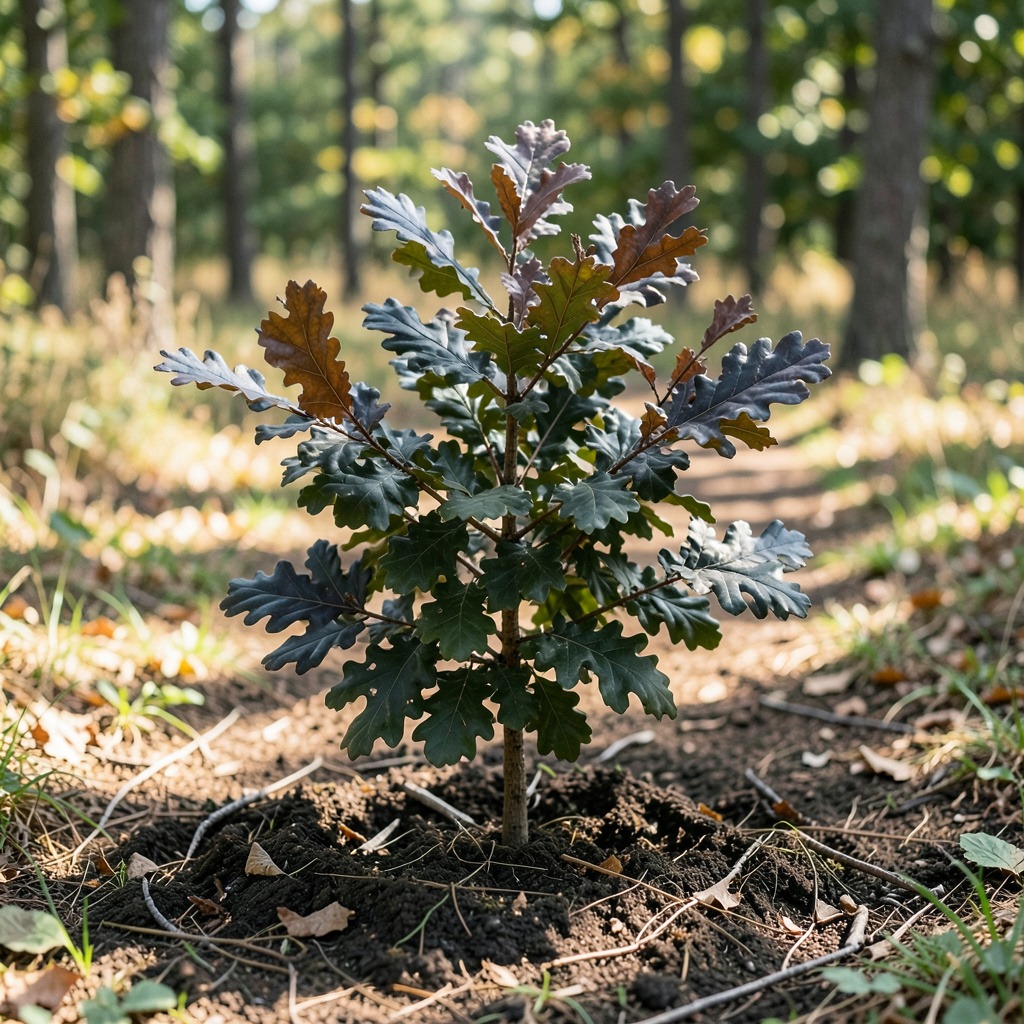
Understanding Black Oak Trees: Characteristics and Benefits
Black oak trees (Quercus velutina) are vital components of their ecosystems. They offer numerous benefits, from providing habitat for wildlife to producing acorns that serve as a crucial food source.
Ecological Importance of Black Oak Trees
Black oaks play a significant role in their native environments. Each tree can produce over 20,000 acorns in a mast year, supporting a diverse array of wildlife. Species such as deer, raccoons, and various birds rely on these acorns for nourishment. Notably, blue jays act as important seed distributors, burying acorns that may sprout into new trees.
The dense canopy of black oaks also provides nesting habitats for many bird species, including songbirds and woodpeckers. This habitat support enhances local biodiversity, making black oaks essential for healthy ecosystems.
Characteristics of Black Oak
Black oaks can grow large, reaching heights of up to 150 feet. They thrive in full sun and prefer well-drained, slightly acidic soils. These trees typically require a minimum of six hours of direct sunlight daily to flourish. When planting, it’s crucial to space them at least 40 feet apart due to their extensive canopy.
Black oaks are not particularly finicky about soil conditions, but optimal growth occurs in well-drained environments. Once established, they need minimal additional watering, making them relatively low-maintenance.
Table of Contents
Quick Facts about Black Oak Trees
- Height: Up to 150 feet
- Sunlight: Requires full sun (6+ hours daily)
- Soil: Prefers well-drained, slightly acidic soil
- Acorn Production: Can produce over 20,000 acorns in a mast year
- Wildlife Support: Essential food source for deer, birds, and other wildlife
By understanding the characteristics and ecological benefits of black oaks, you can make informed decisions about planting and caring for these important trees.
Optimal Growing Conditions for Black Oak Planting
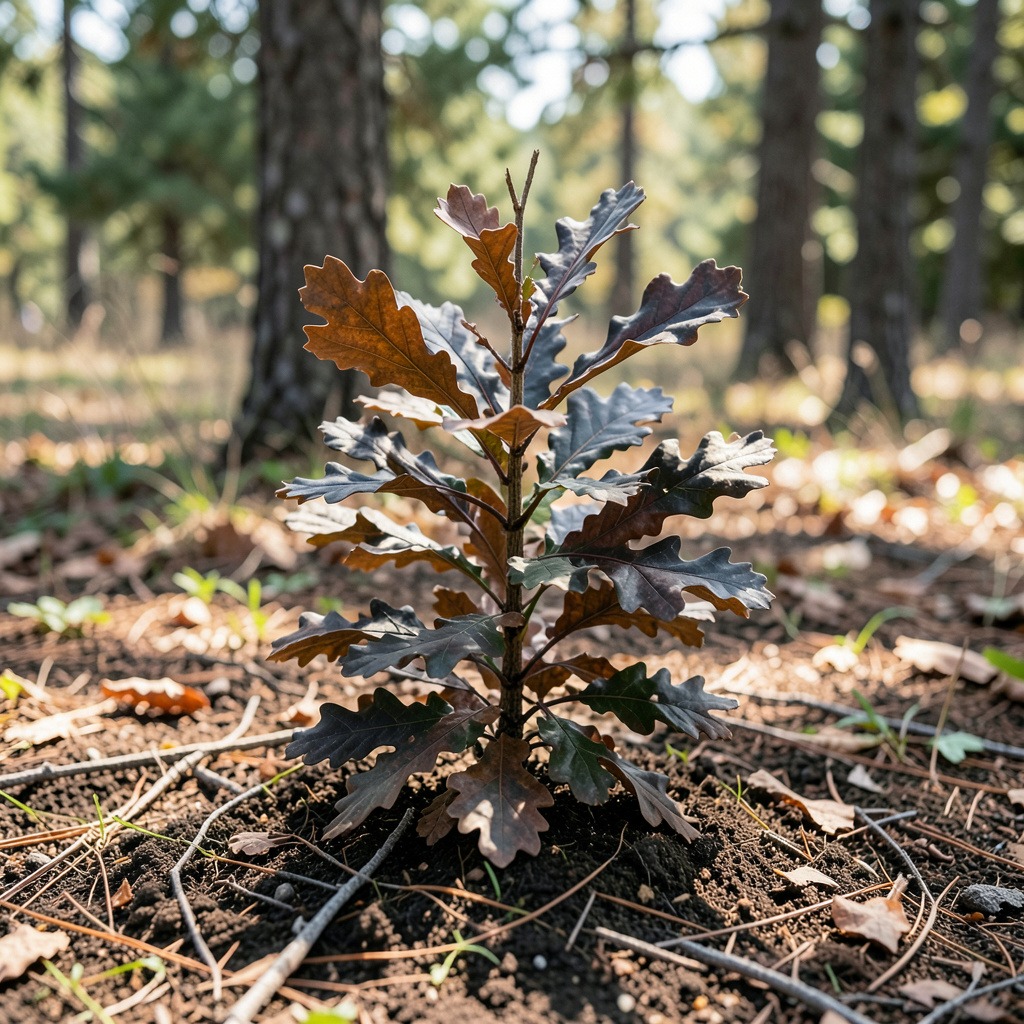
When planting black oaks, understanding their optimal growing conditions is crucial for successful establishment and growth. These trees thrive in specific soil types and require adequate sunlight and climate considerations to flourish.
Soil Requirements for Healthy Growth
Black oaks prefer well-drained, slightly acidic soil. This type of soil supports their root development and overall health. Here are key considerations for soil preparation:
- Drainage: Ensure the soil drains well. Black oaks can tolerate various soil types, including sandy, rocky, and clay soils, as long as there is proper drainage.
- pH Level: Aim for a soil pH between 5.0 and 6.5. Conduct a soil test to determine acidity.
- Organic Matter: Incorporate compost or well-rotted manure to improve soil structure and nutrient availability.
Sunlight and Climate Needs
Black oaks thrive in full sun, requiring a minimum of six hours of direct sunlight daily. They adapt well to different light conditions but perform best in open landscapes. Consider these factors:
- Sunlight: Plant in a sunny location. Avoid deep shade, as it stunts growth in young trees.
- Climate Zones: Black oaks grow in USDA zones 3 through 9. Adjust your planting approach based on regional climate:
- Zone 3-4: Plant in late spring after the last frost. Ensure protection from harsh winter winds.
- Zone 5-6: Spring planting is ideal. Water regularly during dry spells in the first two years.
- Zone 7-9: These areas offer a longer growing season. Plant in early spring or fall, ensuring adequate moisture.
Personalized Planting Timeline
To maximize success, use this planting timeline based on USDA zones:
| USDA Zone | Optimal Planting Time | Watering Needs (First Year) |
|---|---|---|
| 3-4 | Late Spring | Weekly deep watering |
| 5-6 | Early Spring | Twice a month during dry spells |
| 7-9 | Spring or Early Fall | Regular watering until established |
By following these guidelines, you enhance the chances of your black oak growing into a robust and healthy tree, providing ecological benefits to wildlife and the surrounding environment.
Step-by-Step Guide to Planting Black Oaks
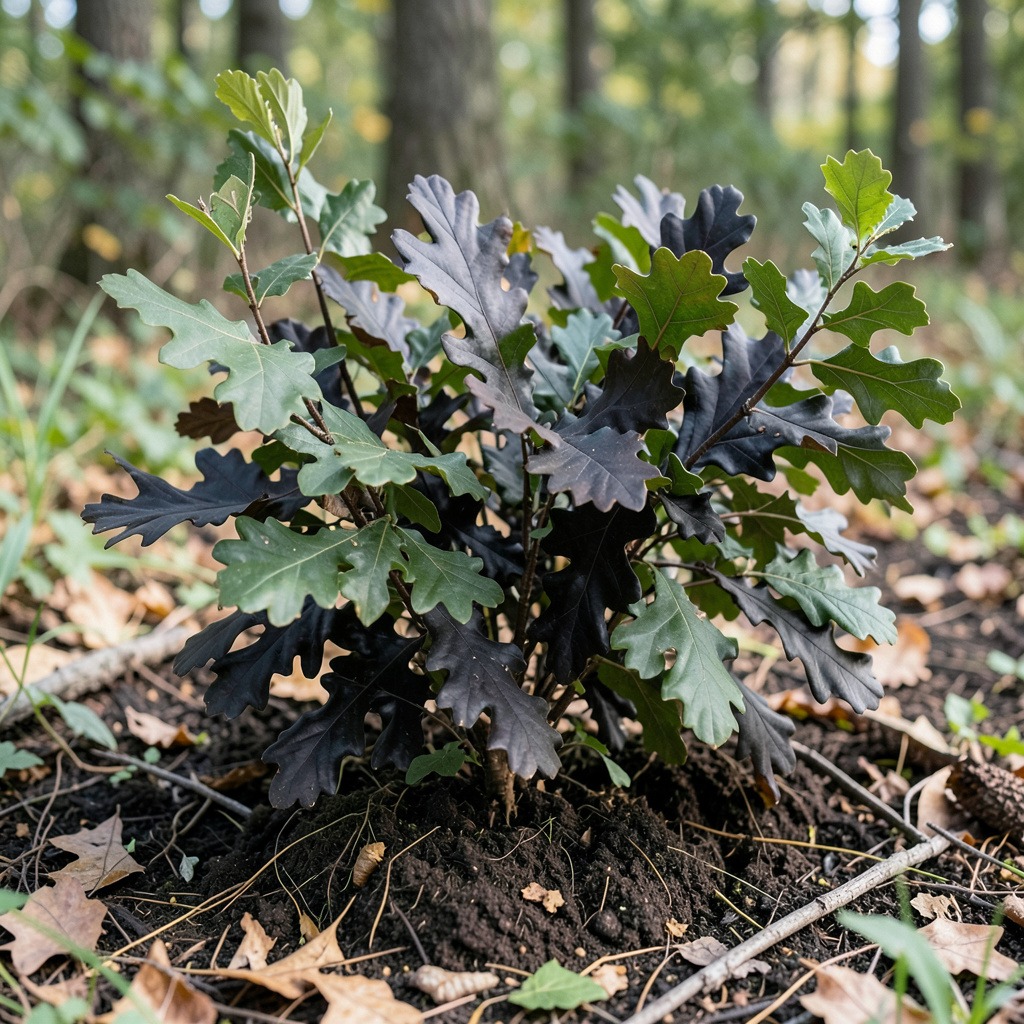
Planting black oak saplings requires careful planning and execution to ensure successful growth. Follow this step-by-step guide for optimal results.
Preparing the Planting Site
1. Select the Right Location: Choose a site that receives at least 6 hours of direct sunlight daily. Black oaks thrive in full sun and will struggle in shaded areas.
2. Soil Assessment: Check the soil drainage. Black oaks prefer well-drained to dry soils and do not do well in heavy clay. If your soil retains water, consider amending it or choosing a different species.
3. Clear the Area: Remove any debris, grass, or competing vegetation from the planting area. This minimizes competition for nutrients and water.
4. Soil Preparation:
- Loosen the soil in a 3-foot radius around the planting hole.
- Mix in compost to improve soil quality and drainage.
Planting Techniques for Success
1. Digging the Hole:
- Dig a hole that is as deep as the root ball and twice as wide. This encourages root expansion.
- Ensure the sides are loose to allow roots to penetrate easily.
2. Positioning the Sapling:
- Place the sapling in the center of the hole. The top of the root ball should be level with the surrounding soil.
- Avoid planting too deep; this can cause root rot.
3. Backfilling the Hole:
- Fill the hole with the original soil, mixing it with compost if necessary.
- Firmly tamp down the soil to eliminate air pockets.
4. Watering:
- Water thoroughly immediately after planting. This helps settle the soil around the roots.
- Continue watering regularly for the first two years, especially during dry spells.
5. Mulching:
- Apply a 3-inch layer of mulch around the base of the sapling. This conserves moisture and suppresses weeds.
- Keep the mulch a few inches away from the trunk to prevent rot.
6. Spacing Considerations:
- Plant black oaks at least 30 feet apart to allow for their mature size.
- Consider the tree’s eventual canopy when selecting planting locations.
Checklist for Planting Black Oaks
- [ ] Select a sunny site (6+ hours of direct sunlight)
- [ ] Ensure well-drained soil
- [ ] Clear area of competition
- [ ] Dig a hole twice the width of the root ball
- [ ] Position sapling at soil level
- [ ] Backfill and tamp soil
- [ ] Water thoroughly
- [ ] Apply mulch appropriately
- [ ] Maintain watering schedule for first two years
By adhering to these steps, you will significantly enhance the chances of your black oak sapling thriving in its new environment.
Care and Maintenance of Black Oak Trees
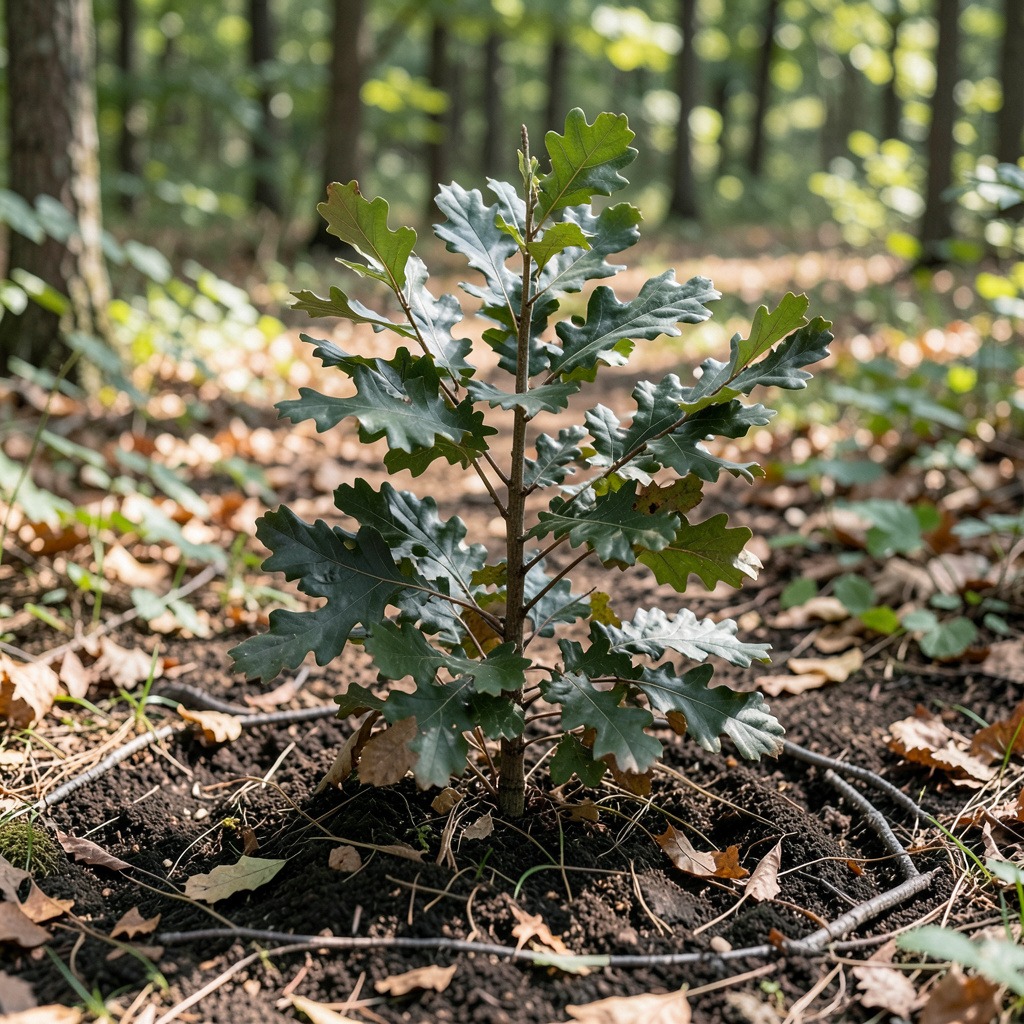
Proper care and maintenance are crucial for the success of black oak trees, especially during their early growth stages. These trees require specific attention to watering, mulching, and pest management to thrive.
Watering and Mulching Techniques
Young black oak saplings benefit from consistent watering, particularly in their first two years. Ensure the soil remains moist but not waterlogged. Here are some key practices:
- Watering Schedule: Water saplings once a week during dry spells. Adjust frequency based on rainfall.
- Mulching: Apply a layer of organic mulch around the base. This helps retain moisture and suppress weeds. Aim for 2-4 inches of mulch, keeping it away from the trunk.
- Signs of Dehydration: Monitor for wilting or premature leaf loss, which may indicate the need for additional water.
Pest Management Strategies
While black oaks are generally resilient, they can be susceptible to certain pests and diseases. Implement these strategies to manage potential threats:
- Common Pests: Watch for oak wilt, aphids, and caterpillars. Regularly inspect leaves and branches for signs of infestation.
- Preventative Measures:
- Prune dead or damaged branches to reduce disease risk.
- Avoid heavy pruning during the growing season to minimize stress on the tree.
- Integrated Pest Management: Use natural predators, such as ladybugs for aphids. If necessary, apply insecticidal soap, ensuring it is suitable for oak trees.
- Monitoring: Regularly check for signs of distress or infestation, especially in warmer months when pests are more active.
By adhering to these watering, mulching, and pest management techniques, you can enhance the health and resilience of your black oak trees, ensuring they thrive in their environment.
Common Issues and Mistakes When Planting Black Oaks
Planting black oaks can be straightforward, but several common challenges may arise. Understanding these issues and avoiding common mistakes will help ensure your black oaks thrive.
Identifying and Overcoming Planting Challenges
1. Incorrect Planting Timing:
Planting black oaks in the wrong season can hinder growth. Aim for early spring or fall. This timing allows roots to establish before extreme temperatures arrive.
2. Soil Conditions:
Black oaks prefer well-drained, slightly acidic soil. Heavy clay or overly rich soils can impede root development. Conduct a soil test to determine pH and amend accordingly, if necessary. Avoid adding organic matter directly to the planting hole.
3. Watering Missteps:
Overwatering is a common issue. While young saplings need regular moisture, established trees require minimal watering. Monitor soil moisture to avoid soggy conditions.
4. Spacing Errors:
Black oaks grow large, needing ample space. Plant them at least 40 feet apart to prevent overcrowding and competition for resources.
Key Mistakes to Avoid
- Neglecting Taproot Care:
Container-grown black oaks may have fragile taproots. When planting, handle them with care to avoid disturbing their growth potential.
- Ignoring Sun Requirements:
These trees thrive in full sunlight. Ensure your planting site receives at least six hours of direct sun daily.
- Poor Mulching Practices:
Mulch is beneficial, but it should not touch the trunk. Apply a 3-inch layer around the base, extending to the drip line. This helps retain moisture and suppress weeds.
Dos and Don’ts Checklist for Successful Black Oak Planting
| Dos | Don’ts |
|---|---|
| Plant in spring or fall | Plant during extreme heat or frost |
| Use well-draining, acidic soil | Amend the hole with rich organic matter |
| Water periodically, especially for saplings | Overwater once established |
| Ensure full sun exposure | Plant in shaded areas |
| Space trees at least 40 feet apart | Crowd plants too closely |
By being aware of these common challenges and mistakes, you can enhance your chances of successfully planting and nurturing black oaks in your landscape.
Comparing Black Oak to Other Oak Species
Black oaks exhibit distinct characteristics and growing conditions compared to other common oak species, such as white oak and red oak. Understanding these differences can help you make informed planting decisions.
Black Oak vs. White Oak
| Feature | Black Oak (Quercus velutina) | White Oak (Quercus alba) |
|---|---|---|
| Bark | Dark, deeply furrowed | Light gray, scaly |
| Inner Bark | Yellow | White |
| Acorn Size | Larger, cup covers half | Smaller, cup covers about 1/4 |
| Leaf Shape | Deeper sinuses | Rounded lobes |
| Sunlight Requirement | Full sun (minimum 6 hours) | Partial to full sun |
| Soil Preference | Well-drained, slightly acidic | Tolerates a wider range |
- Growth Habits: Black oaks thrive in full sunlight, while white oaks can tolerate partial shade.
- Ecological Role: Both species support wildlife, but black oaks produce larger acorns, making them a preferred food source for various animals.
Black Oak vs. Red Oak
| Feature | Black Oak (Quercus velutina) | Red Oak (Quercus rubra) |
|---|---|---|
| Bark | Dark, deeply furrowed | Reddish, shallow fissures |
| Inner Bark | Yellow | Pinkish |
| Acorn Size | Larger, cup covers half | Smaller, cup shallower |
| Leaf Shape | Deeper sinuses | Shallower lobes |
| Growth Rate | Moderate | Fast |
| Wildlife Benefits | High acorn production | High acorn production |
- Growth Habits: Black oaks grow at a moderate rate compared to the faster-growing red oaks.
- Ecological Role: Both species are vital for wildlife, with black oaks serving as critical food sources through their abundant acorn production.
Decision-Making Insights
When choosing between black oak, white oak, and red oak for planting, consider the following:
- Light Requirements: Ensure your selected species matches the sun exposure of your planting site.
- Soil Conditions: Assess soil acidity and drainage to align with the species’ needs.
- Wildlife Support: If attracting wildlife is a priority, black oaks provide significant ecological benefits through their acorns.
By understanding these comparisons, you can select the oak species best suited for your planting goals and landscape conditions.
Alternatives to Black Oak for Planting
If a black oak (Quercus velutina) is not suitable for your planting site, consider several alternative tree species. Each of these alternatives offers unique benefits and can thrive under similar conditions.
Suitable Alternative Trees
1. White Oak (Quercus alba)
- Growing Conditions: Thrives in well-drained soils and tolerates a range of pH levels.
- Ecological Benefits: Supports local wildlife with abundant acorns and dense foliage.
2. Northern Red Oak (Quercus rubra)
- Growing Conditions: Prefers full sun and adapts to various soil types, though it flourishes in slightly acidic soils.
- Ecological Benefits: Provides excellent habitat and food sources for birds and mammals.
3. Shumard Oak (Quercus shumardii)
- Growing Conditions: Grows well in moist, well-drained soils and can tolerate periodic flooding.
- Ecological Benefits: Attracts wildlife with its acorns and offers robust shade.
4. Bur Oak (Quercus macrocarpa)
- Growing Conditions: Tolerates drought and poor soil conditions, making it suitable for urban settings.
- Ecological Benefits: Its acorns are a vital food source for deer and other wildlife.
5. Chinkapin Oak (Quercus muehlenbergii)
- Growing Conditions: Prefers well-drained, sandy soils but adapts to various conditions.
- Ecological Benefits: Produces sweet acorns that are favored by many bird species.
Benefits of Alternative Species
- Wildlife Support: Many oak species produce acorns, which are crucial food sources for birds, squirrels, and other wildlife.
- Soil Adaptability: These alternatives can often thrive in a range of soil types, from acidic to alkaline, enhancing their planting versatility.
- Aesthetic Value: Diverse oak species offer varying leaf shapes and colors, enhancing landscape beauty throughout the seasons.
When selecting an alternative species, consider the specific conditions of your planting site, including soil type, sunlight exposure, and water availability. By understanding these factors, you can choose a tree that not only meets your aesthetic goals but also supports local ecosystems effectively.
Frequently Asked Questions
These quick answers cover the most common questions about this topic, including key details, practical tips, and common concerns.
Is black oak fast growing?
Black oak trees (Quercus velutina) grow at a moderate rate, typically reaching heights of 10 feet in about 5 to 7 years under optimal conditions. While they are not the fastest-growing oaks, their resilience and adaptability make them a solid choice for many landscapes. With proper care, including adequate sunlight and well-drained soil, black oaks can establish themselves effectively.
Why can’t I plant dark oak?
The term “dark oak” may refer to a misunderstanding, as there is no specific tree species called “dark oak.” If you meant black oak, ensure that the planting site has the right conditions: well-drained, slightly acidic soil and full sunlight. If conditions are not suitable, consider alternatives like white oak or red oak, which may thrive better in your specific environment.
What is the best month to plant oak trees?
The ideal months to plant black oak trees vary by USDA zone. Generally, early spring (March to April) or fall (September to October) are the best times. This timing allows the roots to establish before extreme weather conditions. In warmer climates (zones 7-9), early spring or fall planting is also effective, but ensure adequate moisture during dry spells.
How long does it take an oak tree to grow to 10 ft tall?
Under optimal conditions, a black oak tree can reach 10 feet in height within 5 to 7 years. Factors such as soil quality, sunlight, and water availability play significant roles in growth rates. Regular maintenance, including watering and pest management, can enhance growth during the early years.
What wildlife benefits from black oak trees?
Black oak trees provide critical habitat and food sources for various wildlife. Their acorns are particularly valuable, as they can produce over 20,000 acorns in a mast year. Species such as deer, raccoons, and many birds, including blue jays, rely on these acorns for nourishment and act as important seed distributors in the ecosystem.
What are common pests affecting black oak?
Common pests that may affect black oak trees include oak wilt, aphids, and caterpillars. Regular inspections of leaves and branches can help identify early signs of infestation. Implementing integrated pest management strategies, such as using natural predators or insecticidal soap, can effectively control these pests and maintain tree health.
How can I improve soil conditions for black oak?
To improve soil conditions for black oak trees, focus on ensuring good drainage and slightly acidic pH levels (between 5.0 and 6.5). Conduct a soil test to determine existing conditions. Adding compost or well-rotted manure can enhance soil structure and nutrient availability, promoting healthy root development.
Can black oak trees grow in shaded areas?
Black oak trees prefer full sun and require at least six hours of direct sunlight daily for optimal growth. While they may tolerate some shade, planting them in shaded areas can stunt their growth and overall health. For best results, select a sunny location when planting black oaks.