
Black oak trees can experience various problems, including diseases like oak wilt and sudden oak death, as well as pest infestations and environmental stress, which can lead to significant damage if not managed properly.
Table of Contents
Black oaks are resilient but face numerous challenges that can threaten their health and longevity. Understanding these problems, their symptoms, and effective solutions is crucial for maintaining healthy black oak trees and ensuring their vitality in your landscape.
Understanding Black Oak Trees
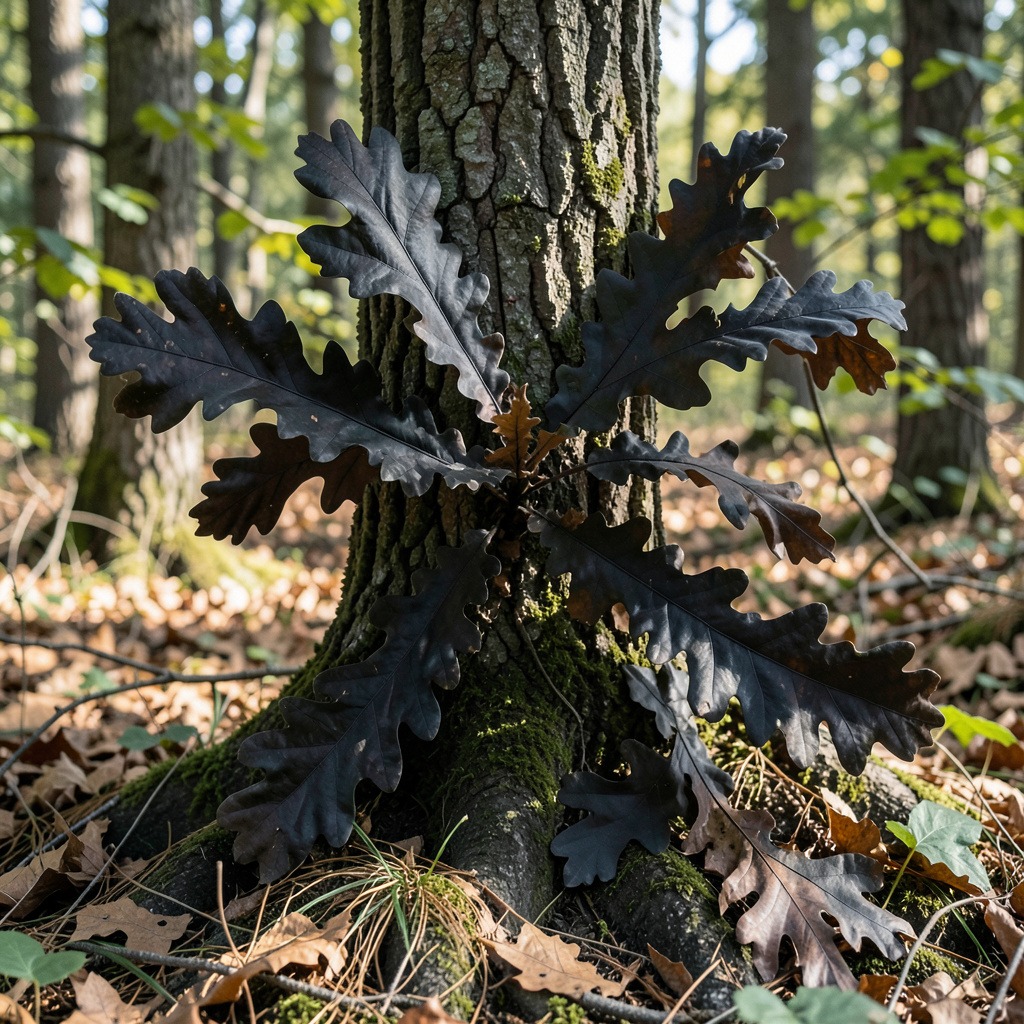
Black oaks (Quercus kelloggii) are significant members of the oak family, valued for their ecological benefits and aesthetic appeal in landscapes. They are known for their resilience but face various challenges that can affect their health.
Characteristics of Black Oaks
- Size and Shape: Black oaks can grow up to 80 feet tall with a broad, rounded canopy. Their sturdy branches provide excellent shade.
- Foliage: The leaves are lobed, dark green in summer, and turn a vibrant red or yellow in autumn.
- Bark: The bark is dark, thick, and deeply furrowed, providing protection against pests and diseases.
Ecological Importance
Black oaks play a crucial role in their ecosystems:
- Habitat: They provide shelter and food for various wildlife, including birds, mammals, and insects.
- Soil Health: Their fallen leaves enrich the soil, promoting biodiversity in flora and fauna.
- Urban Benefits: In urban settings, black oaks help mitigate heat, improve air quality, and reduce stormwater runoff.
Lifespan and Value in Landscapes
Black oaks can live for over 200 years, making them a long-term investment in any landscape. Their majestic stature and seasonal color changes enhance property value. Homeowners and landscapers appreciate them for:
- Shade Provision: They offer substantial shade, reducing cooling costs in summer.
- Aesthetic Appeal: Their striking fall colors and unique bark texture add visual interest.
- Environmental Contributions: They support local ecosystems and contribute to overall environmental health.
Understanding the characteristics and ecological roles of black oaks is vital for managing their health and addressing potential problems effectively.
Common Diseases Affecting Black Oaks
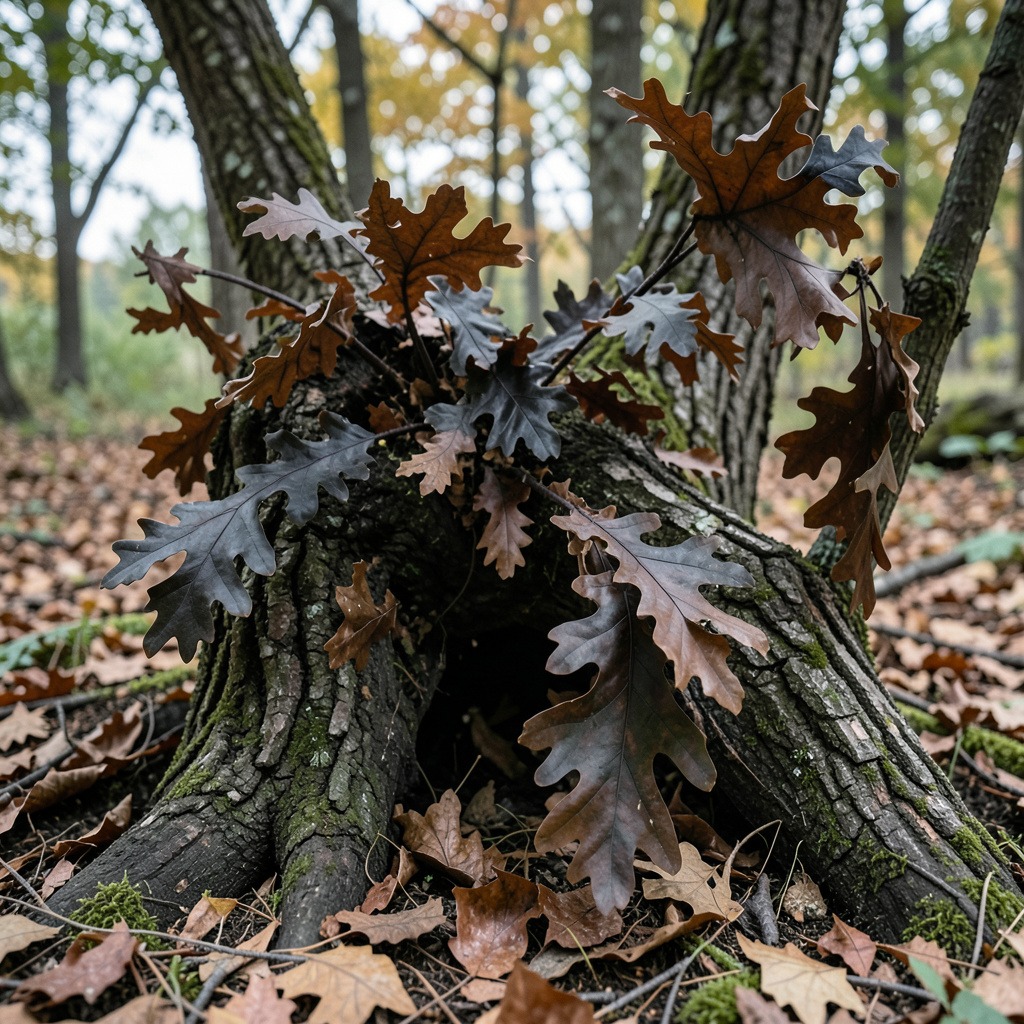
Black oaks are susceptible to several diseases that can significantly impact their health. Understanding these diseases, their symptoms, and treatment options is crucial for effective management.
Oak Wilt: Symptoms and Treatment
Oak wilt is a serious fungal disease affecting black oaks. It disrupts water transport within the tree, leading to rapid decline.
Symptoms:
- Leaves wilt from the top down.
- Affected leaves may appear oily green before turning brown and dropping.
- Trees may exhibit heavy leaf drop, even while still green.
Treatment:
- Immediate removal of infected trees can prevent spread.
- Trenching around the root zone can help contain the disease.
- Fungicide injections may provide some relief if applied early.
Sudden Oak Death: What to Look For
Sudden Oak Death (SOD) is caused by the pathogen Phytophthora ramorum. This disease is particularly destructive to black oaks and other related species.
Symptoms:
- Look for bleeding cankers on the trunk, often appearing as burgundy-red or black sap.
- Canopy dieback occurs rapidly after initial symptoms manifest.
- Infected trees may take years to show symptoms, complicating early detection.
Prevention:
- Remove nearby California bay laurel trees, a known host for the pathogen.
- Maintain tree health through proper watering and nutrient management.
Other Common Oak Diseases
In addition to oak wilt and sudden oak death, black oaks face other diseases that can impact their vitality.
1. Oak Anthracnose:
- Caused by a fungal pathogen, it results in dark spots on leaves.
- Symptoms include leaf drop and twig dieback.
2. Bacterial Leaf Scorch:
- Characterized by scorched leaf edges and premature leaf drop.
- Caused by a bacterial infection affecting the vascular system.
3. Galls:
- Abnormal growths caused by insects or mites.
- Commonly appear on leaves and twigs, leading to aesthetic damage.
Checklist for Identifying Black Oak Problems:
- Monitor for signs of wilting or unusual leaf coloration.
- Inspect trunks for cankers or sap bleeding.
- Regularly check for pests or abnormal growths on leaves.
By staying vigilant and addressing these common diseases, you can significantly enhance the health and longevity of black oaks in your landscape.
Pest Infestations in Black Oaks
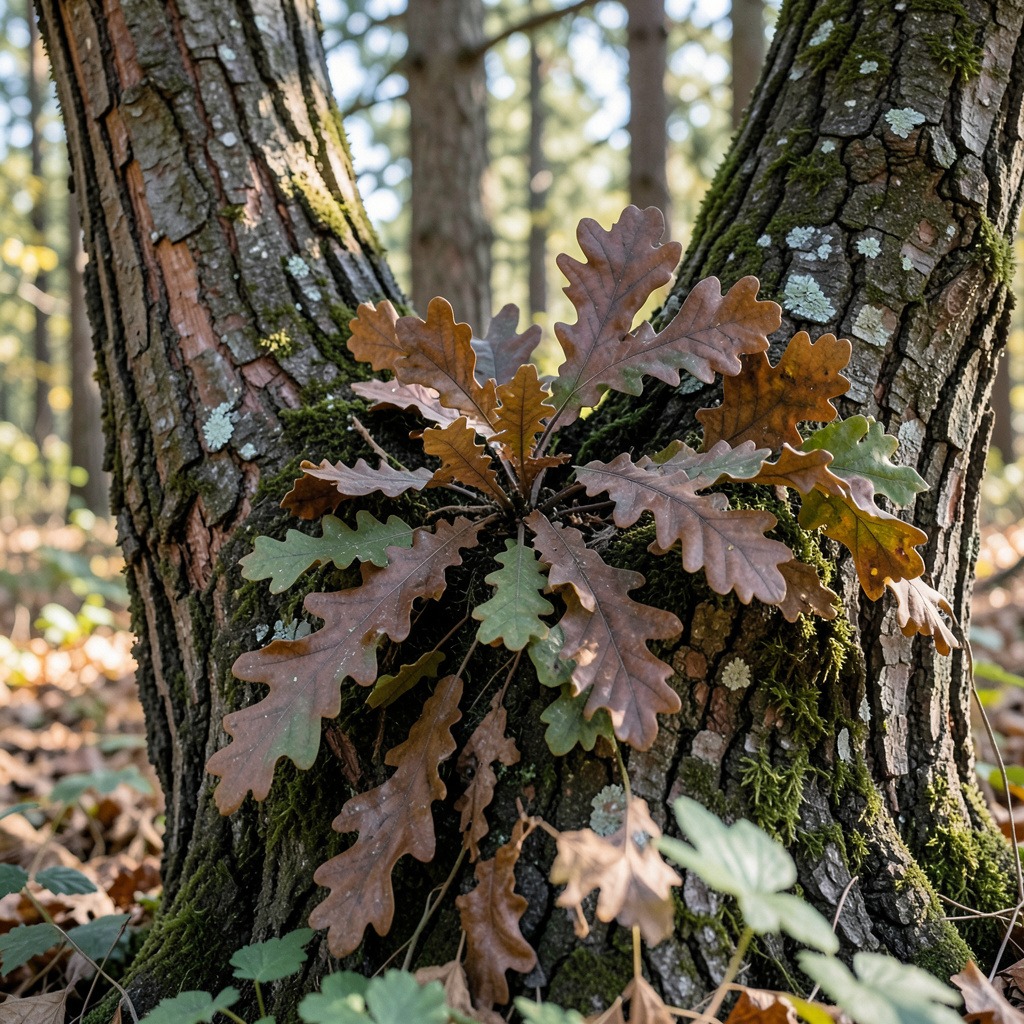
Black oaks are susceptible to various pests that can compromise their health and vitality. Notable among these are gypsy moths and wood-boring insects, each posing unique threats to these majestic trees.
Identifying Pest Problems
Effective management begins with recognizing the signs of pest infestations. Here’s a checklist to help identify common issues:
- Gypsy Moths: Look for defoliation and webbing in the tree canopy. These pests feed on leaves, leading to significant leaf loss.
- Wood-Boring Insects: Inspect for D-shaped exit holes in the bark, which indicate the presence of borers. Additionally, check for frass (sawdust-like material) around the base of the tree.
- Scale Insects: Look for sticky residue on leaves or a white, waxy coating on branches. These insects can weaken the tree by sucking sap.
- Caterpillars: Monitor for clusters of caterpillars and damage to foliage, which can also lead to defoliation.
Effective Pest Control Strategies
Implementing control strategies is essential for managing pest infestations effectively:
1. Cultural Practices:
- Maintain tree health through proper watering and mulching. Healthy trees are more resilient to pests.
- Avoid excessive irrigation, especially in summer. Overwatering can create conditions favorable for root rot and other diseases.
2. Pesticides:
- Use systemic insecticides for severe infestations, particularly for borers. These are absorbed by the tree, providing protection from within.
- Apply horticultural oils to suffocate scale insects and other pests.
3. Monitoring and Traps:
- Regularly check trees for signs of pests. Early detection can prevent severe damage.
- Use pheromone traps to monitor gypsy moth populations. These traps attract male moths, helping to reduce breeding.
4. Professional Help:
- If infestations are severe, consider consulting a certified arborist for targeted treatment and management strategies.
By staying vigilant and employing these strategies, you can effectively manage pest infestations in black oaks, ensuring their health and longevity.
Symptoms of Stress in Black Oaks
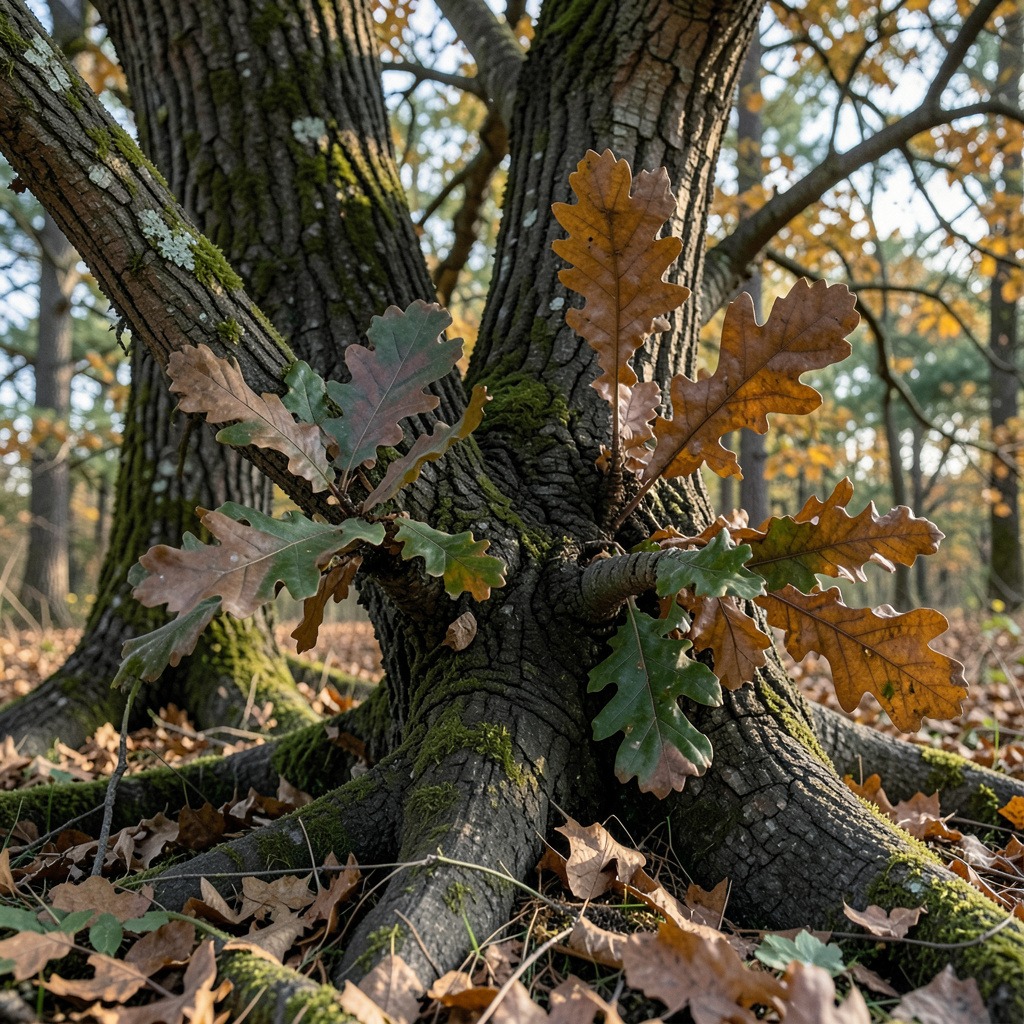
Black oaks can exhibit various symptoms of stress due to diseases, pests, and environmental factors. Recognizing these signs early can help in effective management and treatment.
Recognizing Leaf Scorch
Leaf scorch is a common issue in black oaks, often caused by environmental stressors or bacterial infections. Symptoms include:
- Brown edges on leaves: Leaves may develop a scorched appearance, starting at the margins and moving inward.
- Wilting: Affected leaves may droop or appear limp.
- Premature leaf drop: Trees may shed leaves earlier than usual, particularly in hot, dry conditions.
Bacterial Leaf Scorch (BLS) is caused by the bacterium Xylella fastidiosa, which disrupts water movement within the tree. This condition typically progresses over several years, leading to decline and eventual death if not addressed.
Understanding Root Rot
Root rot is another significant problem for black oaks, primarily caused by pathogens like Armillaria. Symptoms of root rot include:
- Fungal growth: Look for white, fan-shaped fungal structures beneath the bark or near the roots.
- Declining health: Trees may show overall weakness, with stunted growth and sparse foliage.
- Canopy dieback: The upper branches may begin to die off, leading to thinning canopies and reduced leaf density.
Armillaria root rot thrives in warm, wet conditions, often exacerbated by improper irrigation practices. To prevent this disease, avoid watering within the oak’s drip line during summer months.
Diagnostic Tools for Assessing Tree Health
To effectively diagnose issues in black oaks, consider the following tools and methods:
- Visual Inspection: Regularly check for symptoms such as discoloration, wilting, or fungal growth.
- Soil Testing: Assess soil moisture levels and nutrient content to determine if environmental factors are contributing to stress.
- Professional Assessment: Consult an arborist for detailed evaluations and treatment plans if symptoms persist.
By identifying and addressing these symptoms early, you can significantly improve the health and longevity of your black oak trees.
Treatment Options for Black Oak Diseases
Black oaks face various diseases and pests that threaten their health. Effective treatment options exist, ranging from chemical solutions to organic alternatives. Understanding these methods helps in managing black oak problems effectively.
Chemical Treatments
Chemical treatments can provide immediate relief for black oaks suffering from diseases like oak wilt and sudden oak death. Here are key options:
| Treatment | Effectiveness | Environmental Impact |
|---|---|---|
| Potassium Phosphonate | Effective against Sudden Oak Death | Moderate; preventive only |
| Fungicides | Can treat Oak Wilt when applied early | Varies by product; consult labels |
| Insecticides | Targets pests like goldspotted oak borer | High; potential non-target effects |
Potassium Phosphonate is the only approved treatment for Sudden Oak Death in California. It is administered through trunk injection or bark spray. Two applications in the first year are recommended, followed by annual treatments for ongoing protection.
Fungicides can help manage Oak Wilt if applied during the early stages. Timing is critical; once symptoms become severe, the effectiveness diminishes.
Insecticides, particularly systemic options, can protect against pests. However, ensure they are specifically designed for use on oaks to minimize harm to beneficial insects.
Organic Solutions
Organic methods focus on preventive care and minimizing chemical use. These solutions are particularly beneficial for maintaining overall tree health.
- Neem Oil: A natural pesticide effective against various pests. Apply during the growing season for optimal results.
- Beneficial Insects: Introduce predators like ladybugs to control pest populations naturally.
- Soil Amendments: Improve soil health with compost or organic fertilizers to enhance the tree’s resilience against diseases.
Implementing these organic solutions can significantly reduce pest pressure while enhancing the overall vitality of black oaks.
Example Scenario
Consider a black oak exhibiting symptoms of Oak Wilt. An initial inspection reveals wilting leaves and browning. As a first step, applying potassium phosphonate can mitigate the disease’s progress. Concurrently, introducing beneficial insects like ladybugs can help manage any aphid populations that may be exacerbating the tree’s stress. This dual approach addresses both the immediate disease and underlying pest issues, promoting a healthier tree overall.
By utilizing a combination of chemical treatments and organic solutions, homeowners can effectively manage black oak problems and ensure the longevity of these majestic trees.
Preventive Measures for Black Oak Health
Maintaining the health of black oaks involves proactive strategies that address both environmental conditions and routine maintenance. By understanding potential threats and implementing preventive measures, you can significantly enhance the vitality of these trees.
Soil and Water Management
Proper soil and water management are crucial for black oak health. Overwatering can lead to root rot and other complications. Consider the following guidelines:
- Soil Drainage: Ensure soil has good drainage to prevent waterlogging. Black oaks thrive in well-drained soils.
- Watering Schedule: Avoid irrigating during the summer months. Native black oaks are adapted to rainfall and do not require supplemental watering.
- Mulching: Use organic mulch around the base. This conserves moisture, suppresses weeds, and improves soil quality.
Regular Inspections
Frequent inspections help identify early signs of problems. Regular monitoring can prevent serious issues from developing. Follow this seasonal checklist:
- Spring: Check for new leaf growth. Look for discoloration or wilting.
- Summer: Inspect for pests like aphids and beetles. Monitor for signs of stress due to drought.
- Fall: Examine leaf drop patterns. Ensure leaves are not prematurely browning.
- Winter: Assess for bark damage and inspect for signs of fungal infections during dormancy.
By adhering to these preventive measures, you can mitigate risks associated with diseases and pests, ensuring your black oaks remain robust and healthy.
Environmental Stressors Impacting Black Oaks
Environmental factors play a critical role in the health of black oaks. Drought, soil quality, and urban conditions can significantly affect their resilience and growth. Understanding these stressors helps in identifying issues and implementing effective solutions.
Impact of Drought
Drought conditions can severely impact black oaks, leading to water stress that manifests in several ways:
- Wilting Leaves: Leaves may droop and lose turgor pressure.
- Early Leaf Drop: Trees may shed leaves prematurely to conserve water.
- Bark Cracking: Insufficient moisture can cause bark to crack, exposing the tree to pathogens.
Case Study: Drought Recovery
In a recent case, a community in California faced severe drought. Black oaks exhibited symptoms of stress, including wilting and leaf drop. The local arborist implemented a targeted irrigation strategy, using deep watering techniques to reach the root zone. Over the following seasons, the oaks showed significant recovery, regaining their foliage and vigor. This example illustrates the importance of timely intervention.
Soil Quality and Health
Soil quality directly affects the health of black oaks. Poor soil conditions can lead to nutrient deficiencies and reduced root growth. Key soil factors to monitor include:
- pH Levels: Black oaks thrive in slightly acidic to neutral soils (pH 6.0-7.0).
- Organic Matter: High organic content improves soil structure and moisture retention.
- Compaction: Compacted soils restrict root expansion and water absorption.
Decision Framework for Soil Assessment
1. Test Soil pH: Use a home testing kit to ensure pH is within the ideal range.
2. Check for Compaction: Perform a simple test by pushing a narrow stick into the soil; resistance may indicate compaction.
3. Evaluate Organic Matter: Look for a dark, crumbly texture in the topsoil, indicating healthy organic content.
By regularly assessing these factors, you can maintain optimal conditions for black oaks and mitigate stress-related problems.
Comparing Black Oak Problems to Other Oak Species
Black oaks (Quercus kelloggii) face unique challenges compared to other oak species. Understanding these differences can aid in effective management and treatment strategies for black oak problems.
Oak Genetics and Disease Resistance
Genetic factors play a crucial role in the susceptibility of oak species to diseases and pests. Black oaks are particularly vulnerable to specific threats.
- Sudden Oak Death: This disease severely impacts black oaks, leading to rapid decline. Other species, like valley oaks (Quercus lobata), show a higher resistance.
- Goldspotted Oak Borer: Black oaks are primary targets for this invasive pest. In contrast, species like the interior live oak (Quercus wislizeni) are less affected due to their different habitat preferences.
- Oak Wilt: Black oaks are highly susceptible, exhibiting rapid wilting and canopy dieback. In comparison, white oaks (Quercus alba) demonstrate significantly greater resistance to oak wilt.
Regional Variations in Oak Health
The health of oak species can vary significantly based on geographical location and environmental conditions.
- California Black Oak: In California, black oaks experience high levels of stress from drought and invasive pests, leading to increased mortality rates.
- Eastern Red Oak: While also vulnerable, eastern red oaks (Quercus rubra) tend to fare better in humid climates, where they face different pest pressures and diseases.
- Environmental Stressors: Factors such as soil quality, water availability, and temperature fluctuations can exacerbate health issues in black oaks compared to other species.
Comparison Table of Oak Species Susceptibility
| Oak Species | Sudden Oak Death | Goldspotted Oak Borer | Oak Wilt | General Resistance |
|---|---|---|---|---|
| Black Oak (Quercus kelloggii) | High | High | High | Low |
| Valley Oak (Quercus lobata) | Moderate | Low | Low | Moderate |
| White Oak (Quercus alba) | Low | Low | Moderate | High |
This table summarizes the varying susceptibility of black oak and other oak species to common diseases and pests, emphasizing the need for tailored management approaches for black oaks. Understanding these comparisons aids in the development of effective prevention and treatment strategies tailored to black oak health.
Best Practices for Black Oak Care
Maintaining healthy black oaks requires regular monitoring and specific care practices. By understanding the unique needs of these trees, you can prevent common issues and ensure their longevity.
Monitoring Techniques
Regular inspections are essential for catching problems early. Here are key techniques for monitoring your black oaks:
- Visual Inspection: Examine branches and trunks for signs of cankers, bleeding sap, or mushrooms at the base. These can indicate disease.
- Seasonal Checks: Conduct inspections in early spring before leaf-out. This allows for a clearer view of the tree’s structure.
- Soil Assessment: Test soil moisture levels. Black oaks prefer well-drained soil and should not be overwatered, particularly in the summer.
Community Resources for Oak Care
Engaging local resources can enhance black oak care. Consider these options:
- Local Arborists: Consult certified arborists for professional advice on black oak health. They can provide tailored assessments and treatment options.
- Extension Services: Many universities offer extension services that include workshops and resources on tree care.
- Community Programs: Participate in local conservation programs that focus on oak health. These often include educational events and volunteer opportunities for tree care.
Decision Framework for Tree Health Assessment
When assessing the health of black oaks, use the following criteria to guide your decision-making:
1. Visual Symptoms: Are there visible signs of disease or pest damage?
2. Growth Patterns: Is the tree exhibiting stunted growth or abnormal leaf coloration?
3. Environmental Factors: Are there nearby construction activities or changes in landscape that may stress the tree?
By following these best practices, you can significantly improve the health and longevity of your black oak trees.
Conclusion: Protecting Your Black Oak
Proactive care and understanding of black oak problems are essential for their longevity. By being vigilant and informed, you can ensure the health of these majestic trees.
Key Issues Facing Black Oaks
Black oaks face several significant challenges, including:
- Diseases: Oak wilt and sudden oak death are two critical threats. Both can lead to rapid decline and death.
- Pest Infestations: Insects like the gall wasp can cause leaf deformities and weaken the tree.
- Environmental Stressors: Changes in soil conditions, drought, or urban development can adversely affect growth.
Proactive Measures for Oak Health
To effectively safeguard your black oaks, consider the following strategies:
1. Regular Monitoring: Inspect trees frequently for signs of disease or infestation. Look for abnormal leaf color and canopy thinning.
2. Community Involvement: Participate in local conservation programs. These often include tree care workshops and volunteer opportunities.
3. Preventive Treatments: Apply appropriate fungicides and insecticides as needed. Early intervention can prevent widespread damage.
Example Scenario: Successful Recovery
Consider a community that identified a sudden oak death outbreak. Residents organized a monitoring program. They worked together to remove infected trees responsibly and educate others on the signs of disease. Within a few years, their black oak population stabilized, showcasing the power of community action in preserving oak health.
By understanding these issues and implementing preventive measures, you can significantly contribute to the preservation of black oaks in your area.
Frequently Asked Questions
These quick answers cover the most common questions about this topic, including key details, practical tips, and common concerns.
What is the average lifespan of a black oak tree?
Black oak trees can live for over 200 years, making them a long-term investment for landscapes. Their longevity contributes to ecological stability and provides habitat for wildlife. Proper care and management can help maximize their lifespan.
How can you tell if an oak tree is diseased?
Signs of a diseased oak tree include wilting leaves, unusual leaf discoloration, and premature leaf drop. Look for physical symptoms like bleeding cankers on the trunk or mushrooms growing at the base. Regular inspections can help catch these issues early.
Is black oak a good tree?
Yes, black oaks are considered excellent trees for various reasons. They provide substantial shade, enhance property value, and support local ecosystems. Their vibrant fall colors and robust structure make them a popular choice for landscaping.
How to solve California black oak problems?
To address black oak problems in California, start with regular monitoring for diseases like oak wilt and sudden oak death. Implement preventive measures such as proper watering, soil management, and pest control strategies. Consulting a local arborist can also provide tailored solutions based on specific conditions.
What are the signs of a healthy black oak tree?
Healthy black oaks exhibit vibrant green leaves, robust growth, and a full canopy. The bark should be intact without cracks or signs of disease. Additionally, a healthy root system is indicated by stable growth and resistance to pests and diseases.
When should I treat my black oak for pests?
Treat your black oak for pests during the growing season when they are most active. Early spring is ideal for monitoring and applying preventive treatments. If you notice signs of infestation, act quickly to prevent further damage.
How can I prevent diseases in my black oak?
Prevent diseases in black oaks by maintaining soil health and proper watering practices. Avoid overwatering, especially during dry months, and ensure good drainage. Regularly inspect your trees for early signs of disease and consider treatments like fungicides if necessary.