
Black oak wood is durable and versatile, commonly used for furniture and flooring.
Table of Contents
Black oak is a hardwood celebrated for its strength and aesthetic appeal, making it a popular choice in construction and woodworking. However, like any material, it comes with its own set of advantages and disadvantages that potential users should consider.
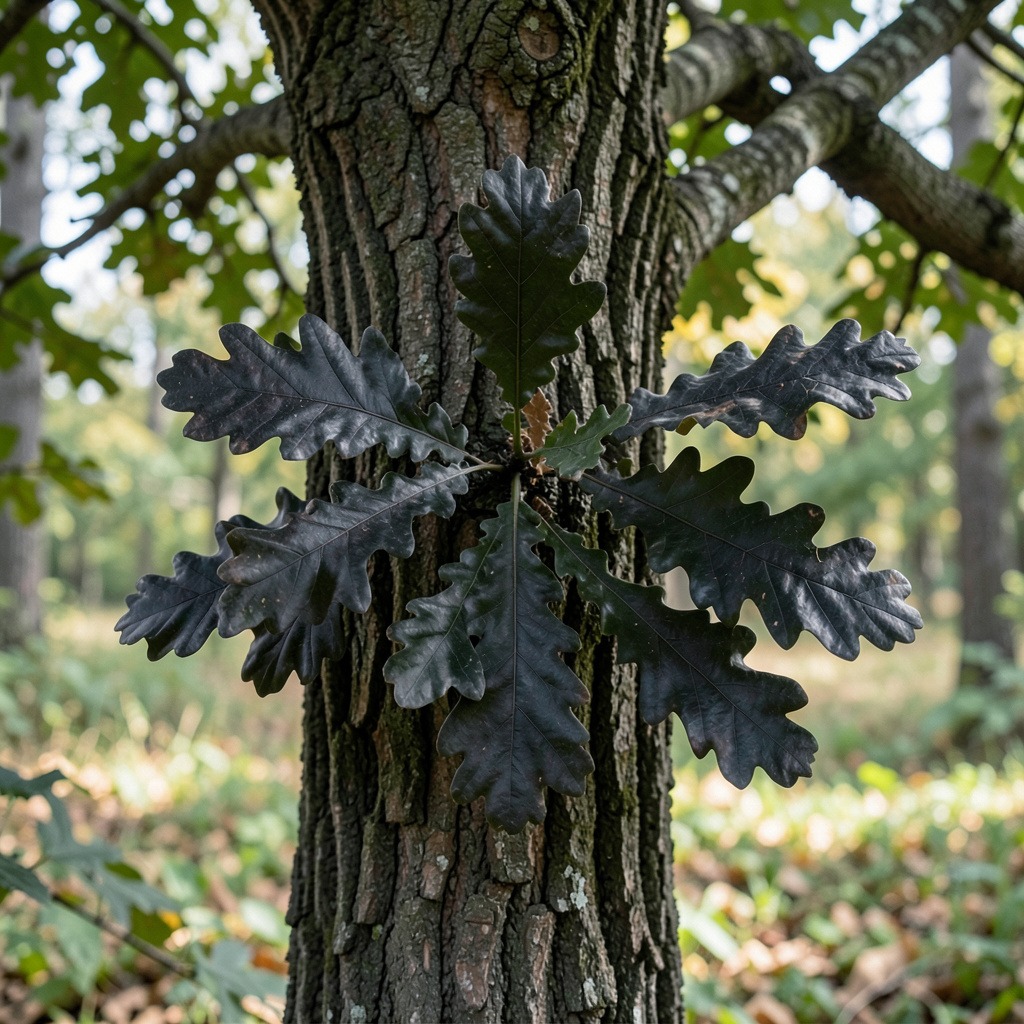
Understanding Black Oak: Characteristics and Properties
Black oak possesses distinctive physical properties that contribute to its desirability in woodworking and construction. Its durability, aesthetic appeal, and workability determine its suitability for various applications.
Physical Properties of Black Oak
Black oak (Quercus velutina) is a hardwood known for its robust nature. It typically features:
- Density: Ranges between 40-45 lbs/ft³.
- Hardness: Rated 1,220 on the Janka hardness scale.
- Durability: Offers moderate resistance to decay but is less resistant than white oak.
These properties make black oak suitable for furniture and cabinetry, although care is needed to maintain its integrity over time.
Aesthetic Appeal and Grain Patterns
Black oak showcases a striking appearance that adds character to any project. It is recognized for:
- Color Variations: Ranges from light brown to deep mahogany.
- Grain Patterns: Features a coarse texture with medium to large pores, often displaying a straight grain but can also be wavy.
These aesthetic qualities make black oak a favored choice for high-end furniture and decorative applications.
Workability and Machinability
Black oak is relatively easy to work with due to its physical properties. However, it does have some considerations:
- Cutting and Shaping: Black oak machines well with standard tools. It can be sanded to a smooth finish.
- Finishing: Accepts stains and finishes effectively, enhancing its color and grain.
When deciding between black oak and other hardwoods, consider project requirements such as durability, aesthetics, and ease of maintenance. For example, if you need a wood for heavy-use furniture, black oak is a solid choice, but for outdoor applications, you might prefer a more rot-resistant option like white oak.
Comparison of Oak Species
Below is a table comparing black oak with other common oak species:
| Property | Black Oak | White Oak | Red Oak |
|---|---|---|---|
| Density (lbs/ft³) | 40-45 | 45-50 | 38-42 |
| Janka Hardness | 1,220 | 1,360 | 1,290 |
| Decay Resistance | Moderate | High | Moderate |
| Color | Light brown to dark | Light to medium brown | Reddish-brown |
| Grain Pattern | Coarse, straight/wavy | Coarse, straight | Coarse, straight |
This comparison highlights that while black oak is durable and visually appealing, it may not match the decay resistance of white oak or the hardness of red oak.
Pros of Black Oak: Why Choose This Wood
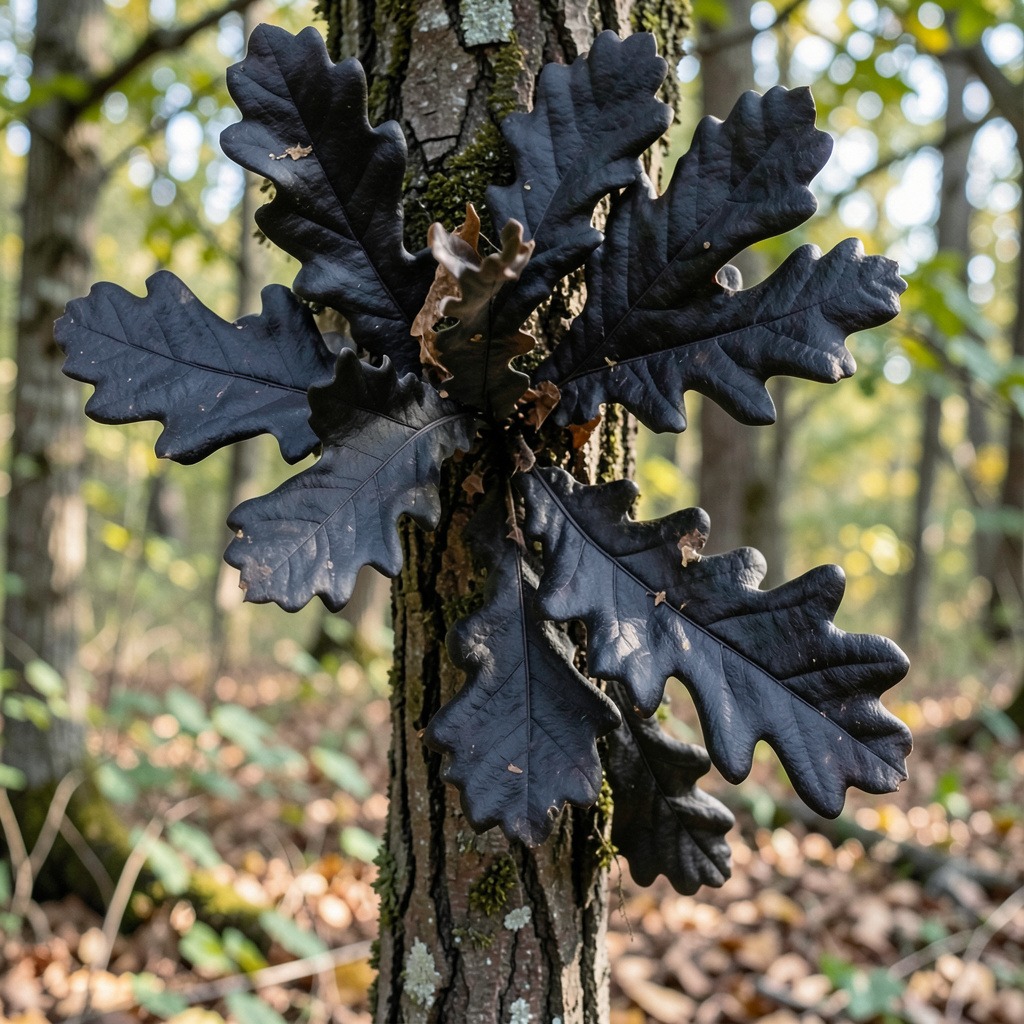
Black oak is a popular choice in woodworking for various reasons, including its durability, aesthetic appeal, and versatility. Understanding these advantages can help you make an informed decision for your projects.
Exceptional Durability
Black oak exhibits notable strength, making it a reliable option for furniture and flooring. Its Janka hardness rating of 1,220 indicates that it can withstand significant wear and tear. While it does not match the decay resistance of white oak, it still shows moderate protection against rot. This durability makes black oak suitable for both indoor and outdoor applications when properly maintained.
Versatile Applications in Woodworking
The aesthetic appeal of black oak is another compelling reason to choose this wood. Its color ranges from light brown to dark reddish-brown, allowing for a variety of design options. The coarse grain pattern adds character to furniture, cabinets, and flooring.
Here are some common applications of black oak:
- Furniture: Ideal for dining tables and chairs due to its robust nature.
- Cabinetry: Provides a sophisticated look while ensuring longevity.
- Flooring: Suitable for high-traffic areas when properly treated.
Real-world examples include notable restaurants and public spaces that have utilized black oak for their furnishings, showcasing its ability to combine beauty with functionality.
Environmental Benefits of Black Oak
Using black oak can be an environmentally responsible choice. This species is often harvested sustainably, ensuring that the ecological balance is maintained. In landscaping, black oak supports local wildlife, providing acorns that are a food source for various animals.
When selecting black oak lumber, consider the following:
- Sustainability: Look for certified sources to ensure responsible harvesting.
- Ecological Impact: Understand the role of black oak in supporting local ecosystems.
Choosing black oak not only enhances your project’s aesthetic but also contributes positively to the environment.
Cons of Black Oak: Considerations Before Use
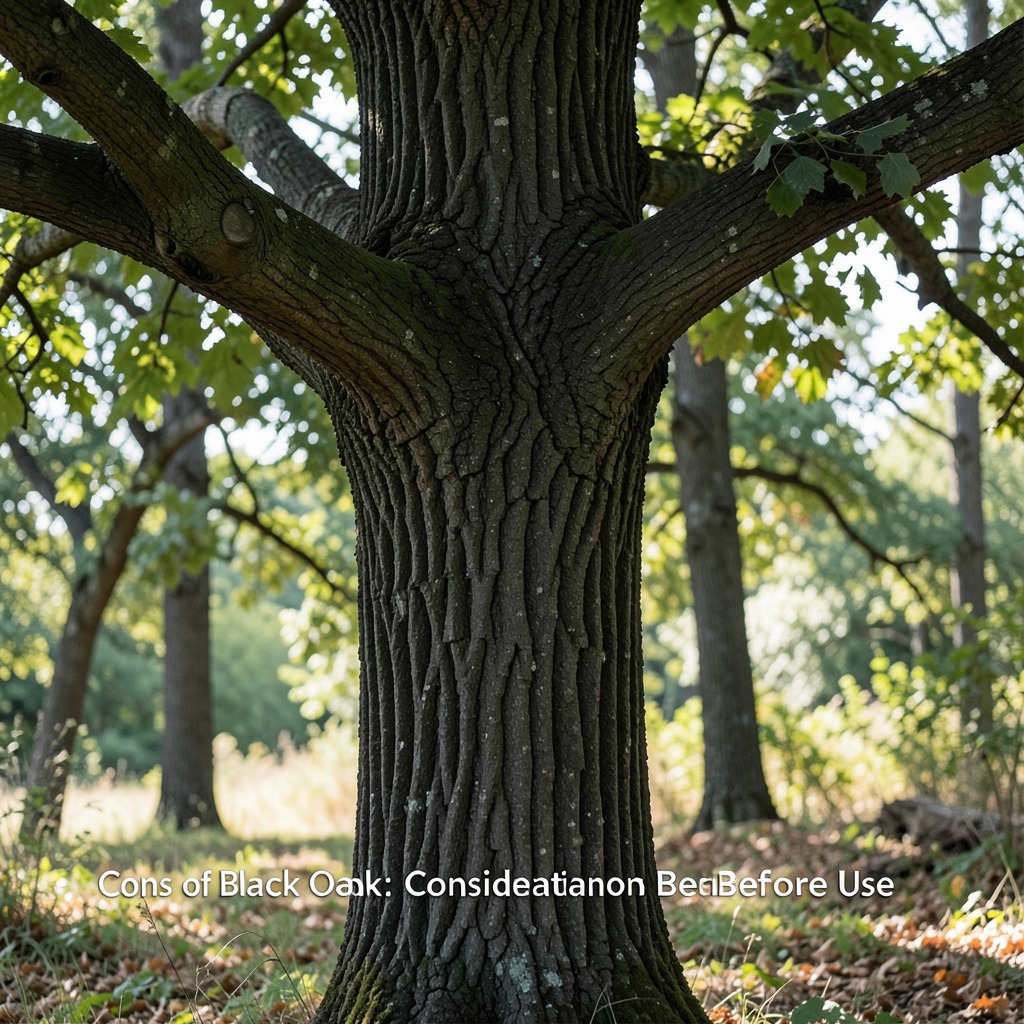
While black oak offers numerous benefits, it also presents several disadvantages that should be considered before use. Understanding these drawbacks can aid in making informed decisions for your projects.
Higher Cost Compared to Other Woods
Black oak tends to be more expensive than other hardwood options, such as red oak or white oak. This cost can be a significant factor, especially for larger projects. Here are some considerations regarding its price:
- Market Demand: Black oak’s unique aesthetic and strength can drive up prices.
- Sourcing: Ensure you are purchasing from sustainable sources, which may also affect cost.
- Investment: While pricier, black oak can add long-term value to your furniture or flooring.
Maintenance and Care Requirements
Maintaining black oak requires a commitment to care that may not be necessary for other types of wood. To extend the lifespan of black oak products, follow this maintenance checklist:
- Regular Dusting: Use a soft cloth to remove dust and dirt.
- Avoid Excess Moisture: Wipe up spills immediately to prevent water damage.
- Finish with Sealant: Apply a protective sealant or wax to enhance durability.
- Temperature Control: Keep black oak away from extreme heat or cold to prevent warping.
Issues with Rot and Decay Resistance
While black oak offers some resistance to decay, it does not match the durability of white oak. Here are key points regarding its susceptibility to rot:
- Moderate Resistance: Black oak shows some degree of protection against decay due to its tannin content, but it is not as robust as white oak.
- Storage Considerations: Proper storage is essential. Black oak firewood, for example, can decay faster than white oak if not stored correctly.
- Treatment Needs: Regular inspection and treatment can help mitigate decay risks.
By weighing these cons against the benefits, you can make a more informed decision on whether black oak is the right choice for your needs.
Black Oak vs. Other Oak Species: A Comparative Analysis
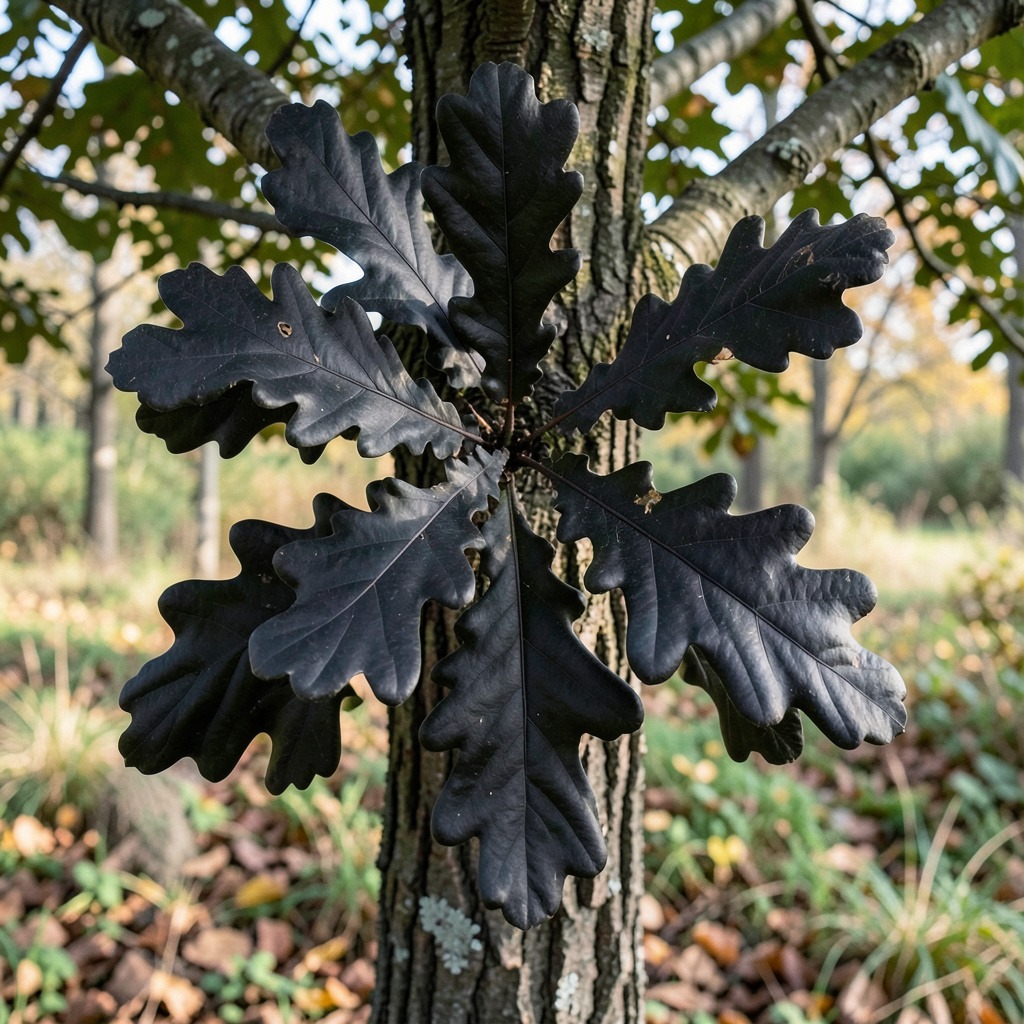
Understanding how black oak stacks up against its counterparts, white oak and red oak, is crucial for making informed decisions. Each species has unique characteristics that influence durability, cost, and optimal applications.
Strength and Durability Comparison
- Black Oak (Quercus velutina):
- Moderate strength and durability.
- Tends to decay faster than white oak but slower than red oak due to lower tannin content.
- White Oak (Quercus alba):
- Exceptional durability and rot resistance.
- Higher tannin levels provide significant protection against decay.
- Red Oak (Quercus rubra):
- Good strength but less durable than white oak.
- More susceptible to decay than black oak, especially if not properly stored.
Visual Comparison Chart:
| Oak Species | Durability | Rot Resistance | Best Use Cases |
|---|---|---|---|
| Black Oak | Moderate | Moderate | Furniture, cabinetry, flooring |
| White Oak | High | High | Outdoor furniture, barrels, flooring |
| Red Oak | Good | Low | Indoor furniture, decorative uses |
Cost Analysis of Different Oak Species
The cost of black oak, white oak, and red oak varies significantly, impacting choice based on budget constraints.
- Black Oak: Generally more affordable than white oak. Prices range from $3 to $7 per board foot.
- White Oak: Typically the most expensive due to its durability and demand. Prices can range from $5 to $15 per board foot.
- Red Oak: Moderately priced. Costs usually fall between $4 and $10 per board foot.
Best Applications for Each Type
Choosing the right oak depends on your project’s specific needs.
- Black Oak:
- Ideal for indoor furniture and cabinetry.
- Suitable for flooring in lower traffic areas.
- White Oak:
- Best for outdoor furniture and high-traffic flooring due to its durability.
- Commonly used in boat building and wine barrels.
- Red Oak:
- Often used in furniture and cabinetry where aesthetics are a priority.
- Not recommended for moisture-prone areas due to lower rot resistance.
Decision Framework:
- For High Durability: Choose white oak for outdoor or high-traffic projects.
- For Budget-Friendly Options: Opt for black oak for indoor uses.
- For Aesthetic Appeal: Select red oak for decorative furniture, keeping in mind its lower durability.
Practical Maintenance Tips for Black Oak Products
Maintaining black oak products is essential to ensure their longevity and aesthetic appeal. Here are some actionable tips for homeowners and woodworkers.
Cleaning and Care Guidelines
Regular cleaning helps preserve the beauty of black oak. Follow these steps for effective maintenance:
- Dust Regularly: Use a soft, dry cloth to dust surfaces weekly. This prevents dirt buildup.
- Damp Cleaning: For deeper cleaning, lightly dampen a cloth with water. Avoid soaking the wood.
- pH-Balanced Cleaners: Use cleaners designed for wood to avoid damage from harsh chemicals.
Refinishing Techniques
Over time, black oak may require refinishing. Here’s how to do it effectively:
- Assess the Finish: Check for wear and scratches. If the surface looks dull, it’s time to refinish.
- Sanding: Lightly sand the surface with fine-grit sandpaper. This removes imperfections and prepares the wood for a new finish.
- Applying Finish: Use a high-quality wood finish, such as oil or varnish, suitable for black oak. Apply evenly with a brush or cloth.
- Curing Time: Allow adequate drying time before using the furniture or flooring.
Seasonal Maintenance Tips
Seasonal changes can impact black oak. Implement these strategies to adapt:
- Humidity Control: Maintain indoor humidity between 30-50%. This prevents wood from warping or cracking.
- Winter Precautions: In winter, use humidifiers to counteract dry air. This preserves the wood’s integrity.
- Sunlight Exposure: Use curtains or UV-filtering films to protect black oak from direct sunlight, which can fade its color over time.
Checklist for Black Oak Maintenance
- [ ] Dust surfaces weekly.
- [ ] Clean with a damp cloth monthly.
- [ ] Inspect for scratches or wear every six months.
- [ ] Refinish as needed, typically every 3-5 years.
- [ ] Monitor humidity levels regularly.
By following these maintenance tips, you can enhance the durability and appearance of your black oak products, ensuring they remain a beautiful addition to your home for years to come.
Conclusion: Weighing the Pros and Cons of Black Oak
Understanding the pros and cons of black oak is essential before making a decision on its use for furniture, flooring, or other applications. This hardwood offers unique characteristics but also presents specific challenges.
Advantages of Black Oak
- Durability: Black oak is a strong hardwood, suitable for a variety of applications. It can withstand everyday wear and tear, making it a good choice for furniture and cabinetry.
- Aesthetic Appeal: The distinctive reddish-brown bark and rich grain patterns enhance the beauty of finished products.
- Versatile Uses: Suitable for both functional and decorative applications, black oak is used in furniture, cabinetry, and flooring.
Disadvantages of Black Oak
- Maintenance Needs: Black oak requires regular care to maintain its appearance. Regular dusting, cleaning, and refinishing every few years are necessary to keep it looking its best.
- Lower Rot Resistance: Compared to white oak, black oak has lower resistance to decay and rot, which may limit its use in outdoor projects.
- Cost Considerations: While it offers beauty and durability, black oak can be more expensive than other hardwoods. Evaluate your budget before making a commitment.
Decision Framework for Choosing Black Oak
When deciding whether to use black oak, consider the following factors:
1. Intended Use: Is the application indoor or outdoor? For outdoor use, consider more rot-resistant options.
2. Aesthetic Preference: Do you prefer the unique look of black oak, or would another type of wood fit better with your design?
3. Maintenance Commitment: Are you prepared to invest time in maintaining the wood?
By weighing these pros and cons, you can make an informed decision about whether black oak is the right choice for your specific needs.
Frequently Asked Questions
These quick answers cover the most common questions about this topic, including key details, practical tips, and common concerns.
What is the average lifespan of a black oak tree?
Black oak trees typically have a lifespan of 100 to 200 years. Under optimal conditions, they can live even longer. Their longevity makes them a valuable addition to landscapes and ecosystems, providing habitat and food for wildlife.
What not to plant under an oak tree?
Avoid planting shallow-rooted plants under an oak tree, as their roots can compete for nutrients and water. Additionally, plants sensitive to shade may struggle in the dense canopy of an oak. Consider ground covers or shade-tolerant species that thrive in lower light conditions.
Is a black oak a good tree?
Yes, black oak is considered a good tree for various reasons. It is valued for its strong wood, which is durable and aesthetically pleasing. Additionally, it supports local wildlife by producing acorns that serve as food for birds and mammals. Its deep roots also help prevent soil erosion.
Is it good to have an oak tree in your yard?
Having an oak tree, including black oak, in your yard can be beneficial. Oak trees provide shade, improve air quality, and enhance property value. They also support biodiversity by attracting various wildlife species. However, consider their size and root system when planting close to structures.
What are the main uses of black oak wood?
Black oak wood is commonly used in furniture, cabinetry, and flooring due to its durability and attractive grain patterns. It is ideal for high-traffic areas and can also be used for decorative applications. Additionally, black oak is sought after for firewood, providing excellent heat output.
How does black oak compare to other oak species?
Black oak is denser and slightly less durable than white oak but more durable than red oak. While black oak has moderate decay resistance, white oak is highly resistant, making it suitable for outdoor applications. In contrast, red oak is softer and more prone to damage but is often favored for its aesthetic appeal.
What maintenance is required for black oak flooring?
Maintaining black oak flooring involves regular dusting and cleaning with a damp cloth to prevent dirt buildup. It’s essential to apply a protective sealant or finish periodically to enhance durability. Avoid excessive moisture and ensure humidity levels are controlled to prevent warping.
Why choose black oak for landscaping?
Black oak is an excellent choice for landscaping due to its robust nature and ability to support local wildlife. Its acorns provide food for various animals, and its canopy offers shade. Additionally, black oak trees can improve soil health and prevent erosion, making them a valuable addition to any garden.