
Black oak roots (Quercus velutina) can reach depths of 3 to 6 feet, providing stability and access to nutrients.
Black oak roots are essential for the stability and health of Quercus velutina, enabling the tree to thrive in various environments. Understanding their characteristics, care, and ecological significance helps in effective management and conservation efforts.
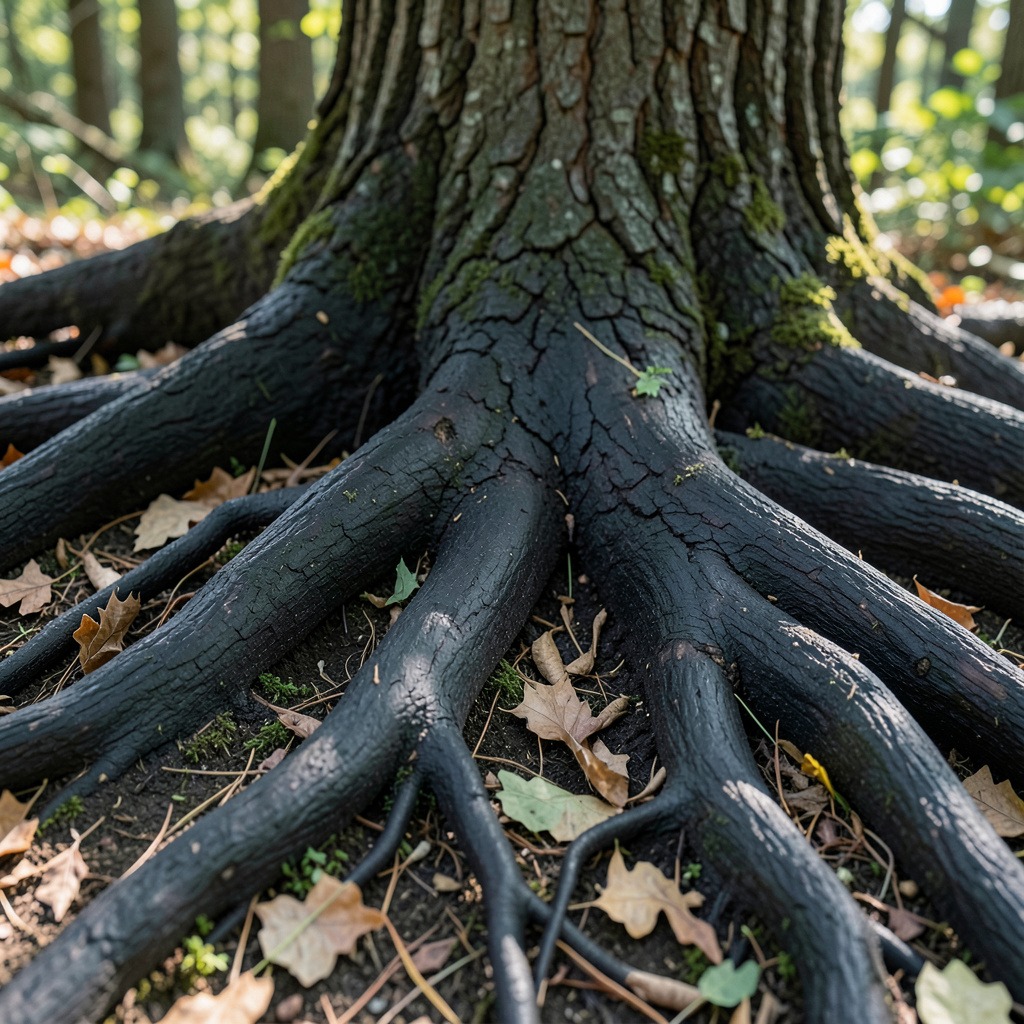
Characteristics of Black Oak Roots
Black oak roots exhibit unique structural features that play a crucial role in the stability and nutrient acquisition of Quercus velutina. Understanding these characteristics is essential for effective management and care.
Tap Root Structure and Function
The tap root of the black oak is robust and deep, providing substantial anchorage in the soil. This structure allows the tree to access water and nutrients from deeper soil layers, which is vital during dry conditions.
- Stability: The tap root extends vertically, stabilizing the tree against wind and erosion.
- Nutrient Access: With a depth of up to 3 feet, it reaches nutrients that surface roots may miss.
Average Root Depth and Spread
Black oak roots typically demonstrate a depth range of 2 to 3 feet but can extend deeper in well-drained soils. The lateral spread can reach up to 30 feet, making it essential to consider space when planting.
- Depth: 2 to 3 feet for optimal growth.
- Spread: Up to 30 feet to accommodate nutrient absorption.
Importance of Root Health
Healthy roots are critical for the overall vitality of black oaks. They help the tree withstand stressors like drought and disease.
- Nutrient Uptake: Healthy roots improve the tree’s ability to absorb essential minerals.
- Disease Resistance: Strong root systems can fend off pathogens and pests, reducing the risk of root rot and other diseases.
Decision Framework for Root Care
When caring for black oak roots, consider the following:
Table of Contents
1. Soil Type: Ensure well-drained soils to prevent waterlogging.
2. Moisture Levels: Monitor moisture, especially in dry spells.
3. Mulching: Use organic mulch to retain soil moisture and regulate temperature.
By understanding these characteristics, you can enhance the growth and ecological role of black oak roots effectively.
Ecological Importance of Black Oak Roots
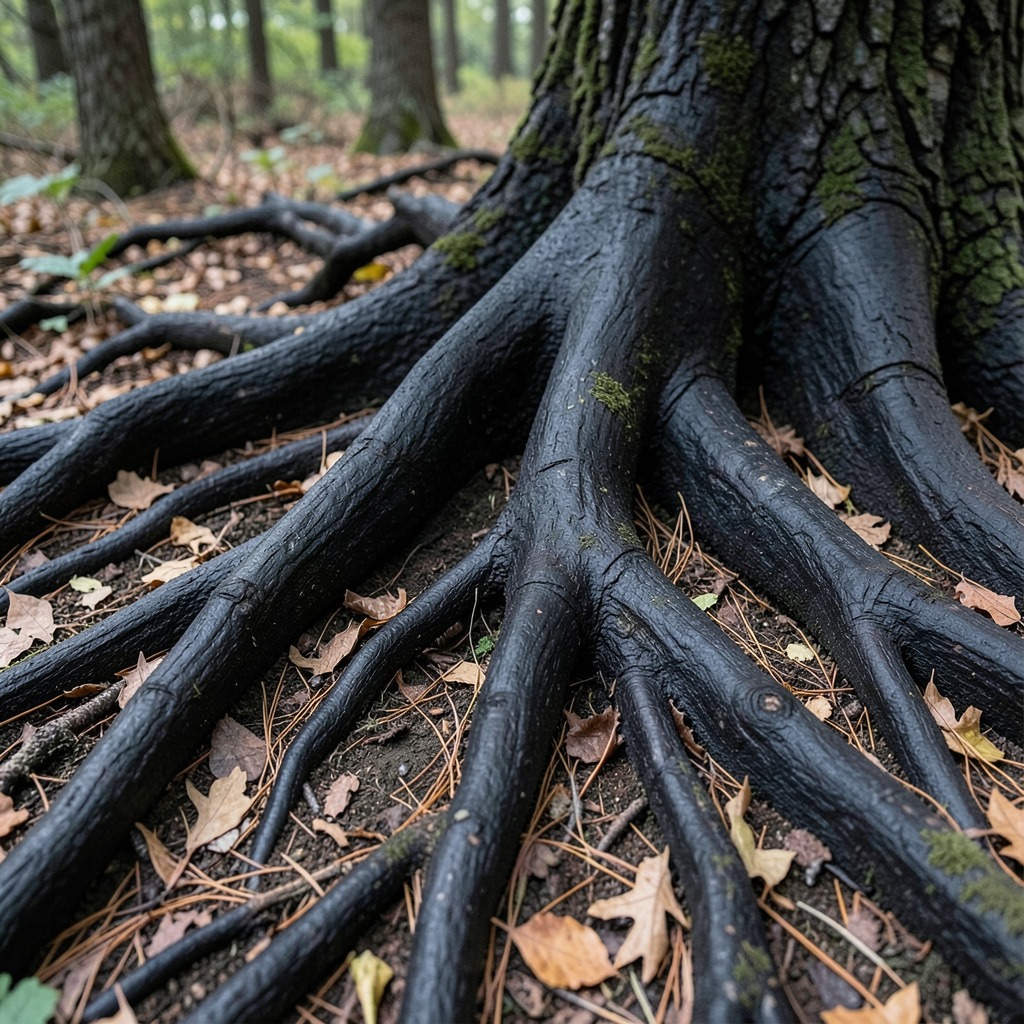
Black oak roots play a pivotal role in maintaining ecosystem health. They enhance soil quality, support local wildlife, and contribute to overall biodiversity.
Role in Soil Health and Erosion Control
Black oak roots anchor the soil and prevent erosion. Their deep taproots penetrate the earth, stabilizing slopes and reducing surface runoff. Additionally, the leaf litter from black oaks enriches the soil with organic matter and aids in nutrient cycling. This process increases soil acidity, which can benefit many native plants and organisms.
Key Benefits:
- Erosion Prevention: Roots stabilize soil and reduce erosion on slopes.
- Soil Enrichment: Leaf litter decomposes, enhancing soil nutrients.
- Moisture Retention: Roots help retain moisture, benefiting surrounding vegetation.
Support for Local Wildlife
Black oak roots create a habitat that supports diverse wildlife. The acorns produced by black oaks are a major food source for numerous animal species, including deer, turkeys, and various birds. These animals depend on the acorns during critical periods, such as winter months when food is scarce. Squirrels, in particular, are known to cache black oak acorns, aiding in seed dispersal and promoting new growth.
Wildlife Interactions:
- Deer: Feed on foliage and acorns.
- Birds: Consume acorns and use the tree for nesting.
- Squirrels: Act as seed dispersers, ensuring the propagation of black oaks.
Contribution to Biodiversity
Black oak roots contribute significantly to forest biodiversity. They provide habitat for many species at various trophic levels. The dense canopy of the black oak offers nesting sites for birds, while the tree itself supports insects and fungi that enrich the ecosystem. The diverse interactions between black oaks and other flora and fauna create a robust ecological network.
Biodiversity Highlights:
- Habitat: Supports hundreds of species, including songbirds and raptors.
- Food Web: Acorns link primary producers to higher trophic levels, facilitating energy flow in the ecosystem.
- Species Interactions: Black oak trees often coexist with other tree species, enhancing overall forest health.
In summary, black oak roots are integral to the ecological fabric of their environments. Their contributions to soil health, wildlife support, and biodiversity ensure they remain a vital component of eastern North American forests.
Care and Maintenance of Black Oak Roots
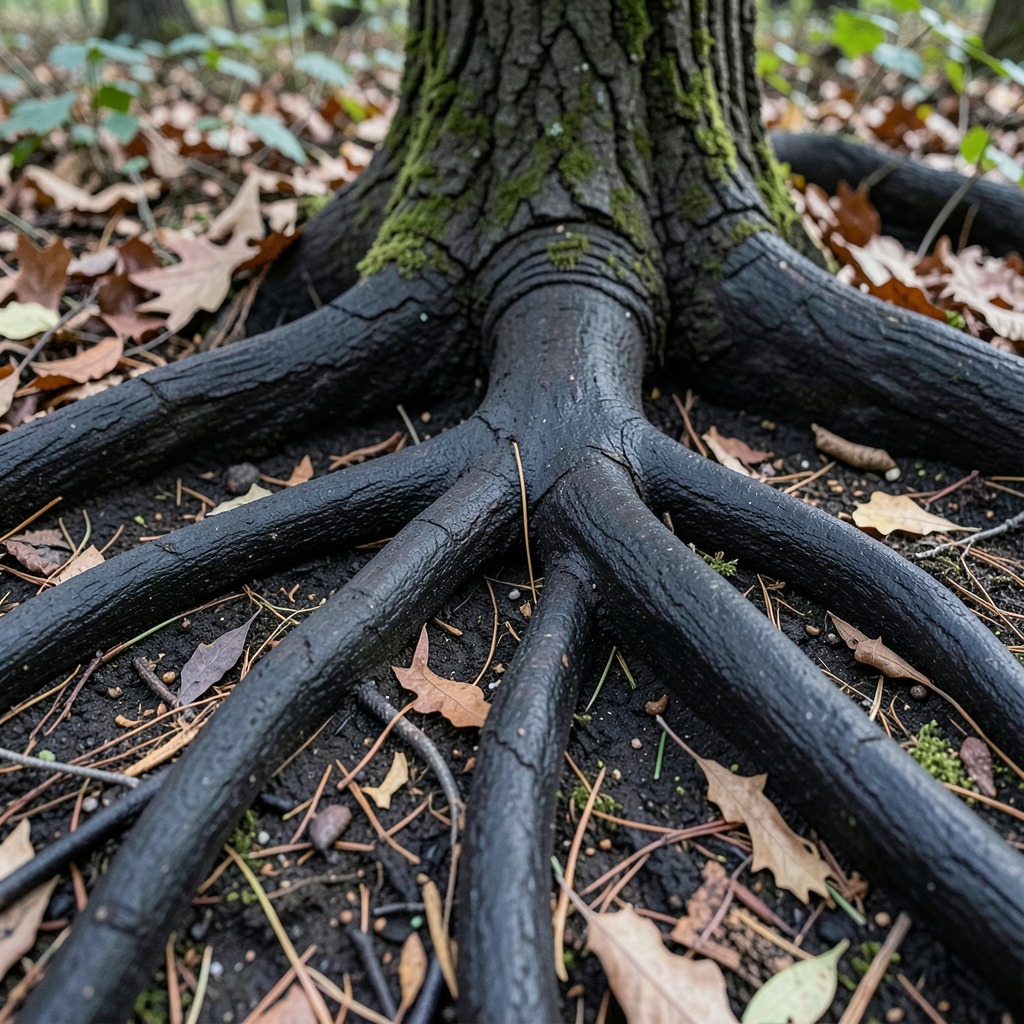
Caring for black oak roots is essential for their growth and longevity. Proper soil conditions, watering practices, and disease prevention measures play a critical role in maintaining healthy roots.
Ideal Soil Types and Conditions
Black oaks thrive in specific soil environments. Here are the ideal conditions for successful root development:
- Soil Type: Well-drained sandy, rocky, or loamy soils are preferred. Avoid heavy clay or poorly drained soils.
- pH Level: Aim for soil pH below 7.0. Acidic to neutral soils enhance root health.
- Drainage: Ensure excellent drainage to prevent root rot. Waterlogged conditions are detrimental to root systems.
- Organic Matter: While black oaks can tolerate low organic matter, incorporating organic mulch can improve soil structure and moisture retention.
Watering Practices for Optimal Growth
Watering is crucial for establishing strong black oak roots. Follow these guidelines:
- Initial Watering: Water young trees deeply during the first growing season to encourage root development. Aim for 1-2 inches of water per week, especially in dry spells.
- Established Trees: Once established (3-5 years), black oaks generally require little supplemental irrigation. Monitor moisture levels during droughts.
- Avoid Overwatering: Regularly check soil moisture. Overwatering can lead to root stress and disease.
Signs of Root Stress and Disease
Identifying early signs of root stress is vital for intervention. Look for these indicators:
- Wilting Leaves: Leaves may droop or appear scorched.
- Stunted Growth: A lack of new growth can indicate root issues.
- Fungal Growth: Observe the base of the tree for mushrooms or other fungal growth, which may signal root rot.
- Bark Cracking: Examine the trunk for deep cracks, which can suggest underlying root problems.
Checklist for Optimal Care
1. Soil Preparation: Test and amend soil pH and drainage as needed.
2. Watering Schedule: Establish a regular watering routine, especially for young trees.
3. Mulching: Apply organic mulch around the base to retain moisture and regulate temperature.
4. Monitor Growth: Regularly inspect for signs of stress or disease.
5. Pruning: Remove dead or damaged branches to promote healthy growth and airflow.
By following these care and maintenance practices, you can ensure that black oak roots remain healthy and robust.
Common Issues with Black Oak Roots
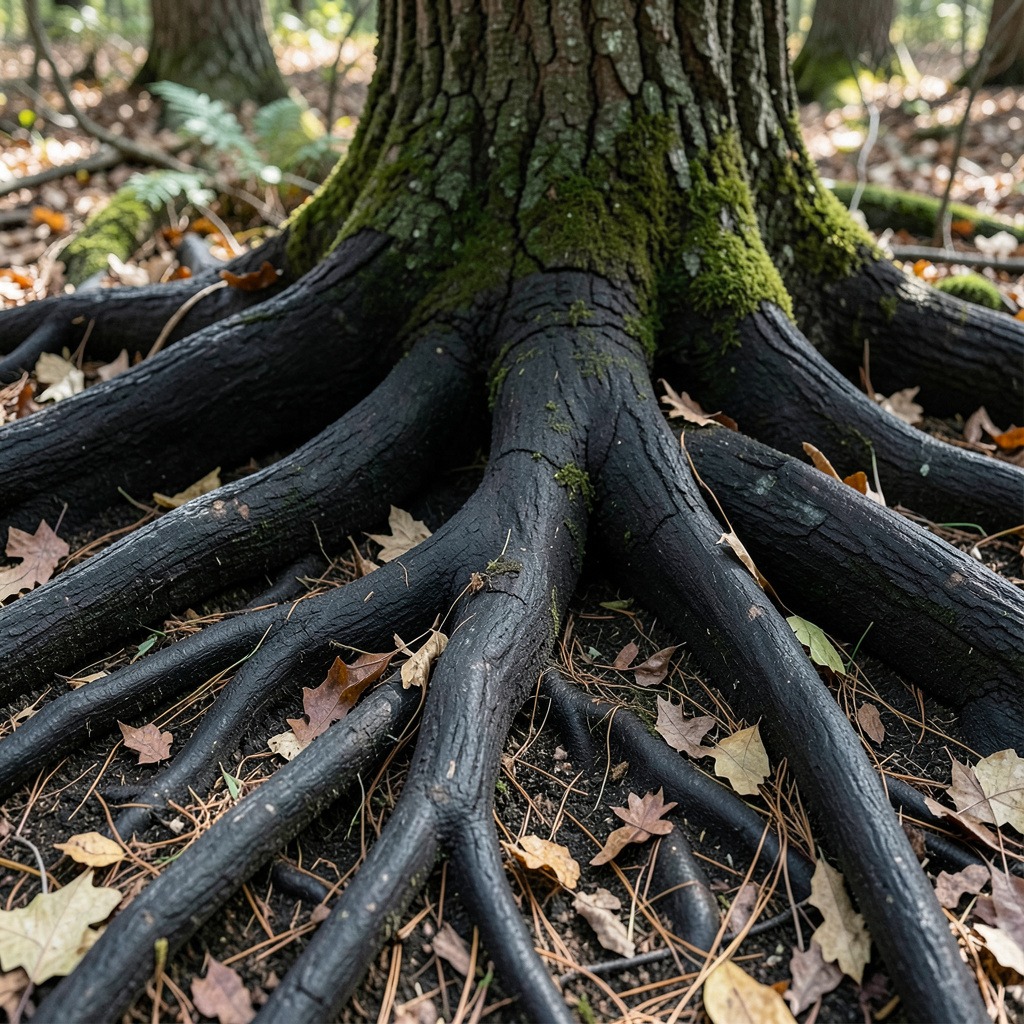
Black oak roots can face several challenges that affect their health and longevity. Understanding these issues is crucial for effective management and care.
Recognizing Root Rot and Its Causes
Root rot is a common ailment affecting black oak trees. It typically occurs due to poor drainage or overly wet conditions. The primary pathogens include Armillaria mellea and Phytophthora cinnamomi.
Symptoms of Root Rot:
- Wilting leaves
- Stunted growth
- Foliage discoloration
- Mushy, discolored roots
Causes of Root Rot:
- Saturated soils
- Heavy clay composition
- Poor drainage
Other Common Root Diseases
In addition to root rot, black oak roots are susceptible to other diseases:
- Cankers: Caused by Strumella and Nectria species, these cankers damage the roots but seldom kill the tree.
- Fungi: Various fungi can attack the roots, leading to decay.
- Nematodes: These microscopic worms can affect root health, causing decline.
Management Strategies for Healthy Roots
Effective management involves monitoring and proactive care. Here are strategies to maintain healthy black oak roots:
1. Soil Assessment: Regularly test soil drainage and pH.
2. Water Management: Ensure proper watering to avoid waterlogged conditions.
3. Mulching: Apply organic mulch to regulate soil moisture and temperature.
Table: Symptoms and Management Strategies for Root Diseases
| Disease | Symptoms | Management Strategies |
|---|---|---|
| Root Rot | Wilting, stunted growth | Improve drainage, avoid overwatering |
| Cankers | Bark lesions, dieback | Prune affected areas, maintain tree health |
| Fungal Infection | Root decay, discoloration | Apply fungicides, improve soil health |
| Nematodes | Stunted roots, decline | Rotate crops, improve soil biodiversity |
By identifying these issues early and implementing effective management strategies, you can help ensure the health of black oak roots and their overall vitality.
Comparing Black Oak to Other Oak Species
Black oak roots exhibit unique characteristics that distinguish them from other oak species. Understanding these differences is crucial for selecting the right tree for various environmental conditions and ecological roles.
Root Depth and Structure Comparison
Black oak (Quercus velutina) roots are known for their deep taproot system, which enhances stability and nutrient access. This contrasts with other oak species like the Northern Red Oak (Quercus rubra), which typically has a shallower, more fibrous root system. Here’s a comparison:
| Oak Species | Root Depth | Root Structure | Ecological Impact |
|---|---|---|---|
| Black Oak | Deep taproot, 3-6 ft | Deep and spreading | Strong drought resistance |
| Northern Red Oak | Shallow, 1-3 ft | Fibrous and wide | Less stable in droughts |
| White Oak (Quercus alba) | Moderate, 2-4 ft | Wide and shallow | Good for moist soils |
Ecological Roles of Different Oak Species
The ecological roles of black oak roots extend beyond their physical structure. Their deep roots help in water retention and soil stabilization, particularly in drier environments. Other oak species, such as the White Oak, play different roles based on their rooting habits.
- Black Oak: Supports diverse wildlife by providing acorns that are a vital food source. The deep roots help maintain soil health and moisture levels.
- Northern Red Oak: More adaptable to varied soil types, but may struggle in prolonged drought conditions due to its shallow roots.
- White Oak: Thrives in well-drained, moist soils and supports a different spectrum of wildlife, including insects that depend on its foliage.
Landscaping Considerations
When choosing an oak for landscaping, consider the following factors related to root systems:
- Soil Type: Black oak prefers well-drained soils. If your site has heavy clay, consider alternatives like the Pin Oak (Quercus palustris), which tolerates wet conditions better.
- Space Requirements: Black oak can grow large, so ensure adequate space for root expansion.
- Ecological Benefits: If supporting wildlife is a goal, black oak is unparalleled in its ability to sustain over 150 animal species through its acorns and leaf litter.
By assessing these factors, you can make informed decisions about incorporating black oak or other oak species into your landscape.
Alternatives to Black Oak for Landscaping
If you’re considering alternatives to black oak for your landscaping needs, several native tree species can provide similar ecological benefits and aesthetic appeal. These alternatives should align with your specific site conditions and wildlife goals.
Other Native Tree Options
1. White Oak (Quercus alba)
- Offers excellent acorns for wildlife.
- Grows well in various soil types, including clay and sandy soils.
2. Northern Red Oak (Quercus rubra)
- Fast-growing with a broad canopy.
- Provides a habitat for numerous bird species.
3. Chinkapin Oak (Quercus muehlenbergii)
- Thrives in dry, well-drained soils.
- Produces sweet acorns favored by wildlife.
4. Bur Oak (Quercus macrocarpa)
- Adaptable to different soil conditions.
- Large acorns are a significant food source for animals.
Pros and Cons of Alternatives
| Tree Species | Pros | Cons |
|---|---|---|
| White Oak | Supports diverse wildlife; long-lived | Slower growth compared to black oak |
| Northern Red Oak | Fast growth; visually striking canopy | Prefers well-drained soils |
| Chinkapin Oak | Sweet acorns; tolerates drought | Limited habitat range |
| Bur Oak | Adapts to various conditions; large acorns | Requires ample space for growth |
Ideal Planting Conditions for Alternatives
When selecting an alternative tree species, consider these factors:
- Soil Requirements: Ensure the alternative species matches your soil type. For example, white oak thrives in various soils, while chinkapin oak prefers well-drained conditions.
- Space Availability: Assess the root system’s space needs. Larger species like bur oak require more room for growth.
- Wildlife Support: Evaluate which species best supports your local wildlife. Northern red oak and white oak both provide ample acorns for birds and mammals.
By comparing these factors, you can make informed choices that support both your landscaping objectives and local ecosystems.
Frequently Asked Questions
These quick answers cover the most common questions about this topic, including key details, practical tips, and common concerns.
Are oak tree roots aggressive?
Yes, oak tree roots can be considered aggressive due to their extensive lateral spread and deep taproot systems. Black oak roots can extend up to 30 feet horizontally and 3 to 6 feet deep, which can potentially disrupt nearby structures, sidewalks, or underground utilities if planted too close.
How close can an oak tree be to your house?
It is generally recommended to plant oak trees, including black oaks, at least 15 to 20 feet away from your house. This distance helps prevent root damage to foundations and minimizes potential interference with plumbing or electrical systems.
How far do oak tree roots go down?
Black oak roots typically grow to a depth of 3 to 6 feet, depending on soil conditions. The deep taproot allows the tree to access water and nutrients from lower soil layers, which is crucial during dry periods.
Is a black oak a good tree?
Yes, black oak is an excellent tree choice for landscaping and ecological purposes. It provides significant wildlife benefits, such as acorns that feed various animals. Additionally, its deep roots contribute to soil stability and prevent erosion, making it a valuable addition to many environments.
What are the best soil conditions for black oak?
Black oaks thrive in well-drained sandy, loamy, or rocky soils with a pH below 7.0. They prefer acidic to neutral soils and should be planted in areas where drainage is excellent to avoid root rot. Adding organic matter can enhance soil structure and moisture retention.
How often should I water my black oak?
During the first growing season, water your black oak deeply once a week, providing 1-2 inches of water, especially during dry spells. Once established (after 3-5 years), black oaks typically require less frequent watering, but monitor soil moisture during drought periods to ensure health.
What wildlife benefits from black oak acorns?
Black oak acorns are a vital food source for many wildlife species, including deer, turkeys, squirrels, and various birds. These acorns are especially important during winter months when food is scarce, supporting diverse animal populations and promoting ecological balance.
When is the best time to plant black oak?
The ideal time to plant black oak trees is in the spring or early fall. Planting during these seasons allows the tree to establish roots before the stress of summer heat or winter cold. Ensure the soil temperature is consistently warm for optimal growth.