
Black oaks (Quercus velutina) typically grow to between 50 and 80 feet tall, with a trunk diameter ranging from 1 to 2.5 feet.
Table of Contents
Black oak trees are a prominent species in eastern and central North America, known for their impressive height and ecological significance. Understanding their size, growth patterns, and habitat requirements is essential for both enthusiasts and landowners alike.
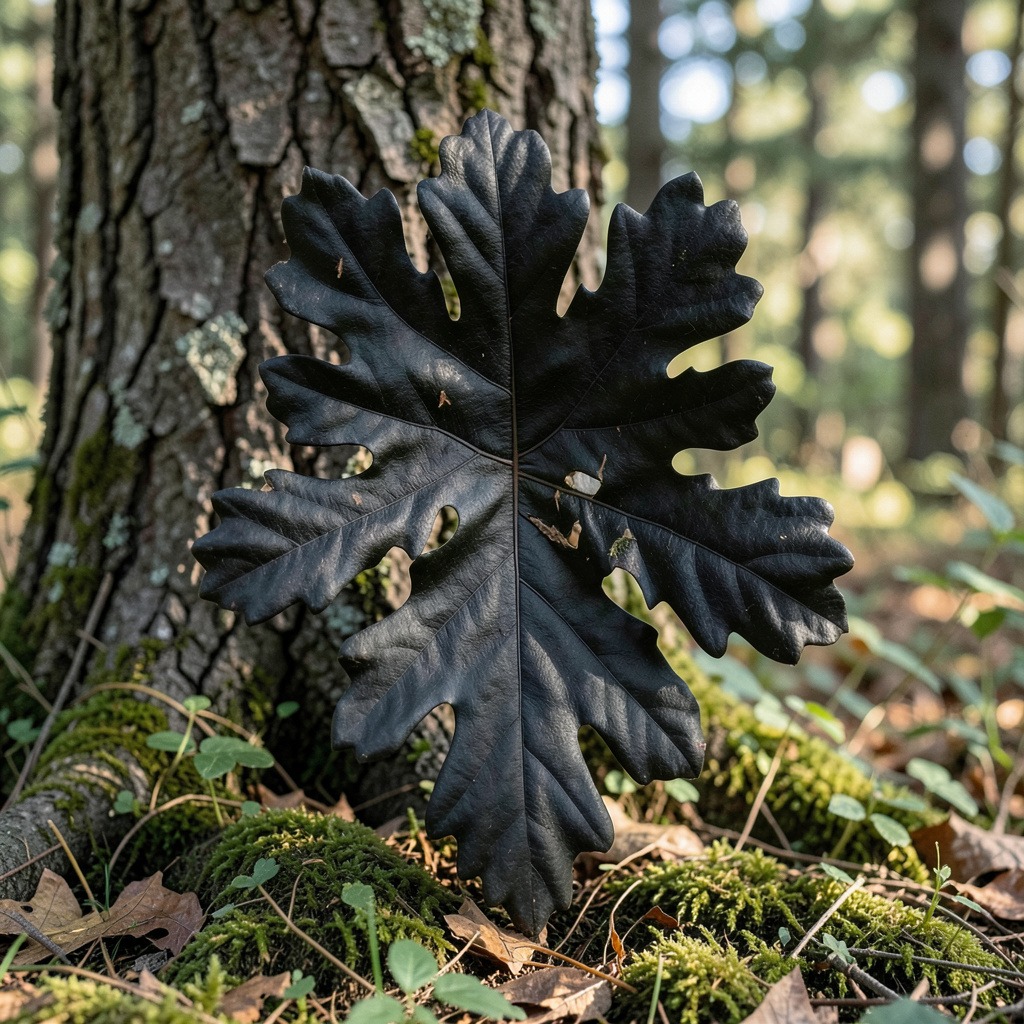
Overview of Black Oak Size and Growth Characteristics
Black oak trees exhibit notable size variations influenced by geographic location and environmental conditions. Understanding these growth characteristics is essential for recognizing their potential in different habitats.
Typical Height and Diameter Ranges
Black oaks typically reach impressive heights and diameters, making them a significant presence in their ecosystems.
- Height: Generally, black oaks grow between 60 to 80 feet tall. However, some specimens can exceed 90 feet in optimal conditions.
- Diameter: The trunk diameter usually ranges from 2 to 4 feet, with maximum sizes reaching up to 5 feet in mature trees.
Factors Influencing Growth
Several factors influence the growth of black oaks, leading to variations in size across different regions:
- Soil Quality: Well-drained, loamy soils promote optimal growth. Poorly drained soils can stunt development.
- Climate: Warmer climates provide a longer growing season, enhancing height and biomass.
- Competition: Trees growing in dense forests may exhibit slower growth due to competition for light and nutrients.
Maximum Recorded Sizes
The maximum recorded sizes of black oak trees provide insight into their potential:
- Height: Records indicate heights of up to 100 feet in exceptional specimens.
- Diameter: The largest recorded black oak had a diameter of approximately 6 feet.
Considering these dimensions, black oaks are among the tallest and largest oaks in North America. Their impressive size contributes to their ecological role, offering habitat and food sources for various wildlife.
By comparing growth trends with other oak species, such as the red oak or white oak, it is evident that black oaks have unique growth patterns. For instance, while red oaks may grow faster initially, black oaks tend to have a longer lifespan and greater maximum sizes under favorable conditions.
Habitat Preferences and Distribution of Black Oak
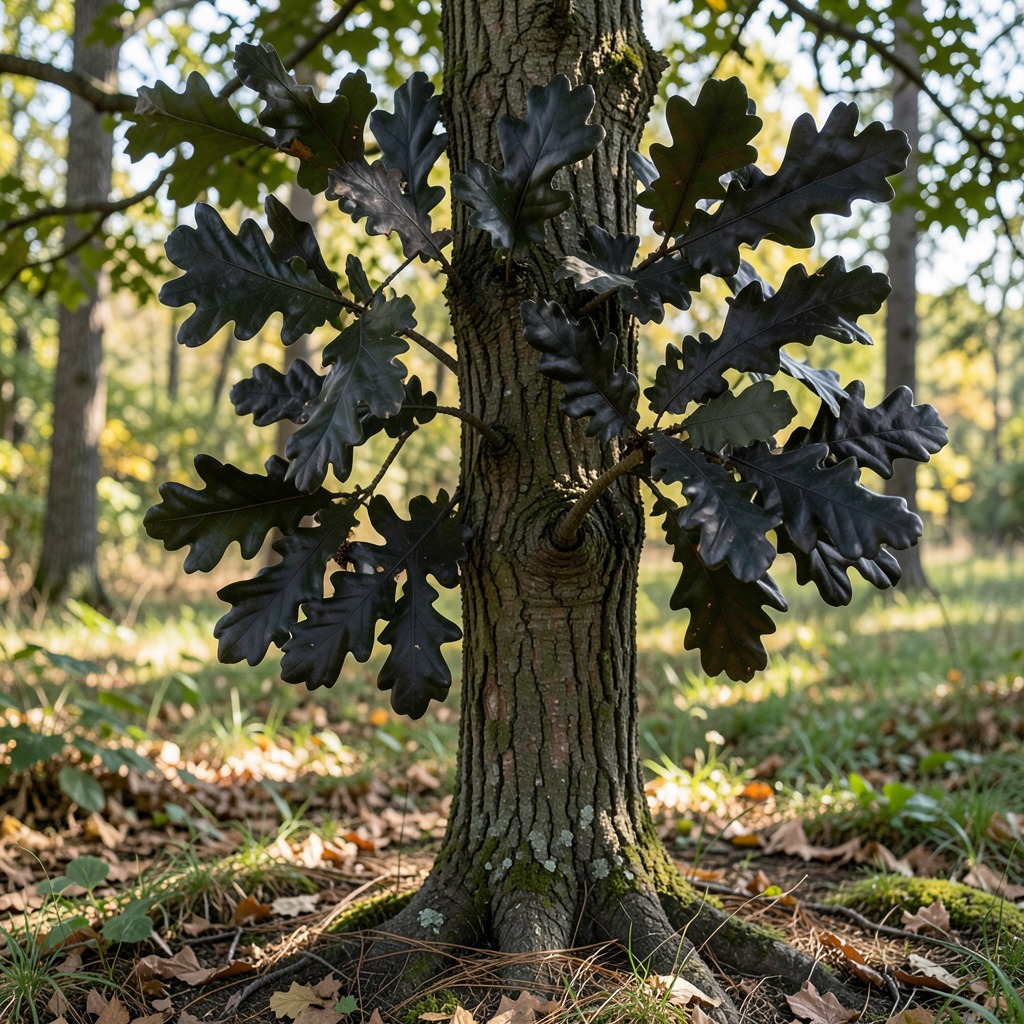
Black oak (Quercus velutina) thrives in specific habitats that support its growth and development. Understanding these conditions helps in recognizing where to find this majestic tree across North America.
Ideal Soil Conditions
Black oak prefers well-drained, fertile soils that can range from slightly acidic to neutral. The following soil types are conducive to its growth:
- Silty clay to loam: Offers good drainage and nutrient availability.
- Udalfs and udolls: These are derived from glacial materials and support black oak well.
- Sandy soils: While less ideal, black oak can adapt to dry and poor sandy conditions.
Climatic Factors Affecting Growth
Black oak grows best in regions with specific climatic conditions, including:
- Full sun exposure: Essential for optimal shape and growth.
- Moisture availability: While adaptable, it prefers areas with sufficient moisture, particularly in its southern range.
- Temperature: Thrives in temperate climates, with some adaptability to warmer zones.
Geographic Distribution Patterns
Black oak has a wide distribution across North America. It typically grows in the following regions:
- Eastern United States: Common from Maine to Florida.
- Great Lakes region: Thrives in areas with rich, well-drained soils.
- Appalachian Mountains: Found at elevations up to 1,200 meters (3,900 feet), especially on cooler, moist slopes.
Visualization of Distribution
An interactive map or infographic can effectively illustrate the geographic distribution of black oak. This visual aid would enhance understanding by showing regions where black oak is most commonly found, helping to identify its habitat preferences visually.
By recognizing these habitat preferences and geographic patterns, one can better appreciate the ecological significance of black oak and its role within forest ecosystems.
Ecological Importance of Black Oak Trees
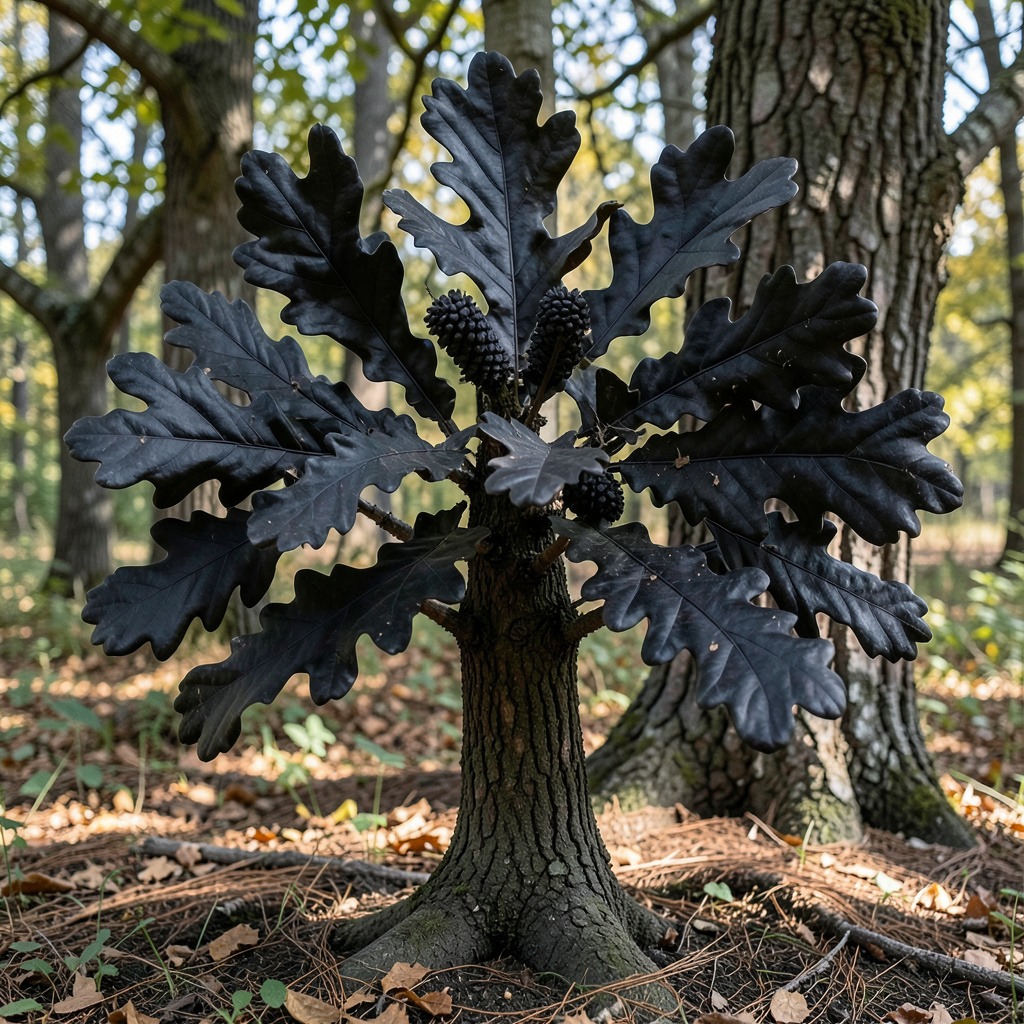
Black oaks (Quercus velutina) play a vital role in forest ecosystems. Their size and growth patterns significantly influence local biodiversity and wildlife habitats.
Habitat for Wildlife
Black oaks provide essential habitats for various wildlife species. Their large, spreading crowns offer shelter and nesting sites for birds and mammals. Key species that depend on black oaks include:
- Birds: Woodpeckers, owls, and songbirds utilize black oak trees for nesting and foraging.
- Mammals: Squirrels and deer rely on acorns as a critical food source during autumn.
- Insects: Many beetles and caterpillars thrive on black oak foliage, supporting the food web.
These interactions demonstrate how black oaks serve as a foundation for diverse animal populations.
Contribution to Ecosystem Health
Black oaks contribute to the overall health of forest ecosystems. Their robust root systems help prevent soil erosion and improve soil quality. As a result, they enhance water retention and nutrient cycling within their environment.
Moreover, black oaks support various fungi and microorganisms that promote soil health. The symbiotic relationships formed through their root systems foster a rich underground ecosystem, crucial for sustaining plant life.
Support for Biodiversity
The presence of black oaks is linked to increased biodiversity in their habitats. They offer food and shelter not only to numerous animal species but also to various plants.
For instance, black oaks often coexist with other tree species, such as white oaks and hickories. This diversity creates a more resilient ecosystem capable of withstanding environmental stressors.
Case Study: In regions where black oaks dominate, studies have shown a higher number of bird species and greater plant diversity compared to areas without these trees. This highlights their critical role in maintaining ecological balance.
In conclusion, the ecological significance of black oaks extends beyond their size. Their contributions to wildlife habitat, ecosystem health, and biodiversity make them a keystone species in many forest environments.
Timber Value and Uses of Black Oak
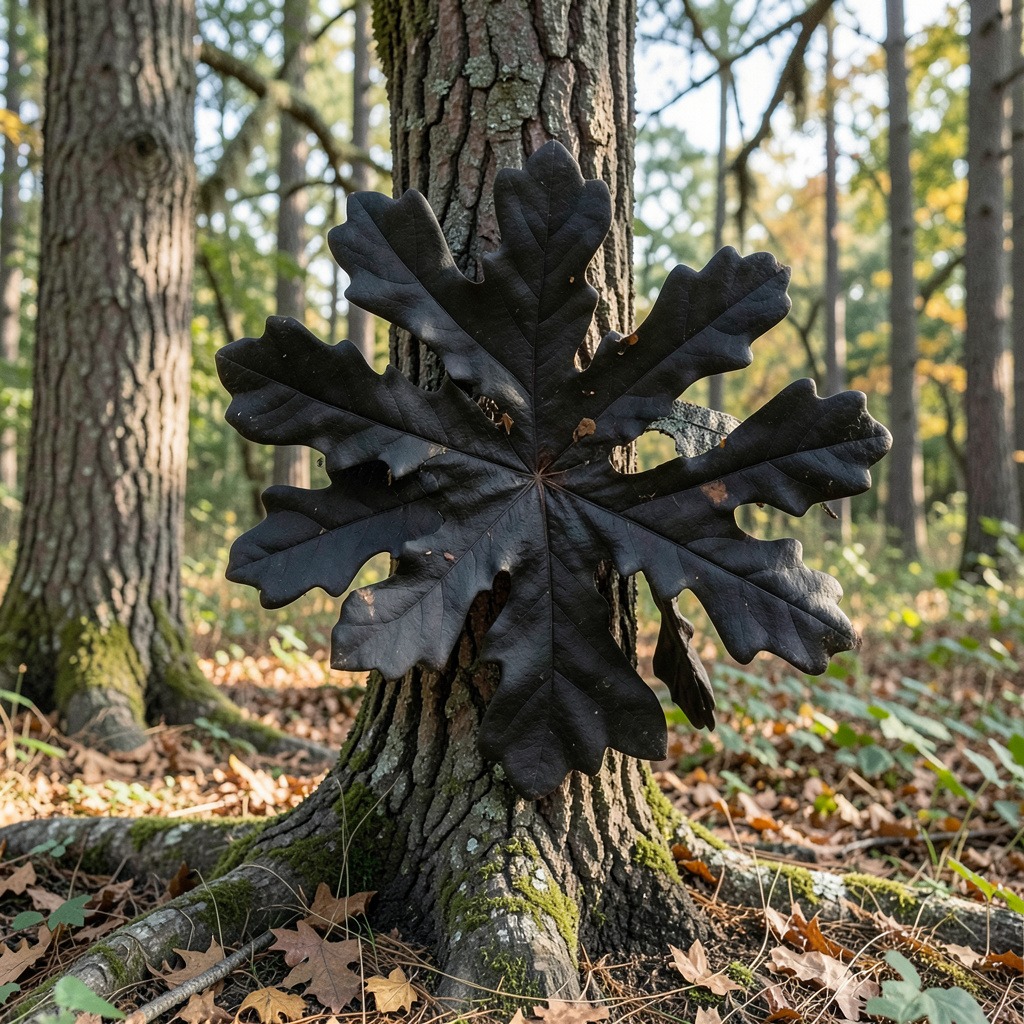
Black oak wood is highly regarded for its strength and durability. Its unique properties make it valuable in various applications, from furniture making to flooring. Understanding these characteristics and uses can highlight the economic significance of black oak compared to other oak species.
Properties of Black Oak Wood
Black oak (Quercus velutina) has distinct properties that set it apart from other oak varieties.
- Density: Approximately 45 lbs/ft³, offering strong structural support.
- Grain: Typically straight with a coarse texture, suitable for various finishes.
- Color: Heartwood ranges from light to dark brown, with a striking visual appeal.
- Durability: Resistant to wear, making it ideal for high-traffic areas.
| Property | Black Oak | White Oak | Red Oak |
|---|---|---|---|
| Density (lbs/ft³) | 45 | 47 | 44 |
| Grain | Straight, coarse | Straight, fine | Open, coarse |
| Color | Brown, dark brown | Light to medium brown | Pinkish to brown |
| Durability | High | Very high | Moderate |
Common Uses and Applications
Black oak’s properties lend themselves to various industries, enhancing its market value. Common applications include:
- Furniture: Ideal for cabinets, tables, and chairs due to its strength and aesthetic.
- Flooring: Preferred for its durability and resistance to scratches.
- Cabinetry: Often used in kitchen and bathroom cabinetry for a robust finish.
- Timber Products: Utilized in construction for structural components.
Comparison with Other Oak Species
When comparing black oak to white and red oak, several factors come into play that influence its economic value.
- Market Demand: Black oak is less commonly used than white oak but offers competitive pricing due to its abundant supply.
- Aesthetic Appeal: Black oak’s unique grain and color can add significant value to artisanal products.
- Functionality: While red oak is popular for its affordability, black oak’s durability makes it a superior choice for long-lasting applications.
Choosing black oak over other species can depend on specific project requirements, such as desired aesthetics and functional durability.
Identification Tips for Black Oak Trees
Identifying black oak trees (Quercus velutina) requires careful observation of their leaves, bark, and overall structure. These characteristics not only distinguish black oaks from other species but also provide insights into their size and growth potential.
Leaf Characteristics
Black oak leaves are notable for their unique lobing and coloration.
- Shape: The leaves are typically 5 to 9 inches long with 7 to 9 lobes. The lobes are deep and sharp.
- Color: Dark green in summer, the leaves turn a vibrant red or yellow in autumn.
- Texture: They possess a glossy upper surface with a velvety underside, which is a key identifier.
Bark Features
The bark of black oak is one of its most distinguishing traits.
- Color: The outer bark is a dark black to dark brown shade, contributing to its name.
- Texture: It has a deeply furrowed and ridged appearance. The grooves are significant and often give the trunk a rugged look.
Overall Tree Structure
The overall structure of a black oak tree can provide essential clues for identification.
- Height: Mature black oaks can reach heights of 60 to 80 feet, with some specimens exceeding 90 feet.
- Diameter: The trunk can be 2 to 4 feet in diameter, tapering as it ascends.
- Crown: The crown tends to be irregular and broad, with twisted branches that create a distinctive silhouette.
Quick Identification Checklist
- Leaves: Check for lobes and glossy texture.
- Bark: Look for dark, deeply furrowed bark.
- Height and Diameter: Measure the tree; mature trees are typically tall and stout.
These identifying features make black oaks easily recognizable, aiding in understanding their size and ecological role.
Common Issues and Care for Black Oak Trees
Black oak trees face several challenges, including pests and diseases. Proper care and maintenance can help ensure their health and longevity.
Common Pests and Diseases
Black oaks can be affected by various pests and diseases. Awareness and early intervention are crucial for maintaining tree health. Here are some common threats:
- Oak Wilt: A fungal disease that can be fatal. It spreads through root grafts.
- Chlorosis: Yellowing leaves indicate nutrient deficiencies, often due to alkaline soils.
- Cankers: Caused by various fungi, these can weaken the tree but rarely kill it.
- Insect Pests: Common pests include gypsy moths, leafminers, and borers. Regular inspections can help catch infestations early.
Care and Maintenance Tips
To promote the health of black oaks, follow these care guidelines:
- Soil Quality: Ensure the soil is acidic. Use organic matter to improve drainage.
- Watering: Water deeply during dry spells. Avoid overwatering, which can lead to root rot.
- Pruning: Remove dead or diseased branches to improve air circulation.
- Fertilization: Use a balanced fertilizer in early spring to support growth.
Signs of a Healthy Black Oak
Identifying a healthy black oak is essential for effective care. Look for the following signs:
- Leaf Color: Vibrant green leaves free of spots or discoloration.
- Bark Integrity: Firm, deeply furrowed bark with no signs of peeling or decay.
- Growth Rate: Steady growth during the growing season, typically 1 to 2 feet per year.
Black Oak Care Checklist
| Care Aspect | Recommended Action |
|---|---|
| Soil Quality | Acidic, well-drained soil |
| Watering | Deep watering during dry spells |
| Pruning | Remove dead or diseased branches |
| Fertilization | Balanced fertilizer in early spring |
| Pest Inspection | Regular checks for pests and diseases |
By understanding common issues and implementing effective care strategies, you can help your black oak thrive.
Frequently Asked Questions
These quick answers cover the most common questions about this topic, including key details, practical tips, and common concerns.
Is a black oak a good tree?
Yes, black oaks (Quercus velutina) are considered good trees for various reasons. They are robust and can grow to impressive heights, making them suitable for large landscapes. Their acorns are a vital food source for wildlife, and they provide excellent shade. Additionally, black oaks contribute to soil health and support diverse ecosystems.
How rare is black oak?
Black oaks are not considered rare; they are widely distributed across eastern and central North America. However, their populations can be threatened by habitat loss and diseases like oak wilt. In certain areas, conservation efforts are crucial to maintain healthy populations.
Do black oaks grow fast?
Black oaks have a moderate growth rate, typically growing 1 to 2 feet per year under optimal conditions. They may take several decades to reach their full height of 60 to 80 feet. Factors like soil quality and competition can influence their growth speed.
Is black oak a valuable wood?
Yes, black oak wood is highly valued for its strength and durability. It is commonly used in furniture, flooring, and cabinetry. Its attractive grain and color also make it a popular choice for decorative items. Compared to other oak species, black oak offers competitive pricing and unique aesthetic qualities.
What are the best conditions for planting black oak?
Black oaks thrive in well-drained, loamy soils with a slightly acidic to neutral pH. They prefer full sun exposure and ample moisture, especially in warmer climates. The best time to plant black oaks is in early spring or fall when the soil is warm but not too dry.
How can I identify a black oak tree?
To identify a black oak, look for its distinctive leaves, which have 7 to 9 deep lobes and a glossy upper surface. The bark is dark brown to black with deep furrows. Mature black oaks typically reach heights of 60 to 80 feet and have a broad, irregular crown.
What are common diseases affecting black oak?
Common diseases that affect black oaks include oak wilt, which can be fatal, and chlorosis, characterized by yellowing leaves due to nutrient deficiencies. Other issues include cankers and infestations from pests like gypsy moths. Regular inspections and proper care can help mitigate these problems.
What are alternatives to black oak for landscaping?
If you’re considering alternatives to black oak for landscaping, look at species like white oak or red oak, which are similar in size and growth habits. Other options include native trees like hickories or maples that also provide shade and wildlife habitat. Choosing a species that matches your local climate and soil conditions is essential for success.