
The black oak tree (Quercus velutina) is a medium to large deciduous tree native to North America, recognized for its dark, deeply furrowed bark and lobed leaves, which produce acorns that benefit various wildlife.
Table of Contents
Black oak (Quercus velutina) is an important tree species found primarily in eastern and central North America. Known for its distinctive bark and ecological contributions, this guide provides essential information on identification, habitat, and care for black oak trees.
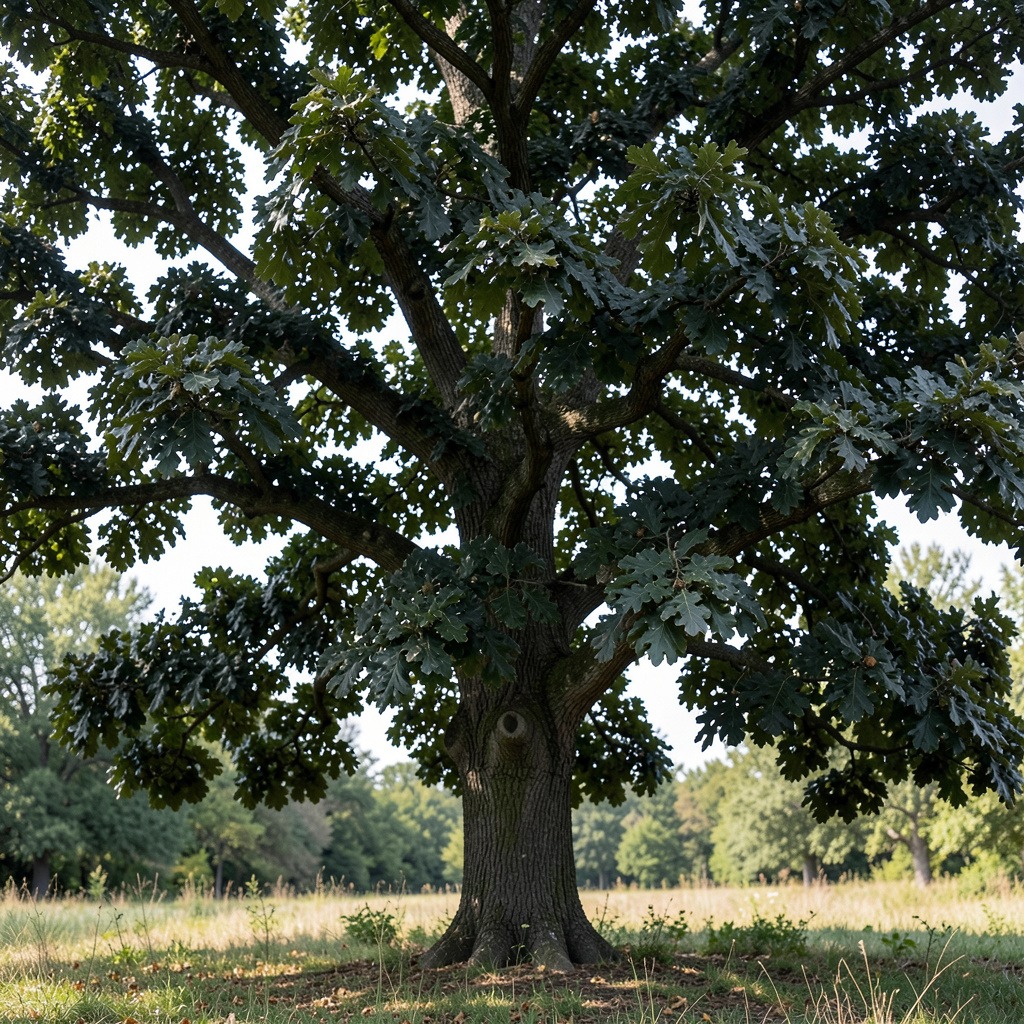
Key Identification Characteristics of Black Oak Trees
Identifying black oak trees (Quercus velutina) involves examining their bark, leaves, and acorns. Each of these features reveals unique traits that set black oaks apart from similar species.
Bark: Texture and Color
Black oak bark is a defining characteristic. It exhibits a smooth texture in younger trees, transitioning to a rough, deeply furrowed surface as it matures. The outer bark appears dark brown to nearly black, providing a striking contrast to its yellowish inner bark. This inner bark, known for its rich color, is a helpful identifier when examining cut sections of the tree.
Leaves: Shape and Size
The leaves of the black oak are another key feature for identification. They typically range from 3 to 9 inches in length and have a distinctive lobed shape. The lobes are pointed and can vary significantly in size. This variability can lead to confusion with red oak leaves, which are more deeply lobed and have a different texture.
- Comparison with Similar Oaks:
- Black Oak: Broad lobes with sharp tips, yellow inner bark.
- Red Oak: Deeper sinuses and reddish inner bark.
- Scarlet Oak: Sinuses cut more deeply, creating a spidery appearance.
Acorns: Characteristics and Maturity
Black oak acorns are approximately 1 inch long, featuring a distinctive cap that covers about one-half of the acorn. These acorns mature in the fall, typically one year after pollination. They are a significant food source for wildlife, including squirrels and deer.
- Identification Takeaway:
- Shape: Rounded with a shallow cap.
- Color: Often dark brown to black when mature.
By focusing on these identification characteristics, you can easily distinguish black oak trees in various habitats.
Ecological Importance of Black Oak Trees
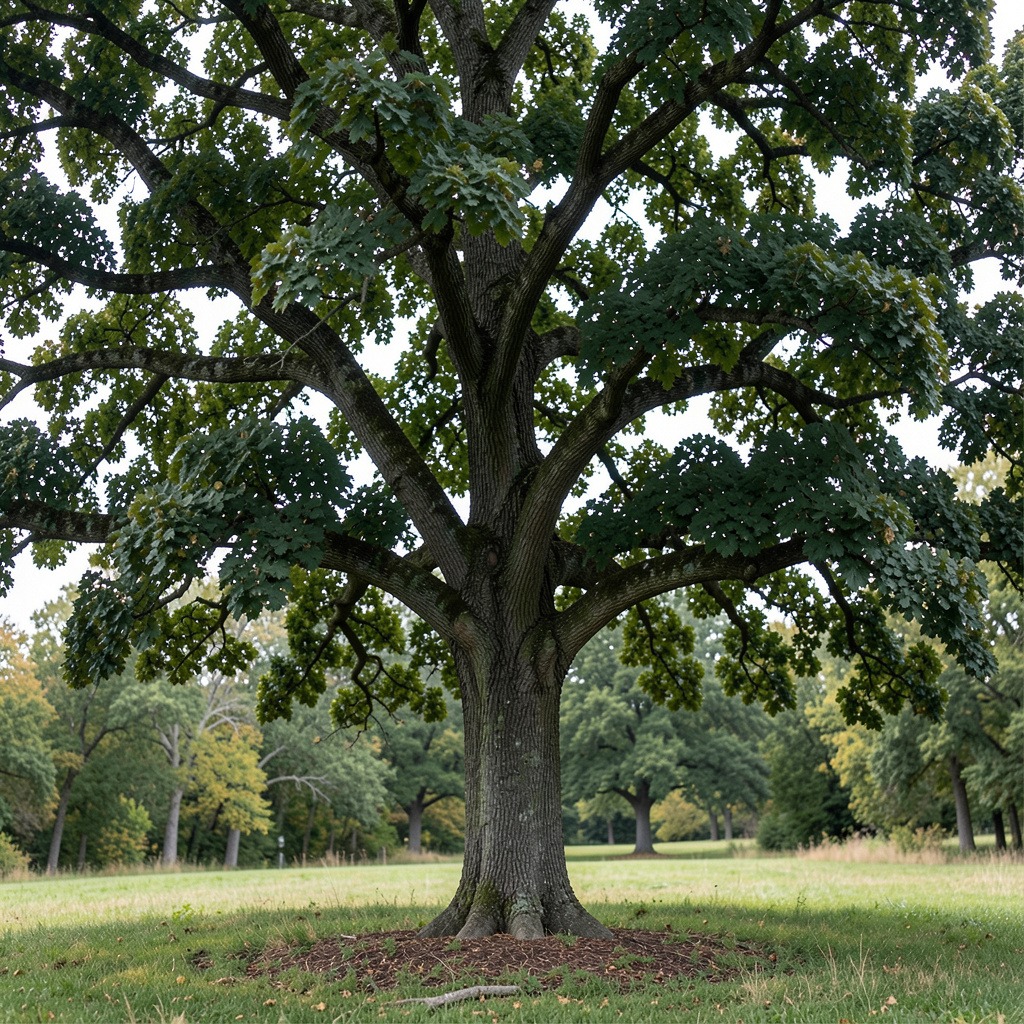
Black oak trees play a vital role in enhancing local ecosystems. Their acorns serve as a critical food source, promoting biodiversity and supporting various wildlife species. Additionally, black oaks contribute to soil health and overall habitat quality.
Wildlife That Depend on Black Oak
Numerous species rely on black oak for sustenance and shelter. The acorns produced by black oaks are highly nutritious and attract a range of wildlife, including:
- Mammals: White-tailed deer, black bears, gray squirrels, and raccoons.
- Birds: Wild turkeys, blue jays, wood ducks, and various woodpecker species.
During mast years, a single black oak can produce over 20,000 acorns, significantly benefiting local wildlife populations. For instance, blue jays play an essential role in seed dispersal by burying acorns, which can sprout into new trees, thus maintaining forest health.
Soil Enrichment and Habitat Contributions
Black oak trees improve soil quality through their leaf litter, which enriches the ground as it decomposes. This organic matter enhances nutrient availability for surrounding plants.
- Root System: Black oak roots help stabilize soil and prevent erosion.
- Shade: The dense canopy provides critical nesting habitat for numerous bird species and shelters smaller mammals.
Role in Local Ecosystems
Black oaks contribute to local ecosystems in various ways, making them a keystone species. Their presence supports complex food webs and ecological interactions.
- Biodiversity: They foster diverse plant and animal communities, increasing resilience to environmental changes.
- Fire Resistance: Black oaks have developed adaptations that allow them to thrive in fire-prone environments, further shaping and maintaining their ecosystems.
By understanding the ecological contributions of black oak trees, we can appreciate their significance in promoting healthy, diverse habitats.
Native Range and Habitat Preferences
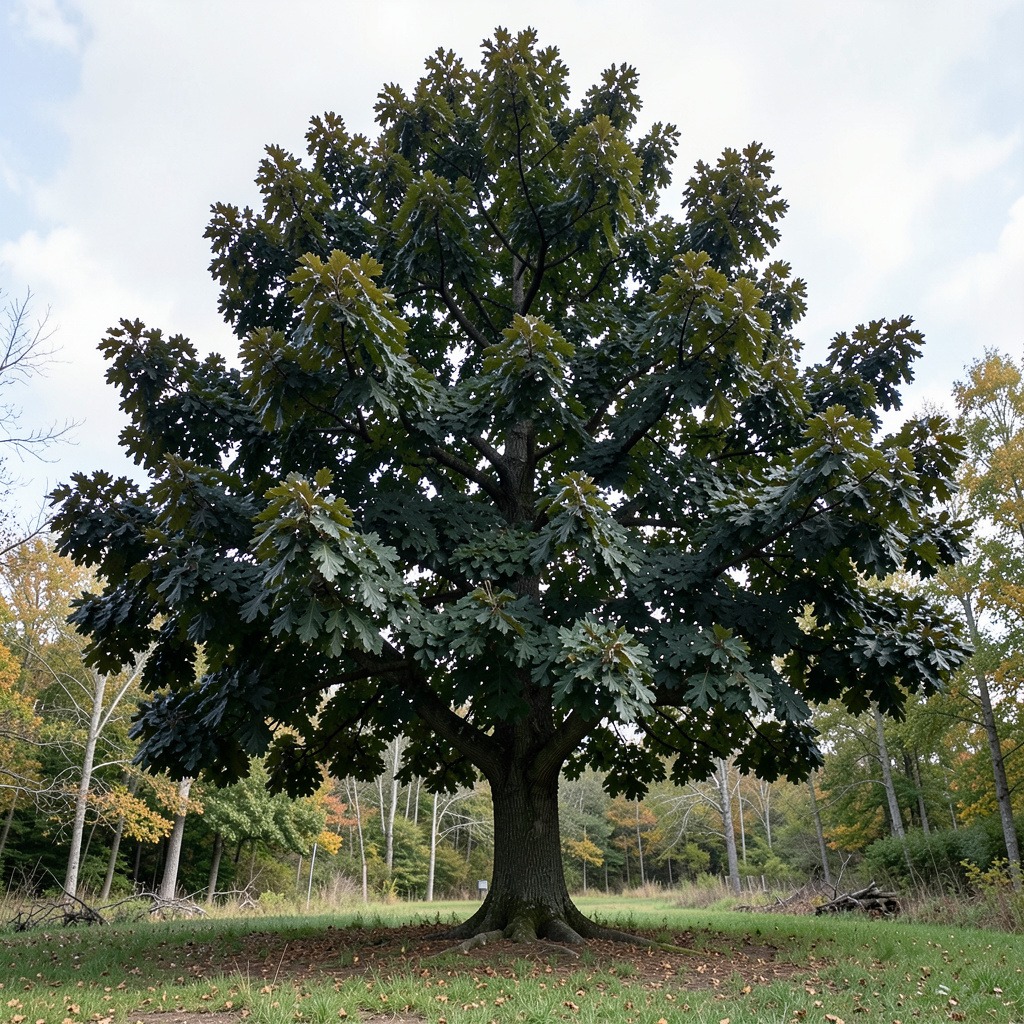
Black oak trees (Quercus velutina) exhibit a broad geographical distribution across North America. Understanding their preferred soil types and climate conditions is crucial for effective cultivation and ecological conservation.
Geographic Distribution
Black oaks thrive in a range extending from northern Maine to southern Texas and Florida. Their presence is notable across the eastern United States, indicating adaptability to various environments.
- Northeastern U.S.: Common in states like Maine and New York.
- Southeastern U.S.: Reaches down to Florida and parts of Georgia.
- Midwestern U.S.: Found in regions of Texas, Oklahoma, and Missouri.
Preferred Soil and Climate Conditions
Black oaks favor well-drained soils, particularly silty clay to loam. They can adapt to different soil types but struggle in heavy clay with poor drainage.
- Soil Types:
- Well-drained silty clay
- Loamy soils
- Moderately clay soils (with adequate drainage)
- Climate Preferences:
- Moderate climates
- Moist environments, especially in hilly regions
- Thrives on slopes and in upland areas
Habitat Types
Black oaks typically grow in specific habitats that influence their health and productivity.
- Upland Forests: Often found on hillsides and slopes, where moisture is retained without waterlogging.
- Coves: Thrive in sheltered areas with rich, moist soils, particularly in southern Appalachians.
- Mixed Forests: Frequently coexists with other oak species, contributing to biodiversity and ecosystem stability.
Recognizing these habitat preferences aids in selecting appropriate planting sites for black oaks. For instance, if planting in a region with heavy clay soil, consider site preparation techniques to improve drainage or explore alternative oak species suited to those conditions.
Cultivation and Maintenance of Black Oak Trees
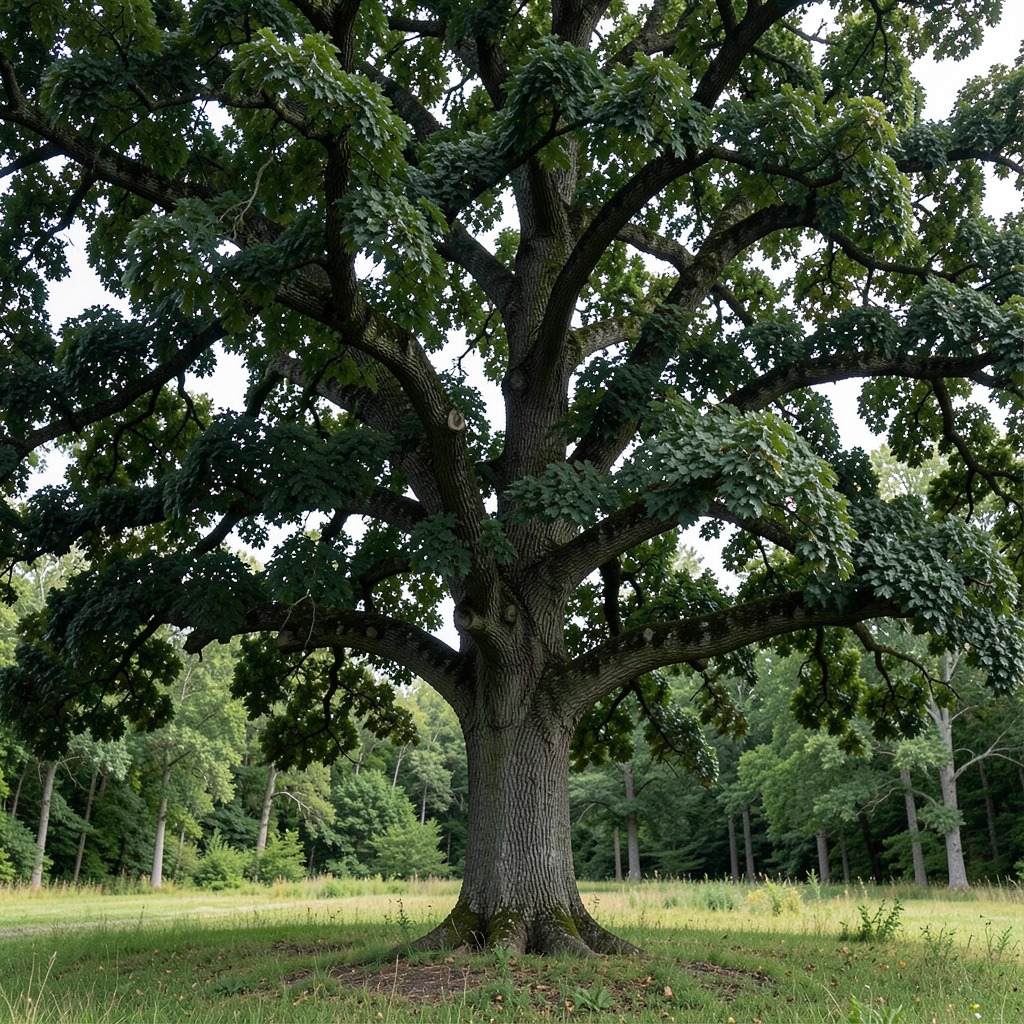
Proper care and maintenance are essential for the health and longevity of black oak trees (Quercus velutina). This section provides practical tips for planting, pruning, and managing these valuable trees.
Planting Tips for Optimal Growth
1. Site Selection: Choose a location with well-draining soil and full sunlight. Black oaks prefer upland forests but can adapt to various soil types.
2. Soil Preparation: Test the soil for pH levels. Black oaks thrive in slightly acidic to neutral soils (pH 6.0 to 7.0). Amend the soil with organic matter if necessary.
3. Planting Depth: Ensure the root collar is level with the soil surface to prevent rot. Dig a hole that is twice as wide as the root ball.
4. Watering: Water the tree deeply after planting. Maintain consistent moisture, especially during dry spells, to support root establishment.
Pruning and Maintenance Strategies
1. Pruning Timing: Conduct pruning in late winter or early spring before new growth begins. Avoid pruning during the growing season to reduce the risk of oak wilt.
2. Structural Pruning: Focus on establishing a strong scaffold of primary branches during the first 10-15 years. Remove any dead or damaged branches promptly.
3. Avoid Heavy Pruning: Limit heavy pruning on mature trees. Large wounds are slow to heal, increasing the risk of disease.
Common Diseases and Pest Management
1. Disease Awareness: Black oaks are susceptible to diseases such as oak wilt, leaf spots, and powdery mildew. Monitor trees for symptoms and treat promptly.
2. Pest Identification: Common pests include oak borers and caterpillars. Inspect trees regularly for signs of infestation, such as holes in the bark or defoliation.
3. Integrated Pest Management (IPM): Utilize IPM strategies, including cultural practices and biological controls, to manage pests sustainably. Encourage beneficial insects that prey on harmful pests.
Example Checklist for Black Oak Care
- [ ] Select a well-draining site with full sunlight.
- [ ] Test and amend the soil as needed.
- [ ] Water deeply after planting.
- [ ] Prune in late winter to establish strong branches.
- [ ] Monitor for diseases and pests regularly.
By following these guidelines, you can ensure that your black oak trees thrive, contributing to local ecosystems and providing long-lasting beauty.
Cultural and Historical Uses of Black Oak
Black oak (Quercus velutina) holds significant cultural and historical value, especially among Indigenous communities in North America. Its various parts have been utilized for food, medicine, and craftsmanship, illustrating a deep connection to the land and its resources.
Indigenous Uses of Black Oak
Indigenous peoples have long recognized the utility of black oak. The acorns, high in tannins when raw, were traditionally processed through soaking and boiling to create a starchy flour. This flour served as a staple food, used in breads, porridges, and soups. Tribes such as the Cherokee, Iroquois, and Algonquian developed techniques to make the acorns palatable.
Key Uses:
- Acorns: Processed for food, providing essential nutrients.
- Bark: Used for medicinal purposes, such as treating wounds due to its astringent properties.
- Wood: Valued for its strength; utilized in construction and artisanal crafts.
Modern Applications and Significance
Today, black oak continues to be important for its ecological contributions and commercial uses. Its wood is prized for flooring, furniture, and cabinetry. The tree’s role in local ecosystems is essential, providing habitat and food for wildlife.
Modern Uses Include:
- Lumber: Heavy, durable wood used in various construction applications.
- Ecological Benefits: Supports wildlife, aids in soil enrichment, and contributes to forest health.
The Role of Black Oak in Local Culture
In many regions, black oak is more than just a tree; it symbolizes resilience and connection to heritage. Local communities often celebrate its significance through festivals or educational programs. Stories passed down through generations highlight the tree’s role in survival and cultural identity.
Cultural Significance:
- Storytelling: Used in local folklore, representing strength and endurance.
- Community Gatherings: Sites for cultural events and celebrations that honor traditional uses.
Understanding the cultural and historical significance of black oak enriches our appreciation for this vital species. It stands as a testament to the interwoven relationship between nature and humanity.
Fire Resistance and Its Implications for Black Oak
Black oak trees (Quercus velutina) exhibit notable fire resistance, which significantly impacts their growth and survival in fire-prone ecosystems. This adaptation allows them to thrive in environments where fire plays a natural role in the ecosystem.
Understanding Fire Resistance
Black oak trees possess several characteristics that enhance their fire resistance:
- Moderately Thick Bark: The basal bark of larger black oaks can withstand low-severity surface fires due to its thickness.
- Root Crown Sprouting: Smaller black oaks can be top-killed by fire but regenerate vigorously from their root crowns.
- Growth Adaptations: These trees have developed physiological features that allow them to recover quickly from fire damage, ensuring long-term survival.
Implications for Growth and Survival
The fire resistance of black oaks offers several ecological benefits:
- Habitat Creation: Fire can clear underbrush, allowing sunlight to reach the forest floor and promoting the growth of black oaks. This creates a more open habitat that supports diverse wildlife.
- Soil Enrichment: Fire enhances nutrient cycling, benefiting not only black oaks but also other plant species in the ecosystem.
- Competition Management: Fire can reduce competition from less fire-resistant species, allowing black oaks to establish more easily in their preferred habitats.
Management Practices for Fire-Prone Areas
Effective fire management practices can enhance the health of black oak populations:
- Controlled Burns: Implementing controlled burns can mimic natural fire regimes, reducing fuel loads and promoting the health of black oak stands.
- Monitoring and Assessment: Regularly assess the health and growth of black oaks in fire-prone areas to identify vulnerabilities.
- Community Engagement: Educate local communities about the ecological role of fire in maintaining healthy black oak forests.
By understanding these aspects of fire resistance, land managers and conservationists can make informed decisions to support the growth and sustainability of black oak trees in their native habitats.
Common Identification Mistakes for Black Oak Trees
Identifying black oak trees (Quercus velutina) can be challenging due to their similarities with other oak species. Understanding common mistakes can enhance your identification accuracy and ensure proper care.
Confusing Species: Black Oak vs. Red Oak
One of the most frequent errors is confusing black oak with red oak (Quercus rubra). Here are key differences:
- Bark Texture: Black oak has darker, deeply furrowed bark, while red oak features flatter, wider ridges with a grayish appearance.
- Inner Bark Color: The inner bark of black oak is yellow, contrasting with the pinkish hue of red oak.
- Leaf Shape: Black oak leaves have broader lobes with rounded C-shaped sinuses, whereas red oak leaves have shallower sinuses that cut about one-third to one-half of the way to the midrib.
Misinterpretation of Leaf and Bark Characteristics
Misreading leaf and bark features can lead to incorrect identification. Consider these points:
- Leaf Sinuses: Black oak leaves possess deeper sinuses compared to the shallower cuts of red oak. Look closely at the lobes.
- Bark Appearance: The bark of black oak appears more rugged and dark compared to the smoother, lighter bark of similar species like scarlet oak (Quercus coccinea).
Seasonal Variations and Their Impact on Identification
Seasons can alter the appearance of black oak trees, complicating identification. Here’s what to watch for:
- Leaf Color Changes: In fall, black oak leaves turn vibrant shades of yellow to red, which can confuse identification with other oaks that have similar fall colors.
- Acorn Variations: Acorns mature differently throughout the seasons. The deep turbinate cup of black oak acorns can be mistaken for the shallower cups of species like shumard oak (Quercus shumardii).
Checklist for Accurate Identification
Use the following checklist to avoid common identification pitfalls:
- Bark Characteristics: Dark, deeply furrowed bark.
- Leaf Features: Broad lobes with rounded sinuses.
- Acorn Shape: Deep cup covering half the acorn, yellow inner bark.
- Habitat Preference: Typically found on dry ridges, unlike red oak which prefers richer soils.
These distinctions will help you accurately identify black oak trees and appreciate their ecological value.
Comparison Between Black Oak and Other Oak Species
Understanding the differences between black oak and other oak species enhances identification and management strategies. The black oak (Quercus velutina) shares characteristics and habitats with several related species, including red oak, scarlet oak, and pin oak. Below, we explore these comparisons.
Key Differences with Red Oak
Black oak and red oak (Quercus rubra) are often confused due to their similarities. However, several key differences can aid identification:
| Characteristic | Black Oak (Quercus velutina) | Red Oak (Quercus rubra) |
|---|---|---|
| Bark | Dark, deeply furrowed | Lighter, flatter ridges |
| Inner Bark Color | Yellow | Pinkish |
| Leaf Sinuses | Deeper, broader lobes | Shallower, less pronounced |
| Acorn Cup Coverage | Deep, covering about half | Shallow, covering about ¼ |
| Soil Preference | Tolerates poorer soils | Prefers rich, moist soils |
These distinctions are critical for accurate identification in the field.
Similarities and Distinctions from Scarlet and Pin Oaks
Scarlet oak (Quercus coccinea) and pin oak (Quercus palustris) also share similarities with black oak. While all belong to the red oak group, they exhibit unique traits:
- Scarlet Oak:
- Leaves with deeply cut sinuses, giving them a spidery appearance.
- Inner bark may show a yellow hue, similar to black oak.
- Pin Oak:
- Leaves are more lobed with a distinctive pointed tip.
- Prefers wet, lowland areas, contrasting with black oak’s preference for drier sites.
Choosing the Right Oak for Your Landscape
When selecting an oak for landscaping, consider the specific characteristics and ecological needs of each species:
- Black Oak: Ideal for dry, well-drained areas. Provides wildlife food and has commercial value in woodworking.
- Red Oak: Suitable for richer soils, offering rapid growth and strong timber.
- Scarlet Oak: Great for ornamental use but may struggle in dry conditions.
- Pin Oak: Best for wet environments, contributes to soil stabilization.
Using a comparison chart helps in making informed decisions about which oak species fits best in your landscape.
Frequently Asked Questions
These quick answers cover the most common questions about this topic, including key details, practical tips, and common concerns.
Is a black oak a good tree?
Yes, black oak (Quercus velutina) is considered a good tree for various reasons. It provides significant ecological benefits, including serving as a food source for wildlife, particularly its acorns, which are nutritious for many animals. Additionally, black oak wood is durable and valuable for furniture and flooring.
However, it’s essential to plant black oaks in suitable conditions. They thrive in well-drained soils and full sunlight, making them ideal for landscapes that meet these criteria.
How rare is black oak?
Black oak is not considered rare, but its population varies across North America. It is commonly found in eastern and central regions, from northern Maine to southern Texas and Florida. However, habitat loss and environmental changes can impact local populations.
Conservation efforts are essential to maintain healthy black oak populations, especially in areas where they face competition from other tree species or habitat degradation.
How can I identify a black oak tree?
To identify a black oak tree, look for its distinctive bark, leaves, and acorns. The bark is dark brown to nearly black and deeply furrowed. The leaves are lobed, typically measuring 3 to 9 inches long, with pointed tips and broader lobes compared to red oaks.
Additionally, black oak acorns are about 1 inch long, with a cap covering roughly half of the acorn. The inner bark is yellow, which is a key identifying feature when examining cut sections of the tree.
What is the difference between a red oak and a black oak?
The primary differences between black oak and red oak (Quercus rubra) include bark texture, leaf shape, and acorn characteristics. Black oak has dark, deeply furrowed bark, while red oak features lighter, flatter ridges.
In terms of leaves, black oak has broader lobes with deeper sinuses, whereas red oak leaves are more deeply lobed with shallower sinuses. Acorns of black oak have a deeper cup that covers about half the acorn, unlike red oak’s shallower cup.
Is a black oak a good tree for landscaping?
Black oak can be an excellent choice for landscaping if planted in the right conditions. They thrive in well-drained soils and full sunlight, making them suitable for open areas. Their acorns provide food for local wildlife, enhancing the ecological value of your landscape.
However, consider the space available, as black oaks can grow large. Ensure they have enough room to mature without overcrowding other plants or structures.
When do black oaks produce acorns?
Black oaks typically produce acorns in the fall, approximately one year after pollination. The acorns mature and drop to the ground, providing a critical food source for various wildlife species.
Mast years, where trees produce an abundant number of acorns, can vary but are crucial for supporting local animal populations. Observing acorn production can also indicate the health of the tree.
What wildlife benefits from black oak acorns?
Many wildlife species benefit from black oak acorns, including mammals and birds. Squirrels, deer, and black bears rely on these acorns as a vital food source.
Birds, such as wild turkeys and blue jays, also feed on black oak acorns. Blue jays play a significant role in seed dispersal by burying acorns, which can lead to new tree growth, supporting forest regeneration.