
Black oak varieties, primarily represented by Quercus velutina, are native to North America, characterized by dark bark, lobed leaves, and acorns that serve as vital food sources for wildlife.
Table of Contents
Black oak, scientifically known as Quercus velutina, is a prominent species in North America, notable for its distinctive features and ecological significance. This guide explores 50 varieties and characteristics to help you understand and identify black oaks effectively.
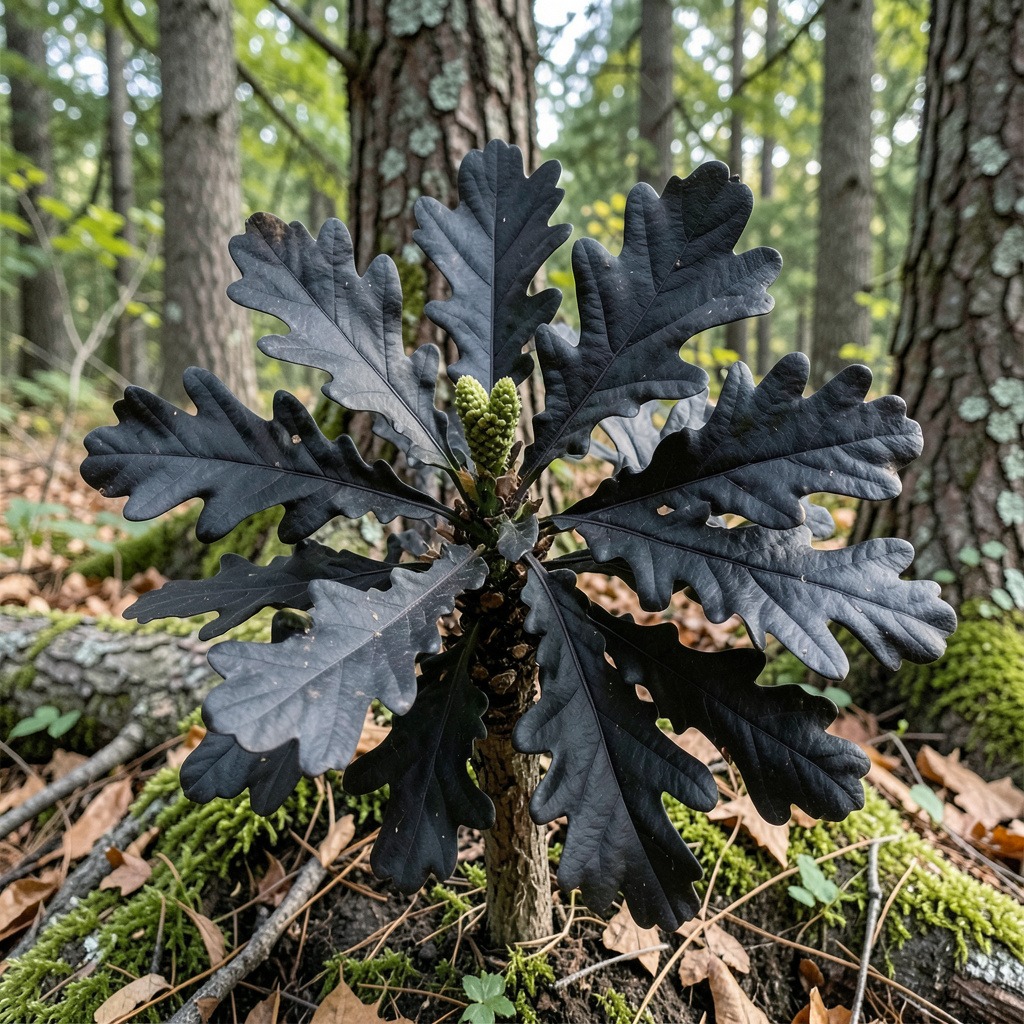
Overview of Black Oak Varieties
Quercus velutina, commonly known as black oak, is a vital member of the oak family. It thrives across eastern and central North America, showcasing distinct characteristics that differentiate it from other oak species.
Identification Features of Black Oak
Black oak stands out with several unique features:
- Bark: Dark gray to black, deeply furrowed. The inner bark is a distinctive orange-yellow.
- Leaves: Glossy green, deeply lobed with U-shaped notches. The underside often has fine hairs.
- Acorns: Small to medium-sized, with a cup that covers about half of the nut.
These characteristics aid in accurately identifying black oaks, particularly when distinguishing them from similar species like the northern red oak (Quercus rubra).
Geographic Distribution
Black oak is native to a broad range in North America. Its habitat spans various ecosystems, including:
- Moist, rich soils: Preferable for optimal growth.
- Dry, sandy hillsides: Adaptable to less fertile conditions.
Understanding its geographic range is crucial for conservation efforts and habitat restoration.
Ecological Significance and Uses
Black oaks play a significant role in their ecosystems:
- Wildlife Support: Their acorns are a crucial food source for birds and mammals.
- Timber Value: The wood is commercially valuable, often marketed as red oak.
Culturally, black oak has historical significance, particularly in Native American traditions, where it has been used for tools, crafts, and food.
Comparison with Other Oak Species
When comparing black oak to other oaks, the most notable differences include:
- Bark Texture: Black oak has deeper furrows than white oak (Quercus alba).
- Leaf Shape: Black oak’s leaves are generally more lobed than those of the southern red oak (Quercus falcata).
Recognizing these differences improves identification skills and contributes to effective ecosystem management.
Identification Features of Black Oak
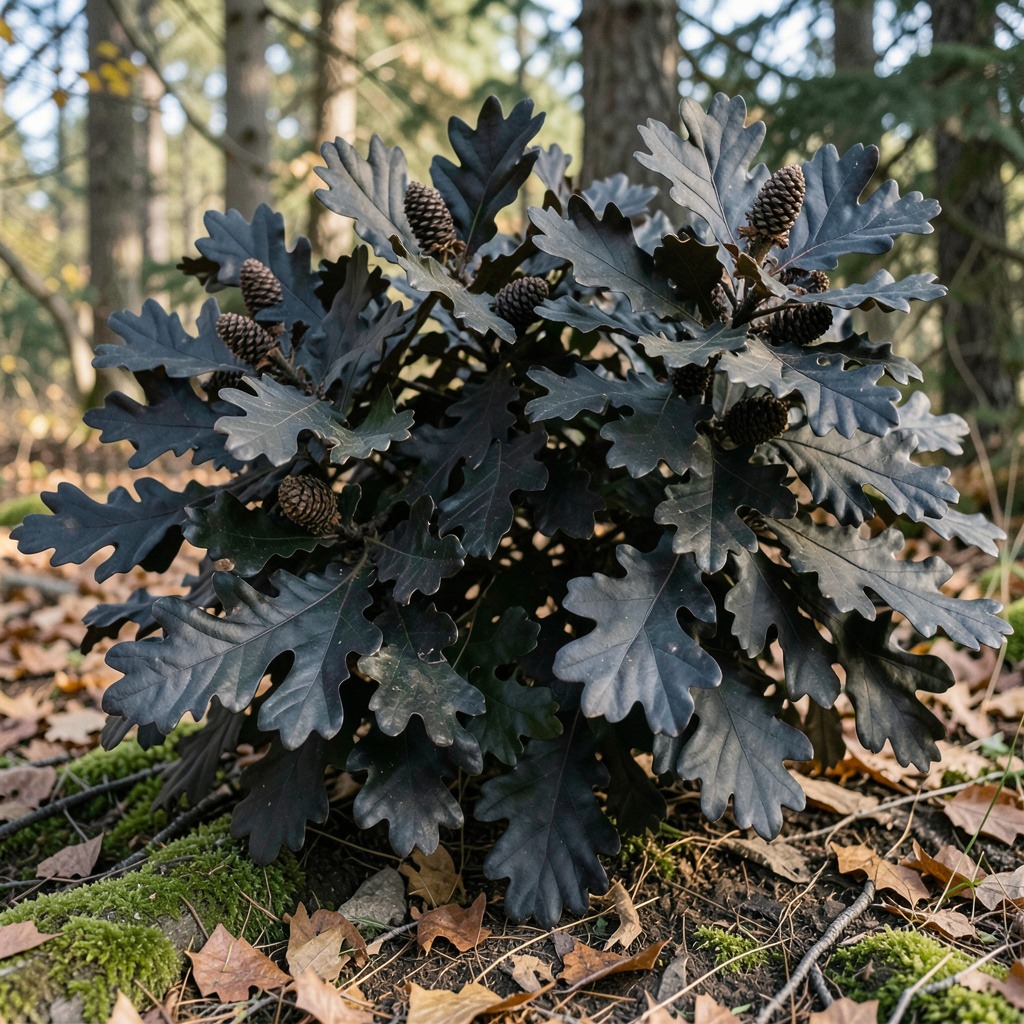
Black oak (Quercus velutina) has several distinctive characteristics that aid in its identification. Recognizing these features can enhance your understanding of this species and its ecological role.
Bark Texture and Color
The bark of black oak is one of its most recognizable traits. It is deeply furrowed and ranges in color from slate gray to dark black. Here are key details to note:
- Surface Texture: The bark features large vertical whorls and cracks.
- Color Variations: Younger trees may show a lighter hue, while mature trees present a darker appearance.
- Comparison: Unlike red oak (Quercus rubra), which has a shallower bark texture, black oak’s bark is significantly more rugged and deeply grooved.
Leaf Shape and Size
Black oak leaves are another critical identification feature. They are simple and alternate, showcasing unique lobing patterns. Consider the following points:
- Size: Leaves typically measure between 5 to 10 inches in length.
- Lobes: The lobes are uneven, featuring bristle tips, and can reach two-thirds to three-quarters of the way to the midrib.
- Sinuses: The leaf sinuses are large, typically U-shaped or round, aiding in distinguishing them from similar oak species.
Acorn Characteristics
The acorns of black oak also serve as a vital identification marker. They play a significant role in the ecosystem by providing food for various wildlife. Key characteristics include:
- Size and Shape: Acorns are approximately 1 inch long and oval-shaped.
- Cup Depth: The acorn cup covers about half of the nut, which is deeper than that of red oak acorns.
- Wildlife Importance: Black oak acorns are a crucial food source for birds, deer, and other mammals, supporting diverse ecosystems.
Quick Comparison Chart
| Feature | Black Oak (Quercus velutina) | Red Oak (Quercus rubra) |
|---|---|---|
| Bark Texture | Deeply furrowed, dark | Shallower, lighter |
| Leaf Size | 5-10 inches | 5-8 inches |
| Acorn Cup Depth | Covers 50% of the nut | Covers 25% of the nut |
| Sinus Shape | U-shaped or round | Sharper, less rounded |
By noting these distinct characteristics, you can effectively identify black oak and appreciate its ecological and cultural significance.
Ecological Significance of Black Oak
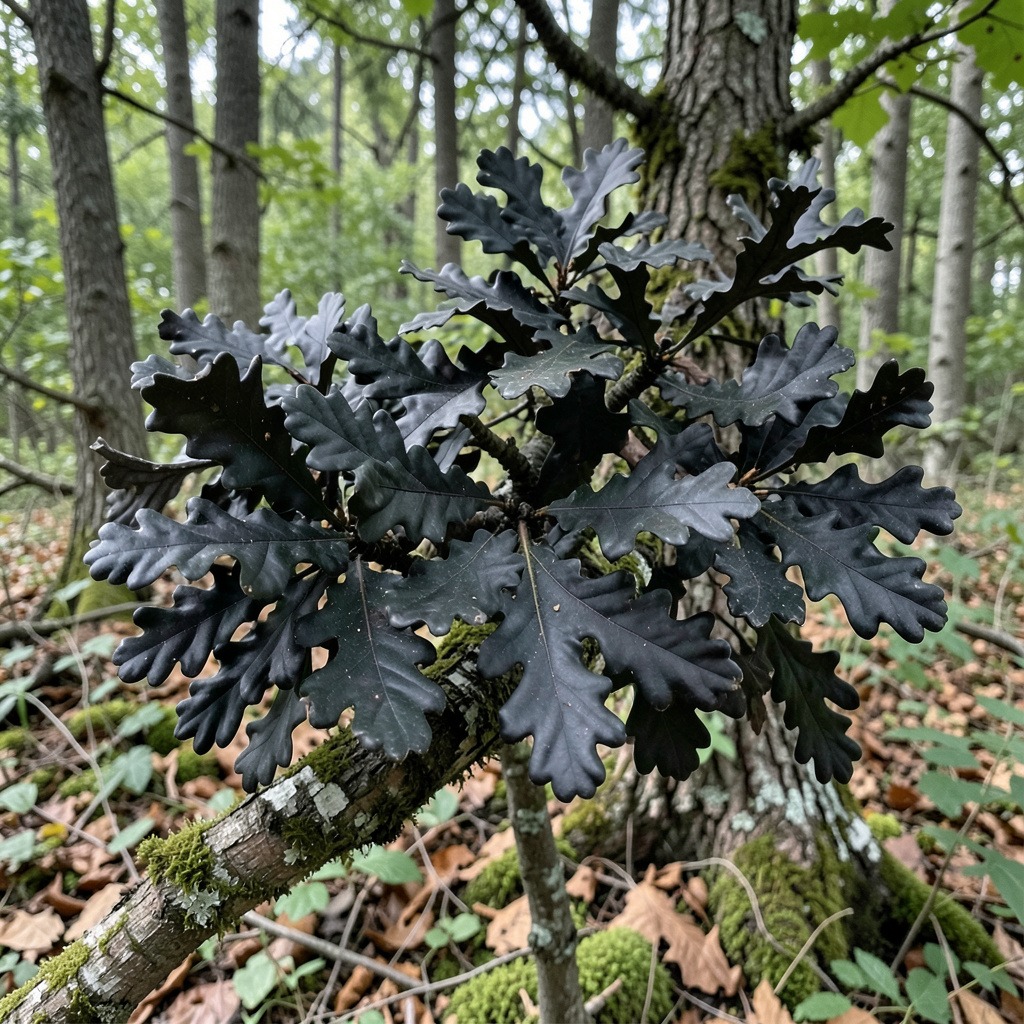
Black oak (Quercus velutina) plays a vital role in its ecosystem. Its unique characteristics support a diverse range of wildlife and contribute significantly to biodiversity.
Wildlife Food Source
The acorns of black oak are a critical food source for many species. In a single mast year, a mature black oak can produce over 20,000 acorns. This abundance attracts various mammals, including:
- White-tailed deer
- Black bears
- Gray squirrels
- Wild turkeys
These animals rely on black oak acorns for sustenance, especially during winter months when food is scarce. Gray squirrels, in particular, cache acorns, which often sprout into new trees, contributing to forest regeneration.
Habitat Contributions
Black oak provides essential habitat for numerous bird species. Its dense canopy offers nesting sites for:
- Wood ducks
- Blue jays
- Red-headed woodpeckers
The tree’s structure not only supports nesting but also provides shelter and foraging opportunities. The foliage and bark of the black oak sustain insects, which in turn attract insectivorous birds. This interdependence highlights the black oak’s integral role in maintaining avian diversity.
Role in Forest Ecosystems
Black oak contributes to the overall health of forest ecosystems. It coexists with other native species like white oak and northern red oak, forming a complex web of relationships. These trees share resources and create microhabitats that enhance biodiversity.
The deep, fibrous roots of black oak help prevent soil erosion, while its fallen leaves enrich the forest floor, promoting nutrient cycling. By supporting various trophic levels, black oak fosters a balanced ecosystem.
Case Study: In areas where black oak populations thrive, researchers have documented increased diversity in both flora and fauna. For example, a study in the Midwest revealed that forests with significant black oak presence hosted a 30% higher variety of bird species compared to oak-deficient areas.
This highlights the black oak’s role not only as a food source but also as a cornerstone species in forest ecology.
Cultural and Historical Uses of Black Oak
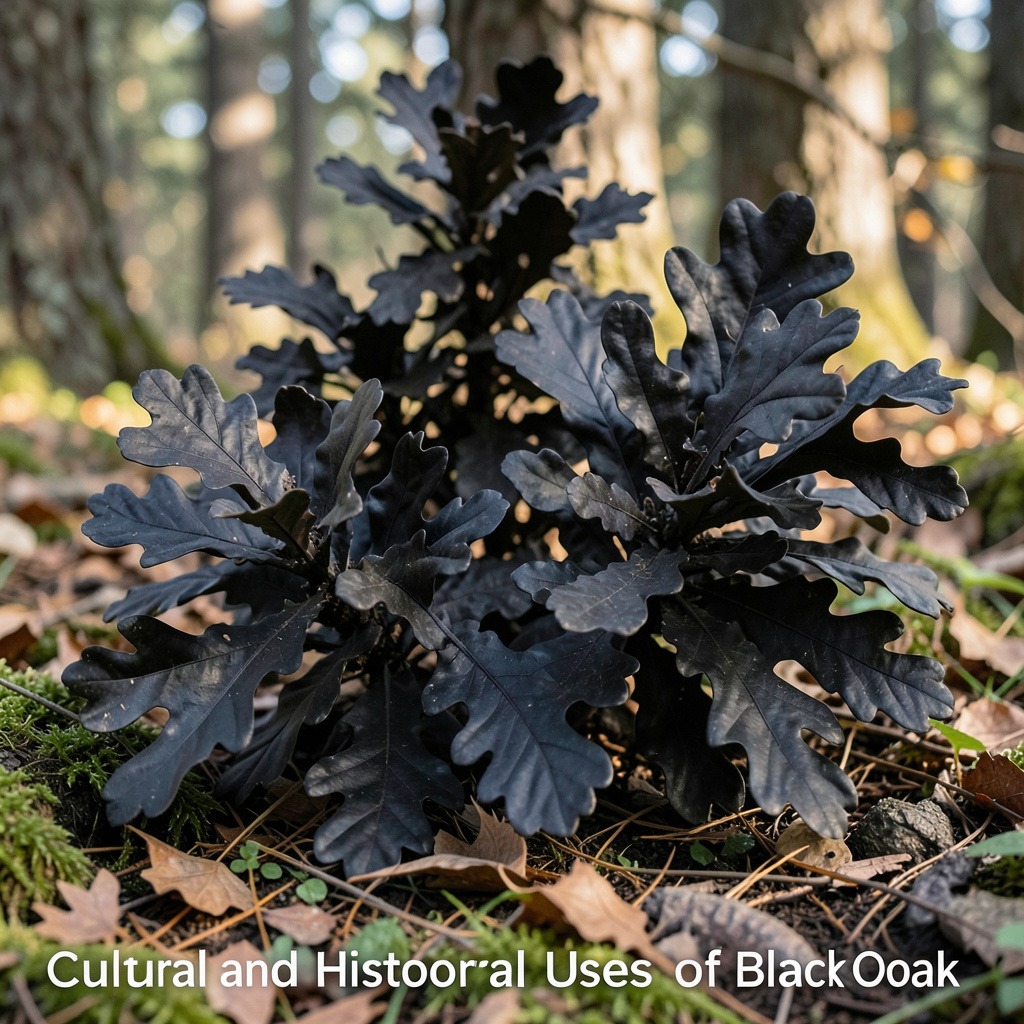
Black oak (Quercus velutina) holds significant cultural and historical importance, particularly for Native American communities. This tree provided not only essential resources but also played a vital role in their traditions and daily life.
Traditional Uses by Native Americans
Indigenous peoples across eastern North America utilized black oak extensively. The acorns served as a staple food source. They processed the acorns through techniques that involved washing and boiling to reduce their high tannin content. This allowed them to create a starchy flour used in various recipes, including breads, porridges, and soups.
Cultural practices surrounding black oak also included:
- Medicinal Uses: The bark was used as an astringent and antiseptic. Tannin-rich decoctions treated wounds and skin irritations.
- Craft and Tools: The strong wood was fashioned into tools and other implements, vital for daily survival.
- Ceremonial Uses: Black oak played a role in rituals and ceremonies, symbolizing strength and endurance.
Historical Applications of Bark and Acorns
The historical significance of black oak extends beyond Indigenous practices. Early European settlers adopted many uses established by Native Americans. The bark’s tannins were commercially exploited for dye production, specifically quercitron, which was crucial in the textile industry from the late 18th to early 20th centuries.
Key applications include:
- Dye Production: Quercitron provided a vibrant yellow dye, making black oak economically valuable.
- Construction and Crafts: The durable wood was widely used for furniture, cabinetry, and flooring, valued for its strength and aesthetic qualities.
These uses underscore the black oak’s multifaceted role in both ecological and human contexts, illustrating its lasting impact on culture and industry.
Common Misidentification Issues
Identifying black oak can be challenging due to its similarities with other oak species. Misidentification can lead to inappropriate care decisions and inaccurate ecological assessments. Here are common mistakes and how to avoid them.
Comparing Black Oak and Blackjack Oak
Black oak (Quercus velutina) and blackjack oak (Quercus marilandica) are often confused. Here’s how to differentiate them:
- Bark Texture: Black oak has deeply furrowed, dark bark. Blackjack oak features a lighter, grayish-black bark with a smoother texture.
- Leaf Shape: Black oak leaves are lobed with deep sinuses. Blackjack oak leaves are shorter and broader with shallower lobes.
- Acorn Size: Black oak acorns are larger and have a cup that covers about half of the nut. Blackjack oak acorns are smaller and have a shallower cup.
Checklist for Accurate Identification
To accurately identify black oak, use this checklist:
- Bark Color: Look for nearly black bark with vertical whorls and lateral cracks.
- Leaf Characteristics: Check for lobed leaves with deep sinuses and pointed tips.
- Acorn Features: Identify acorns with a cup that covers approximately half the nut.
- Growth Environment: Confirm the tree’s habitat—black oaks prefer well-drained soils, unlike the blackjack oak which thrives in drier, sandy conditions.
Common Mistakes to Avoid
When identifying black oak, avoid these pitfalls:
- Ignoring Leaf Shape: Not all oaks have deeply lobed leaves. Ensure you observe the specific shape and sinus depth.
- Overlooking Bark Differences: Many oaks share a similar bark color. Pay attention to texture and furrow depth.
- Misjudging Acorn Size and Shape: Different oak species produce acorns of varying sizes and cup depths. Always compare against known characteristics of black oak.
By following these guidelines, you can enhance your identification skills and ensure accurate understanding of black oak varieties.
Care and Maintenance Tips for Black Oak
Growing and maintaining black oak trees requires specific conditions and care practices. Understanding these will help ensure healthy growth and longevity.
Ideal Soil Conditions
Black oaks thrive in well-drained, sandy loam soils. They prefer slightly acidic to neutral pH levels. When selecting a planting location, consider the following:
- Drainage: Ensure the site has good drainage to prevent root rot.
- Soil Quality: Test the soil for nutrient levels; amend with organic matter if needed.
- Sunlight: Choose a location that receives full sun for optimal growth.
Watering and Pruning Guidelines
Proper watering and pruning are crucial for the health of black oaks.
- Watering:
- Newly planted black oaks need regular watering until established. Aim for deep watering every week, especially during dry spells.
- Once established, black oaks are drought-resistant but still benefit from occasional watering in prolonged dry conditions.
- Pruning:
- Prune in late winter to remove dead or damaged branches.
- For young trees (first 10-15 years), focus on establishing a strong structure by selectively pruning for shape.
- Avoid heavy pruning of mature trees to prevent slow sealing of large wounds, which can lead to disease.
Decision Framework for Planting Locations
When choosing where to plant black oaks, consider the following factors:
1. Sun Exposure: Ensure the site receives at least six hours of direct sunlight daily.
2. Proximity to Other Trees: Avoid crowded areas where competition for light and nutrients is high.
3. Soil Type: Test for compacted or clay-heavy soils; amend as necessary to improve drainage.
4. Wildlife Interaction: Consider potential pests and animals that may impact young trees, such as deer.
By understanding these care and maintenance tips, you can successfully cultivate black oak trees, enhancing both their growth and their ecological contributions.
Comparison with Other Oak Species
Black oaks share similarities with several other oak species, particularly in the red oak group. Understanding these comparisons can assist in identifying and utilizing these trees effectively.
Black Oak vs. Red Oak
Both black oak (Quercus velutina) and northern red oak (Quercus rubra) belong to the red oak group. However, they exhibit distinct characteristics:
| Feature | Black Oak (Quercus velutina) | Red Oak (Quercus rubra) |
|---|---|---|
| Bark | Dark gray, deeply furrowed | Light gray, smoother with shallow furrows |
| Inner Bark | Yellow | Pinkish |
| Acorn Cup | Covers half of the acorn | Shallower, covering about ¼ of the acorn |
| Leaf Shape | Deeply lobed with U-shaped notches | Lobed with shallower sinuses |
| Typical Height | Up to 100 ft (30 m) | Up to 90 ft (27 m) |
Identification Tip: Look for the inner bark color. This can be a quick way to differentiate between the two species.
Black Oak vs. White Oak
Black oak and white oak (Quercus alba) also share the same family but display notable differences:
| Feature | Black Oak (Quercus velutina) | White Oak (Quercus alba) |
|---|---|---|
| Bark | Dark gray, rough and furrowed | Light gray, scaly and ridged |
| Acorn Taste | Bitter due to higher tannin content | Sweeter, more palatable |
| Leaf Shape | Lobed with deeper sinuses | More rounded lobes with rounded tips |
| Growth Habit | Grows quickly, prefers acidic soils | Slower growing, adaptable to various soils |
Ecological Insight: Black oak acorns are a vital food source for wildlife, particularly during fall when other food sources diminish.
Unique Uses of Black Oak
Black oak wood is valued for its strength and durability. It is commonly used in furniture, flooring, and cabinetry. Additionally, black oak leaves are beneficial for soil health due to their high tannin content, which can suppress certain pathogens.
Practical Consideration: When selecting oaks for landscaping or timber, consider the ecological roles of each species. Black oaks can enhance biodiversity by supporting a range of wildlife, making them an excellent choice for conservation efforts.
In summary, while black oak shares the oak family with other species, its unique characteristics and ecological benefits set it apart.
Additional Black Oak Varieties
While the black oak (Quercus velutina) is well-known, several lesser-known varieties exist, each with distinct characteristics and adaptations. Understanding these varieties enhances our appreciation and management of these important trees.
Varieties with Unique Traits
1. Yellow Oak (Quercus velutina var. lutea)
- Characteristics: Known for its brighter, more vibrant foliage in the fall. The inner bark has a yellow hue that sets it apart from other black oaks.
- Habitat: Prefers well-drained, sandy soils and can thrive in both acidic and alkaline conditions.
2. Southern Black Oak (Quercus velutina var. southerna)
- Characteristics: Typically has larger leaves and acorns compared to the standard black oak. Its bark displays deeper furrows.
- Habitat: Commonly found in the southeastern United States, often in moist, rich soils.
3. Swamp Black Oak (Quercus velutina var. aquatica)
- Characteristics: Adapted to wetland environments, it has a broader crown and can tolerate flooding. The leaves are larger and more leathery.
- Habitat: Grows in swampy areas and along riverbanks, providing vital habitat for various wildlife species.
Regional Differences in Varieties
Black oak varieties exhibit notable regional adaptations based on their geographical distribution:
- Northeast United States: The typical black oak thrives here, with robust growth and strong wood characteristics. Acorns are a significant food source for wildlife in this region.
- Midwest: The black oak adapts to a variety of soil types. Its bark is darker, and it often grows alongside white oak and red oak, enhancing biodiversity in mixed forests.
- Southeast: The Southern Black Oak variety is more prevalent, reflecting adaptations to humid conditions. This region benefits from its larger acorns, which support a wider range of fauna.
Ecological and Cultural Significance
Understanding these varieties not only aids in identification but also highlights their ecological roles. For instance, black oak acorns are a crucial food source for deer, squirrels, and birds. Moreover, the use of black oak in Native American culture for crafting tools and containers reflects its historical significance.
When considering planting or conservation efforts, recognizing these diverse varieties can guide decisions that promote ecological health and biodiversity.
Frequently Asked Questions
These quick answers cover the most common questions about this topic, including key details, practical tips, and common concerns.
How can I identify a black oak tree?
To identify a black oak (Quercus velutina), look for its distinctive features. The bark is dark gray to black and deeply furrowed, with an inner bark that is orange-yellow. The leaves are glossy green, typically 5 to 10 inches long, with deep lobes and U-shaped notches. Black oak acorns are small to medium-sized, with a cup that covers about half of the nut.
How rare is black oak?
Black oak is not considered rare; it is widespread across eastern and central North America. However, specific populations may be threatened by habitat loss and diseases. Conservation efforts are important to maintain healthy black oak populations, as they play a vital role in their ecosystems.
How can I tell the difference between black oak and blackjack oak?
To differentiate between black oak and blackjack oak (Quercus marilandica), observe their bark and leaves. Black oak has dark, deeply furrowed bark, while blackjack oak features a lighter, smoother bark. The leaves of black oak are more lobed with deeper sinuses, whereas blackjack oak leaves are broader with shallower lobes. Additionally, black oak acorns are larger and have a deeper cup compared to those of blackjack oak.
Is a black oak a good tree?
Yes, black oak is considered a good tree for several reasons. It grows quickly and provides excellent shade, making it suitable for landscaping. Its acorns are a vital food source for wildlife, including deer and birds, contributing to local biodiversity. Additionally, black oak wood is strong and durable, making it valuable for timber and construction.
What are the best soil conditions for black oak?
Black oak thrives in well-drained, sandy loam soils with a slightly acidic to neutral pH. It prefers moist, rich soils but can also adapt to drier, sandy conditions. Ensure good drainage to prevent root rot, especially in areas prone to heavy rainfall.
How fast does a black oak tree grow?
Black oak trees can grow relatively quickly, typically reaching heights of 60 to 80 feet within 30 years under optimal conditions. They can grow up to 2 feet per year when young, making them a popular choice for landscaping and reforestation projects.
What animals rely on black oak acorns for food?
Many animals depend on black oak acorns as a food source. Key species include white-tailed deer, gray squirrels, wild turkeys, and various birds. In a single mast year, a mature black oak can produce over 20,000 acorns, supporting a diverse range of wildlife.
Can black oak trees tolerate drought?
Yes, black oak trees have a moderate drought tolerance once established. While they prefer consistent moisture, they can survive in drier conditions. Regular watering during the early years helps them establish deep roots, enhancing their drought resilience over time.