
The blue quandong tree (Elaeocarpus grandis) offers rapid growth and beautiful foliage, but may not be suitable for small gardens due to its size and specific care requirements, including moisture and sunlight needs.
Table of Contents
The blue quandong tree, known for its striking blue fruit and rapid growth, has both advantages and disadvantages for gardeners and landscape designers. Understanding these factors can help you decide if this tree is the right fit for your space.
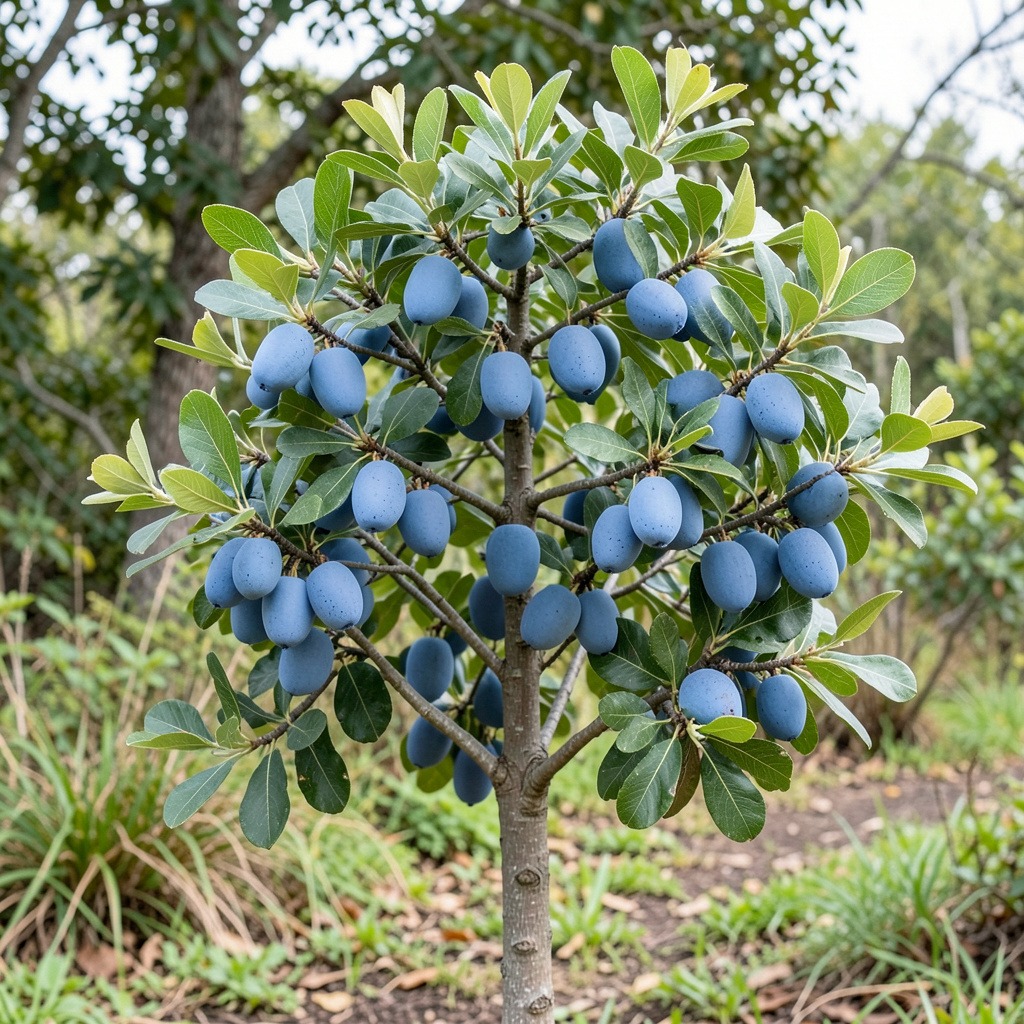
Overview of the Blue Quandong Tree
The blue quandong tree, scientifically known as Elaeocarpus grandis, is a prominent species native to the subtropical rainforests of Australia. This tree is celebrated for its rapid growth and distinctive blue fruit. Understanding its characteristics is essential for evaluating its pros and cons.
Taxonomy and Growth Characteristics
Elaeocarpus grandis belongs to the Elaeocarpaceae family. It typically grows to heights exceeding 30 meters, making it a significant addition to any landscape. The tree features a large, buttressed trunk and an open canopy that allows light to filter through, promoting diverse understory growth.
- Growth Rate: Quick to establish, reaching 5-6 meters within a few years.
- Mature Size: Can attain heights of over 30 meters.
- Canopy Structure: Open, allowing sunlight to nurture lower plant life.
Cultural Significance and Traditional Uses
The blue quandong has deep cultural roots, particularly in Aboriginal communities. Its fruit was traditionally used in cooking, often mixed with water to create an edible paste. Additionally, the tree’s wood is highly valued for its beauty and durability.
- Culinary Uses: The bright blue fruit can be used in jams and pickles.
- Medicinal Benefits: Traditionally utilized for various remedies.
Care Requirements
To thrive, the blue quandong requires specific conditions. It prefers well-drained soil and ample sunlight. Regular watering is essential during its early growth stages, but mature trees are relatively drought-tolerant.
- Optimal Conditions:
- Soil: Well-drained, rich in organic matter.
- Light: Full sun exposure for best growth.
- Water: Regular watering during establishment.
Common Issues and Pests
While the blue quandong is resilient, it can face challenges. Common pests include scale insects and aphids, which may require management to ensure tree health. Monitoring and maintaining good tree hygiene can mitigate these issues.
- Pests to Watch:
- Scale insects
- Aphids
Decision Framework for Landscaping
When considering the blue quandong for your landscape, evaluate the following:
- Space Availability: Ensure you have ample room for its mature size.
- Ecosystem Compatibility: Assess if it complements local flora and fauna.
- Maintenance Commitment: Consider your ability to manage potential pests and watering needs.
This comprehensive understanding of the blue quandong tree will aid in determining its suitability for your garden or landscaping project.
Pros of the Blue Quandong Tree
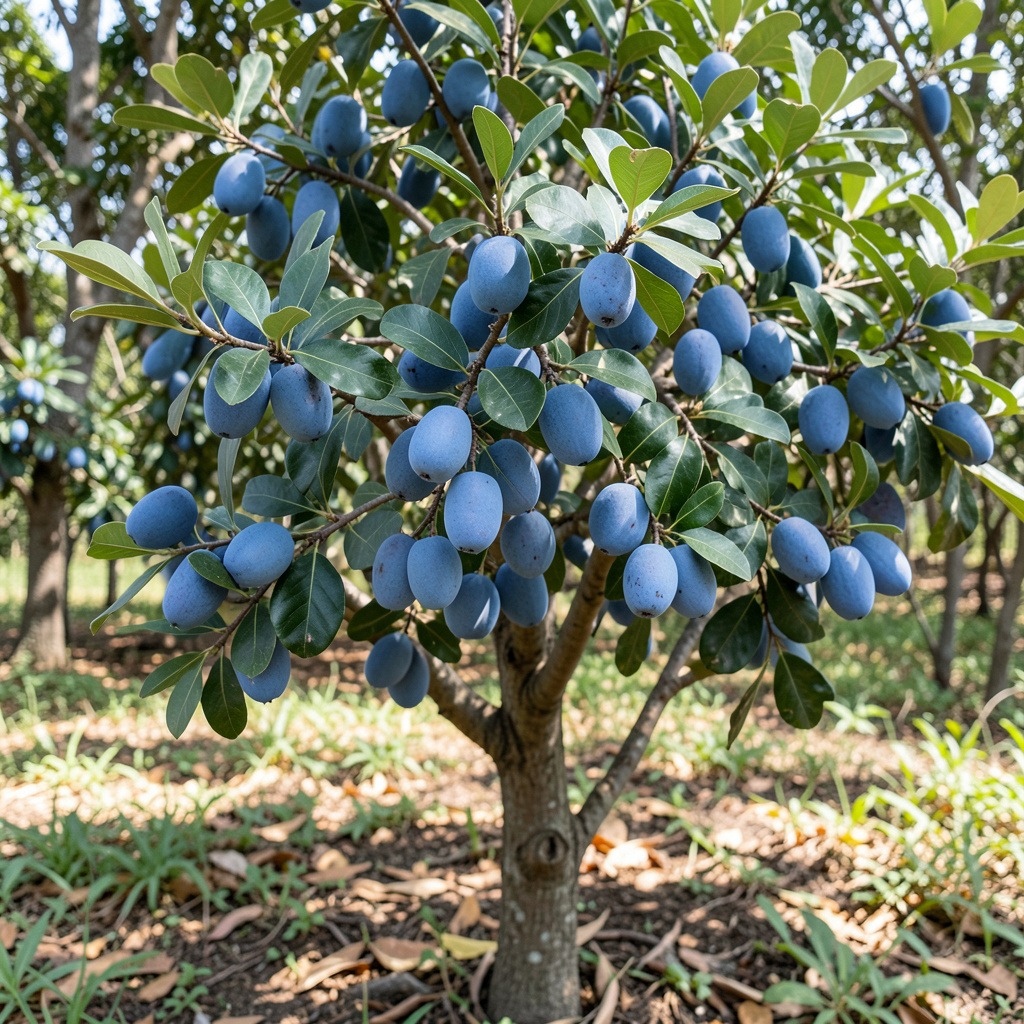
The blue quandong tree, known scientifically as Elaeocarpus grandis, offers numerous advantages for both aesthetic and ecological purposes. Its rapid growth, striking appearance, and contributions to the environment make it an appealing choice for landscaping.
Rapid Growth and Size
One of the most notable characteristics of the blue quandong tree is its fast growth. Within a few years, it can reach heights of 5 to 6 meters. Mature trees can grow over 30 meters tall with a canopy that spreads up to 8 meters wide. This rapid growth rate positions it as an effective choice for quickly establishing shade in larger landscapes.
- Growth Metrics:
- Reaches 5-6 meters in 3-5 years.
- Can grow over 30 meters in optimal conditions.
This significant height and spread make the blue quandong an excellent option for parks and larger properties. However, its size may not be suitable for smaller gardens.
Aesthetic and Ecological Benefits
The blue quandong tree is not only visually striking but also plays a crucial role in local ecosystems. Its large, buttressed trunk and vibrant blue fruits attract various wildlife, including birds. The tree also provides shade, fostering a cooler microclimate beneath its canopy.
- Key Benefits:
- Aesthetic Appeal: The combination of dark green leaves and bright blue fruit creates a stunning visual contrast.
- Wildlife Habitat: Provides food and shelter for native birds and other species.
- Shade Provider: Ideal for creating shaded areas in gardens and parks.
This dual role enhances both the beauty and biodiversity of the landscape.
Nutritional and Medicinal Value
The blue quandong fruit is not only visually appealing but also edible. Traditionally, Indigenous Australians utilized it in various culinary applications. The fruit can be made into jams and pickles, offering nutritional benefits such as vitamins and minerals.
- Culinary Uses:
- Used in jams and pickles.
- Fresh fruit can be consumed when slightly overripe.
Additionally, the fruit’s seeds have been used in traditional remedies, highlighting the tree’s cultural significance. This aspect connects the blue quandong to local heritage and practices, further enhancing its value in landscaping choices.
Cons of the Blue Quandong Tree
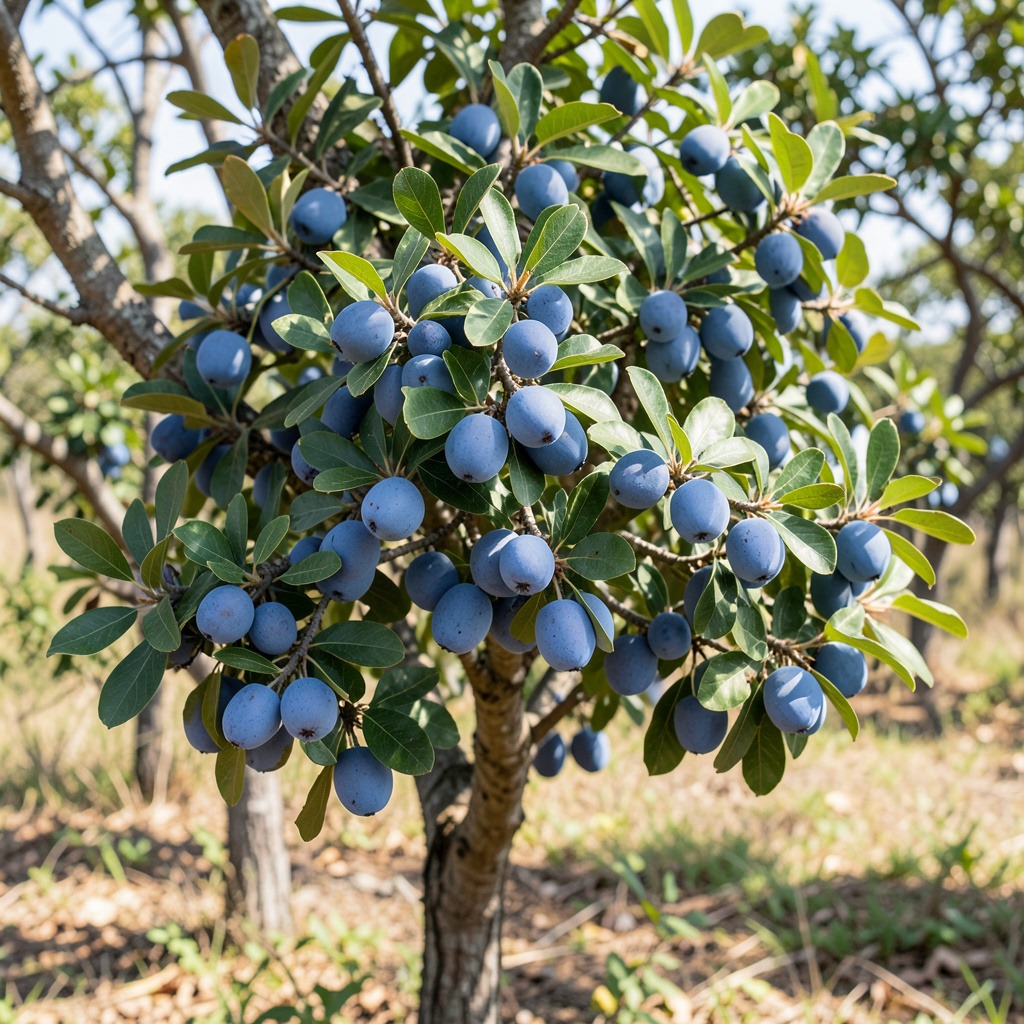
While the blue quandong tree offers numerous benefits, it also presents several drawbacks. Understanding these cons is crucial for anyone considering adding this tree to their landscape.
Size Limitations for Gardens
The blue quandong can grow exceptionally tall, reaching heights of 30 meters or more in optimal conditions. This size may pose challenges for smaller suburban gardens. Consider the following:
- Space Requirement: The tree requires ample space to thrive and should not be planted in confined areas.
- Shade Considerations: Its large canopy can overshadow other plants, limiting their growth potential.
- Landscape Planning: Suitable for larger properties, parks, or open spaces rather than cramped urban settings.
Specific Care Needs
The blue quandong tree demands specific care to flourish. It thrives in subtropical rainforests, which means certain environmental conditions are essential:
- Soil Type: Prefers well-draining, fertile soil enriched with organic matter.
- Watering: Requires consistent moisture, particularly during dry spells.
- Temperature Sensitivity: Not ideal for areas with extreme cold or frost; it thrives in warmer climates.
Pest and Disease Vulnerabilities
Like many trees, the blue quandong is susceptible to various pests and diseases. Awareness of these issues is vital for successful cultivation:
- Common Pests: Look out for scale insects and leafcutter ants, which can affect growth.
- Disease Risks: Root rot can occur in poorly drained soils. Proper soil management is essential to prevent this.
- Integrated Pest Management: Regular monitoring and the use of organic pesticides can help mitigate infestations.
Decision Checklist for Potential Growers
Before deciding to cultivate a blue quandong, assess your local conditions with this checklist:
- Do you have sufficient space for a large tree?
- Is your soil well-draining and fertile?
- Can you provide consistent moisture during dry periods?
- Is your climate suitable for a subtropical tree?
- Are you prepared to manage pests and diseases effectively?
Considering these factors can help determine whether the blue quandong is a fitting addition to your landscape.
Culinary and Medicinal Uses
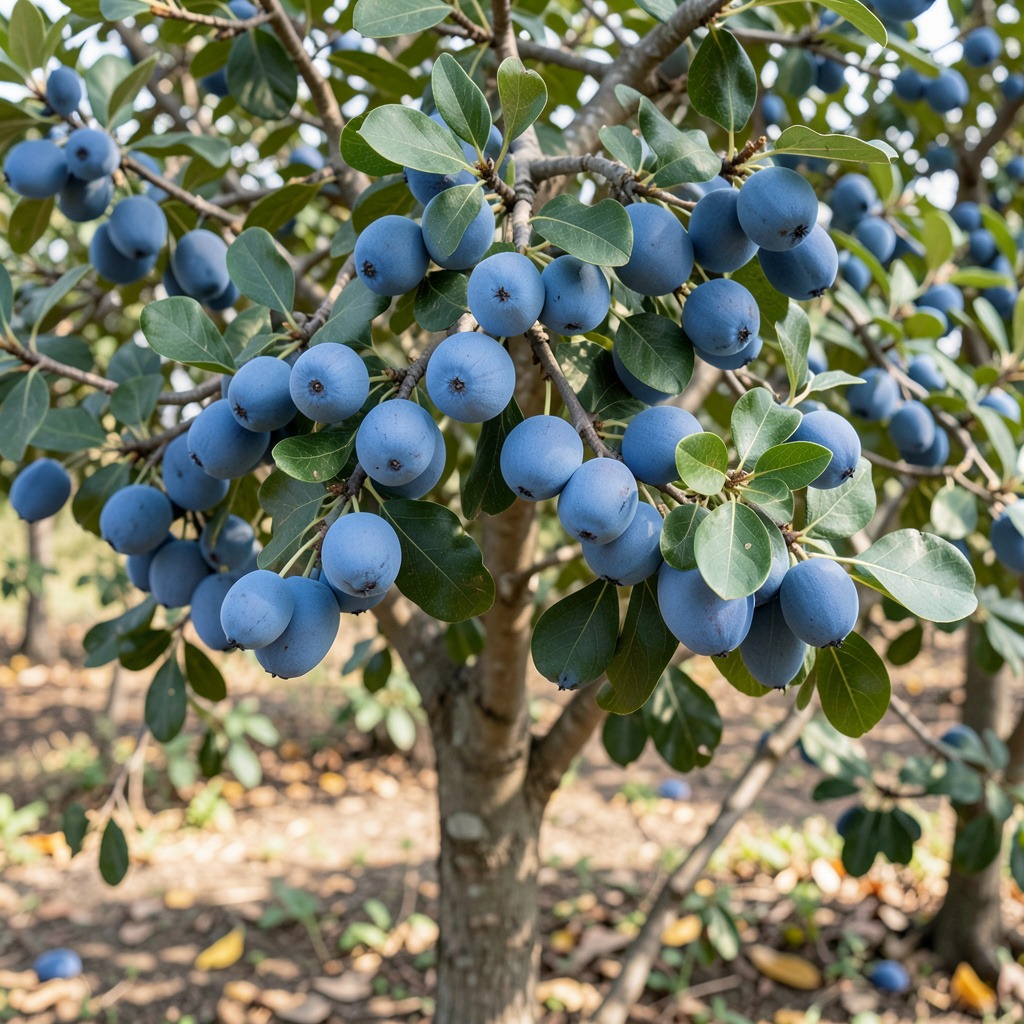
The blue quandong tree (Elaeocarpus grandis) offers diverse culinary and medicinal benefits. Its edible fruit has been a staple in traditional diets, while its medicinal properties are valued in various cultures.
Edible Fruit Characteristics
The blue quandong produces distinctive blue fruit, typically reaching 25 to 30mm in diameter. This fruit is not only visually appealing but also versatile in culinary applications.
- Taste and Texture: The fruit is best consumed when slightly over-ripe and soft, enhancing its flavor. However, if picked too early, it can taste bitter.
- Culinary Uses: Commonly used in jams and pickles, the fruit’s outer blue skin is separated from the green flesh for preparation. The process of making a traditional paste from the ripe fruit has been passed down through generations.
Traditional Uses in Aboriginal Culture
Aboriginal communities have long valued blue quandong for its culinary and medicinal properties.
- Culinary Tradition: Ripe fruits were traditionally mixed with water to create a paste, often used as a food source.
- Medicinal Applications: The fruit’s paste has been utilized in traditional remedies, believed to help with various ailments. Anecdotes from local Aboriginal communities highlight its role in nutritional practices and healing.
Health Benefits and Nutritional Value
Blue quandong fruit is rich in nutrients, contributing to its appeal as a health food.
- Nutritional Profile: The fruit contains vitamins and antioxidants, supporting overall health.
- Health Benefits: Consumption of blue quandong supports digestive health and may provide anti-inflammatory benefits.
Incorporating blue quandong into your diet can be a flavorful way to enhance nutritional intake. Consider experimenting with traditional recipes or creating new dishes that showcase its unique flavor profile.
Comparison with Other Trees
The blue quandong tree, or Elaeocarpus grandis, stands out among native Australian trees due to its unique characteristics and benefits. This section compares blue quandong with other fruit and ornamental trees, highlighting its pros and cons.
Blue Quandong vs. Other Fruit Trees
| Feature | Blue Quandong | Kakadu Plum | Native Peach |
|---|---|---|---|
| Growth Rate | Fast-growing; reaches 5-6 meters quickly | Moderate; slower initial growth | Moderate; can grow up to 4-6 meters |
| Edible Fruit | Bright blue, used in jams and pastes | Greenish-yellow, high in vitamin C | Reddish fruit, edible but less popular |
| Medicinal Properties | Used in traditional remedies | Known for antioxidant benefits | Valued for digestive health |
| Habitat | Thrives in subtropical rainforests | Adaptable to various conditions | Prefers arid regions |
| Cultural Significance | Important in Aboriginal culture | Recognized for health benefits | Valued for traditional uses |
Blue Quandong vs. Ornamental Trees
| Feature | Blue Quandong | Jacaranda | Frangipani |
|---|---|---|---|
| Canopy Size | Open canopy, up to 30 meters | Large, dense canopy | Compact, typically smaller |
| Aesthetic Appeal | Attractive blue fruit and flowers | Stunning purple flowers | Fragrant flowers, multiple colors |
| Maintenance | Requires regular care | Low maintenance | Moderate care needed |
| Wildlife Attraction | Attracts birds | Attracts bees and butterflies | Attracts pollinators |
| Growth Conditions | Prefers well-drained soil | Tolerates poor soil conditions | Thrives in tropical climates |
Decision Framework for Choosing Blue Quandong
When considering the blue quandong for your landscape, evaluate the following:
1. Space Availability: Ensure you have enough room for its mature size, especially for larger properties.
2. Purpose: Determine if you want a fruit-bearing tree, an ornamental feature, or both.
3. Cultural Significance: Consider the importance of traditional uses in your community or personal values.
4. Care Requirements: Assess your ability to provide the necessary maintenance compared to other species.
By comparing blue quandong to other native trees, you can make an informed decision that aligns with your landscape goals and preferences.
Alternatives to Blue Quandong
For those considering alternatives to the blue quandong, several native and non-native plants can offer similar benefits, whether for landscaping or culinary purposes. Here are some noteworthy options.
Native Alternatives
- Macadamia Nut Tree (Macadamia integrifolia):
- Growth Characteristics: Can reach heights of up to 15 meters.
- Uses: Produces edible nuts; ideal for culinary applications.
- Care Requirements: Prefers well-drained soil and full sun. Regular watering is essential, especially during dry spells.
- Finger Lime (Citrus australasica):
- Growth Characteristics: A small shrub, typically 1-3 meters tall.
- Uses: Edible fruit resembling caviar; popular in gourmet dishes.
- Care Requirements: Thrives in well-drained, slightly acidic soil. Requires full sun and moderate watering.
Non-Native Alternatives
- Pomegranate (Punica granatum):
- Growth Characteristics: Can grow up to 5-8 meters; offers both ornamental and fruiting value.
- Uses: Produces sweet, tangy fruit; used in beverages and cooking.
- Care Requirements: Tolerates drought once established; prefers full sun and well-drained soil.
- Olive Tree (Olea europaea):
- Growth Characteristics: Reaches 3-12 meters; offers attractive silver-green foliage.
- Uses: Produces olives for oil and consumption.
- Care Requirements: Requires well-drained soil and full sun; drought-resistant once established.
Decision-Making Considerations
When selecting an alternative, consider the following:
- Space: Ensure adequate room for mature growth.
- Purpose: Identify if you need fruit, aesthetics, or both.
- Climate: Match the plant’s requirements with your local conditions.
- Maintenance: Assess your ability to care for the chosen species.
By evaluating these factors, you can choose a plant that aligns with your landscaping goals while providing the desired benefits.
Frequently Asked Questions
These quick answers cover the most common questions about this topic, including key details, practical tips, and common concerns.
How big do quandong trees get?
Blue quandong trees (Elaeocarpus grandis) can grow to impressive heights, often exceeding 30 meters (98 feet) in optimal conditions. They typically reach around 5-6 meters (16-20 feet) within the first few years of growth. This significant size makes them suitable for large gardens, parks, and open spaces, but they may not be ideal for smaller urban gardens.
Can you eat blue quandongs?
Yes, blue quandongs produce edible fruit that is typically 25 to 30 mm in diameter. The fruit is best consumed when slightly overripe, as it can taste bitter if picked too early. Traditionally, it has been used in jams, pickles, and even made into a paste by Indigenous Australians, highlighting its culinary versatility.
What is quandong good for?
Blue quandong fruit is known for its nutritional value, containing vitamins and antioxidants that contribute to overall health. It has been traditionally used in various culinary applications and is also valued for its medicinal properties, believed to support digestive health and provide anti-inflammatory benefits. Additionally, the tree itself offers aesthetic and ecological benefits, attracting wildlife and providing shade.
Do quandong trees need a host?
Blue quandong trees do not require a host plant to grow. Unlike some other species, they are capable of thriving independently. However, they do prefer well-drained soil and ample sunlight to flourish. Ensuring the right growing conditions is crucial for their health and productivity.
What are common pests affecting blue quandong?
Common pests that may affect blue quandong trees include scale insects and aphids. These pests can hinder the tree’s growth and overall health if not managed properly. Regular monitoring and maintaining good tree hygiene can help mitigate infestations and keep the tree thriving.
How do you properly care for a blue quandong?
To care for a blue quandong tree, ensure it is planted in well-drained, fertile soil and receives full sun exposure. Regular watering is essential during the early growth stages, especially in dry periods. Once established, the tree is relatively drought-tolerant but should still be monitored for pests and diseases to maintain its health.
When is the best time to harvest blue quandong fruit?
The best time to harvest blue quandong fruit is when it is slightly overripe, typically during the late summer to early autumn months. The fruit will have a vibrant blue color and a soft texture, indicating that it is ready for consumption. Harvesting at this time ensures the best flavor and nutritional value.
What are the environmental benefits of planting blue quandong?
Planting blue quandong trees contributes to local biodiversity by providing habitat and food for various wildlife, including birds. Additionally, their large canopy offers shade, helping to create cooler microclimates in gardens and parks. Their rapid growth also aids in soil stabilization, making them beneficial for erosion control in suitable environments.