
Boxelder trees, or Acer negundo, are identified by their unique compound leaves, smooth gray bark, and helicopter-like seeds called samaras.
Table of Contents
Identifying boxelder trees is essential for gardeners and nature enthusiasts alike. Known for their distinctive features, boxelders can often be confused with other species. This guide highlights 16 key characteristics for accurate identification of Acer negundo.
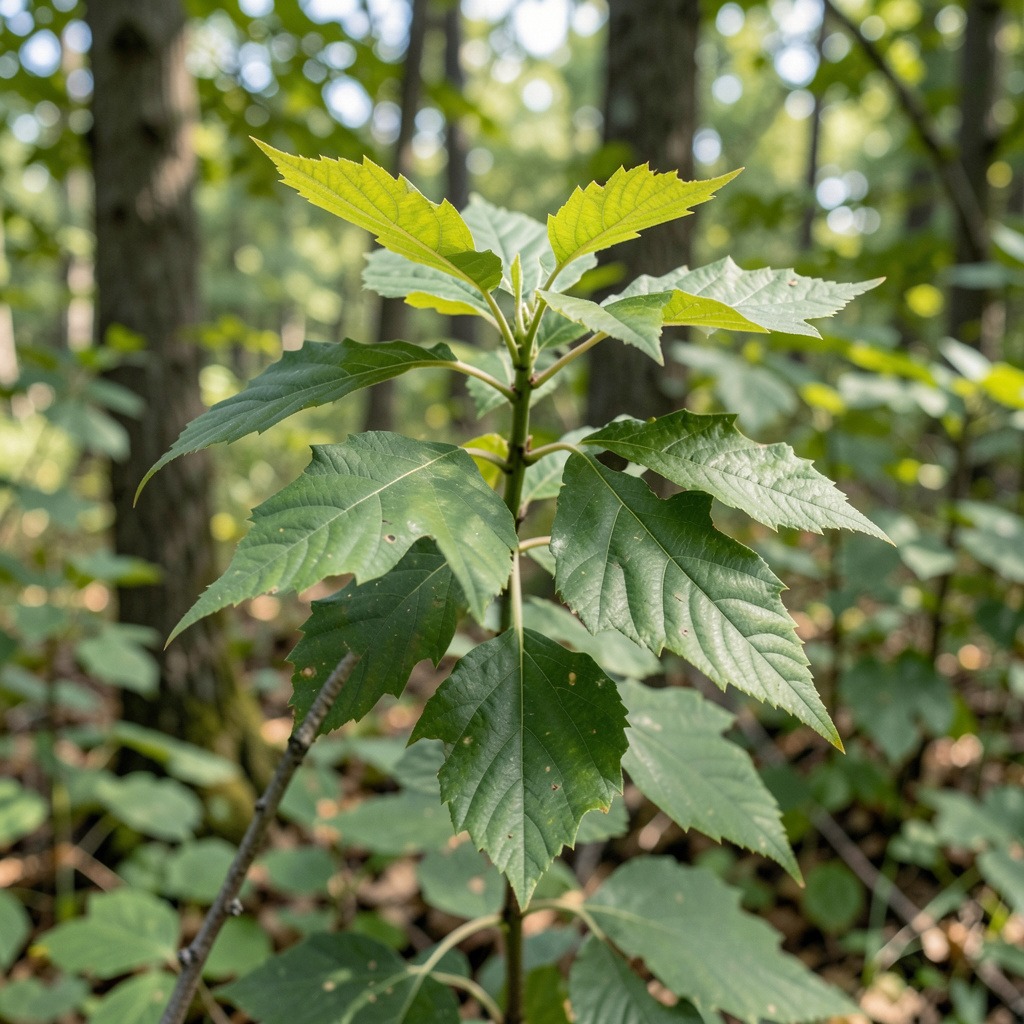
Overview of Boxelder Trees
Boxelder trees, scientifically known as Acer negundo, are fast-growing deciduous trees native to North America. They are classified within the maple family and are often recognized for their distinctive features and ecological impact.
Geographic Distribution
- Native Range: Boxelder trees thrive across the United States and parts of Canada. They are commonly found in areas with rich, moist soils, often near rivers and streams.
- Habitat: These trees prefer disturbed sites and can often be seen in urban environments, where they tolerate a variety of soil conditions.
Fast Growth and Invasiveness
Boxelder trees are known for their rapid growth rate. They can reach heights of 30 to 50 feet within just a few years, making them a popular choice for quick landscaping solutions. However, their aggressive growth can lead to invasiveness.
- Characteristics:
- Growth Rate: Up to 3 feet per year.
- Lifespan: Typically short-lived, lasting around 30 years.
- Invasive Nature: Boxelders frequently produce numerous seeds, resulting in abundant seedlings that can quickly take over landscapes. Their ability to colonize disturbed areas raises concerns about their impact on native ecosystems.
Identification Features
Understanding the key attributes of boxelder trees can aid in accurate identification:
- Leaves: The leaves are typically compound, consisting of 3 to 5 leaflets with serrated edges.
- Bark: The bark is light gray and becomes furrowed with age, providing a distinct texture.
- Seeds: Boxelder seeds, known as samaras, are unique, featuring a papery casing that hangs in V-shaped pairs.
Decision Framework for Identification
To distinguish boxelder trees from similar species, consider the following:
- Leaf Structure: Compare leaflets; boxelder has compound leaves, while other maples generally have simple leaves.
- Bark Texture: Look for the characteristic gray furrows. Ash trees often have a smoother bark.
- Seed Shape: Note the V-shaped arrangement of samaras, which differs from those of other invasive species like the Norway maple.
By familiarizing yourself with these features, you can confidently identify boxelder trees in various settings.
Key Identifying Features of Boxelder

Identifying boxelder trees (Acer negundo) requires keen observation of specific characteristics, particularly their leaves, bark, and overall growth structure. These features set them apart from similar species, aiding accurate identification.
Distinctive Leaf Characteristics
Boxelder leaves are pinnately compound, which distinguishes them from other maples. Here are key points to note:
- Leaf Structure: Each leaf consists of 3 to 7 leaflets, which are ovate and have serrated edges.
- Color: New leaves emerge light green, maturing to a glossy dark green in summer, before turning yellow to orange in autumn.
- Leaf Scars: The leaf scars on the twig are circular and show a single bundle scar, unlike other species that have broader scars.
Checklist for Leaf Identification:
- Look for 3-7 leaflets per leaf.
- Check for serrated margins.
- Observe the glossy surface and color changes through the seasons.
Bark Texture and Color Patterns
The bark of the boxelder tree provides additional identification clues:
- Initial Appearance: Young stems are green with a waxy coating.
- Mature Bark: As the tree ages, bark becomes pale gray or light brown, developing deep furrows and interlocking ridges.
- Texture: The bark feels rough and scaly, setting it apart from the smoother bark of ash trees.
Identification Tips:
- Assess the bark color; it should be lighter than that of many other maples.
- Feel for the rough texture and deep furrows for confirmation.
Overall Growth Habit and Structure
Understanding the growth habit of boxelder is crucial for identification:
- Size: This tree typically grows between 30 to 50 feet tall.
- Crown Shape: It has a broad, irregular crown that may appear somewhat scruffy.
- Branch Structure: Due to its fast growth, boxelder branches can be brittle, often breaking under heavy snow.
Growth Assessment:
- Observe the tree’s height; if it’s scruffy and irregular, it’s likely a boxelder.
- Check for any broken branches, which are common in this species.
By focusing on these key identifying features, you can confidently recognize boxelder trees in various landscapes.
Leaf Characteristics: How to Identify Boxelder Leaves

Boxelder leaves are a key feature for identifying this tree species. Their unique structure and arrangement distinguish them from other similar trees.
Structure of Boxelder Leaves
- Type: Boxelder leaves are pinnately compound, meaning they consist of multiple leaflets along a central stem (rachis).
- Arrangement: Leaflets are arranged oppositely, typically numbering three to five.
- Shape: The leaflets are ovate to lanceolate with finely serrated edges.
Leaf Size and Color
- Length: Individual leaflets measure between 2 to 4 inches long, while the overall leaf can reach 4 to 10 inches.
- Color Changes: In spring, new leaves emerge light green. They deepen in color through summer, showcasing a glossy appearance. In autumn, the leaves turn yellow to orange.
Distinguishing Features
To differentiate boxelder leaves from similar species, consider the following:
- Comparison with Maple: Unlike maples, which have simple lobed leaves, boxelder’s compound leaves are a definitive identification trait.
- Comparison with Ash: Ash leaves generally have more leaflets and a different leaflet arrangement. Boxelder leaflets lack the pronounced central vein seen in ash leaves.
- Leaf Scars: Boxelder leaf scars are small and circular, featuring a single bundle scar, contrasting with broader scars from other species.
Practical Identification Tips
- Visual Comparison: Collect a leaf and compare its structure against reference images of maple and ash leaves. Identify the distinct central rachis and opposite arrangement of leaflets.
- Growth Habitats: If lower leaves appear smaller or less vibrant due to shading, check sun-exposed branches for accurate identification.
- Decision Rule: If the leaves show a central rachis and three to five leaflets with serrated edges, you are likely observing a boxelder.
By focusing on these leaf characteristics and comparison points, you can confidently identify boxelder trees in their natural habitats.
Bark Identification Techniques
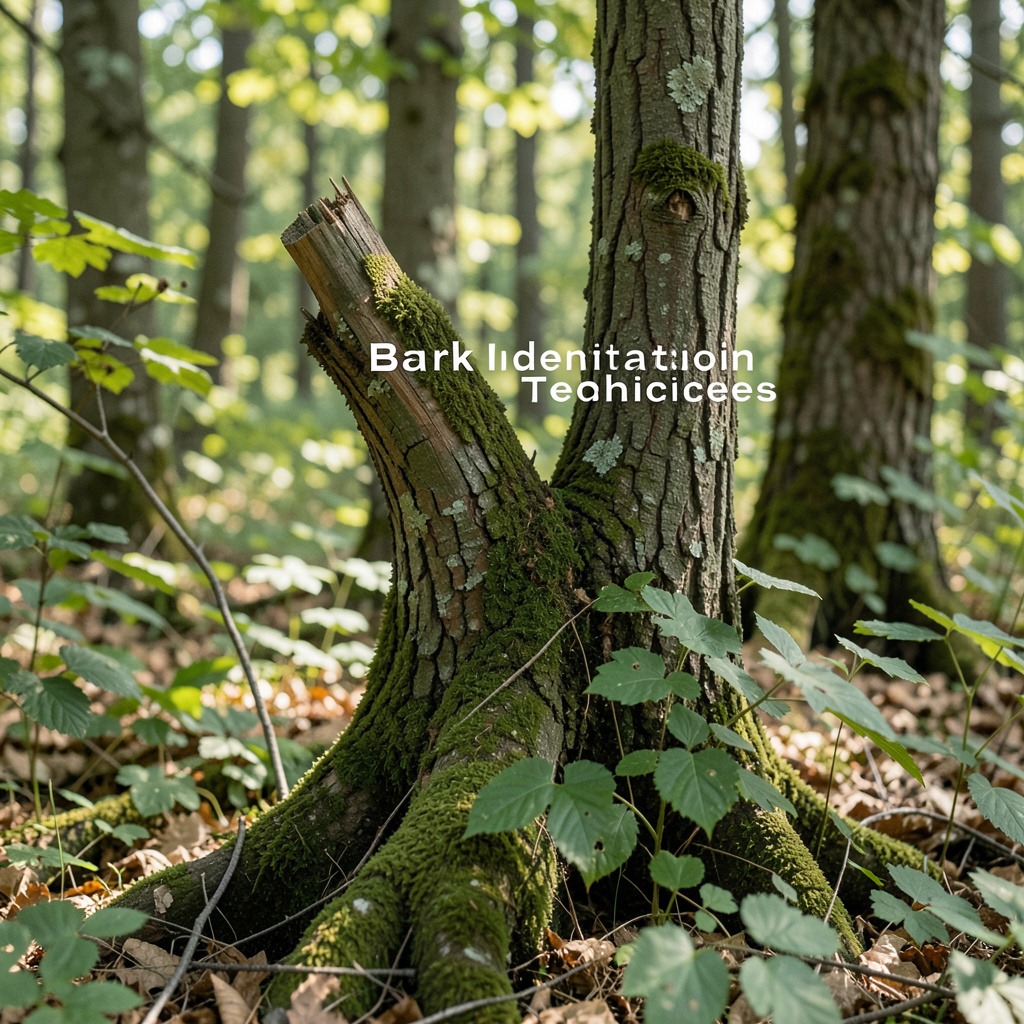
Identifying a boxelder tree through its bark involves examining texture and color changes as the tree matures. These characteristics provide reliable clues for accurate identification.
Young vs. Mature Bark
- Young Bark:
- Smooth and light gray.
- May display a faint, silky texture.
- Mature Bark:
- Becomes rough and darker with age.
- Develops deep clefts and interlocking ridges.
Seasonal Variations in Bark Appearance
Bark appearance can change throughout the seasons. Observing these variations can enhance identification accuracy:
- Winter/Early Spring: The bark remains relatively smooth and retains its lighter hue, making it easier to identify.
- Summer: Fine fissures may develop, but the characteristic shallow furrows still indicate boxelder.
Comparative Analysis with Similar Species
To differentiate boxelder bark from other species, consider the following:
- Sugar Maple (Acer saccharum): Displays vertical ridges and a darker color, typically blackish.
- White Ash (Fraxinus americana): Exhibits distinct diamond-shaped furrows and scaly texture.
Decision Framework for Bark Identification
When identifying boxelder bark, use this checklist:
1. Texture: Is the bark smooth, or does it show signs of deep furrows?
2. Color: Is the color light gray or has it darkened with age?
3. Patterns: Are there small, raised lenticels present?
By following these guidelines, you can confidently recognize boxelder trees in their environment.
Flowering and Fruiting Patterns
Boxelder trees exhibit distinct flowering and seed production patterns that are crucial for identification. Recognizing these phases can help differentiate boxelder from other tree species.
When Do Boxelder Trees Flower?
Boxelder trees typically flower in early spring. This occurs just before the leaves emerge. The flowers are small and greenish-white or yellowish, growing in drooping clusters known as corymbs.
- Flowering Period: March to early April
- Flower Characteristics:
- Male flowers are more visually appealing, showcasing yellow-green colors and bearing reddish pollen.
- Female flowers are less conspicuous but crucial for seed production.
Seed Production Timeline
Following the flowering phase, boxelder trees produce seeds. The seeds, known as samaras, appear in pairs and have a distinctive papery casing.
- Seed Development: Seeds form after the flowers fertilize.
- Ripening Period: Late summer, specifically August to September.
- Seed Characteristics:
- Length: 1 to 1.5 inches (2.5 to 3.8 cm).
- Appearance: Pale yellow, winged nutlets hanging in V-shaped clusters.
Importance of Flowering and Seed Patterns in Identification
Understanding these patterns aids in the identification of boxelder trees, especially when distinguishing them from similar species. For example, unlike many maples, which have more vibrant flowers, boxelder flowers are subtle and often overlooked.
Identification Checklist
Use this checklist during the flowering and seed production phases:
1. Observe Flowering: Are the flowers present in early spring?
2. Check Seed Formation: Are the samaras visible in late summer?
3. Color and Shape: Are the seeds pale yellow and in V-shaped pairs?
By following these cues, you can confidently identify boxelder trees in various landscapes.
Boxelder Bugs and Their Relationship to Boxelder Trees
Boxelder bugs (Boisea trivittata) have a notable ecological relationship with boxelder trees (Acer negundo). Understanding this relationship is crucial for effective identification and management of both the tree and the pests they attract.
Identifying Boxelder Bugs
Boxelder bugs are easily recognizable by their distinct coloration and shape. Here are key identification features:
- Color: Adults are primarily black with orange or red markings.
- Size: They typically measure around 0.5 inches in length.
- Body Shape: Boxelder bugs have a flattened oval shape.
These pests are often found in clusters on boxelder trees, especially in late summer and fall. Their presence can indicate that boxelder trees are nearby, as they feed on the tree’s sap.
Managing Boxelder Bugs
Effective management of boxelder bugs is essential, especially if they enter homes. Consider the following strategies:
- Seal Entry Points: Inspect and seal cracks in windows, doors, and foundations to prevent entry.
- Remove Clusters: Physically remove bugs from trees or surfaces using a vacuum or a broom.
- Use Insecticidal Soap: Apply insecticidal soap or neem oil to affected areas to deter them.
Implementing these measures can help mitigate infestations and reduce their impact.
Decision Framework for Management
When facing a boxelder bug issue, use the following decision framework:
1. Identify the Presence: Are boxelder bugs visible on the tree?
2. Evaluate the Severity: Is the infestation causing damage or nuisance?
3. Choose a Management Strategy: Will you seal entry points, remove bugs, or apply treatments?
By following this framework, you can effectively address boxelder bug issues while maintaining your boxelder tree’s health.
Common Misidentifications and How to Avoid Them
Boxelder trees, or Acer negundo, can often be mistaken for other species due to their similar characteristics. Understanding these differences is crucial for accurate identification.
Comparison with Similar Species
Boxelder is commonly confused with several trees such as ash and maple. Here’s how to distinguish them:
| Feature | Boxelder (Acer negundo) | Ash (Fraxinus spp.) | Maple (Acer spp.) |
|---|---|---|---|
| Leaf Structure | Compound leaves (3-5 leaflets) | Pinnate leaves (5-9 leaflets) | Simple or lobed leaves |
| Bark Texture | Smooth to slightly furrowed | Furrowed with diamond pattern | Smooth to rough, varies by species |
| Seed Type | Winged samaras | Single-seeded fruits | Samaras, often paired |
| Growth Habit | Irregular crown, fast-growing | Upright, round crown | Varied, often rounded |
Identifying Boxelder Bugs
Another common misidentification arises from boxelder bugs. These insects are often found on boxelder trees but can be confused with other similar pests. To differentiate:
- Appearance: Boxelder bugs are approximately ½ inch long, with black bodies and orange-red markings.
- Habitat: They thrive on boxelder trees and other maples, particularly in warmer months.
Practical Tips for Differentiation
1. Leaf Arrangement: Observe the leaf arrangement. Boxelder has compound leaves, while ash and maple have either simple or distinctively lobed leaves.
2. Bark Inspection: Check the bark. Boxelder bark tends to be smoother than that of ash trees, which have more pronounced furrows.
3. Seed Identification: Examine the seeds. Boxelder’s winged samaras are a key feature that sets it apart from related species.
Utilizing these identification tips can significantly reduce misidentifications and enhance your understanding of boxelder trees and their ecological relationships.
The Ecological Impact of Boxelder Trees
Boxelder trees (Acer negundo) play a complex role in their ecosystems. While they provide certain ecological benefits, their invasiveness poses challenges to local habitats.
Invasiveness of Boxelder Trees
Boxelder trees are known for their rapid growth and ability to thrive in various environments. This adaptability contributes to their classification as invasive in many regions. They often spread through prolific seed production, leading to dense stands that outcompete native species.
- Seed Production: Boxelder trees produce large quantities of winged samaras, which can travel significant distances. This extensive seed dispersal allows them to colonize new areas quickly.
- Habitat Preferences: They prefer disturbed sites, such as abandoned fields and riverbanks, making them particularly problematic in urban settings.
- Impact on Native Flora: The aggressive growth of boxelder trees can overshadow and hinder the growth of native flora, disrupting local ecosystems.
Relationship with Boxelder Bugs
Boxelder bugs (Boisea trivittata) have a notable relationship with boxelder trees. These pests feed on the sap of boxelder trees, particularly during the warmer months.
- Lifecycle: Boxelder bugs typically emerge in the spring. They lay eggs in the crevices of the tree’s bark, contributing to their population growth around boxelder trees.
- Ecological Role: While they do not cause significant damage to mature trees, their presence can indicate a thriving boxelder population, which may be detrimental to local biodiversity.
Management and Identification
Identifying boxelder trees is crucial for effective management. Here are key features to observe:
- Leaves: Compound leaves with 3-5 leaflets help differentiate them from other maples.
- Bark: Smooth and grayish bark aids in quick identification.
- Seeds: The characteristic V-shaped pairs of samaras are distinctive.
Practical Scenario: If you encounter a tree with compound leaves and smooth bark in an area where native species are declining, it may be a boxelder. Note the seed production and presence of boxelder bugs, as these indicators can confirm your identification and highlight potential ecological concerns.
When to Identify Boxelder Trees
Identifying boxelder trees (Acer negundo) requires attention to their seasonal changes. The best times for identification are during specific months when distinct features are observable.
Spring: Leaf Emergence and Flowering
In early spring, boxelder trees begin to bud. This is a prime time for identification:
- Leaves: Look for compound leaves with 3-5 leaflets. They are bright green and emerge before most other trees.
- Flowers: Clusters of small, inconspicuous flowers appear. They can be greenish to yellowish in color.
Summer: Seed Formation
During the summer months, boxelder trees develop their seeds. Key features include:
- Samaras: Notice the unique V-shaped pairs of samaras that hang from the branches. Each samara is 1 to 1.5 inches long.
- Bark: The bark remains smooth and grayish, making identification easier.
Fall: Seed Dropping and Leaf Color Change
In fall, boxelder trees exhibit several changes:
- Seed Drop: Watch for the dropping of seeds, which can create a litter problem.
- Leaf Color: Leaves may turn yellow before falling, but the compound structure remains distinct.
Winter: Bark Texture and Structure
Winter offers a different perspective on identification:
- Bark: Examine the smooth, grayish bark closely. In contrast to other trees, it lacks deep furrows.
- Tree Structure: The overall shape of the tree can help differentiate it from other species, such as ash trees, which have more pronounced features.
Identification Checklist
To aid in your identification, consider the following checklist:
- [ ] Compound leaves with 3-5 leaflets
- [ ] V-shaped samaras present
- [ ] Smooth grayish bark
- [ ] Seasonal features observed (flowers, seeds, leaf color)
By observing these features throughout the year, you can accurately identify boxelder trees and differentiate them from other similar species.
Boxelder Trees vs. Other Maple Species
Distinguishing boxelder trees from other maple species can be challenging. However, certain traits can simplify the identification process.
Leaf Structure and Shape
- Boxelder (Acer negundo): Features compound leaves with 3-5 leaflets. The leaflets are typically pointed and have a serrated edge.
- Sugar Maple (Acer saccharum): Has broad, single leaves with 5 distinct lobes. The leaves turn vibrant shades of red and orange in autumn.
- Red Maple (Acer rubrum): Displays lobed leaves, typically with 3-5 lobes and a serrated margin. Leaves exhibit brilliant red hues in fall.
Bark Characteristics
- Boxelder: Smooth, grayish bark that lacks deep fissures. It tends to become more rugged as it matures but remains less textured than other maples.
- Sugar Maple: Features a dark gray, furrowed bark that develops deep grooves as it ages.
- Red Maple: Exhibits a thin, gray bark that may become scaly but generally remains smoother than sugar maple bark.
Seed and Flower Differences
- Boxelder: Produces distinctive V-shaped samaras that hang in clusters. Flowers are inconspicuous and appear before the leaves.
- Sugar Maple: Produces helicopter-like seeds known as samaras, but they are not V-shaped and are larger than those of boxelder.
- Red Maple: Similar samara shape to sugar maple but typically has a reddish tint. Flowers are bright red and appear before leaf emergence.
Quick Identification Checklist
- Boxelder:
- Compound leaves with 3-5 leaflets
- Smooth grayish bark
- V-shaped samaras in clusters
- Sugar Maple:
- Broad single leaves with 5 lobes
- Dark gray, furrowed bark
- Larger, non-V-shaped samaras
- Red Maple:
- Lobed leaves with serrated edges
- Thin, gray bark
- Reddish samaras
Decision Framework for Identification
1. Leaf Type: Check if the leaves are compound (boxelder) or lobed (sugar or red maple).
2. Bark Texture: Assess the bark for smoothness or deep grooves.
3. Seed Shape: Examine the samaras; V-shaped indicates boxelder.
By recognizing these traits, you can effectively distinguish boxelder trees from other maple species. This clarity aids in proper identification and understanding of their ecological roles.
Alternatives to Boxelder Trees in Landscaping
When considering alternatives to boxelder trees for landscaping, it’s essential to evaluate species that offer similar benefits without the drawbacks associated with boxelders, such as invasiveness and weak wood. Here are some viable options that can enhance your landscape while providing ecological advantages.
1. Native Maple Species
- Sugar Maple (Acer saccharum)
- Identification: Broad, lobed leaves with a smooth texture.
- Pros: Offers vibrant autumn color and strong wood.
- Cons: Requires well-drained soil and can be susceptible to pests.
- Red Maple (Acer rubrum)
- Identification: Serrated lobed leaves that turn red in fall.
- Pros: Fast growth and adaptability to wet soils.
- Cons: May have shallow roots, which can cause instability.
2. Ash Trees
- Green Ash (Fraxinus pennsylvanica)
- Identification: Pinnately compound leaves with a smooth gray bark.
- Pros: Tolerant of a variety of soil types and conditions.
- Cons: Susceptible to the emerald ash borer, which can be detrimental.
- White Ash (Fraxinus americana)
- Identification: Opposite leaves with 5-11 leaflets.
- Pros: Strong wood, excellent for urban environments.
- Cons: Also vulnerable to pests like the emerald ash borer.
3. Other Considerations
- Eastern Cottonwood (Populus deltoides)
- Identification: Triangular leaves with a coarse texture.
- Pros: Rapid growth and excellent for erosion control.
- Cons: Weak wood; can break in storms.
- River Birch (Betula nigra)
- Identification: Peeling bark and diamond-shaped leaves.
- Pros: Attractive bark and good for wet areas.
- Cons: Requires consistent moisture and can attract pests.
Decision Framework for Selecting Alternatives
1. Growth Habit: Choose a tree with a similar growth rate to boxelder for quicker coverage.
2. Soil Compatibility: Ensure the tree can thrive in the specific soil conditions of your landscape.
3. Ecological Impact: Consider trees that support local wildlife and have minimal invasiveness.
By exploring these alternatives, you can select trees that enhance your landscape while avoiding the challenges of boxelder trees.
Cultural Significance and Historical Uses of Boxelder
Boxelder, or Acer negundo, has played a notable role in various cultures, primarily due to its wood and ecological presence. While often regarded as a nuisance due to its invasive nature, its historical uses reveal a different perspective.
Traditional Uses of Boxelder Wood
Boxelder wood is light and easy to work with, making it suitable for several applications:
- Crafting: Indigenous communities have used boxelder wood for making items like baskets, small tools, and decorative pieces. Its softness allows for intricate carving.
- Fuel: Historically, boxelder was utilized as firewood. Although it burns quickly, it produces a fair amount of heat, making it valuable in regions where hardwoods were scarce.
- Pulp Production: Due to its weak wood structure, boxelder is frequently used in the pulp and paper industry. Its fast growth makes it a sustainable choice for paper products.
Ecological Relationships and Cultural Implications
Boxelder trees have ecological significance that extends into the cultural realm:
- Habitat for Wildlife: The tree provides shelter and food for various bird species and insects. Boxelder bugs, for instance, are commonly found on these trees. Monitoring their presence can be a cultural tradition in some communities.
- Landscape Use: In certain cultural landscapes, boxelder’s rapid growth has made it a preferred choice for quick shade or windbreaks. This has implications for local climate and agricultural practices.
Decision Framework for Recognizing Boxelder’s Cultural Value
When identifying boxelder trees, consider the following:
1. Wood Characteristics: Lightness and softness for crafting applications.
2. Growth Rate: Fast growth for quick ecological benefits in landscape design.
3. Wildlife Support: Presence of boxelder bugs indicates ecological relationships and can enhance local biodiversity.
Recognizing these traits can foster a deeper appreciation for boxelder beyond its identification as an invasive species.
Practical Tips for Managing Boxelder Trees
Managing boxelder trees in urban environments requires a strategic approach. Their rapid growth and tendency to produce numerous seedlings can lead to challenges in maintenance and landscape management.
Identification of Boxelder Seedlings
Recognizing boxelder seedlings early helps prevent overcrowding. Here’s how to identify them:
- Leaf Structure: Seedlings have compound leaves with 3-5 leaflets. They resemble the leaves of mature boxelder trees but are smaller.
- Growth Habit: Seedlings often sprout in clusters, indicating their aggressive growth pattern.
- Location: Look for seedlings near established boxelder trees, particularly in disturbed soils.
Removal Techniques for Boxelder Trees
If boxelder trees become problematic, removal may be necessary. Follow these steps for effective removal:
1. Assess the Tree: Determine the size and health of the tree. Healthy trees may require professional removal.
2. Cutting:
- Use a chainsaw or handsaw to cut the tree at the base.
- Ensure you wear protective gear.
3. Stump Treatment:
- Apply an herbicide to the stump to prevent regrowth.
- Alternatively, cover the stump with mulch to inhibit new sprouts.
4. Seedling Management:
- Regularly check for seedlings in spring.
- Pull them out by hand or use a hoe to remove them from the ground.
Best Practices for Ongoing Management
Maintaining control over boxelder trees involves continuous monitoring. Here are practical tips:
- Regular Inspections: Check for seedlings and boxelder bugs. Early detection can mitigate larger issues.
- Prune Wisely: If keeping boxelder trees, prune them annually to maintain health and reduce messiness from falling seeds.
- Plant Alternatives: Consider planting non-invasive species in the same area to reduce the ecological impact of boxelder trees.
By applying these management practices, you can effectively handle boxelder trees while minimizing their invasive tendencies and maintaining the health of your urban landscape.
Final Thoughts on Boxelder Identification
Understanding how to identify the boxelder tree, or Acer negundo, is crucial for effective management and ecological awareness. This guide has outlined the key features that distinguish boxelder from other species.
Key Identification Features
- Leaves: Boxelder leaves are typically bright green, lance-shaped, and arranged oppositely on the stem. They can exhibit a compound leaf structure with 3 to 5 leaflets.
- Bark: The bark of a mature boxelder is gray-brown and develops shallow fissures as it ages. Younger branches may appear smooth and greenish.
- Seeds: Look for the characteristic samaras, which are papery winged seeds that often fall in pairs, resembling helicopters in flight.
- Flowers: Small yellow-green flowers bloom in the spring before the leaves emerge, often going unnoticed but vital for identification.
Ecological Impact
Boxelder trees can be invasive in some regions, outcompeting native plants. Their relationship with boxelder bugs can also complicate management. Understanding this relationship helps in identifying and controlling both the tree and its pests effectively.
Comparison with Similar Species
When attempting to distinguish boxelder from similar species, consider the following:
- Ash Trees: Ash trees have compound leaves like boxelder but typically have a more uniform leaf structure and a more robust trunk.
- Other Maples: True maples usually have more vibrant fall colors and can be identified by their distinct leaf shapes and bark textures.
Practical Tips for Identification
- Decision Framework: If you’re unsure whether a tree is a boxelder, assess the leaf structure first. If the leaves are compound with a serrated edge, it’s likely a boxelder.
- Visual Aids: Use diagrams or photos of leaves, bark, and seeds to enhance identification skills.
By applying these identification techniques, you can confidently recognize boxelder trees in various landscapes, ensuring better management and ecological balance.
Frequently Asked Questions
These quick answers cover the most common questions about this topic, including key details, practical tips, and common concerns.
Is boxelder a junk tree?
Boxelder trees (Acer negundo) are often labeled as “junk trees” due to their rapid growth and short lifespan, which typically lasts around 30 years. They can be invasive, producing numerous seeds that lead to dense stands, potentially outcompeting native species. However, they provide quick shade and can be beneficial in disturbed areas.
What kills box elder bugs instantly?
To quickly eliminate box elder bugs, use a mixture of water and dish soap in a spray bottle. This solution suffocates the bugs upon contact. Alternatively, insecticidal soap or neem oil can be effective. Be sure to apply these treatments directly to the bugs for the best results.
Does boxelder look like poison ivy?
Boxelder leaves can sometimes be confused with poison ivy, but there are key differences. Boxelder leaves are compound, featuring 3-5 leaflets, while poison ivy has simple leaves with three leaflets. Additionally, boxelder leaves have serrated edges, while poison ivy’s edges are smooth or lobed.
Is box elder the same as maple?
Boxelder is a member of the maple family (Aceraceae) but is distinct from true maples like sugar or red maples. Boxelder has compound leaves, while most maples have simple, lobed leaves. Boxelder trees also produce unique V-shaped samaras, which differ from the seeds of other maples.
When do boxelder trees flower?
Boxelder trees typically flower in early spring, around March to April, just before the leaves emerge. The flowers are small and greenish-yellow, often overlooked but important for seed production. After flowering, the seeds develop in late summer, usually from August to September.
Why are boxelder trees considered invasive?
Boxelder trees are considered invasive because they grow rapidly and produce a high volume of seeds that can easily disperse. They thrive in disturbed areas and can quickly outcompete native flora, disrupting local ecosystems. Their aggressive growth can lead to dense stands that hinder biodiversity.
What part of the tree are you looking at right now (leaves, twigs, bark, or seeds)?
Identifying boxelder trees can depend on which part you’re examining. If you see compound leaves with 3-5 leaflets, it’s likely a boxelder. Smooth gray bark that develops furrows with age is another indicator. If you notice V-shaped samaras, you’ve identified the seeds of a boxelder tree.