
Boxelder leaves are pinnately compound with three to seven leaflets, featuring serrated margins and a light green color.
Table of Contents
Boxelder leaves, found on the Acer negundo tree, are unique in their compound structure and seasonal changes. This guide provides comprehensive insights into their identification, ecological role, and management strategies, along with addressing common concerns related to boxelder trees.
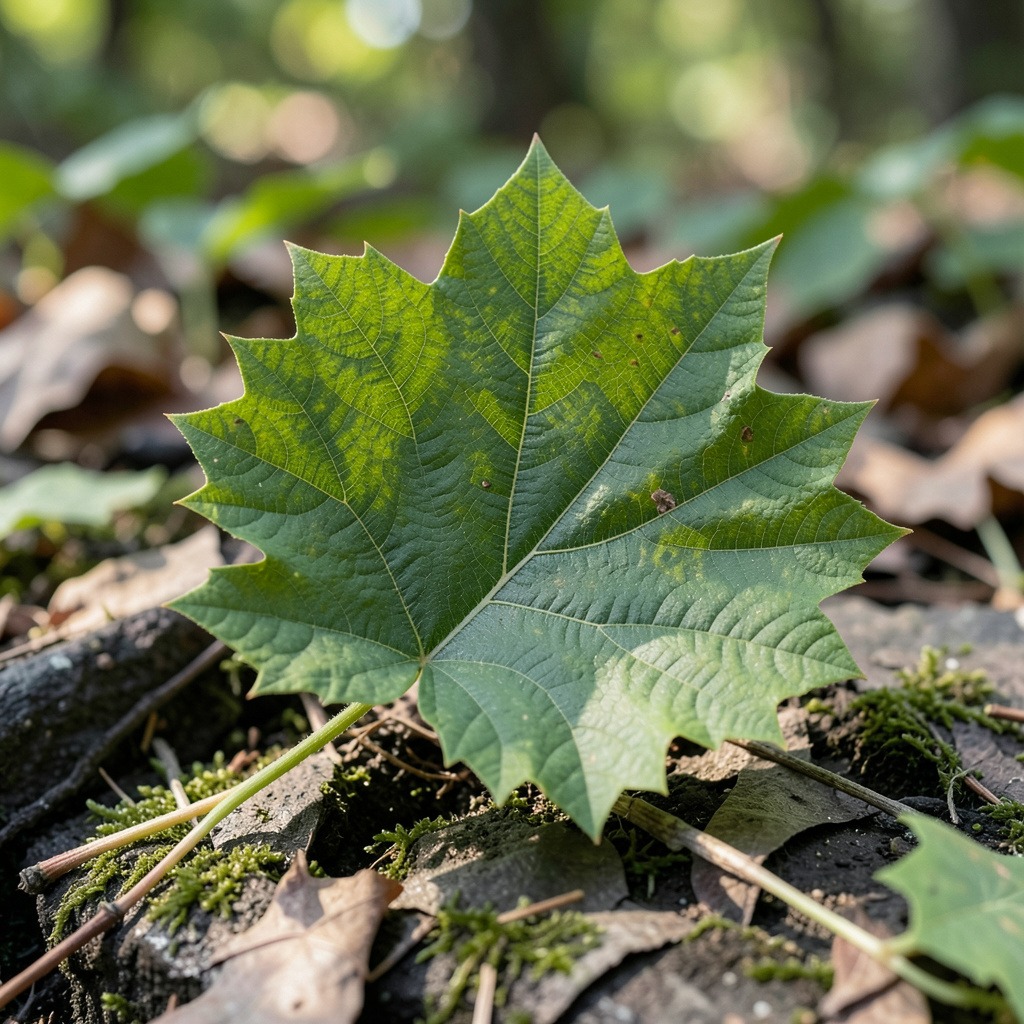
Identifying Boxelder Leaves: Key Characteristics
Boxelder leaves, derived from the Acer negundo tree, have distinct features that set them apart from other species. Understanding their structure, color variations, and seasonal changes is essential for accurate identification.
Leaf Structure and Appearance
Boxelder leaves are characterized by their compound structure, typically featuring three to five leaflets arranged oppositely along a central stem. Each leaflet has the following traits:
- Shape: Ovate to lanceolate.
- Margin: Coarsely serrated, with shallow and evenly spaced teeth.
- Size: Overall leaf length can reach 10–15 cm.
- Petiole: Slender and may have wing-like extensions at the base.
This compound leaf structure differentiates boxelder from other maples, which usually possess simple, palmate leaves.
Seasonal Color Changes
Boxelder leaves undergo notable changes throughout the year:
- Spring: Bright green leaves emerge, providing a lush canopy.
- Summer: Leaves may experience drought stress, leading to premature dropping.
- Autumn: Leaf color transitions to a dull yellow, often with scorched brown edges due to summer heat. Some leaves may remain green longer than surrounding species.
Recognizing these seasonal shifts is crucial for monitoring the health of boxelder trees.
Comparison with Other Maple Leaves
To aid in identification, here’s a quick comparison of boxelder leaves against similar species:
| Feature | Boxelder (Acer negundo) | Red Maple (Acer rubrum) | Poison Ivy (Toxicodendron radicans) |
|---|---|---|---|
| Leaf Type | Compound | Simple | Compound |
| Leaf Structure | 3-5 opposite leaflets | 3 lobes (simple) | 3 leaflets (alternate arrangement) |
| Margin Characteristics | Coarsely serrated | Irregularly serrated | Smooth or slightly serrated |
| Autumn Color | Dull yellow | Bright red | Varies (green to yellow) |
This table can help clarify the differences and prevent misidentifications. When in doubt, examine the leaf arrangement—boxelder consistently displays opposite pairs, a defining characteristic.
By familiarizing yourself with these unique features, you can confidently identify boxelder leaves and differentiate them from similar plants.
Understanding the Ecological Role of Boxelder Leaves
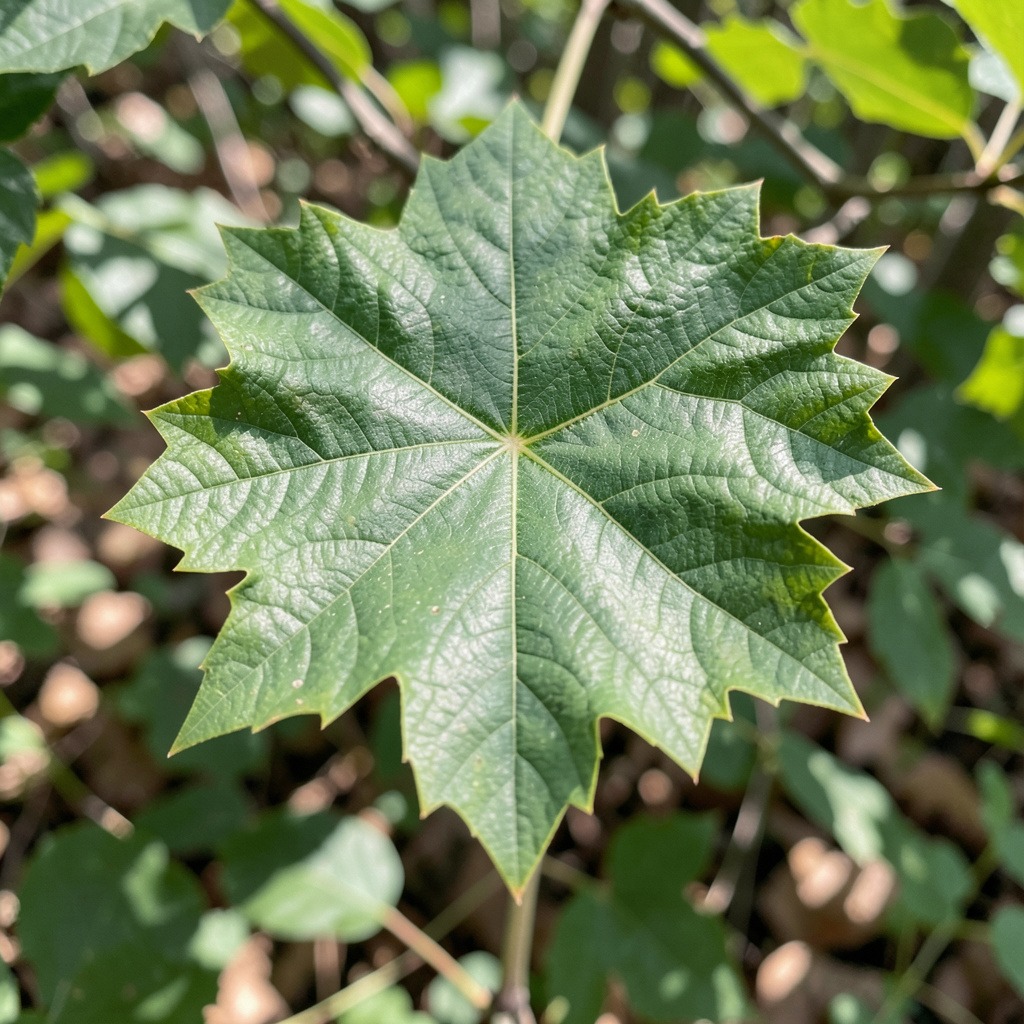
Boxelder leaves play a vital role in their native ecosystems. They contribute to soil health, support wildlife, and adapt well to various environmental conditions.
Benefits to Local Wildlife
Boxelder leaves provide multiple ecological benefits. They serve as a food source for various species, including:
- Insects: Boxelder bugs and other insects rely on the leaves for nourishment.
- Birds: Many bird species consume the seeds and insects that inhabit boxelder trees.
- Mammals: Small mammals find shelter and food among the branches.
These interactions help to maintain biodiversity in local habitats. By supporting both terrestrial and aerial wildlife, boxelder leaves contribute significantly to ecosystem stability.
Adaptability and Growth Conditions
Boxelder trees thrive in diverse soil types and conditions. They are known for:
- Rapid Growth: Boxelders can grow quickly, reaching heights of up to 50 feet within a few years.
- Soil Tolerance: They adapt well to poor or compacted soils, improving soil structure over time.
- Moisture Retention: The leaves enhance soil moisture retention during early spring, benefiting seedlings and surrounding plants.
This adaptability makes boxelder trees particularly valuable in urban and disturbed environments. Their leaves not only enrich the soil but also support the overall health of the ecosystem.
Ecological Impact Statistics
- Soil Enrichment: Boxelder leaves contribute approximately 20% organic matter to the soil, promoting healthier plant growth.
- Wildlife Habitat: A single mature boxelder tree can support over 100 species of insects and birds, enhancing local biodiversity.
By understanding the ecological roles of boxelder leaves, land managers can make informed decisions to maximize their benefits while mitigating any potential drawbacks.
Addressing the Invasiveness of Boxelder Trees
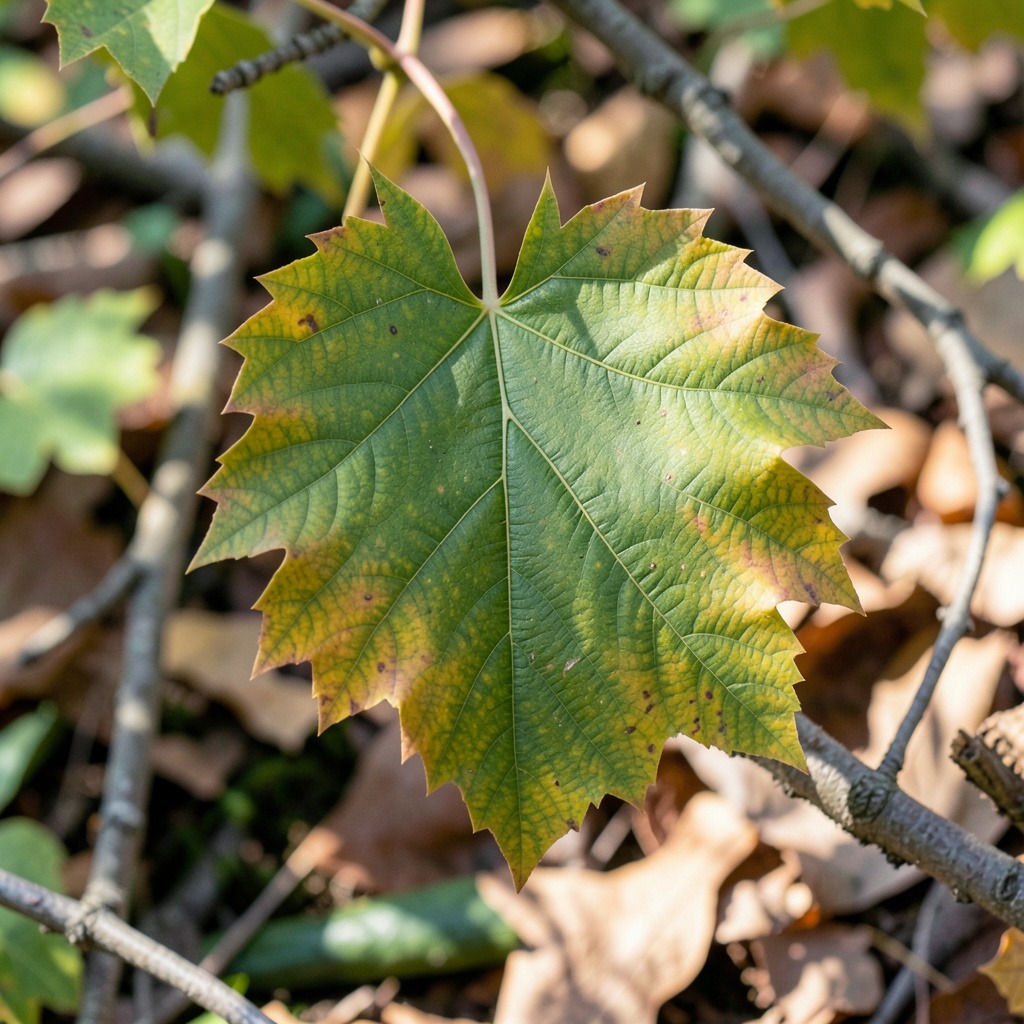
Boxelder trees, while valuable in many ecosystems, often exhibit invasive growth patterns. Their rapid growth and prolific seed production can disrupt local flora and landscapes.
Growth Patterns and Invasiveness Issues
Boxelder trees (Acer negundo) are fast-growing, reaching significant heights in a short time. They can thrive in poor soil and adapt to various conditions. However, these traits contribute to their invasive nature.
- Seed Production: Boxelder trees produce numerous seeds that can germinate quickly, leading to dense thickets.
- Seedling Growth: Seedlings often sprout in the vicinity of mature trees, causing overcrowding. This results in competition for resources among native plants.
These characteristics can suppress local flora, leading to reduced biodiversity. Boxelder leaves also drop frequently, creating a persistent cleanup issue. The leaves can attract pests, further complicating management efforts.
Effective Management Strategies
To manage boxelder trees effectively, consider the following strategies:
1. Regular Monitoring: Check for new seedlings regularly, especially in spring.
2. Physical Removal: Hand-pull or dig out seedlings before they mature. Removing them early is crucial to prevent spread.
3. Chemical Control: If necessary, apply herbicides to larger specimens. Target the base and foliage for the best results.
4. Mulching: Use mulch around the base of existing trees to suppress new growth.
Checklist for Managing Boxelder Trees
- [ ] Inspect garden and landscape for seedlings bi-weekly.
- [ ] Remove seedlings by hand whenever possible.
- [ ] Apply herbicides if seedlings are too numerous to manage manually.
- [ ] Mulch around existing trees to deter growth.
By implementing these strategies, gardeners can effectively manage boxelder trees and mitigate their invasive tendencies.
Managing Boxelder Bugs: Effective Control Methods

Boxelder bugs are a common nuisance for those with boxelder trees. These pests can invade homes and gardens, making effective management essential. Here are strategies for controlling boxelder bugs using both natural and chemical methods.
Natural Pest Control Techniques
1. Hand Removal: Inspect your trees regularly. Remove boxelder bugs by hand when you see them. This method is effective for small infestations.
2. Diatomaceous Earth: Sprinkle food-grade diatomaceous earth around the base of boxelder trees. This natural powder dehydrates and kills boxelder bugs on contact without harming the environment.
3. Neem Oil: Use neem oil as a natural pesticide. Mix it with water and spray on infested areas. Neem oil disrupts the life cycle of the bugs, reducing their population over time.
4. Encourage Beneficial Insects: Attract natural predators like birds and ladybugs to your garden. These creatures help keep boxelder bug populations in check.
Chemical Control Options
1. Insecticidal Soap: Utilize insecticidal soap sprays. These are effective against boxelder bugs and are less harmful to beneficial insects.
2. Pyrethroid Insecticides: For severe infestations, consider pyrethroid insecticides. Apply these directly to the bugs and their hiding places. Follow the label instructions carefully to minimize environmental impact.
3. Residual Sprays: Use residual insecticides around windows and doorways to deter boxelder bugs from entering your home. These sprays create a barrier against future invasions.
Comparison of Pest Control Methods
| Control Method | Effectiveness | Environmental Impact |
|---|---|---|
| Hand Removal | Moderate | Low |
| Diatomaceous Earth | High | Very Low |
| Neem Oil | Moderate | Low |
| Insecticidal Soap | High | Moderate |
| Pyrethroid Insecticides | Very High | Moderate to High |
| Residual Sprays | High | Moderate |
Implementing these strategies can significantly reduce boxelder bug populations and protect your boxelder trees and home. Regular monitoring and a combination of methods yield the best results.
Medicinal Uses of Boxelder: Exploring Health Benefits
Boxelder trees, specifically their leaves, have been utilized in various traditional medicinal practices. Recent research has shed light on their potential health benefits, revealing a blend of historical and contemporary applications.
Historical Uses in Traditional Medicine
Historically, Indigenous cultures have used boxelder leaves for their therapeutic properties. The leaves were often brewed into teas or poultices to treat ailments such as:
- Skin Irritations: The anti-inflammatory properties of boxelder leaves may help soothe minor skin issues.
- Digestive Disorders: Some traditions employed boxelder as a mild digestive aid.
- Respiratory Issues: The leaves were believed to alleviate coughs and respiratory discomfort when prepared as a herbal infusion.
Current Research and Applications
Recent studies have begun to explore the bioactive compounds found in boxelder leaves. These compounds may possess antioxidant and anti-inflammatory properties. Current research highlights include:
- Antioxidant Potential: Laboratory studies indicate that boxelder leaves contain flavonoids, which may combat oxidative stress.
- Anti-inflammatory Effects: Preliminary research suggests that extracts from boxelder leaves could reduce inflammation, potentially aiding conditions like arthritis.
- Culinary Uses: Some modern herbalists recommend incorporating young boxelder leaves in salads or as a culinary herb, tapping into their nutritional benefits.
Understanding these uses provides insight into the ecological role of boxelder in traditional and contemporary medicine. Further research is necessary to validate these benefits and explore dosage and safety guidelines for medicinal applications.
Frequently Asked Questions
These quick answers cover the most common questions about this topic, including key details, practical tips, and common concerns.
Are boxelder trees good or bad?
Boxelder trees can be both beneficial and problematic. On the positive side, they grow quickly and provide shade, making them suitable for urban environments. Their leaves support local wildlife, offering food and habitat for insects, birds, and small mammals. However, boxelder trees are often considered invasive due to their rapid growth and prolific seed production, which can outcompete native plants and disrupt local ecosystems.
How to identify a box elder?
To identify a box elder (Acer negundo), look for its distinctive compound leaves, which typically have three to five leaflets arranged oppositely. The leaflets are ovate to lanceolate with coarsely serrated edges. Additionally, boxelder trees have a light green color in spring and summer, turning dull yellow in autumn. The opposite leaf arrangement and compound structure differentiate them from other maples.
What kills box elder bugs instantly?
To kill boxelder bugs instantly, you can use insecticidal soap or a mixture of water and dish soap. Spray it directly on the bugs, as this clogs their breathing pores and leads to quick death. Alternatively, diatomaceous earth can be sprinkled around infested areas; it dehydrates the bugs on contact. For severe infestations, consider using pyrethroid insecticides, which are highly effective but should be applied with caution.
What are the medicinal uses of boxelder?
Boxelder leaves have been used in traditional medicine for various purposes. Historically, they were brewed into teas to treat skin irritations, digestive issues, and respiratory discomfort. Recent studies suggest that boxelder leaves contain antioxidants and anti-inflammatory compounds, which may offer health benefits. Some herbalists also recommend using young leaves in salads for their nutritional value.
When do boxelder leaves change color?
Boxelder leaves typically change color in the fall, transitioning from bright green to a dull yellow. This color change usually occurs in late September to early October, depending on the climate and weather conditions. The leaves may also develop brown edges if they experience drought stress during the summer months.
How can I tell if my boxelder tree is male or female?
You can determine the sex of a boxelder tree by examining its flowers. Male trees produce clusters of small yellow-green flowers that release pollen, while female trees have similar flowers that develop into seed-bearing samaras. During the flowering season in spring, look for these characteristics to identify whether your tree is male or female.
Are boxelder trees a good choice for gardens?
Boxelder trees can be a mixed choice for gardens. While they grow rapidly and adapt well to various soil types, their invasive nature can lead to overcrowding and competition with native plants. If you’re considering planting a boxelder, weigh the benefits of quick shade against the potential for unwanted spread. Alternatives like native maples or oaks may provide similar benefits without the invasiveness.