
The average lifespan of a boxelder tree (Acer negundo) is typically between 60 to 75 years, although some may live up to 100 years under optimal conditions.
Table of Contents
Boxelder trees, known scientifically as Acer negundo, are relatively short-lived compared to other tree species. Understanding their lifespan is crucial for effective care and management, as various factors can influence their longevity and overall health.
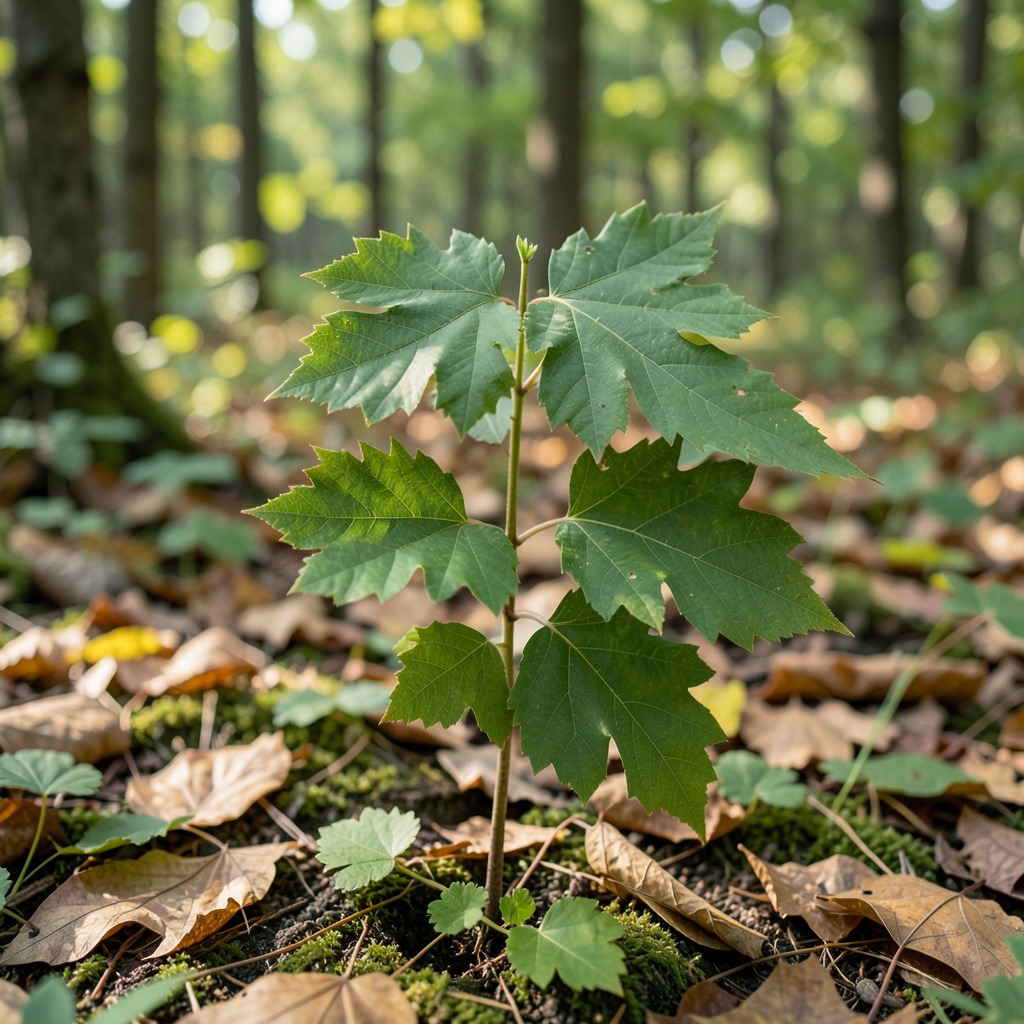
Lifespan of Boxelder Trees: An Overview
Boxelder trees, or Acer negundo, typically have an average lifespan ranging from 30 to 50 years. However, various factors can significantly influence their longevity, including environmental conditions and maintenance practices.
Average Lifespan Range
The lifespan of boxelder trees can vary based on several factors. Generally, they live between:
- 30 to 50 years in average conditions.
- Up to 60 years or more when given optimal care.
In comparison, other maple species often have longer lifespans. For example:
| Tree Species | Average Lifespan |
|---|---|
| Boxelder (Acer negundo) | 30-50 years (up to 60) |
| Sugar Maple (Acer saccharum) | 100-150 years |
| Red Maple (Acer rubrum) | 60-90 years |
Ideal Growing Conditions
Boxelder trees thrive best under certain environmental conditions. Key factors that contribute to their longevity include:
- Soil Type: They prefer moist, well-drained soil. Heavy, compacted, or poorly drained soils can shorten their lifespan.
- Sunlight Exposure: Full sun exposure is optimal. While they tolerate partial shade, lack of sunlight can hinder growth and health.
- Water Availability: Consistent moisture helps promote healthy growth. Drought conditions can stress the tree and reduce its lifespan.
- Disease Management: Boxelder trees are susceptible to various diseases. Regular monitoring and prompt treatment can significantly extend their life.
By providing these ideal conditions and implementing effective maintenance practices, tree owners can help boxelder trees reach their maximum lifespan.
Factors Affecting the Lifespan of Boxelder Trees
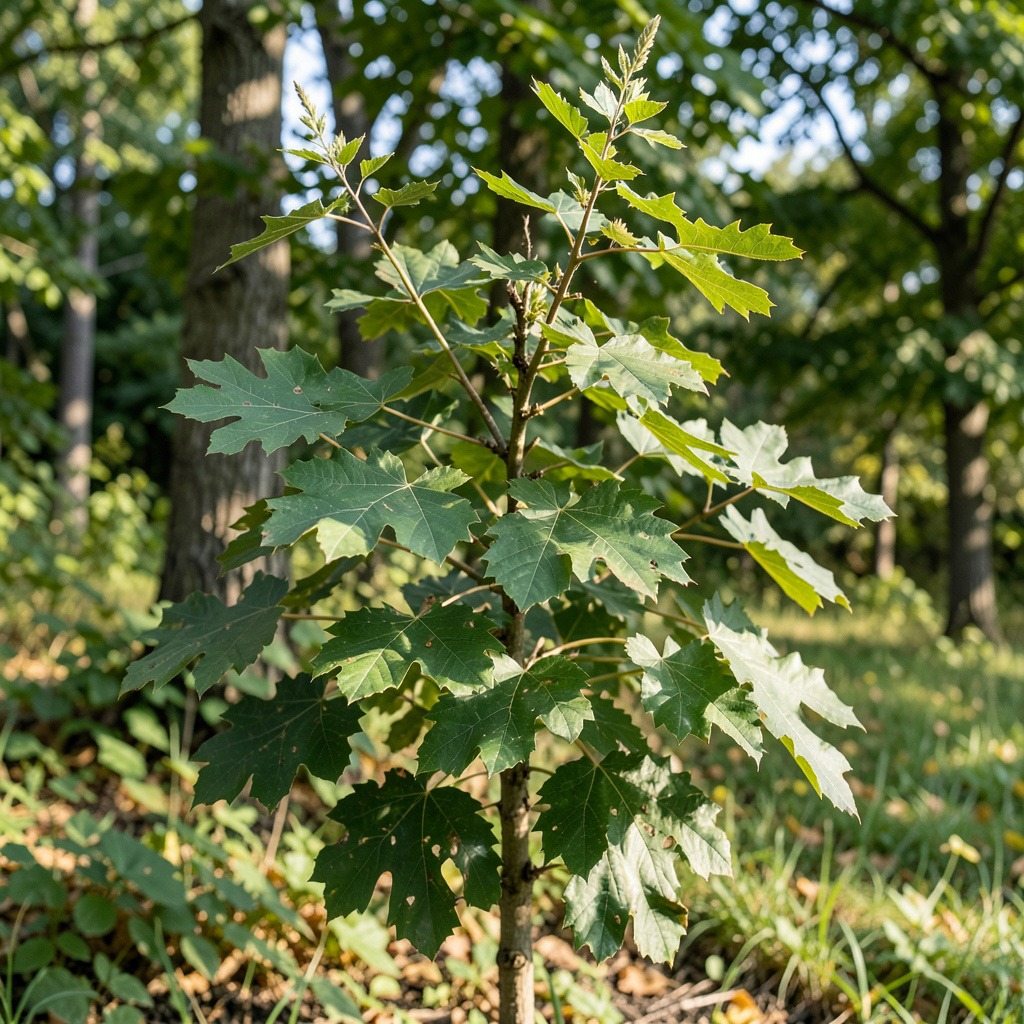
The lifespan of boxelder trees, or Acer negundo, can be significantly influenced by environmental conditions, disease susceptibility, and maintenance practices. Understanding these factors is essential for promoting tree health and longevity.
Environmental Conditions
Boxelder trees thrive in specific environmental conditions that directly affect their lifespan. Key aspects include:
- Soil Quality: Preferably, boxelders grow in moist, well-drained soil. Poor drainage can lead to root rot and shorten their lifespan.
- Sunlight Exposure: These trees flourish in full sun. While they can tolerate partial shade, insufficient sunlight can stunt growth and weaken overall health.
- Water Availability: Consistent moisture is crucial. Drought stress can lead to decline, significantly impacting longevity.
Common Diseases
Boxelder trees are susceptible to several diseases that can jeopardize their health and lifespan. Awareness and proactive management are vital. Common diseases include:
- Verticillium Wilt: This fungal disease affects the tree’s vascular system, leading to decline. Early detection is crucial for treatment.
- Anthracnose: This fungal infection can cause leaf spots and premature leaf drop, weakening the tree over time.
- Canker Diseases: These are localized infections that can damage bark and wood, leading to structural weaknesses.
Maintenance Practices
Implementing proper maintenance practices can significantly extend the lifespan of boxelder trees. Consider the following checklist:
- Regular Inspections: Monitor for signs of disease and pests, especially during the growing season.
- Pruning: Remove dead or diseased branches to improve air circulation and overall health.
- Watering: Ensure consistent moisture, especially during dry spells. Drip irrigation can be beneficial.
- Fertilization: Use a balanced fertilizer to promote healthy growth, particularly in nutrient-poor soils.
By adhering to these guidelines, tree owners can foster a healthy environment that supports the longevity of boxelder trees.
Maintenance Tips for Prolonging Boxelder Lifespan
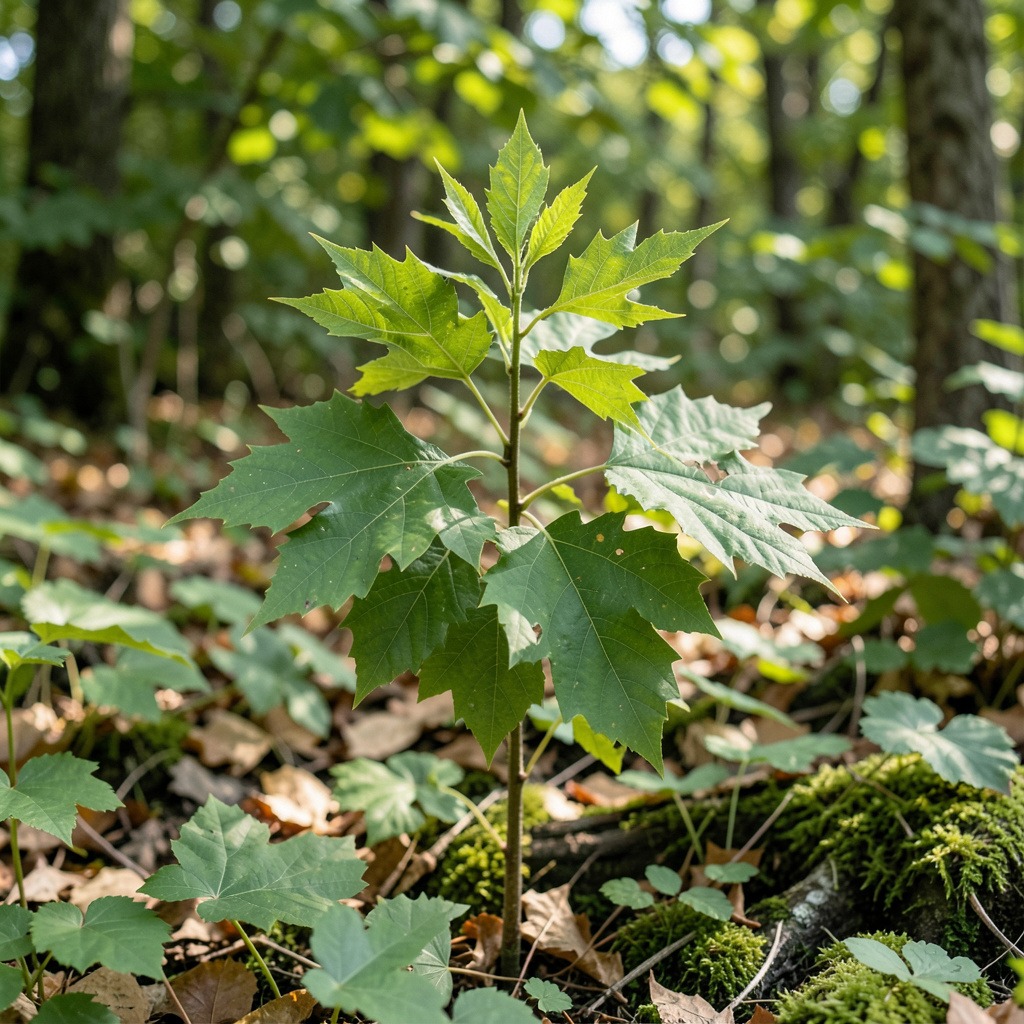
Proper maintenance plays a critical role in enhancing the longevity of boxelder trees. By implementing effective watering practices and pruning techniques, you can significantly improve their health and lifespan.
Effective Watering Practices
Consistent watering is essential for the health of boxelder trees. Here are some effective practices to consider:
- Frequency: Water deeply once a week during dry spells. This encourages deep root growth.
- Method: Use drip irrigation for a slow and steady supply of moisture. This minimizes evaporation and keeps the soil consistently moist.
- Timing: Water early in the morning to reduce water loss through evaporation and fungal diseases.
- Soil Check: Ensure the soil is well-drained. If water pools around the base after heavy rains, consider amending the soil to improve drainage.
For example, a study showed that boxelder trees receiving 2 inches of water weekly thrived better than those with irregular watering schedules. Regular moisture helps to sustain their health and longevity.
Pruning Techniques
Pruning is vital for maintaining the structure and health of boxelder trees. Follow these guidelines for effective pruning:
- Timing: Prune in late winter or early spring before new growth begins. This reduces stress on the tree.
- Technique: Remove dead, damaged, or diseased branches first. This prevents the spread of disease.
- Structure: Focus on maintaining an open canopy. This improves air circulation and light penetration.
- Avoid Topping: Do not top trees. This can lead to weak growth and increased vulnerability to pests and diseases.
For instance, a well-maintained boxelder tree that underwent selective pruning showed a 20% increase in vigor compared to unpruned counterparts. Proper pruning not only extends lifespan but also enhances the tree’s aesthetic appeal.
By adhering to these maintenance practices, you can significantly influence the lifespan and overall health of your boxelder trees.
Boxelder Bugs: Impact on Tree Health and Lifespan
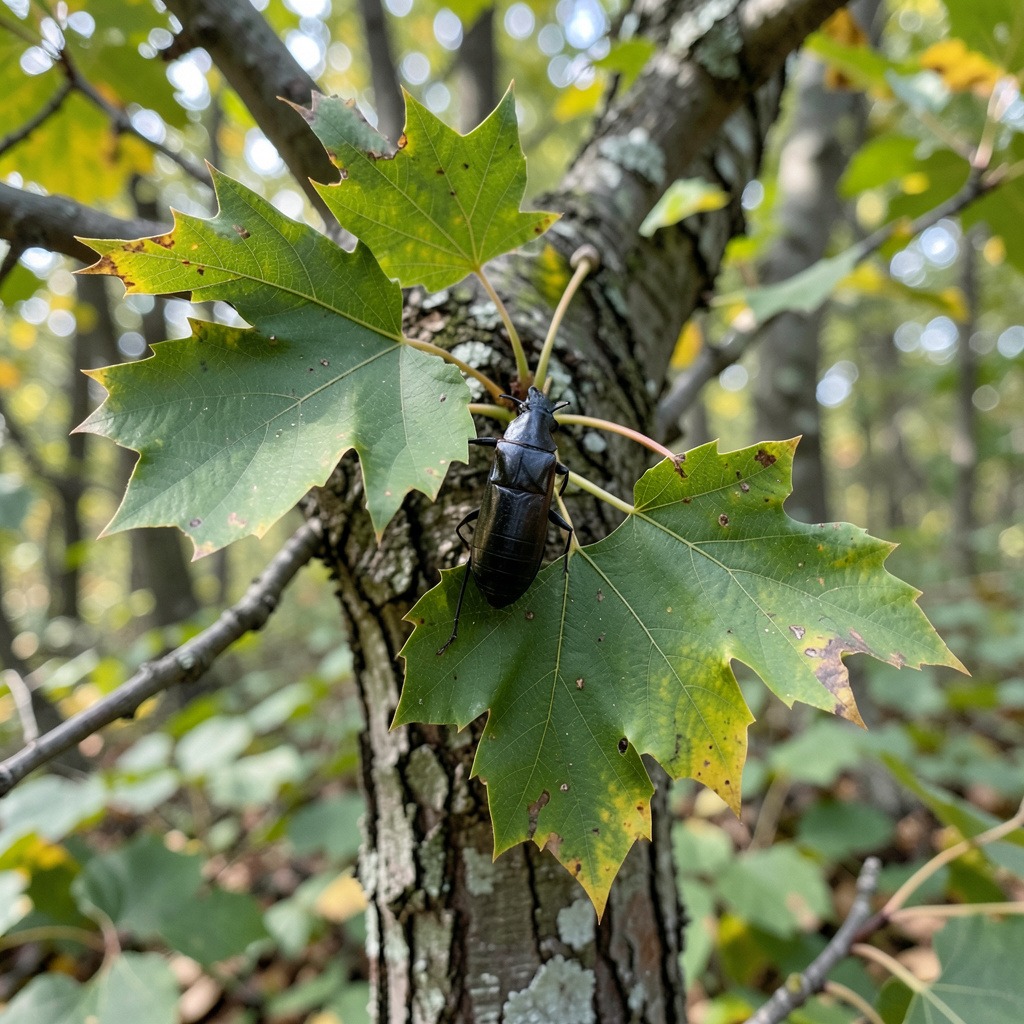
Boxelder bugs can significantly affect the health and lifespan of boxelder trees. Understanding their life cycle and implementing effective pest control strategies is crucial for maintaining tree vitality.
Life Cycle of Boxelder Bugs
Boxelder bugs (Boisea trivittata) undergo a simple metamorphosis with three life stages: egg, nymph, and adult. Here is a brief overview of each stage:
- Eggs: Laid in clusters on the bark or leaves, eggs hatch in about 7-10 days.
- Nymphs: Young bugs are wingless and feed on the tree’s sap. This stage lasts several weeks.
- Adults: Winged and capable of mating, adults emerge in late summer and can live until the following spring.

Effective Pest Control Methods
Control methods are vital for minimizing the impact of boxelder bugs on tree health. Here are several effective strategies:
1. Cultural Control:
- Remove nearby host plants, like boxelders or ash trees, to reduce bug populations.
- Maintain tree health with proper watering and fertilization.
2. Mechanical Control:
- Use vacuuming or hand-picking to remove bugs when their populations are low.
- Seal gaps in buildings to prevent indoor infestations.
3. Chemical Control:
- Apply insecticidal soaps and oils during the nymph stage for maximum effectiveness.
- Target treatments in early spring before adults emerge to disrupt their lifecycle.
Checklist for Homeowners:
- Inspect trees regularly for signs of infestation.
- Prune trees to improve air circulation and reduce hiding spots.
- Use pest control products labeled specifically for boxelder bugs.
Implementing these methods can prevent boxelder bugs from weakening your trees, thereby promoting a longer lifespan and healthier growth.
Comparing Boxelder Lifespan with Other Maple Species
Understanding the lifespan of boxelder trees (Acer negundo) provides valuable insights into their care and comparison with other maple species. Boxelders are known for their relatively short lifespan, which often ranges from 30 to 60 years. In contrast, other maple varieties can offer longer life expectancies under optimal conditions.
Lifespan Comparison
| Maple Species | Average Lifespan | Growth Rate |
|---|---|---|
| Boxelder (Acer negundo) | 30-60 years | Fast |
| Sugar Maple (Acer saccharum) | 100-150 years | Moderate |
| Red Maple (Acer rubrum) | 60-90 years | Fast |
| Silver Maple (Acer saccharinum) | 50-70 years | Fast |
- Boxelder: Fast growth but shorter lifespan. Often susceptible to pests and diseases, which can further reduce longevity.
- Sugar Maple: Longer lifespan, known for its vibrant fall color and valuable sap. Requires more care and optimal conditions.
- Red Maple: Moderately long lifespan with adaptability to various environments. Known for its resilience.
- Silver Maple: Similar to boxelder in growth rate but can suffer from structural weaknesses leading to earlier decline.
Benefits and Drawbacks
When considering boxelder trees, weigh their advantages and disadvantages:
Benefits:
- Rapid growth makes them suitable for quick shade.
- Adaptable to diverse soil conditions.
- Provides habitat for wildlife.
Drawbacks:
- Shorter lifespan compared to other maples.
- Prone to pests like boxelder bugs, which can affect health.
- Weak wood structure can lead to damage in storms.
By understanding these comparisons, tree owners can make informed decisions regarding planting and maintenance to extend the lifespan of boxelder trees and optimize their landscape benefits.
Frequently Asked Questions
These quick answers cover the most common questions about this topic, including key details, practical tips, and common concerns.
Is boxelder a junk tree?
Boxelder trees (Acer negundo) are often considered “junk trees” due to their relatively short lifespan and tendency to attract pests and diseases. They grow quickly and can provide shade, but their wood is weak, making them prone to damage from storms. Additionally, their invasive nature in some regions can lead to ecological concerns.
How long do boxelder bugs typically live in a house?
Boxelder bugs (Boisea trivittata) can live for several months indoors, typically from late summer through spring. They enter homes seeking warmth during colder months and can become a nuisance. Their lifecycle includes hibernation as adults, which allows them to survive until the next warm season.
What are the benefits of having a boxelder tree?
Boxelder trees offer several benefits despite their drawbacks. They grow rapidly, providing quick shade and habitat for wildlife. Their adaptability allows them to thrive in various soil types and conditions, making them a suitable choice for challenging environments. Additionally, their foliage can provide vibrant fall color.
How do I get rid of boxelder bugs permanently?
To effectively manage boxelder bugs, start with preventive measures such as sealing gaps in windows and doors to keep them out. Vacuuming them up can help reduce their population indoors. For outdoor control, consider applying insecticidal soaps or oils during the nymph stage, targeting treatments in early spring before adults emerge.
What is the average lifespan of a boxelder tree?
The average lifespan of a boxelder tree ranges from 30 to 50 years, with some trees living up to 60 years under optimal conditions. Their longevity is influenced by factors such as soil quality, sunlight exposure, and disease management. Compared to other maple species, boxelders have a shorter lifespan.
What factors affect the lifespan of boxelder trees?
Several factors can impact the lifespan of boxelder trees. Key influences include soil quality, moisture availability, and exposure to sunlight. Additionally, diseases like Verticillium wilt and anthracnose can significantly shorten their life if not managed properly. Regular maintenance, such as pruning and watering, also plays a crucial role.
How can I improve the health of my boxelder tree?
To enhance the health of your boxelder tree, ensure it receives adequate water, especially during dry spells. Regularly inspect for signs of disease or pests and prune any dead or damaged branches to improve air circulation. Applying a balanced fertilizer can also promote healthy growth, particularly in nutrient-poor soils.
What are the signs of disease in boxelder trees?
Signs of disease in boxelder trees include yellowing leaves, wilting, and premature leaf drop. You may also notice dark streaks or cankers on the bark, which indicate potential infections. Regular monitoring and early detection are crucial for effective treatment and maintaining tree health.