
Boxelder trees are fast-growing, deciduous trees that thrive in USDA zones 2-9.
Table of Contents
Boxelder trees, known for their rapid growth and adaptability, offer ecological benefits and aesthetic value. This guide will help you understand how to plant, care for, and manage boxelder trees effectively.
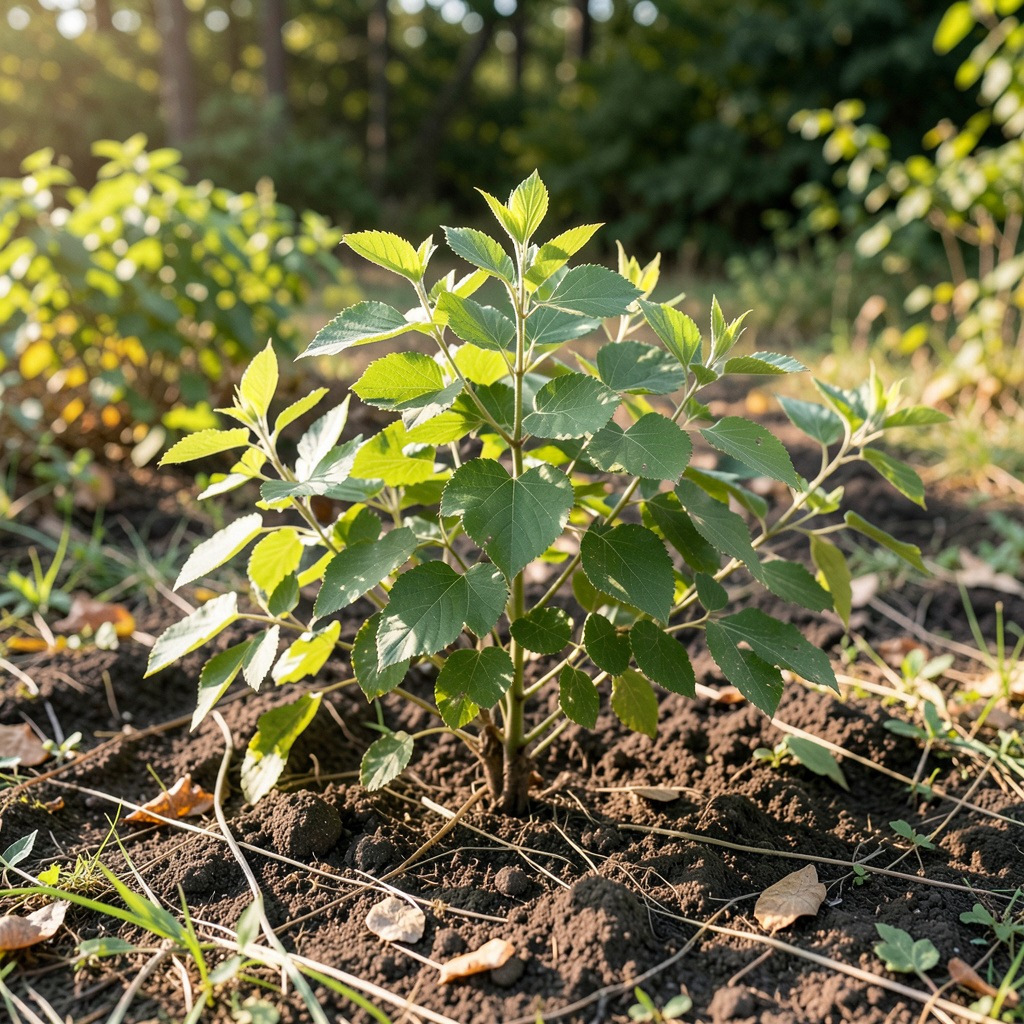
Understanding Boxelder: A Fast-Growing Tree
Boxelder, scientifically known as Acer negundo, is a deciduous tree native to North America. It is recognized for its rapid growth and ability to thrive in various conditions. Understanding its characteristics and ecological role is essential for successful planting and care.
What is Boxelder?
Boxelder, commonly referred to as boxelder maple, Manitoba maple, or ash-leaved maple, is a medium-sized tree. Its growth habit is often irregular, with a rounded crown that can develop multiple trunks. This tree typically grows 30 to 60 feet tall and can spread 25 to 40 feet wide.
- Scientific Classification: Acer negundo
- Common Names: Boxelder, Manitoba maple, ash-leaved maple
- Growth Rate: Fast-growing, often reaching maturity within a decade.
Ecological Importance of Boxelder
Boxelder plays a significant role in its ecosystem. It provides habitat and food for various wildlife, including birds and insects. The tree’s flowers attract pollinators in early spring, while its seeds serve as a food source for birds.
However, boxelder can be invasive in certain regions, potentially overshadowing native plants. It’s essential to consult local guidelines before planting to ensure ecological balance.
Characteristics of Boxelder Trees
Boxelder trees exhibit distinct features that define their growth and care:
- Leaves: Opposite, compound leaves that resemble ash tree leaves.
- Seeds: Produces clusters of winged seeds (samaras) that can create a messy environment in fall and early spring.
- Wood: Although fast-growing, the wood is brittle and susceptible to damage from wind or ice.
Checklist for Successful Boxelder Planting
- Planting Time: Late fall to early spring is ideal.
- Soil Requirements: Thrives in well-drained soil; adaptable to poor conditions.
- Watering: Requires regular irrigation during dry spells.
- Pest Management: Monitor for boxelder bugs, which feed on the tree and can become pests indoors.
Boxelder’s rapid growth and adaptability make it suitable for windbreaks and shade but may pose challenges due to its invasive nature. For those interested in planting, consider sourcing a sapling. Check Price on Amazon for a quality option.
Ideal Conditions for Planting Boxelder
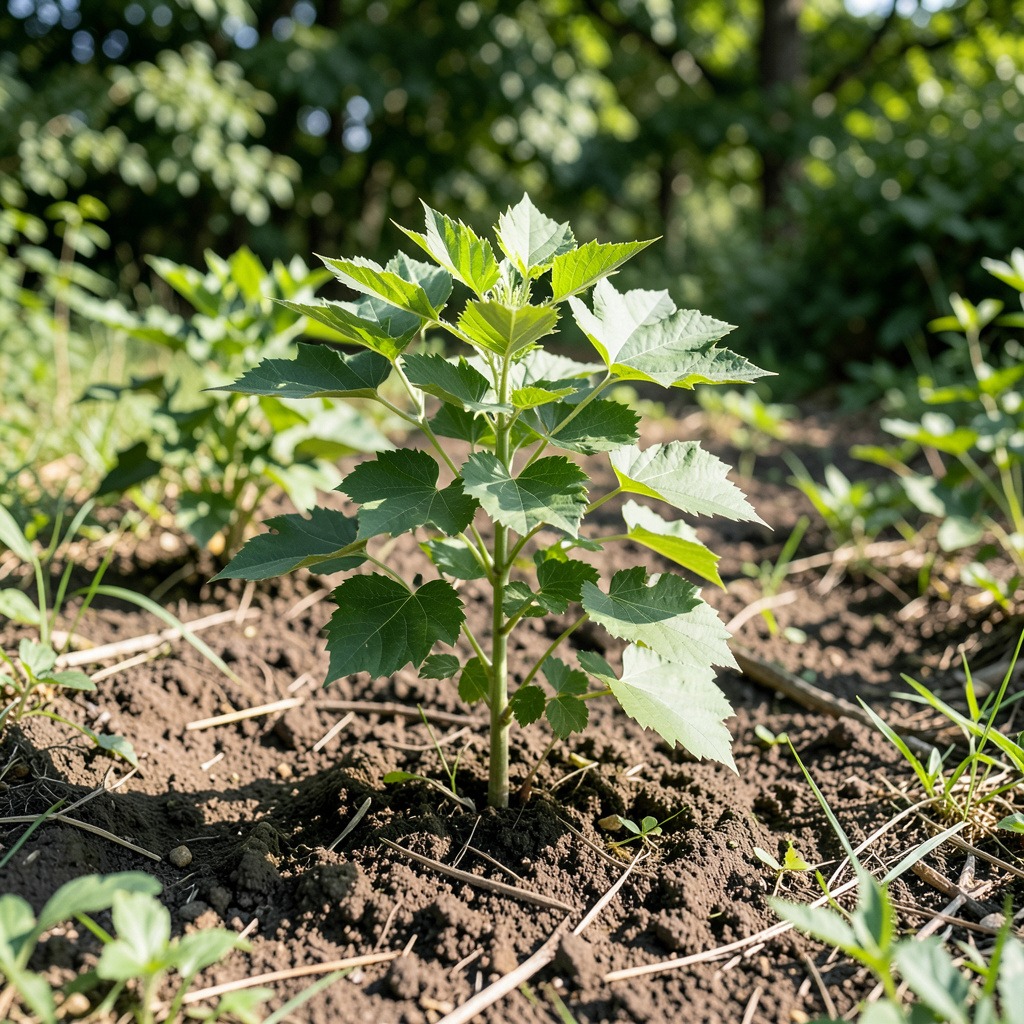
Planting boxelder requires specific conditions to thrive. Understanding soil type, sunlight needs, and moisture requirements is crucial for successful growth.
Best Soil Types for Boxelder
Boxelder prefers well-drained soil but is adaptable. Here are the best soil conditions:
- pH Level: Neutral to slightly acidic (pH 6.0 to 7.5).
- Drainage: Soil should drain well to prevent root rot.
- Nutrient Content: While boxelder can grow in poor soils, enriched loamy soil promotes healthier growth.
Example: If planting in clay soil, consider amending it with organic matter to improve drainage and nutrient availability.
Sunlight Requirements
Boxelder thrives in full sun. Aim for:
- Sunlight Exposure: At least 6 hours of direct sunlight daily.
- Shade Tolerance: Moderate; it can tolerate partial shade but may grow slower.
Watering Needs
Proper watering is essential, especially during establishment. Follow these guidelines:
- Initial Watering: Water deeply right after planting.
- Frequency: Provide regular irrigation during dry spells.
- Soil Moisture: Maintain consistent moisture but avoid overwatering.
Checklist for Watering:
- Check soil moisture weekly.
- Water if the top 2-3 inches of soil feels dry.
- Use mulch to retain moisture and regulate soil temperature.
By adhering to these optimal conditions, you can ensure your boxelder grows strong and healthy. For those interested in planting, consider sourcing a quality sapling. Check Price on Amazon for a suitable option.
When and How to Plant Boxelder Trees
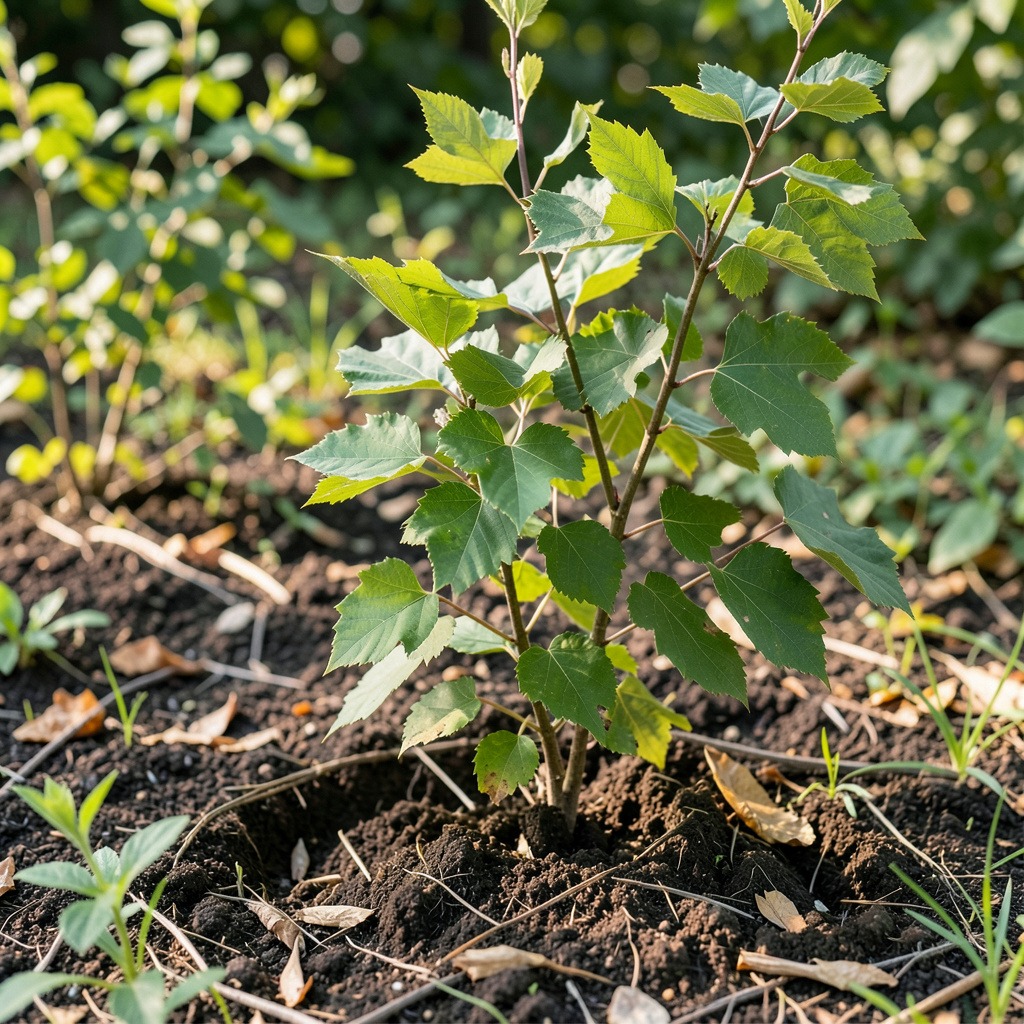
Planting boxelder trees requires careful timing and technique for optimal growth. Understanding the right seasons and following a step-by-step process can lead to successful establishment.
Ideal Planting Seasons
The best time to plant boxelder trees is during the spring or fall. These seasons provide favorable conditions for root development.
- Spring: Plant after the last frost, allowing the tree to establish before summer heat.
- Fall: Plant at least six weeks before the first frost, enabling roots to grow before winter dormancy.
Step-by-Step Planting Process
Follow these steps to ensure successful planting of your boxelder tree:
1. Choose the Right Location:
- Select a site with full sun to partial shade.
- Ensure good drainage and avoid areas prone to flooding.
2. Prepare the Soil:
- Test soil pH; boxelders prefer slightly acidic to neutral soil (pH 6.0 to 7.0).
- Amend the soil with compost or well-rotted manure for enhanced fertility.
3. Dig the Hole:
- Dig a hole twice as wide and the same depth as the root ball.
- Loosen the soil around the edges to encourage root growth.
4. Plant the Tree:
- Remove the sapling from its container and gently tease the roots if they are pot-bound.
- Place the tree in the center of the hole, ensuring that the root collar is level with the soil surface.
5. Backfill and Water:
- Backfill the hole with soil, tamping it down gently to eliminate air pockets.
- Water thoroughly to settle the soil around the roots.
6. Mulch:
- Apply a 2-3 inch layer of mulch around the base, keeping it away from the trunk to prevent rot.
Aftercare for Newly Planted Trees
Proper care after planting is crucial for boxelder trees. Follow these guidelines:
- Watering:
- Water deeply once a week during the first growing season.
- Adjust frequency based on rainfall and soil moisture.
- Fertilizing:
- Fertilize in early spring with a balanced slow-release fertilizer.
- Monitoring:
- Check for signs of pests, such as boxelder bugs, and take appropriate action as needed.
By adhering to these guidelines, you can ensure your boxelder tree thrives. For those interested in planting, consider sourcing a quality sapling. Check Price on Amazon for a suitable option.
Managing Boxelder’s Invasive Nature
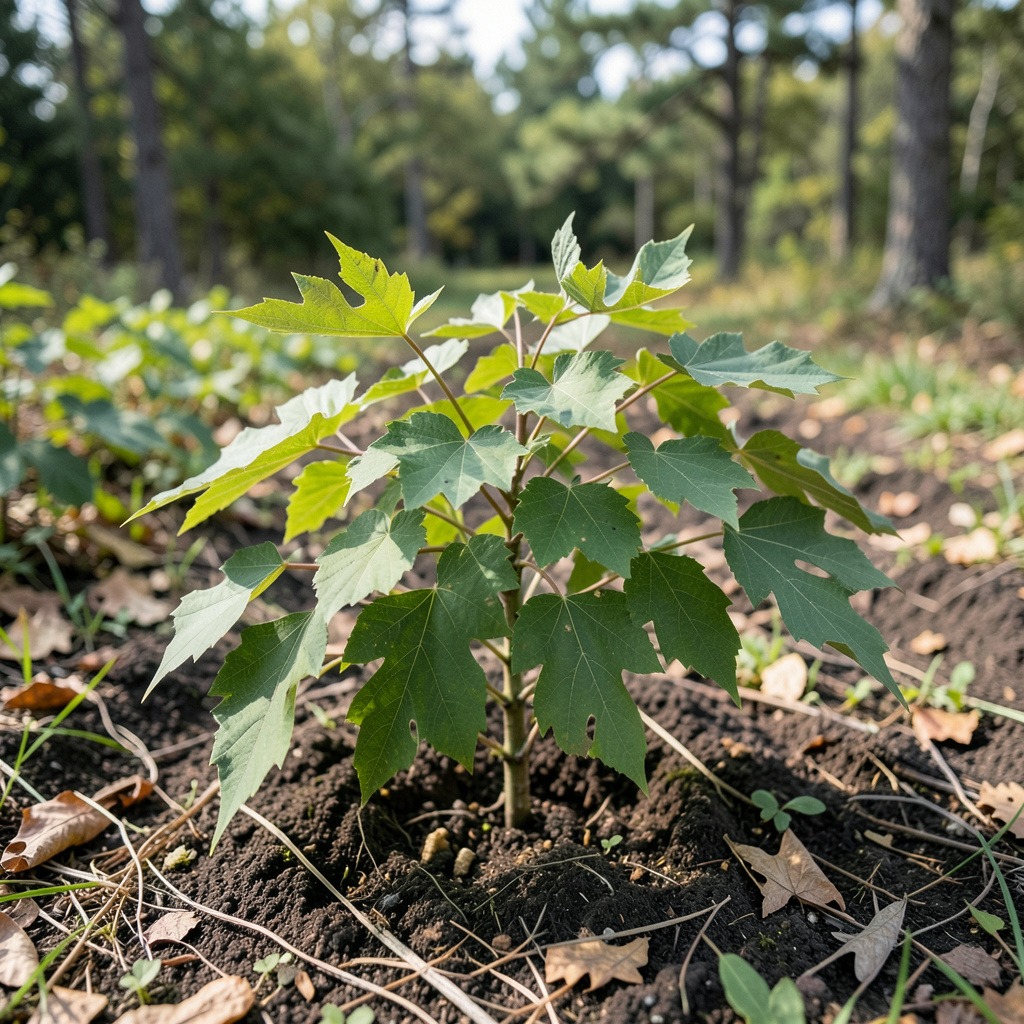
Boxelder trees, or Acer negundo, can pose significant challenges due to their invasive traits. Proper management is essential to prevent ecological harm and promote a balanced landscape.
Identifying Invasive Traits
Boxelder displays several characteristics that contribute to its invasiveness:
- Rapid Growth: Boxelders can reach substantial heights quickly, often outcompeting native species for sunlight and nutrients.
- Prolific Seed Production: Each tree produces numerous winged seeds (samaras), leading to a high rate of self-seeding.
- Suckering: Boxelder produces suckers from the roots, allowing it to spread uncontrollably in various locations, including near structures.
Effective Management Strategies
To manage the spread of boxelder effectively, consider the following strategies:
- Early Removal: Regularly inspect your landscape for volunteer seedlings and remove them promptly to prevent establishment.
- Root Management: When removing boxelder trees, ensure you also address the root system to prevent resprouting. This may require digging out roots or applying targeted herbicides.
- Regular Monitoring: Keep an eye on areas where boxelder has been removed. Check for new growth and be ready to act quickly if suckers appear.
Impact on Native Species
Boxelder’s rapid growth and aggressive spread can threaten native species. It often outcompetes slower-growing trees and plants, leading to reduced biodiversity. To mitigate this impact:
- Plant Native Alternatives: Choose native species for landscaping that can coexist with local flora and fauna.
- Educate Neighbors: Share information about the invasive nature of boxelder with your community to foster a collective management approach.
By implementing these strategies, you can effectively manage boxelder’s invasive tendencies and protect your landscape.
Pest Management for Boxelder Trees
Boxelder trees (Acer negundo) are susceptible to various pests that can impact their health and vigor. Effective management strategies are essential to maintain their growth and mitigate potential issues.
Common Pests of Boxelder
1. Boxelder Bugs: These pests feed on the tree’s sap and can become a nuisance when they invade homes. They are particularly attracted to boxelder trees in the fall.
2. Aphids: Small, soft-bodied insects that can weaken the tree by sucking sap. They often excrete a sticky substance known as honeydew, which can lead to sooty mold.
3. Scale Insects: These pests attach themselves to the bark and sapwood, causing stunted growth and leaf yellowing.
Preventive Measures and Treatments
To keep boxelder trees healthy and pest-free, consider the following strategies:
- Regular Inspections: Check trees regularly for early signs of pest infestations. Look for discolored leaves or unusual growth patterns.
- Natural Predators: Encourage beneficial insects, such as ladybugs and lacewings, which feed on aphids and other pests.
- Insecticidal Soap: For severe infestations, use insecticidal soap or neem oil. Apply according to label directions, focusing on the undersides of leaves where pests often hide.
- Cultural Practices: Maintain tree vigor by ensuring proper watering and fertilization. A healthy tree is less susceptible to pests.
When to Seek Professional Help
If pest problems persist or if you notice significant damage, consider consulting a professional arborist. Signs that indicate professional intervention may be necessary include:
- Extensive leaf drop or dieback.
- Persistent pest activities despite treatment.
- Presence of multiple pest species causing cumulative stress on the tree.
By implementing these pest management techniques, you can effectively safeguard your boxelder trees and ensure their successful growth.
Benefits and Challenges of Planting Boxelder
Planting boxelder trees (Acer negundo) offers both notable advantages and certain challenges. Understanding these can help gardeners make informed decisions regarding their landscaping choices.
Ecological Benefits
Boxelder trees provide several ecological benefits:
- Rapid Growth: Boxelders are fast-growing, reaching heights of up to 40 feet in just a few years. This makes them excellent for quick shade and windbreaks.
- Wildlife Habitat: The tree attracts various wildlife, including birds and beneficial insects, contributing to local biodiversity.
- Soil Erosion Control: Their extensive root systems help stabilize soil, preventing erosion, especially in sloped areas.
Challenges to Consider
Despite their benefits, boxelders present some challenges:
- Invasiveness: Boxelders can self-seed prolifically, leading to unwanted saplings in gardens and landscapes. This can create a maintenance burden.
- Weak Wood: The wood of boxelder trees is brittle, making them susceptible to breakage during storms or heavy winds. This can pose risks to nearby structures.
- Pest Issues: Boxelder bugs are attracted to these trees. Their presence can be a nuisance, requiring pest management strategies to control populations effectively.
Comparing Boxelder with Other Trees
When considering boxelder for your landscape, compare it with similar species:
| Feature | Boxelder (Acer negundo) | Silver Maple (Acer saccharinum) | Red Maple (Acer rubrum) |
|---|---|---|---|
| Growth Rate | Fast | Fast | Moderate |
| Wood Strength | Brittle | Moderate | Strong |
| Invasiveness | High | Moderate | Low |
| Wildlife Attraction | High | Moderate | High |
Boxelder excels in rapid establishment but may require more management than slower-growing species like red maple, which offers more durable wood and lower invasiveness. To make the best choice, consider your specific landscape goals and maintenance preferences.
Frequently Asked Questions
These quick answers cover the most common questions about this topic, including key details, practical tips, and common concerns.
Is boxelder a good tree to plant?
Boxelder trees are fast-growing and adaptable, making them suitable for various landscapes. They provide quick shade and can help with soil erosion control due to their extensive root systems. However, they are also known to be invasive in some regions, which can overshadow native plants. If you choose to plant boxelder, consider your local ecosystem and maintenance needs.
How fast does a boxelder grow?
Boxelder trees can grow rapidly, often reaching heights of 30 to 60 feet within a decade. Under optimal conditions, they can add several feet of height each year, making them one of the quicker-growing deciduous trees. This rapid growth is beneficial for those seeking immediate shade or windbreaks.
Is boxelder invasive?
Yes, boxelder is considered invasive in many areas. It produces numerous winged seeds that can lead to self-seeding and unwanted saplings in gardens and landscapes. Additionally, its aggressive growth can outcompete native species for resources. It’s essential to check local guidelines before planting to ensure it won’t disrupt the local ecosystem.
When is the best time to plant boxelder?
The ideal times to plant boxelder trees are in early spring after the last frost or in late fall, at least six weeks before the first frost. Planting during these seasons allows the tree to establish roots effectively before facing extreme weather conditions.
What are common problems with boxelder trees?
Boxelder trees face several challenges, including invasive growth patterns and susceptibility to pests like boxelder bugs and aphids. The wood is also brittle, making it prone to breakage during storms. Regular monitoring and pest management strategies are crucial to maintaining the health of boxelder trees.
How does boxelder compare to other maple species?
Compared to other maple species, boxelder grows faster but has weaker wood and a higher potential for invasiveness. For example, red maple offers more durable wood and lower invasiveness, making it a better choice for some landscapes. Consider your specific needs, such as growth rate versus wood strength, when choosing a tree.
What are alternatives to boxelder for landscaping?
If you’re looking for alternatives to boxelder, consider native species like red maple, sweetgum, or river birch. These trees can provide similar benefits, such as shade and wildlife habitat, without the invasive tendencies of boxelder. Choosing native plants can also support local ecosystems and biodiversity.