
Boxelder problems primarily involve pest infestations from boxelder bugs and health issues with boxelder trees.
Table of Contents
Boxelder problems can significantly impact both your garden and home environment. Understanding the relationship between boxelder trees and boxelder bugs is crucial for effective management and prevention, ensuring a healthier landscape and minimizing pest invasions.
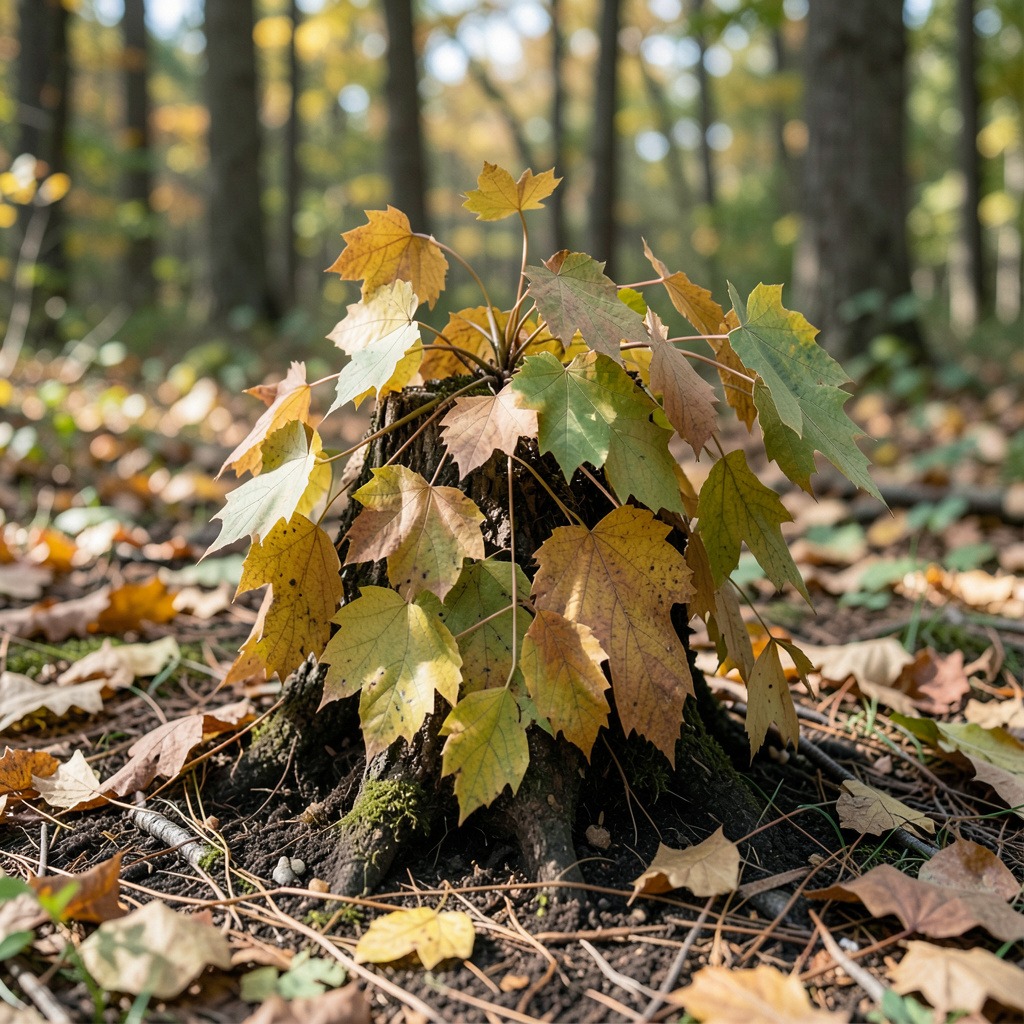
Understanding Boxelder Trees and Their Significance
Boxelder trees, also known as Acer negundo, are deciduous trees commonly found in urban and suburban landscapes. They are often chosen for their rapid growth and adaptability to various soil types. However, their presence can lead to specific pest problems, particularly with boxelder bugs.
Characteristics of Boxelder Trees
Boxelder trees have distinctive features that set them apart from other tree species:
- Leaf Structure: They possess compound leaves, which means each leaf consists of multiple leaflets. This characteristic gives them a unique appearance.
- Growth Habit: These trees typically grow to heights of 30 to 50 feet, with a wide-spreading canopy. Their growth rate can exceed three feet per year under ideal conditions.
- Seed Production: Boxelder trees produce seeds in the form of samaras, which are often responsible for attracting pests like boxelder bugs. The seeds are a food source for various wildlife.
These features make boxelder trees a popular choice for landscaping, especially in areas where other trees may struggle to thrive.
Ecological Role of Boxelder Trees
Boxelder trees play a vital role in their ecosystems. They provide:
- Habitat: They serve as a habitat for various bird species and small mammals. The dense foliage offers shelter and nesting sites.
- Food Source: Their seeds and foliage are consumed by many insects, birds, and mammals, contributing to the food web.
- Pest Attraction: The sugary sap from boxelder trees and the seeds attract boxelder bugs. These bugs thrive in environments where boxelder trees are abundant, leading to potential infestations.
Understanding this relationship is crucial for managing boxelder problems. For instance, when boxelder trees are stressed or unhealthy, they may produce more sap, further attracting boxelder bugs. A healthy tree will have fewer pest-related issues, making regular maintenance and monitoring essential for tree health and pest control.
Management Insights
To effectively manage boxelder problems, consider the following strategies:
- Regular Pruning: Maintain the health of boxelder trees by regularly pruning to enhance air circulation and reduce stress.
- Monitoring: Keep an eye on the trees for signs of unhealthy foliage, such as yellowing leaves or excessive sap production.
- Pest Control: Implement integrated pest management strategies that focus on both tree health and pest deterrence.
By understanding the characteristics and ecological significance of boxelder trees, homeowners can make informed decisions to mitigate boxelder problems effectively.
Identifying Boxelder Bugs: Signs and Symptoms

Recognizing boxelder bugs is crucial for effective pest management. Understanding their physical characteristics and behaviors can significantly aid in early detection and control.
Physical Characteristics of Boxelder Bugs
Boxelder bugs are easily identifiable due to their distinctive features. Here are the key traits to look for:
- Coloration: Elongated, black oval bodies with reddish-orange markings.
- Size: Approximately half an inch in length.
- Legs and Eyes: Long legs that extend beneath their wings, with noticeable red eyes.
- Secretion: They produce a sticky honeydew residue, which can stain surfaces.
Behavior and Seasonal Patterns
Boxelder bugs exhibit specific behaviors that signal their presence. Understanding these patterns is essential for recognizing infestations:
- Feeding Habits: They primarily feed on the seeds and leaves of boxelder trees. This feeding can lead to unhealthy trees, making them more susceptible to other pests.
- Seasonal Activity: Boxelder bugs are most active during warm months. They seek shelter in homes as temperatures drop, especially in the fall.
- Signs of Infestation: Look for clusters of bugs on the exterior of your home, particularly on sunny walls. Inside, you may notice them resting in corners or near windows.
Signs of Infestation in Homes and Gardens
Detecting boxelder bugs early can prevent larger infestations. Here are signs to watch for in both homes and gardens:
- Visual Clusters: Look for groups of boxelder bugs on your trees or home exterior.
- Honeydew Residue: Check for sticky surfaces beneath infested trees or areas where bugs congregate.
- Damage on Leaves: Note any yellowing or curling of leaves on boxelder trees, indicating feeding damage.
By recognizing these signs and characteristics, homeowners can take action to manage boxelder problems effectively.
Common Problems Associated with Boxelder Trees
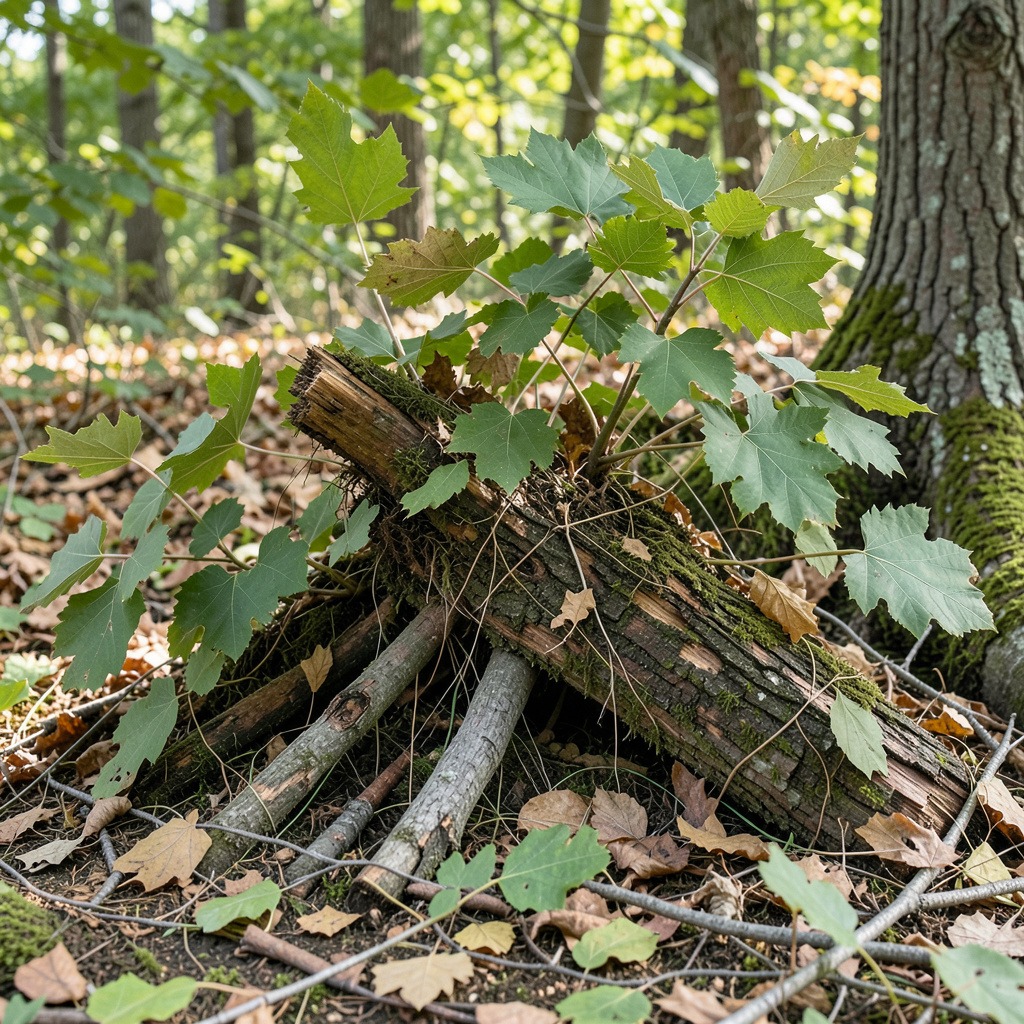
Boxelder trees can face various health issues that affect their vitality and resilience. These problems often stem from pests, diseases, and environmental stressors. Understanding these challenges is crucial for effective management and prevention.
Common Diseases Affecting Boxelder Trees
Boxelder trees are susceptible to several diseases that can compromise their health. Here are some of the most common:
- Boxelder Borer: This beetle larvae tunnel into the wood, weakening the tree. Symptoms include dieback and small holes in the bark.
- Fungal Infections: Conditions such as powdery mildew can affect foliage, leading to leaf discoloration and reduced growth.
- Anthracnose: This fungal disease causes dark, sunken lesions on leaves, leading to premature leaf drop.
Case Study Insight: In a local community, a boxelder tree infected with anthracnose showed a significant reduction in leaf coverage, impacting its overall health and attractiveness. Regular pruning and fungicide application helped restore its vigor over time.
Environmental Stressors Impacting Tree Health
Environmental factors can also significantly affect boxelder trees. Common stressors include:
- Drought: Insufficient water supply can weaken trees, making them more vulnerable to pests and diseases.
- Soil Compaction: Heavy traffic or construction can compact soil, limiting root growth and nutrient uptake.
- Temperature Extremes: Sudden temperature changes can cause stress, leading to leaf scorch or winter injury.
Management Tip: To counteract environmental stressors, ensure proper watering during dry spells and mulch around the base of the tree to retain moisture and improve soil quality.
By recognizing and addressing these issues, homeowners can maintain the health of their boxelder trees and mitigate potential pest problems effectively.
Effective Pest Management Strategies for Boxelder Bugs
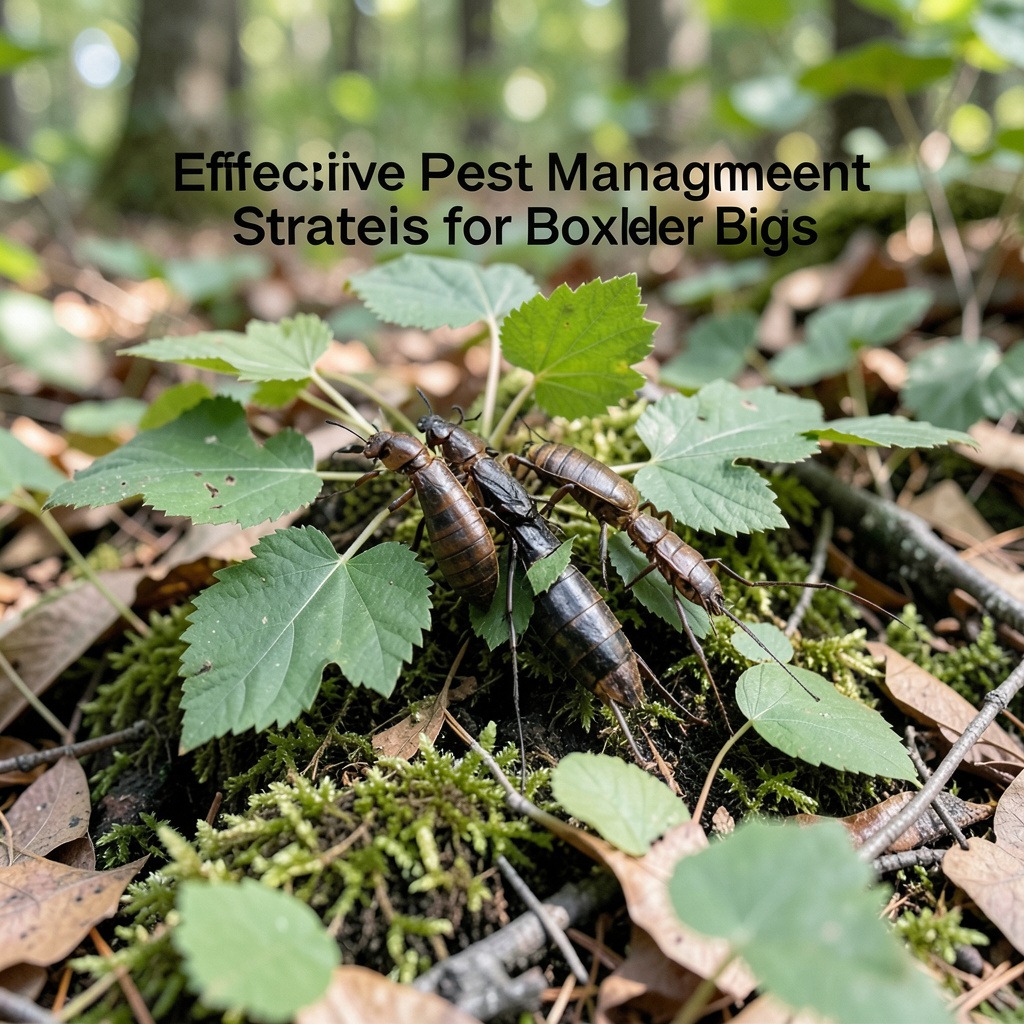
Managing boxelder bugs effectively requires a combination of physical removal, chemical treatments, and proactive preventive measures. By employing these strategies, homeowners can reduce the likelihood of infestations and maintain their boxelder trees’ health.
Physical Removal Techniques
Physical removal is often the first line of defense against boxelder bugs. Here are some effective methods:
- Vacuuming: Use a vacuum cleaner to remove boxelder bugs from indoor spaces. Be sure to dispose of the vacuum bag immediately to prevent re-infestation.
- Trapping: Create traps using jars or sticky traps. Place them where boxelder bugs are most active. This method allows for easy monitoring and removal.
- Soapy Water Solution: Mix one to two tablespoons of liquid dish soap in water and spray it directly on the bugs. This method disrupts their outer layer, leading to dehydration.
Chemical Control Options
When physical methods are insufficient, chemical treatments can help manage boxelder bug populations. Consider these options:
- Insecticidal Soap: This product is effective against boxelder bugs. Apply it directly to the insects for immediate results.
- Diatomaceous Earth: Sprinkle this natural powder around entry points. It damages the bugs’ exoskeleton, causing dehydration.
- Pyrethroid Sprays: These synthetic insecticides can provide long-lasting control. Apply them around the perimeter of your home to create a barrier.
Preventive Measures to Avoid Infestations
Preventing boxelder bugs from becoming a problem is crucial. Implement these strategies:
- Seal Entry Points: Inspect your home for gaps and cracks. Seal any openings to prevent bugs from entering.
- Maintain Tree Health: Regularly prune and care for boxelder trees. Healthy trees are less likely to attract pests.
- Clean Up Debris: Remove fallen seeds and other debris around your property. This reduces food sources for boxelder bugs.
Checklist of Pest Control Strategies
- [ ] Vacuum indoor spaces regularly.
- [ ] Set up traps in high-traffic areas.
- [ ] Apply soapy water solution to infested areas.
- [ ] Use insecticidal soap for effective control.
- [ ] Spread diatomaceous earth around entry points.
- [ ] Seal potential entry points around your home.
- [ ] Prune and maintain boxelder trees.
- [ ] Clean up debris regularly to minimize attraction.
By following these strategies, you can effectively manage boxelder bugs and protect both your home and your boxelder trees from potential damage.
Evaluating the Need to Remove Boxelder Trees
Homeowners face challenges when deciding whether to keep boxelder trees on their property. Understanding the potential structural risks and pest attraction factors can guide this decision.
Assessing Structural Risks of Boxelder Trees
Boxelder trees can pose structural risks due to their growth habits. Consider the following factors:
- Root System: Boxelder trees have aggressive roots that can damage foundations, sidewalks, and underground utilities. If roots infiltrate these areas, they can cause significant structural issues.
- Height and Canopy: These trees can grow tall and wide, which may lead to falling branches during storms. Assess proximity to structures and power lines.
- Decay and Disease: Inspect for signs of decay or disease, such as cracks in the trunk or dead branches. An unhealthy tree poses a greater risk of falling.
Alternatives to Removal: Tree Health Maintenance
If removal seems drastic, consider maintaining boxelder trees to mitigate risks and pest attraction:
- Pruning: Regular pruning can reduce the risk of branch failure and improve the overall health of the tree. Focus on removing dead or weak branches.
- Pest Management: Implement pest control strategies to manage boxelder bugs. This includes cleaning fallen seeds, sealing entry points, and using organic repellents.
- Health Monitoring: Establish a routine to monitor tree health. Check for signs of insect infestations or disease, and address issues promptly.
Decision Framework for Homeowners
When considering whether to remove boxelder trees, weigh the following pros and cons:
| Pros of Keeping Boxelder Trees | Cons of Keeping Boxelder Trees |
|---|---|
| Provide shade and aesthetic appeal | Attract boxelder bugs and other pests |
| Support local wildlife | Risk of structural damage |
| Improve air quality | Potential allergies from pollen |
Use this framework to evaluate the environmental impact and pest risks associated with boxelder trees. If the cons outweigh the pros, removal may be the best option.
Environmental Impact of Boxelder Trees
Boxelder trees play a dual role in local ecosystems. They can offer significant benefits but also pose challenges, particularly concerning pest problems. Understanding these impacts is crucial for managing boxelder trees effectively.
Positive Contributions of Boxelder Trees to Ecosystems
Boxelder trees are native to North America and serve essential ecological functions. Their contributions include:
- Biodiversity Support: Boxelder trees provide habitat and food for various wildlife. Birds, squirrels, and insects thrive in their foliage.
- Pollinator Attraction: They attract pollinators such as bees and butterflies, supporting local ecosystems and promoting plant reproduction.
- Soil Improvement: The fallen leaves enhance soil quality by adding organic matter, which benefits surrounding plants.
Example: A study in urban areas found that neighborhoods with boxelder trees had higher populations of beneficial insects, contributing to local biodiversity.
Negative Effects of Boxelder Trees and Pests
Despite their benefits, boxelder trees can create problems, especially when infested by boxelder bugs. Their negative impacts include:
- Pest Attraction: Boxelder trees are the primary host for boxelder bugs, which can lead to infestations. These pests often invade homes, seeking warmth and shelter.
- Garden Damage: The sticky honeydew produced by boxelder bugs can stain surfaces and attract other pests, complicating garden management.
- Allergy Issues: Pollen from boxelder trees can trigger allergies in sensitive individuals, impacting the enjoyment of outdoor spaces.
Checklist for Managing Boxelder Trees:
- Regularly inspect for signs of boxelder bugs.
- Maintain tree health to reduce pest attraction.
- Consider planting pest-resistant trees if allergies are a concern.
Being aware of these positive and negative aspects aids in making informed decisions about boxelder trees, especially regarding pest management and tree health.
Frequently Asked Questions
These quick answers cover the most common questions about this topic, including key details, practical tips, and common concerns.
What is the fastest way to get rid of boxelder bugs?
The quickest method to eliminate boxelder bugs involves physical removal and targeted treatments. Use a vacuum cleaner to remove bugs from indoor spaces. Dispose of the vacuum bag immediately to prevent reinfestation. For outdoor areas, create traps using jars or sticky traps placed near infested trees.
If the infestation is significant, consider applying insecticidal soap or diatomaceous earth directly to the bugs. These treatments can effectively disrupt their outer layer and lead to dehydration.
Should I get rid of box elder trees?
Deciding whether to remove box elder trees depends on their condition and proximity to structures. If the trees pose structural risks, such as damaging foundations or power lines, or if they are heavily infested with boxelder bugs, removal may be warranted.
However, if the trees are healthy and provide shade or habitat for wildlife, consider maintaining them through regular pruning and pest management. Healthy trees are less attractive to pests and can enhance your landscape.
Why shouldn’t you squish a boxelder bug?
Squishing boxelder bugs can release a foul-smelling liquid that may stain surfaces and attract more bugs. Additionally, this action can trigger a defense mechanism in the bugs, prompting them to release pheromones that signal danger to others, potentially increasing the infestation.
Instead of squishing, use a vacuum or traps for removal. This approach minimizes mess and prevents attracting additional pests.
What do boxelder bugs hate?
Boxelder bugs are deterred by certain scents and substances. They dislike strong fragrances such as peppermint, garlic, and citrus. Spraying a mixture of water and essential oils like peppermint or lemon around entry points can help repel them.
Additionally, maintaining a clean environment by removing fallen seeds and debris can reduce their attraction to your property.
What are the signs of a boxelder bug infestation?
Signs of a boxelder bug infestation include clusters of bugs on the exterior of your home, particularly on sunny walls, and visible honeydew residue, which can stain surfaces. Inside, you may find them resting in corners or near windows.
Additionally, look for damage on boxelder trees, such as yellowing or curling leaves, indicating feeding damage from the bugs.
How can I prevent boxelder bugs from entering my home?
Preventing boxelder bugs involves sealing entry points and maintaining tree health. Inspect your home for gaps and cracks, and seal any openings to block their access.
Additionally, keep boxelder trees healthy through regular pruning and care. Remove fallen seeds and debris around your property to minimize food sources that attract these pests.
Are the problems structural (falling limbs, rot) or pests/bugs?
Boxelder trees can face both structural and pest-related issues. Structural problems may include falling limbs or decay due to diseases like boxelder borer or fungal infections.
Pest issues primarily arise from boxelder bugs, which can damage foliage and attract other pests. Regular monitoring and maintenance are essential to address both types of problems effectively.
What is a boxelder bug?
A boxelder bug is a common pest known for its distinctive black body with reddish-orange markings. They are about half an inch long and primarily feed on the seeds and leaves of boxelder trees.
These bugs are most active during warm months and seek shelter indoors as temperatures drop in the fall. While they pose no direct harm to humans, their presence can be a nuisance and can indicate underlying issues with boxelder trees.