
Boxelder trees offer both benefits and drawbacks.
Table of Contents
Boxelder trees, scientifically known as Acer negundo, are often debated in terms of their value in landscaping and as firewood. This guide delves into eight crucial pros and cons to help you make an informed decision about these trees.
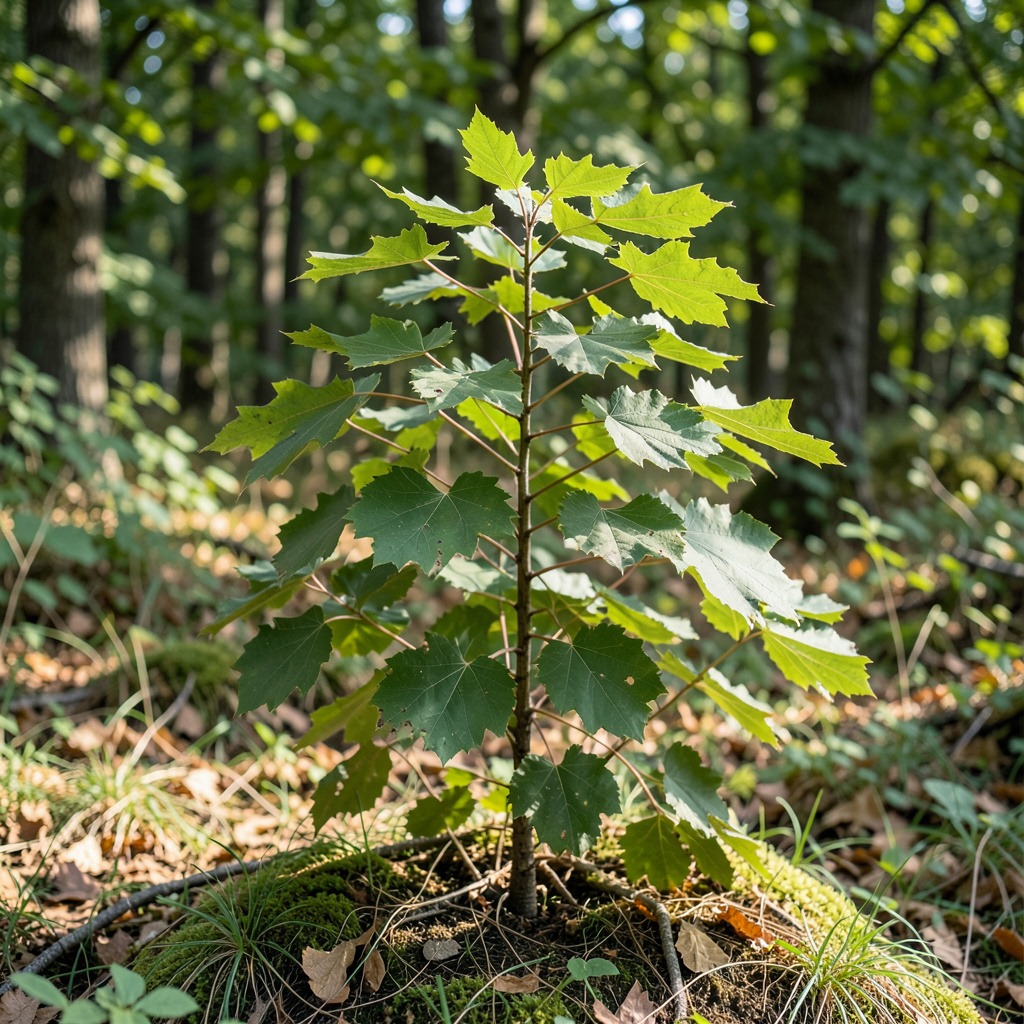
Understanding Boxelder Trees: An Overview
Boxelder trees, scientifically known as Acer negundo, are a versatile species found in various landscapes. They thrive in diverse climates and offer both benefits and challenges.
Characteristics of Boxelder Trees
Boxelder trees are typically medium-sized deciduous trees. They can reach heights of 20 to 50 feet and spread up to 30 feet wide. Their growth patterns are fast, making them a popular choice for quick shade. Boxelders have compound leaves, usually consisting of three to five leaflets, which turn yellow in the fall.
Natural Habitat
Boxelder trees are native to North America and commonly grow in areas with ample sunlight. They prefer moist, well-drained soils but can tolerate a range of soil types. Often found near water bodies, they are adaptable to various environments, which contributes to their invasive potential in non-native regions.
Common Uses for Boxelder
Boxelder trees serve multiple purposes, including:
- Shade Provision: Their broad canopy offers significant shade, making them suitable for parks and residential areas.
- Wildlife Habitat: They provide nesting sites for birds and shelter for various wildlife species.
- Erosion Control: The extensive root system helps stabilize soil, preventing erosion, especially in hilly areas.
In addition to these ecological benefits, boxelder trees can be used as firewood. However, they have a lower BTU output compared to hardwoods, which may affect their efficiency as a heat source. Proper seasoning is essential to improve burn quality and reduce smoke emissions.
When considering boxelder trees for your landscape, assess their potential impact carefully. Their rapid growth and adaptability can be advantageous, but their invasive nature and pest issues, notably with boxelder bugs, necessitate management strategies.
The Environmental Pros of Boxelder Trees
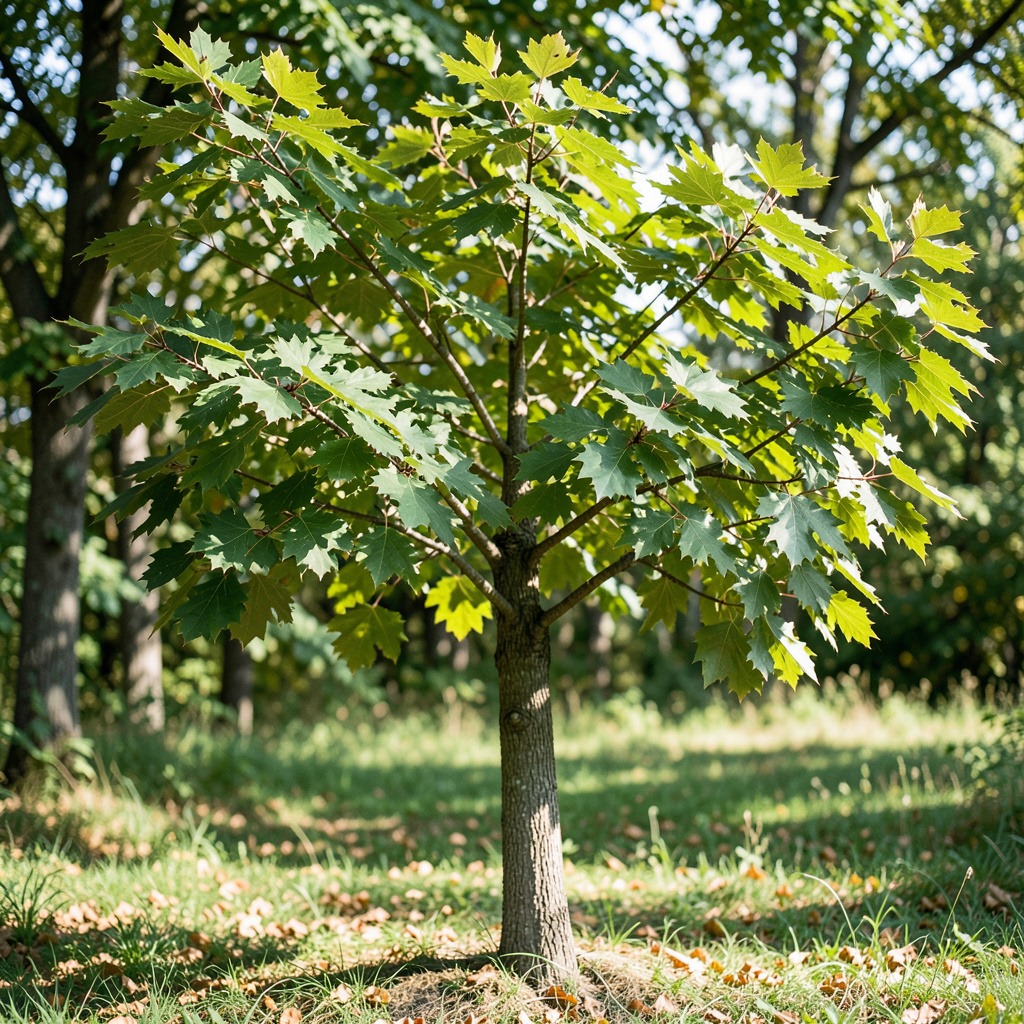
Boxelder trees offer several ecological benefits that make them valuable additions to certain landscapes. Their contributions to carbon sequestration, wildlife habitat, and soil stabilization are significant.
Carbon Sequestration Capabilities
Boxelder trees play an important role in carbon sequestration. They absorb carbon dioxide from the atmosphere, helping to mitigate climate change. On average, mature boxelder trees can absorb approximately 48 pounds of CO2 annually. This ability contributes positively to air quality and reduces greenhouse gas levels.
Habitat for Wildlife
Boxelder trees provide vital habitats for various wildlife species. The tree’s dense foliage offers shelter and nesting sites for birds, such as:
- Woodpeckers
- Finches
- Sparrows
These trees also attract insects, which serve as a food source for birds and other wildlife. The presence of boxelder trees can enhance local biodiversity and support healthier ecosystems.
Soil Stabilization
The extensive root system of boxelder trees helps prevent soil erosion. This is particularly beneficial in areas with steep slopes or near water bodies. Their roots stabilize the soil, reducing runoff and retaining moisture. Homeowners can leverage this trait by planting boxelder trees in areas prone to erosion, thereby enhancing land stability.
Aesthetic Appeal and Practical Benefits
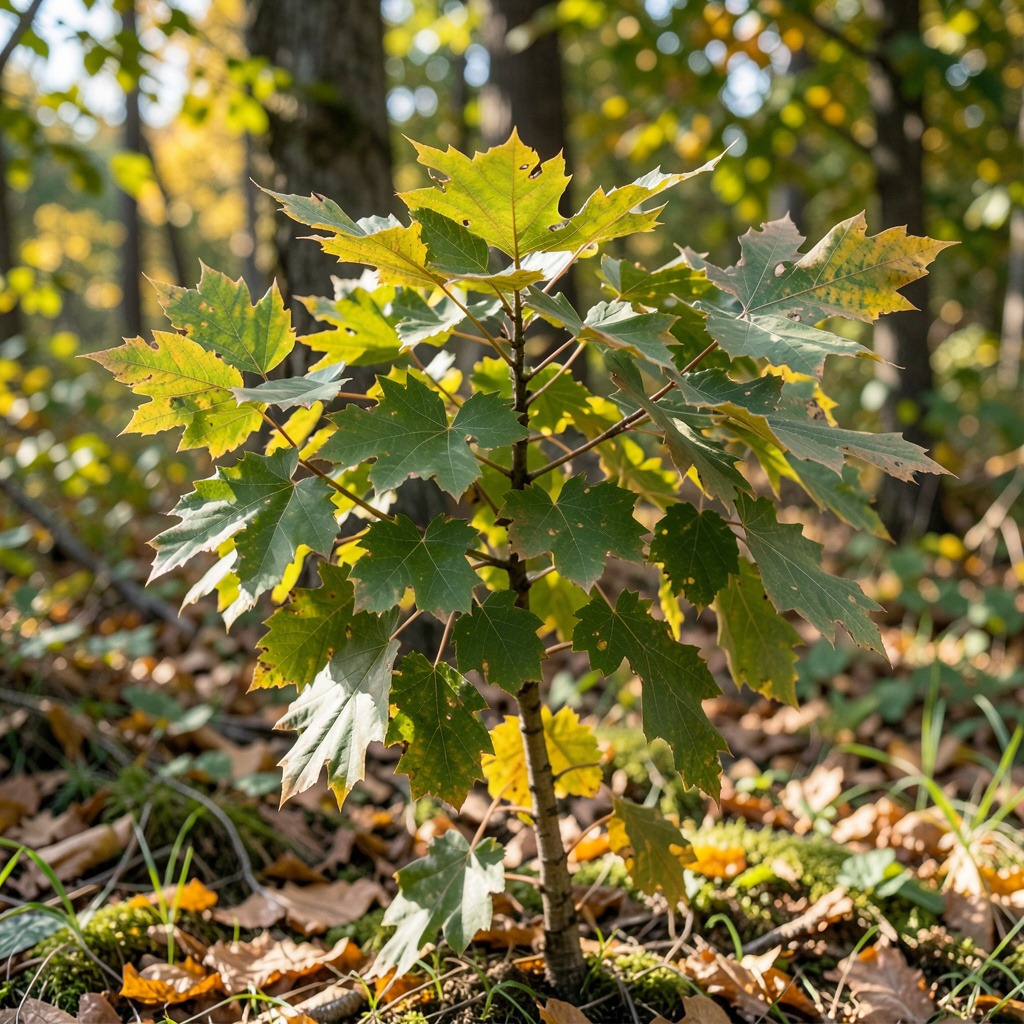
Boxelder trees offer both visual and functional advantages in landscaping. Their rapid growth and vibrant fall foliage make them appealing choices for homeowners seeking immediate shade and beauty.
Rapid Growth for Immediate Shade
Boxelder trees are renowned for their quick growth, often reaching heights of 30 to 50 feet within just a few years. This rapid development makes them ideal for homeowners who want to create shade swiftly.
- Growth Rates: Boxelders can grow up to 3-5 feet per year in optimal conditions.
- Shade Provision: Within a few years, they can provide substantial shade, making outdoor spaces more comfortable.
This swift establishment can be particularly beneficial in newly landscaped areas or for those looking to replace lost trees.
Fall Foliage and Landscape Enhancement
The fall foliage of boxelder trees transforms them into stunning landscape features. Their leaves turn vibrant shades of yellow and orange, adding warmth and color to the scenery.
- Visual Interest: The lively autumn colors create a striking contrast against evergreen trees.
- Landscaping Versatility: Boxelders can be used as specimen trees, shade providers, or part of windbreaks.
Incorporating boxelder trees into your landscaping can enhance aesthetic appeal while providing practical benefits. For example, consider planting them near patios or decks to improve outdoor enjoyment through shade and beauty.
By evaluating these attributes, homeowners can make informed decisions about integrating boxelder trees into their landscapes.
The Invasive Nature of Boxelder Trees
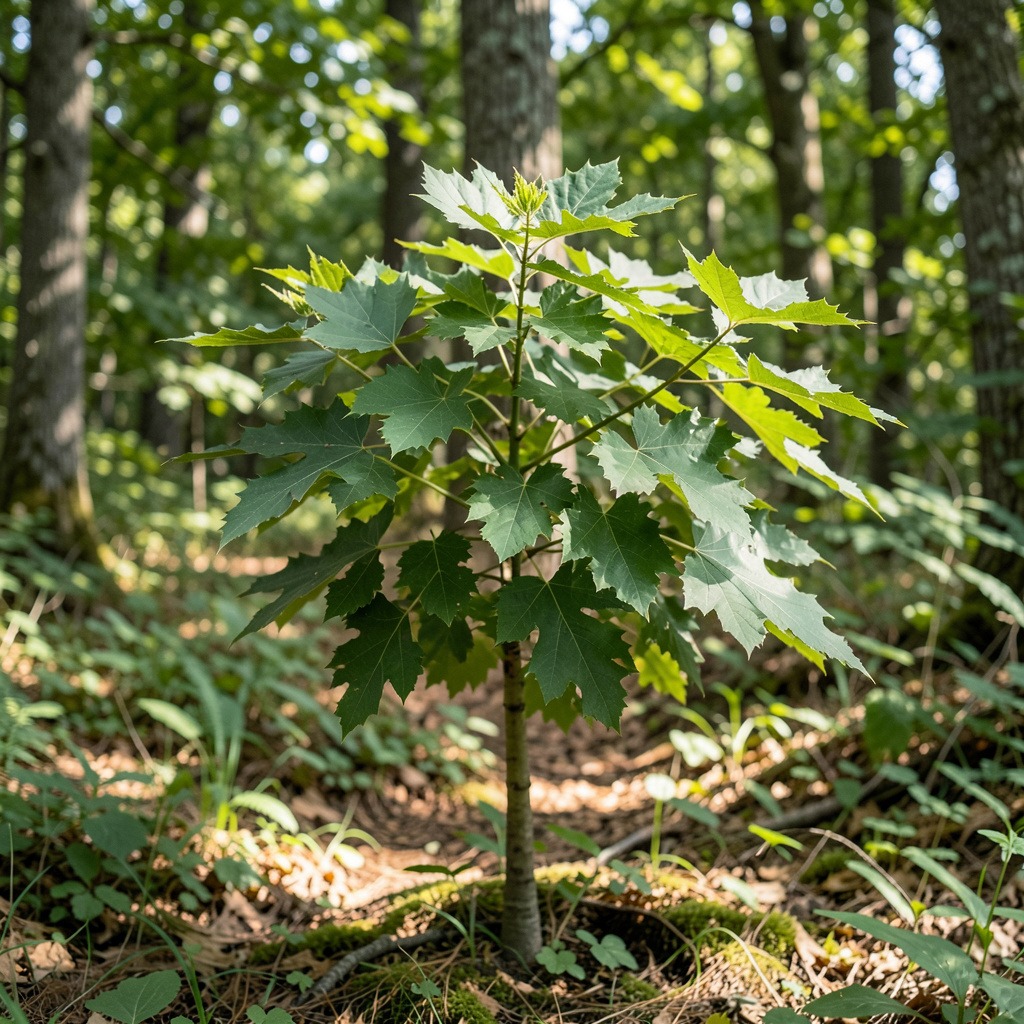
Boxelder trees, native to North America, can become invasive when planted outside their natural range. Their rapid growth and adaptability allow them to outcompete local vegetation, leading to ecological disruption.
Boxelder as an Invasive Species
Boxelder trees thrive in various environments, making them a popular choice for landscaping. However, their invasive characteristics can be problematic. They spread quickly and produce large quantities of seeds. This prolific seeding can lead to dense stands that overpower native plants.
- Rapid Growth: Boxelder trees can grow up to 3 feet per year, quickly establishing themselves in new areas.
- Seed Production: A mature boxelder can produce thousands of seeds annually, increasing its chances of spreading.
Effects on Native Flora and Fauna
The invasion of boxelder trees can significantly impact local ecosystems. Their dominance can alter habitat structures and reduce biodiversity.
- Competition: Boxelder trees compete with native flora for sunlight, nutrients, and water. This competition can lead to the decline of local species.
- Wildlife Impact: While boxelder trees attract some wildlife, their invasive nature can displace native species that are crucial for ecosystem balance.
Case Study: Midwestern United States
In the Midwest, boxelder trees have invaded areas previously dominated by oak and hickory forests. The result has been a noticeable decline in native bird populations that rely on these trees for nesting. As boxelder trees take over, they offer less suitable habitat for traditional wildlife, disrupting established ecological relationships.
Decision Framework for Homeowners
When considering planting boxelder trees, homeowners should evaluate their local ecosystem. Here are key considerations:
1. Assess Local Vegetation: Identify existing native species and their ecological role.
2. Monitor Growth Patterns: Keep track of how boxelder trees spread in your yard.
3. Consider Removal Strategies: If boxelder trees become invasive, be prepared to manage their growth through regular maintenance or removal.
Understanding the invasive nature of boxelder trees is crucial for effective landscape management and ecological preservation.
Drawbacks: Weak Wood and Messy Seed Production
Boxelder trees present significant challenges due to their weak wood and messy seed production. Homeowners must be aware of these issues when considering boxelders for their landscapes.
Prone to Breakage and Storm Damage
Boxelder wood is relatively weak, making it prone to breakage during storms. This susceptibility can lead to safety hazards and costly cleanup efforts. Homeowners should consider the following factors:
- Weakness in High Winds: Boxelder trees can easily snap under high winds, posing risks to nearby structures and people.
- Maintenance Costs: Regular inspections and potential tree removals can incur additional expenses, particularly in storm-prone regions.
To mitigate these risks, ensure that boxelder trees are pruned regularly. Removing weak branches can enhance stability and reduce the likelihood of damage.
Seed Mess and Maintenance Challenges
Boxelder trees produce large quantities of seeds, which can create a messy environment. This seed production can lead to various maintenance challenges:
- Accumulation of Seeds: Fallen seeds can clutter yards, driveways, and gutters, leading to additional cleanup efforts.
- Attraction of Pests: The seeds attract boxelder bugs, which may invade homes during the fall. Homeowners should be prepared to manage these pests actively.
To effectively manage seed production, homeowners can implement these strategies:
- Regular Cleanup: Schedule seasonal cleanups to remove fallen seeds and maintain a tidy landscape.
- Physical Barriers: Consider using barriers or mulch around the base of the tree to reduce seed spread and make cleanup easier.
Understanding the physical weaknesses and maintenance challenges associated with boxelder trees is essential for homeowners. By being proactive, they can minimize the drawbacks while enjoying the benefits these trees offer.
Boxelder Bugs: Nuisance and Management
Boxelder bugs are closely associated with boxelder trees, creating challenges for homeowners. Understanding their behavior and implementing effective management strategies can minimize their impact.
Understanding Boxelder Bugs
Boxelder bugs thrive on the seeds of boxelder trees. During the fall, they migrate in search of warmth, often entering homes. Their presence can be more than a mere annoyance; they can create unsightly infestations.
Characteristics of Boxelder Bugs:
- Appearance: Black body with distinctive orange or red markings.
- Behavior: Congregate in large numbers, especially on sunny surfaces.
- Feeding: Primarily feed on boxelder seeds, but do not cause significant damage to trees.
Prevention and Control Measures
Effective management of boxelder bugs requires proactive strategies. Homeowners can implement several measures to reduce their population and prevent infestations.
1. Regular Cleanup:
- Remove fallen seeds and debris around boxelder trees.
- Clear gutters to prevent seed accumulation.
2. Physical Barriers:
- Use mulch around the base of trees to contain seed spread.
- Seal cracks and openings in homes to prevent bugs from entering.
3. Chemical Control:
- If infestations occur, consider insecticidal sprays.
- Apply treatments in early fall before bugs enter homes.
Example Scenario:
A homeowner in a suburban area noticed an influx of boxelder bugs in September. They implemented a cleanup of fallen seeds and sealed entry points around windows. By October, the bug population decreased significantly, demonstrating the effectiveness of these strategies.
Decision Framework for Homeowners:
- Assess the tree’s proximity to living spaces.
- Monitor for seed production and bug activity each fall.
- Choose preventive measures based on observed pest levels.
By understanding boxelder bugs and employing targeted management practices, homeowners can enjoy the benefits of boxelder trees while minimizing the associated nuisances.
Boxelder Firewood: Pros and Cons Explained
Boxelder trees can be used as firewood, but their suitability comes with both advantages and disadvantages. Understanding these factors can help homeowners make informed decisions about using boxelder for fuel.
BTU Output and Burning Efficiency
Boxelder wood offers a BTU output of approximately 17.9 million BTU per cord when seasoned. This rating is notably lower than many popular hardwoods, such as oak or hickory, which can reach upwards of 24 million BTU. The lower heat output means boxelder may not be ideal for heating purposes, particularly in colder climates.
Key Characteristics:
- Seasoning Requirement: Proper seasoning is essential for boxelder. This wood should be dried for at least six months to achieve optimal burning efficiency.
- Burning Behavior: Boxelder burns quickly and produces a hot flame. However, it also turns to ash relatively fast, requiring frequent reloading in a fire.
- Smoke Production: Compared to denser woods, boxelder produces more smoke and can create more creosote buildup in chimneys.
Comparisons to Other Firewood Options
When considering firewood options, it’s helpful to compare boxelder with other common types. Below is a comparison table showcasing the BTU outputs of various firewood types:
| Firewood Type | BTU Output (Million BTU/Cord) | Comments |
|---|---|---|
| Boxelder | 17.9 | Lower heat output, quick burn |
| Oak | 24.0 | High heat, long-lasting burn |
| Hickory | 25.0 | Very high heat, excellent flavor |
| Maple | 20.0 | Good heat, moderate burn rate |
| Pine | 15.0 | Low heat, burns fast |
Practical Tips:
- Ideal Use: Boxelder is best suited for kindling or as a supplement to denser woods in a mixed firewood stack.
- Management Considerations: If using boxelder, ensure you have a mix of higher BTU woods on hand for longer burns.
Understanding the characteristics and performance of boxelder as firewood helps you assess its suitability in your heating strategy.
Conclusion: Weighing the Pros and Cons of Boxelder Trees
Boxelder trees present a mix of benefits and challenges for homeowners and landscapers. Understanding these can help you make informed decisions about their inclusion in your landscape.
Benefits of Boxelder Trees
- Environmental Contributions: Boxelder trees provide shade, support wildlife habitats, and help with soil erosion control. Their extensive root systems stabilize the soil, making them beneficial in various ecosystems.
- Cost-Effective Growth: They grow quickly, offering rapid coverage and shade in a short time frame.
- Carbon Sequestration: Like many trees, boxelders absorb carbon dioxide, contributing positively to the environment.
Drawbacks of Boxelder Trees
- Invasive Nature: In some regions, boxelder trees can outcompete native vegetation, disrupting local ecosystems.
- Weak Wood: The wood is prone to breakage, which can lead to damage during storms. This characteristic also makes it less desirable for timber production.
- Pest Issues: Boxelder bugs can become a nuisance, especially during the fall when they seek shelter in homes. Their presence may deter some homeowners from planting these trees.
- Messy Yard: The large quantities of seeds produced can lead to messy yards and clogged gutters.
Making the Right Choice for Your Landscape
When considering boxelder trees for your landscape, evaluate the following:
1. Assess Your Environment: Determine if your region is susceptible to the invasive spread of boxelders.
2. Consider Maintenance Needs: Be prepared for the upkeep associated with fallen seeds and potential pest issues.
3. Evaluate Alternatives: Compare boxelders with other native trees that may offer similar benefits without the drawbacks.
Scenario: If you live in a region where boxelder bugs are prevalent and invasive species are a concern, it may be wise to consider native alternatives such as oaks or maples that provide similar environmental benefits without the associated challenges.
By weighing these factors, you can make a more informed decision about whether boxelder trees fit your landscape goals.
Frequently Asked Questions
These quick answers cover the most common questions about this topic, including key details, practical tips, and common concerns.
Should I get rid of box elder trees?
If boxelder trees are invasive in your area or causing issues like pest problems or damage to structures, it may be wise to consider removal. Their rapid growth and prolific seed production can lead to overcrowding and ecological disruption. Evaluate your landscape and local ecosystem before making a decision.
Is red maple a good yard tree?
Red maples (Acer rubrum) are often considered better alternatives to boxelder trees. They provide excellent shade, vibrant fall colors, and are less prone to invasive behavior. Red maples also have stronger wood and can enhance biodiversity in your yard.
Why shouldn’t you squish a boxelder bug?
Squishing boxelder bugs can release a foul odor and potentially stain surfaces. Instead, it’s better to manage them through preventive measures like sealing entry points in your home and cleaning up fallen seeds around boxelder trees to reduce their attraction.
What kills box elder bugs instantly?
Insecticidal sprays specifically designed for boxelder bugs can provide instant results. Alternatively, a mixture of soap and water in a spray bottle can also effectively kill these pests on contact. Always follow label instructions for safe use.
Is the tree close to your house or a driveway?
If boxelder trees are planted too close to your home or driveway, their weak wood and messy seed production can pose risks. Consider the potential for falling branches and the maintenance required for cleanup. It may be advisable to remove or relocate them if they are a safety concern.
Is it a male or female tree (do you see many bugs or seeds)?
Male boxelder trees do not produce seeds, while female trees do. If you notice an abundance of seeds or boxelder bugs, you likely have female trees in your landscape. Opting for male trees can help reduce pest issues and seed mess.
What are the best practices for managing boxelder trees?
To manage boxelder trees effectively, regular pruning is essential to remove weak branches and prevent breakage. Additionally, monitor seed production and clean up fallen debris each season. If they become invasive, consider removal or replacement with more suitable tree species.
How does boxelder compare to other firewood options?
Boxelder wood has a lower BTU output compared to hardwoods like oak or hickory, making it less efficient for heating. It burns quickly and produces more smoke, which can lead to creosote buildup in chimneys. For better heat output, consider mixing boxelder with denser woods or using it primarily for kindling.