
Boxelder roots can extend up to 30 feet and are known for their invasive nature, potentially causing damage to nearby structures and ecosystems if not managed properly.
Table of Contents
Boxelder trees, scientifically known as Acer negundo, possess extensive root systems that can lead to various challenges, including structural damage and competition with other plants. Understanding these roots is crucial for effective management and landscaping decisions.
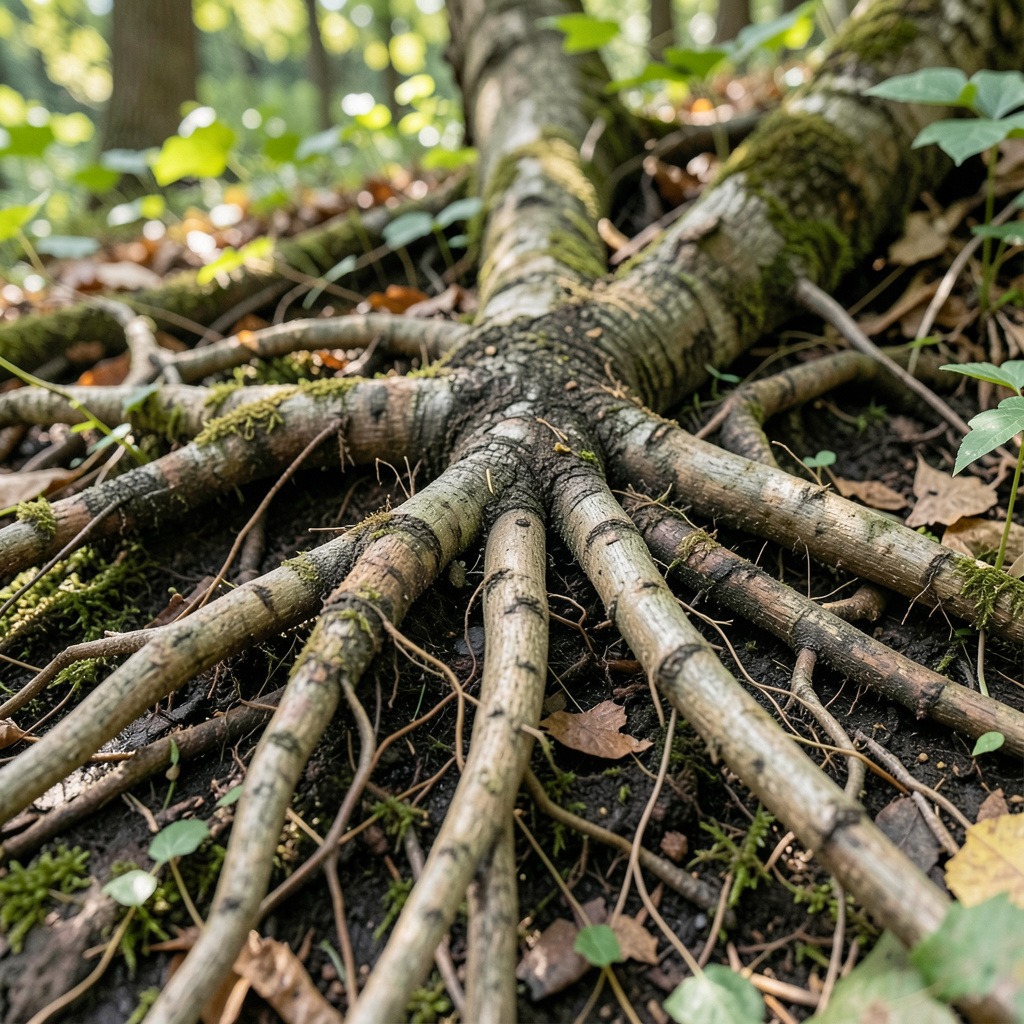
Understanding Boxelder Roots: Characteristics and Growth Patterns
Boxelder roots exhibit unique characteristics that significantly influence their growth, spread, and ecological impact. Understanding these traits is essential for effective management and landscaping decisions.
Depth and Spread of Boxelder Roots
Boxelder trees have a robust and extensive root system. The depth and spread of these roots can vary based on environmental conditions and soil types.
- Depth: Typically, boxelder roots can penetrate up to three feet deep, depending on moisture availability.
- Spread: The lateral spread can extend beyond the tree’s canopy, often reaching three to four times the tree’s height. This can lead to competition with nearby plants for nutrients and water.
Unique Growth Patterns of Boxelder Roots
Boxelder roots exhibit distinctive growth patterns, which can contribute to both their resilience and invasiveness.
- Suckering: Boxelder trees are known for their ability to produce suckers from the root collar. This can lead to dense thickets, making management challenging.
- Root Entanglement: The roots often intertwine with those of neighboring trees. This can complicate removal efforts and increase the risk of damage to desirable plants when attempting to eliminate boxelder trees.
Common Problems Associated with Boxelder Roots
The extensive and aggressive nature of boxelder roots can cause several issues:
- Structural Damage: Roots can lift sidewalks, driveways, and foundations, leading to costly repairs.
- Invasive Growth: Their ability to spread rapidly can overwhelm native plants, disrupting local ecosystems.
Management Strategies for Boxelder Roots
To manage boxelder roots effectively, consider the following strategies:
- Regular Monitoring: Keep an eye on root spread and suckering activity to address issues early.
- Targeted Removal: When removing boxelder trees, use caution to minimize damage to surrounding flora. Employ methods such as cutting below the root collar or using targeted herbicides.
- Alternative Planting: If considering planting options, select native species that have less aggressive root systems to promote biodiversity and reduce competition.
Understanding the characteristics and behavior of boxelder roots is crucial for homeowners and landscapers. By employing effective management strategies, one can mitigate potential issues associated with this tree species.
Invasive Nature of Boxelder Roots and Ecological Impact
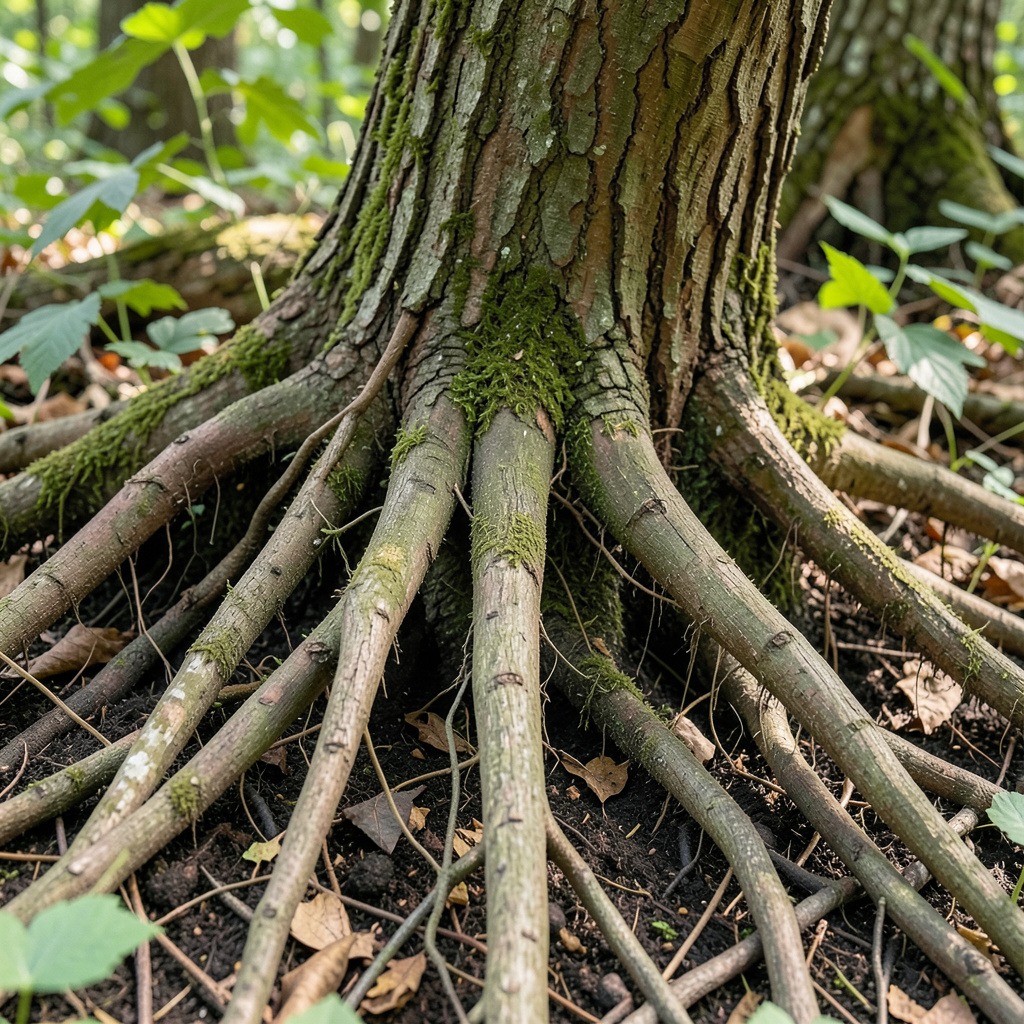
Boxelder roots are known for their aggressive growth patterns and invasive nature. Understanding their impact on surrounding ecosystems is essential for effective management.
Why Boxelder is Considered Invasive
Boxelder (Acer negundo) is often classified as invasive due to its rapid growth and ability to spread through both seeds and root suckers. These characteristics allow the tree to dominate landscapes quickly, outcompeting native vegetation. The roots can extend widely, seeking moisture and nutrients, which can lead to the following issues:
- Competition: Boxelder roots can choke out native plants, reducing biodiversity.
- Disruption: Their aggressive root systems can disrupt soil structure and water availability for other plants.
- Spread: They can create dense thickets, making it difficult for other species to establish.
Impact on Surrounding Vegetation and Structures
The ecological impact of boxelder roots extends beyond competition. Their extensive root systems can pose significant risks to nearby structures. Here are some key considerations:
- Foundation Damage: Roots can grow close to foundations, causing cracks or even structural issues in buildings.
- Utility Interference: Roots may interfere with underground utilities, leading to costly repairs.
- Soil Erosion: The aggressive root system can destabilize soil, increasing the risk of erosion in areas where they dominate.
Comparative Analysis with Other Invasive Trees
Boxelder roots exhibit behaviors similar to other invasive tree species, such as the black locust (Robinia pseudoacacia) and the tree of heaven (Ailanthus altissima). These species also spread rapidly and can outcompete native flora. However, boxelder’s unique combination of fast growth and suckering ability makes it particularly troublesome.
| Tree Species | Growth Rate | Root Suckering | Impact on Native Flora |
|---|---|---|---|
| Boxelder (Acer negundo) | Very Fast | High | High |
| Black Locust | Fast | Moderate | Moderate to High |
| Tree of Heaven | Fast | High | High |
This table illustrates the varying levels of invasiveness and ecological impact among these tree species. Homeowners should consider these factors when planning landscape management or tree removal.
Managing Boxelder Roots: Techniques and Best Practices
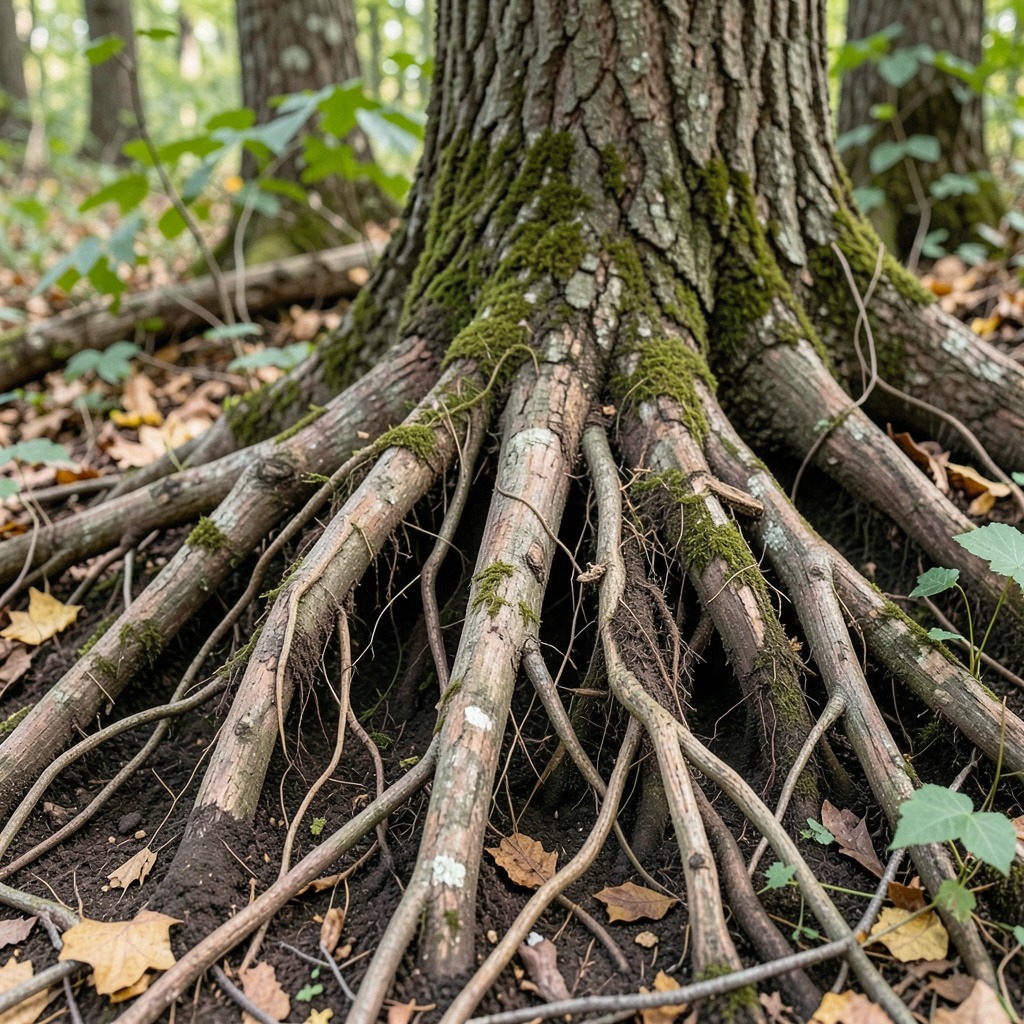
Boxelder roots can create significant challenges for homeowners due to their extensive and invasive nature. Understanding effective management strategies is crucial for minimizing damage to property and surrounding plants.
Techniques for Root Removal
Removing boxelder roots requires careful planning and execution. Here are some effective techniques:
- Mechanical Removal: This involves digging up the roots manually or using a stump grinder. Ensure that the area is clear of utilities before proceeding.
- Herbicide Application: If roots are intertwined with other trees, apply a targeted herbicide like glyphosate with caution. This method can prevent regrowth but may impact nearby desirable plants.
- Root Barrier Installation: Installing physical barriers can prevent root spread into unwanted areas. Use materials like metal or plastic barriers that extend deep into the ground.
Preventive Measures Against Root Damage
Preventing root-related problems is essential for maintaining a healthy landscape. Consider these measures:
- Strategic Planting: Avoid planting boxelder trees near structures or other sensitive plants. Opt for species with less aggressive root systems, such as red maple or serviceberry.
- Regular Monitoring: Check for signs of root encroachment regularly. Early detection allows for timely intervention.
- Soil Testing: Conduct soil tests to understand moisture and nutrient levels, which can influence root growth. Adjust soil conditions to discourage boxelder proliferation.
Decision Framework for Homeowners
When facing issues with boxelder roots, homeowners can use the following decision framework:
1. Assessment: Evaluate the extent of root spread and potential damage to structures or other plants.
2. Identify Goals: Determine whether to remove the tree entirely, manage its growth, or simply mitigate root impact.
3. Choose Strategy: Based on the assessment, select an appropriate removal technique or preventive measure.
4. Monitor Results: After implementation, observe the area for any signs of regrowth or additional damage.
By following these structured approaches, homeowners can effectively manage boxelder roots and reduce their impact on the surrounding environment.
Alternatives to Boxelder: Choosing the Right Trees for Your Landscape
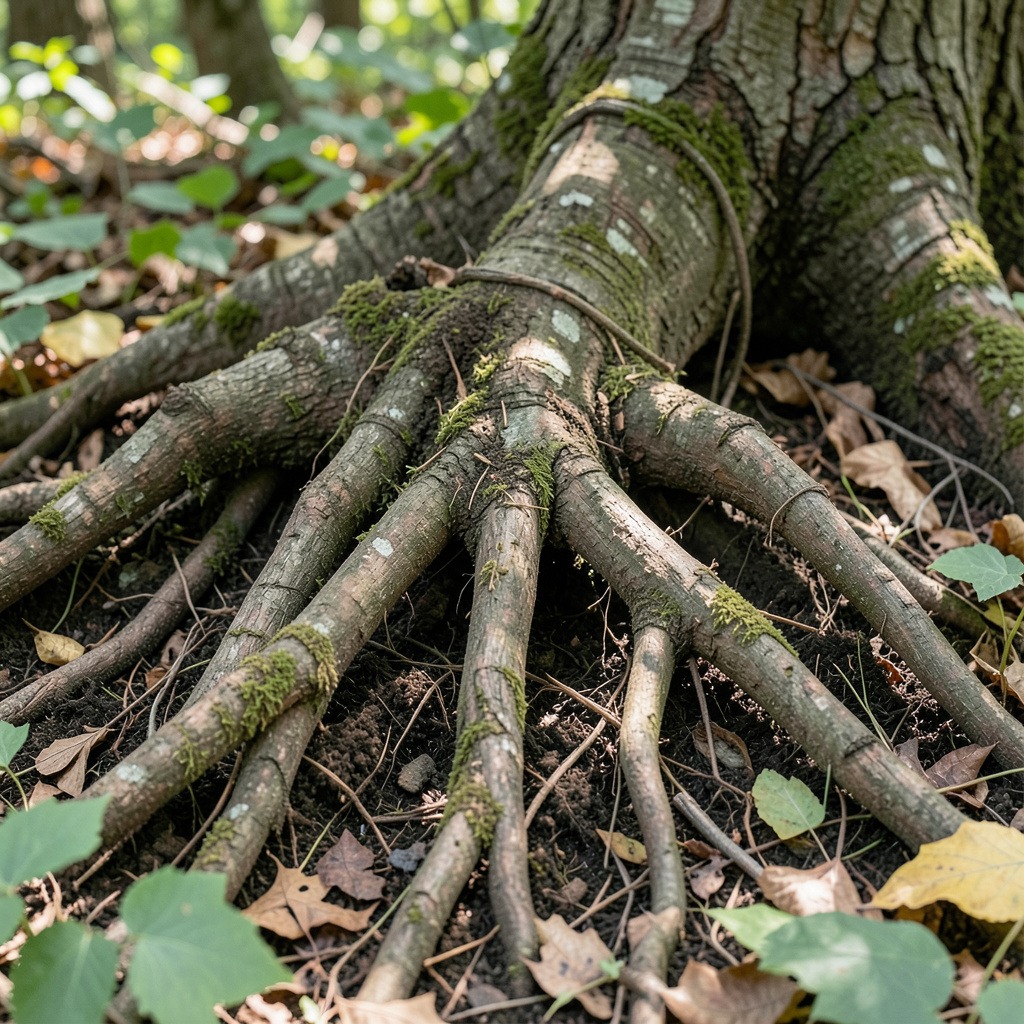
When looking for alternatives to boxelder trees, it is crucial to select species that offer ecological benefits without the invasiveness associated with boxelders. Here are some ideal options that provide stability and aesthetic appeal.
Ideal Non-Invasive Tree Options
1. Red Maple (Acer rubrum):
- Moderate growth rate.
- Extensive root system, but less aggressive than boxelder.
- Provides vibrant fall color.
2. Black Cherry (Prunus serotina):
- Fast-growing with a less invasive root system.
- Attracts wildlife, including birds and pollinators.
- Produces edible fruit.
3. Eastern Redbud (Cercis canadensis):
- Smaller tree with a beautiful spring bloom.
- Shallow root system, minimizing underground conflict.
- Offers excellent ornamental value.
4. Serviceberry (Amelanchier spp.):
- Multi-season interest with flowers, fruits, and fall color.
- Non-aggressive roots that do not damage nearby structures.
- Attracts various wildlife.
Comparison of Root Systems Between Boxelder and Alternatives
The root systems of boxelder trees can pose significant challenges. In contrast, the alternatives listed above generally present fewer issues. Below is a comparison table highlighting key characteristics.
| Tree Species | Growth Rate | Root System Behavior | Ecological Benefits |
|---|---|---|---|
| Boxelder (Acer negundo) | Fast | Aggressive, can damage structures | Invasive, chokes out native species |
| Red Maple | Moderate | Extensive, but less invasive | Provides habitat, attracts birds |
| Black Cherry | Fast | Less aggressive, deep roots | Wildlife-friendly, edible fruit |
| Eastern Redbud | Moderate | Shallow, minimal underground conflict | Ornamental value, attracts pollinators |
| Serviceberry | Moderate | Non-invasive, fibrous roots | Multi-season interest, wildlife habitat |
This comparison helps homeowners make informed decisions when selecting trees for their landscape. Non-invasive options not only reduce the risk of root-related damage but also enhance the ecological balance in their environment.
Frequently Asked Questions
These quick answers cover the most common questions about this topic, including key details, practical tips, and common concerns.
What kills box elder bugs instantly?
To eliminate box elder bugs quickly, use a mixture of soap and water. Combine one part dish soap with three parts water in a spray bottle. Spray directly on the bugs to suffocate them. Alternatively, insecticidal sprays containing pyrethrin can also provide immediate results. Always follow the product instructions for safe and effective use.
Is boxelder a junk tree?
Boxelder (Acer negundo) is often considered a “junk tree” due to its rapid growth, weak wood, and invasive tendencies. It can outcompete native species and cause structural damage with its aggressive root system. While it may provide some ecological benefits, such as habitat for wildlife, many landscapers prefer to avoid planting it.
How far should a red maple tree be from a house?
When planting a red maple (Acer rubrum), it is advisable to position it at least 20 to 30 feet away from your house. This distance helps prevent potential damage from the tree’s roots and minimizes the risk of branches interfering with your home. Proper spacing also allows for healthy growth and canopy development.
How can you tell if a tree is a boxelder?
Boxelder trees can be identified by their compound leaves, which consist of three to five leaflets. The bark is grayish-brown and becomes furrowed with age. Additionally, boxelder trees often have a distinctive greenish-yellow flower in spring, followed by clusters of winged seeds. Observing these characteristics can help differentiate them from other trees.
What are the signs of a boxelder tree infestation?
Signs of a boxelder tree infestation include the presence of numerous boxelder bugs, which are typically black with orange or red markings. You may also notice clusters of these bugs on the tree’s bark, leaves, or around windows and doors of your home. Additionally, the tree may exhibit signs of stress, such as wilting leaves or dieback, indicating a larger infestation problem.
How deep do boxelder roots grow?
Boxelder roots typically grow to a depth of about three feet, depending on soil conditions and moisture availability. However, their lateral spread can extend much further, often reaching three to four times the height of the tree. This extensive root system can lead to competition with nearby plants for nutrients and water, as well as potential structural damage.
What are effective methods for controlling boxelder bugs?
To control boxelder bugs, start with preventive measures such as sealing cracks and openings in your home to limit their entry. Regularly inspect your property for signs of infestation and remove any boxelder trees nearby. If bugs are present, use insecticidal soap or neem oil for targeted treatment. For severe infestations, consider consulting a pest control professional for comprehensive solutions.
Can boxelder trees be planted near homes?
Planting boxelder trees near homes is generally not recommended due to their invasive root systems and potential for structural damage. Roots can grow close to foundations, leading to cracks and other issues. If you desire a tree close to your home, consider alternatives with less aggressive roots, such as red maple or serviceberry, which provide similar benefits without the risks.