
Boxelder trees (Acer negundo) typically reach a height of 10 to 25 meters (35 to 80 feet) with trunk diameters of 30 to 50 centimeters (12 to 20 inches), though they can grow larger under optimal conditions.
Table of Contents
The boxelder tree, scientifically known as Acer negundo, is notable for its rapid growth and unique characteristics. This guide explores its size, lifespan, and ecological role, helping you understand its impact in various environments.
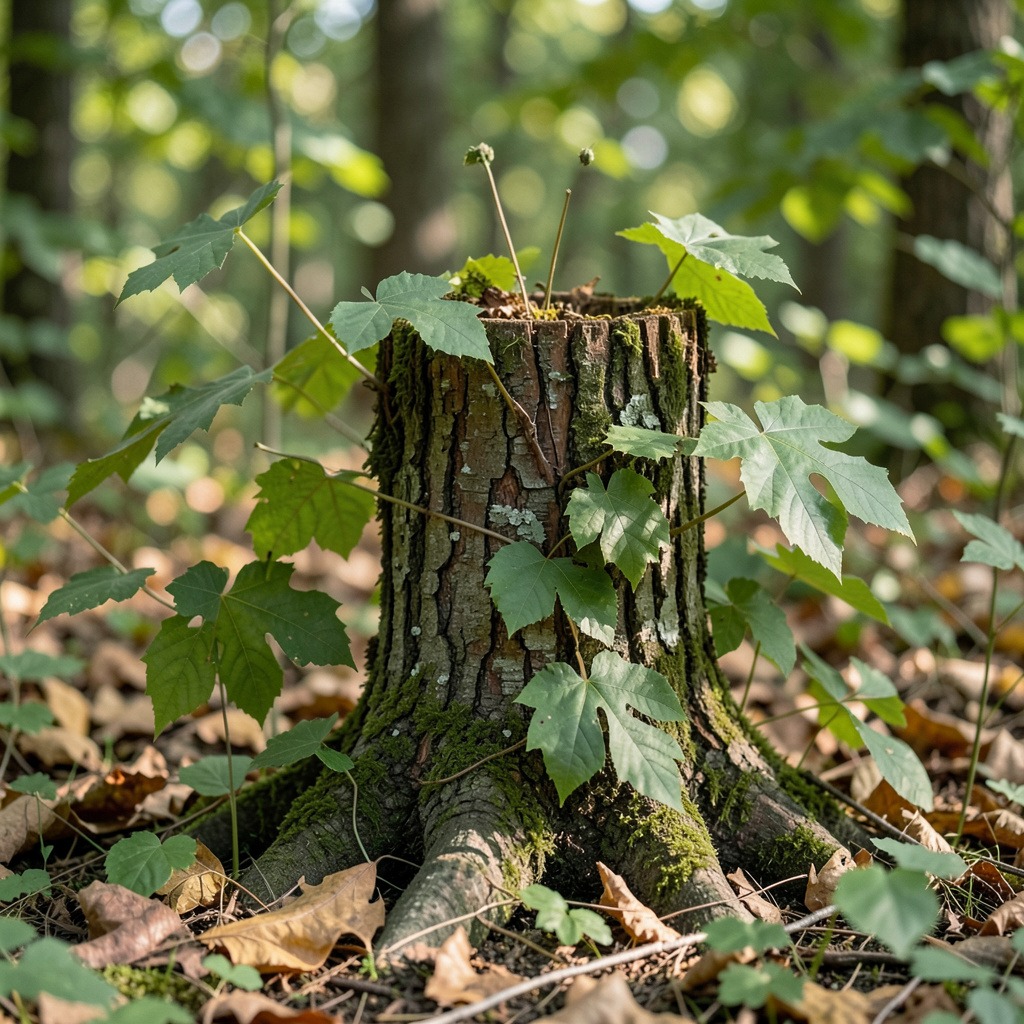
Overview of Boxelder Tree Size and Growth
The boxelder tree, or Acer negundo, typically ranges from small to medium in size. Understanding its growth characteristics is essential for recognizing its ecological role and managing its presence.
Typical Height and Trunk Diameter
Boxelders typically reach heights of 15 to 23 meters (50 to 75 feet) with trunk diameters between 60 to 120 centimeters (24 to 48 inches) at breast height. In optimal conditions, they can grow even taller, showcasing their adaptability in various environments.
| Growth Metric | Average Size | Maximum Size |
|---|---|---|
| Height | 15 to 23 m (50 to 75 ft) | Up to 30 m (98 ft) |
| Trunk Diameter (d.b.h) | 60 to 120 cm (24 to 48 in) | Up to 150 cm (59 in) |
Growth Patterns and Influencing Factors
Boxelder trees exhibit rapid growth during their first 15 to 20 years, with annual diameter growth potentially reaching 2.5 cm (1 inch) under favorable conditions. However, growth rates can decline significantly in suboptimal environments. Factors influencing growth include:
- Soil Quality: Poor soil can reduce growth rates substantially.
- Space Availability: Trees in crowded areas often grow taller but with narrower crowns.
- Climate Conditions: Adequate moisture and sunlight promote healthier growth.
Exceptional Growth Conditions
In optimal conditions, such as well-drained soils and open spaces, boxelder trees can achieve remarkable sizes. For instance, in well-managed landscapes, some specimens can exceed 30 meters (98 feet) in height. This exceptional growth highlights the importance of site selection for planting.
Additionally, boxelders are known for their irregular branching patterns, particularly when given ample space. This unique growth habit contributes to their wide, bushy appearance and ecological versatility.
Understanding the size and growth characteristics of boxelder trees not only aids in identification but also informs effective management strategies for both the trees and their associated pests, like the boxelder bug.
Lifespan and Longevity of Boxelder Trees
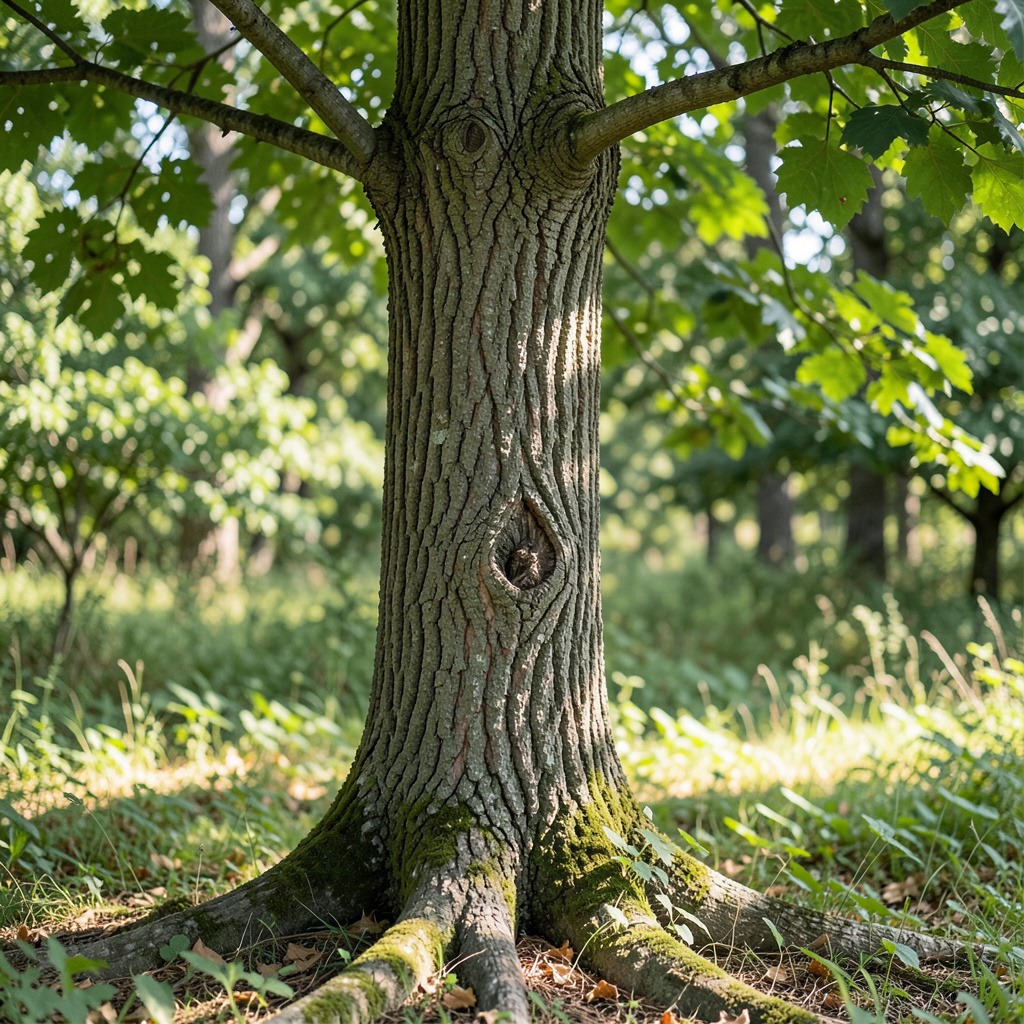
Boxelder trees (Acer negundo) typically have a lifespan of 30 to 60 years, with some specimens living longer under optimal conditions. Understanding the factors influencing their longevity is crucial for effective management and preservation.
Average Lifespan
The average lifespan of boxelder trees can vary significantly based on environmental conditions. In favorable settings, they may reach their maximum potential longevity. Here are some key lifespan metrics:
- Standard Lifespan: 30 to 60 years
- Exceptional Cases: Up to 75 years in well-managed environments
- Growth Conditions Impact: Trees in urban settings may experience shorter lifespans due to stressors like pollution and limited root space.
Factors Influencing Longevity
Several factors affect the lifespan of boxelder trees, including:
- Soil Quality: Well-drained, nutrient-rich soils promote healthy growth.
- Water Availability: Adequate moisture is essential, as drought can significantly shorten lifespans.
- Pest Management: The presence of boxelder bugs and other pests can stress the tree, leading to early decline.
- Climate: Extreme weather events and climate change can adversely affect their growth and longevity.
How to Extend Lifespan
Effective management strategies can enhance the longevity of boxelder trees. Consider the following practices:
- Regular Pruning: This helps remove dead or diseased branches, promoting better air circulation.
- Soil Amendments: Adding organic matter can improve soil structure and fertility.
- Pest Control: Implement integrated pest management to minimize the impact of boxelder bugs and other pests.
- Watering Practices: During drought periods, deep watering can help maintain tree health.
For example, in a community park setting, regular assessments of soil health and pest populations can lead to significantly improved outcomes for boxelder trees, allowing them to thrive for decades beyond their average lifespan.
Ecological Role and Invasiveness of Boxelder Trees
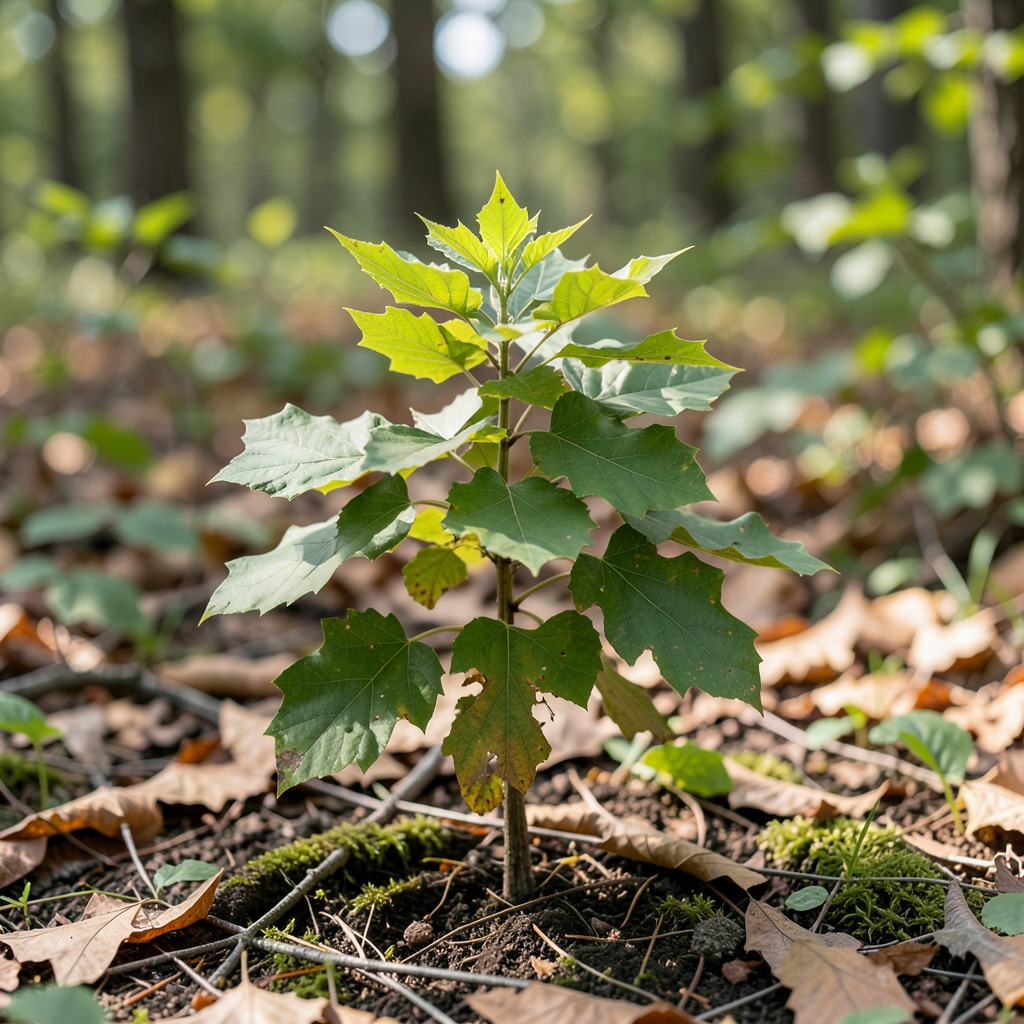
Boxelder trees (Acer negundo) play a significant role in their ecosystems, providing benefits to wildlife while also posing challenges as an invasive species in certain regions.
Benefits to Wildlife
Boxelder trees support various wildlife species. Their flowers attract pollinators, including honeybees, which rely on the nectar for sustenance. The seeds are a food source for birds and small mammals. Additionally, boxelder trees offer habitat for insects, such as the boxelder bug, which feeds on their leaves and seeds.
Key benefits include:
- Habitat Provision: Boxelders serve as nesting sites for birds.
- Food Source: The seeds and foliage support numerous species.
- Ecological Interaction: Pollinators and herbivores contribute to the tree’s reproductive success.
Boxelder’s Invasive Status
While native to North America, boxelder trees have become invasive in places like Australia. Their ability to thrive in disturbed areas allows them to outcompete local flora, disrupting native ecosystems. In regions where they are invasive, boxelder trees can lead to:
- Biodiversity Loss: Native species may decline as boxelder spreads.
- Altered Soil Composition: Their growth can change soil nutrient dynamics.
- Management Challenges: Controlling their spread often requires significant resources.
Management Strategies for Invasive Populations
Effective management of invasive boxelder trees involves several strategies:
1. Regular Monitoring: Check local areas for new growth and signs of spread.
2. Mechanical Removal: Cut down or uproot small trees before they seed.
3. Herbicide Application: Use targeted treatments to manage larger populations.
4. Community Engagement: Educate neighbors about the importance of controlling invasive species.
For example, in a community park, involving local residents in removal efforts can foster awareness and cooperation while reducing boxelder populations effectively.
By understanding the ecological role of boxelder trees and implementing management strategies, communities can mitigate the impact of this species while preserving local biodiversity.
Identifying and Managing Boxelder Bugs
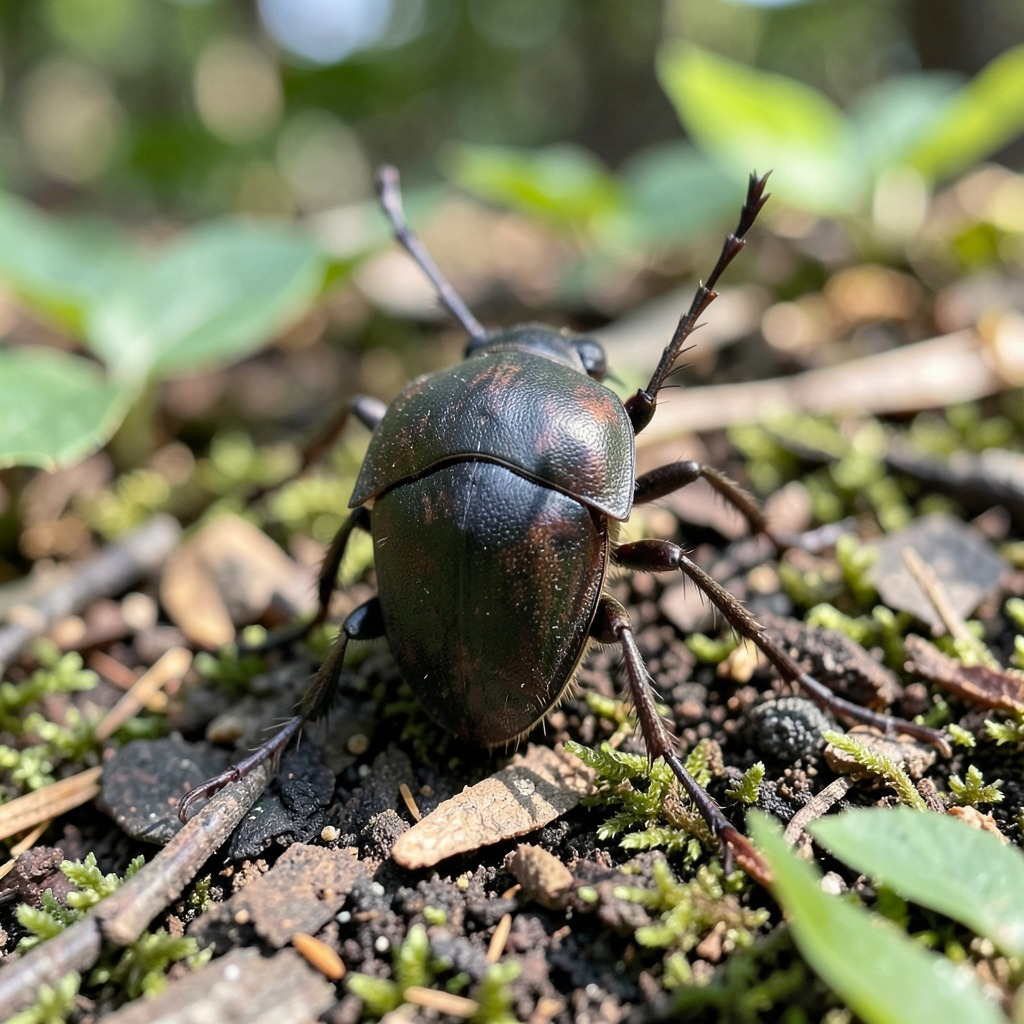
Boxelder bugs (Boisea trivittata) are often found in proximity to boxelder trees (Acer negundo). Understanding their characteristics and management strategies is crucial for maintaining a healthy landscape.
Identifying Boxelder Bugs
Boxelder bugs are easily recognizable. They have a distinctive black body with orange or red markings. Adults typically measure about 0.5 inches long. They tend to gather in large groups, especially during the fall, as they search for shelter. Look for them on the bark of boxelder trees or nearby warm surfaces.
Characteristics to Note:
- Color: Black with orange or red markings
- Size: Approximately 0.5 inches
- Behavior: Gather in groups, particularly in autumn
Common Infestation Issues
While boxelder bugs do not cause significant harm to boxelder trees, their presence can lead to certain issues:
- Overwintering in Homes: As temperatures drop, boxelder bugs seek shelter in buildings, leading to potential infestations indoors.
- Feeding Habits: They feed on the seeds and leaves of boxelder trees, which can cause minor spotting or distortion, especially in high populations. However, healthy trees usually withstand this feeding.
Effective Management Strategies
Preventing and managing boxelder bug infestations involves a combination of proactive and reactive measures. Here are effective strategies:
1. Seal Entry Points: Inspect your home for cracks and gaps. Seal these openings to prevent bugs from entering.
2. Remove Attractants: Clear away debris, piles of leaves, or any other organic matter near the foundation that may attract boxelder bugs.
3. Use Insecticidal Soap: Apply insecticidal soap on the trees to manage populations if they become too dense.
4. Manual Removal: If you find them indoors, use a vacuum to remove them. Dispose of the vacuum bag immediately to prevent re-infestation.
5. Professional Help: If infestations become overwhelming, consider hiring pest control professionals who can provide targeted treatments.
Checklist for Managing Boxelder Bugs:
- [ ] Inspect and seal entry points
- [ ] Clear away debris and attractants
- [ ] Apply insecticidal soap if necessary
- [ ] Manually vacuum indoors
- [ ] Seek professional services if needed
By understanding how to identify and manage boxelder bugs, property owners can effectively reduce their impact and maintain the health of boxelder trees.
Frequently Asked Questions
These quick answers cover the most common questions about this topic, including key details, practical tips, and common concerns.
Are boxelder trees good or bad?
Boxelder trees have both positive and negative attributes. They provide habitat and food for wildlife, including birds and insects. Their rapid growth makes them appealing for quick shade in landscapes. However, they are also considered invasive in some regions, outcompeting native species and disrupting local ecosystems. Therefore, their value can vary based on location and management practices.
What kills box elder bugs instantly?
To effectively eliminate box elder bugs, you can use insecticidal soap or a mixture of water and dish soap. Spraying these solutions directly onto the bugs will suffocate them. Additionally, vacuuming them up when they appear indoors is an immediate solution, but be sure to dispose of the vacuum bag to prevent re-infestation.
Is boxelder invasive?
Yes, boxelder trees are considered invasive in certain areas, particularly outside their native range. They thrive in disturbed environments and can outcompete local flora, leading to reduced biodiversity. Their rapid growth and prolific seed production make them challenging to control once established, necessitating active management in affected regions.
What is the average lifespan of a boxelder tree?
The average lifespan of a boxelder tree ranges from 30 to 60 years. However, under optimal conditions, some trees can live up to 75 years. Factors such as soil quality, water availability, and pest management significantly influence their longevity. In urban environments, stressors like pollution can shorten their lifespan.
What are the signs of boxelder bug infestation?
Signs of a boxelder bug infestation include the presence of large groups of bugs on or near boxelder trees, particularly in the fall. You may also notice them clustering on warm surfaces, such as walls or windows. Additionally, minor leaf damage or spotting on the tree can occur due to their feeding habits, although healthy trees usually withstand this without severe impact.
When is the best time to plant a boxelder tree?
The best time to plant a boxelder tree is in early spring or fall when temperatures are moderate. This timing allows the tree to establish roots before the heat of summer or the cold of winter. Ensure that the planting site has well-drained soil and adequate sunlight for optimal growth.
Are boxelder trees good for landscaping?
Boxelder trees can be suitable for landscaping, particularly in areas where rapid growth and shade are desired. However, consider their invasive nature and potential for pest issues. If you choose to plant them, ensure they are managed properly and monitor for boxelder bug infestations. Alternatives like native trees may provide similar benefits without the invasiveness.
What conditions do boxelder trees thrive in?
Boxelder trees thrive in a variety of conditions but prefer well-drained soils with good moisture. They are adaptable and can grow in both sunny and partially shaded areas. However, they perform best in open spaces where they have room to spread and develop their characteristic bushy appearance.