
Boxelder trees (Acer negundo) are fast-growing maple trees known for their compound leaves and invasive nature.
Table of Contents
The boxelder tree, scientifically known as Acer negundo, is a unique species of maple native to North America. Recognized for its distinctive compound leaves and rapid growth, it poses both ecological benefits and challenges, particularly regarding its invasive tendencies.
Identifying Boxelder Trees: Key Characteristics
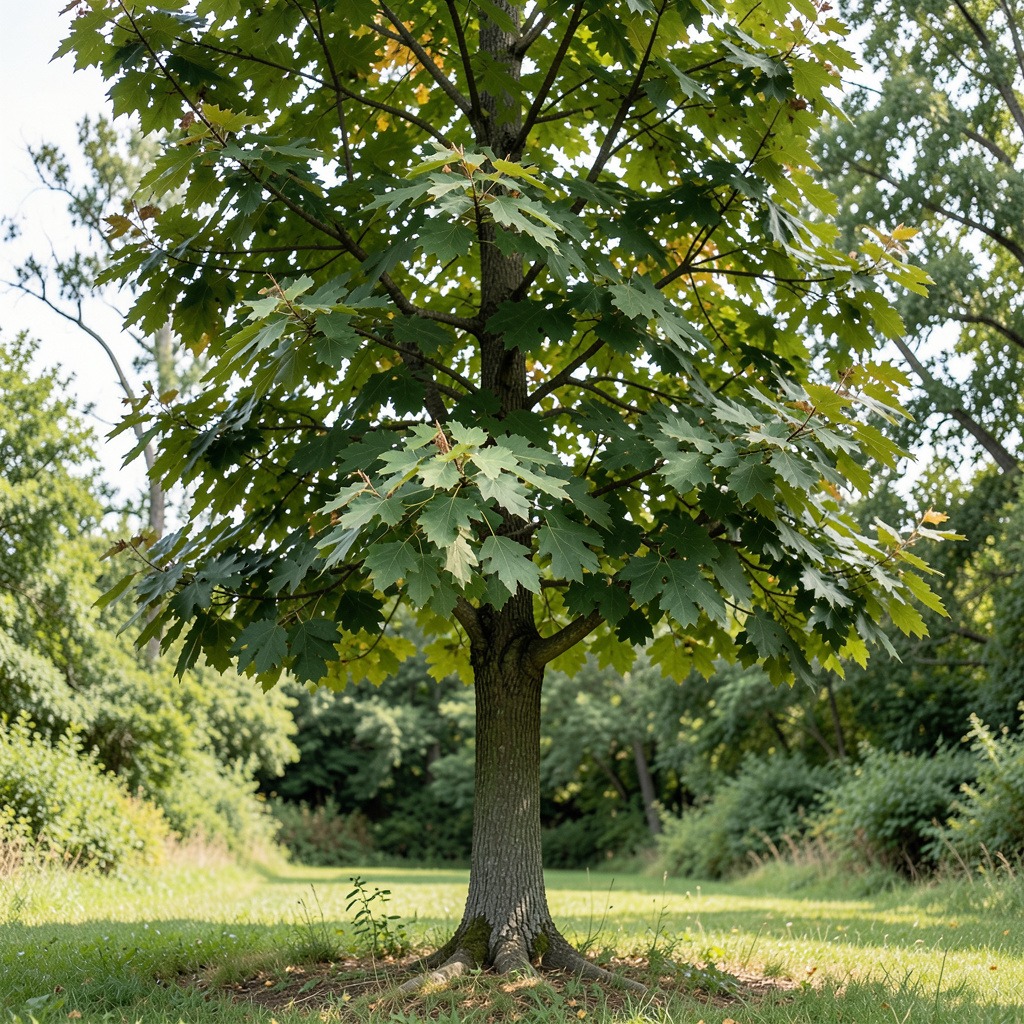
Identifying boxelder trees (Acer negundo) involves examining specific characteristics such as leaf structure, bark texture, and flowering traits. Understanding these features aids in distinguishing boxelders from similar species.
Leaf Structure and Color
Boxelder leaves are compound, typically comprising three to five leaflets. Each leaflet has a serrated edge and a palmate shape, giving the tree a distinctive appearance. The leaves vary in color, appearing green in summer and turning yellow in the fall.
- Leaflet Count: 3 to 5 per leaf
- Shape: Palmate with serrated edges
- Seasonal Color Changes: Green in summer, yellow in autumn
Bark Texture and Appearance
The bark of the boxelder tree changes significantly with age. Young trees exhibit smooth, light gray to greenish-gray bark. As the tree matures, the bark develops deep furrows and becomes darker, transitioning to a scaly texture.
- Young Bark: Smooth and light gray
- Mature Bark: Rough, scaly, with deep clefts
- Color Change: Gray to brown as the tree ages
Flowering and Fruiting Characteristics
Boxelder trees produce small, greenish flowers in the spring, which are not particularly ornamental. They are dioecious, meaning individual trees are either male or female. Female trees produce winged samaras, or seeds, that disperse in the wind.
- Flower Type: Small, greenish, not ornamental
- Reproductive Traits: Dioecious (male and female trees)
- Seed Dispersal: Winged samaras that spread easily
Growth Habits
Boxelder trees are known for their rapid growth, often reaching heights of 30 to 50 feet. Their branches can become brittle, making them susceptible to damage from heavy winds or snow.
- Height: 30 to 50 feet
- Growth Rate: Fast, particularly in favorable conditions
- Branch Characteristics: Brittle, prone to breakage under weight
To effectively identify a boxelder tree, consider using visual aids such as illustrations of leaf shapes and bark textures. This approach can enhance your understanding and ability to distinguish boxelder trees from other species.
The Invasive Nature of Boxelder Trees
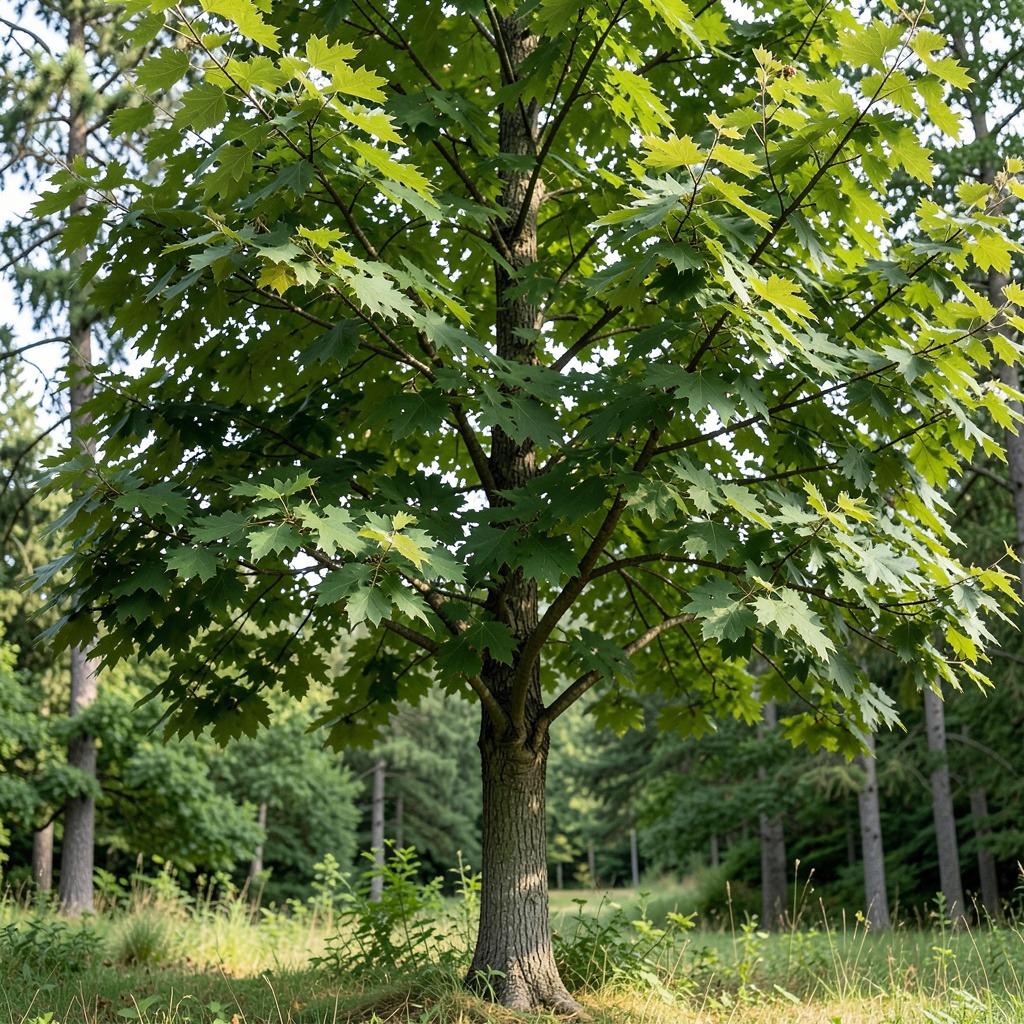
Boxelder trees (Acer negundo) are considered invasive in various regions due to their aggressive growth habits and ecological impacts. Their rapid proliferation can disrupt local ecosystems, affecting both native species and landscapes.
Impact on Native Species
The boxelder tree’s ability to spread quickly poses a threat to native flora. As it outcompetes local plants for resources, it can lead to:
- Reduced biodiversity: Native species may struggle to survive against the fast-growing boxelder.
- Habitat alteration: The dense growth can change the structure of ecosystems, affecting habitat for wildlife.
- Soil depletion: Boxelder trees can alter soil composition, making it less suitable for other plants.
For example, in parts of the Midwest, boxelder trees have taken over riparian zones, displacing native shrubs and grasses, which are essential for maintaining water quality and erosion control.
Conditions Favoring Invasiveness
Several conditions contribute to the invasive nature of boxelder trees:
- Dioecious Reproduction: Boxelder trees are dioecious, meaning they can produce male and female trees. Female trees generate significant quantities of seeds, leading to an abundance of seedlings.
- Adaptability: They thrive in various soil types and conditions, from urban areas to disturbed sites, making them hard to control.
- Rapid Growth: Boxelders can grow up to 1 foot in diameter within ten years, allowing them to establish themselves quickly in new areas.
In regions prone to disturbance, such as construction sites or agricultural land, the boxelder can quickly become established, often out-competing desired native plants. Managing these trees requires ongoing attention and proactive removal strategies to prevent their spread.
Management practices may include:
- Regularly removing seedlings that sprout nearby.
- Implementing physical barriers to limit seed dispersal.
- Using herbicides judiciously to control established trees in sensitive areas.
Understanding these factors helps in developing effective management strategies for boxelder trees and mitigating their invasive potential.
Effective Management Strategies for Boxelder Trees

Managing boxelder trees effectively requires understanding their growth habits and the challenges they present. Homeowners can employ a variety of removal techniques and maintenance practices to control their spread and mitigate associated problems.
Removal Techniques
To manage boxelder trees, consider the following removal methods:
- Seedling Removal: Regularly inspect the area around established boxelder trees. Remove seedlings as soon as they appear to prevent them from establishing a larger population.
- Mechanical Removal: For larger trees, cut them down at the base. Ensure to remove the entire root system to prevent regrowth. This method is most effective during the tree’s dormant season.
- Herbicide Application: Use targeted herbicides on freshly cut stumps to prevent resprouting. Follow label instructions carefully to minimize environmental impact.
- Physical Barriers: Install barriers to prevent seed dispersal in sensitive areas. This can include mulch or landscape fabric around the base of the tree.
Pruning and Maintenance Tips
Regular maintenance can help control the growth and health of boxelder trees:
- Pruning: Prune boxelder trees annually to remove weak branches and maintain shape. This encourages healthier growth and reduces the risk of breakage during storms.
- Monitoring for Pests: Keep an eye out for boxelder bugs, which can infest the tree. If infestations occur, consider using insecticidal soap or other non-invasive pest control methods.
- Soil Management: Ensure the soil around the tree is well-drained. Boxelder trees tolerate poor soil, but healthy soil can reduce stress and promote resilience against pests.
Checklist for Homeowners
Implement the following checklist for effective boxelder management:
- [ ] Inspect for seedlings regularly.
- [ ] Remove seedlings promptly.
- [ ] Cut down larger trees if necessary.
- [ ] Apply herbicides to stumps as needed.
- [ ] Prune annually to maintain tree health.
- [ ] Monitor for boxelder bugs and other pests.
- [ ] Maintain healthy soil conditions.
By following these strategies, homeowners can effectively manage boxelder trees and minimize their ecological impact.
Ecological Benefits of Boxelder Trees

Boxelder trees (Acer negundo) play vital ecological roles in their environments. They support various wildlife species and contribute to landscape stability.
Habitat and Food Source for Wildlife
Boxelder trees provide essential habitat and food for numerous wildlife species. Their seeds attract birds like finches and squirrels. The tree also serves as a refuge for various insects, including pollinators and beneficial beetles.
- Seed production: Boxelder trees produce abundant seeds, which are a critical food source for birds and small mammals.
- Insect habitat: The foliage offers shelter for insects, contributing to biodiversity.
- Biodiversity support: The presence of boxelder trees can enhance local ecosystems by supporting various species.
Statistics indicate that a single mature boxelder tree can host hundreds of insect species, offering substantial food and habitat diversity.
Role in Erosion Control and Soil Stabilization
Boxelder trees are effective in controlling soil erosion and stabilizing landscapes. Their root systems help bind soil, reducing runoff and preventing loss during heavy rains.
- Root structure: The extensive root system of boxelder trees penetrates deep into the soil, improving soil structure.
- Pioneer species: As a pioneer species, boxelders colonize disturbed areas, enhancing soil quality and preparing the ground for other plants.
- Landscape enhancement: They can be strategically planted on slopes or riverbanks to prevent erosion.
In landscaping scenarios, boxelder trees can be integrated into designs aimed at soil stabilization. For example, planting them along slopes can effectively reduce erosion while enhancing wildlife habitat.
Boxelder trees offer a blend of ecological benefits, from supporting wildlife to stabilizing soil, making them valuable assets in both natural and landscaped environments.
Comparing Boxelder Trees to Other Maple Species
Boxelder trees (Acer negundo) share certain traits with other maple species but also possess unique characteristics that affect their suitability for landscaping. Understanding these differences can help in selecting the right tree for your environment.
Boxelder vs Sugar Maple
- Scientific Classification: Both belong to the Acer genus, but sugar maple (Acer saccharum) is known for its hardiness and sap production.
- Leaf Structure: Boxelder leaves are compound, typically consisting of 3 to 5 leaflets, whereas sugar maple leaves are broad and lobed with five distinct points.
- Growth Habit: Boxelders grow rapidly and can reach heights of 35 to 50 feet, while sugar maples grow slower but can reach up to 75 feet.
- Environmental Tolerance: Boxelders thrive in a wider range of soil conditions, including disturbed areas, while sugar maples prefer well-drained, fertile soils.
Boxelder vs Red Maple
- Leaf Color: Boxelder leaves turn yellow-green in the fall, while red maple (Acer rubrum) showcases vibrant red and orange hues.
- Pest Resistance: Boxelders are often associated with boxelder bugs, which can be a nuisance. Red maples, in contrast, tend to have fewer pest issues.
- Root Structure: Boxelder trees develop extensive root systems that can destabilize soil, while red maples have a more contained root structure, making them less likely to cause erosion problems.
Comparison Chart
| Feature | Boxelder (Acer negundo) | Sugar Maple (Acer saccharum) | Red Maple (Acer rubrum) |
|---|---|---|---|
| Leaf Type | Compound | Lobed | Lobed |
| Fall Color | Yellow-green | Orange, red | Red, orange |
| Height | 35-50 feet | Up to 75 feet | Up to 60 feet |
| Growth Rate | Fast | Moderate | Fast |
| Pest Issues | Common (boxelder bugs) | Rare | Moderate |
| Soil Preference | Tolerant of disturbed | Prefers well-drained | Adaptable |
This comparison highlights the distinctive qualities of boxelder trees relative to other maple species, aiding in informed landscaping decisions. When selecting a tree, consider the specific site conditions and desired aesthetic outcomes.
Alternatives to Boxelder Trees in Landscaping
When considering alternatives to boxelder trees, it’s essential to choose species that provide similar ecological benefits without the invasiveness associated with boxelders. Here are some native and ornamental trees that can serve as suitable substitutes.
Native Alternatives
1. Red Maple (Acer rubrum)
- Height: 40-60 feet
- Growth Rate: Fast
- Fall Color: Brilliant red to yellow
- Benefits: Adaptable to various soil types and provides critical habitat for wildlife.
2. Sugar Maple (Acer saccharum)
- Height: 60-75 feet
- Growth Rate: Moderate
- Fall Color: Vibrant yellow, orange, and red
- Benefits: Produces maple syrup and offers dense shade.
3. Black Cherry (Prunus serotina)
- Height: 50-80 feet
- Growth Rate: Moderate to fast
- Fall Color: Yellow to red
- Benefits: Supports a diverse range of wildlife and produces edible fruit.
Ornamental Trees to Consider
1. Serviceberry (Amelanchier spp.)
- Height: 15-25 feet
- Growth Rate: Moderate
- Fall Color: Yellow-orange
- Benefits: Attractive flowers in spring and edible berries.
2. Eastern Redbud (Cercis canadensis)
- Height: 20-30 feet
- Growth Rate: Moderate
- Fall Color: Yellow
- Benefits: Beautiful pink flowers in spring and heart-shaped leaves.
3. Amur Maple (Acer ginnala)
- Height: 15-20 feet
- Growth Rate: Fast
- Fall Color: Red and orange
- Benefits: Compact size makes it ideal for smaller landscapes.
Comparison Chart
| Tree Species | Height | Growth Rate | Fall Color | Additional Benefits |
|---|---|---|---|---|
| Red Maple | 40-60 feet | Fast | Brilliant red to yellow | Habitat for wildlife |
| Sugar Maple | 60-75 feet | Moderate | Vibrant yellow, orange, red | Produces maple syrup, dense shade |
| Black Cherry | 50-80 feet | Moderate to fast | Yellow to red | Supports wildlife, edible fruit |
| Serviceberry | 15-25 feet | Moderate | Yellow-orange | Attractive flowers, edible berries |
| Eastern Redbud | 20-30 feet | Moderate | Yellow | Beautiful spring flowers |
| Amur Maple | 15-20 feet | Fast | Red and orange | Compact size for small landscapes |
These alternatives not only enhance the aesthetic appeal of landscapes but also contribute positively to local ecosystems, making them ideal choices for homeowners and landscapers alike.
Frequently Asked Questions
These quick answers cover the most common questions about this topic, including key details, practical tips, and common concerns.
Is box elder a good tree?
Boxelder trees can be both beneficial and problematic. They grow quickly and provide shade, making them appealing for landscaping. However, they are also considered invasive in many areas. Their rapid growth can outcompete native plants, leading to reduced biodiversity. If you’re looking for a tree for quick shade, boxelders may work, but consider their ecological impact first.
How to identify a boxelder tree?
To identify a boxelder tree (Acer negundo), look for its compound leaves with 3 to 5 leaflets that have serrated edges. The bark is smooth and light gray when young, becoming rough and darker as it matures. Additionally, boxelder trees produce small greenish flowers in the spring and winged seeds that disperse easily. Visual aids, like images of leaf shapes and bark textures, can help in identification.
Should I remove my box elder tree?
Consider removing your box elder tree if it poses a risk to local ecosystems or if it has become a nuisance. Boxelders can disrupt native plant growth due to their invasive nature. If you notice seedlings sprouting nearby or if the tree is damaging structures, removal may be the best option. Regular maintenance and monitoring can also help manage their spread.
Is box elder the same as maple?
While boxelder (Acer negundo) is a member of the maple family, it has distinct characteristics that set it apart from other maples. Boxelder leaves are compound, while most other maples have lobed leaves. Additionally, boxelders are known for their rapid growth and invasive tendencies, unlike more stable maple species like sugar maple (Acer saccharum).
Are you trying to identify a tree in your yard?
If you’re trying to identify a tree, check for specific traits such as leaf shape, bark texture, and flowering characteristics. For boxelder trees, look for the unique compound leaves and the smooth bark that becomes rough over time. Using a tree identification app or guide can also assist in confirming your findings.
Do you want to know how to remove or control one?
To remove or control a boxelder tree, consider methods such as cutting down the tree at the base and removing the root system to prevent regrowth. Regularly inspect for seedlings and remove them promptly. Applying herbicides to freshly cut stumps can also help control their spread. Always follow safety guidelines when using chemicals.
When to prune boxelder trees?
Pruning boxelder trees is best done in late winter or early spring before new growth begins. This timing minimizes stress on the tree and encourages healthier growth. Regular pruning helps maintain shape, removes weak branches, and reduces the risk of breakage during storms.
What are some alternatives to boxelder trees for landscaping?
If you’re looking for alternatives to boxelder trees, consider native options like red maple (Acer rubrum) or sugar maple (Acer saccharum). Both provide similar benefits in terms of shade and habitat without the invasiveness associated with boxelders. Ornamental trees like serviceberry (Amelanchier spp.) and eastern redbud (Cercis canadensis) also offer aesthetic appeal and ecological benefits.