
The Brandywine Maple tree, known for its stunning fall foliage and manageable size, offers both aesthetic benefits and care challenges, making it a popular choice for landscaping despite its limited heat tolerance and slower growth rate.
The Brandywine Maple tree, scientifically named Acer rubrum ‘Brandywine,’ is celebrated for its vibrant autumn colors and suitability for various landscapes. However, like any tree, it has both advantages and disadvantages that potential planters should consider before making a decision.
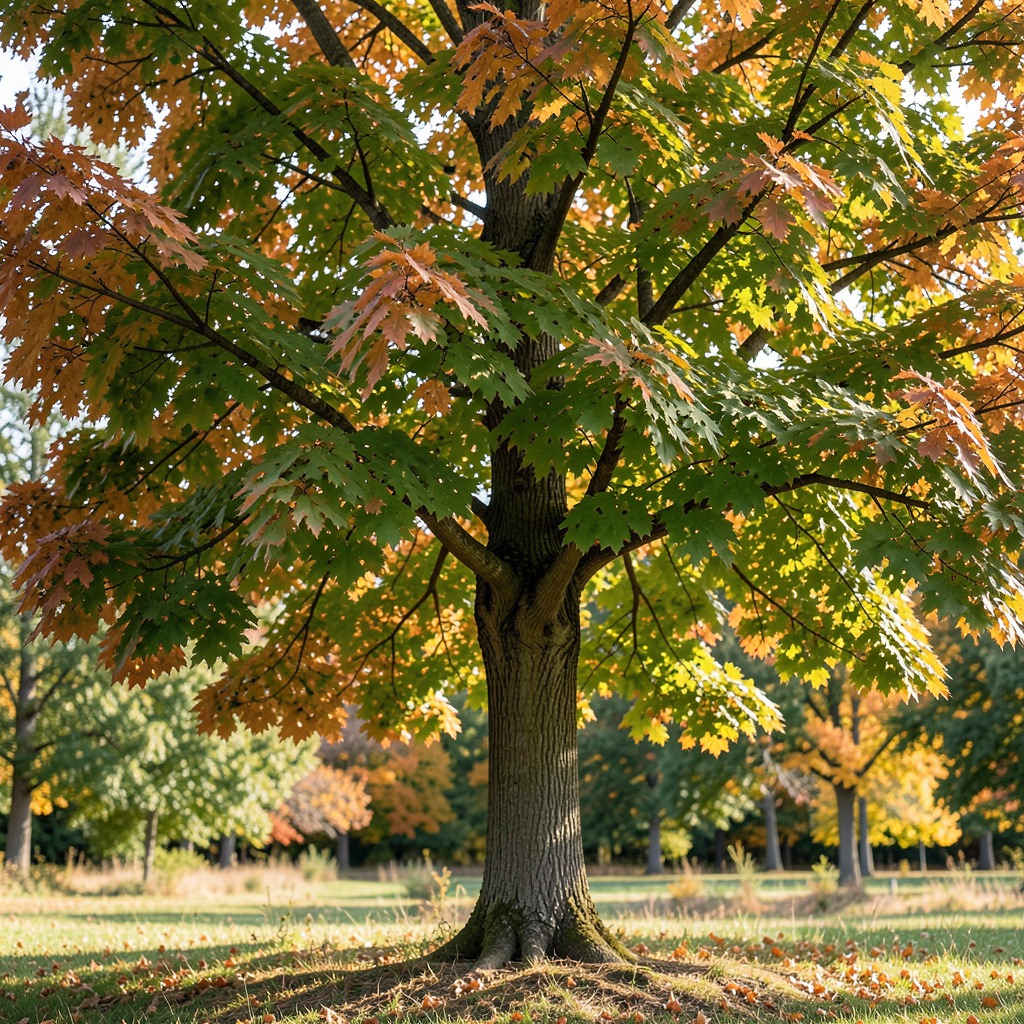
Understanding the Brandywine Maple Tree
The Brandywine Maple, or Acer rubrum ‘Brandywine,’ is a hybrid tree known for its striking appearance and growth characteristics. Understanding its classification, origin, and unique traits can help you determine if it fits your landscape needs.
Scientific Classification and Origin
- Scientific Name: Acer rubrum ‘Brandywine’
- Family: Sapindaceae
- Origin: Developed in the 1980s by horticulturist Michael Dirr, this cultivar is a cross between Acer rubrum ‘October Glory’ and Acer rubrum ‘Autumn Flame’.
The Brandywine Maple is a selection of the Red Maple species, which is native to North America. This hybrid was specifically bred for its superior color and growth traits, making it an appealing choice for landscapes.
Unique Physical Features
The Brandywine Maple exhibits several notable characteristics:
- Size: Grows to 35-50 feet tall.
- Crown Shape: Typically rounded to oval.
- Leaves: Medium to dark green above, with a glaucous blue-gray underside. Each leaf has 3-5 lobes.
- Bark: Smooth, grayish at first, becoming scaly with age.
These features contribute to its aesthetic appeal. In addition, the tree’s structural integrity makes it suitable for urban settings.
Seasonal Changes in Appearance
The Brandywine Maple is especially sought after for its seasonal transformations:
Table of Contents
- Spring: Bright red flowers appear before the leaves.
- Summer: Leaves maintain a lush green color.
- Autumn: Foliage transforms to a brilliant scarlet, often with hints of purple.
This vibrant fall display is one of the key reasons homeowners choose to plant this tree.
For optimal growth and care, consider using a specialized Brandywine Maple Tree Care Kit to ensure your tree thrives in your landscape.
4 Pros of the Brandywine Maple Tree
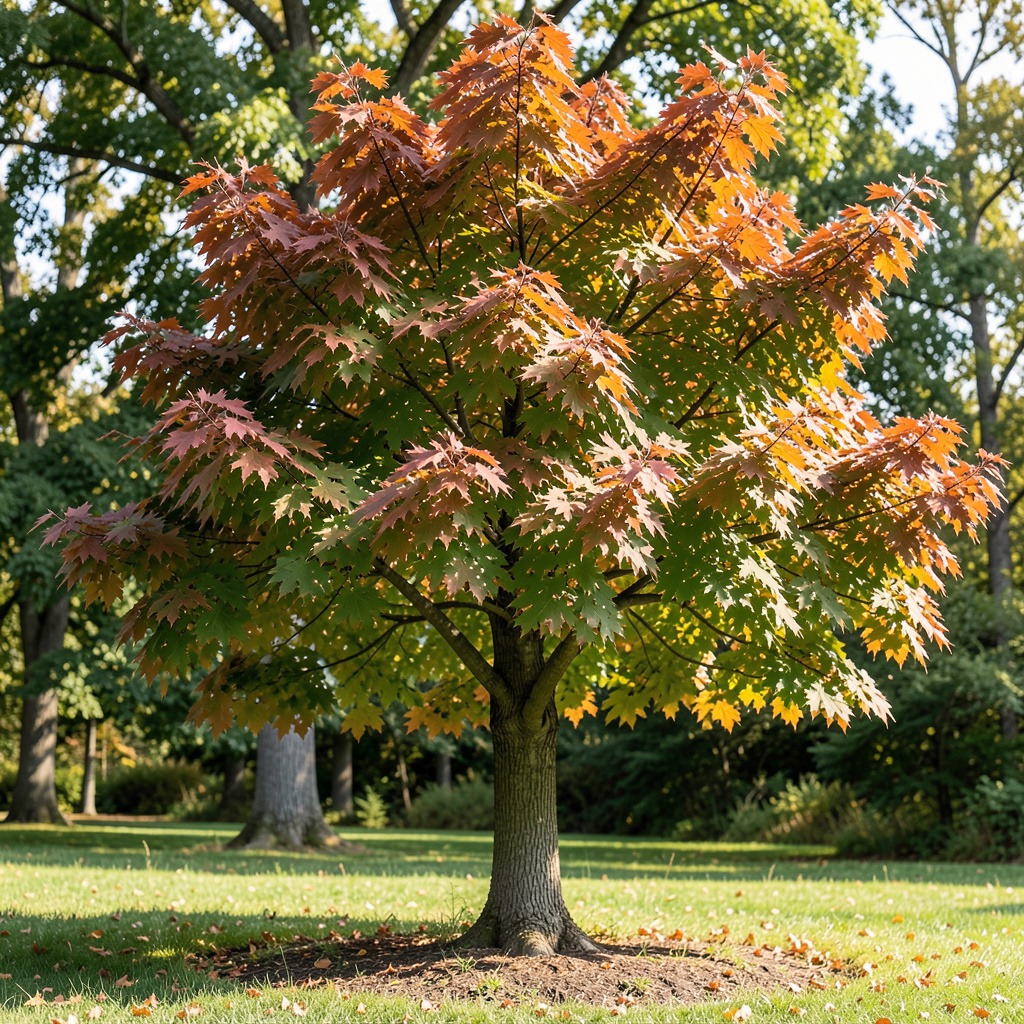
The Brandywine Maple tree offers several advantages for homeowners and landscapers. Its unique characteristics make it a favored choice for enhancing outdoor spaces.
Stunning Foliage for Year-Round Appeal
One of the standout features of the Brandywine Maple is its exceptional fall foliage. The leaves transform into a vibrant scarlet, often displaying hints of purple. This brilliant color is consistent year after year, making it a visual centerpiece in any landscape.
- Spring: Bright red flowers emerge before the leaves, adding early-season interest.
- Summer: The tree showcases lush green foliage, providing a robust backdrop to gardens.
- Autumn: The stunning scarlet and purple hues create a dramatic display that can be a focal point in residential or commercial landscapes.
Compact Size Ideal for Various Landscapes
The Brandywine Maple typically grows to heights of 35-50 feet, making it suitable for a range of settings. Its moderate size allows it to fit comfortably in smaller yards or urban gardens while still providing significant shade.
- Adaptability: This maple thrives in various soil types and conditions, making it versatile for different climates.
- Spacing: With a crown that spreads 20-30 feet, it can be planted near structures without overwhelming the space.
Excellent Shade Provider
The Brandywine Maple serves as an excellent shade tree. Its dense foliage provides relief during hot summer days, making outdoor spaces more comfortable. This quality is especially beneficial in residential areas where shade is desired for patios or gardens.
- Energy Efficiency: Using Brandywine Maples can help reduce cooling costs for homes by providing natural shade.
- Landscape Design: Incorporating these trees into landscape designs can create inviting areas for relaxation and recreation.
For optimal growth and care, consider using a specialized Brandywine Maple Tree Care Kit to ensure your tree thrives in your landscape.
4 Cons of the Brandywine Maple Tree
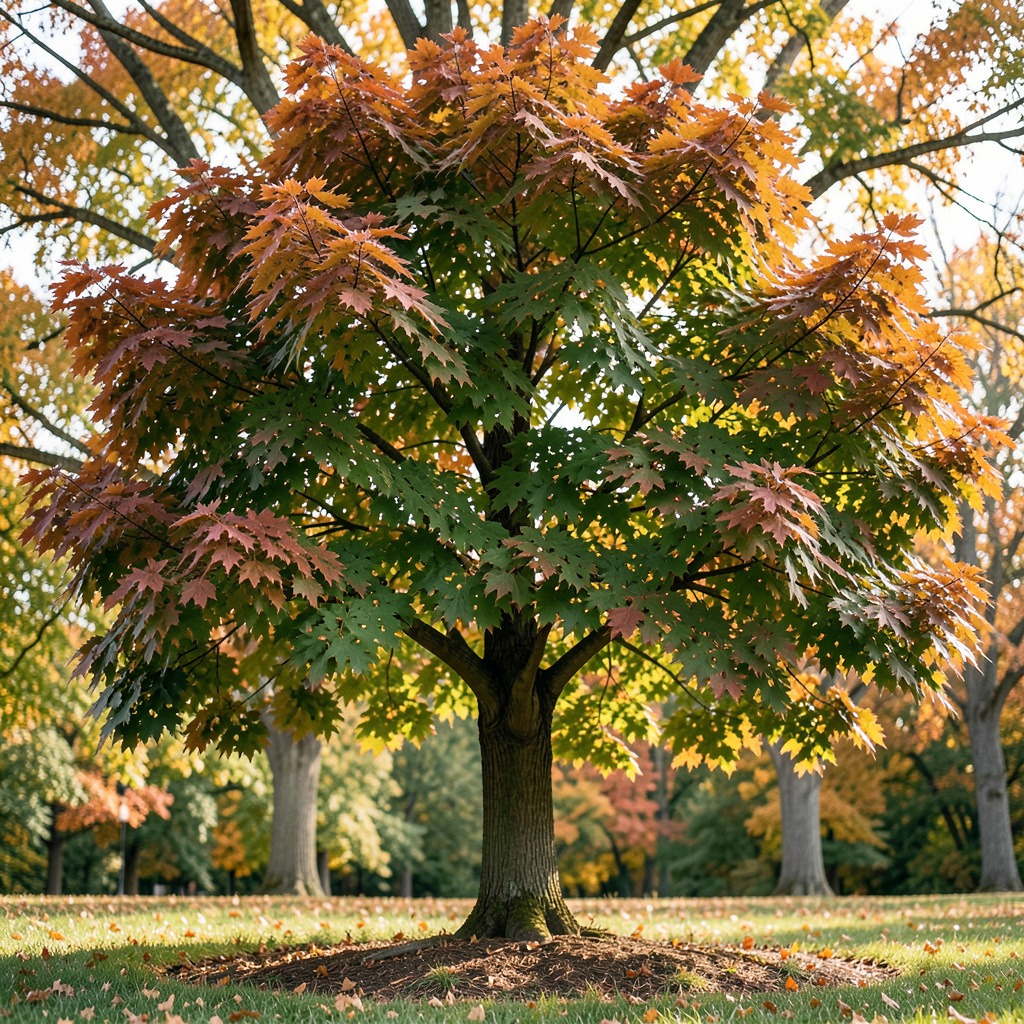
While the Brandywine Maple tree boasts numerous advantages, it also presents certain drawbacks that potential planters should consider. Understanding these cons can help you make an informed decision for your landscape.
Limited Heat Tolerance
The Brandywine Maple exhibits limited heat tolerance compared to other maple varieties. This tree thrives best in cooler climates and may struggle in consistently hot environments.
- Optimal Zones: It performs well in USDA Zones 4-8.
- Heat Stress: In warmer zones, the tree may experience stress, leading to leaf scorch and reduced growth.
Slower Growth Rate Compared to Other Varieties
Although the Brandywine Maple is known for its rapid growth, it may not grow as quickly as some other maple species. This can be a consideration if you are looking for immediate shade or landscape impact.
- Growth Rate: Typically, it reaches a height of 25 feet in the first 12 years, maturing to around 35-50 feet.
- Comparison: Other maples, such as the Silver Maple, may grow faster but come with their own set of challenges.
Watering and Moisture Needs
The Brandywine Maple has specific watering and moisture requirements that must be met for optimal health.
- Moisture Sensitivity: It requires well-drained soil and consistent moisture, especially during dry spells.
- Irrigation Needs: An established tree still benefits from supplemental watering in times of drought.
Checklist for Care:
- Monitor soil moisture regularly.
- Water deeply but infrequently to encourage deep root growth.
- Use mulch to retain moisture and regulate soil temperature.
By planning for these considerations, you can better manage the Brandywine Maple in your landscape.
Care and Maintenance for Brandywine Maples
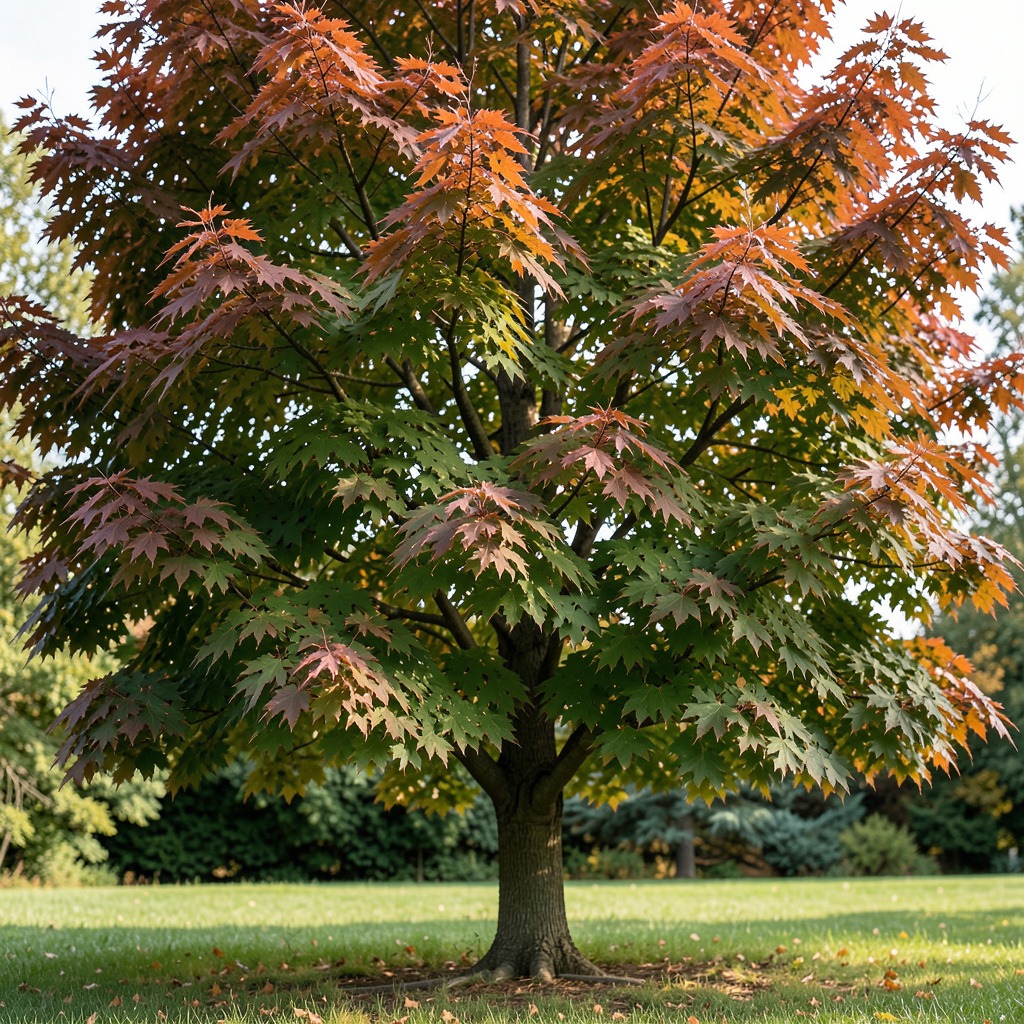
Proper care and maintenance are crucial for the health and longevity of Brandywine Maples. Understanding their soil preferences and watering guidelines will help ensure vibrant growth and stunning fall foliage.
Ideal Soil Conditions for Growth
Brandywine Maples thrive in specific soil types. Here are their preferences:
- Soil Type: Well-drained, loamy soil is ideal. They can tolerate clay and sandy soils but prefer a balance.
- pH Level: Aim for a slightly acidic to neutral pH (6.0 to 7.0).
- Nutrient-Rich: Incorporate organic matter to improve soil structure and fertility.
Effective Watering Practices
Establishing effective watering practices is vital, especially during the early years. Follow these guidelines:
- Frequency: Water deeply once or twice a week, especially in the first two to four years.
- Amount: Provide at least one gallon of water per week. Increase this during periods of drought.
- Detection: Use the finger test—insert your finger into the soil up to the second knuckle. If it feels dry, it’s time to water.
Pruning Tips for Optimal Health
Regular pruning promotes healthy growth and enhances the tree’s shape. Consider these tips:
- Timing: Prune in late winter or early spring before new growth begins.
- Technique: Remove dead or crossing branches to improve air circulation.
- Shape: Aim for a balanced crown. Avoid cutting more than 25% of the tree’s crown in a single year.
Care Checklist
- Monitor soil moisture regularly.
- Water deeply but infrequently.
- Use mulch around the base to retain moisture and suppress weeds.
- Perform annual pruning to maintain shape and health.
By adhering to these care and maintenance strategies, you can enjoy the beauty and resilience of Brandywine Maples in your landscape.
Ideal Locations for Planting Brandywine Maples
Choosing the right location for your Brandywine Maple is crucial for its growth and overall beauty. This tree thrives under specific conditions that enhance its characteristics, such as vibrant fall foliage and robust health.
Understanding Your Climate Zone
Brandywine Maples prefer temperate climates with well-defined seasons. They thrive in USDA hardiness zones 4 to 8, accommodating a range of temperatures. Here are some critical factors to consider:
- Temperature: Ensure the planting area experiences moderate winters and warm summers.
- Sunlight: These trees need full sun to partial shade. Ideally, they should receive at least six hours of direct sunlight daily.
- Soil Type: Well-drained, loamy soil supports their growth. Avoid heavy clay or overly sandy soils.
Space and Companions in Landscaping
When planning your landscape, consider the space requirements of the Brandywine Maple. This tree can grow up to 30 feet tall and 25 feet wide. Ensure it has enough room to flourish without competing for resources.
- Planting Distance: Space Brandywine Maples at least 15-20 feet away from structures and other trees.
- Companion Plants: Choose shade-tolerant perennials like hostas or ferns for planting beneath the tree, as they can thrive in the filtered light.
Avoiding Common Planting Mistakes
To maximize the impact of your Brandywine Maple, avoid these common planting errors:
- Poor Drainage: Ensure the site has proper drainage to prevent root rot.
- Neglecting Soil Preparation: Amend the soil with organic matter before planting to improve nutrient availability.
- Incorrect Depth: Plant the tree at the same depth it was in the nursery to avoid trunk rot.
By selecting the right conditions and avoiding common pitfalls, you can ensure your Brandywine Maple thrives, enhancing your landscape’s beauty for years to come.
Comparing Brandywine Maple to Other Maple Varieties
Understanding how the Brandywine Maple compares to other popular maple varieties can guide your landscaping decisions. Each type has unique characteristics that may suit different preferences and environments.
Brandywine vs. October Glory
The October Glory Maple (Acer rubrum ‘October Glory’) is known for its vibrant red fall color and faster growth rate compared to the Brandywine. Here’s how they stack up:
| Characteristic | Brandywine Maple | October Glory Maple |
|---|---|---|
| Growth Rate | Moderate | Fast |
| Fall Color | Deep red to burgundy | Bright red |
| Size at Maturity | 30-40 feet | 40-50 feet |
| Shade Tolerance | Good | Excellent |
| Soil Preference | Adaptable, prefers moist | Prefers well-drained, acidic |
Brandywine vs. Red Sunset
The Red Sunset Maple (Acer rubrum ‘Red Sunset’) offers a strikingly similar aesthetic but with key differences. Consider these factors:
| Characteristic | Brandywine Maple | Red Sunset Maple |
|---|---|---|
| Growth Rate | Moderate | Fast |
| Fall Color | Deep red to burgundy | Bright orange |
| Size at Maturity | 30-40 feet | 40-50 feet |
| Maintenance Needs | Moderate | Moderate |
| Pest Resistance | Good | Moderate |
Brandywine vs. Autumn Blaze
The Autumn Blaze Maple (Acer × freemanii ‘Autumn Blaze’) is a hybrid known for its rapid growth and vibrant foliage. Here’s a quick comparison:
| Characteristic | Brandywine Maple | Autumn Blaze Maple |
|---|---|---|
| Growth Rate | Moderate | Fast |
| Fall Color | Deep red to burgundy | Red to orange |
| Size at Maturity | 30-40 feet | 40-50 feet |
| Soil Requirements | Adaptable, prefers moist | Well-drained |
| Shade Tolerance | Good | Excellent |
Key Takeaways
- Growth Rate: If rapid growth is a priority, consider October Glory or Autumn Blaze.
- Fall Color: For deep red hues, Brandywine and Red Sunset are strong candidates.
- Size: All varieties can provide ample shade, but size at maturity varies, influencing landscape planning.
Selecting the right maple variety hinges on your specific landscape goals. Consider these comparisons to find the best fit for your outdoor space.
Alternatives to Brandywine Maple for Landscaping
If you’re considering other tree options aside from the Brandywine Maple, several alternatives provide similar aesthetic and practical benefits. These trees vary in growth rate, foliage color, and maintenance requirements, allowing you to choose the best fit for your landscape.
Other Varieties of Maple
1. October Glory Maple (Acer rubrum ‘October Glory’)
- Growth Rate: Fast
- Fall Color: Brilliant red
- Height: 40-50 feet
- Soil Requirements: Adaptable, prefers moist conditions
2. Autumn Blaze Maple (Acer × freemanii ‘Autumn Blaze’)
- Growth Rate: Rapid
- Fall Color: Vibrant orange to red
- Height: 40-50 feet
- Soil Requirements: Tolerates various soil types
Non-Maple Trees for Similar Aesthetic
1. Sweetgum (Liquidambar styraciflua)
- Growth Rate: Moderate
- Fall Color: Yellow, orange, and red
- Height: 60-75 feet
- Soil Requirements: Prefers well-drained, acidic soils
2. Red Oak (Quercus rubra)
- Growth Rate: Moderate to fast
- Fall Color: Reddish-brown
- Height: 60-75 feet
- Soil Requirements: Adaptable, prefers well-drained soils
Trees with Faster Growth Rates
1. Lombardy Poplar (Populus nigra ‘Italica’)
- Growth Rate: Very fast
- Fall Color: Yellow
- Height: 40-60 feet
- Soil Requirements: Thrives in a variety of conditions
2. Silver Maple (Acer saccharinum)
- Growth Rate: Fast
- Fall Color: Yellow
- Height: 50-70 feet
- Soil Requirements: Prefers moist, well-drained soils
Decision Guide for Choosing Alternatives
When selecting an alternative tree, consider the following factors:
- Aesthetic Goals: Determine desired foliage color and seasonal interest.
- Space Requirements: Assess the height and spread of the tree at maturity.
- Growth Rate: Decide if rapid growth is critical for your landscape.
- Soil Compatibility: Ensure the tree’s soil needs align with your garden’s conditions.
This structured approach helps you compare each option effectively, ensuring a tree choice that enhances your landscape while meeting your specific needs.
Frequently Asked Questions
These quick answers cover the most common questions about this topic, including key details, practical tips, and common concerns.
What are common problems with Brandywine Maples?
Brandywine Maples can face several issues, including limited heat tolerance. They thrive best in cooler climates and may experience leaf scorch in consistently hot areas. Additionally, these trees are sensitive to soil moisture; overwatering or poor drainage can lead to root rot.
Pest resistance is generally good, but they can be susceptible to certain diseases like leaf spot and canker. Regular monitoring and care can help mitigate these problems.
How fast does a Brandywine Maple tree grow?
The Brandywine Maple typically has a moderate growth rate. In ideal conditions, it can reach about 25 feet in height within the first 12 years, eventually maturing to a height of 35-50 feet. While it’s not the fastest-growing maple, its steady growth can still provide a significant impact over time.
Is Brandywine Maple a good tree for landscaping?
Yes, the Brandywine Maple is an excellent choice for landscaping. Its vibrant fall foliage, featuring deep red and purple hues, adds visual interest throughout the seasons. The tree’s compact size makes it suitable for smaller yards and urban environments, providing shade without overwhelming the space.
Is Brandywine Maple a good shade tree?
Absolutely. The Brandywine Maple is considered a good shade tree due to its dense canopy. Its broad leaves provide ample shade during hot summer months, making outdoor spaces more comfortable. Incorporating this tree into your landscape can help reduce cooling costs for your home as well.
What soil conditions are best for Brandywine Maples?
Brandywine Maples prefer well-drained, loamy soil that is rich in organic matter. They thrive in slightly acidic to neutral pH levels (6.0 to 7.0). While they can tolerate clay and sandy soils, ensuring good drainage is crucial to prevent root issues.
When is the best time to plant a Brandywine Maple?
The best time to plant a Brandywine Maple is in the early spring or fall. Planting during these seasons allows the tree to establish its roots before the heat of summer or the cold of winter. Ensure that the ground is not frozen and that the tree can receive adequate moisture during its early growth period.
How does Brandywine Maple compare to other maple varieties?
When compared to other maple varieties, the Brandywine Maple stands out for its stunning fall color and moderate size. For instance, the October Glory Maple grows faster and offers bright red foliage, while the Autumn Blaze Maple provides rapid growth with orange hues. Each type has unique attributes, so it’s essential to consider your specific landscape needs when making a choice.
What are some alternative trees for landscaping?
If you’re looking for alternatives to the Brandywine Maple, consider the October Glory Maple for faster growth and vibrant fall color. The Autumn Blaze Maple is another excellent option for those seeking rapid growth. For a non-maple option, the Sweetgum tree offers beautiful seasonal colors and a similar size. Each alternative has its own set of benefits, so evaluate your landscape goals before deciding.