
Bur oak (Quercus macrocarpa) requires full sun, well-drained soil, and regular watering during establishment.
Table of Contents
Bur oak care is essential for cultivating and maintaining this resilient and majestic tree. Understanding its specific needs, including sunlight, soil type, watering, and pruning, will help you nurture a healthy bur oak for generations to enjoy.
Understanding Bur Oak: Characteristics and Benefits
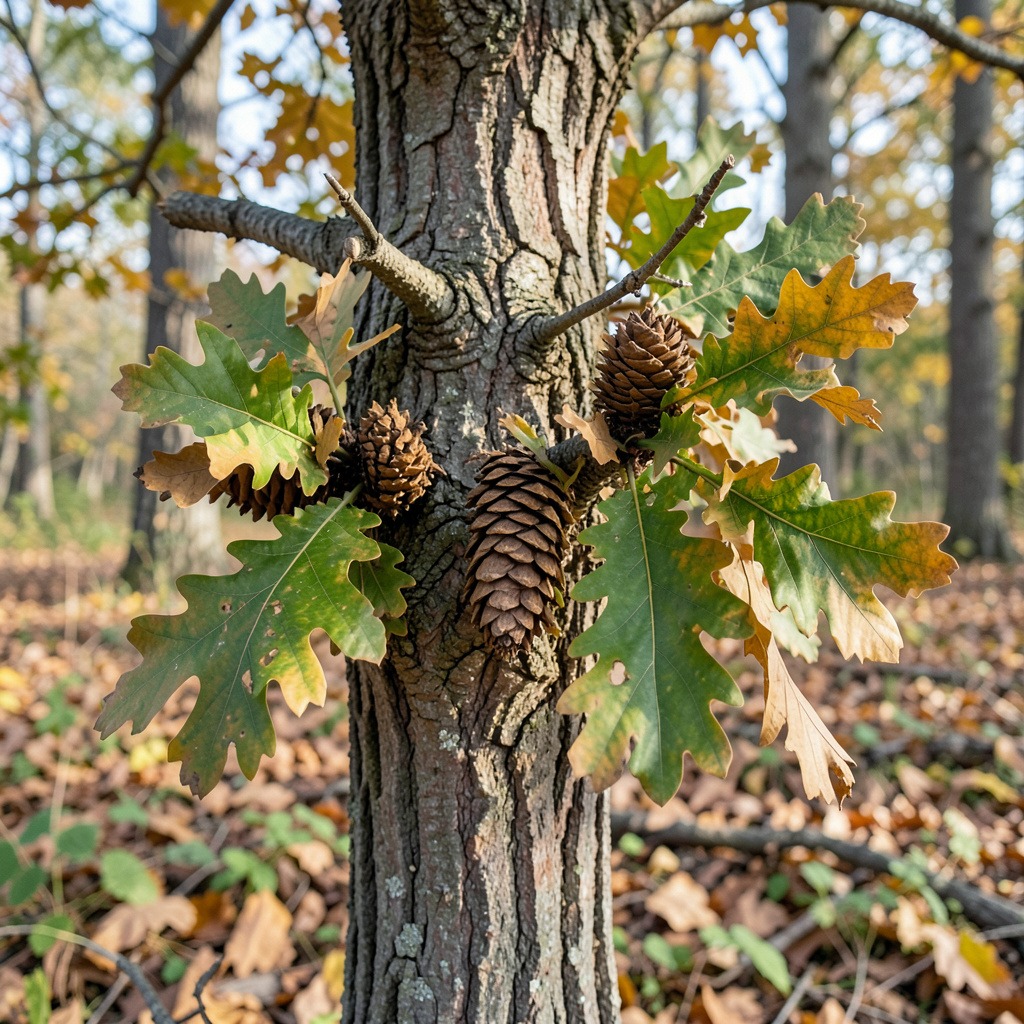
The bur oak (Quercus macrocarpa) is a robust tree known for its longevity and adaptability. Recognized for its distinctive rounded lobes and substantial acorns, this tree provides significant ecological benefits, making it a valuable addition to any landscape.
Overview of Bur Oak Characteristics
Bur oaks are large trees that can reach heights of up to 80 feet. They have a broad canopy, offering ample shade. Their leaves are unique, with deep lobes and a leathery texture. The acorns produced by bur oaks are larger than those of many other oak species, measuring about one to two inches in length.
Key Characteristics:
- Height: 60 to 80 feet
- Spread: 60 to 80 feet
- Leaf Shape: Rounded lobes
- Acorn Size: 1 to 2 inches
Ecological Importance of Bur Oak
Bur oaks play a crucial role in their ecosystems. They provide habitat and food for various wildlife, including birds, squirrels, and insects. The acorns serve as a valuable food source, especially in the fall.
Benefits of Bur Oak:
- Wildlife Habitat: Supports diverse species by providing shelter and food.
- Soil Health: The deep taproot improves soil structure and reduces erosion.
- Shade Provision: Ideal for urban areas, offering cooling shade during hot months.
Bur oaks are also highly adaptable, thriving in various soil types, including sandy, clay, and loamy soils. Their resilience to drought and cold temperatures makes them suitable for a wide range of climates. For example, they can flourish in both the humid summers of the Midwest and the colder regions of Canada.
By incorporating bur oaks into your landscape, you not only enhance the aesthetic value but also contribute positively to the environment.
Essential Care Requirements for Bur Oak
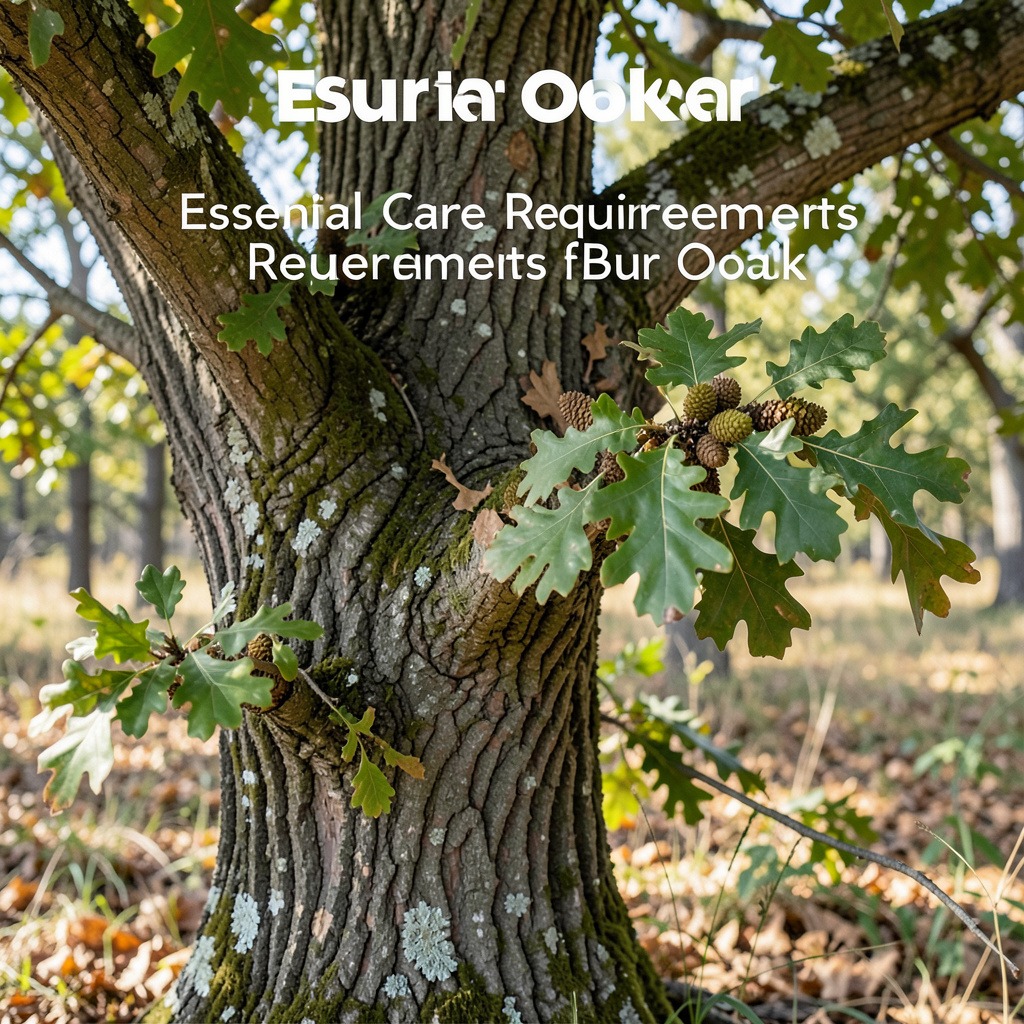
Proper care ensures that your bur oak thrives. Understanding its sunlight, soil, and watering needs are crucial for fostering a healthy tree.
Sunlight Needs: Optimal Exposure for Growth
Bur oaks require full sun for at least six hours daily. This exposure promotes robust growth and enhances the tree’s resilience. A sunny location plays a vital role in the tree’s overall health.
Soil Types: Best Conditions for Planting
Bur oaks adapt well to a variety of soil types, including:
- Sandy soil
- Clay soil
- Loamy soil
While they can thrive in heavy clay and alkaline conditions, ensure the soil is well-draining. Consider conducting a soil test prior to planting. This helps determine if any amendments are necessary.
Watering: Establishing a Deep Root System
Newly planted bur oaks require careful watering to establish their root systems. Follow this schedule:
- First Year: Water deeply once a week, increasing frequency during dry spells.
- Second Year: Continue weekly deep watering, tapering off as the tree matures.
- Third Year: Water during prolonged dry periods, but avoid overwatering to prevent root rot.
Checklist for Watering:
- Water deeply, ensuring moisture penetrates 12 inches of soil.
- Monitor for signs of drought stress, such as wilting leaves.
- Adjust your watering based on seasonal rainfall and temperature.
By adhering to these guidelines, you can ensure that your bur oak develops a strong foundation, promoting longevity and vitality.
Pruning Guidelines for Healthy Growth
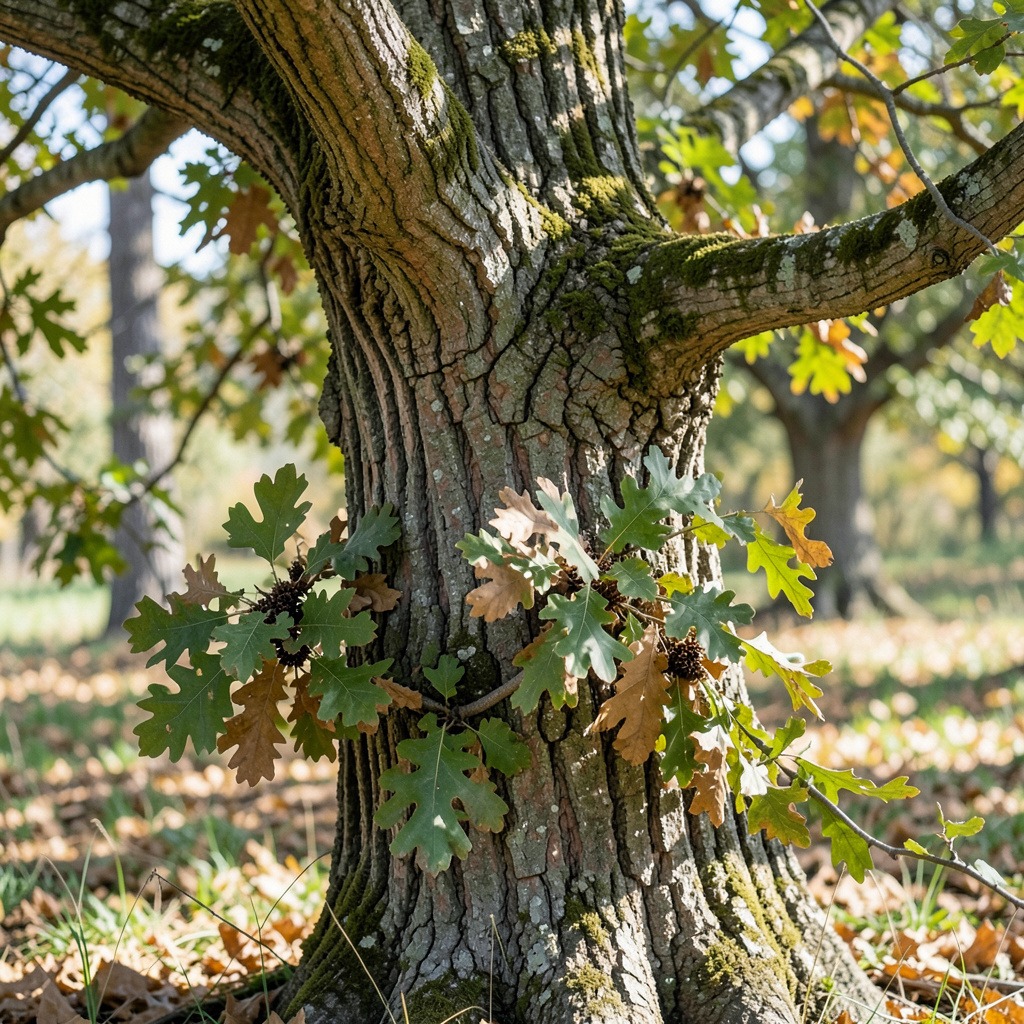
Pruning is essential for maintaining the health and structure of bur oak trees. Proper techniques and timing can prevent diseases and promote robust growth.
When to Prune: Timing for Optimal Health
The ideal time to prune bur oaks is during their dormant season, which typically falls in late winter. Pruning during this period minimizes stress and reduces the risk of disease transmission through open cuts. Key considerations include:
- Dormant Season: Late winter is optimal.
- Avoid Spring/Summer: Pruning during active growth can expose the tree to pests and diseases.
Pruning Techniques: Best Practices to Follow
Effective pruning techniques ensure the long-term health of your bur oak. Follow these best practices:
- Remove Dead or Damaged Branches: This encourages new growth and reduces the risk of disease.
- Establish a Strong Central Leader: For young trees, select the strongest stem to promote a healthy shape.
- Avoid Topping: Topping can harm the tree’s structure and lead to weak growth.
Pruning Checklist
| Task | Timing | Purpose |
|---|---|---|
| Remove dead branches | Late winter | Prevent disease and promote new growth |
| Shape tree for strong leader | Late winter | Ensure structural integrity |
| Thin out crowded branches | Late winter | Allow sunlight to penetrate and improve air flow |
Improper pruning can lead to a range of issues, including stress and susceptibility to pests. Always use clean, sharp tools to make precise cuts.
Pest and Disease Management for Bur Oak

Bur oaks, while generally resilient, can encounter a range of pests and diseases. Effective management strategies are essential for maintaining their health and longevity.
Common Pests: Identification and Management
Bur oaks can be affected by various pests. Identifying these pests early is crucial for effective management. Here are some common pests and their management strategies:
| Pest | Description | Management Strategy |
|---|---|---|
| Caterpillars | Larvae that defoliate leaves. | Hand removal or introduce ladybugs for control. |
| Oakworms | Leaf-eating larvae that weaken trees. | Apply insecticidal soap if infestations occur. |
| Scale insects | Small, sap-sucking pests. | Use horticultural oil for treatment. |
Diseases Affecting Bur Oak: Prevention Strategies
Bur oaks can also be susceptible to several diseases. Understanding these diseases and their prevention can help protect your tree.
| Disease | Symptoms | Prevention Strategy |
|---|---|---|
| Oak Leaf Blister | Blisters on leaves. | Ensure good air circulation and avoid overhead watering. |
| Bur Oak Blight | Leaf browning and loss. | Prune in late winter and apply fungicide if necessary. |
| Oak Wilt | Wilting and leaf drop. | Prune only in dormant seasons and seal wounds promptly. |
Preventive Measures for Common Oak Diseases
- Location: Plant in well-drained soil with adequate sunlight.
- Water Management: Water deeply but infrequently to prevent root rot.
- Regular Inspections: Monitor for early signs of pests and diseases.
Taking these steps will help ensure your bur oak remains healthy and vibrant.
Troubleshooting Common Issues with Bur Oak
Bur oaks are resilient but can encounter specific challenges during their growth. Recognizing signs of distress early can help you implement effective solutions.
Identifying Growth Issues: Signs to Watch For
Bur oaks can exhibit various symptoms that indicate underlying problems. Here are key signs to monitor:
- Leaf Browning: Indicates possible disease or insufficient water.
- Wilting Leaves: A sign of root rot or water stress.
- Acorn Production Issues: Trees under 35 years may not produce acorns.
- Mistletoe Presence: Green patches in winter signal a parasitic infestation.
Solutions to Common Problems: Practical Tips
Addressing issues promptly can foster a healthier bur oak. Here are practical solutions:
- Watering: Ensure deep, infrequent watering to avoid root rot. Adjust frequency based on soil moisture.
- Fertilization: Use a balanced fertilizer in early spring to support growth, especially in young trees.
- Pruning: Remove dead or diseased branches. For mistletoe, cut affected limbs at least 1-2 feet below the infestation.
- Pest Management: Monitor for pests like caterpillars. Use insecticidal soap as a preventative measure if necessary.
- Disease Prevention: Prune during dormancy to minimize oak wilt risk. Seal any pruning wounds immediately.
Checklist for Bur Oak Health
- Sunlight: Ensure your bur oak receives full sun for optimal growth.
- Soil Type: Plant in well-drained soil for best results.
- Watering Schedule: Water deeply; do not let the soil dry out completely.
- Fertilization Frequency: Fertilize in early spring; adjust based on growth response.
- Pruning Timing: Prune in late winter to promote healthy growth.
Case Study: Young vs. Mature Trees
Consider a scenario where a young bur oak struggles with leaf browning. This may indicate water stress, often caused by shallow root systems. Adjusting the watering schedule and ensuring the tree is not competing with weeds can improve its health.
In contrast, a mature bur oak displaying wilting leaves may signal root problems. Inspect the soil for drainage issues and consider professional assessment if problems persist.
By understanding these common issues and their solutions, you can ensure your bur oak thrives for generations to come.
Frequently Asked Questions
These quick answers cover the most common questions about this topic, including key details, practical tips, and common concerns.
What is the best soil for bur oak?
Bur oaks thrive in well-drained soils, including sandy, clay, and loamy types. They are adaptable and can tolerate a range of pH levels, but prefer slightly acidic to neutral conditions. Conducting a soil test before planting can help determine if amendments are needed to optimize growth.
How often should I water my bur oak?
During the first year after planting, water your bur oak deeply once a week, increasing frequency during dry spells. In the second year, continue weekly watering but taper off as the tree matures. By the third year, water only during prolonged dry periods to avoid overwatering and root rot.
What pests should I watch for on bur oak?
Common pests affecting bur oaks include caterpillars, oakworms, and scale insects. Caterpillars can defoliate leaves, while oakworms weaken the tree. Scale insects suck sap, leading to stress. Regular inspections and early intervention with hand removal or insecticidal soap can help manage these pests effectively.
When is the best time to prune bur oak?
The ideal time to prune bur oaks is during their dormant season, typically in late winter. Pruning at this time reduces stress on the tree and minimizes the risk of disease. Avoid pruning in spring or summer when the tree is actively growing, as this can expose it to pests and infections.
How do I propagate bur oak from acorns?
To propagate bur oak from acorns, collect ripe acorns in the fall. Soak them in water for 24 hours to check for viability; viable acorns will sink. Plant the acorns in well-draining soil about one inch deep and keep them moist. They typically germinate in the spring, producing seedlings that can be transplanted.
What should readers know about visual aids for pest identification?
Visual aids for pest identification can include images or diagrams of common pests and their damage on bur oaks. Using these aids can help you recognize issues early, allowing for prompt action. Consider keeping a reference guide handy when inspecting your tree for signs of pests or diseases.
What are common problems with bur oak?
Common problems with bur oaks include leaf browning, wilting, and poor acorn production. Leaf browning may indicate disease or water stress, while wilting can be a sign of root rot. If your bur oak is not growing well, assess its watering, soil conditions, and potential pest infestations to identify underlying issues.
Bur oak vs. other oak species: How do they compare?
Bur oaks are known for their drought tolerance and adaptability compared to other oak species. They have a broader canopy, providing more shade, and produce larger acorns. In contrast, species like white oak may require more moisture and have a more limited growing range. Choosing bur oak can be beneficial for diverse climates and landscapes.