
Bur oak trees (Quercus macrocarpa) typically exhibit a slow to moderate growth rate, adding about 1-2 feet in height annually during their early years, with growth slowing significantly as they mature.
The bur oak tree, known for its resilience and longevity, grows at a moderate pace, especially in favorable conditions. Understanding its growth rate is essential for effective landscape planning and tree care, ensuring optimal health and development over time.
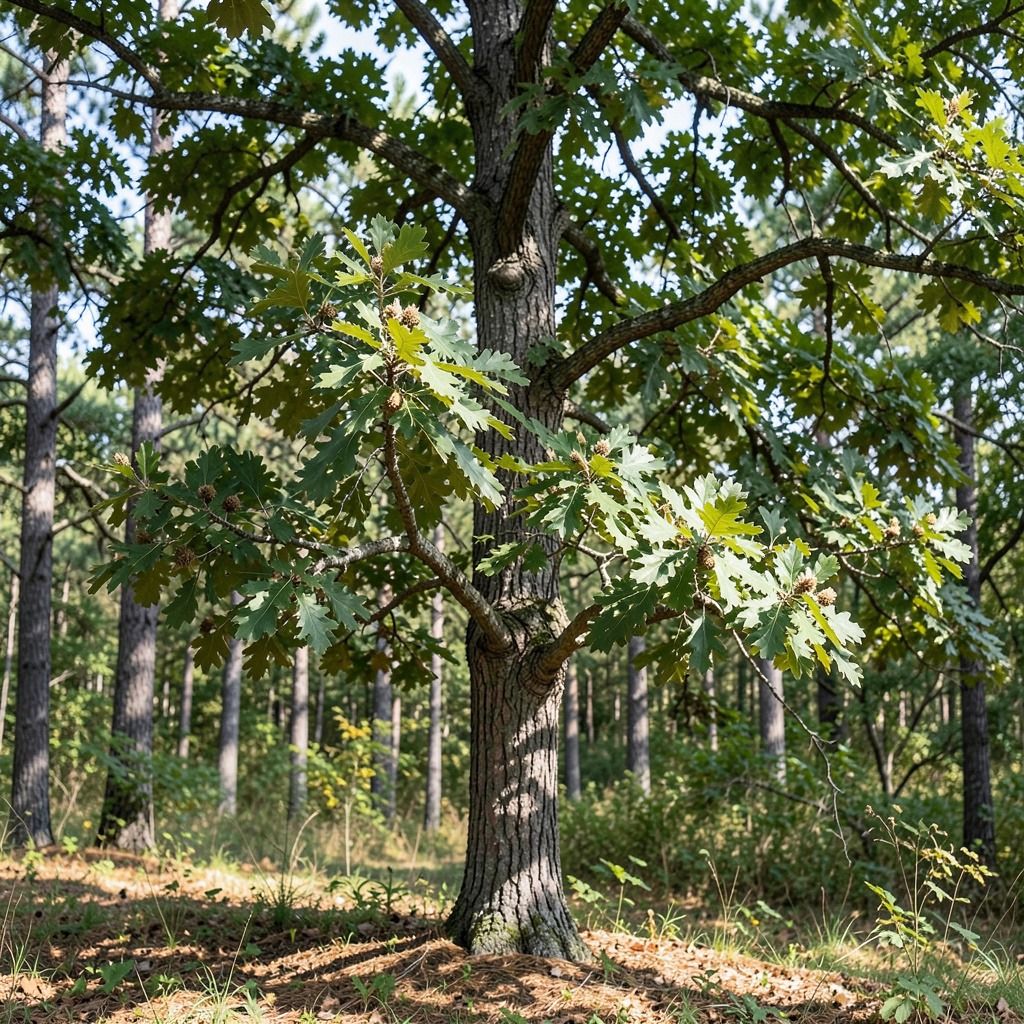
Understanding Bur Oak Growth Patterns
Bur oak trees exhibit distinct growth patterns that evolve over time. Understanding these phases helps in anticipating their development and care needs.
Early Years: Initial Growth Expectations
In the first few years, bur oaks focus on establishing a robust root system. This foundational growth is crucial for their long-term health.
- Year 1-3: During this period, expect minimal height growth, typically less than 10 inches (25 centimeters) annually. The tree prioritizes root development over vertical growth.
- Root Depth: Roots can extend several feet deep early on, enhancing drought resistance later.
Mid-Life Growth Rates: What to Expect
After establishing strong roots, bur oaks begin to grow more noticeably. This phase usually occurs around the 10-year mark.
- Years 4-10: Height growth can increase to approximately 1 to 2 feet (30 to 60 centimeters) per year.
- Diameter Growth: The trunk diameter may expand by 0.5 to 1 inch (1.3 to 2.5 centimeters) annually, depending on environmental conditions.
- Influencing Factors: Soil quality, water availability, and sunlight exposure significantly affect growth rates during this stage.
Mature Growth: Slowing Trends
Once bur oaks reach maturity, their growth rate begins to slow. This phase typically starts around 30 years of age.
- Years 11-30: Height growth may stabilize at about 1 foot (30 centimeters) per year, while diameter growth slows to 0.5 inches (1.3 centimeters) annually.
- Longevity: Mature bur oaks can live for 200 to 300 years, continuing to grow steadily but at a reduced pace.
Growth Timeline Overview
| Age (Years) | Height Growth (Feet) | Diameter Growth (Inches) |
|---|---|---|
| 1 | <1 | – |
| 5 | 3-5 | 2-4 |
| 10 | 10-15 | 5-10 |
| 30 | 30-40 | 12-18 |
This timeline illustrates the gradual yet steady growth of bur oaks, showing their resilience and commitment to establishing a strong foundation before reaching impressive heights.
Table of Contents
Factors Influencing Bur Oak Growth Rate

Bur oak growth rates are significantly affected by environmental factors. Understanding these influences helps determine how well these trees will thrive in various conditions.
Soil Quality: The Foundation of Healthy Growth
Soil quality plays a crucial role in the growth of bur oaks. They are adaptable but thrive best in well-drained, nutrient-rich soils. Here are key points regarding soil influences:
- Nutrient-Rich Soil: Bur oaks grow faster in soils that are rich in organic material and nutrients.
- Soil Type: They can tolerate sandy or clay soils but prefer loamy conditions. Poor drainage can stunt growth.
- Microclimates: Soil composition can vary within small areas, impacting growth rates even in close proximity.
For example, bur oaks planted in fertile, loamy soil can achieve growth rates of 1-2 feet per year after establishment, while those in poor, rocky soil may struggle to exceed 6-12 inches annually.
Climate Conditions: Optimal vs. Suboptimal Environments
Climate significantly influences bur oak growth. Factors such as temperature, precipitation, and daylight hours can either enhance or hinder their development.
- Temperature: Bur oaks are cold-hardy and can survive harsh winters. However, a longer growing season with warmer temperatures generally leads to better growth rates.
- Precipitation: Consistent moisture is vital, especially during the early growth stages. Trees in regions with regular rainfall will typically flourish compared to those in arid climates.
- Sunlight Exposure: Bur oaks require at least six hours of direct sunlight daily for optimal growth. Insufficient sunlight can lead to stunted development.
In a comparative analysis, bur oaks in temperate regions with adequate rainfall can grow up to 2 feet annually, while those in drought-prone areas may experience growth reductions of 50% or more.
Competition: How Nearby Vegetation Affects Growth
Competition from surrounding vegetation can also affect bur oak growth rates. Nearby plants may vie for sunlight, water, and nutrients, influencing the tree’s development.
- Shade from Other Trees: If bur oaks are planted too close to taller trees, they may become shaded, leading to slower growth rates.
- Root Competition: Nearby vegetation can compete for water and nutrients, impacting overall health. This is especially critical for young bur oaks as they establish their root systems.
For effective planting, consider these factors:
- Space bur oaks at least 20-30 feet from other large trees to minimize competition.
- Monitor soil moisture and nutrients in areas with dense undergrowth, as this can affect bur oak growth.
By understanding soil quality, climate conditions, and competition, landowners can make informed decisions that foster the healthy growth of bur oaks.
Care Requirements for Young and Mature Bur Oaks
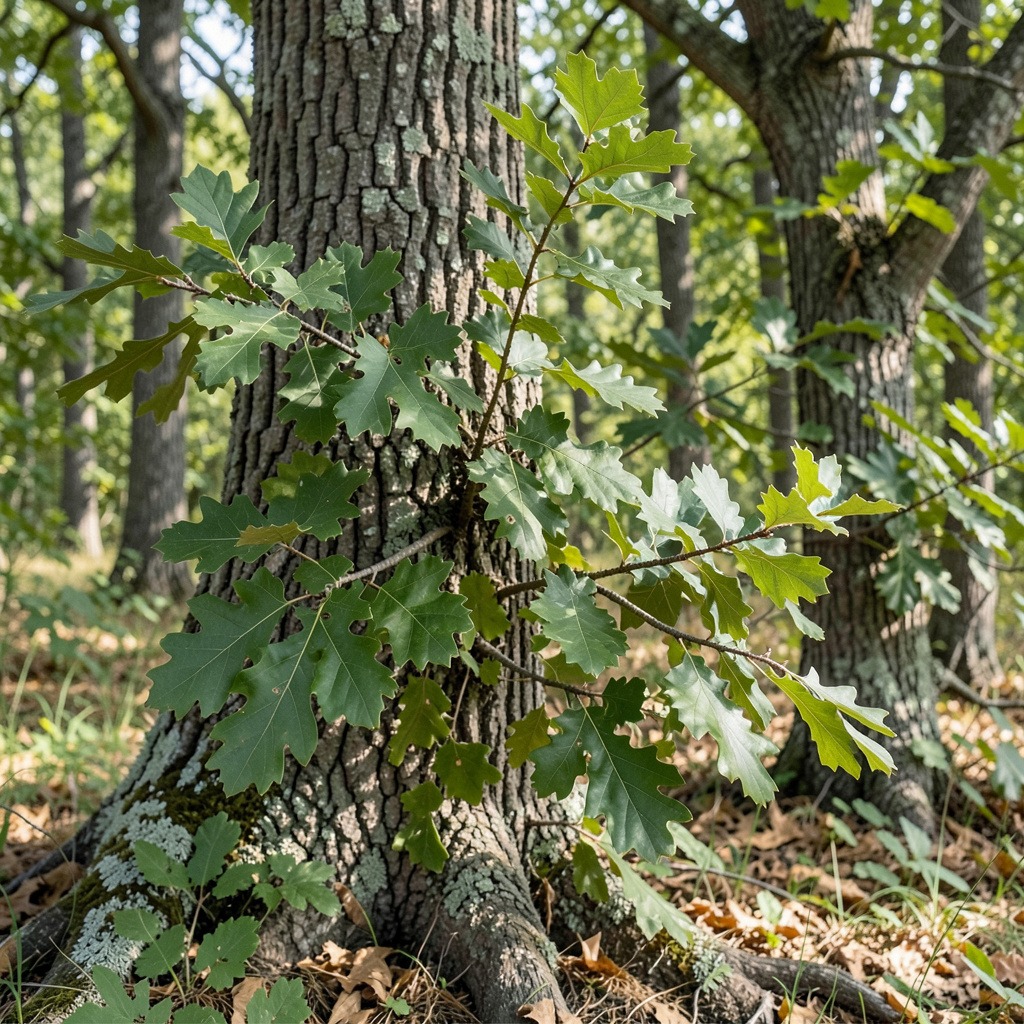
Proper care is essential for the growth and longevity of bur oak trees. Understanding the specific needs of young and mature trees helps ensure healthy development and maximum growth rates.
Young Trees: Establishing Strong Roots
Young bur oaks require careful attention, especially during their formative years. Focus on these key care strategies:
- Watering: Young trees need consistent moisture. Water deeply once a week during dry spells. Ensure soil remains moist but not waterlogged.
- Soil Quality: Amend the planting area with organic matter to enhance drainage and nutrient content. Test soil pH; bur oaks prefer slightly acidic to neutral soil (pH 6.0 to 7.0).
- Spacing: Plant bur oaks at least 20-30 feet apart from other trees to minimize competition for nutrients and water.
- Mulching: Apply a 2-3 inch layer of mulch around the base to retain moisture and suppress weeds.
Mature Trees: Maintenance for Longevity
Once established, mature bur oaks have different care needs, focusing on maintenance and health:
- Watering: Mature trees are drought-tolerant but benefit from deep watering during prolonged dry periods. Monitor soil moisture, especially in extreme weather.
- Pruning: Conduct pruning in late winter or early spring to remove dead or diseased branches. This encourages healthy growth and improves airflow.
- Soil Care: Avoid soil compaction around the root zone. Aerate the soil if necessary to promote healthy root development.
- Fertilization: Generally, mature bur oaks do not require regular fertilization. Conduct soil tests every few years to determine nutrient needs.
Seasonal Care: Adjusting Strategies Over Time
Adapting care strategies seasonally can optimize growth rates and tree health:
- Spring: Focus on watering and mulching. Check for pests and diseases as new growth emerges.
- Summer: Maintain moisture levels. Monitor for signs of stress, such as drooping leaves or premature leaf drop.
- Fall: Prepare trees for winter by reducing watering and clearing fallen leaves around the base to prevent disease.
- Winter: Protect young trees from harsh weather with burlap wraps or tree guards. Ensure mature trees remain unobstructed from snow and ice buildup.
By tailoring care to the specific growth stage of bur oaks, you can enhance their growth rates and ensure their longevity in your landscape.
Landscape Planning with Bur Oaks
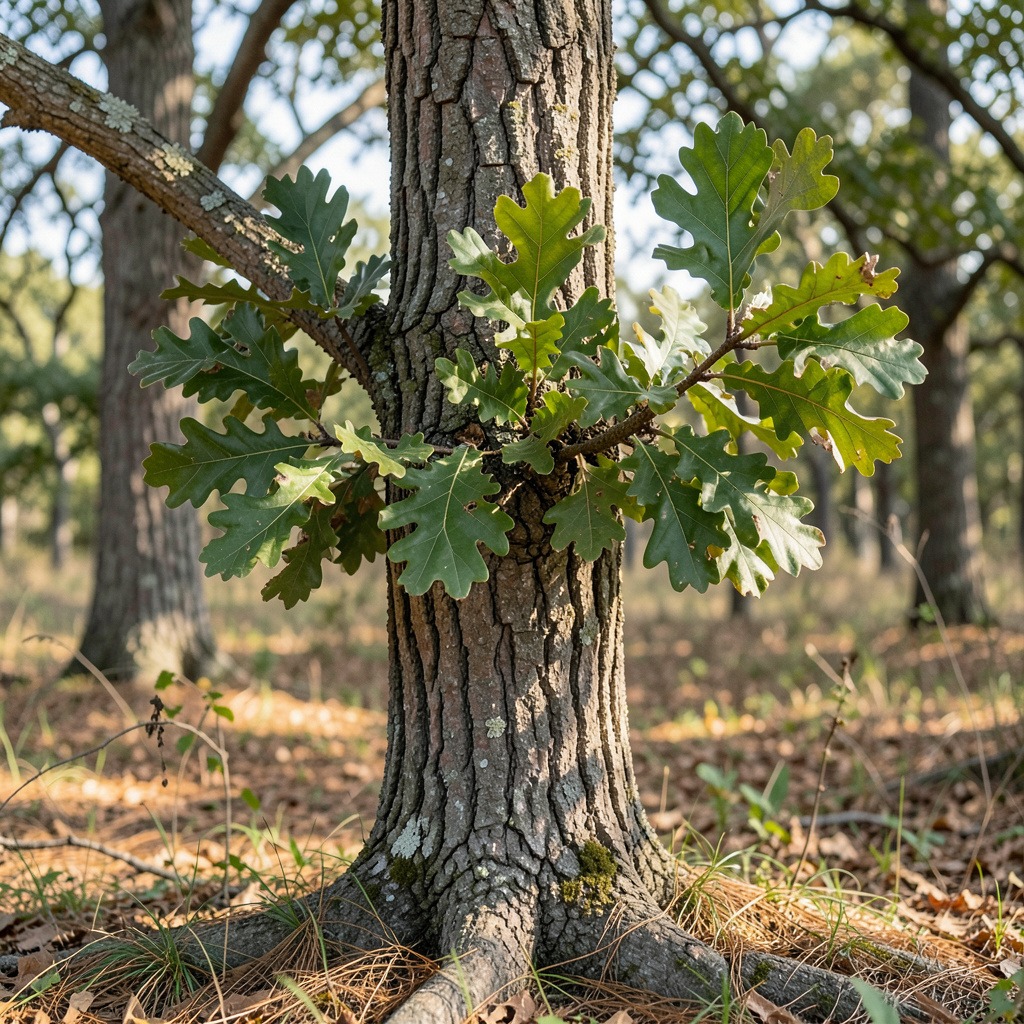
Understanding the growth rate of bur oaks is crucial for effective landscape planning. Proper spacing and maintenance strategies ensure these majestic trees thrive in their environment.
Spacing Considerations for Optimal Canopy Growth
When planting bur oaks, consider their eventual canopy size. A mature bur oak can spread over 60 feet. To avoid overcrowding, space these trees at least 40-50 feet apart. This allows for proper air circulation and sunlight penetration, both critical for healthy growth.
- Planting Distance:
- For single specimens: 40-50 feet apart.
- In groupings: 60-80 feet for larger clusters.
Irrigation Planning: Timing and Techniques
Young bur oaks require consistent watering to establish their deep root systems. Implement a strategic irrigation plan:
- Initial Care: Water young trees weekly during dry spells.
- Mature Trees: Once established, they need less frequent watering, but can benefit from supplemental irrigation during extreme drought.
A rule of thumb is to check soil moisture about 2-3 inches deep. If it feels dry, it’s time to water.
Long-Term Maintenance: Preparing for Maturity
As bur oaks mature, their maintenance needs change. Regular assessments will aid in ensuring their longevity and health:
- Pruning: Conduct light pruning to remove any dead or crossing branches, promoting a strong structure.
- Mulching: Apply mulch around the base to retain moisture and suppress weeds. Maintain a mulch layer of 3-4 inches.
Incorporating these strategies into your landscape design will enhance the growth and health of bur oaks, ultimately leading to a more sustainable and beautiful environment.
Comparing Bur Oak Growth Rate to Other Oak Species
Bur oaks have a unique growth profile that sets them apart from many faster-growing oak species. Understanding these differences can guide landscape planning and tree selection.
Growth Rates of Common Oak Species
The growth rate of bur oak trees is slower compared to other oak species. Here’s a quick comparison of their growth rates:
| Oak Species | Average Annual Growth Rate | Typical Height at Maturity | Pros | Cons |
|---|---|---|---|---|
| Bur Oak | 10-24 inches | 50-80 feet | Long lifespan, dense wood | Slow initial growth |
| Red Oak | 24-36 inches | 60-75 feet | Fast growth, adaptable | Shorter lifespan |
| Black Oak | 24-36 inches | 50-75 feet | High-quality timber | Susceptible to pests |
| White Oak | 12-24 inches | 50-80 feet | Strong wood, good wildlife habitat | Moderate growth |
Benefits of Choosing Bur Oak Over Faster Growers
While bur oak may not provide the quick height increase of its counterparts, it offers considerable benefits:
- Longevity: Bur oaks can live for 200-300 years, providing long-term ecological and aesthetic value.
- Carbon Storage: Their dense wood is ideal for carbon sequestration, making them beneficial for climate-focused landscaping.
- Adaptability: They thrive in various soil types and conditions, contributing to biodiversity.
Suitability for Various Landscape Needs
Choosing bur oak involves evaluating your landscape goals:
- For Quick Canopy Coverage: Opt for red or black oak for immediate height and shade.
- For Long-Term Investment: Bur oak is an excellent choice for projects prioritizing sustainability and wildlife support.
- Mixed Plantings: Consider planting bur oak alongside faster growers. This strategy allows for immediate benefits while ensuring long-term ecological advantages.
In summary, when selecting oak species for your landscape, consider the balance between growth rate, longevity, and ecological benefits. Bur oak’s slower growth can be an asset when planning for a sustainable future.
Frequently Asked Questions
These quick answers cover the most common questions about this topic, including key details, practical tips, and common concerns.
How tall is a 20-year-old bur oak?
A 20-year-old bur oak typically reaches a height of about 20 to 30 feet. Growth rates can vary based on environmental conditions, such as soil quality and climate. In optimal conditions, they may grow taller, while in less favorable areas, their height could be on the lower end of this range.
How big is a 10-year-old oak tree?
At around 10 years old, a bur oak can be approximately 10 to 15 feet tall. The trunk diameter may also reach between 5 to 10 inches, depending on growth conditions. Factors such as sunlight, water availability, and soil quality significantly influence these measurements.
What are the downsides of a bur oak tree?
While bur oaks are resilient, they do have some downsides. They can be slow to establish, especially in poor soil conditions. Additionally, their large size may not be suitable for small yards, and they can attract pests like oak wilt or leaf spot diseases. Regular monitoring and care are essential to mitigate these issues.
How far away from a house should a bur oak tree be planted?
For optimal growth and safety, plant bur oaks at least 20 to 30 feet away from buildings and other structures. This distance helps prevent damage from falling branches and allows for adequate sunlight and airflow, which are crucial for the tree’s health.
How can I improve the growth rate of my bur oak?
To enhance the growth rate of your bur oak, focus on several key factors:
- Soil Quality: Ensure the soil is well-drained and rich in nutrients. Amending with organic matter can help.
- Watering: Young trees need consistent moisture, especially during dry spells. Deep watering once a week can establish strong roots.
- Sunlight: Ensure your bur oak receives at least six hours of direct sunlight daily to promote healthy growth.
What pests or diseases affect bur oaks?
Bur oaks can be susceptible to several pests and diseases. Common issues include:
- Oak Wilt: A fungal disease that can be fatal. Monitor for symptoms like wilting leaves and seek treatment immediately.
- Leaf Spot Diseases: These can cause unsightly spots on leaves but are often manageable with proper care.
Regular inspections and maintaining tree health through proper watering and pruning can help prevent these problems.