
Bur oaks can be identified by their large, fiddle-shaped lobed leaves, deeply furrowed corky bark, and distinctive oversized acorns with a fringed cap, making them unique among North American oak species.
Table of Contents
Bur oaks (Quercus macrocarpa) are remarkable trees native to North America, easily identified by their unique characteristics. This guide will help you recognize these majestic trees through eight key identifying features, enhancing your understanding of their role in the ecosystem.

1. Understanding Bur Oak: A Brief Overview
Bur oaks (Quercus macrocarpa) are iconic trees of North America, recognized for their unique features and ecological importance. This section will cover the scientific classification of bur oaks and their role in the environment.
1.1 Scientific Classification
Bur oak belongs to the Fagaceae family, which includes all oaks. Its scientific classification is as follows:
- Kingdom: Plantae
- Phylum: Angiosperms
- Class: Eudicots
- Order: Fagales
- Family: Fagaceae
- Genus: Quercus
- Species: Quercus macrocarpa
This classification highlights the bur oak’s place within the broader oak family, emphasizing its relation to other oak species.
1.2 Ecological Importance
Bur oaks play a vital role in their ecosystems. They thrive in diverse habitats, from prairies to savannas, providing essential benefits:
- Wildlife Habitat: Bur oaks support numerous species, including birds, mammals, and insects. Their acorns are a food source for wildlife.
- Soil Health: The deep roots of bur oaks prevent soil erosion and improve soil structure, contributing to overall land health.
- Fire Resistance: Their thick bark provides protection against fire, allowing them to survive in areas prone to wildfires, thus maintaining ecosystem balance.
For example, bur oaks are often found in mixed grasslands, where their presence helps sustain both plant and animal life. Their adaptability to various conditions makes them a keystone species in many North American landscapes.
In summary, understanding the scientific classification and ecological significance of bur oaks enhances your ability to identify and appreciate these remarkable trees.
2. Key Identifying Features of Bur Oak

Identifying bur oak (Quercus macrocarpa) involves recognizing its unique features, including leaves, bark, and acorns. These characteristics are essential for accurate identification in various habitats.
2.1 Leaf Characteristics
Bur oak leaves are typically large and thick, measuring between 6 to 12 inches long. They exhibit a distinctive fiddle or violin shape with rounded lobes. The leaf base is heart-shaped, a key identifying feature that sets it apart from similar species.
- Key Points:
- Size: 6-12 inches long
- Shape: Fiddle-shaped with rounded lobes
- Base: Heart-shaped
Example: When comparing with chestnut oak, the heart-shaped leaf base is a definitive trait of bur oak, while chestnut oak lacks this feature.
2.2 Bark Texture
The bark of mature bur oak trees is deeply furrowed and has a rough, corky texture. It typically appears dark brown or black. This distinct bark is thicker than that of most other oaks, often reaching 2 to 4 inches.
- Key Points:
- Color: Dark brown to black
- Texture: Deeply furrowed and corky
- Thickness: 2-4 inches
Comparison: Unlike white oak, whose bark is lighter and breaks into smoother plates, bur oak’s bark is more rugged and insulated against fire.
2.3 Acorn Description
Bur oak acorns are among the largest of North American oaks, averaging about 1 inch in length. They have a thick, woody shell and feature a unique, deeply fringed cap, which is a primary identifying characteristic.
- Key Points:
- Size: Approximately 1 inch long
- Shell: Thick and woody
- Cap: Deeply fringed
Checklist for Identification:
- Check leaf shape and size.
- Inspect bark for furrows and color.
- Look for the unique acorn cap.
These features collectively provide a reliable framework for identifying bur oak trees in the wild.
3. How to Differentiate Bur Oak from Other Oak Species
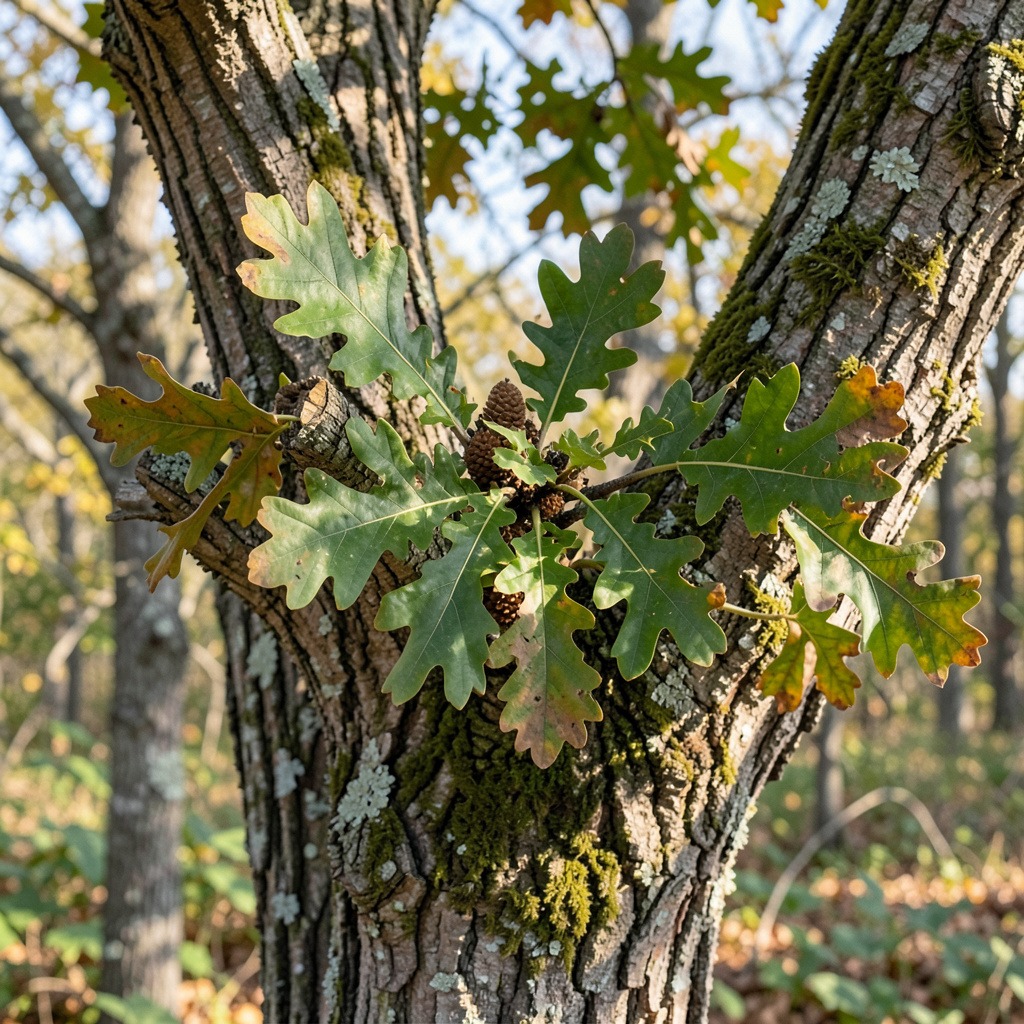
Identifying bur oak (Quercus macrocarpa) requires distinguishing it from closely related species, particularly white and red oaks. Each species exhibits unique traits that can aid in accurate identification.
3.1 Bur Oak vs. White Oak
Bur oak and white oak belong to the same group, yet they differ in several key features. Understanding these differences can simplify identification.
| Trait | Bur Oak | White Oak |
|---|---|---|
| Leaf Shape | Waisted shape with rounded lobes | Broad, rounded lobes |
| Acorn Cap | Deeply fringed | Smooth, shallow |
| Bark Texture | Deeply furrowed, corky | Light gray, scaly |
| Acorn Size | About 1 inch, large | Smaller, typically 0.5 inch |
| Growth Habitat | Prefers dry, open areas | Thrives in wetter conditions |
Comparison Takeaway: The deeply fringed acorn cap of the bur oak is a prominent distinguishing feature compared to the smoother cap of the white oak.
3.2 Bur Oak vs. Red Oak
Bur oak’s identification becomes clearer when contrasted with red oak (Quercus rubra). Both species fall under different classifications, leading to notable differences.
| Trait | Bur Oak | Red Oak |
|---|---|---|
| Leaf Lobes | Smooth and rounded | Pointed, bristle-tipped lobes |
| Acorn Maturation | One growing season | Two growing seasons |
| Bark Characteristics | Thick, deeply furrowed | Smoother, less furrowed |
| Growth Form | Grows wider, broader | Taller, narrower |
Comparison Takeaway: The bristle-tipped lobes of red oak leaves are a definitive indicator differentiating them from the smooth lobes of bur oak.
Identification Checklist:
- Examine leaf shape and lobe structure.
- Inspect acorn caps for fringe details.
- Assess bark texture and thickness.
These comparisons provide a structured approach to identifying bur oak amidst other oak species, enhancing your recognition skills in the field.
4. The Ecological Importance of Bur Oak
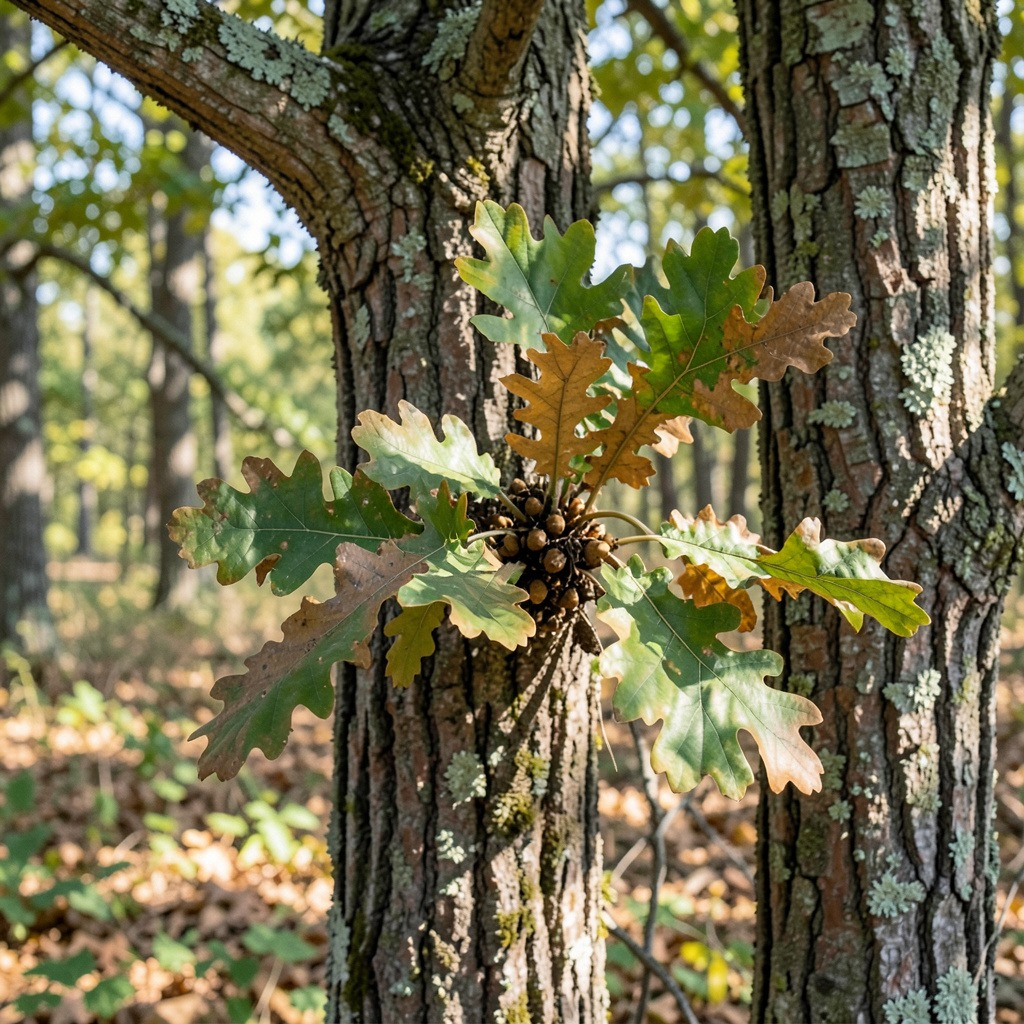
Bur oak plays a vital role in its ecosystem. It supports various wildlife and contributes to soil stabilization, making it essential for maintaining healthy habitats.
4.1 Habitat Benefits
Bur oak trees provide critical habitat for numerous species. Their acorns are a preferred food source for wildlife, including:
- Squirrels
- Deer
- Birds, such as jays and woodpeckers
These animals rely on bur oak not only for food but also for shelter and nesting sites. The tree’s broad canopy offers protection and promotes biodiversity in its surroundings.
4.2 Fire Resistance
Bur oak is notably fire-resistant. This characteristic has evolved from its native habitats, which are often subject to prairie and savanna fires. The thick bark insulates the cambium layer, allowing the tree to survive in areas where other species may not. This resilience contributes to soil stabilization, as the tree’s deep roots help anchor the soil, preventing erosion.
Consider the following decision framework for assessing the ecological value of bur oak:
- Assess the tree’s size: Larger trees provide more acorns and habitat.
- Check the surrounding flora: Bur oaks often grow in diverse ecosystems, indicating a healthy environment.
- Observe wildlife activity: Active wildlife around the tree is a sign of its ecological significance.
Understanding these features enhances your ability to identify bur oak’s ecological importance effectively.
5. Common Issues and Diseases Affecting Bur Oak
Bur oaks, like any tree, can face various health challenges. Understanding these common issues will aid in accurate identification and care.
5.1 Common Diseases
Bur oaks are susceptible to several diseases that can affect their vitality:
- Oak Wilt: This fungal disease spreads through root grafts or beetles. Infected trees may show wilting leaves and rapid decline. Early detection is crucial.
- Powdery Mildew: This fungal infection appears as a white, powdery coating on leaves. While not usually fatal, it can weaken trees and affect growth.
- Leaf Spot: Caused by various fungi, leaf spot results in dark spots on the leaves. Severe cases may lead to leaf drop, impacting photosynthesis.
5.2 Pest Threats
Several pests can threaten bur oak health, making monitoring essential:
- Oak Borers: These wood-boring beetles can cause significant damage by tunneling through the trunk and branches. Look for signs of sawdust or frass at the base of the tree.
- Aphids: These small insects feed on sap and can weaken trees. They may also produce honeydew, attracting other pests.
- Scale Insects: These pests attach to bark and can weaken trees by sucking sap. They may also lead to sooty mold growth.
Monitoring and Management Tips
Regular monitoring helps maintain healthy bur oaks. Consider the following practical tips:
- Inspect Regularly: Check for signs of disease or pests, such as discoloration, wilting, or unusual growths.
- Prune Wisely: Remove dead or infected branches to prevent the spread of diseases.
- Maintain Soil Health: Healthy soil promotes robust tree growth, making oaks more resilient to threats.
- Water During Drought: Ensure the tree receives adequate moisture during dry spells to support overall health.
By following these guidelines, you can effectively manage the health of bur oaks and enhance their longevity.
6. Practical Tips for Planting and Caring for Bur Oak
Planting and caring for bur oak trees requires attention to their specific needs. Understanding optimal conditions and care practices helps ensure their growth and longevity.
6.1 Optimal Planting Conditions
To successfully plant a bur oak, follow these guidelines:
- Location: Choose a site with full sun exposure. Bur oaks thrive in deep, rich soils that drain well.
- Spacing: Plant bur oaks at least 40 feet apart to accommodate their large canopy.
- Planting Hole: Dig a hole twice the width of the root ball. This encourages healthy root development.
- Soil Preparation: Mix the excavated soil with compost or well-rotted manure to enhance nutrient content.
6.2 Watering and Nutrient Needs
Proper watering and nutrient application are crucial for young bur oaks:
- Watering: Deeply water the tree after planting. During the first growing season, ensure the tree receives consistent moisture, especially during dry spells.
- Fertilization: Apply a slow-release fertilizer in early spring, before new growth begins. Follow package instructions for application rates.
- Monitoring: Regularly check the soil moisture. If the top inch of soil is dry, it’s time to water.
Checklist for Planting and Care
- [ ] Select a sunny location with rich soil
- [ ] Space trees at least 40 feet apart
- [ ] Prepare the planting hole and enrich the soil
- [ ] Water deeply after planting
- [ ] Fertilize in early spring
- [ ] Monitor for soil moisture and adjust watering accordingly
By adhering to these practical tips, you will foster a healthy environment for your bur oak, promoting its distinctive features and ecological value.
7. The Economic Value of Bur Oak Timber
Bur oak timber is renowned for its strength and durability, making it a valuable resource in various industries, particularly in furniture and construction. Understanding its economic benefits highlights the importance of sustainable harvesting practices.
7.1 Timber Uses
Bur oak wood, classified as true white oak, possesses unique characteristics that make it an excellent choice for various applications:
- Furniture: Its dense and durable nature makes it ideal for high-quality furniture, including tables and chairs.
- Construction: Bur oak is often used in structural applications, such as flooring and beams, due to its strength and resistance to splitting.
- Barrel Cooperage: The wood is also sought after for making barrels, particularly for aging spirits, where its tight grain enhances flavor.
7.2 Market Value
The market value of bur oak timber reflects its rarity and demand. Here are key insights:
- Economic Trends: As sustainable forestry practices gain traction, bur oak is increasingly valued for its ecological benefits. Sustainable harvesting ensures a continuous supply while maintaining biodiversity.
- Market Pricing: The pricing of bur oak timber tends to be higher than other oak species due to its limited availability and superior quality. Prices can vary significantly based on region and market conditions.
- Decision Framework: When assessing the economic viability of bur oak timber, consider:
- Quality Assessment: Evaluate the wood for defects and overall grain quality.
- Sustainability Practices: Ensure that the timber is sourced from sustainably managed forests to enhance market value and ecological impact.
By recognizing the economic significance of bur oak timber, stakeholders can appreciate its role in both industry and conservation.
8. Frequently Asked Questions About Bur Oak
Bur oak (Quercus macrocarpa) is often surrounded by misconceptions. This section addresses common questions to clarify its identification and characteristics.
What Are the Key Identification Features of Bur Oak?
To accurately identify a bur oak, focus on these distinct features:
- Leaves: Bur oak leaves typically have 5 to 9 lobes with deep, rounded sinuses. They exhibit a leathery texture and a dark green upper surface. Young leaves may have fewer lobes but will still maintain the heart-shaped base.
- Acorns: Look for the distinctive fringed cap on the acorn. This feature sets bur oak apart from other oak species, such as chestnut oak and white oak, which lack this mossy edge.
- Bark: Mature bur oak bark is thick, deeply furrowed, and has a corky texture. This insulation helps protect the tree from fire, a critical adaptation in its native habitat.
How Does Bur Oak Compare to Other Oak Species?
Understanding the differences between bur oak and other oaks aids in accurate identification. Here’s a quick comparison:
| Feature | Bur Oak | Chestnut Oak | White Oak |
|---|---|---|---|
| Leaf Lobes | 5-9 lobes, rounded tips | 7-11 lobes, more tapered | 7-9 lobes, rounded tips |
| Acorn Cap | Fringed | Smooth | Smooth |
| Bark Texture | Thick, corky | Rough, scaly | Light gray, flaky |
This table highlights how the unique acorn cap and leaf shape can help in differentiating bur oak from its relatives.
What Are Common Misidentification Issues?
Misidentifications often occur due to similarities with other oak species. Here are common pitfalls:
- Overlooking Leaf Features: Focusing solely on leaf size can lead to confusion. Always consider the lobe pattern and sinus shape.
- Seasonal Changes: During spring, young bur oak leaves may resemble white oak foliage. Checking the leaf base for the heart shape is crucial.
- Texture Differences: Bur oak leaves have a distinctive leathery feel compared to the smoother leaves of red oak, which can lead to errors.
By keeping these factors in mind, you can enhance your accuracy in identifying bur oak trees.
Frequently Asked Questions
These quick answers cover the most common questions about this topic, including key details, practical tips, and common concerns.
What are the downsides of a bur oak tree?
While bur oaks are resilient, they do have some downsides. They can be susceptible to diseases like oak wilt and powdery mildew, which may weaken the tree and affect its growth. Additionally, bur oaks require ample space to grow; their large canopy can shade out smaller plants and limit biodiversity in some settings.
Another consideration is their slow growth rate. Bur oaks can take several years to reach maturity, which may not be ideal for those seeking fast-growing shade trees. Lastly, their thick bark, while protective, can make them more challenging to prune or manage compared to other tree species.
Is bur oak worth anything?
Yes, bur oak timber is valuable due to its strength and durability. It is often used in high-quality furniture, flooring, and construction materials. The market price for bur oak can be higher than for other oak species due to its limited availability and the quality of the wood.
In addition to timber value, bur oaks contribute to ecosystem health, which can be an important consideration for landowners. Their ecological benefits, such as providing habitat for wildlife and improving soil health, add to their overall worth beyond just timber.
Are burr oaks rare?
Bur oaks are not considered rare, but their populations can vary by region. They are native to North America and thrive in diverse habitats, including prairies and savannas. However, habitat loss and urbanization can impact their distribution, making them less common in certain areas.
In some regions, conservation efforts are in place to protect bur oak populations, recognizing their ecological importance. If you’re in an area where bur oaks are native, you are likely to encounter them, but their presence may be less frequent in urban environments.
Is there another name for bur oak?
Bur oak is scientifically known as Quercus macrocarpa. It is sometimes referred to as “mossy-cup oak” due to the distinctive fringed caps on its acorns. This alternative name highlights a key identifying feature that sets it apart from other oak species.
The term “bur oak” itself is derived from the unique acorn structure, which resembles a bur or prickly husk. This name is commonly used in both scientific and casual contexts.
What conditions do bur oak trees thrive in?
Bur oaks thrive in well-drained soils with good sunlight. They prefer dry to moderately moist conditions and are often found in open areas, such as prairies and savannas. These trees are adaptable to a range of soil types but do best in deep, rich soils.
To ensure healthy growth, plant bur oaks in locations that receive full sun and provide ample space for their expansive canopy. They are also known for their drought resistance once established, making them suitable for various climates.
When do bur oak trees produce acorns?
Bur oak trees typically produce acorns in late summer to early fall, usually around September to October. The acorns take about two growing seasons to mature, meaning that the acorns you see in one year are the result of flowers from the previous spring.
These acorns are a valuable food source for wildlife, including squirrels, deer, and various bird species. The timing of acorn production can vary slightly based on local climate conditions, but this general timeframe holds true across their native range.
How does bur oak compare to white oak?
Bur oak and white oak have several distinct differences that aid in identification. Bur oak leaves are typically larger, with 5 to 9 lobes and a heart-shaped base, while white oak leaves have 7 to 9 rounded lobes.
In terms of acorns, bur oak acorns are larger, about 1 inch long, and have a deeply fringed cap, whereas white oak acorns are smaller and have smooth caps. Additionally, bur oak bark is thicker and more corky compared to the lighter, scaly bark of white oak, making these features key identifiers when differentiating between the two species.