
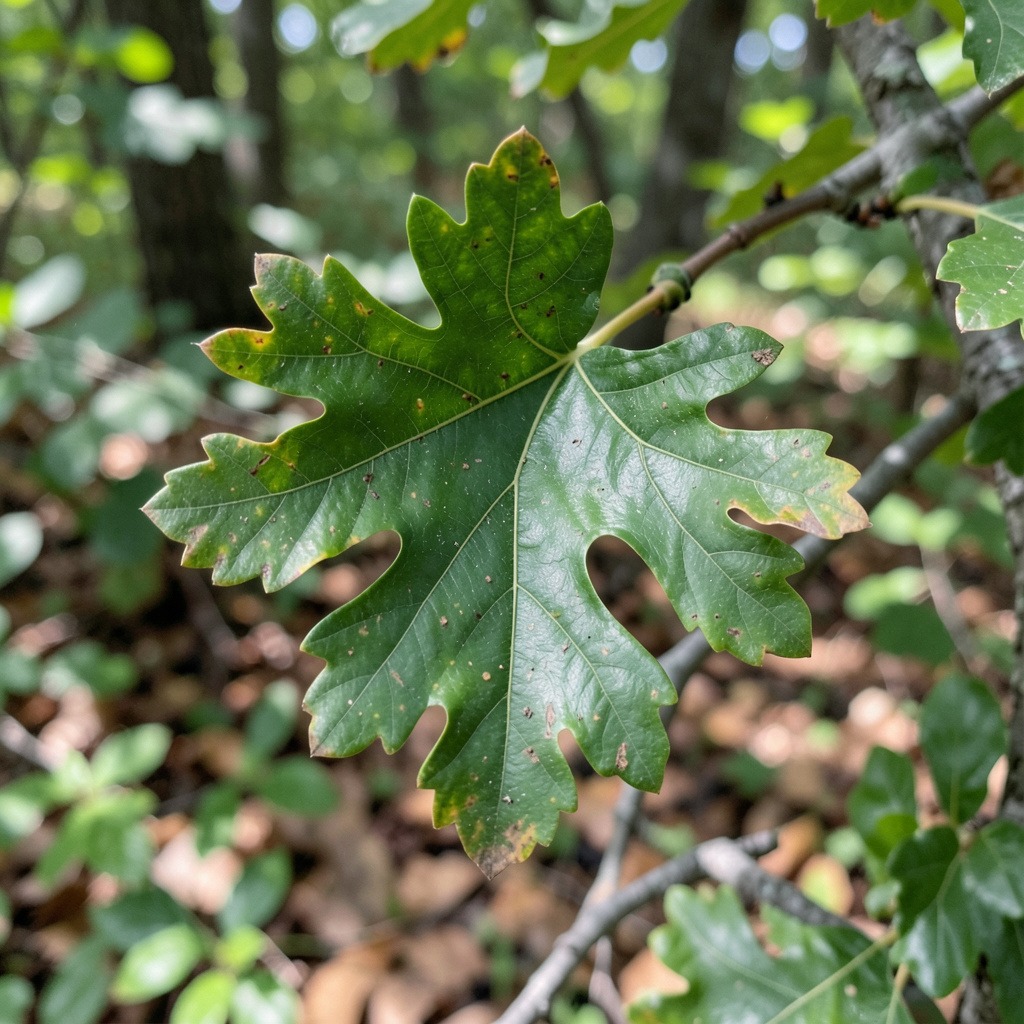
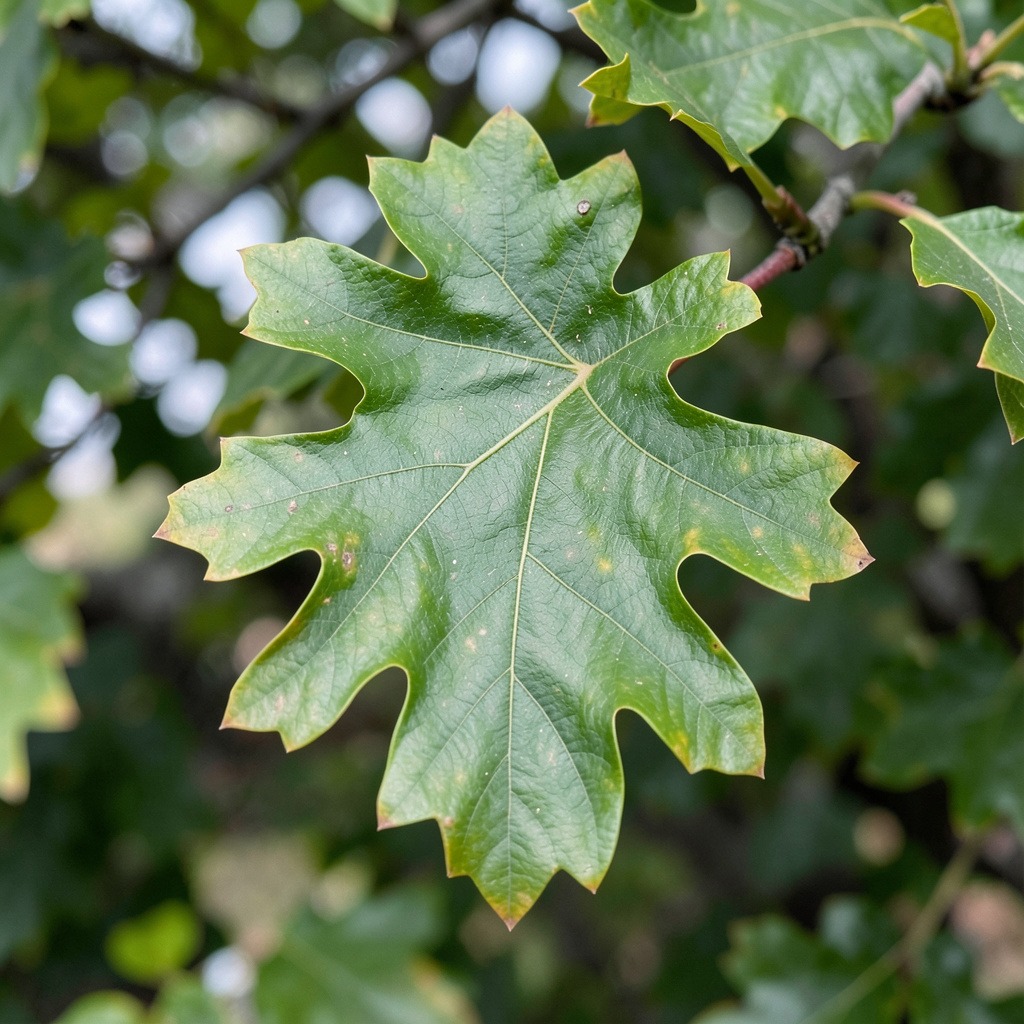
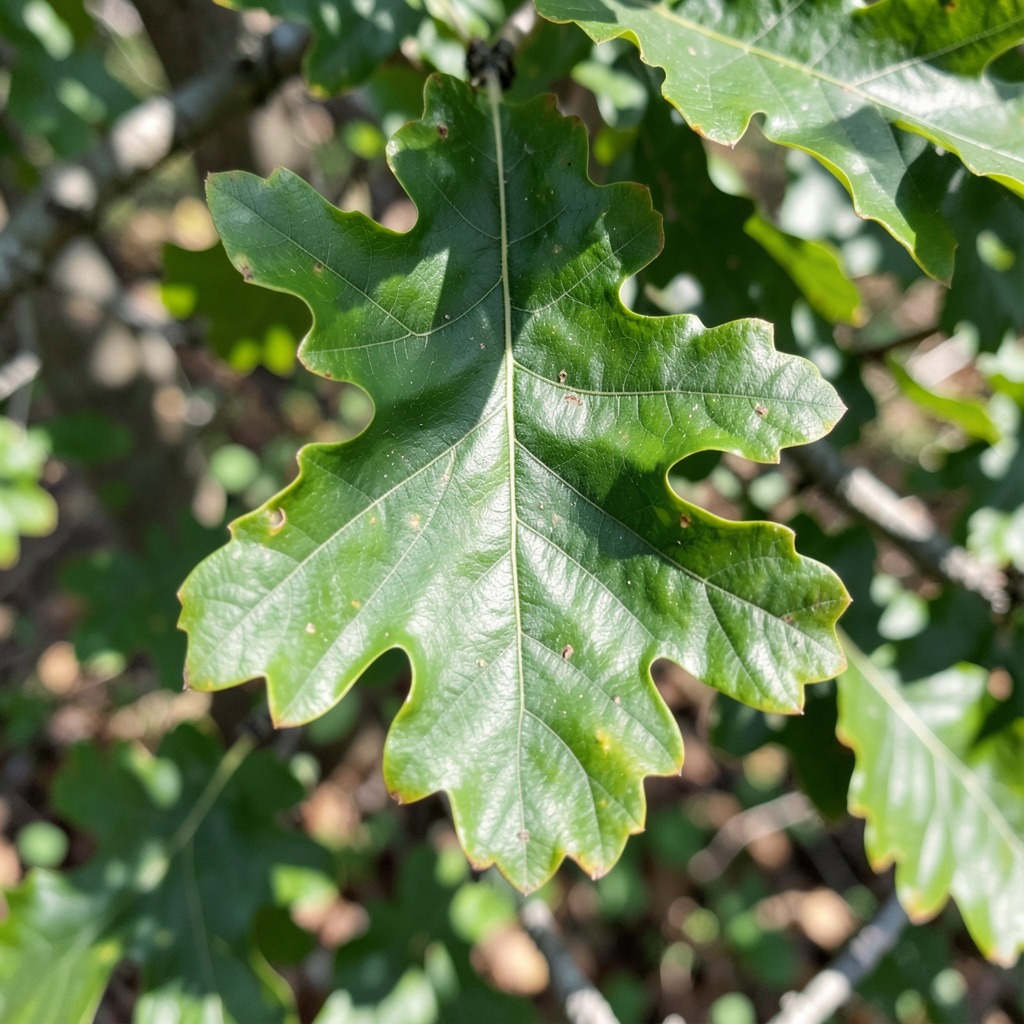
Bur oak leaves are characterized by their deep, rounded lobes, leathery texture, and typically measure 4 to 10 inches long.
Table of Contents
Bur oak leaves, known for their distinctive lobed shape and ecological significance, are crucial for identifying this native North American tree. Understanding their characteristics can enhance your appreciation for bur oaks and their role in local ecosystems.

Understanding Bur Oak Leaf Characteristics
Bur oak leaves exhibit distinct features that facilitate identification and highlight their ecological importance. Their unique size, shape, texture, and seasonal color changes make them a critical aspect of understanding this native tree species.
Leaf Size and Shape
Bur oak leaves typically range from four to ten inches in length. They possess a broadly ovate outline, characterized by a heart-shaped base. The width generally spans two to five inches. This leaf structure is thicker and leathery, differentiating it from other oak species.
Key characteristics include:
- Length: 4 to 10 inches
- Width: 2 to 5 inches
- Base: Heart-shaped
- Texture: Thick, leathery
Lobe Patterns and Sinus Depth
The lobes of bur oak leaves are rounded and exhibit a gentle depth. Each leaf can have several lobes, often creating a distinctive silhouette. The sinuses—the spaces between the lobes—are moderately deep, adding to the leaf’s unique shape.
Important points for identification:
- Lobes: Usually 5 to 9, rounded
- Sinus Depth: Moderate, not as deep as pin oak
- Appearance: Leaves can appear smoother when young
Seasonal Color Changes
Bur oak leaves undergo notable color transformations throughout the growing season. In spring, they may emerge lighter, resembling young white oak leaves. During summer, the top surface appears glossy green, while the underside is lighter. In autumn, expect a mix of green and yellow on the same leaf, enhancing their identification.
For accurate identification, monitor these seasonal changes:
- Spring: Light green, similar to white oak
- Summer: Glossy green tops, lighter undersides
- Fall: Mixed green and yellow hues
Visual Identification Tips
To aid in identifying bur oak leaves:
- Examine multiple leaves for consistency in shape and lobe pattern.
- Check the leaf base for the heart shape, especially in younger specimens.
- Use seasonal color changes as a guide, noting the unique glossy texture.
Including a visual guide with images of leaves at different growth stages can enhance identification accuracy and appreciation for the bur oak’s ecological role.
The Ecological Importance of Bur Oaks
Bur oaks play a vital role in their ecosystems. Their leaves, along with their overall structure, support wildlife, stabilize soil, and sequester carbon. Understanding these functions highlights the significance of bur oaks in environmental health.
Wildlife Support
Bur oaks provide critical habitat and food sources for various wildlife. Their acorns are particularly valuable, serving as a primary food source for numerous species, including:
- Squirrels
- Birds (e.g., blue jays, woodpeckers)
- Deer
Studies suggest that a single mature bur oak can produce thousands of acorns annually. This abundance supports a thriving ecosystem, promoting biodiversity. For example, in oak savanna regions, bur oaks help sustain populations of both herbivores and predators, maintaining a balanced food web.
Soil Stabilization
The deep root systems of bur oaks enhance soil stability. Their roots penetrate deep into the ground, preventing erosion and promoting water retention. This is especially crucial in areas prone to flooding or heavy rainfall.
- Root Depth: Bur oaks can have roots extending more than 20 feet deep.
- Nutrient Cycling: Their annual leaf drop enriches the soil, supporting beneficial mycorrhizal fungi and soil organisms.
This dynamic not only supports the bur oak but also enhances the overall health of surrounding plant life.
Carbon Sequestration
Bur oaks are significant carbon sinks. A mature bur oak can sequester several tons of carbon dioxide during its lifetime. This process is essential for mitigating climate change impacts.
- Carbon Storage: Larger bur oaks store more carbon, emphasizing the need to protect these trees.
- Long Lifespan: Bur oaks can live for over 200 years, continually contributing to carbon sequestration efforts.
Their ability to absorb carbon dioxide while providing habitat and enriching soil makes bur oaks invaluable in ecological conservation efforts.
Growing and Caring for Bur Oaks
Caring for bur oak trees involves understanding their specific needs for optimal growth. Their distinctive leaves and ecological importance require suitable conditions for successful establishment and maintenance.
Ideal Soil and Sun Conditions
Bur oaks thrive in well-drained, deep, rich soils. They prefer full sun exposure but can tolerate light shade when young. Here are key conditions to consider:
- Soil Type: Loamy or sandy soils with good drainage.
- pH Level: Slightly acidic to neutral (pH 6.0 to 7.5).
- Sunlight: At least 6 hours of direct sunlight daily.
Watering and Maintenance Schedule
Proper watering and maintenance are crucial for healthy bur oaks.
- Initial Watering: Deeply water after planting to encourage root establishment.
- Irrigation: During dry spells, water deeply every 2-4 weeks.
- Seasonal Maintenance:
- Spring: Fertilize with slow-release fertilizer before new leaves appear.
- Summer: Monitor soil moisture; increase watering if temperatures rise.
- Fall: Prepare for winter by mulching around the base to retain moisture.
Pruning Techniques
Minimal pruning is required for bur oaks, but certain practices help maintain their structure and health.
- Timing: Prune in late winter or early spring while dormant.
- Focus Areas:
- Remove dead or damaged branches.
- Maintain a strong central leader.
- Avoid heavy pruning to reduce the risk of oak wilt disease.
Checklist for Optimal Planting Conditions
- Choose a sunny location: Ensure full sun for robust growth.
- Prepare the soil: Amend with compost or manure for nutrients.
- Space appropriately: Plant trees at least 40 feet apart to allow for full canopy growth.
- Water deeply: Establish a consistent watering schedule during the first growing season.
By following these guidelines, you can ensure that your bur oaks thrive, highlighting their unique leaves and contributing positively to the local ecosystem.
Common Diseases and Pests of Bur Oaks
Bur oaks are resilient trees, but they can be affected by various diseases and pests. Understanding these issues is crucial for maintaining their health and preserving their distinctive leaves.
Identifying Common Diseases
Several diseases can impact bur oaks, often presenting with specific symptoms. Below is a comparison of notable diseases, their symptoms, and basic treatment options.
| Disease | Symptoms | Treatment Options |
|---|---|---|
| Oak Wilt | Wilting leaves, brown patches, rapid tree decline | Remove infected trees, apply fungicide early |
| Powdery Mildew | White powdery coating on leaves | Use fungicides, ensure good air circulation |
| Anthracnose | Dark spots on leaves, leaf drop | Remove infected leaves, improve drainage |
| Bur Oak Blight | Brown leaf edges, premature leaf drop | Prune affected areas, consider resistant varieties |
Pest Management Strategies
Pests can also affect the health of bur oaks. Common pests include:
- Oak Leaf Miners: These insects create tunnels in leaves, affecting their appearance. Control through insecticidal soaps.
- Japanese Beetles: They feed on foliage, leading to defoliation. Handpicking or using traps can mitigate their impact.
- Scale Insects: These pests may cause yellowing leaves and stunted growth. Horticultural oils can effectively manage infestations.
Preventative Measures
To protect bur oaks from diseases and pests, consider these preventative measures:
- Regular Inspections: Check leaves and branches for early signs of trouble.
- Proper Watering: Avoid overwatering, which can lead to root rot and attract pests.
- Fertilization: Use balanced fertilizers to promote healthy growth and resilience.
- Pruning: Remove dead or infected branches to improve air circulation and reduce disease risk.
By staying informed about common diseases and pests, you can help ensure the vitality of bur oaks and their unique leaf characteristics.
Cultural Significance and Historical Uses of Bur Oaks
Bur oaks hold deep cultural and historical significance across various communities. Their leaves, wood, and acorns have been integral to traditional practices and symbolize resilience and strength.
Historical Uses
Indigenous peoples have long valued bur oaks for their versatile resources. The large acorns served as a crucial food source. Many tribes, including the Dakota and Ojibwe, processed acorns by leaching out tannins and grinding them into a meal for bread. The strong wood was used for tools, bows, and construction.
European settlers also recognized the value of bur oak timber. They utilized it for building fences, ships, and homes. Historic structures feature bur oak beams that have endured for over a century. This durability illustrates the wood’s strength and resistance to decay.
Traditional Significance
Bur oaks are more than practical resources; they embody cultural narratives. Many communities have designated ancient bur oaks as heritage trees, celebrating their historical and ecological importance. These trees symbolize endurance in an era of environmental change.
In some cultures, bur oaks are associated with spiritual beliefs. The tree’s longevity and robust nature inspire stories and teachings that emphasize resilience and adaptation.
Modern Applications
Today, bur oaks play a role in conservation efforts. They are extensively planted in prairie restoration projects to recreate historic oak savanna ecosystems. Communities recognize their ecological value, as mature bur oaks support diverse wildlife, including over 50 bird species that rely on their acorns and nesting sites.
Bur oaks also enhance landscaping in urban areas. Their broad canopy provides shade and aesthetic appeal. They are often chosen for parks and public spaces, contributing to community identity and ecological health.
- Cultural Practices: Used for food, tools, and shelter.
- Symbolism: Represents resilience and adaptation.
- Conservation Efforts: Integral to restoring native ecosystems.
- Urban Landscaping: Valued for shade and visual appeal.
Comparing Bur Oak to Other Oak Species
Bur oak (Quercus macrocarpa) presents distinct characteristics that set it apart from other oak species, particularly white oak (Quercus alba). Understanding these differences is essential for accurate identification and appreciation of their ecological roles.
Leaf Characteristics Comparison
Bur oak leaves exhibit unique features that differentiate them from white oak leaves. Here’s a comparison of their leaf structures:
| Feature | Bur Oak Leaf | White Oak Leaf |
|---|---|---|
| Shape | Lobed with broad, rounded lobes | Rounded lobes, generally deeper |
| Base | Heart-shaped base | Rounded or wedge-shaped base |
| Texture | Thick, leathery | Smooth, less leathery |
| Size | 4 to 8 inches long | 4 to 7 inches long |
| Lobe Count | Typically 5 to 9 lobes | 5 to 7 lobes |
Bur oak leaves tend to have a more pronounced texture, making them feel sturdier compared to the smooth feel of white oak leaves. This leathery quality persists even in younger leaves, which can sometimes mislead observers into thinking they belong to a different species.
Growth Habits and Habitat
Both bur oak and white oak thrive in similar environments but have differing growth habits:
- Bur Oak:
- Grows in various soil types, including clay and sandy soils.
- Often found in savannas and open woodlands.
- Tolerates drought better than many other oak species.
- White Oak:
- Prefers well-drained soils and is often found in more humid areas.
- Grows in dense forests and can reach greater heights.
- Sensitive to drought conditions.
This adaptability of bur oak makes it a resilient choice for restoration projects and urban landscapes, while white oak’s preference for specific habitats may limit its range.
Ecological Roles
Both species contribute significantly to their ecosystems, but their roles differ:
- Bur Oak:
- Provides food through its large acorns, which are a vital resource for wildlife.
- Supports diverse species, including birds, insects, and mammals.
- White Oak:
- Acorns are also a food source but are smaller than those of bur oak.
- Plays a crucial role in supporting forest health by fostering biodiversity.
Recognizing these ecological differences enhances our understanding of each species’ importance in their respective habitats.
Frequently Asked Questions
These quick answers cover the most common questions about this topic, including key details, practical tips, and common concerns.
How to identify a bur oak tree?
To identify a bur oak tree (Quercus macrocarpa), look for its distinctive leaves, which are typically 4 to 10 inches long with a heart-shaped base and 5 to 9 rounded lobes. The bark is thick and deeply ridged, contributing to its rugged appearance. Additionally, bur oaks often have a broad, spreading canopy and can grow up to 80 feet tall. Observing these characteristics will help distinguish them from other oak species.
What is the difference between bur oak and white oak?
The primary differences between bur oak and white oak (Quercus alba) lie in their leaf shapes and growth habits. Bur oak leaves have rounded lobes and a thicker, leathery texture, while white oak leaves feature deeper lobes and a smoother surface. In terms of habitat, bur oaks are more adaptable, thriving in various soil types and conditions, whereas white oaks prefer well-drained, moist environments.
What are the downsides of a bur oak tree?
While bur oaks are resilient, they can face challenges. Some downsides include susceptibility to diseases like oak wilt and pests such as oak leaf miners and Japanese beetles. Additionally, their large size may not be suitable for smaller urban gardens, as they require ample space to grow. Lastly, bur oaks can produce a significant amount of acorns, which may create a mess in residential areas.
Is there another name for bur oak?
Yes, bur oak is sometimes referred to as “mossy-cup oak” due to the unique appearance of its acorns. The acorns have a distinctive, fringed cap that resembles moss, making them easily recognizable. This alternative name highlights the tree’s unique features and can be helpful when searching for information about it.
How do bur oak leaves change with the seasons?
Bur oak leaves undergo notable changes throughout the seasons. In spring, they emerge light green, resembling young white oak leaves. By summer, the leaves turn glossy green on top and lighter underneath. In autumn, they often display a mix of green and yellow hues before dropping. Monitoring these seasonal changes can aid in accurate identification and appreciation of the tree.
What wildlife benefits from bur oak trees?
Bur oak trees are crucial for wildlife, providing food and habitat. Their acorns serve as a primary food source for various animals, including squirrels, deer, and numerous bird species like blue jays and woodpeckers. The tree’s broad canopy also offers nesting sites and shelter, supporting diverse ecosystems. A single mature bur oak can produce thousands of acorns each year, significantly benefiting local wildlife populations.
Can bur oaks be grown in urban areas?
Yes, bur oaks can be grown in urban areas, but careful planning is essential. They require ample space due to their large size and broad canopy. Additionally, bur oaks thrive in well-drained soils and full sun, making them suitable for parks and larger residential landscapes. However, ensure that they are planted away from structures and power lines to accommodate their growth.
What are the best soil conditions for bur oaks?
Bur oaks prefer well-drained, deep, and rich soils, including loamy or sandy types. They thrive in slightly acidic to neutral pH levels (around 6.0 to 7.5). While they can tolerate various soil conditions, providing good drainage and adequate nutrients will promote healthy growth and resilience against diseases and pests.