
Bur oak trees typically live between 150 to 300 years, with some exceptional specimens reaching up to 400 years under optimal conditions, making them one of the longest-living oak species in North America.
Bur oak trees, known for their impressive longevity, thrive in a variety of conditions. Understanding their lifespan is essential for optimal care and appreciation of this majestic species, which provides significant ecological benefits over its long life.
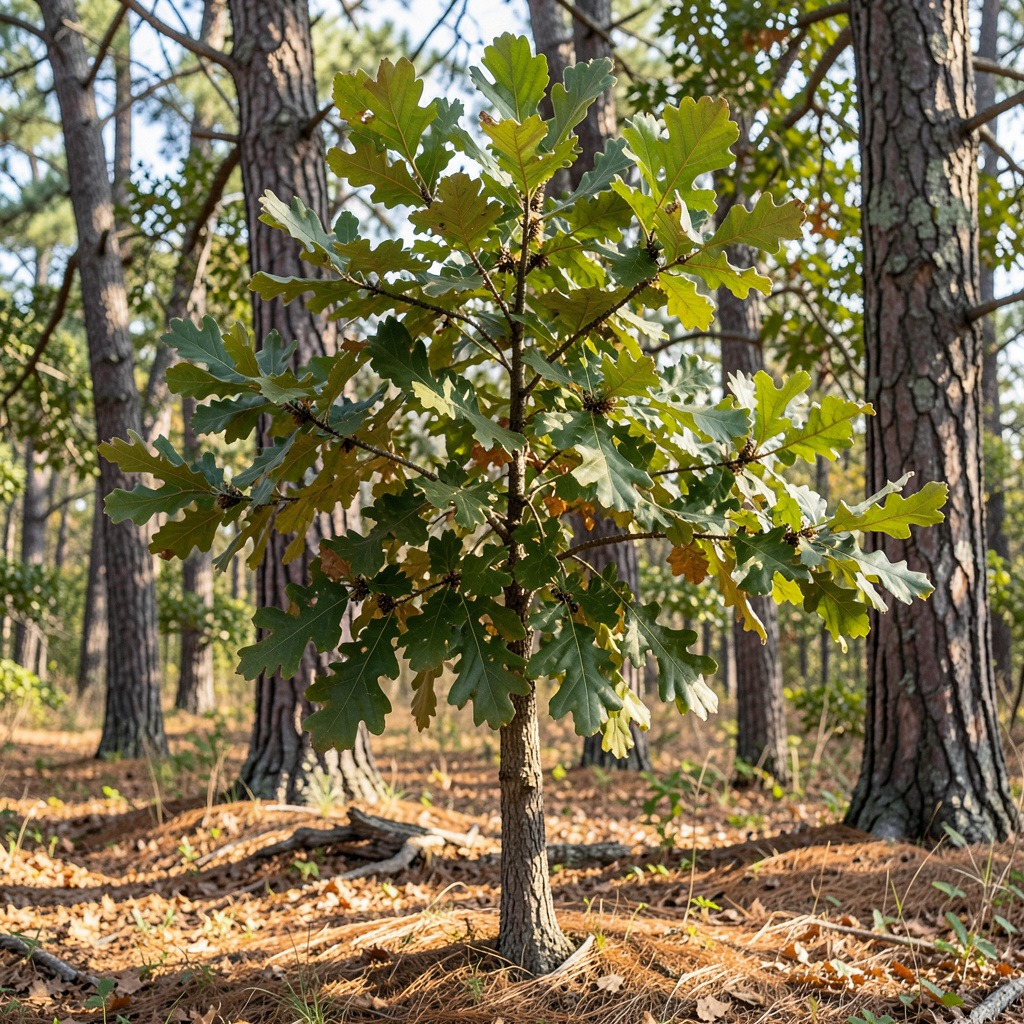
Lifespan of Bur Oak Trees: Typical Range and Exceptional Cases
Bur oak trees are celebrated for their remarkable lifespan. Understanding their longevity can guide proper care and management, ensuring these trees thrive for generations.
Typical Lifespan Range
Bur oaks typically live between 150 to 300 years. Most trees in optimal conditions reach at least 200 years. Factors like soil quality, competition, and climate significantly influence their age.
Exceptional Longevity Cases
Some bur oaks can exceed 300 years, especially in undisturbed environments. For example, a bur oak in a protected forest with deep, well-drained soil can thrive for centuries, becoming a natural monument. These exceptional cases often arise in areas with minimal human interference and abundant resources.
Factors Influencing Lifespan
Several key factors affect the lifespan of bur oaks:
- Soil Quality: Well-drained, fertile soils promote stronger growth.
- Water Availability: Access to adequate moisture, especially during early growth, is crucial.
- Light Exposure: Bur oaks thrive in full sun, needing at least six hours of direct sunlight daily.
- Care Practices: Proper planting techniques and ongoing maintenance, such as mulching and pruning, can extend life.
- Pest and Disease Management: Regular monitoring for pests and diseases helps maintain tree health.
Understanding these factors can help landowners make informed decisions regarding planting and caring for bur oaks, ultimately supporting their long-term survival.
Table of Contents
Growth Rate of Bur Oak: Understanding Its Development Over Time
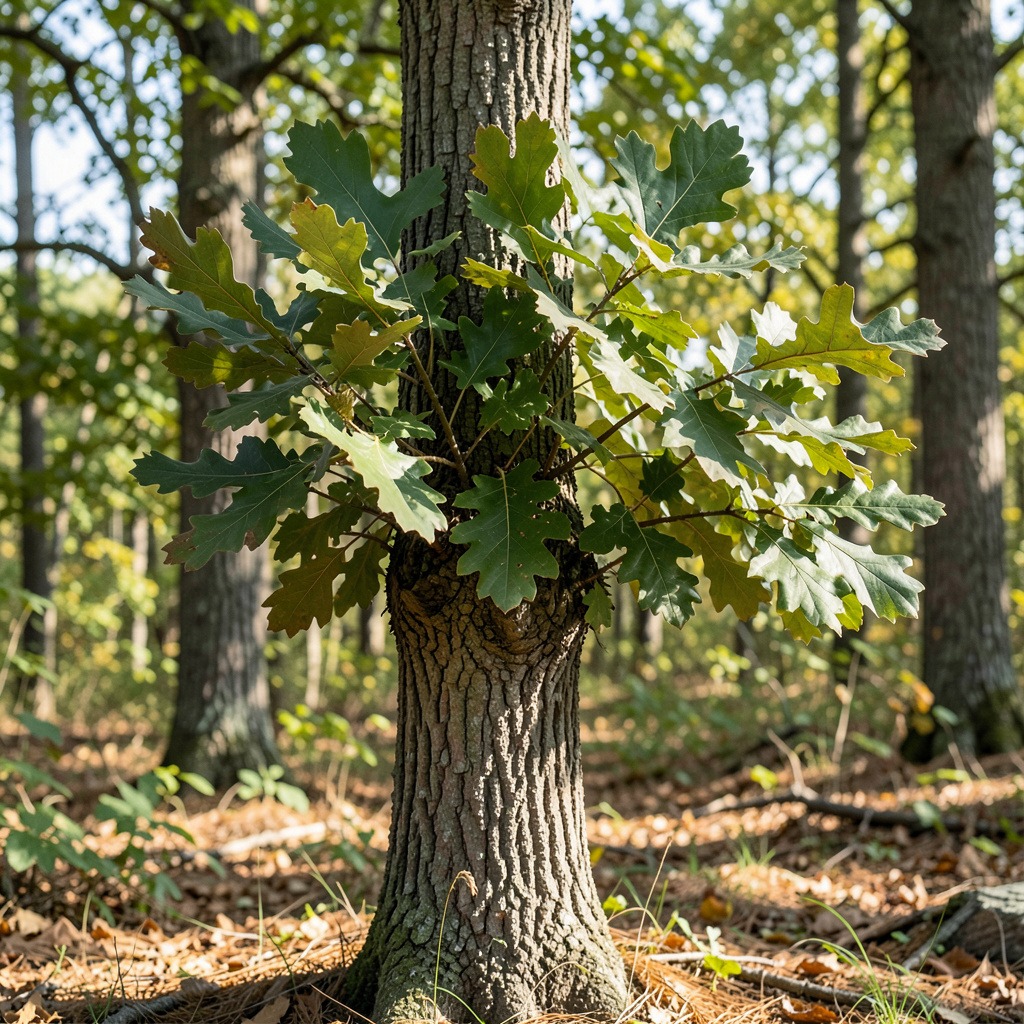
Bur oak trees exhibit a unique growth pattern that influences their lifespan. Understanding their growth stages and the factors that affect them is vital for ensuring their longevity.
Initial Growth Stages
When first planted, bur oak trees grow slowly. In these early years, they focus on developing a robust root system, particularly the deep taproot. This foundational growth is critical for future stability and resilience.
- Growth Rate: Young bur oaks typically grow less than 25 centimeters (about 10 inches) annually during their initial stages.
- Establishment Phase: Patience is essential as these trees may take several years before showing significant height increases.
Mature Growth Expectations
Once established, bur oaks can begin to grow more rapidly. A mature bur oak can add between 1 to 2 feet in height each year, depending on environmental conditions.
- Lifespan: Bur oaks can live for 200 to 300 years, with some individuals potentially exceeding this range. Their longevity is a testament to their sturdy growth habits.
- Growth Influencers: Factors such as soil quality, water availability, and sunlight exposure significantly impact their growth rate.
Environmental Influences on Growth Rate
The environment plays a crucial role in the growth of bur oak trees. Variations in soil type and climate can lead to different growth rates.
| Condition | Growth Rate | Notes |
|---|---|---|
| Well-drained soil | Optimal growth (up to 2 ft/year) | Supports strong root development. |
| Compacted soil | Reduced growth (<1 ft/year) | Limits root expansion and water access. |
| Sandy soil | Moderate growth (1 ft/year) | Drains quickly but may require more water. |
| Clay soil | Variable growth | Retains moisture but may suffocate roots. |
| Urban settings | Slower growth (1-2 ft/year) | Compacted soil and pollution can hinder growth. |
Care Strategies for Enhanced Growth
To maximize the growth and lifespan of bur oak trees, consider the following care strategies:
- Watering: Ensure adequate moisture, especially during dry spells. Young trees need regular watering to establish their roots.
- Fertilization: Use a slow-release fertilizer in early spring to support growth without over-fertilizing.
- Pruning: Conduct minimal pruning during late winter or early spring to encourage healthy development without stressing the tree.
By understanding these growth patterns and environmental influences, landowners can make informed decisions about planting and maintaining bur oak trees, ultimately supporting their impressive lifespans.
Essential Care Requirements for Maximizing Bur Oak Lifespan
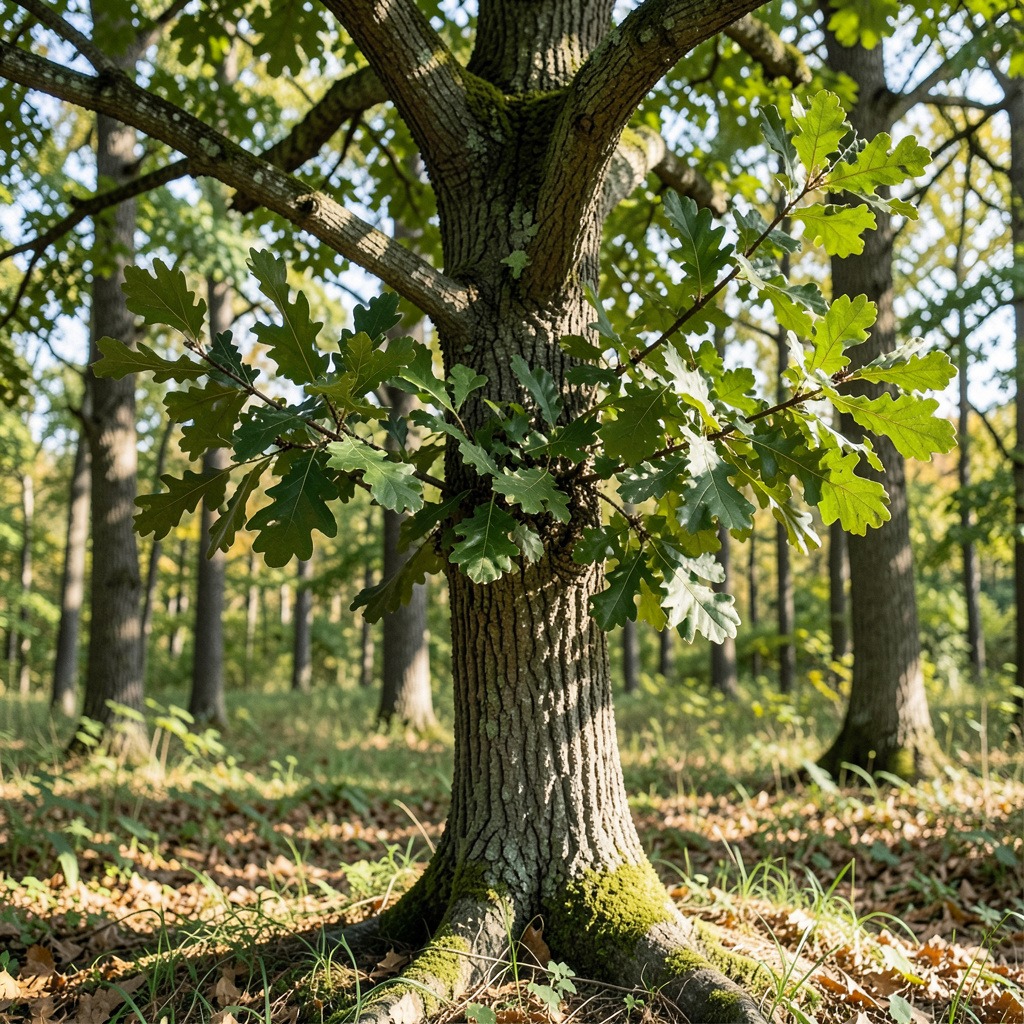
To ensure the longevity of bur oak trees, proper care is essential. Focusing on watering, soil conditions, and pruning techniques can significantly enhance their lifespan and overall health.
Watering Needs
Young bur oaks require consistent moisture to establish strong root systems. Once matured, their deep roots allow them to withstand periods of drought. Here are key watering strategies:
- Young Trees: Water regularly, especially during dry spells. Aim for deep watering that reaches the root zone.
- Established Trees: They are drought-tolerant but will benefit from supplemental watering during extreme heat.
- Monitoring: Check soil moisture by digging a few inches into the soil. If it feels dry, it’s time to water.
Soil Conditions
Bur oaks are adaptable, thriving in various soil types, but optimal conditions can enhance their lifespan:
- Well-Drained Soil: Aim for soils that are well-draining yet retain some moisture. Avoid overly compacted or waterlogged areas.
- pH Levels: Bur oaks prefer slightly acidic to neutral soils (pH 6.0 – 7.5).
- Nutrient-Rich: Incorporate organic matter or compost to improve soil structure and nutrient availability.
Pruning Techniques for Longevity
Pruning is crucial for maintaining tree health and structure. Proper techniques can prevent disease and promote longevity:
- Timing: Prune in late winter or early spring before new growth begins.
- Minimal Pruning: Focus on removing dead or diseased branches rather than extensive shaping.
- Wound Care: Avoid using wound dressings; trees should heal naturally.
Decision Framework for Care
Selecting the right care methods depends on the environment and conditions in which your bur oak is planted. Consider the following:
- Urban vs. Rural: Urban trees may require more frequent watering and monitoring due to compacted soils and heat. Rural trees can take advantage of natural rainfall but should still be monitored during dry spells.
- Soil Testing: Conduct soil tests to determine pH and nutrient levels. Adjust care based on results to optimize growth conditions.
By implementing these targeted care strategies, you can help your bur oak thrive for generations, ensuring its impressive lifespan.
Common Diseases and Issues Affecting Bur Oak Trees
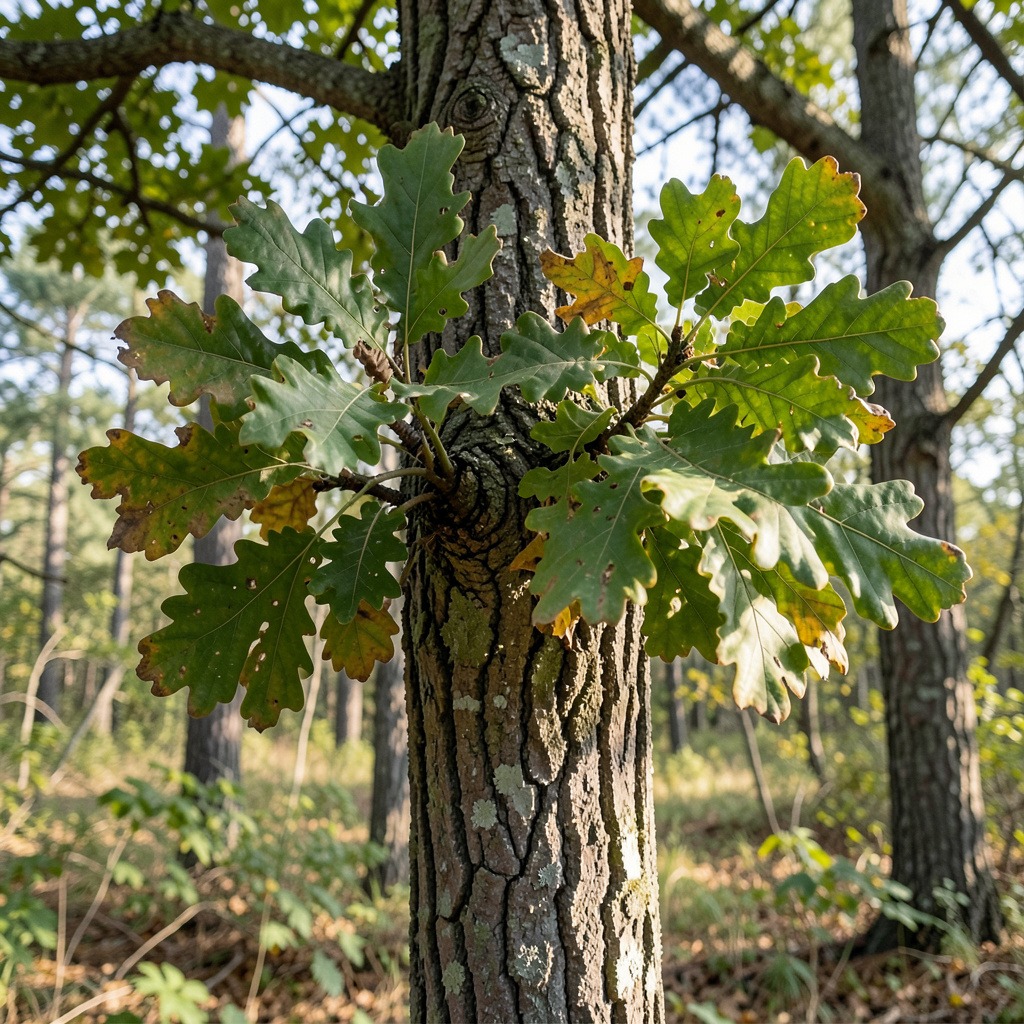
Bur oak trees, while resilient, can face several diseases and pests that threaten their health and longevity. Understanding these threats is crucial for maintaining their lifespan.
Common Diseases
1. Oak Leaf Blister: This fungal disease appears as small white blisters on leaves during midsummer. It can weaken trees over time, reducing their overall vitality.
2. Bur Oak Blight: Specific to the small-acorn variety, this disease causes leaf browning and premature leaf drop, particularly in late summer and early fall.
3. Leaf Spot: Characterized by small black or brown spots, leaf spot can diminish photosynthesis, leading to stunted growth and reduced lifespan.
Pests and Their Effects
Bur oaks can also be affected by various pests. Here are some notable ones:
- Oak Worms: These caterpillars can defoliate trees quickly, impacting health and growth.
- Bark Beetles: They bore into the bark, disrupting nutrient flow and potentially leading to tree decline.
- Scale Insects: They feed on tree sap, weakening the bur oak and making it more susceptible to diseases.
Prevention and Management Strategies
To safeguard bur oak trees, implement the following strategies:
- Regular Monitoring: Check trees for signs of disease or pest infestations. Early detection is key.
- Proper Watering: Ensure adequate water supply, especially during dry spells, to maintain tree vigor.
- Soil Management: Conduct soil tests to determine nutrient needs and adjust as necessary. Healthy soil promotes stronger trees.
- Pruning: Remove dead or diseased branches to improve air circulation and reduce disease spread.
- Fungicide Application: For known fungal issues, consider using appropriate fungicides to protect the trees.
Implementing these practices can significantly enhance the lifespan of bur oaks by reducing the impact of common issues.
Ecological Benefits of Bur Oak Trees Over Their Lifespan
Bur oak trees provide significant ecological benefits throughout their extensive lifespans. Their longevity allows them to contribute to wildlife habitats and carbon storage, enhancing both urban and rural ecosystems.
Importance for Wildlife
Bur oaks are vital for supporting various wildlife species. They provide food and shelter through their acorns and dense canopies. Many birds, mammals, and insects rely on bur oaks for sustenance and habitat.
- Acorns: A primary food source for squirrels, deer, and numerous bird species.
- Shelter: Their broad branches offer nesting sites for birds and protection for smaller mammals.
A case study from a Midwestern urban park demonstrates how bur oaks support local wildlife. The park’s bur oaks have become a favored nesting site for migratory birds, resulting in increased biodiversity during the breeding season.
Carbon Sequestration Capabilities
Bur oaks excel in carbon sequestration, helping mitigate climate change. Their large size and extensive root systems allow them to store significant amounts of carbon over their lifespan.
- Carbon Storage: Mature bur oaks can sequester several tons of carbon dioxide annually.
- Long-Term Impact: Their ability to live for 200 to 300 years means they can capture carbon over generations.
For instance, a well-maintained bur oak in a suburban landscape can offset the carbon emissions of an average family vehicle for years.
Role in Ecosystem Stability
The presence of bur oaks contributes to ecosystem stability. Their deep roots prevent soil erosion and improve water retention, benefiting surrounding flora and fauna.
- Soil Health: They enrich the soil with organic matter through leaf litter.
- Microclimates: Their canopies create shaded areas that support undergrowth and maintain moisture levels.
In rural settings, bur oaks have been found to stabilize stream banks, reducing sediment runoff and enhancing water quality. This illustrates their role in maintaining healthy ecosystems over their long lifespan.
Frequently Asked Questions
These quick answers cover the most common questions about this topic, including key details, practical tips, and common concerns.
How tall is a 20 year old bur oak?
A 20-year-old bur oak typically reaches a height of about 20 to 30 feet, depending on growth conditions. In optimal environments with good soil and sufficient sunlight, some may even exceed this height. Their growth rate increases significantly once established, leading to impressive heights over time.
What are the downsides of a bur oak tree?
While bur oaks are generally hardy, they can face challenges such as susceptibility to certain diseases like oak leaf blister and bur oak blight. Additionally, they may attract pests like oak worms and bark beetles, which can weaken the tree. Their large size also means they require ample space and may not be suitable for small yards or urban settings.
Is bur oak a fast growing tree?
Bur oak trees are considered slow to moderate growers in their early years, typically adding less than 10 inches in height annually. However, once established, they can grow more rapidly, reaching up to 2 feet per year. Their growth rate depends significantly on environmental conditions such as soil quality, moisture, and sunlight.
How far should a bur oak be planted from a house?
It is recommended to plant bur oaks at least 20 to 30 feet away from a house. This distance helps prevent potential damage to structures from the tree’s large root system and falling branches. Additionally, sufficient space allows the tree to grow freely without hindrance.
What are the common diseases that affect bur oak trees?
Common diseases affecting bur oaks include oak leaf blister, which causes blister-like growths on leaves, and bur oak blight, leading to premature leaf drop. Leaf spot is another concern, marked by dark spots on leaves that can hinder photosynthesis. Regular monitoring and proper care can help mitigate these issues.
When should you prune a bur oak?
Pruning should be done in late winter or early spring before new growth begins. This timing minimizes stress on the tree and promotes healthy growth. Focus on removing dead or diseased branches to enhance air circulation and reduce the risk of disease.
What are the benefits of planting a bur oak?
Planting a bur oak offers numerous benefits. They provide critical habitat and food for wildlife, particularly through their acorns. Additionally, their extensive root systems help prevent soil erosion and improve water retention. Their long lifespan also means they contribute positively to carbon sequestration, aiding in climate change mitigation.