
Common problems with bur oak trees include Bur oak blight, caused by the fungus Tubakia iowensis, and nutrient deficiencies that can lead to decline and death if not addressed properly.
Table of Contents
Bur oak trees, known for their resilience, can still face significant challenges such as Bur oak blight and nutrient deficiencies. Understanding these problems is crucial for maintaining their health and ensuring their longevity in various environments.
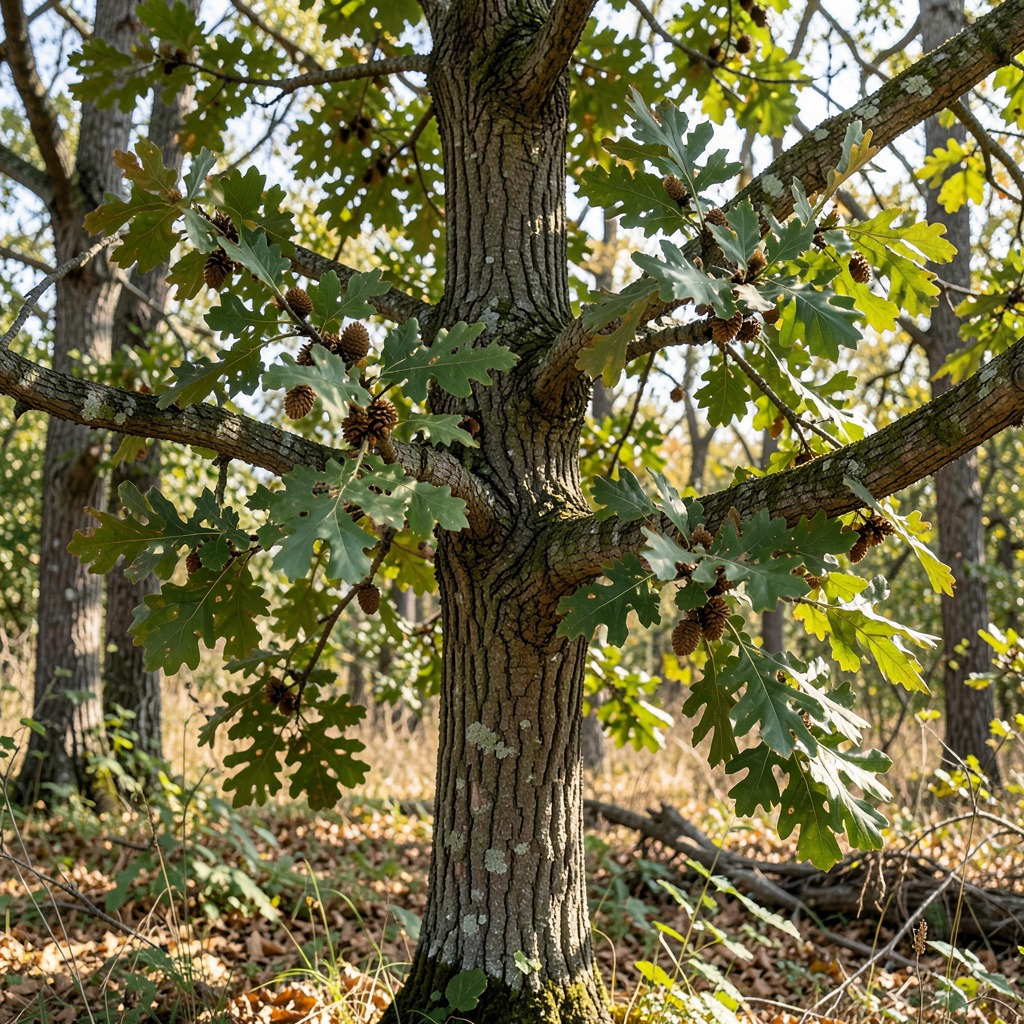
Understanding Bur Oak Blight and Its Impact
Bur oak blight is a significant disease affecting bur oak trees, primarily caused by the fungus Tubakia iowensis. Understanding its symptoms and the consequences of untreated infection is vital for effective management.
Causes and Lifecycle of Bur Oak Blight
Bur oak blight is triggered by the fungal pathogen Tubakia iowensis. This fungus thrives in specific environmental conditions, particularly during wet springs. As the fungus infects the tree, it disrupts normal leaf development, leading to various symptoms.
The lifecycle of Tubakia iowensis typically follows these stages:
1. Infection Phase: Spores infect new leaves in the spring.
2. Symptom Development: Infected leaves show signs of distress within weeks.
3. Progression: If untreated, the infection can spread throughout the tree, leading to significant stress and vulnerability to other pests.
Symptoms to Watch For
Identifying bur oak blight early is crucial. The primary symptoms include:
- Crown Decline: Gradual thinning of leaves in the upper canopy.
- Leaf Discoloration: Leaves may turn yellow or brown prematurely.
- Defoliation: Significant leaf drop can occur, especially during late summer.
- Shoot Dieback: New growth may wilt and die back.
These symptoms often mimic those of other tree diseases, making accurate diagnosis essential for effective management.
Consequences of Untreated Bur Oak Blight
If left unaddressed, bur oak blight can lead to severe consequences:
- Tree Decline: Affected trees may experience ongoing health decline.
- Increased Vulnerability: Stressed trees become susceptible to secondary pests, such as the two-lined chestnut borer.
- Potential Tree Death: Severe infections can ultimately result in the death of the tree.
To prevent these outcomes, regular monitoring and early intervention are key. If symptoms are detected, consider consulting with a certified arborist for a tailored management plan. Effective strategies can significantly improve tree health and longevity.
Identifying Nutrient Deficiencies in Bur Oak Trees
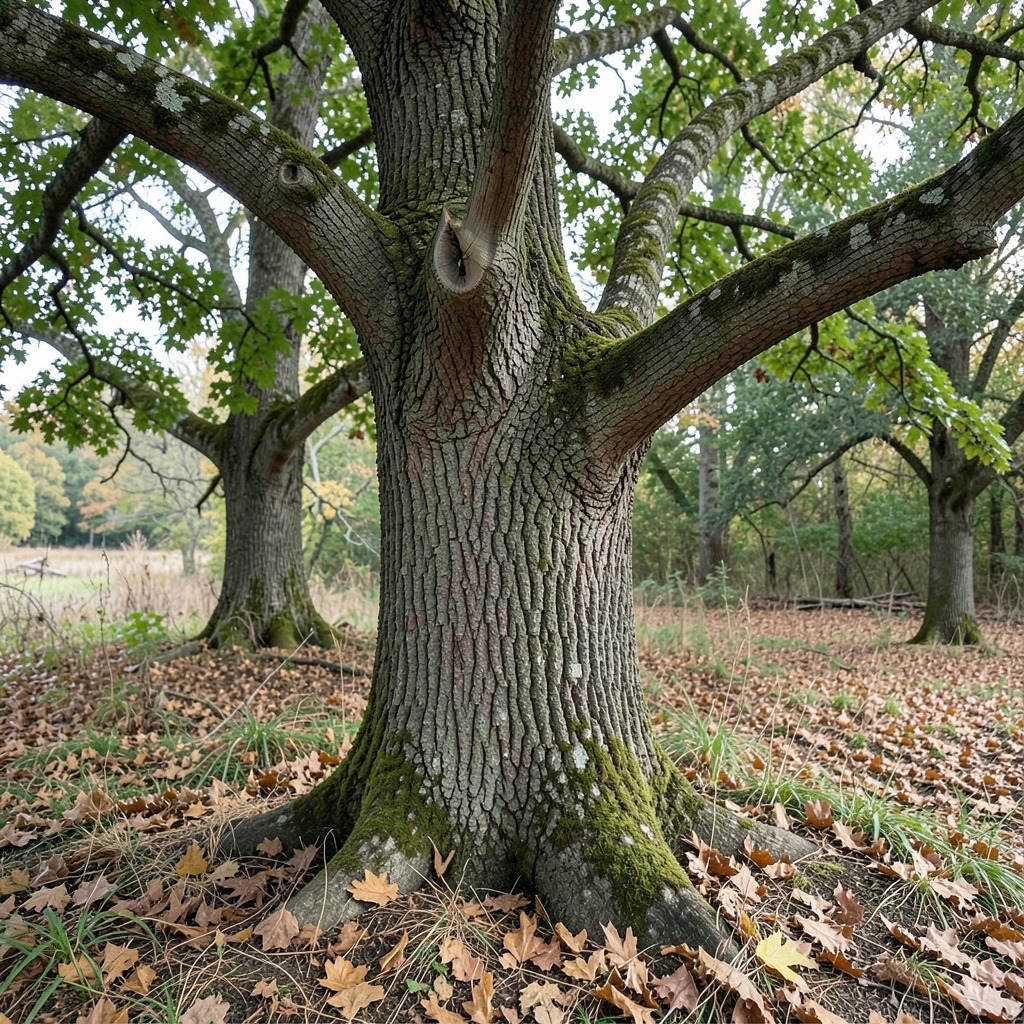
Nutrient deficiencies can significantly impact the health of bur oak trees. Identifying these deficiencies early is crucial for effective management and treatment.
Key Nutrients for Bur Oak Health
Bur oak trees require several essential nutrients for optimal health. The most critical nutrients include:
- Nitrogen (N): Promotes leaf and stem growth.
- Phosphorus (P): Supports root development and flowering.
- Potassium (K): Enhances overall vigor and disease resistance.
- Calcium (Ca): Strengthens cell walls and aids in root health.
- Magnesium (Mg): Vital for chlorophyll production and photosynthesis.
Recognizing Symptoms of Deficiency
Observing the symptoms of nutrient deficiencies can help in diagnosing issues early. Here are common signs to look for:
- Nitrogen Deficiency: Yellowing of older leaves, stunted growth.
- Phosphorus Deficiency: Dark green or purplish leaves, poor root growth.
- Potassium Deficiency: Marginal leaf burn, weak branches.
- Calcium Deficiency: Blossom end rot, deformed new growth.
- Magnesium Deficiency: Interveinal chlorosis (yellowing between leaf veins).
Impact of Nutrient Deficiencies on Tree Growth
Nutrient deficiencies can lead to various growth issues in bur oaks, including:
- Reduced Growth Rate: Insufficient nutrients slow down overall growth.
- Increased Susceptibility: Deficient trees are more vulnerable to diseases and pests.
- Poor Acorn Production: Nutrient-stressed trees produce fewer acorns, affecting wildlife.
Checklist for Diagnosing Nutrient Deficiencies
Use the following checklist to assess the health of your bur oak:
1. Visual Inspection: Look for yellowing leaves or abnormal growth patterns.
2. Soil Testing: Conduct a soil test to determine nutrient levels.
3. Leaf Analysis: Test leaf samples for specific nutrient deficiencies.
4. Monitor Growth: Track growth patterns over several seasons.
By following these steps and maintaining a proactive approach, you can ensure your bur oak remains healthy and vibrant.
Effective Treatment Strategies for Bur Oak Blight
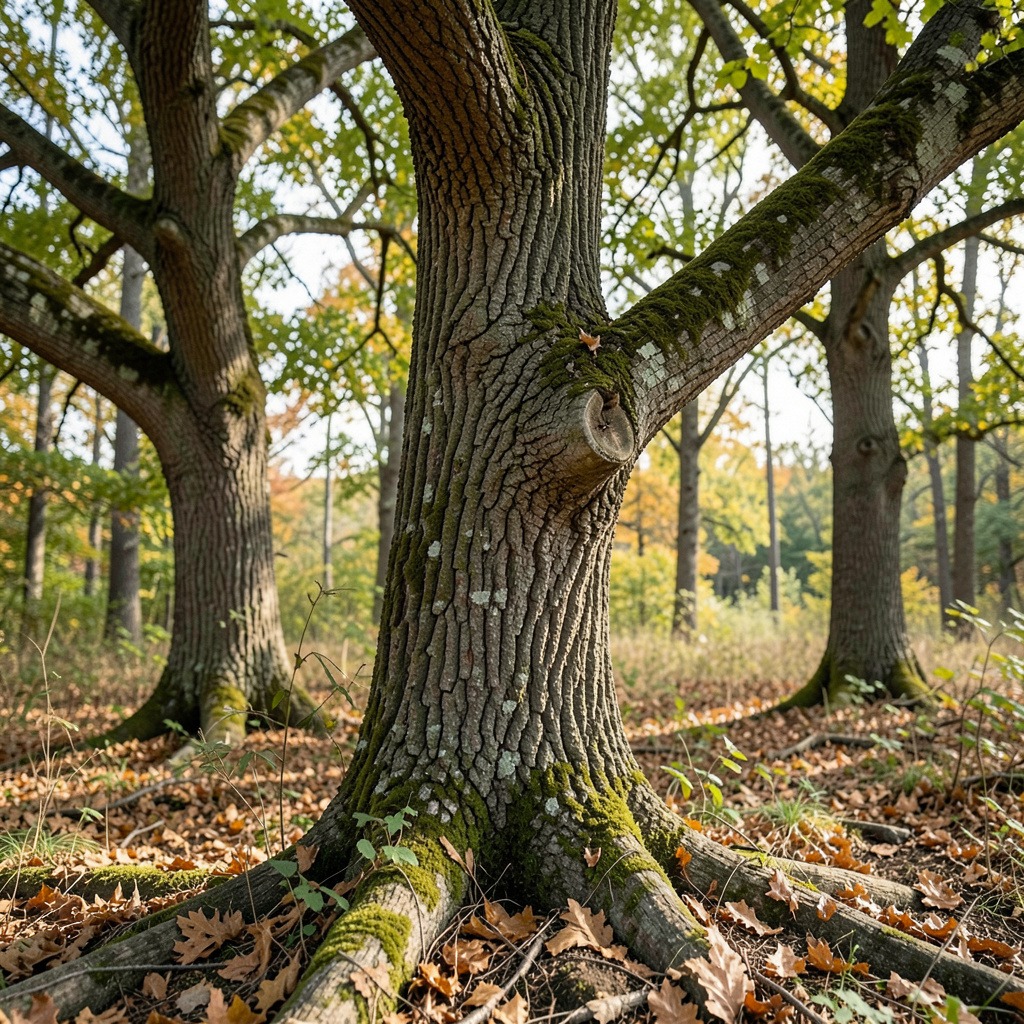
Managing Bur oak blight involves a combination of chemical treatments and cultural practices. Understanding these strategies can help mitigate the impact of this disease on your trees.
Chemical Treatments: Fungicides
Fungicides are a primary method for treating Bur oak blight, particularly those containing chlorothalonil and propiconazole. These fungicides create a protective barrier or offer systemic protection, preventing the fungus Tubakia iowensis from establishing an infection.
- Chlorothalonil: Effective as a preventative measure, it protects the foliage from infection.
- Propiconazole: A systemic option, it is absorbed by the tree and offers internal protection.
Application Methods:
- Foliar Sprays: Less practical for large, mature trees due to coverage challenges.
- Trunk Injection: Recommended for mature trees, this method delivers fungicides directly into the vascular system, ensuring effective distribution.
Effectiveness: Case studies indicate that trunk injections provide a higher success rate in managing Bur oak blight, especially in high-pressure environments.
Cultural Practices to Support Tree Health
Cultural practices play a critical role in enhancing the overall health of Bur oaks, thereby reducing susceptibility to blight.
- Watering: Ensure consistent moisture without waterlogging.
- Mulching: Use organic mulch to retain soil moisture and suppress weeds.
- Soil Modification: Improve soil structure and nutrient content through amendments.
Health Monitoring Checklist:
1. Regularly inspect for leaf symptoms.
2. Monitor soil moisture levels.
3. Assess tree growth patterns.
Integrating these cultural practices fosters a robust tree environment, reducing stress and enhancing natural resistance against diseases.
Integrating Pest Management Techniques
Effective management of Bur oak blight also includes an integrated pest management (IPM) approach, particularly in addressing secondary pests like the two-line chestnut borer.
- Regular Monitoring: Keep an eye out for signs of borer infestation.
- Preventive Treatments: Apply insecticides as needed to manage pest populations.
- Tree Health Assessment: Regular assessments can help identify stressors that make trees more vulnerable.
Decision Framework for Treatment Selection:
- Consider tree maturity and overall health.
- Evaluate surrounding environmental conditions.
- Choose between chemical or cultural methods based on specific tree needs.
By implementing these strategies, you can effectively manage Bur oak blight and support the long-term health of your trees.
Preventive Measures Against Bur Oak Problems
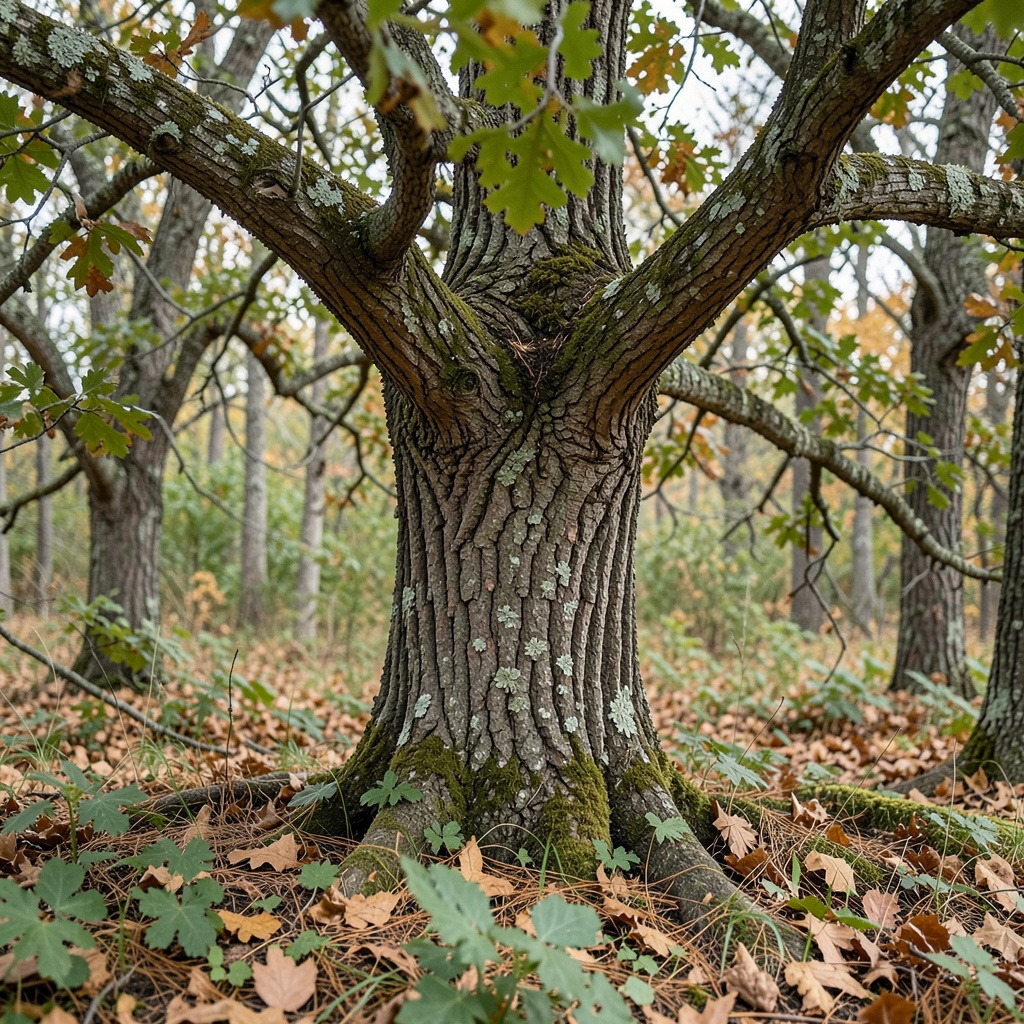
Preventing problems in Bur oaks requires a proactive approach. By focusing on site selection, cultural care, and routine monitoring, homeowners can significantly enhance the health and resilience of their trees.
Best Practices for Site Selection
Choosing the right location for your Bur oak is crucial. Ensure the site offers:
- Adequate sunlight: Bur oaks thrive in full sun.
- Well-drained soil: Avoid low-lying areas where water collects.
- Space for growth: Allow ample room for the tree to mature without competition.
Cultural Care Techniques
Implementing effective cultural practices helps maintain the overall health of Bur oaks. Consider these strategies:
- Proper watering: Water deeply but infrequently to encourage deep root growth.
- Mulching: Use organic mulch to retain moisture and suppress weeds.
- Soil testing: Regularly test soil for nutrient deficiencies and amend accordingly.
Routine Monitoring for Early Detection
Routine monitoring allows for early identification of potential issues. Follow these steps:
- Visual inspections: Regularly check leaves for discoloration or unusual spots, which may indicate Bur oak blight.
- Document findings: Keep a log of any symptoms and changes in tree appearance.
- Consult professionals: Engage a certified arborist for detailed assessments when necessary.
Long-Term Preventive Care Plan Template
To optimize the health of your Bur oak, consider this long-term care plan:
1. Site Assessment: Evaluate sunlight, drainage, and space.
2. Cultural Practices: Establish a watering and mulching schedule.
3. Monitoring Schedule: Create a bi-weekly inspection routine.
4. Soil Management: Test soil annually and amend as needed.
5. Professional Consultation: Schedule annual check-ups with an arborist.
By actively engaging in these preventive measures, homeowners can significantly reduce the risk of Bur oak problems and foster a thriving, resilient tree.
Conclusion and Key Takeaways
Understanding Bur oak problems, particularly Bur oak blight, is essential for maintaining the health and longevity of these majestic trees. Proactive management can significantly mitigate risks and enhance the tree’s resilience.
Key Steps for Managing Bur Oak Health
1. Recognize Symptoms Early:
- Look for leaf discoloration, wilting, and premature leaf drop.
- Monitor for the presence of secondary pests like the two-lined chestnut borer.
2. Implement Nutrient Management:
- Conduct soil tests to identify deficiencies.
- Adjust pH and nutrient levels to support robust growth.
3. Adopt Effective Cultural Practices:
- Establish a consistent watering and mulching schedule.
- Avoid soil compaction around the root zone.
Checklist for Bur Oak Care
- Bi-Weekly Inspections: Check for signs of stress or disease.
- Soil Testing: Test annually and amend as needed.
- Fungicide Applications: Consider treatments during peak infection periods.
- Professional Consultations: Schedule annual visits with a certified arborist.
By adhering to these strategies, you can effectively manage Bur oak problems and ensure your tree thrives for generations.
Frequently Asked Questions
These quick answers cover the most common questions about this topic, including key details, practical tips, and common concerns.
What are the signs of Bur oak blight?
Signs of Bur oak blight include crown decline, where the upper canopy thins out; leaf discoloration, with leaves turning yellow or brown prematurely; significant defoliation, especially in late summer; and shoot dieback, where new growth wilts and dies back. Early identification of these symptoms is crucial for effective management.
How can I prevent Bur oak blight?
Preventing Bur oak blight involves implementing good cultural practices. Ensure your tree is planted in well-drained soil and receives adequate sunlight. Regularly monitor your tree for symptoms and maintain proper watering and mulching to reduce stress. Additionally, consider applying fungicides as a preventive measure during peak infection periods.
What is the lifecycle of Tubakia iowensis?
The lifecycle of Tubakia iowensis, the fungus responsible for Bur oak blight, begins in the spring when spores infect new leaves. Within weeks, infected leaves start showing symptoms. If untreated, the infection can spread, causing significant stress to the tree. Understanding this lifecycle helps in timing treatments effectively.
Can Bur oak trees recover from blight?
Yes, Bur oak trees can recover from blight if the infection is caught early and managed properly. Implementing appropriate treatments, such as fungicides and cultural practices, can help restore tree health. However, severely affected trees may struggle to bounce back, emphasizing the importance of early detection.
What are the best treatments for Bur oak blight?
The best treatments for Bur oak blight include the application of fungicides like chlorothalonil and propiconazole. These can be applied as foliar sprays or through trunk injections. Trunk injections are often more effective for mature trees, ensuring the fungicide reaches the vascular system directly.
How to improve soil health for Bur oak trees?
Improving soil health for Bur oak trees involves several key practices. Conduct soil tests to identify nutrient deficiencies and amend with organic matter as needed. Regular mulching can enhance moisture retention and suppress weeds. Additionally, avoid soil compaction around the root zone to promote healthy root growth.
What other diseases affect Bur oaks?
In addition to Bur oak blight, Bur oaks can be affected by other diseases such as oak wilt, powdery mildew, and root rot. Each of these diseases presents unique symptoms and requires specific management strategies. Regular monitoring and timely intervention are essential for maintaining tree health.
What should readers know about step-by-step treatment guides?
Step-by-step treatment guides for Bur oak blight provide detailed instructions on identifying symptoms, applying fungicides, and implementing cultural practices. These guides often include timelines for when to apply treatments and how to monitor tree health effectively. Following a structured approach can enhance the success of management efforts.