
Bur oaks (Quercus macrocarpa) are long-lived, drought-tolerant trees known for their ecological benefits but may require significant space and can produce messy acorns.
Table of Contents
Bur oaks are remarkable trees that offer numerous benefits, including wildlife habitat and drought resistance. However, like any species, they come with their own set of challenges. This guide explores the pros and cons of planting bur oak trees.
Understanding the Bur Oak Tree
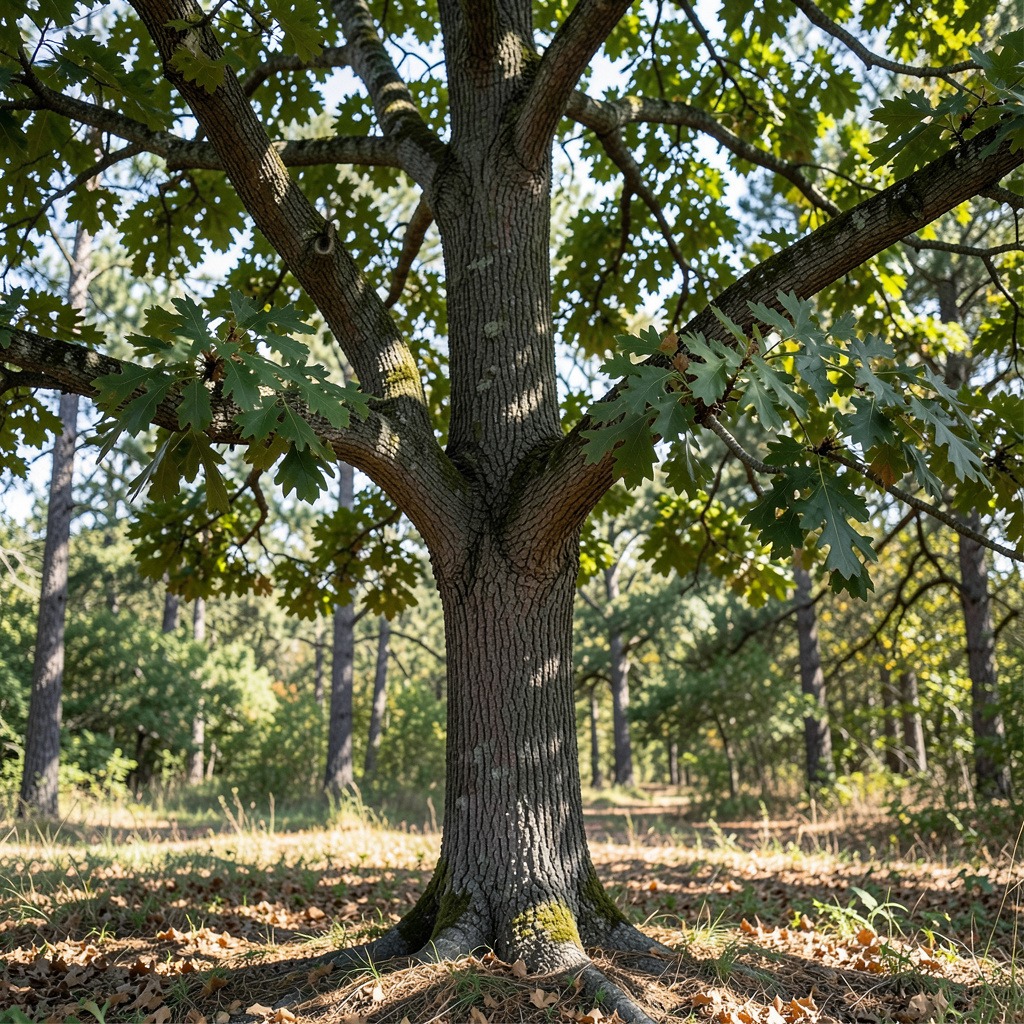
The bur oak, scientifically known as Quercus macrocarpa, is a large and hardy tree native to North America. It is known for its impressive size, longevity, and ecological contributions.
Key Characteristics of Bur Oak
- Size and Shape: Bur oak trees can reach heights of 60 to 80 feet with a trunk diameter of 3 to 4 feet. They have a rounded crown and thick, lobed leaves that can measure 6 to 12 inches in length.
- Leaves: The leaves feature distinct deep lobes and a hairy underside. During fall, they transition to yellow or brown, adding seasonal color to landscapes.
- Acorns: Bur oaks produce large acorns, approximately one inch long, with a thick, woody shell. These acorns mature over two years, providing a vital food source for wildlife.
- Bark: The bark is dark brown to black and has a rough texture, contributing to the tree’s rugged appearance.
Lifespan and Growth Expectations
Bur oaks are known for their slow growth rate, averaging 1 to 2 feet per year. They can live for 200 to 300 years, with some individuals exceeding 400 years. This longevity makes them a valuable addition to landscapes, providing shade and habitat for generations.
| Growth Characteristics | Details |
|---|---|
| Average Height | 60-80 feet |
| Trunk Diameter | 3-4 feet |
| Growth Rate | 1-2 feet per year |
| Lifespan | 200-300 years (up to 400) |
Example Scenario: When considering bur oaks for landscaping, plan for ample space. These trees thrive when planted at least 40 feet apart to accommodate their wide canopy. This spacing also ensures that each tree receives adequate sunlight and nutrients from the soil.
In summary, the bur oak boasts unique characteristics that support both aesthetic and ecological needs, making it an excellent choice for various landscapes.
Pros of Planting Bur Oak Trees

Bur oak trees offer numerous benefits that make them a valuable addition to landscapes. Their ecological contributions, drought resistance, and adaptability to urban settings enhance both the environment and aesthetic appeal.
Ecological Benefits
Bur oaks play a crucial role in the ecosystem. Here are some key ecological advantages:
- Wildlife Habitat: Bur oaks provide shelter and food for various wildlife species. Their acorns are particularly important for squirrels, deer, and birds.
- Soil Stabilization: The extensive root system of bur oaks helps prevent soil erosion, promoting soil health and stability.
- Carbon Sequestration: Like all trees, bur oaks absorb carbon dioxide, contributing to reduced greenhouse gas levels.
- Biodiversity Support: Planting bur oaks encourages diverse plant and animal life, enhancing local biodiversity.
Aesthetic and Functional Advantages
In addition to their ecological benefits, bur oaks add significant value to urban and rural landscapes:
- Shade Provider: With a broad canopy, bur oaks offer excellent shade, making outdoor spaces more comfortable.
- Longevity and Resilience: These trees can live for centuries, providing lasting beauty and ecological benefits.
- Drought Resistance: Once established, bur oaks are highly drought-tolerant, requiring minimal water compared to other tree species.
- Low Maintenance: Bur oaks require little care after establishment. They are resistant to many common diseases, including oak wilt, making them a reliable choice for homeowners.
Checklist of Pros
- [ ] Provides wildlife habitat
- [ ] Stabilizes soil
- [ ] Absorbs carbon dioxide
- [ ] Enhances biodiversity
- [ ] Offers shade
- [ ] Long lifespan (up to 400 years)
- [ ] Drought-resistant once established
- [ ] Low maintenance requirements
These benefits make bur oaks an excellent choice for anyone considering tree planting for ecological or aesthetic purposes.
Cons of Planting Bur Oak Trees

While bur oaks offer numerous benefits, they also present certain challenges. Understanding these potential drawbacks is essential for making informed landscaping decisions.
Space and Size Considerations
Bur oaks are large trees, often reaching heights of 80 feet or more. This significant size requires ample space for growth. Consider the following:
- Mature Size: Plan for a wide canopy spread, which can exceed 60 feet. This may overshadow nearby plants or structures.
- Root System: Bur oaks develop extensive root systems that can compete with nearby vegetation for nutrients and water. They may also disrupt pavement, foundations, or underground utilities.
Maintenance and Care Issues
Although bur oaks are relatively low-maintenance, they still require attention. Here are some common care challenges:
- Watering Needs: Newly planted bur oaks need consistent watering, especially during their first growing season. Drought conditions can stress the tree.
- Pruning: To maintain shape and health, occasional pruning is necessary. This is best done in late winter or early spring before new growth appears.
- Acorn Debris: Bur oaks produce large acorns, which can create a mess in yards and may require regular clean-up, especially in urban settings.
Additional Considerations
- Invasive Roots: The aggressive root system of bur oaks can lead to conflicts with sidewalks, driveways, and other structures. Planning their location carefully is crucial.
- Long-Term Commitment: Given their lifespan of up to 400 years, planting a bur oak is a long-term commitment. Homeowners should consider the tree’s future impact on the landscape.
In summary, while bur oaks provide ecological benefits and aesthetic value, their large size, root implications, and specific care requirements may pose challenges. Consider these factors when integrating bur oaks into your landscape design.
Comparing Bur Oak to Other Oak Species
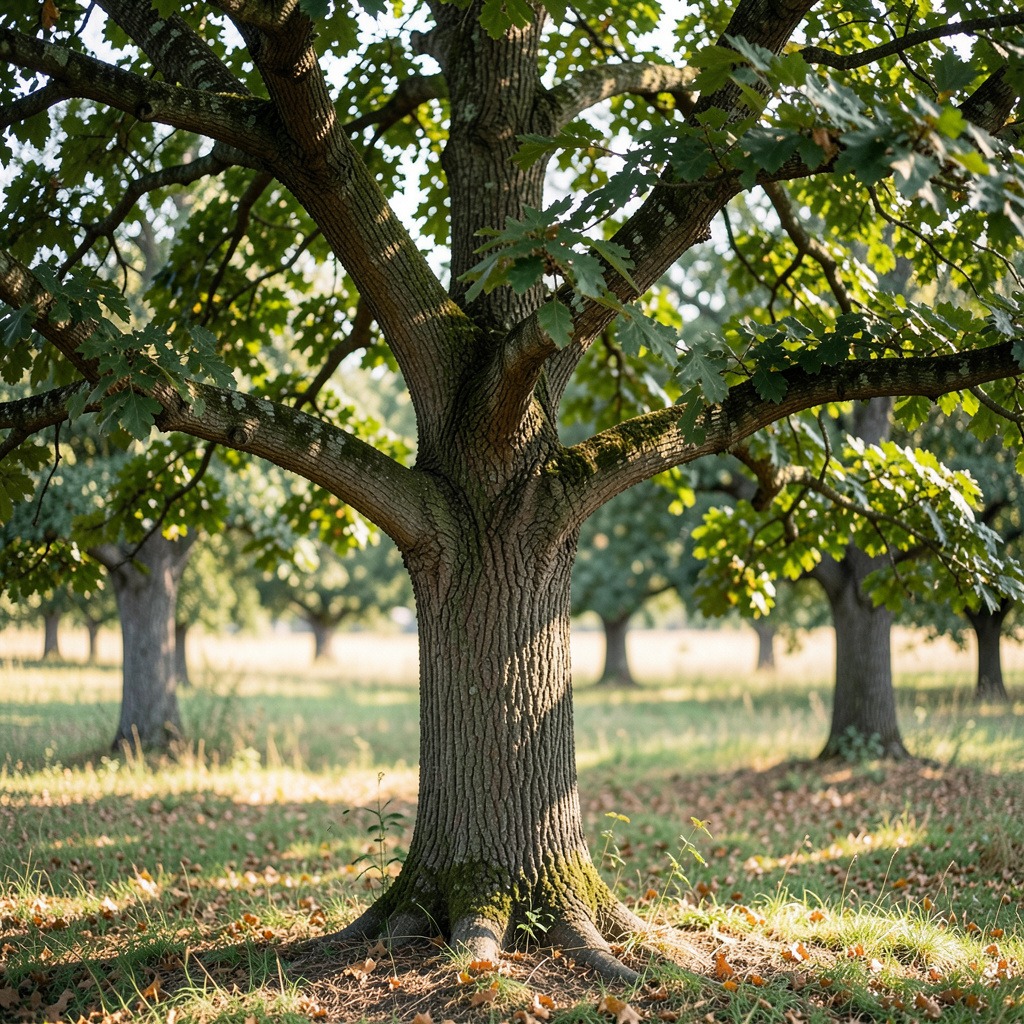
Understanding how bur oaks compare to other oak species is essential for informed landscaping decisions. This comparison highlights key differences in care requirements, ecological benefits, and overall suitability for various environments.
Advantages Over Other Oaks
Bur oaks (Quercus macrocarpa) offer several advantages in comparison to other oak species:
- Disease Resistance: Bur oaks are less susceptible to oak wilt, a serious fungal disease affecting many oak varieties. This resilience makes them a safer choice for landscapes prone to this issue.
- Drought Tolerance: Once established, bur oaks require minimal watering. They thrive in dry conditions, unlike some other oak species that demand more moisture.
- Wildlife Habitat: Bur oaks provide substantial habitat and food sources for wildlife. Their large acorns are a favored food among squirrels, deer, and various bird species.
Limitations Compared to Other Species
While bur oaks have many strengths, they also present some limitations:
- Growth Rate: Bur oaks grow more slowly than faster-growing species like the red oak. This can delay the shade and aesthetic benefits they provide in a landscape.
- Space Requirements: Bur oaks require significant space due to their large size and deep root systems. This can be a drawback in smaller residential settings.
- Maintenance Needs: Although generally low-maintenance, bur oaks may still require careful pruning and monitoring for pests, particularly in urban areas.
Comparison Table
| Feature | Bur Oak (Quercus macrocarpa) | Red Oak (Quercus rubra) | White Oak (Quercus alba) |
|---|---|---|---|
| Growth Rate | Slow | Moderate to Fast | Moderate |
| Disease Resistance | High | Moderate | Moderate |
| Drought Tolerance | High | Low | Moderate |
| Acorn Size | Large | Medium | Medium |
| Habitat for Wildlife | Excellent | Good | Good |
| Space Requirement | Large | Medium | Medium |
Decision Framework for Landscaping
When considering bur oaks for your landscape, evaluate these factors:
- Landscape Size: Ensure sufficient space for the tree’s mature size.
- Environmental Conditions: Assess soil moisture levels and exposure to sunlight.
- Ecological Goals: Consider whether you aim to support local wildlife or reduce disease risks.
By analyzing these elements, you can make informed decisions about incorporating bur oaks into your landscaping plans.
Practical Tips for Planting and Care
Successfully planting and caring for bur oak trees involves understanding their specific needs. This ensures optimal growth and longevity.
Ideal Planting Conditions
Bur oaks thrive in specific conditions. Follow these guidelines for successful planting:
- Location: Choose a site that receives full sun. Bur oaks prefer deep, rich soils but can tolerate some light shade.
- Spacing: Space bur oaks at least 40 feet apart to accommodate their mature size.
- Soil Preparation: Dig a hole that is twice the width of the root ball. Mix in compost to improve soil quality.
- Timing: Plant in spring or fall when temperatures are moderate.
Ongoing Care and Maintenance
Once established, bur oaks require minimal care, but regular attention ensures their health:
- Watering: Water deeply during prolonged droughts, especially in the first growing season. Ensure soil remains moist but not waterlogged.
- Fertilization: Apply a slow-release fertilizer in early spring before new growth appears. Follow package directions for application rates.
- Pruning: Prune in late winter or early spring. This maintains shape and removes any dead or damaged branches.
- Disease Management: Monitor for signs of Oak Wilt and other diseases. Bur oaks are generally resistant but can still be affected.
Checklist for Planting and Care
| Task | Frequency | Notes |
|---|---|---|
| Watering | Weekly (first year) | Adjust based on rainfall. |
| Fertilization | Annually (early spring) | Use slow-release fertilizer. |
| Pruning | As needed (late winter) | Remove any dead or damaged branches. |
| Monitoring for diseases | Monthly | Check for signs of Oak Wilt and other issues. |
These practical tips can help you successfully integrate bur oaks into your landscape, enhancing both aesthetic appeal and ecological benefits.
Frequently Asked Questions
These quick answers cover the most common questions about this topic, including key details, practical tips, and common concerns.
What is the lifespan of a bur oak tree?
Bur oak trees (Quercus macrocarpa) are known for their impressive longevity. They can live for 200 to 300 years, with some individuals exceeding 400 years. This long lifespan makes them a valuable choice for landscapes, providing shade and habitat for generations.
Do bur oaks have invasive roots?
Yes, bur oaks can develop extensive root systems that may be considered invasive. Their roots can compete with nearby plants for nutrients and water, and they may disrupt sidewalks, driveways, and underground utilities. It’s essential to plant them at least 40 feet away from structures to avoid potential issues.
How far away from a house should a bur oak tree be planted?
Bur oaks should be planted at least 40 feet away from houses and other structures. This distance allows for their wide canopy spread and prevents potential damage from their extensive root systems. Proper spacing ensures that the tree has enough room to grow without interfering with nearby buildings or plants.
Are bur oaks messy?
Bur oaks can be considered messy due to their production of large acorns. These acorns can create debris in yards, especially during the fall when they drop. Regular clean-up may be necessary in urban settings or around patios and walkways to maintain cleanliness.
What are common pests affecting bur oaks?
Common pests that may affect bur oaks include oak wilt, caterpillars, and various beetles. Regular monitoring for signs of these pests is crucial. While bur oaks are generally resistant to many diseases, keeping an eye out for any unusual symptoms can help ensure their health.
How do I identify a bur oak tree?
You can identify a bur oak by its distinctive features. Look for thick, lobed leaves that can grow up to 12 inches long, a rough, dark bark, and large acorns with a thick shell. The tree’s rounded crown and substantial size, reaching heights of 60 to 80 feet, are also key identifying traits.
What are the best soil conditions for bur oaks?
Bur oaks thrive in deep, rich soils but are adaptable to various soil types, including clay and sandy soils. They prefer well-drained locations with full sun exposure. Ensuring proper soil preparation before planting can enhance their growth and overall health.