
Bur oak roots grow deep, with a taproot that can reach up to 14 feet, and lateral roots that spread out, impacting their surroundings significantly.
Table of Contents
The bur oak tree (Quercus macrocarpa) is known for its impressive root system, which plays a crucial role in its growth and stability. Understanding how these roots develop can greatly enhance your tree planting and care practices.
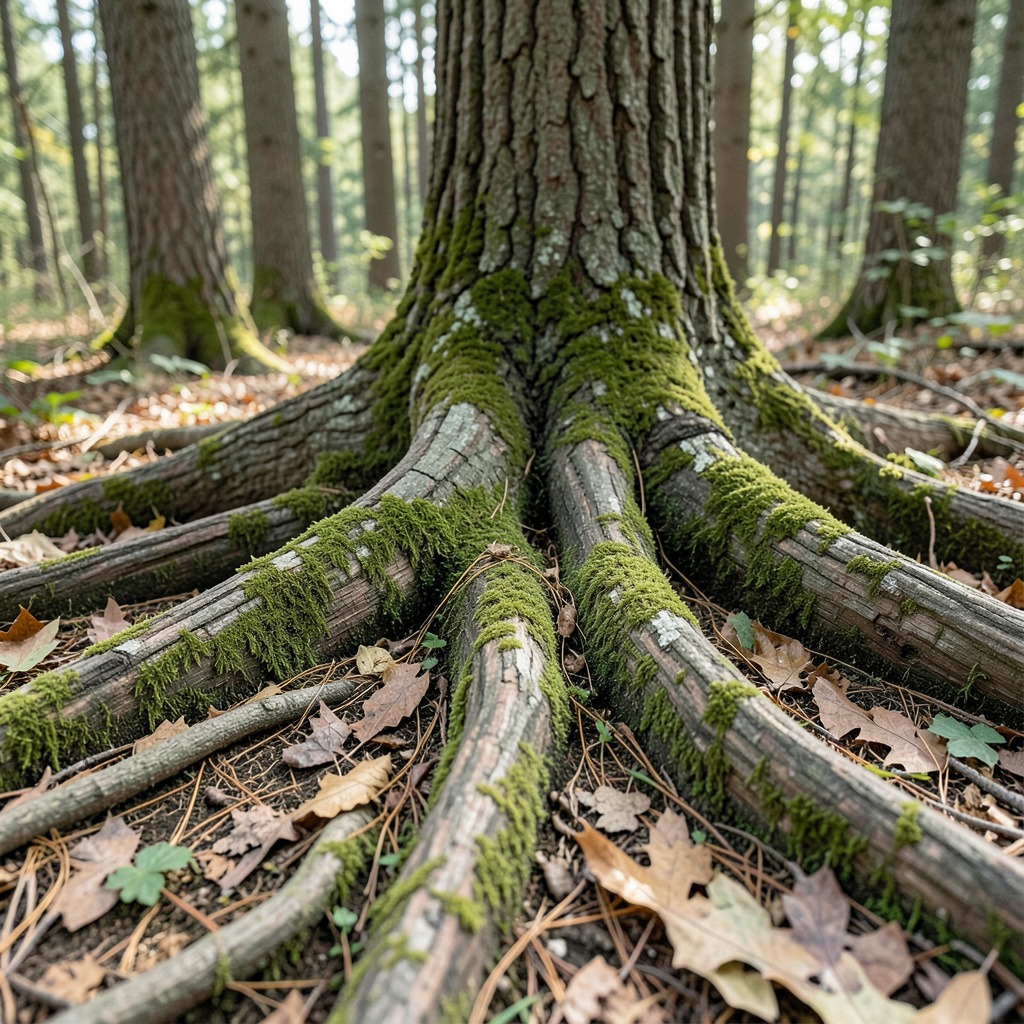
Bur Oak Root System Characteristics
The bur oak tree (Quercus macrocarpa) possesses a unique root system that is vital for its stability and overall health. Understanding the depth and spread of these roots informs best practices for planting and care.
The Depth and Spread of Bur Oak Roots
Bur oak roots exhibit a distinctive structure characterized by a deep taproot and extensive lateral roots. The taproot can reach depths of over 4.5 feet, anchoring the tree firmly in the ground. This deep rooting system allows the bur oak to access water and nutrients from deeper soil layers, enhancing its drought resistance.
Lateral roots, on the other hand, spread broadly and are generally found within the top 12 inches of soil. This horizontal development is crucial for nutrient absorption and stability.
- Taproot Depth: Typically over 4.5 feet.
- Lateral Root Spread: Can extend up to 25 feet in optimal conditions.
This combination of depth and spread makes the bur oak well-suited for various landscapes. However, it requires careful consideration during planting to avoid damaging nearby structures.
Understanding Taproot Functionality
The taproot serves multiple functions. It stabilizes the tree by anchoring it deep into the soil. This deep root development also enhances the tree’s ability to withstand drought conditions by reaching moisture reserves not accessible to shallower-rooted plants.
- Stability: Provides anchorage against winds and storms.
- Drought Resistance: Accesses deeper water sources, allowing the tree to thrive in dry periods.
Understanding the taproot’s role can guide decisions on where to plant bur oaks, ensuring they have adequate space to grow without interference from other plants or structures.
Impacts on Surrounding Structures
When planting bur oaks, their expansive root system can impact nearby structures. Although the deep taproot minimizes surface disruption, the lateral roots can still cause issues.
Consider the following:
- Sidewalks and Pavements: While less likely to lift sidewalks, roots can still penetrate through cracks.
- Water Lines: Bur oak roots may reach for moisture, potentially infiltrating underground pipes.
To mitigate these risks, ensure adequate spacing when planting. A distance of 40 feet from structures is recommended to minimize root interference and promote healthy growth.
Essential Care for Bur Oak Roots
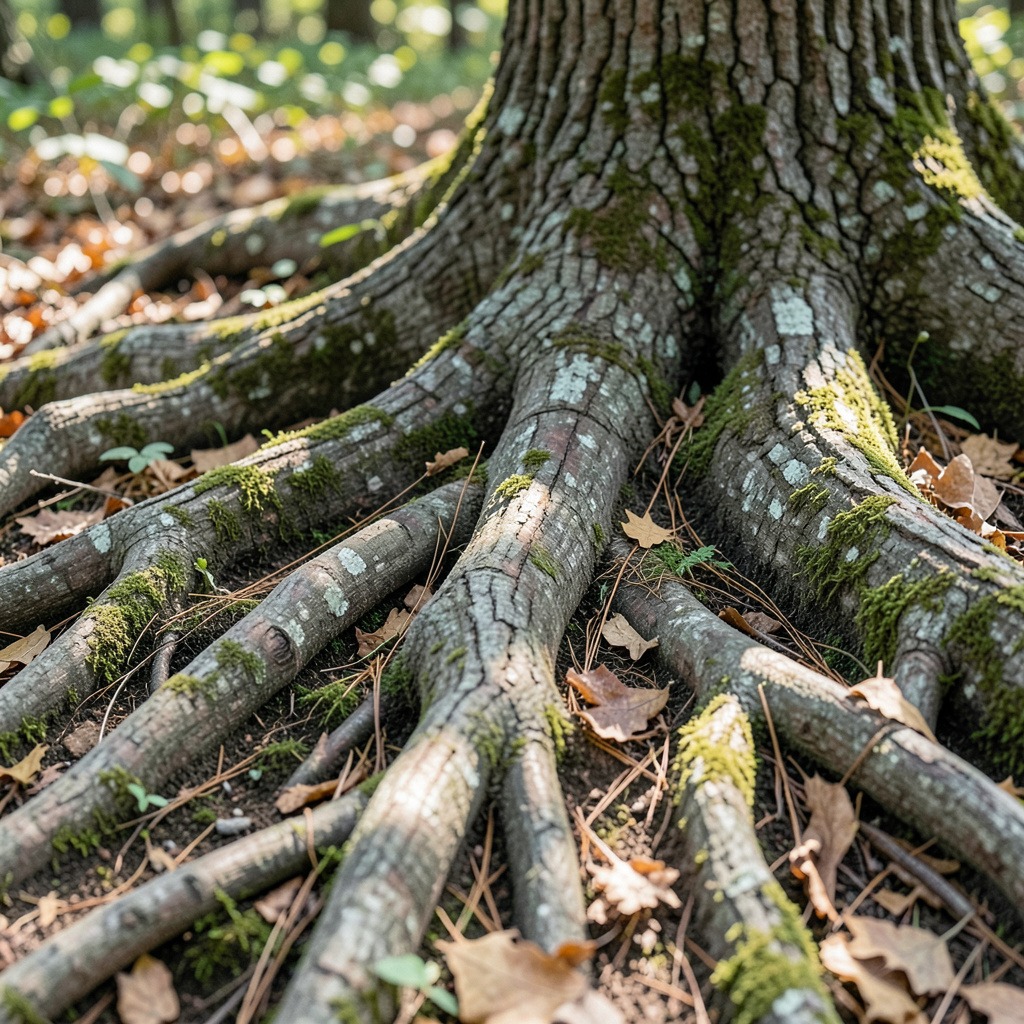
Maintaining the health of bur oak roots is crucial for the tree’s overall vitality. Proper soil conditions, adequate watering, and thoughtful pruning can significantly enhance root development and strength.
Optimal Soil Conditions for Growth
Bur oaks thrive in well-drained soil rich in organic matter. Here are the key soil characteristics to ensure optimal growth:
- pH Level: Aim for a pH between 6.0 and 7.5. This range supports nutrient availability.
- Drainage: Ensure the soil drains well. Avoid heavy clay soils that retain water.
- Organic Matter: Amend with compost or well-rotted manure to enhance soil fertility.
Watering and Nutrient Requirements
Watering is essential, especially during dry spells. Here’s how to manage it effectively:
- Watering Frequency: Deeply water young trees weekly during prolonged droughts. This encourages deep root growth.
- Nutrients: If the soil is nutrient-rich, additional fertilization is unnecessary. Use a slow-release fertilizer only if needed, applied in early spring.
- Common Mistakes: Avoid overwatering and high-nitrogen fertilizers, which can harm the tree.
Pruning Techniques for Root Health
Pruning helps maintain root and overall tree health. Follow these guidelines:
- Timing: Prune in late winter or early spring before new growth begins.
- Techniques: Remove dead or crossing branches. This encourages better air circulation and sunlight penetration.
- Root Pruning: If necessary, prune roots carefully when transplanting. This can stimulate new growth and help the tree establish in a new location.
Checklist for Optimal Care
Use this checklist to ensure the health of your bur oak roots:
- [ ] Check soil pH and amend if necessary.
- [ ] Water deeply during dry periods.
- [ ] Fertilize only if soil tests indicate a need.
- [ ] Prune in late winter or early spring.
- [ ] Monitor for pests and diseases regularly.
By following these care techniques, you can promote strong root development and ensure the long-term health of your bur oak tree.
Ecological Benefits of Bur Oaks
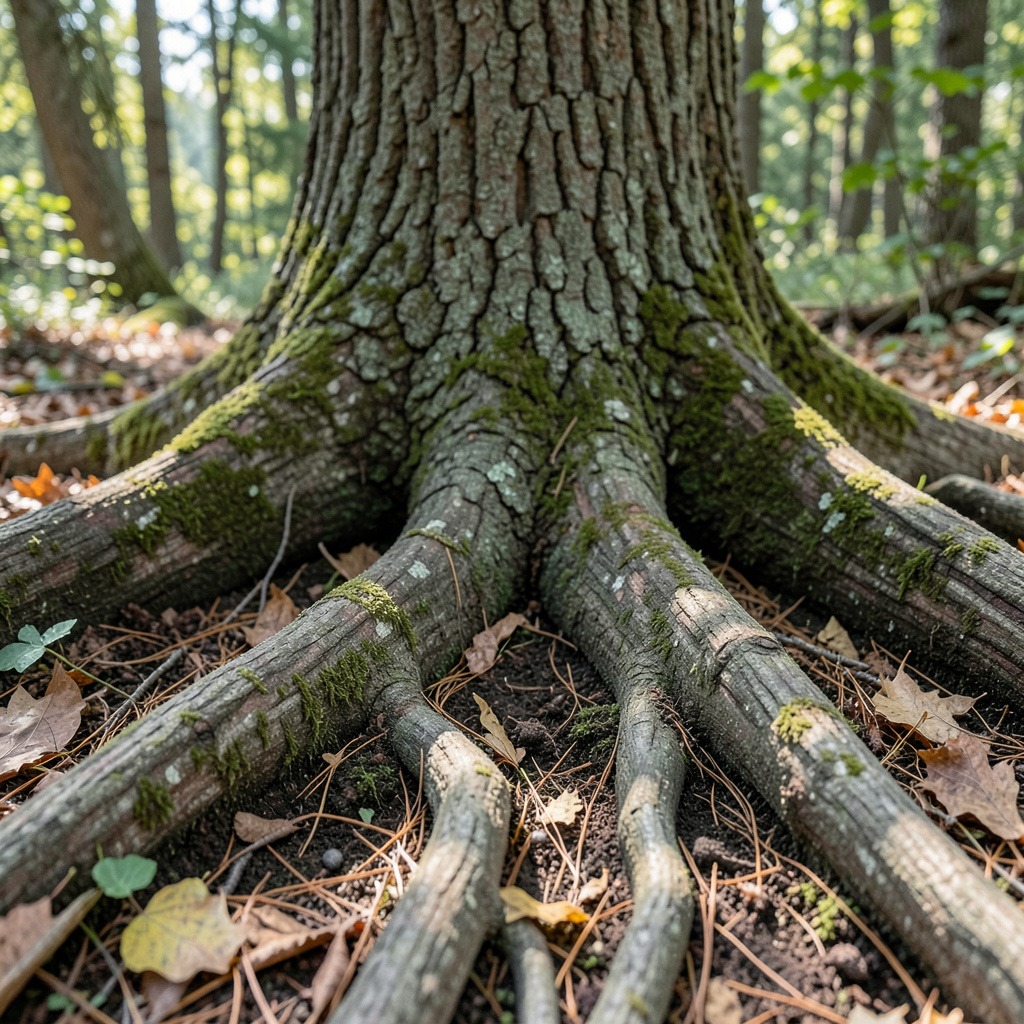
Bur oaks are vital to many ecosystems, providing numerous ecological benefits. Their roots play a key role in supporting wildlife, enhancing soil health, and contributing to carbon sequestration.
Habitat for Wildlife
Bur oaks create diverse habitats for various wildlife species. Their acorns are a primary food source for animals like deer, squirrels, and numerous bird species. The tree provides shelter and nesting sites for:
- Over 50 bird species, including songbirds and game birds.
- Mammals such as raccoons and opossums that utilize hollow trunks for denning.
- Insects, with bur oaks hosting over 500 species of caterpillars, which support insectivorous birds.
In a case study from a midwestern forest, researchers observed increased bird diversity in areas populated with bur oaks compared to regions with non-native species.
Contribution to Ecosystem Health
The deep and extensive root system of bur oaks contributes significantly to soil stabilization. Their roots help prevent erosion and enhance water infiltration. This promotes healthier soil and supports other plant life. Additionally, the organic matter from annual leaf drop enriches the soil, fostering mycorrhizal networks that benefit surrounding flora.
Bur oaks also moderate local climate conditions by providing shade and reducing temperature fluctuations, which is especially beneficial in urban settings. In a comparison of urban areas, neighborhoods with bur oaks reported improved air quality and reduced heat island effects.
Role in Carbon Sequestration
Bur oaks are effective at storing carbon, an essential function in combating climate change. A mature bur oak can sequester several tons of carbon over its lifetime. This capability is especially important in landscapes transitioning from agriculture to forest, where bur oaks can serve as a cornerstone species in carbon offset initiatives.
For instance, a reforestation project in the Great Plains focused on planting bur oaks demonstrated a significant increase in carbon storage over a span of five years, showcasing the tree’s role in sustainable land management.
By understanding these ecological benefits, one can appreciate the importance of bur oaks in maintaining healthy ecosystems and supporting biodiversity.
Common Issues with Bur Oak Roots
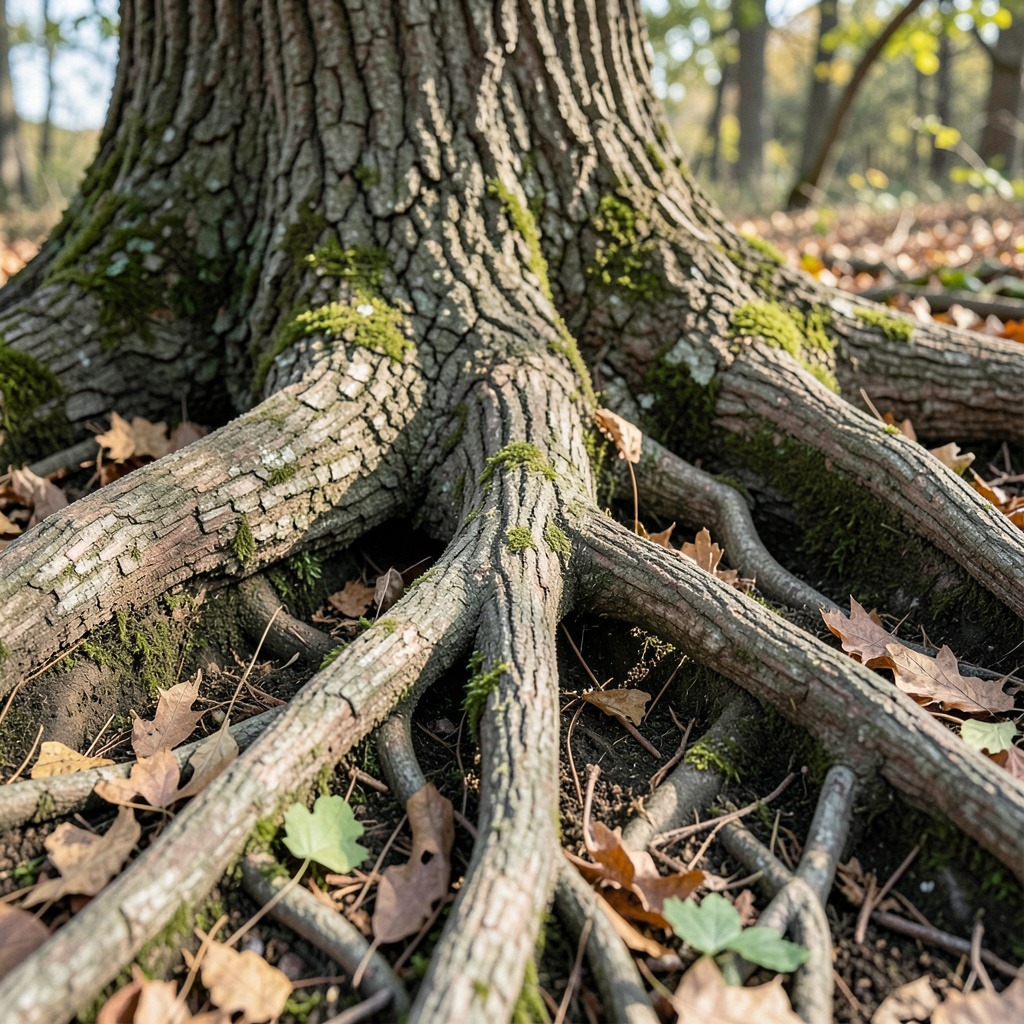
Bur oak trees, while robust, can face several issues related to their root systems. Recognizing these problems early can help maintain tree health and longevity.
Recognizing Root Diseases
Bur oaks are susceptible to a few root diseases that can compromise their stability and growth. Common diseases include:
- Oak Root Fungus: This can cause root rot, leading to tree decline.
- Phytophthora Root Rot: A water mold that thrives in poorly drained soils, it often results in wilting and yellowing leaves.
- Armillaria Root Rot: This fungal disease may be identified by a white mycelial fan under the bark and can lead to tree death.
Healthy roots are crucial for nutrient uptake and overall vitality. If you notice signs of decline, inspect the root zone for these diseases.
Preventative Measures
Preventing root diseases in bur oaks involves proper care and planting techniques:
- Soil Quality: Ensure well-drained, rich soil for optimal root health.
- Watering Practices: Avoid overwatering. Water deeply during droughts but allow soil to dry between watering sessions.
- Fertilization: Use slow-release fertilizers to support root growth without over-fertilizing, which can stress the roots.
Implementing these practices can significantly reduce the risk of root diseases.
When to Seek Professional Help
If you suspect your bur oak is suffering from root issues, consider these factors:
- Visible Decline: If your tree shows signs of wilting or leaf discoloration, act quickly.
- Root Inspection: If you are unsure about the health of the roots, a professional arborist can provide a thorough assessment.
- Persistent Problems: If you consistently struggle with root issues despite following best practices, professional advice may be necessary.
Seeking expert assistance can save your tree and enhance your landscape’s ecological benefits.
Comparing Bur Oak Roots with Other Oak Species
Bur oak roots have distinct characteristics that set them apart from those of other oak species. Understanding these differences can inform landscaping decisions and care techniques.
Root System Differences
Bur oaks (Quercus macrocarpa) feature a deep taproot. This root system allows them to access water and nutrients from deeper soil layers. In contrast, many other oak species, like red oaks (Quercus rubra), have shallower, more widespread root systems.
| Oak Species | Root System Depth | Root System Spread | Taproot Presence |
|---|---|---|---|
| Bur Oak | Deep (up to 10 ft) | Moderate to Wide | Yes |
| Red Oak | Shallow (3-5 ft) | Wide (30-40 ft) | No |
| White Oak | Moderate (6-8 ft) | Moderate (20-30 ft) | Limited |
| Live Oak | Shallow (4-6 ft) | Extensive (60+ ft) | No |
Growth Patterns and Implications
Bur oaks exhibit slow growth, averaging 1-2 feet per year. This slow maturation allows for a robust root system to develop, which supports the tree’s longevity—often exceeding 300 years. Other oak species, such as the pin oak (Quercus palustris), can grow faster but may not establish as strong a root system.
- Slow Growth: Bur oaks take longer to reach maturity but can thrive in diverse conditions.
- Rapid Growth: Species like red oaks grow faster, making them popular for quick shade but may require more frequent care.
Pros and Cons of Different Oak Species
When comparing oak species, consider the following:
- Bur Oak:
- Pros: Deep taproot, drought-resistant, supports diverse wildlife.
- Cons: Slow growth, requires ample space.
- Red Oak:
- Pros: Fast growth, vibrant fall color.
- Cons: Shallow roots, more prone to storm damage.
- White Oak:
- Pros: Strong wood, good wildlife habitat.
- Cons: Moderate growth; root competition may affect establishment.
- Live Oak:
- Pros: Extensive canopy, excellent shade.
- Cons: Shallow roots can lead to instability.
Understanding these comparisons helps in selecting the right oak species for specific environmental conditions and landscaping needs.
Alternatives to Bur Oaks for Landscaping
When considering landscaping options that can provide similar ecological benefits as the bur oak, it’s important to explore alternatives. These trees should match the bur oak’s strengths in terms of wildlife support and adaptability while taking into account space limitations.
Trees with Similar Ecological Benefits
1. Shumard Oak (Quercus shumardii)
- Pros: Fast growth, excellent wildlife habitat, vibrant fall colors.
- Cons: Requires more moisture than bur oaks.
2. Northern Red Oak (Quercus rubra)
- Pros: Strong wood, supports various wildlife species.
- Cons: Shallow root system may lead to instability.
3. White Oak (Quercus alba)
- Pros: Long lifespan, good acorn production.
- Cons: Moderate growth rate; sensitive to root competition.
Space-Conscious Alternatives
1. Serviceberry (Amelanchier spp.)
- Pros: Small stature, edible berries attract wildlife.
- Cons: Limited shade; shorter lifespan than oaks.
2. Red Maple (Acer rubrum)
- Pros: Fast growth, adaptable to various soil types.
- Cons: Can be messy due to falling seeds and leaves.
3. American Hornbeam (Carpinus caroliniana)
- Pros: Tolerates shade, great for smaller spaces.
- Cons: Slower growth compared to oaks.
Pros and Cons of Alternatives
| Tree Species | Pros | Cons |
|---|---|---|
| Shumard Oak | Fast growth, wildlife habitat | High moisture requirement |
| Northern Red Oak | Strong wood, wildlife support | Shallow root system |
| White Oak | Long lifespan, good acorns | Moderate growth rate |
| Serviceberry | Small size, edible berries | Limited shade |
| Red Maple | Fast-growing, adaptable | Messy during seed drop |
| American Hornbeam | Shade tolerant, space-efficient | Slower growth |
Selecting the right alternative tree depends on your specific landscaping needs, growth conditions, and available space. Consider factors like soil type, moisture levels, and desired wildlife interactions when making your choice.
Frequently Asked Questions
These quick answers cover the most common questions about this topic, including key details, practical tips, and common concerns.
Do bur oaks have invasive roots?
Bur oak roots are not typically classified as invasive, but their extensive lateral roots can cause issues if planted too close to structures. While the deep taproot provides stability, the lateral roots can spread up to 25 feet, potentially impacting sidewalks, foundations, and underground utilities. It’s essential to consider spacing when planting to avoid future complications.
How far away from a house should a bur oak tree be planted?
To minimize the risk of root interference, bur oaks should be planted at least 40 feet away from any structures. This distance allows the tree to grow without damaging foundations or other installations. Proper spacing also ensures that the tree has enough room to develop its extensive root system and canopy.
Are oak tree roots aggressive?
Oak tree roots, including those of bur oaks, can be considered aggressive due to their expansive growth. While the deep taproot helps anchor the tree, the lateral roots can extend significantly, seeking moisture and nutrients. This growth can lead to issues with nearby plants and structures if not properly managed.
What are the downsides of a bur oak tree?
While bur oaks offer many benefits, there are some downsides. They grow slowly, taking several years to reach maturity, which may not provide immediate shade or aesthetic value. Additionally, their large size requires ample space, which can be a limitation in smaller landscapes. Lastly, they can be susceptible to certain diseases like oak root fungus if not properly cared for.
Will a 14ft Bur Oak tree with pruned roots be successful?
A 14-foot bur oak tree with pruned roots can be successful if transplanted correctly. Pruning roots encourages new growth, but it’s crucial to ensure that the tree is well-watered and planted in favorable soil conditions. Monitor the tree closely for signs of stress, such as wilting or leaf discoloration, especially during the initial establishment period.
How can I prevent diseases in bur oak trees?
Preventing diseases in bur oak trees involves several key practices. Ensure they are planted in well-drained soil to avoid waterlogging, which can lead to root rot. Regularly inspect the tree for signs of disease, such as wilting or discoloration. Additionally, maintain proper watering and avoid over-fertilization to keep the roots healthy.
What wildlife benefits from bur oak trees?
Bur oak trees provide significant benefits to wildlife. Their acorns serve as a vital food source for various animals, including deer, squirrels, and numerous bird species. The tree’s structure also offers nesting and shelter opportunities for birds and small mammals, contributing to local biodiversity and ecosystem health.
What soil conditions are best for bur oaks?
Bur oaks thrive in well-drained soil rich in organic matter. Aim for a pH level between 6.0 and 7.5 to optimize nutrient availability. Avoid heavy clay soils that retain water, as they can lead to root diseases. Amending the soil with compost can enhance fertility and support healthy root development.