
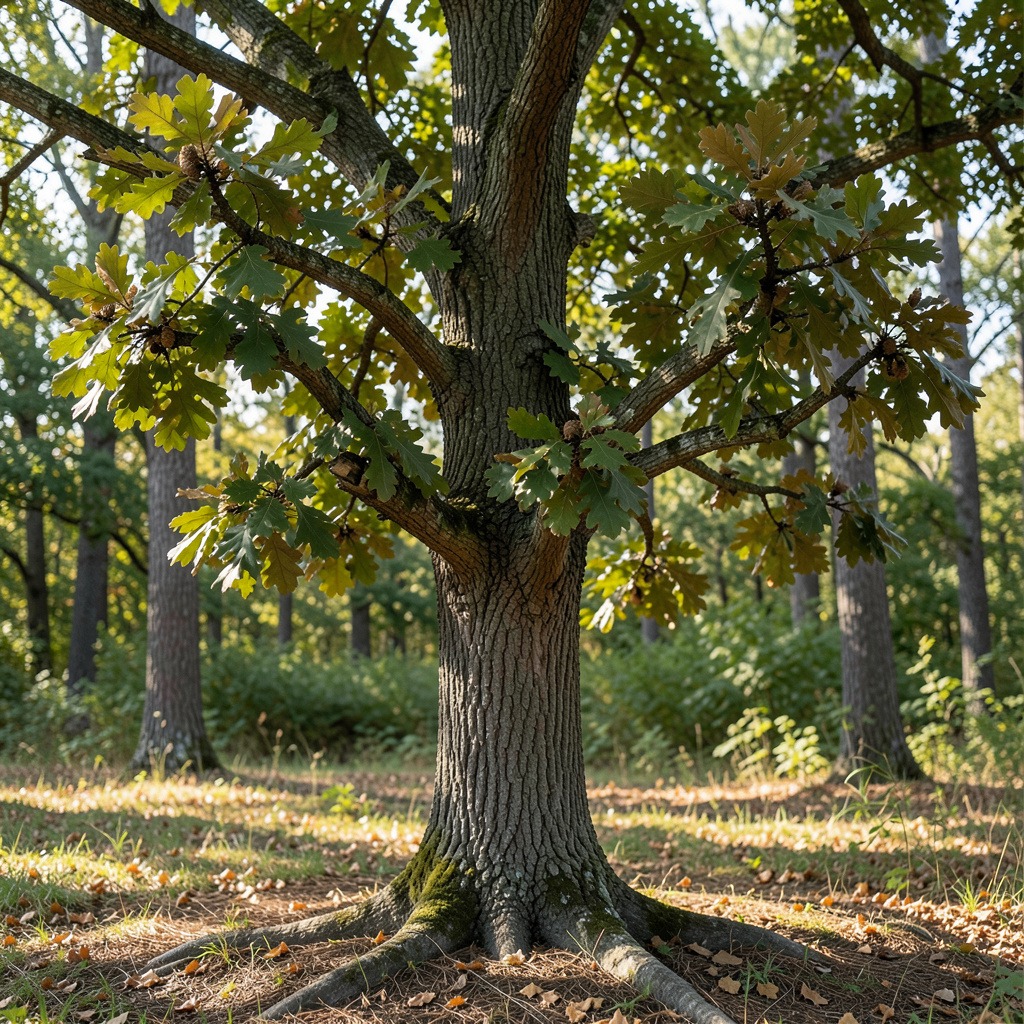
Bur oaks, or Quercus macrocarpa, typically reach heights of 50 to 100 feet and can have trunk diameters exceeding 3 feet.
Table of Contents
Bur oaks are among the largest oak trees in North America, known for their impressive size and longevity. This guide explores the growth characteristics, ecological value, and care requirements of bur oaks to help you appreciate their significance.
Growth Characteristics of Bur Oak
Bur oaks (Quercus macrocarpa) are renowned for their size and durability. Understanding their growth characteristics is essential for optimal planting and care.
Height at Maturity
Bur oaks typically reach a mature height of 50 to 80 feet, with some exceptional specimens growing up to 100 to 150 feet under ideal conditions. Their growth is notably influenced by factors such as soil type, moisture availability, and sunlight.
- Ideal Conditions: Full sun and well-drained, loamy soil promote maximum growth.
- Typical Growth Rate: In the first decade, bur oaks can grow 1 to 2 feet annually, reaching around 15 to 20 feet by age ten. From ages ten to thirty, growth may accelerate to 3 to 4 feet per year, potentially achieving heights of 60 to 80 feet by age thirty.
Trunk Diameter and Growth Rate
The trunk diameter of a mature bur oak can range from 3 to 4 feet. This substantial girth is a defining characteristic of the species.
- Growth Rate Insights: Bur oaks grow slowly compared to other oak species. While some oaks may thrive with rapid increments, bur oaks require patience. Their growth rate can be affected by:
- Soil compaction
- Competition from nearby vegetation
- Nutrient availability
Age-Related Size Characteristics
Bur oaks exhibit distinct changes in size throughout their lifespan.
- Early Growth: During the first few years, growth is relatively fast, establishing a robust root system.
- Mature Size: After reaching maturity, growth rates taper off significantly. A bur oak’s impressive size is achieved over many decades, often taking 50 to 100 years to fully mature.
| Age Range | Height (Feet) | Trunk Diameter (Feet) | Growth Rate (Feet/Year) |
|---|---|---|---|
| 0-10 years | 15-20 | 0.5-1 | 1-2 |
| 10-30 years | 60-80 | 1-2 | 3-4 |
| 30+ years | 80-150 | 3-4 | 1-2 |
This table illustrates the expected growth trajectory of bur oaks, highlighting their slow maturation compared to other oak species.
Understanding these growth characteristics will enhance your ability to cultivate and appreciate bur oaks in various environments.
Ecological Importance of Bur Oak
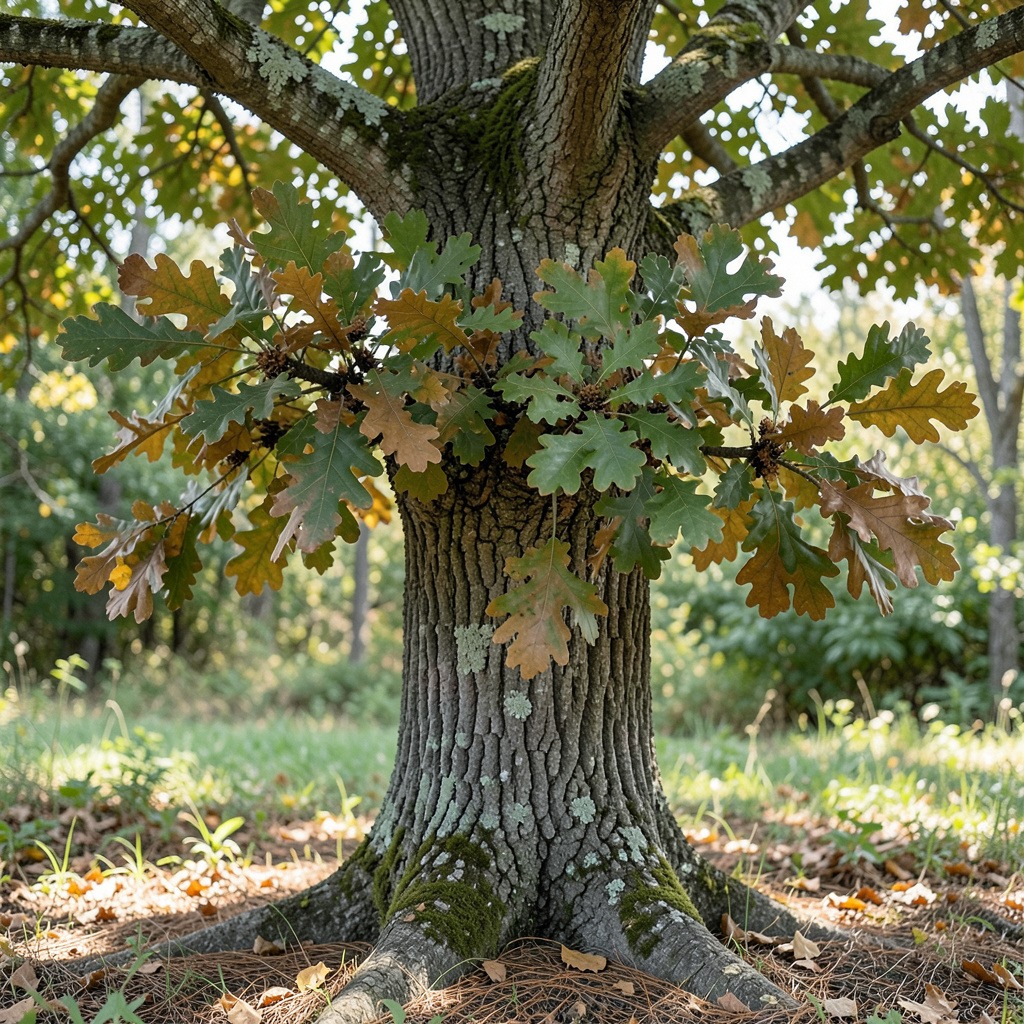
Bur oaks play a vital role in their ecosystems, providing essential resources for wildlife. Their size and characteristics significantly contribute to biodiversity in North American habitats.
Wildlife Value
Bur oaks support a diverse array of wildlife. Their large acorns are a primary food source for over 50 species of birds and mammals, including:
- Wild Turkeys
- Wood Ducks
- Blue Jays
- Squirrels
- Deer
The substantial canopy of a mature bur oak offers nesting sites and shelter for many species, from songbirds to raptors. This makes the bur oak a keystone species in its ecosystem, supporting both flora and fauna.
Acorn Production
Bur oaks produce acorns that are notably large and nutrient-rich. Acorns mature over two years, with the first-year crop falling as small green acorns that typically go uneaten. In the second year, the crop yields larger brown acorns that wildlife eagerly consume. This cycle not only sustains animal populations but also aids in the dispersal of the tree species itself.
Drought Resistance
Bur oaks exhibit remarkable drought resistance due to their deep root systems. This allows them to access moisture from deeper soil layers, making them viable in challenging environments. Their ability to thrive in varying conditions enhances their role as a foundational species in oak savannas and prairies.
Case Study Insight
Consider the urban planting of bur oaks in cities like Chicago. These trees not only provide shade and aesthetic value but also create habitats for local wildlife. In one instance, a bur oak grove established in a park significantly increased bird diversity, showcasing how urban environments can benefit from their ecological contributions.
When selecting trees for planting, consider the bur oak’s slow growth and its long-term ecological benefits. They are ideal for spaces where wildlife interaction is desired, making them a valuable addition to any landscape.
Planting and Care for Bur Oak
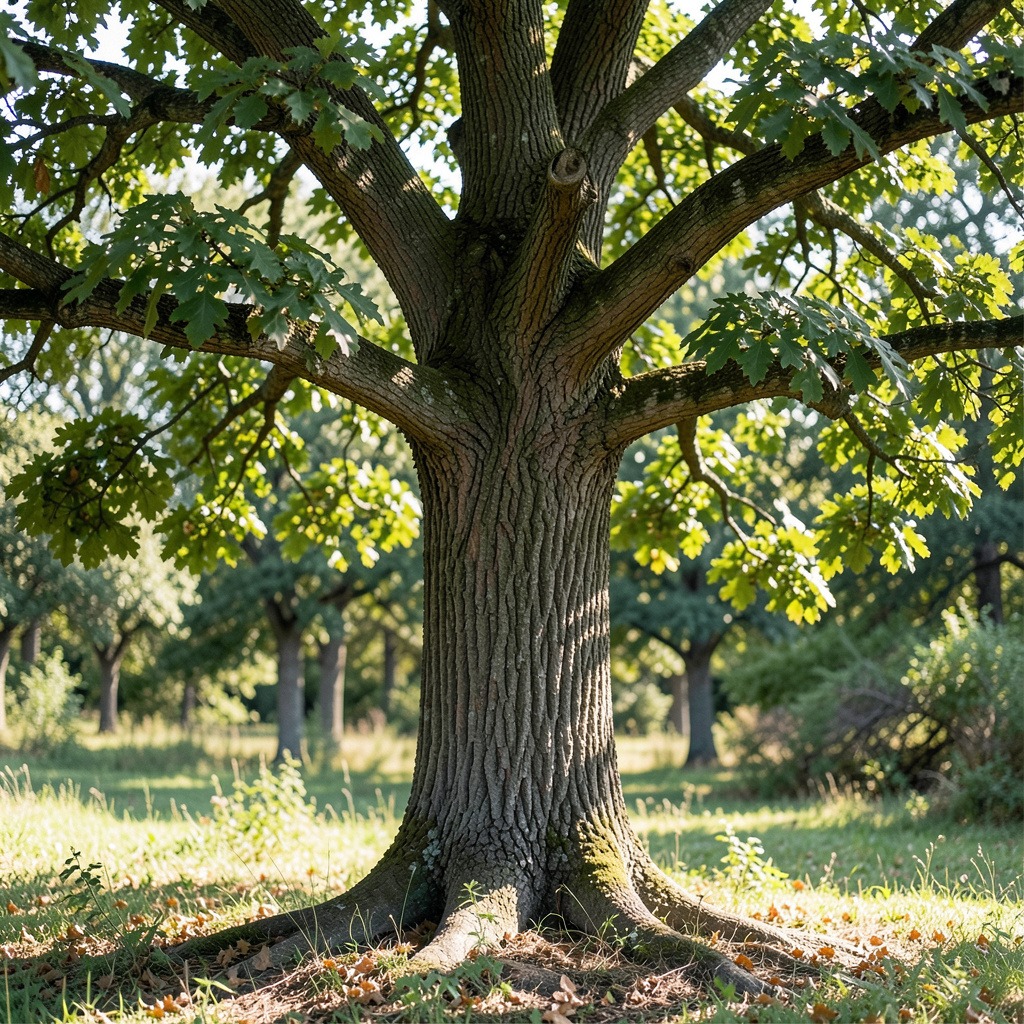
Planting bur oak trees requires careful attention to soil conditions, spacing, and maintenance to ensure their healthy growth. These steps will help you establish a thriving bur oak that can reach its impressive size over time.
Best Soil Conditions for Planting
Bur oak thrives in deep, rich soils. Here are the key soil conditions to consider:
- Soil Type: Preferably loamy or sandy soils with good drainage.
- pH Level: Aim for a pH between 6.0 to 7.5 for optimal nutrient availability.
- Moisture: Ensure the location has adequate moisture, especially during the establishment phase.
Spacing Recommendations
Proper spacing is crucial for bur oak trees to reach their full potential. Follow these guidelines:
- Distance: Space bur oaks at least 40 feet apart to accommodate their extensive root systems and canopy spread.
- Location: Choose an area with full sun exposure, as bur oaks do not perform well in shaded conditions.
Maintenance Tips
Ongoing care is essential to support the growth and health of your bur oak. Consider the following maintenance practices:
- Watering: Water deeply during dry spells, particularly in the first few years after planting.
- Fertilization: Apply a slow-release fertilizer in early spring, following package instructions.
- Pruning: Conduct any necessary pruning in late winter or early spring to promote healthy growth.
Checklist for New Bur Oak Planters
Here’s a step-by-step checklist to guide you through the planting process:
1. Select Location: Choose a site with full sun and rich, well-drained soil.
2. Prepare Soil: Amend soil with compost if needed to improve fertility.
3. Dig Hole: Create a hole twice the width of the root ball and deep enough to accommodate the roots.
4. Plant Tree: Position the tree in the center of the hole and backfill with soil.
5. Water: Water the tree thoroughly after planting.
6. Mulch: Add mulch around the base to retain moisture and suppress weeds.
7. Monitor: Check regularly for pests, disease, or signs of stress.
8. Adjust Care: Modify watering and fertilization based on the tree’s growth and environmental conditions.
By following these guidelines, you can successfully plant and care for bur oak trees, allowing them to grow into magnificent specimens that provide ecological benefits and aesthetic value to your landscape.
Challenges and Considerations for Bur Oak Planting
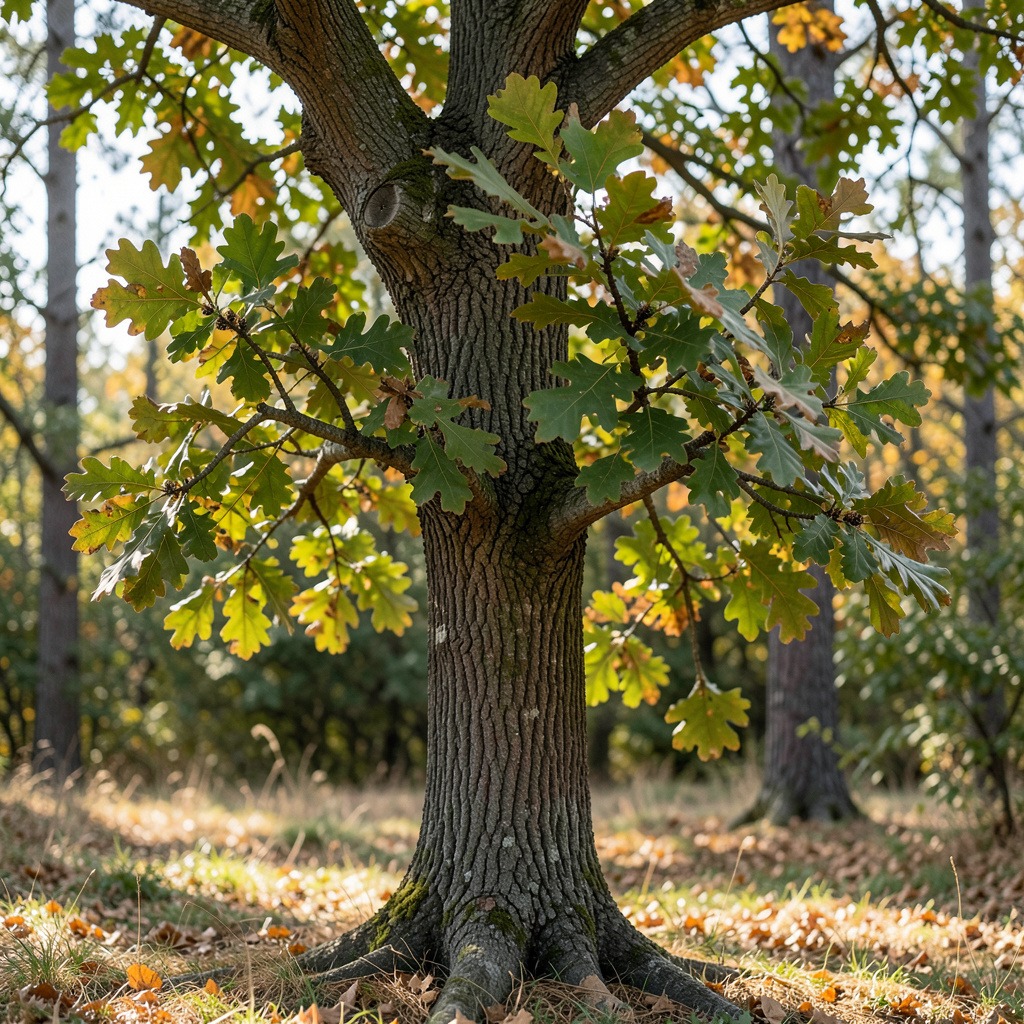
Bur oak trees, while impressive in size and ecological value, face challenges that can affect their growth and health. Understanding these issues is crucial for successful planting and long-term care.
Common Pests and Diseases
Bur oaks are susceptible to various pests and diseases that can hinder their growth. Key concerns include:
- Bacterial Leaf Scorch: Affects leaf health and can lead to premature leaf drop.
- Oak Wilt: A serious fungal disease that can kill trees rapidly. It spreads through root grafts.
- Gypsy Moth: This insect defoliates trees, weakening them and making them vulnerable to diseases.
Management Strategies
- Regular Monitoring: Inspect trees for signs of pests or disease.
- Cultural Practices: Maintain soil health and proper watering to reduce stress.
- Chemical Treatments: Use fungicides or insecticides as necessary, following expert guidelines.
Environmental Stressors
Bur oaks require specific conditions to thrive. Environmental stressors can impact their growth rate and overall size.
- Soil Quality: Poorly drained or compacted soil can stunt growth. Ideal soil is deep and rich.
- Water Availability: Drought conditions can severely limit annual height growth, typically around 1-2 feet per year under optimal conditions.
- Light Requirements: Bur oaks prefer full sun. Shading from faster-growing species can impede their growth.
Long-Term Care Considerations
To maximize the growth potential of bur oak trees, consider the following:
- Spacing: Plant bur oaks at least 40 feet apart to allow for their large crown spread (40-60 feet).
- Patience: Recognize that achieving full size (50-80 feet in height) takes decades. Quick fixes often do not yield lasting results.
- Companion Planting: Consider planting faster-growing species nearby initially to provide shade until the bur oak establishes.
By addressing these challenges proactively, you can foster a thriving bur oak that contributes to your landscape’s ecological health.
Comparing Bur Oak to Other Oak Species
Bur oak (Quercus macrocarpa) stands out among oak species due to its impressive size and unique growth characteristics. Understanding how it compares to other popular oaks can help in selecting the right tree for your landscape.
Similarities with Other Oak Species
- Growth Form: Like many oaks, bur oak has a sturdy trunk and a broad crown. It shares this characteristic with species such as white oak (Quercus alba) and red oak (Quercus rubra).
- Deciduous Nature: All oaks are deciduous, shedding their leaves in the fall, which provides seasonal interest. Bur oak’s acorns also serve as a food source for various wildlife, similar to other oak species.
Key Differences
| Oak Species | Mature Height | Crown Spread | Growth Rate | Adaptability |
|---|---|---|---|---|
| Bur Oak | 50-80 ft | 40-60 ft | Moderate; 2-3 ft/year | Full sun, drought-tolerant |
| White Oak | 50-80 ft | 50-80 ft | Moderate; 1-2 ft/year | Prefers well-drained soil |
| Red Oak | 60-75 ft | 40-50 ft | Fast; 2-3 ft/year | Tolerates a range of soils |
| Pin Oak | 60-70 ft | 25-40 ft | Fast; 2-3 ft/year | Prefers moist, acidic soils |
- Height and Spread: Bur oak can reach heights of 50-80 feet, comparable to white and red oaks. However, its crown spread can be broader, making it ideal for larger landscapes.
- Growth Rate: Bur oak is considered moderate in growth, especially in its early years, often gaining 1-2 feet annually. In contrast, red oak can grow faster, averaging 2-3 feet per year under optimal conditions.
- Drought Tolerance: Bur oak exhibits superior drought resistance compared to many other oaks. This makes it a practical choice for urban areas or regions with limited water availability.
Choosing the Right Oak for Your Landscape
When selecting an oak, consider the following factors:
- Space Availability: Ensure adequate space for mature trunk diameter and crown spread. Bur oak requires more room than pin oak.
- Soil Conditions: Match the oak species to your soil type. Bur oak thrives in various soils but prefers well-drained sites.
- Growth Rate Preference: If immediate shade is desired, opt for faster-growing species like red or pin oak. For long-term stability and wildlife value, bur oak is an excellent choice.
By understanding these comparisons, you can make informed decisions that enhance your landscape while appreciating the unique size and growth traits of bur oak.
Frequently Asked Questions
These quick answers cover the most common questions about this topic, including key details, practical tips, and common concerns.
How tall is a 20 year old bur oak?
A 20-year-old bur oak typically reaches a height of about 30 to 50 feet. Growth rates can vary based on environmental conditions, but under optimal circumstances, they can grow 2 to 3 feet per year during their earlier years. By this age, they have established a robust root system and are well on their way to reaching their mature height.
Is a bur oak a fast growing tree?
Bur oaks are not considered fast-growing trees. They have a moderate growth rate, usually gaining 1 to 2 feet per year in their early years and 2 to 3 feet during their second decade. While they grow steadily, they take several decades to reach their full height of 50 to 80 feet, especially compared to faster-growing oak species like red oak.
What are the downsides of a bur oak tree?
Some downsides of bur oaks include their slow growth rate, which can be frustrating for those seeking quick shade. They can also be susceptible to pests and diseases, such as oak wilt and gypsy moths, which may require management. Additionally, their large size necessitates ample planting space, making them unsuitable for small yards or urban settings.
How far away from a house should a bur oak tree be planted?
Bur oaks should be planted at least 40 feet away from a house or other structures. This distance accommodates their broad canopy spread and extensive root system, preventing potential damage to foundations and ensuring the tree has enough space to grow without interference.
What soil conditions are best for bur oak?
Bur oaks thrive in well-drained, loamy or sandy soils with a pH between 6.0 and 7.5. They prefer deep, rich soils that retain moisture but do not become waterlogged. Ensuring adequate drainage is crucial for their health, as overly saturated soil can stunt growth and lead to root rot.
How do I identify a bur oak tree?
To identify a bur oak, look for its distinctive lobed leaves, which are dark green and have rounded lobes. The bark is thick and deeply furrowed, often with a grayish-brown color. Additionally, bur oaks produce large acorns with a characteristic fringed cap, making them stand out among other oak species.
What wildlife benefits from bur oak trees?
Bur oak trees are highly beneficial to wildlife. Their large acorns serve as a primary food source for various birds and mammals, including deer, squirrels, and wild turkeys. The tree’s substantial canopy also provides nesting sites and shelter for numerous species, enhancing biodiversity in its habitat.
How long does a bur oak typically live?
Bur oaks are known for their longevity and can live for over 200 years. With proper care and suitable growing conditions, these trees can thrive for generations, making them a valuable addition to landscapes for both ecological and aesthetic purposes.