
The bur oak tree (Quercus macrocarpa) is a long-lived, drought-resistant native oak known for its massive acorns and adaptability to various soil types, making it a valuable addition to landscapes in North America.
Table of Contents
The bur oak tree, scientifically known as Quercus macrocarpa, is a remarkable native species recognized for its strength and ecological benefits. This guide covers essential aspects of bur oak care, characteristics, and its vital role in the ecosystem.
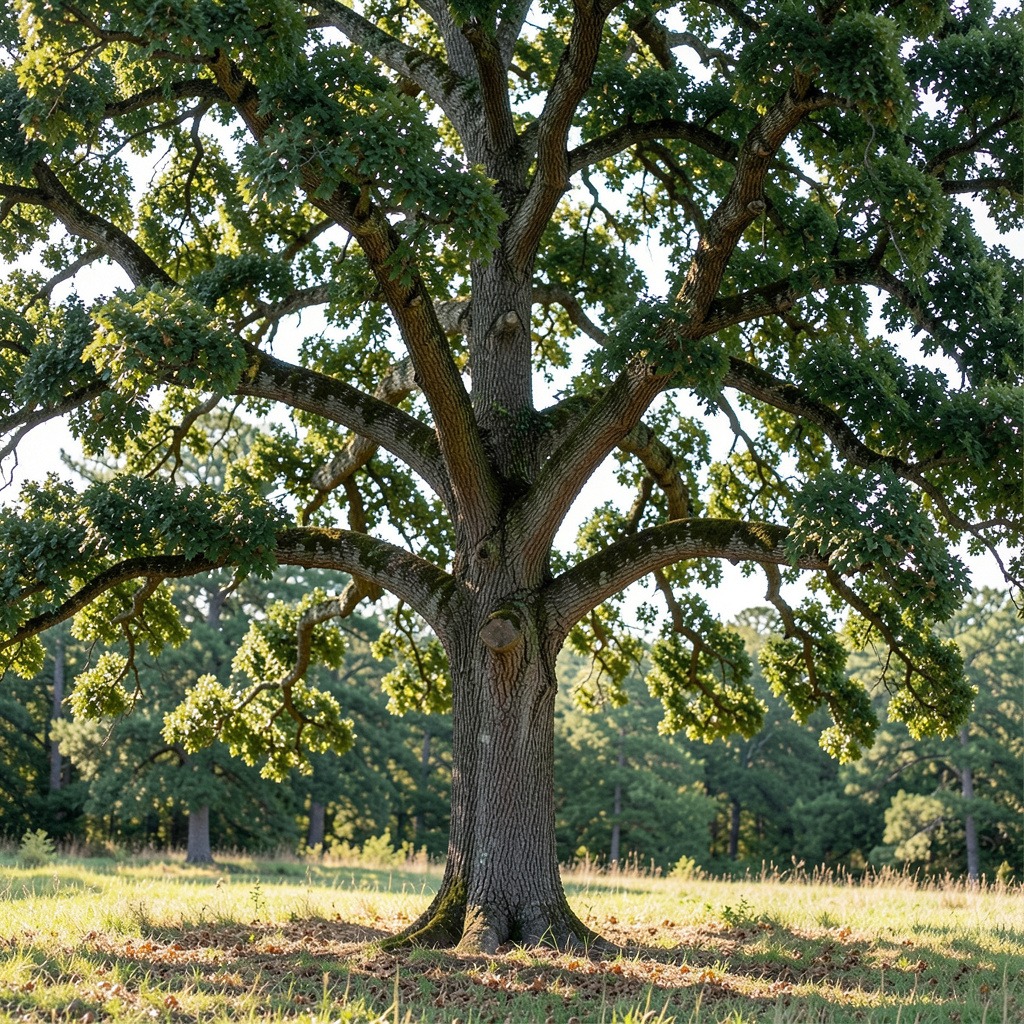
Overview of the Bur Oak Tree
The bur oak tree, scientifically classified as Quercus macrocarpa, is a prominent native species across North America. Known for its resilience and ecological importance, it thrives in a variety of environments.
Characteristics of the Bur Oak
Bur oaks are distinguished by their large size and unique features:
- Height: They can grow up to 80 feet tall.
- Trunk Diameter: Typically, their trunk measures 3-4 feet across.
- Crown Spread: The canopy can extend 40-60 feet wide.
- Leaves: The leaves are large, thick, and possess deep lobes, measuring 6-12 inches long. They exhibit a hairy underside and turn yellow or brown in the fall.
- Acorns: Producing some of the largest acorns among North American oak species, they measure about an inch long and have a notably thick, woody shell.
Ecological Significance
Bur oaks play a crucial role in their ecosystems. Their large acorns serve as a vital food source for various wildlife, including deer, squirrels, and numerous bird species. Historically, bur oaks have shaped North American landscapes, particularly in tallgrass prairies and oak savannas.
Adaptability and Growth Conditions
Bur oaks exhibit remarkable adaptability to diverse growth conditions:
- Soil Types: They thrive in deep, rich soils but can tolerate rocky and dry environments.
- Climate: Well-suited for the continental climate, they endure humid summers and frigid winters, making them one of the most cold-tolerant oak species.
- Growth Rate: Bur oaks are slow-growing, taking about 35 years to produce viable acorns.
These characteristics underline the bur oak’s significance as a keystone species in its native habitat, providing both ecological benefits and aesthetic value in both urban and rural settings.
Identification Features of Bur Oak
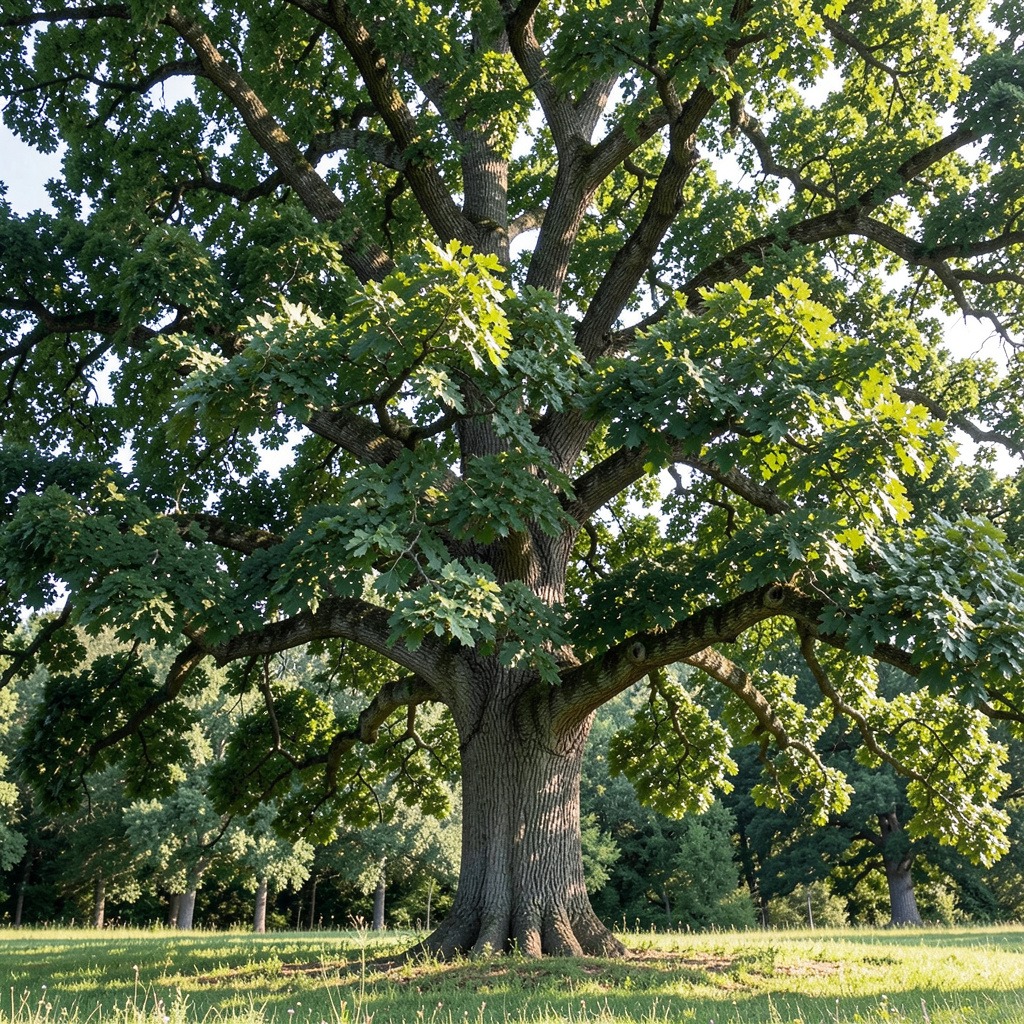
Recognizing the bur oak (Quercus macrocarpa) involves understanding its distinct physical characteristics. This tree is easily identifiable by its unique leaves, bark, and acorns, which set it apart from similar oak species.
Recognizing Bur Oak Leaves
Bur oak leaves are large and lobed, measuring between 5 to 9 inches long. The leaf shape is distinctive, featuring rounded lobes that typically have deep sinuses. The upper surface is dark green and glossy, while the underside is a lighter shade with fine hairs.
- Key Features:
- Size: 5 to 9 inches long
- Lobes: Rounded with deep sinuses
- Color: Dark green on top, lighter underneath
When distinguishing bur oak leaves from other oaks, note that the leaves of white oaks have more rounded lobes, while those of red oaks tend to be pointed.
Distinct Bark Characteristics
The bark of the bur oak is another distinguishing feature. Mature trees exhibit deeply furrowed bark with thick, irregular ridges, giving it a corky appearance. This bark can range in color from light gray to brown, often with an ashy look.
- Bark Features:
- Texture: Deeply furrowed with thick ridges
- Color: Light gray to brown
- Thickness: Can be 2 to 4 inches thick
This thick bark not only serves as a protective layer but also provides fire resistance, a trait that allows bur oaks to thrive in environments prone to wildfires.
Identifying Acorns
Bur oak acorns are the largest among North American oaks, typically measuring about 1 inch in length. These acorns have a thick, woody shell and a distinctive, fringed cup that resembles a mossy cap.
- Acorn Features:
- Size: Approximately 1 inch long
- Shell: Thick and woody
- Cap: Deeply fringed, resembling moss
When identifying bur oak acorns, compare them to acorns from other species. For example, red oak acorns are smaller and have a smoother cap, while white oak acorns have a more rounded shape.
Visual Comparison Chart
| Feature | Bur Oak (Quercus macrocarpa) | White Oak (Quercus alba) | Red Oak (Quercus rubra) |
|---|---|---|---|
| Leaf Shape | Rounded lobes with deep sinuses | Rounded lobes | Pointed lobes |
| Bark | Deeply furrowed, corky | Light gray, smooth | Dark, smooth |
| Acorn Size | 1 inch, thick shell | 0.5-1 inch, smooth shell | 0.5-1 inch, smooth shell |
Understanding these identification features allows for accurate recognition of the bur oak, enhancing both ecological appreciation and effective planting practices.
Growing Conditions for Bur Oak
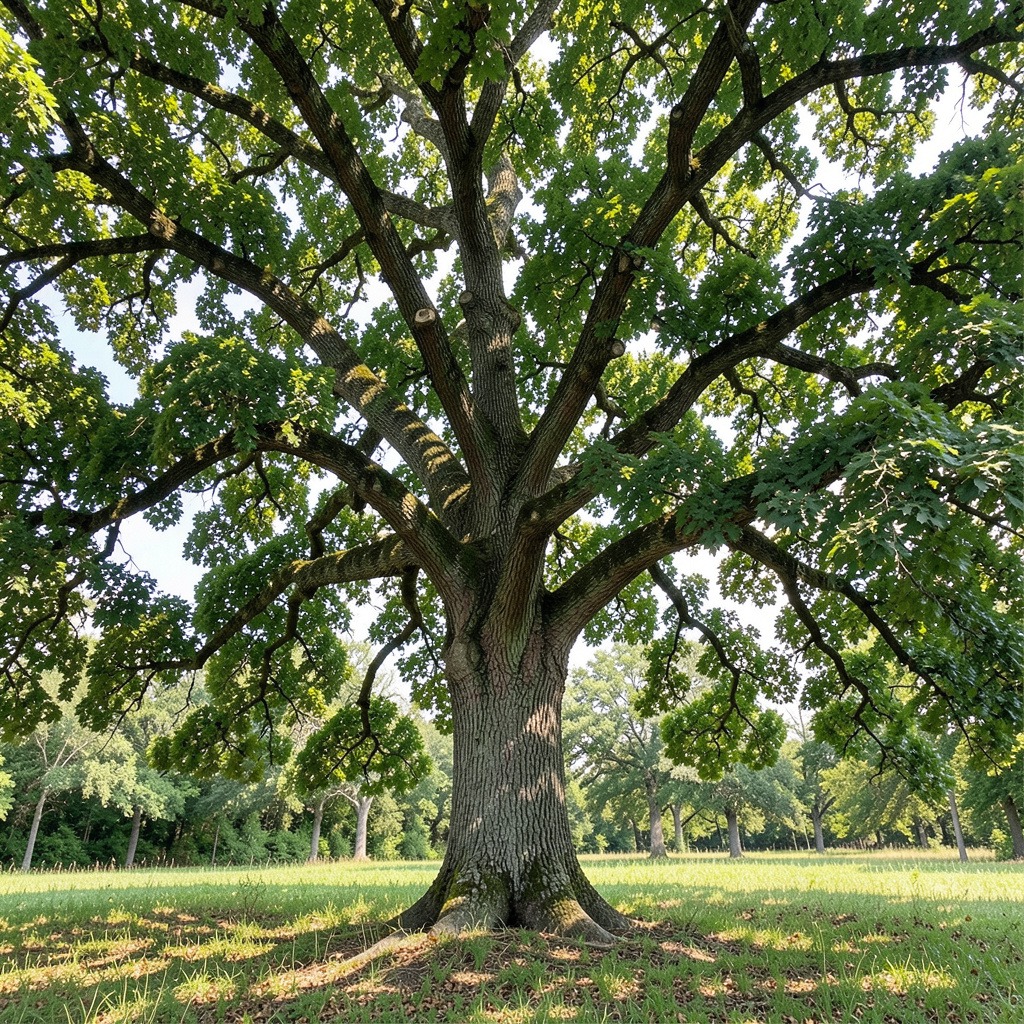
Understanding the optimal growing conditions for the bur oak (Quercus macrocarpa) is essential for successful cultivation. This tree thrives in specific soil types, light conditions, and watering schedules, making it a resilient choice for various landscapes.
Ideal Soil Types for Bur Oak
Bur oaks prefer deep, rich soils that are well-drained. They excel in loamy or sandy soils but can adapt to clay if drainage is adequate. Here are key characteristics of suitable soil types:
- Well-Drained: Essential to prevent root rot.
- pH Level: Thrives in slightly acidic to neutral pH (6.0 to 7.5).
- Nutrient-Rich: Amending soil with compost can enhance fertility.
Watering and Light Requirements
Proper watering and light exposure are critical to the health of the bur oak.
- Light: Requires full sun for optimal growth. Mature bur oaks need at least six hours of direct sunlight daily. They may tolerate light shade when young, but full sun is non-negotiable for strong development.
- Watering: Establish a deep watering routine, especially during dry spells. Newly planted trees need consistent moisture during their first growing season. Once established, bur oaks are drought-tolerant but benefit from occasional watering during prolonged dry periods.
Climate Adaptability
Bur oaks are native to North America and demonstrate remarkable adaptability to various climates. They thrive in USDA hardiness zones 3 to 8, making them suitable for a wide range of environments.
- Temperature Tolerance: Can withstand temperatures as low as -40°F (-40°C) and as high as 100°F (37.8°C).
- Weather Resilience: Bur oaks are well-adapted to withstand drought and are capable of surviving in areas with occasional flooding.
In summary, choosing the right soil, ensuring adequate light, and managing watering practices are crucial for the successful cultivation of bur oak trees. This knowledge helps create a thriving environment for these majestic trees.
Care and Maintenance of Bur Oak Trees
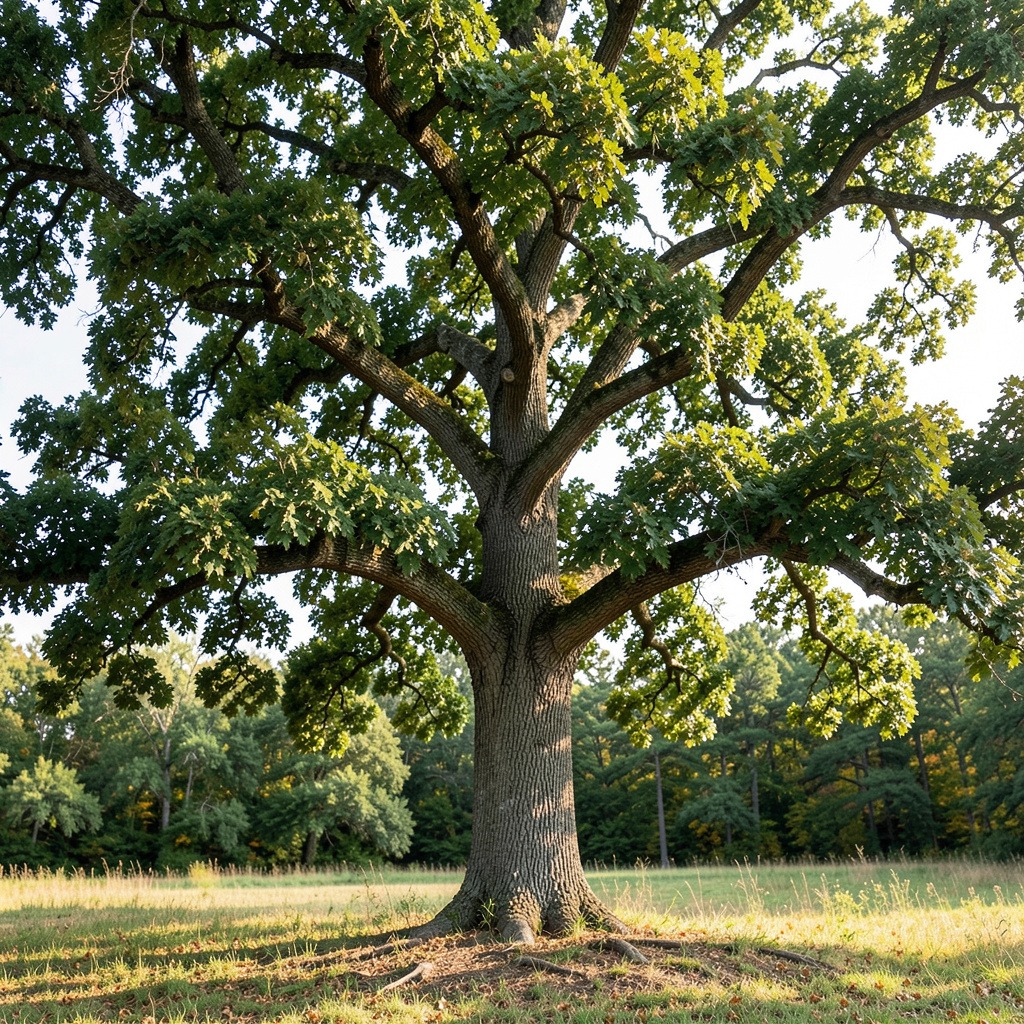
Caring for bur oak trees involves understanding their unique needs for planting, pruning, and disease management. Proper maintenance ensures these majestic trees thrive and contribute to the ecosystem.
Planting and Site Preparation
1. Choose the Right Location: Bur oaks prefer full sun and well-drained, deep, rich soils. Plant them in areas with ample space, ideally at least 40 feet apart.
2. Dig the Planting Hole: Create a hole that is twice as wide as the root ball. This promotes root expansion.
3. Soil Amendment: Mix compost or well-rotted manure into the soil before planting to enhance nutrient availability.
4. Watering: Water the tree deeply after planting. During the first growing season, keep the soil consistently moist but not waterlogged.
Pruning and Maintenance Tips
Pruning is essential for maintaining the health and structure of bur oaks. Follow these guidelines:
- Timing: Prune in late winter or early spring while the tree is still dormant. Avoid pruning during the growing season to prevent oak wilt disease.
- What to Prune: Remove dead, damaged, or crossing branches to improve air circulation and overall tree health. Light structural pruning can help young trees develop a strong central leader.
- Checklist for Pruning:
- Remove any branches that are dead, diseased, or crossing.
- Ensure cuts are clean and made at the branch collar to encourage healing.
- Avoid heavy pruning; focus on shaping and health.
Common Diseases and How to Address Them
Bur oaks can face several diseases and pests. Here’s how to manage them effectively:
- Oak Leaf Blister: This disease appears as blisters on leaves. Improve air circulation and avoid overhead watering to minimize humidity around the tree.
- Mistletoe Infestation: Mistletoe remains green while the tree is bare. Remove affected limbs at least 1-2 feet below the mistletoe attachment point.
- Checklist for Disease Management:
- Inspect trees regularly for signs of pests or disease.
- Maintain proper watering and fertilization to strengthen overall health.
- Consider consulting a professional arborist for severe infestations.
By following these care and maintenance practices, you can ensure that your bur oak trees remain healthy and resilient, providing ecological benefits and aesthetic beauty for generations.
Ecological and Wildlife Benefits of Bur Oak
Bur oak (Quercus macrocarpa) serves as a keystone species in local ecosystems, offering numerous benefits for wildlife and soil stability. Its presence supports both fauna and flora, creating a balanced environment.
Supporting Local Wildlife
Bur oak trees play a critical role in habitat creation and food supply. The acorns, among the largest produced by North American oaks, are a vital food source for various wildlife, including:
- Squirrels
- Deer
- Birds
During mast years, a single bur oak can produce thousands of acorns, significantly enhancing local wildlife nutrition before winter. Studies indicate that these acorns have lower tannin levels compared to red oak acorns, making them more palatable for many species.
Soil Erosion Prevention
The bur oak’s deep root system contributes to soil stability. Its roots penetrate deep into the ground, effectively anchoring the soil and reducing erosion. This characteristic is especially beneficial in areas prone to flooding or heavy rainfall, where loose soil can be washed away. Additionally, the tree’s leaf litter enriches the soil, supporting microbial life and enhancing nutrient cycling.
Carbon Sequestration Capabilities
Bur oaks are impressive carbon sinks. A mature bur oak can store several tons of carbon over its lifetime. This capability helps mitigate climate change by reducing atmospheric CO2 levels. The tree’s extensive canopy also moderates temperature and moisture levels, supporting the overall health of the ecosystem.
In summary, the bur oak not only supports local wildlife but also plays a vital role in maintaining soil health and combating climate change. Its ecological significance cannot be overstated, making it a valuable addition to both urban and rural landscapes.
Common Problems with Bur Oak Trees
Bur oak trees, while generally resilient, can face several challenges that may impact their health. Understanding these common issues and implementing effective management strategies is essential for maintaining robust bur oaks.
Common Pests Affecting Bur Oak
1. Mistletoe: This parasitic plant can attach to bur oaks, leading to reduced vitality. It remains green in winter, making it identifiable. Prune affected limbs at least 1-2 feet below the attachment point to control its spread.
2. Oak Wilt: This fungal disease can be deadly. Infected trees display wilting leaves and sudden leaf drop. To prevent oak wilt, avoid pruning during the growing season and monitor for signs of infection.
3. Lichens: While not harmful, lichens can indicate a healthy environment. They appear as gray or green growths on trunks and branches. No action is necessary; they do not affect tree health.
Diseases to Watch For
1. Powdery Mildew: This fungal disease manifests as a white powdery coating on leaves. It thrives in humid conditions. To manage powdery mildew, ensure proper air circulation around the tree and apply fungicides if necessary.
2. Root Rot: Excess moisture can lead to root rot, causing trees to decline. Symptoms include yellowing leaves and stunted growth. Ensure well-draining soil and avoid overwatering to prevent this issue.
Preventive Care Strategies
- Regular Inspections: Conduct routine inspections for pests and diseases, especially in spring and fall.
- Proper Watering Practices: Water deeply but infrequently to encourage strong root growth. Avoid wetting the foliage to reduce disease risk.
- Soil Management: Test soil to ensure the pH and nutrient levels are suitable for bur oaks. Amend soil as necessary to support healthy growth.
Case Study: Recovery from Oak Wilt
In a community park, several bur oaks were diagnosed with oak wilt. The park management implemented a strict no-pruning policy during the growing season and applied targeted fungicides to affected trees. Over two years, the health of the remaining oaks improved significantly, showcasing the effectiveness of preventive care. This case exemplifies the importance of timely intervention and proper management practices in maintaining tree health.
Conclusion: The Value of Bur Oak Trees
Bur oak trees (Quercus macrocarpa) are not only a stunning addition to landscapes but also play a critical role in maintaining ecological balance. Their resilience and adaptability make them an excellent choice for both urban and rural settings.
Ecological Contributions of Bur Oak Trees
Bur oaks serve as a foundational species in various ecosystems. Their deep roots enhance soil stability and nutrient cycling. Additionally, they contribute to biodiversity by providing habitat and food for numerous wildlife species. The acorns produced by bur oaks are a vital food source for birds, mammals, and insects.
Benefits in Landscaping
In landscaping, bur oaks offer aesthetic appeal and functional benefits. Their large canopies provide shade, reducing energy costs for nearby buildings. They require minimal maintenance once established, making them a practical choice for homeowners.
Call to Action: Consider Planting Bur Oaks
Planting bur oaks is an investment in both your landscape and the environment. Here are some key points to consider:
- Long Lifespan: Bur oaks can live for 200 to 400 years, providing beauty and ecological benefits for generations.
- Drought Resistance: They thrive in various soil types and can tolerate periods of drought, making them suitable for diverse climates.
- Wildlife Support: By planting a bur oak, you contribute to the habitat of local wildlife, enhancing biodiversity in your area.
Consider incorporating bur oaks into your landscaping plans. Their ecological significance and long-term benefits make them an excellent choice for anyone looking to enhance their environment.
Frequently Asked Questions
These quick answers cover the most common questions about this topic, including key details, practical tips, and common concerns.
Is a bur oak a good tree?
Yes, bur oak trees (Quercus macrocarpa) are excellent choices for many landscapes. They are known for their resilience, adaptability to various soil types, and ability to withstand drought. Their large canopies provide ample shade, making them suitable for residential areas. Additionally, they support local wildlife by producing large acorns that many animals rely on for food.
What problems do bur oak trees have?
Bur oak trees can face several issues, including pests like mistletoe and diseases such as oak wilt. Mistletoe can weaken the tree by drawing nutrients, while oak wilt can be fatal if left untreated. Regular inspections for signs of these problems and proper care, such as avoiding pruning during the growing season, can help maintain tree health.
Where is the best place to plant a bur oak tree?
The best place to plant a bur oak is in an area that receives full sun and has well-drained, rich soil. They thrive in open spaces with at least 40 feet of clearance from other trees or structures. This allows for proper growth and air circulation, reducing the risk of diseases and ensuring the tree can reach its full potential.
Is a bur oak a fast-growing tree?
Bur oaks are generally considered slow-growing trees. They take about 35 years to start producing acorns and can grow to their full height over many decades. While they may not provide immediate shade, their longevity and ecological benefits make them a worthwhile investment in landscaping.
How do I care for a bur oak tree?
Caring for a bur oak involves regular watering, especially during dry spells, and proper pruning. Water deeply but infrequently to encourage strong root growth. Prune in late winter or early spring to remove dead or crossing branches, which helps improve air circulation and tree health.
When is the best time to prune bur oak trees?
The best time to prune bur oak trees is in late winter or early spring while they are still dormant. This timing helps prevent the spread of oak wilt, a disease that can be exacerbated by pruning during the growing season. Regular pruning helps maintain the tree’s structure and health.
How can I identify a bur oak tree?
You can identify a bur oak by its distinctive leaves and acorns. The leaves are large, thick, and lobed, typically measuring 5 to 9 inches long, with rounded lobes. The acorns are among the largest produced by North American oaks, about 1 inch long, with a thick, woody shell and a fringed cap. These features help distinguish bur oaks from other oak species.
What are some alternatives to bur oak for landscaping?
If you’re looking for alternatives to bur oak, consider other native trees like white oak or red oak, which also provide ecological benefits and aesthetic appeal. For smaller spaces, trees like serviceberry or black gum can be good substitutes. Each of these options supports local wildlife and enhances your landscape while requiring similar care and maintenance.