
Bur oak trees (Quercus macrocarpa) offer numerous benefits such as drought tolerance and wildlife support, alongside some drawbacks like slow growth and space requirements.
The bur oak tree is a majestic and resilient species, prized for its ecological benefits and unique characteristics. This guide explores the pros and cons of bur oak trees, helping you decide if they’re the right fit for your landscape.
Overview of the Bur Oak Tree
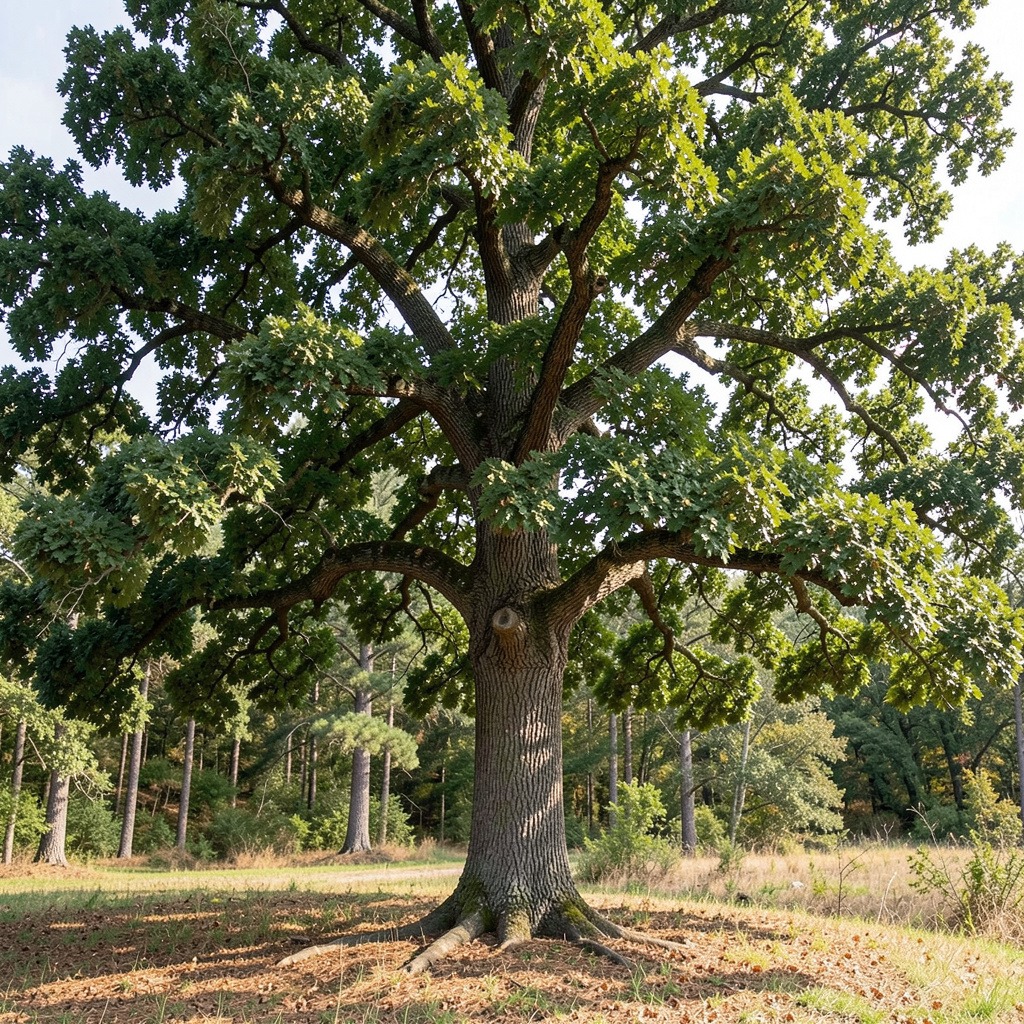
The bur oak (Quercus macrocarpa) is a significant tree species known for its robust characteristics and ecological contributions. This native oak thrives across North America, playing a vital role in local ecosystems and providing numerous benefits.
Scientific Classification and Naming
The scientific classification of the bur oak places it within the Fagaceae family, which includes other oaks and beeches. Its Latin name, Quercus macrocarpa, translates to “large fruit,” reflecting its distinctive acorns. This species is a member of the white oak group, recognized for its rounded lobes and significant ecological role.
Physical Characteristics
Bur oaks are impressive trees, capable of reaching heights of up to 80 feet. Key physical characteristics include:
- Height: 60 to 80 feet
- Spread: 40 to 60 feet
- Trunk Diameter: 3 to 4 feet
- Leaves: Large, thick, lobed, measuring 6 to 12 inches
- Bark: Dark brown or black, rough texture
- Acorns: Large, approximately 1 inch long, with a thick, woody shell
These features contribute to the bur oak’s resilience and adaptability in various environments.
Historical Context and Ecological Role
Historically, bur oaks have held immense cultural significance for Native American tribes. They utilized the tree for materials, food, and spiritual practices. The acorns serve as a critical food source for wildlife, including deer, squirrels, and various bird species.
Table of Contents
Ecologically, bur oaks provide essential habitat and support biodiversity. Their deep root systems improve soil quality and reduce erosion. Additionally, these trees are drought-tolerant, making them suitable for various landscapes, from urban parks to natural woodlands.
Key Ecological Benefits:
- Wildlife Habitat: Supports diverse species through acorns and shelter.
- Soil Improvement: Deep roots enhance soil structure and fertility.
- Drought Resistance: Adaptable to changing climates, beneficial in water-scarce areas.
The bur oak’s robust characteristics and ecological importance make it a valuable addition to any landscape, providing both aesthetic and environmental benefits.
Pros of Bur Oak Trees
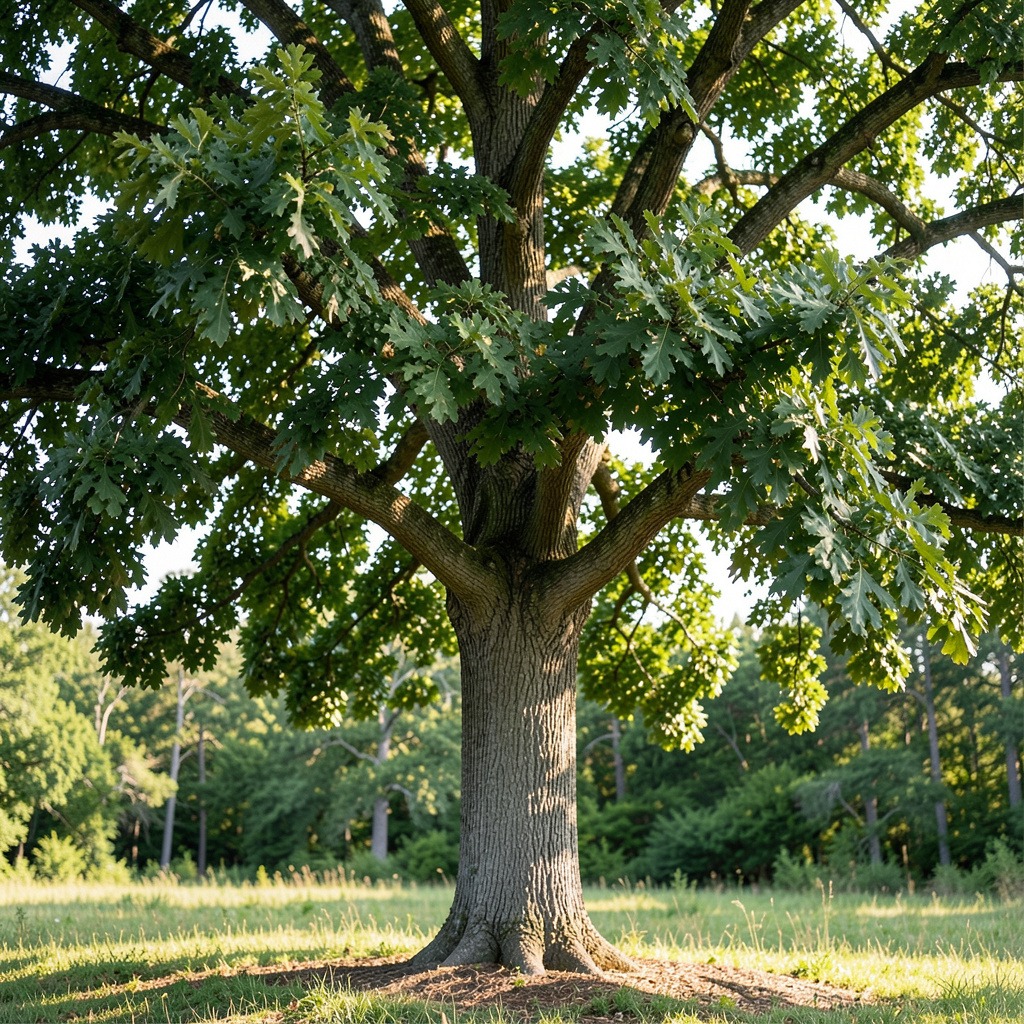
Bur oak trees offer numerous advantages for landscaping and ecological health. Their unique characteristics make them a valuable addition to various environments.
Drought Tolerance and Soil Adaptability
Bur oaks are highly drought-tolerant. Their deep root systems allow them to access moisture from deeper soil layers, making them resilient in dry conditions. This adaptability enables bur oaks to thrive in a range of soil types, from sandy to clay-rich soils.
- Drought Resistance: Bur oaks require less water once established.
- Soil Versatility: They can grow in various soil conditions, allowing for greater landscaping flexibility.
Wildlife Support and Biodiversity
Bur oaks play a crucial role in supporting local wildlife. Their large acorns provide a vital food source for various species, including squirrels, deer, and birds. The tree’s canopy also offers shelter and nesting sites, fostering biodiversity.
- Acorn Production: Large acorns mature in two years, becoming a key food source for wildlife.
- Habitat Provision: The tree’s structure supports numerous bird species and small mammals.
Long Lifespan and Structural Benefits
One of the most notable benefits of bur oaks is their longevity. These trees can live for over 400 years, contributing to both aesthetic and ecological stability in a landscape. Their mature size and robust structure make them ideal for urban environments, providing shade and enhancing property values.
- Lifespan: Bur oaks can live between 200 to 400 years.
- Urban Integration: They are suitable for city parks and residential areas, adding beauty and ecological value.
Real-Life Example
In urban landscaping, a community park in the Midwest successfully integrated bur oaks into its design. The trees not only provided shade for visitors but also created a rich habitat for local wildlife. This initiative enhanced both the park’s aesthetic appeal and its ecological function, demonstrating the bur oak’s multifaceted benefits.
Cons of Bur Oak Trees
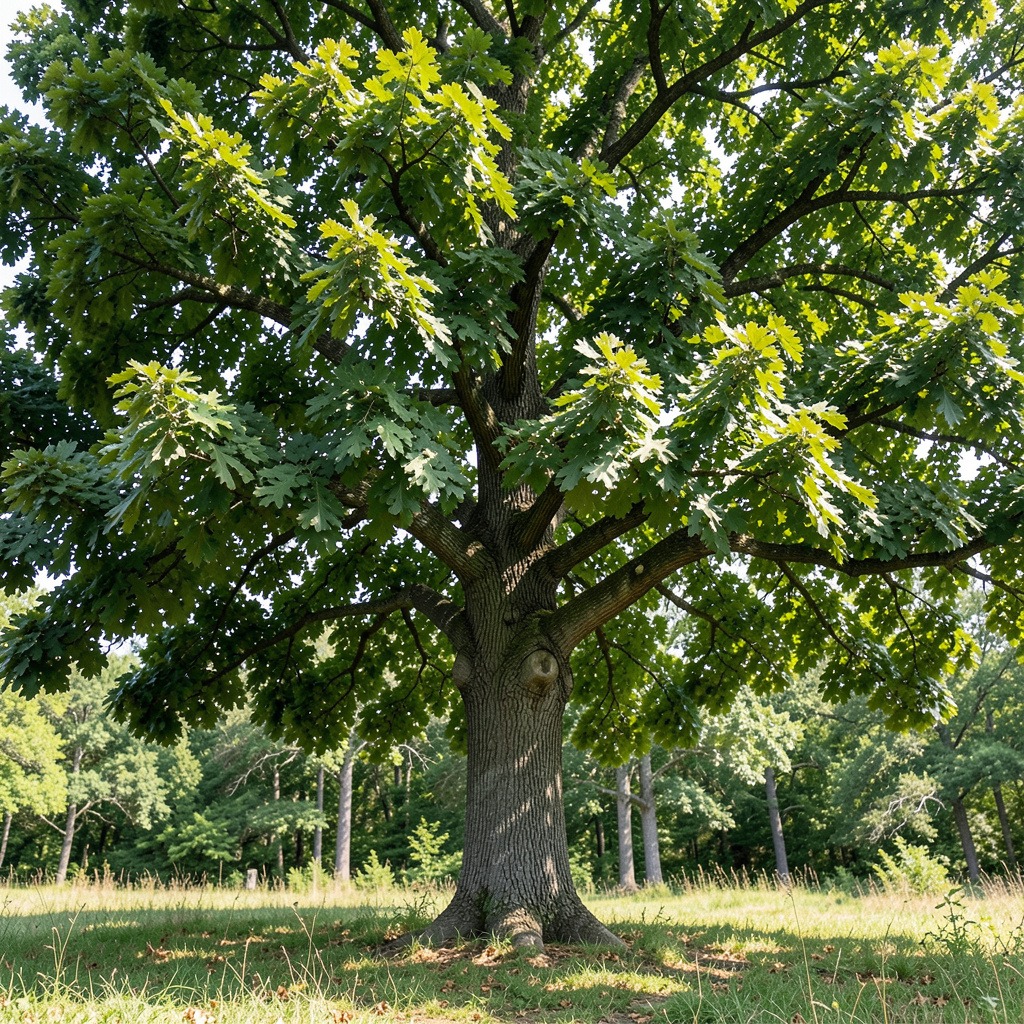
While bur oak trees offer numerous benefits, they also present specific challenges. Understanding these drawbacks helps in making informed landscaping decisions.
Space and Size Considerations
Bur oaks are large trees that require ample space. They typically grow up to 80 feet tall with a spread of 60 feet. This size can be a drawback in smaller yards or urban settings. When planting, consider the following:
- Spacing: Bur oaks should be planted at least 40 feet apart to allow for their expansive canopy.
- Site Limitations: Ensure that surrounding structures or other trees do not hinder their growth or health.
Slow Growth Rate
Another notable con is their slow growth rate. Bur oaks grow approximately 1 to 2 feet per year. This slow development may not meet the immediate landscaping needs of homeowners seeking quick shade or aesthetic appeal.
- Long-Term Investment: While they provide enduring beauty, patience is required as they take years to reach maturity.
- Timeline for Impact: Plan for a longer timeline if you are relying on them for shade or property enhancement.
Common Pests and Diseases
Bur oaks, while relatively resilient, are not entirely immune to pests and diseases. They can be susceptible to:
- Oak Wilt: A vascular disease caused by a fungus, this can lead to the decline of healthy oaks. Bur oaks are somewhat resistant, but vigilance is necessary.
- Insect Pests: Issues such as leaf miners or webworms may affect foliage health.
Checklist for Assessing Suitability:
- Is there adequate space for growth?
- Can you wait for the slow growth rate to provide desired shade?
- Are you prepared to monitor for pests or diseases?
By addressing these considerations, you can better determine if a bur oak is the right fit for your landscape.
Care and Maintenance of Bur Oaks
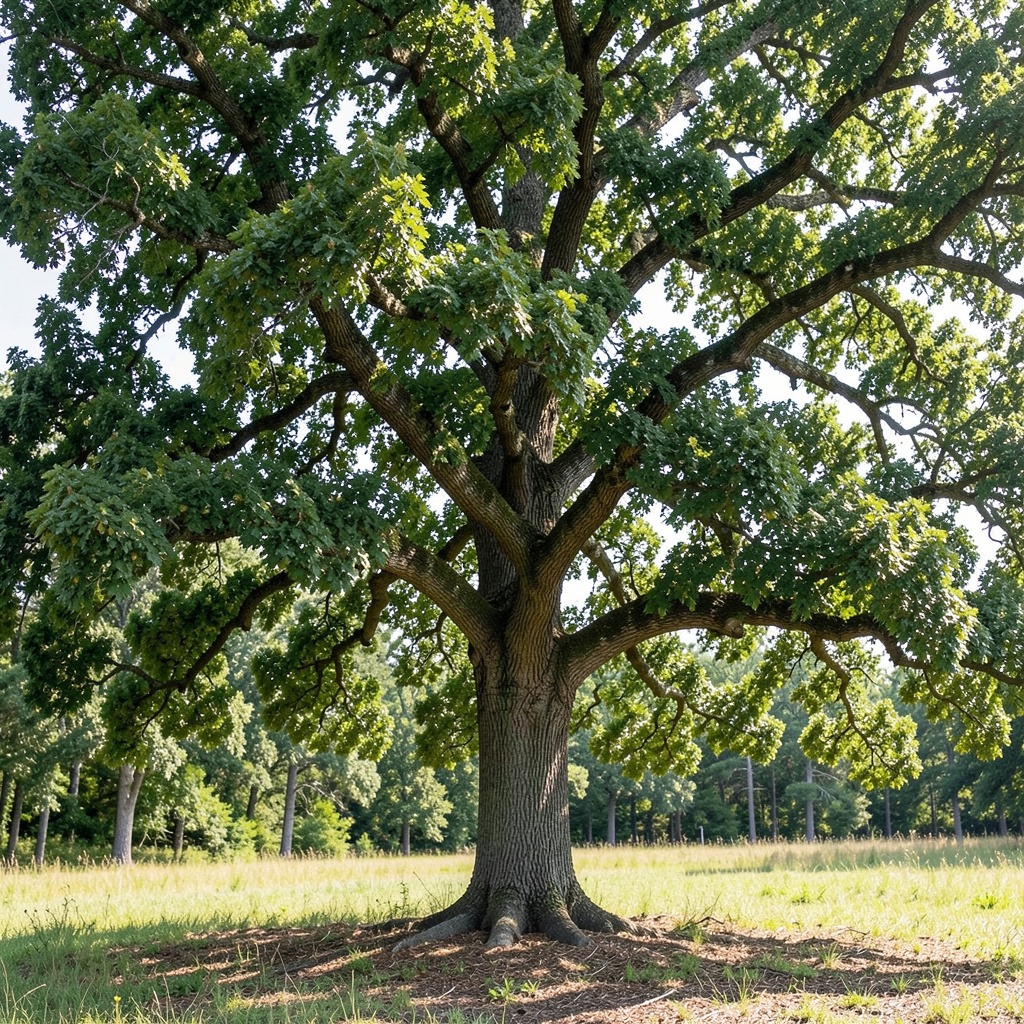
Caring for a bur oak tree involves understanding its specific needs for optimal growth and longevity. This section outlines essential planting tips, soil conditions, watering requirements, and pruning schedules to ensure healthy development.
Ideal Planting Conditions
For successful establishment, bur oaks require specific planting conditions:
- Sunlight: Full sun is essential. Bur oaks do not thrive in shaded areas.
- Soil: They prefer deep, rich, well-draining soils. A mix of loam and clay often works best.
- Spacing: Space bur oaks at least 40 feet apart to accommodate their mature size.
- Timing: Spring or fall are the best seasons for planting.
Watering and Fertilization
Proper watering and fertilization are crucial during the initial years:
- Watering: Newly planted bur oaks need deep watering every week, especially during dry spells. Once established, they are drought-tolerant.
- Fertilization: Apply a slow-release fertilizer in early spring before new growth. Follow package directions for application rates.
Pruning and Maintenance Schedules
Routine maintenance keeps bur oaks healthy and promotes strong growth:
- Pruning Schedule:
- Late Winter/Early Spring: Remove any dead or damaged branches while the tree is dormant.
- Light Pruning: Young trees may benefit from structural pruning to develop a strong form. Avoid heavy pruning during the growing season to minimize disease risk.
Sample Care Schedule
| Month | Task | Details |
|---|---|---|
| March | Fertilize | Apply slow-release fertilizer. |
| April – May | Watering | Water deeply once a week if rainfall is low. |
| June – August | Watering | Continue weekly watering during dry spells. |
| November | Pruning | Remove dead or damaged branches. |
By following these care guidelines, you can ensure that your bur oak thrives and contributes positively to your landscape.
Comparing Bur Oaks to Other Oak Species
When considering the bur oak for your landscape, it’s essential to compare it with other oak species. Understanding the distinct characteristics of bur oak, red oak, and white oak can guide your decision.
Key Differences Between Bur Oak and Red Oak
Bur oaks (Quercus macrocarpa) and red oaks (Quercus rubra) exhibit different growth habits and care requirements:
- Growth Rate: Bur oaks grow slowly, while red oaks develop more quickly, reaching maturity faster.
- Acorns: Bur oaks produce large acorns with a distinctive fringed cap. In contrast, red oaks have smaller, less frilled acorns.
- Disease Resistance: Bur oaks are more resistant to oak wilt, making them a safer choice in areas affected by this disease. Red oaks, on the other hand, are more susceptible.
- Light Requirements: Bur oaks thrive in full sun and tolerate drought, while red oaks prefer well-drained soil with consistent moisture.
Bur Oak vs. White Oak
Both bur oaks and white oaks (Quercus alba) belong to the white oak group but differ in several aspects:
- Size: Bur oaks tend to grow larger, reaching heights of 50 to 80 feet, compared to white oaks, which typically reach 50 to 75 feet.
- Bark Texture: The bur oak’s thick, deeply furrowed bark provides excellent fire resistance. White oaks have smoother bark that is less resistant to fires.
- Ecological Benefits: Both species support wildlife, but bur oaks are particularly beneficial in prairie ecosystems, providing acorns for various animals.
Choosing the Right Oak for Your Landscape
When selecting an oak species, consider the following criteria:
- Space: Bur oaks are suited for larger spaces due to their size and canopy spread. Red and white oaks can fit into smaller areas.
- Soil Type: Assess your soil conditions. Bur oaks tolerate poor, dry soils better than red or white oaks.
- Maintenance: Bur oaks require less maintenance once established. If you prefer a low-maintenance tree, this is a significant advantage.
By evaluating these factors, you can make an informed choice that aligns with your landscape goals.
Landscaping Alternatives to Bur Oaks
While bur oaks are a robust choice for large landscapes, several native trees can provide similar benefits. These alternatives may suit different space constraints and aesthetic preferences.
Native Trees with Similar Benefits
1. White Oak (Quercus alba)
- Benefits: Supports wildlife, produces sweet acorns, excellent shade tree.
- Growth Rate: Moderate, about 1-2 feet per year.
- Maintenance: Requires well-drained soil and regular watering during establishment.
2. Northern Red Oak (Quercus rubra)
- Benefits: Fast growth, vibrant fall color, supports diverse wildlife.
- Growth Rate: Rapid, up to 3 feet per year.
- Maintenance: Prefers acidic, well-drained soils; minimal pruning needed.
3. Shumard Oak (Quercus shumardii)
- Benefits: Tolerates clay soils, offers great shade, vibrant autumn colors.
- Growth Rate: Moderate to fast, around 2-3 feet per year.
- Maintenance: Low; occasional pruning to shape.
Trees Suitable for Smaller Spaces
1. Eastern Redbud (Cercis canadensis)
- Benefits: Stunning spring blooms, attracts pollinators.
- Growth Rate: Slow to moderate, about 1-2 feet per year.
- Maintenance: Prefers well-drained soil and full sun; occasional pruning for structure.
2. American Hornbeam (Carpinus caroliniana)
- Benefits: Tolerates shade, dense canopy for privacy.
- Growth Rate: Slow, around 1 foot per year.
- Maintenance: Minimal; adaptable to various soil types.
3. Serviceberry (Amelanchier spp.)
- Benefits: Produces edible berries, excellent for wildlife, beautiful flowers.
- Growth Rate: Moderate, about 1-2 feet per year.
- Maintenance: Low; requires well-drained soil and moderate watering.
Urban-Friendly Alternatives
1. Ginkgo (Ginkgo biloba)
- Benefits: Unique fan-shaped leaves, very tolerant of urban pollution.
- Growth Rate: Moderate, around 1-2 feet per year.
- Maintenance: Very low; adaptable to most soil conditions.
2. Red Maple (Acer rubrum)
- Benefits: Fast growth, vibrant fall color, supports wildlife.
- Growth Rate: Rapid, up to 3 feet per year.
- Maintenance: Requires regular watering during dry spells; minimal pruning.
3. Black Tupelo (Nyssa sylvatica)
- Benefits: Tolerates wet conditions, provides fall color.
- Growth Rate: Slow to moderate, around 1-2 feet per year.
- Maintenance: Low; prefers moist, well-drained soils.
Comparison of Alternatives
| Tree Species | Growth Rate | Wildlife Benefits | Maintenance Requirements |
|---|---|---|---|
| White Oak | Moderate | High | Moderate |
| Northern Red Oak | Fast | High | Low |
| Shumard Oak | Moderate to Fast | High | Low |
| Eastern Redbud | Slow to Moderate | Moderate | Low |
| American Hornbeam | Slow | Moderate | Low |
| Serviceberry | Moderate | High | Low |
| Ginkgo | Moderate | Low | Very Low |
| Red Maple | Rapid | High | Moderate |
| Black Tupelo | Slow to Moderate | Moderate | Low |
Choosing an alternative tree depends on your landscape needs, available space, and desired maintenance level. Consider these options for a thriving and ecologically beneficial yard.
Frequently Asked Questions
These quick answers cover the most common questions about this topic, including key details, practical tips, and common concerns.
How tall is a 20 year old bur oak?
A 20-year-old bur oak tree typically reaches a height of about 20 to 30 feet. However, growth can vary based on environmental conditions, soil quality, and care. Bur oaks are known for their slow growth rate, averaging 1 to 2 feet per year during their early years.
How far away from a house should a bur oak tree be planted?
It is recommended to plant a bur oak at least 40 feet away from your house. This distance allows the tree enough space to grow its large canopy, which can spread 60 feet wide. Proper spacing helps prevent potential damage to structures and ensures the tree has room to thrive.
What is the average lifespan of a bur oak tree?
Bur oaks are long-lived trees, with an average lifespan of 200 to 400 years. Some individuals have been known to live over 400 years, making them a significant investment for any landscape. Their longevity contributes to both ecological stability and aesthetic appeal over generations.
Do bur oaks have invasive roots?
Bur oaks do not have invasive root systems, but their roots can spread widely. They typically grow deep and wide, which helps them access moisture and nutrients. While they are not considered invasive, it’s essential to plant them at a safe distance from foundations, sidewalks, or other structures to avoid any potential issues.
What common diseases affect bur oaks?
Bur oaks can be susceptible to a few diseases, with oak wilt being the most notable. This fungal disease affects the tree’s vascular system and can lead to its decline. While bur oaks show some resistance to oak wilt, monitoring for symptoms like wilting leaves or canopy dieback is crucial for early detection and management.
What are the best soil conditions for bur oaks?
Bur oaks thrive in deep, well-draining soils that are rich in organic matter. They can adapt to a range of soil types, including sandy and clay soils. It’s essential to ensure the planting site has good drainage to prevent root rot, especially during periods of heavy rainfall.
Can bur oaks thrive in urban settings?
Yes, bur oaks can thrive in urban settings, provided they have adequate space and sunlight. Their drought tolerance and adaptability to various soil types make them suitable for city parks and residential areas. However, it’s essential to ensure they are planted away from structures to accommodate their mature size and root system.