
The California lilac tree, or Ceanothus, has both advantages and disadvantages for UK gardeners.
Table of Contents
California lilac trees, scientifically known as Ceanothus, are popular for their vibrant flowers and ability to attract pollinators. However, prospective gardeners should weigh the pros and cons of growing this plant in the UK climate to ensure successful cultivation.
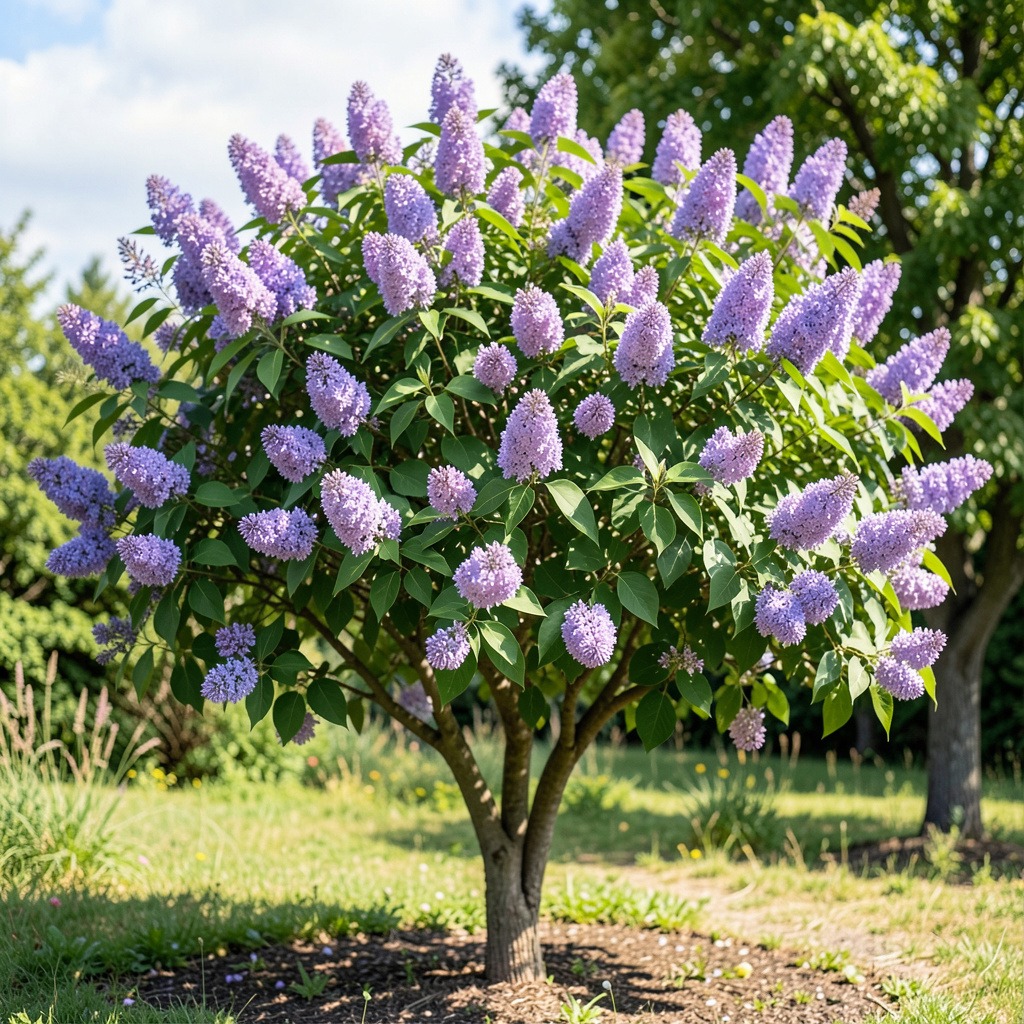
Understanding the California Lilac Tree (Ceanothus)
The California lilac tree, or Ceanothus, is a captivating addition to UK gardens. Known for its striking blooms and attractive foliage, it offers both aesthetic and ecological benefits.
What is Ceanothus?
Ceanothus is a genus of flowering shrubs native to North America. They thrive in well-drained soil and enjoy sunny conditions. In the UK, these plants typically grow between 1 to 4 meters, depending on the variety. Their glossy, dark green leaves provide year-round interest, while their vibrant flowers bloom in shades of blue, purple, or white, attracting both bees and butterflies.
Ecological Benefits of California Lilac
Ceanothus plays a significant role in promoting biodiversity. Its flowers are rich in nectar, making it a magnet for pollinators. This not only supports local ecosystems but also enhances the overall health of your garden. Additionally, Ceanothus is drought-resistant once established, which can be beneficial in managing water usage in your garden.
- Pollinator Attraction: Supports local bee and butterfly populations.
- Drought Resistance: Requires less water once established, suitable for sustainable gardening.
- Soil Improvement: Some species fix nitrogen in the soil, enhancing soil fertility.
Aesthetic Appeal in UK Gardens
The vibrant blooms of Ceanothus create a stunning visual impact in garden landscapes. They offer a range of colors and forms, allowing gardeners to select varieties that complement their specific garden design. Popular cultivars include:
- Ceanothus ‘Blue Jeans’: Compact and hardy, reaching about 1.5 meters.
- Ceanothus ‘Concha’: Grows to 4 meters with a profusion of spring flowers.
- Ceanothus ‘Dark Star’: Features dark blue-purple flowers and grows to approximately 2.5 meters.
When choosing a variety, consider your garden’s conditions. For instance, if you have a smaller garden, opt for a compact cultivar like ‘Blue Jeans’. For larger spaces, ‘Concha’ can serve as a striking focal point.
Growing Conditions and Care Requirements
To thrive in the UK, Ceanothus requires specific growing conditions:
- Sunlight: Prefers full sun to partial shade.
- Soil: Well-drained, sandy, or loamy soil is ideal.
- Watering: Regular watering is essential during the first year; thereafter, it is more drought tolerant.
Practical Tips for Successful Planting
1. Choose the Right Variety: Match the cultivar to your garden size and climate.
2. Prepare the Soil: Ensure good drainage and amend with organic matter if necessary.
3. Monitor for Pests: Common pests include aphids and spider mites. Regular inspections can help manage these issues early.
By understanding the characteristics and care requirements of Ceanothus, gardeners can make informed decisions about incorporating this beautiful plant into their landscapes.
Pros of Growing California Lilac Trees in the UK
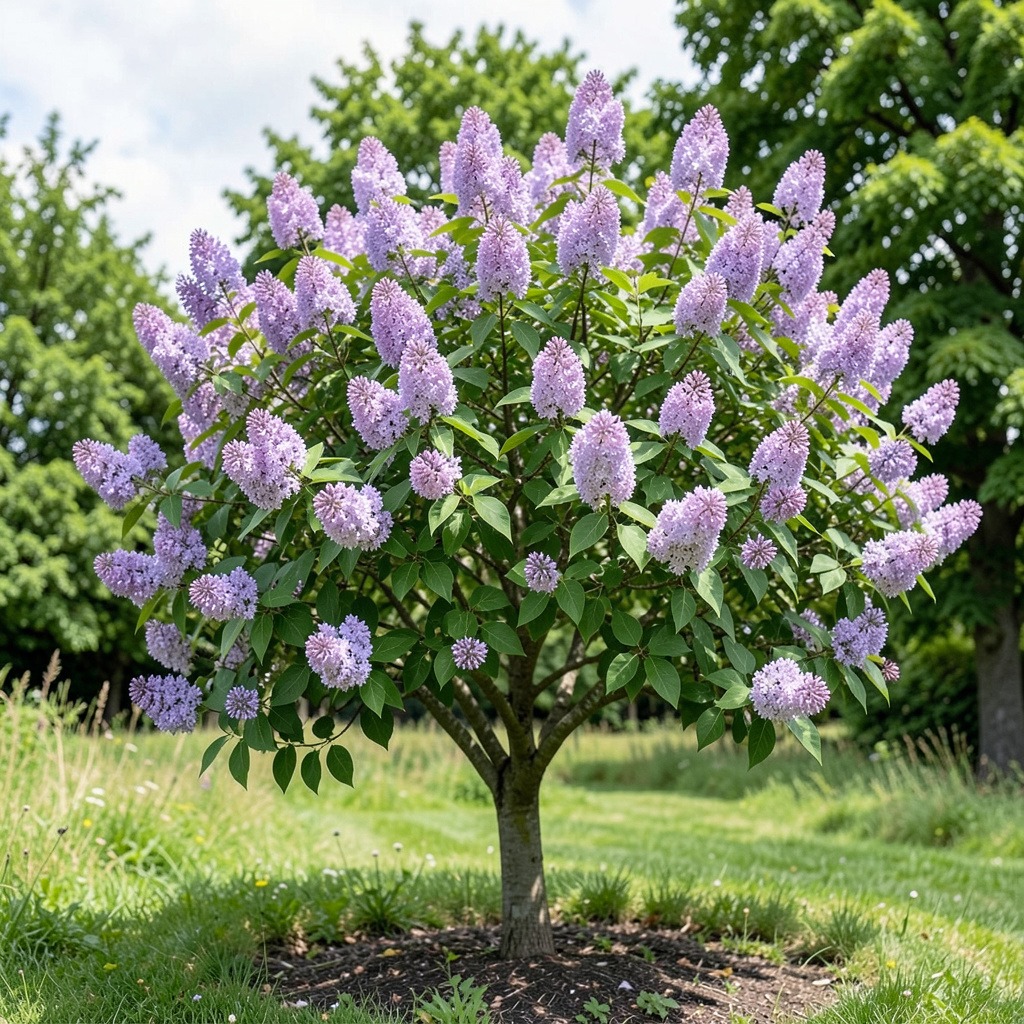
The California lilac tree, or Ceanothus, offers numerous advantages for UK gardeners. Its vibrant flowers, low maintenance requirements, and ecological benefits make it a popular choice for enhancing garden aesthetics.
Stunning Floral Displays
Ceanothus produces stunning blue to purple blooms that can enliven any garden space. These flowers typically appear in spring and early summer, creating a vibrant landscape. The sheer volume of blossoms can be a focal point, attracting attention and admiration. Gardeners often describe the sight of these blooms as breathtaking, with many noting that they significantly enhance the overall beauty of their gardens.
Attracting Wildlife
California lilac trees play a crucial role in supporting local ecosystems. Their flowers are rich in nectar, making them a magnet for pollinators such as bees and butterflies. A gardener from West Sussex shared that since planting Ceanothus, their garden has seen an increase in pollinator activity, which has also positively affected other plants in the area. This ecological benefit not only supports biodiversity but also contributes to a healthier garden environment.
Low Maintenance Once Established
One of the most appealing aspects of Ceanothus is its low maintenance once established. This evergreen shrub thrives in well-drained soil and requires minimal watering, making it ideal for gardeners seeking beauty without excessive upkeep. Basic care, such as annual pruning, can help maintain its shape and promote healthy growth. Many gardeners have reported that after the initial establishment phase, their Ceanothus plants require little more than an occasional inspection for pests, allowing them to enjoy their vibrant displays without continuous effort.
In summary, the California lilac tree offers valuable aesthetic appeal, wildlife attraction, and ease of care, making it a compelling choice for UK gardens.
Cons of Growing California Lilac Trees in the UK
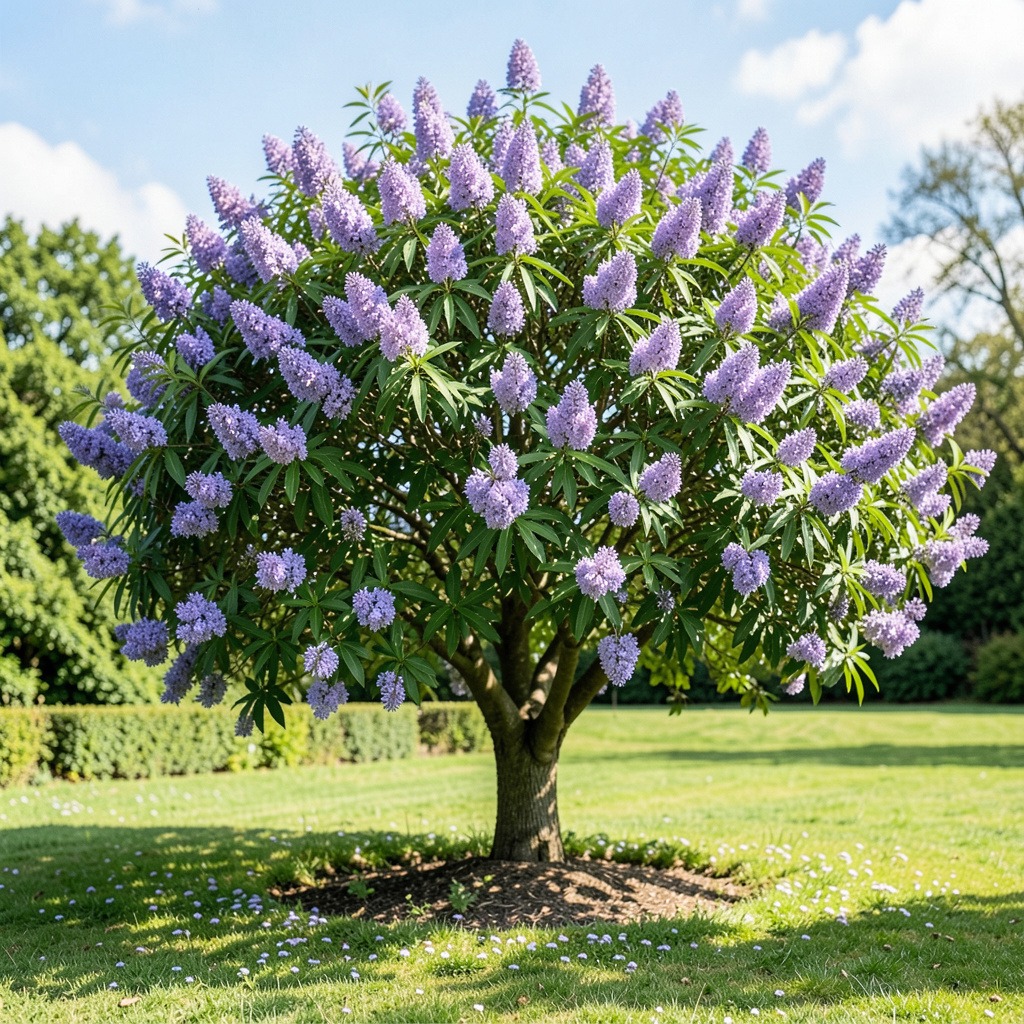
While the California lilac tree, or Ceanothus, offers many benefits, potential drawbacks exist for UK gardeners. Understanding these cons is essential for informed planting decisions.
Hardiness Challenges
Ceanothus plants may struggle in colder climates. Typically, they thrive in regions with mild winters. In the UK, particularly in northern areas, they may not survive harsh frost or prolonged freezing temperatures. Gardeners should consider the following:
- Frost Sensitivity: Some varieties are more susceptible to frost damage. Research local hardiness zones before planting.
- Microclimate: Planting in a sheltered area can improve survival rates. Look for spots with protection from cold winds.
Maintenance and Care Requirements
Though relatively low maintenance, California lilacs still require specific care to flourish:
- Pruning Needs: Regular pruning is essential for maintaining shape and preventing overcrowding. Neglecting this can lead to sparse blooms.
- Soil Requirements: While adaptable, Ceanothus prefers well-drained soil. Poor drainage can lead to root rot and other health issues.
- Watering: Newly planted Ceanothus requires consistent watering until established. This is critical in the first year for root development.
Common Pests and Diseases
Ceanothus is not immune to pests and diseases. Awareness and proactive management are crucial:
- Pests: Look out for aphids and spider mites. Regular inspections can help catch infestations early.
- Diseases: Fungal infections like powdery mildew can occur, especially in humid conditions. Proper air circulation and timely treatments can mitigate risks.
Pest Management Checklist
To effectively manage pests and ensure healthy growth, consider the following checklist:
- Inspect plants weekly for signs of pests.
- Use organic insecticidal soap if infestations are detected.
- Ensure adequate spacing between plants for air circulation.
- Remove any dead or diseased foliage promptly.
- Rotate planting locations each year to disrupt pest cycles.
By being aware of these challenges and implementing effective management strategies, UK gardeners can enjoy the beauty of the California lilac tree while minimizing potential downsides.
Optimal Growing Conditions for Ceanothus in the UK
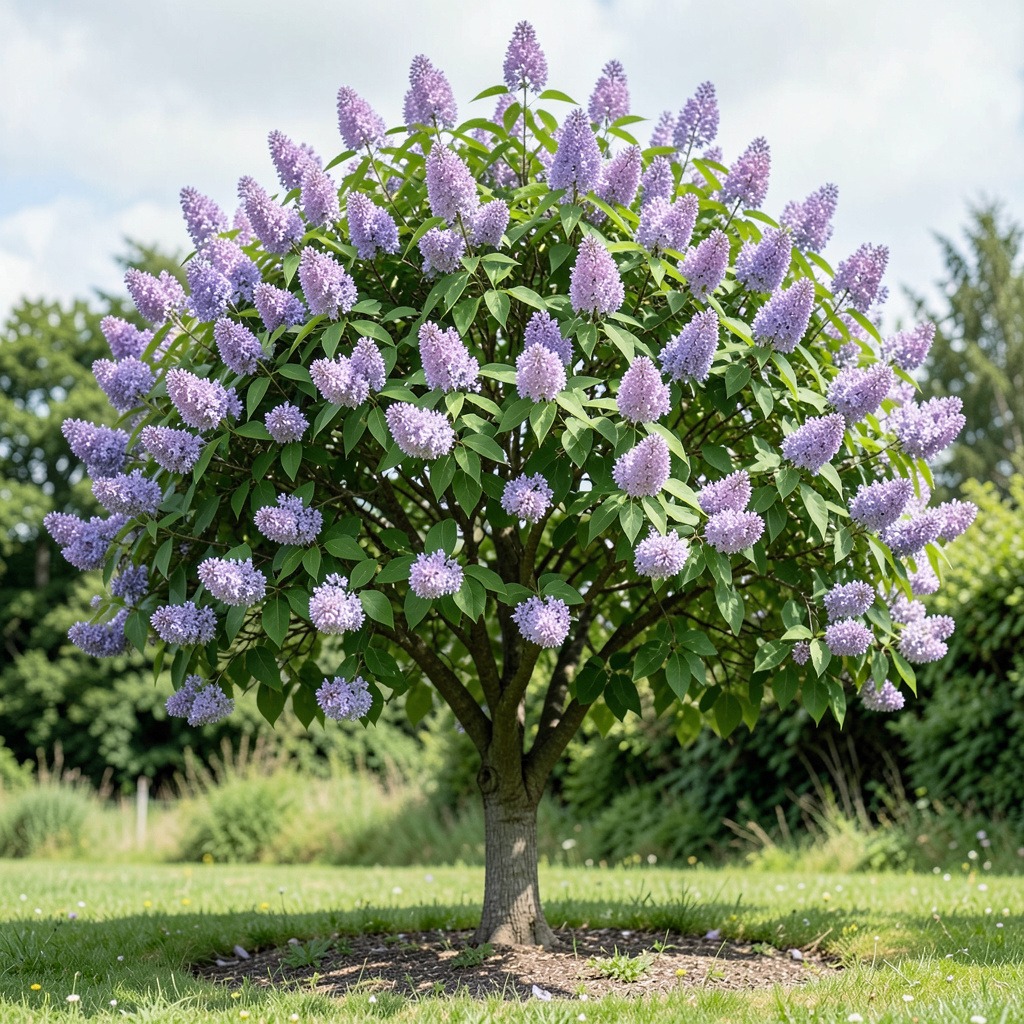
To successfully cultivate California lilacs (Ceanothus) in UK gardens, it is essential to understand their specific growing conditions. This includes soil type, light exposure, and watering needs. Meeting these requirements will promote healthy growth and vibrant blooms.
Soil and Drainage Needs
Ceanothus thrives in well-draining soil that is slightly acidic to neutral. Ideal soil pH ranges from 6.0 to 7.0. Here are key points for soil preparation:
- Soil Type: Use sandy or loamy soil for optimal drainage.
- Drainage: Ensure the planting area does not retain water. Amend heavy clay soils with organic matter to improve drainage.
- Soil Check: Conduct a soil test to determine pH and nutrient levels before planting.
Light Requirements
California lilacs require ample sunlight for best growth and flowering. Here are guidelines for light exposure:
- Sun Exposure: Aim for full sun, at least 6 hours of direct sunlight daily.
- Partial Shade: While some varieties tolerate partial shade, flowering may be reduced.
Watering Guidelines
Establishing a proper watering routine is crucial, especially during the first year. Consider the following:
- Initial Watering: Water deeply and regularly until established, especially in dry spells.
- Drought Tolerance: Once established, Ceanothus is drought-tolerant. Water only during prolonged dry periods.
- Watering Checklist:
- Water weekly in dry conditions for the first year.
- Monitor soil moisture; allow the top inch to dry out between watering.
- Avoid waterlogging, as it can lead to root rot.
Checklist for Establishing Optimal Conditions
- [ ] Test soil pH and amend as necessary.
- [ ] Choose a sunny location with good air circulation.
- [ ] Prepare well-draining soil; consider adding compost.
- [ ] Implement a consistent watering schedule for the first year.
By understanding and meeting these growing conditions, UK gardeners can enjoy the stunning beauty and ecological benefits of the California lilac tree while minimizing potential challenges.
Choosing the Right Ceanothus Variety for Your Garden
Selecting the appropriate Ceanothus variety is crucial for successful growth in UK gardens. Different varieties offer unique aesthetics, growth habits, and climate adaptability.
Popular Varieties in the UK
Several Ceanothus cultivars thrive in the UK, each with distinct features. Here are some notable varieties:
| Variety Name | Height | Flower Color | Hardiness | Best For |
|---|---|---|---|---|
| Ceanothus ‘Blue Jeans’ | Up to 1.5m | Blue | H4 | Compact gardens |
| Ceanothus ‘Blue Sapphire’ | Up to 1.5m | Bright blue | H5 | Hardy landscapes |
| Ceanothus ‘Concha’ | Up to 4m | Blue | H4 | Larger spaces |
| Ceanothus ‘Dark Star’ | Up to 2.5m | Deep blue-purple | H4 | Mixed borders |
| Ceanothus ‘Puget Blue’ | Up to 2.5m | Bright blue | H4 | Pollinator-friendly gardens |
| Ceanothus ‘Snow Showers’ | Up to 2.5m | White | H4 | Unique contrast in flower beds |
Characteristics and Growth Habits
Ceanothus varieties exhibit varied growth habits. Understanding these traits will help you choose the right fit for your garden:
- Compact Growth: Varieties like ‘Blue Jeans’ are ideal for smaller spaces. They reach heights of only 1.5 meters.
- Tall Growth: Cultivars such as ‘Concha’ can grow up to 4 meters, making them suitable for creating privacy screens.
- Flowering Season: Most Ceanothus bloom in spring, but some, like ‘Burkwoodii’, extend the flowering period into late summer and autumn.
Best Practices for Selection
When selecting a Ceanothus variety, consider the following factors:
- Soil Conditions: Many Ceanothus thrive in well-draining soil with a pH of 6.0 to 7.0. Test your soil before planting.
- Sunlight Exposure: Choose a sunny location. Ceanothus prefers full sun for optimal flowering.
- Space Availability: Assess the area. Compact varieties suit small gardens, while larger varieties need more room to grow.
By considering these factors, you can select a Ceanothus variety that enhances your garden’s beauty and ecological value, while minimizing maintenance challenges.
Frequently Asked Questions
These quick answers cover the most common questions about this topic, including key details, practical tips, and common concerns.
What is the best time to plant California lilac in the UK?
The best time to plant California lilac (Ceanothus) in the UK is during spring or early autumn. This timing allows the plant to establish its roots before the colder winter months. Ensure the ground is not too wet or frozen when planting, as this can hinder root development.
How do I care for my California lilac tree?
Caring for your California lilac involves regular watering, especially during the first year after planting. Once established, it requires less water. Pruning is also essential; do this in late spring after flowering to maintain shape and promote healthy growth. Monitor for pests like aphids and spider mites, and take action if you notice any infestations.
What are the most popular varieties of Ceanothus for UK gardens?
Popular Ceanothus varieties in the UK include ‘Blue Jeans,’ known for its compact size and vibrant blue flowers, and ‘Concha,’ which grows taller and produces abundant blooms. ‘Dark Star’ features deep blue-purple flowers and is also a favorite among gardeners looking for variety in color and form.
How can I attract more pollinators with California lilac?
To attract more pollinators, ensure your California lilac is planted in full sun, as this encourages abundant flowering. Consider planting multiple Ceanothus varieties to provide a continuous source of nectar throughout the blooming season. Additionally, avoid using pesticides, which can harm beneficial insects.
What are the signs of disease in California lilac trees?
Common signs of disease in California lilac include yellowing leaves, wilting, or stunted growth. Fungal infections, such as powdery mildew, may appear as a white powdery coating on leaves. If you notice these symptoms, improve air circulation around the plant and consider using appropriate fungicides if necessary.
Can Ceanothus survive harsh winters in the UK?
Ceanothus can struggle in harsh winters, particularly in northern regions of the UK. Some varieties are more frost-sensitive than others. To improve their chances of survival, plant them in sheltered locations that are protected from cold winds and provide mulch to insulate the roots during winter.
What soil conditions are best for growing California lilac?
California lilac prefers well-drained, sandy, or loamy soil with a pH between 6.0 and 7.0. Heavy clay soils can lead to root rot, so it’s essential to amend the soil with organic matter to enhance drainage. Conducting a soil test before planting can help ensure optimal conditions.
How do I prune my Ceanothus?
Pruning Ceanothus should be done in late spring, after the flowering period. Focus on removing dead or crowded branches to improve air circulation and shape the plant. Avoid cutting back too much, as this can reduce blooming. A light trim is often sufficient to maintain its appearance and health.