
Yes, Balsam Fir can be successfully grown in pots. With the right care, including proper soil, watering, and sunlight, these trees can thrive in container gardens.
Balsam Fir (Abies balsamea) is a popular evergreen tree known for its fragrant needles and symmetrical shape. It is often used as a Christmas tree and for landscaping due to its beautiful appearance. While typically found in outdoor settings, many gardening enthusiasts wonder if they can cultivate this tree in pots. Growing Balsam Fir in containers can be a rewarding experience, allowing for versatility in placement and care.
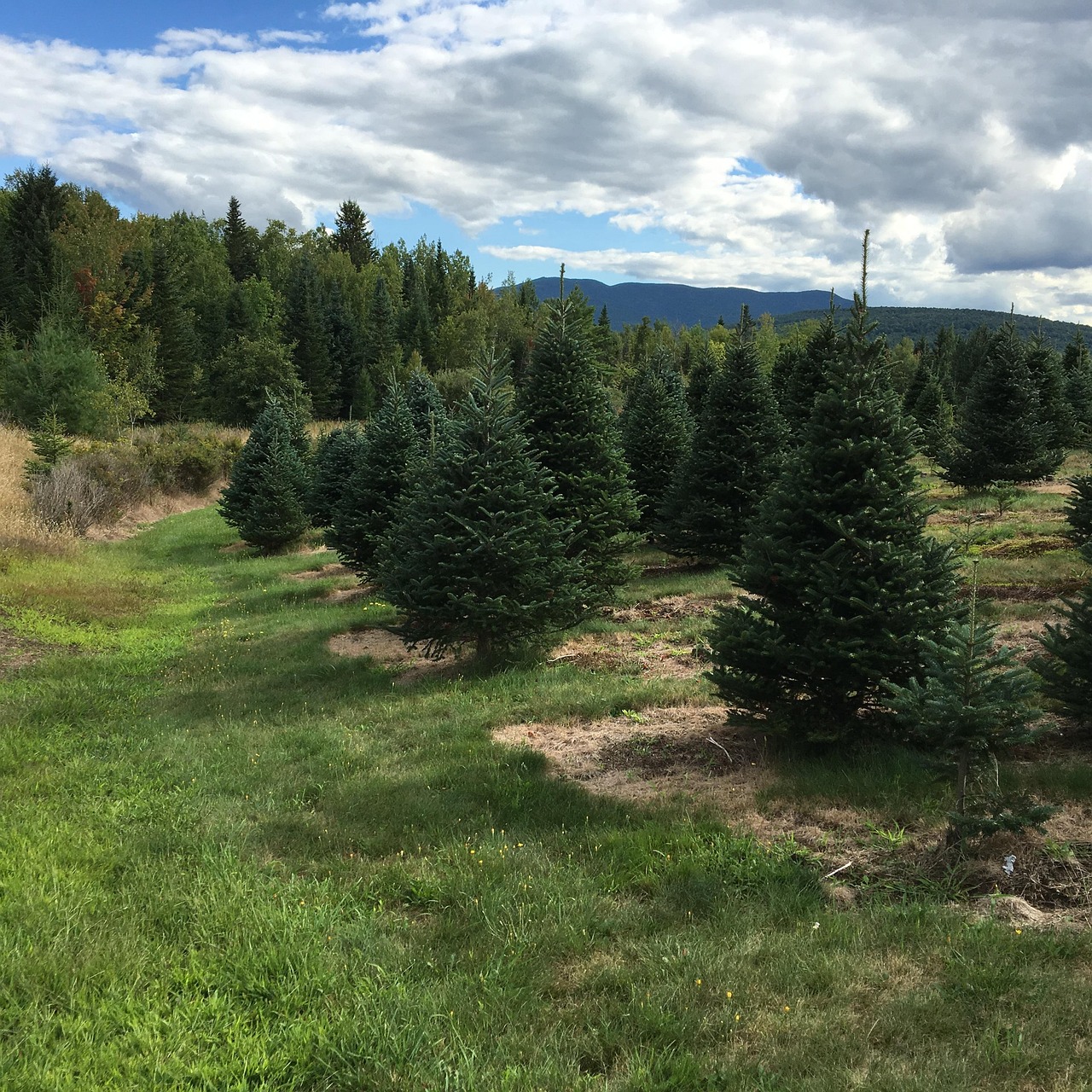
Understanding the specific needs of Balsam Fir is essential for successful container gardening. These trees prefer cooler climates and well-drained soil. They thrive in partial to full sunlight, making them suitable for various environments. When grown in pots, it’s crucial to replicate their natural habitat as closely as possible.
Key Requirements for Growing Balsam Fir in Pots
To ensure that your Balsam Fir grows healthy and strong in a pot, several key factors must be considered:
- Container Size: Choose a large pot to allow ample space for root development. A pot with a diameter of at least 18-24 inches is recommended.
- Soil Type: Use well-draining potting soil. A mix designed for conifers or evergreens is ideal.
- Watering: Balsam Fir prefers consistent moisture. However, avoid overwatering, which can lead to root rot.
- Sunlight: Place the pot in an area that receives partial to full sunlight. Morning sun is beneficial.
- Fertilization: Fertilize with a balanced, slow-release fertilizer during the growing season to promote healthy growth.
When planting a Balsam Fir in a pot, start by ensuring proper drainage. This can be achieved by adding gravel or small stones at the bottom of the pot before filling it with soil. This prevents water from accumulating and helps maintain healthy roots.
Climate Considerations
Balsam Fir naturally grows in colder regions, so it is important to consider climate when growing this tree in pots. In warmer areas, extra care must be taken to protect the tree from heat stress. During hot summer months, consider moving the pot to a shaded area during the hottest part of the day.
In regions where winter temperatures drop significantly, proper winter care is essential. If temperatures are expected to fall below freezing, move the pot to a sheltered area or wrap it with insulating materials to protect the roots from frost damage.
Common Challenges
Growing Balsam Fir in pots presents unique challenges that gardeners should be aware of:
- Pest Issues: Keep an eye out for common pests like aphids and spider mites. Regular inspections can help catch infestations early.
- Root Bound: As the tree grows, it may become root bound in its container. Be prepared to repot into a larger container every few years.
- Watering Needs: Container plants often dry out more quickly than those in the ground. Regularly check soil moisture levels.
Understanding these challenges will help you address any issues before they become serious problems. With careful monitoring and maintenance, your Balsam Fir can flourish in a pot, providing beauty and fragrance to your outdoor space or balcony.
Caring for Your Potted Balsam Fir
Caring for a Balsam Fir in a pot requires ongoing attention to detail. Regular watering, appropriate lighting, and seasonal adjustments are crucial for its health. Additionally, pruning may be necessary to maintain its desired shape and size.
A well-cared-for Balsam Fir can add charm and character to any garden setting. By following these guidelines and maintaining awareness of its needs, you can enjoy the lovely presence of this evergreen tree right on your patio or balcony.
Choosing the Right Container for Balsam Fir
Choosing the right container is critical for the successful growth of Balsam Fir in pots. The container not only holds the soil but also affects the tree’s health by providing adequate drainage and space for root growth.
Material Considerations
When selecting a pot, consider the material. Each type of container has its advantages and disadvantages:
- Plastic Pots: Lightweight and affordable, plastic pots retain moisture well. However, they may not provide optimal airflow to the roots.
- Terracotta Pots: These porous pots allow for better air circulation and drainage. They can, however, dry out quickly and may require more frequent watering.
- Ceramic Pots: Attractive and durable, ceramic pots can be a good choice. Look for those with drainage holes. They can be heavy and may break if exposed to freezing temperatures.
- Wooden Containers: Wooden pots are aesthetically pleasing and provide good insulation for roots. Ensure they are treated to prevent rot.
Each material serves its purpose, so choose one that best aligns with your gardening style and environmental conditions.
Pot Size and Depth
The size and depth of the pot are also important. A deeper pot allows for better root development. Consider the following guidelines:
- Initial Size: Start with a pot that is at least 18-24 inches in diameter. This size will give the roots ample room to grow.
- Repotting: As your Balsam Fir matures, be prepared to repot into a larger container every few years. A general rule is to increase the pot size by 2-4 inches in diameter each time you repot.
A proper-sized container will promote healthy growth and reduce the risk of becoming root bound.
Soil Requirements for Potted Balsam Fir
The type of soil you choose is another crucial factor in the successful growth of Balsam Fir in pots. The right soil mix will support healthy root development and provide necessary nutrients.
Soil Characteristics
Balsam Fir prefers a soil mix that offers good drainage while retaining some moisture. Here are some characteristics to look for in your soil:
- Well-Draining: The soil should allow excess water to escape easily to prevent root rot.
- Aerated: A light, fluffy texture is ideal for promoting air circulation around the roots.
- Nutrient-Rich: Incorporate organic matter or compost to provide essential nutrients.
Recommended Soil Mix
A recommended soil mix for Balsam Fir includes the following components:
- Two parts pine bark fines: Provides aeration and drainage.
- One part peat moss: Helps retain moisture while maintaining a light texture.
- One part perlite or vermiculite: Improves drainage and aeration further.
This mix creates an environment conducive to healthy root growth and overall tree vitality.
Watering Techniques for Potted Balsam Fir
Proper watering is vital for the health of your Balsam Fir. Given that container plants can dry out quickly, understanding how to water correctly is essential.
Watering Frequency
The frequency of watering will depend on several factors, including temperature, humidity, and pot size. Here are some tips:
- Check Soil Moisture: Use your finger to check the top inch of soil. If it feels dry, it’s time to water.
- Watering Schedule: During hot months, you may need to water daily or every other day. In cooler months, reduce frequency.
- Avoid Overwatering: Ensure that excess water drains from the pot. Standing water can lead to root rot.
Techniques for Watering
Consider these techniques when watering your Balsam Fir:
- Deep Watering: Water thoroughly until it drains from the bottom. This encourages deep root growth.
- Drip Irrigation: If possible, use a drip irrigation system for consistent moisture levels without over-saturating the soil.
Consistent and mindful watering practices will support the health and growth of your Balsam Fir in a pot.
Fertilizing Your Potted Balsam Fir
Fertilization is a crucial aspect of growing Balsam Fir in pots. Proper nutrition supports healthy growth, vibrant foliage, and overall vigor. Understanding when and how to fertilize will enhance your tree’s performance.
Choosing the Right Fertilizer
When selecting a fertilizer, consider using a slow-release, balanced formula that contains equal parts nitrogen (N), phosphorus (P), and potassium (K). This will ensure that your Balsam Fir receives the essential nutrients it needs throughout the growing season. Look for an N-P-K ratio such as 10-10-10 or 14-14-14.
- Organic Fertilizers: These are derived from natural sources and can be beneficial for long-term soil health. Options include compost, well-rotted manure, or fish emulsion.
- Chemical Fertilizers: These provide a quick nutrient boost. Follow the manufacturer’s instructions carefully to avoid over-fertilization.
Fertilization Schedule
Timing is important when fertilizing your Balsam Fir:
- Spring Application: Begin fertilizing in early spring when new growth appears. This will give the tree the nutrients it needs as it starts its growth cycle.
- Mid-Season Boost: Consider a second application in mid-summer to support continued growth. This can be especially helpful if your tree shows signs of nutrient deficiency.
- Fall Precautions: Avoid fertilizing in late fall, as this can encourage new growth that may not survive winter conditions.
Regular fertilization during the growing season will help your Balsam Fir thrive in its pot.
Pruning and Shaping Your Balsam Fir
Pruning is an important practice for maintaining the shape and health of your potted Balsam Fir. Proper pruning helps control growth and encourages bushier foliage, making it visually appealing.
When to Prune
The best time to prune your Balsam Fir is during the late winter or early spring before new growth begins. This timing allows you to shape the tree while minimizing stress.
Pruning Techniques
Consider the following techniques when pruning your Balsam Fir:
- Remove Dead or Diseased Branches: Regularly inspect the tree for any dead or unhealthy branches. Removing these will improve airflow and reduce the risk of disease.
- Thin Out Crowded Areas: If branches are crossing or overcrowded, selectively remove some to promote better light penetration and airflow.
- Shape the Tree: Trim back new growth to encourage a fuller shape. Aim for a balanced appearance by cutting back evenly on all sides.
Using sharp, clean pruning shears will help make clean cuts, which are less likely to lead to infections.
Pest and Disease Management
Like all plants, Balsam Fir can be susceptible to pests and diseases, especially when grown in pots. Being proactive in monitoring and management is essential for keeping your tree healthy.
Common Pests
The following pests are known to affect Balsam Fir:
- Aphids: Small insects that suck sap from leaves. They can cause yellowing and curling of foliage.
- Spider Mites: These tiny arachnids thrive in dry conditions and can cause needle discoloration and webbing on the tree.
- Scale Insects: These pests appear as small bumps on branches and leaves, feeding on plant sap.
Disease Concerns
In addition to pests, watch for these common diseases:
- Root Rot: Often caused by overwatering or poorly draining soil, root rot can quickly kill your tree. Ensure proper soil drainage and avoid overwatering.
- Bacterial Blight: This disease causes needle drop and can lead to twig dieback. Remove affected areas promptly to prevent spread.
Management Strategies
Implement these strategies to manage pests and diseases effectively:
- Regular Inspections: Check your Balsam Fir regularly for signs of pests or disease. Early detection is key to successful management.
- Pesticides and Treatments: Use insecticidal soap or neem oil to treat pest infestations. Follow instructions carefully to avoid harming beneficial insects.
- Cultural Practices: Maintain good air circulation by spacing plants appropriately and avoiding overcrowding.
By staying vigilant about pests and diseases, you can help your Balsam Fir thrive in a pot for years to come.
Seasonal Care for Potted Balsam Fir
Understanding the seasonal changes that affect your Balsam Fir is essential for maintaining its health. Each season brings unique challenges and opportunities for care.
Spring Care
In spring, as temperatures rise and days get longer, your Balsam Fir will begin to grow actively. Here are some care tips for the spring season:
- Fertilization: Begin your fertilization regimen as the tree wakes from dormancy. Apply a balanced fertilizer to support new growth.
- Pruning: This is an ideal time to prune dead or diseased branches and shape the tree for a fuller appearance.
- Watering: Monitor soil moisture closely, as spring rains can vary. Adjust your watering schedule as needed.
Summer Care
Summer can be hot and dry, requiring attentive care for your potted tree:
- Watering Needs: Increase your watering frequency during hot spells. Ensure that the pot drains well to avoid waterlogging.
- Shade Protection: In excessively sunny areas, consider moving the pot to a location that receives partial shade, particularly during the hottest parts of the day.
- Pest Monitoring: Keep a vigilant eye out for pests, as they may become more active during warmer months.
Fall Care
As temperatures cool in fall, prepare your Balsam Fir for winter:
- Reduce Watering: As growth slows, gradually decrease watering frequency.
- Final Fertilization: Apply a last dose of fertilizer in early fall to nourish the tree before it enters dormancy.
- Prepare for Winter: If necessary, move the pot to a sheltered area to prevent freeze damage. Wrap the pot with insulating materials if temperatures are expected to drop significantly.
Winter Care
Winter presents unique challenges for your potted Balsam Fir:
- Temperature Monitoring: Ensure that the tree is not exposed to extreme cold. If indoors, maintain a cool, bright location away from heat sources.
- Minimal Watering: Water sparingly during winter months, only when the top inch of soil is dry. Overwatering during dormancy can lead to root rot.
- Humidity Levels: If indoors, consider using a humidifier or placing a tray of water nearby to maintain humidity levels.
Final Thoughts
Growing Balsam Fir in pots can be a rewarding experience, offering beauty and charm to any space. By understanding their specific needs and adjusting care throughout the seasons, you can cultivate a healthy and thriving tree. Key elements include proper container selection, soil management, diligent watering practices, and regular monitoring for pests and diseases.
The versatility of potted Balsam Fir allows them to be enjoyed in various settings, from patios to balconies. With the right care, this evergreen can flourish and bring joy for many years. Whether you are an experienced gardener or just starting, following these guidelines will help you successfully grow your Balsam Fir in pots.
Remember that patience and attention are key when caring for any plant. Each tree is unique, and observing how your Balsam Fir responds to its environment will guide you in providing the best possible care. Enjoy the journey of nurturing your potted Balsam Fir, and appreciate the natural beauty it brings to your home or garden.