
Balsam fir can be consumed by humans, but caution is advised. The inner bark, needles, and essential oils can offer various benefits. However, improper preparation or excessive consumption may lead to adverse effects.
Understanding Balsam Fir
Balsam fir (Abies balsamea) is a coniferous tree native to North America. It is commonly found in the northeastern United States and Canada. Known for its pleasant aroma and beautiful appearance, this tree is often used as a Christmas tree and in landscaping. Beyond its ornamental value, balsam fir has a long history of use in traditional medicine and culinary applications.
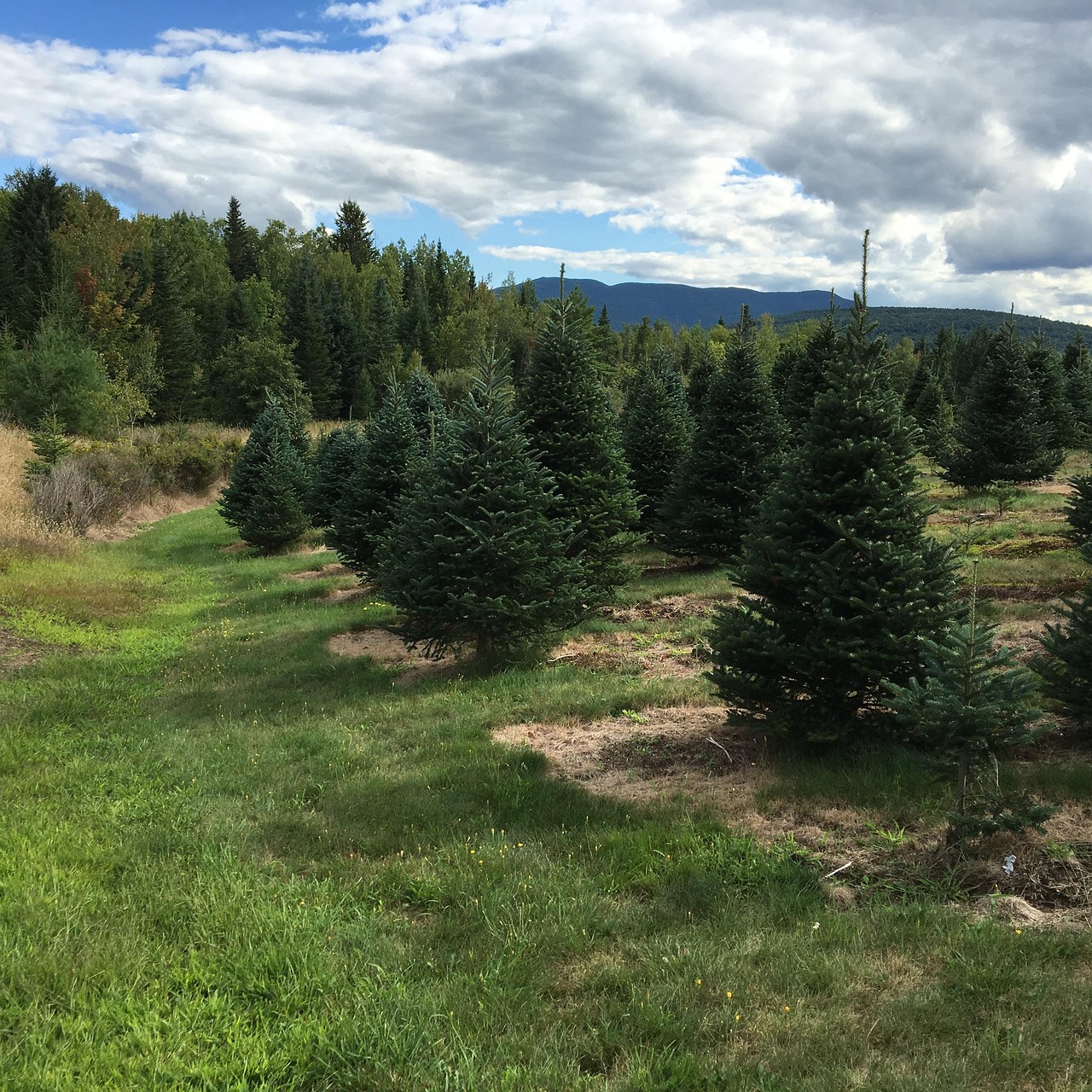
The tree grows up to 60 feet tall and can live for over 200 years. Its needles are dark green, flat, and have a distinct pleasant smell when crushed. The resinous sap is another notable feature, often used to make various health products. While balsam fir has many uses, the question of its safety for human consumption remains important for those interested in utilizing its resources.
Parts of Balsam Fir Used for Consumption
Several parts of the balsam fir tree are considered safe for human consumption when prepared correctly. Here are the main components:
- Needles: Balsam fir needles can be used to make tea or infused in other beverages. They are rich in vitamin C and have antioxidant properties.
- Inner Bark: The inner bark can be harvested and dried. It can be ground into a powder and used as a nutritional supplement or added to baked goods.
- Resin: The sap or resin is used in herbal remedies and can be consumed in small amounts. It may have medicinal qualities but should be used cautiously.
Health Benefits of Balsam Fir
Balsam fir offers several potential health benefits, making it attractive for those interested in natural remedies. Notable benefits include:
- Rich in Nutrients: The needles contain high levels of vitamin C, which is essential for immune function.
- Antioxidant Properties: Balsam fir has compounds that may help combat oxidative stress in the body.
- Anti-Inflammatory Effects: Some studies suggest that components of balsam fir may reduce inflammation.
- Aromatic Qualities: The pleasant scent of balsam fir can also have calming effects, promoting relaxation.
Preparation and Safety Considerations
While balsam fir can be safely consumed, proper preparation is crucial to avoid potential adverse effects. Here are some important safety tips:
- Harvesting: When collecting balsam fir parts, make sure to identify the tree correctly to avoid confusion with toxic species.
- Moderation: Consume small amounts initially to gauge individual tolerance. Excessive intake can lead to stomach upset or other issues.
- Avoid Contaminants: Ensure that any parts you consume are free from pesticides or pollutants.
Consulting with a healthcare professional before using balsam fir for medicinal purposes is also recommended. This is especially important for individuals with existing health conditions or those who are pregnant or nursing.
Cultural and Historical Uses
Balsam fir has been utilized by various Indigenous peoples for centuries. They have employed different parts of the tree for food, medicine, and ceremonial purposes. Historically, the inner bark was used as a food source during winter months when other resources were scarce. The needles were brewed into tea to help treat colds and respiratory issues.
With its rich history and various applications, balsam fir continues to attract interest in both culinary and medicinal fields today. Understanding its uses and benefits allows individuals to explore its potential safely.
| Part of Balsam Fir | Common Uses | Potential Benefits |
|---|---|---|
| Needles | Tea, Infusions | Vitamin C source, Antioxidant |
| Inner Bark | Dried powder, Food additive | Nutritional supplement |
| Resin | Herbal remedies | Potential medicinal qualities |
Balsam fir is not only a beautiful tree but also offers various possibilities for human consumption when handled with care. Understanding its components and their uses can foster greater appreciation for this remarkable species.
Potential Risks of Consuming Balsam Fir
While balsam fir has several benefits, there are also potential risks associated with its consumption. It is essential to be aware of these risks to ensure safe use. Understanding these factors can help individuals make informed choices about incorporating balsam fir into their diets.
Toxicity Concerns
One of the primary concerns regarding balsam fir consumption is the potential for toxicity. Although the tree’s parts are generally considered safe, improper preparation or excessive intake can lead to negative effects. Here are some key points to consider:
- Allergic Reactions: Some individuals may experience allergic reactions to balsam fir, particularly those with sensitivities to conifers.
- Digestive Issues: Consuming large amounts of inner bark or resin may cause stomach discomfort, nausea, or diarrhea.
- Interactions with Medications: Balsam fir may interact with certain medications. It is important to consult a healthcare provider if you are taking any medications.
Proper Preparation Techniques
To minimize risks, proper preparation techniques are crucial when consuming balsam fir. Here are some recommended methods for safely using its various parts:
- Tea from Needles: Harvest fresh needles and rinse them thoroughly. Steep them in hot water for 10 to 15 minutes before consuming. This method extracts beneficial compounds while reducing potential irritants.
- Dried Inner Bark: Carefully peel the inner bark from the tree, ensuring that it is collected sustainably. Dry the bark in a cool, dark place, then grind it into a fine powder for use in recipes.
- Resin Use: If using resin, only consume small amounts. It can be added to teas or tinctures but should be used sparingly to avoid adverse effects.
Culinary Applications of Balsam Fir
Balsam fir offers unique flavors and aromas that can enhance culinary dishes. Its evergreen nature provides a distinct taste that can complement various recipes. Here are some common culinary applications:
Infused Beverages
Balsam fir needles can be used to create infused beverages, such as teas and cocktails. The infusion process captures the tree’s aromatic qualities and adds health benefits. When making infused drinks, consider the following:
- Balsam Fir Tea: This refreshing beverage can be enjoyed hot or cold. Add honey or lemon for additional flavor.
- Cocktails: Use balsam fir-infused spirits or syrups in cocktails for a unique twist on classic drinks.
Baked Goods
The ground inner bark can be incorporated into baked goods, adding both nutrition and a mild flavor. Consider using it in:
- Bread: Substitute a small portion of flour with ground inner bark for added nutrients.
- Muffins: Mix ground inner bark into muffin batter for a unique flavor and texture.
Balsam Fir in Traditional Medicine
Balsam fir has been utilized in traditional medicine by various cultures for centuries. Its application spans across different regions and practices, highlighting its versatility. Here are some traditional uses:
- Respiratory Health: Indigenous peoples often used balsam fir tea to relieve respiratory issues such as coughs and colds.
- Wound Healing: The resin has been applied topically to wounds as an antiseptic, helping to prevent infection and promote healing.
Research and Studies on Balsam Fir
Scientific research on balsam fir is limited but growing. Studies have explored its potential health benefits and applications in natural remedies. Notable findings include:
| Study Focus | Findings |
|---|---|
| Antioxidant Properties | Balsam fir extracts showed significant antioxidant activity, indicating potential health benefits. |
| Aromatic Qualities | The essential oils extracted from balsam fir demonstrated calming effects in aromatherapy settings. |
| Traditional Uses | Research supports various traditional claims about balsam fir’s medicinal properties, particularly in respiratory health. |
The growing interest in natural remedies has renewed attention on balsam fir and its uses. As more research is conducted, our understanding of its benefits will continue to expand, providing valuable insights for those interested in exploring this remarkable tree further.
How to Identify Balsam Fir
Identifying balsam fir is essential for safe consumption. Misidentification can lead to the consumption of toxic species. This section outlines the key characteristics that distinguish balsam fir from other trees.
Physical Characteristics
Balsam fir is a medium-sized evergreen tree with several distinguishing features:
- Needles: The needles are flat, dark green, and usually 0.5 to 1 inch long. They have a pleasant aroma when crushed.
- Cones: The cones are cylindrical, 2 to 4 inches long, and typically hang downwards. They mature in late summer and fall.
- Bark: The bark is smooth and grayish-brown, with resin blisters that release a sticky sap when damaged.
- Shape: Balsam fir trees generally have a conical shape, with branches that extend horizontally from the trunk.
Habitat and Distribution
Balsam fir is commonly found in the northeastern United States and Canada. It thrives in cool, moist environments typically found in mountainous or northern regions. Here are some key habitats:
- Forest Types: Balsam fir often grows in mixed coniferous forests, alongside species such as spruce and pine.
- Soil Conditions: It prefers well-drained, acidic soils rich in organic matter.
- Elevation: Balsam fir is frequently found at elevations ranging from 1,500 to 4,500 feet.
Cautions When Harvesting Balsam Fir
When harvesting balsam fir for consumption, certain precautions should be observed to ensure safety and sustainability.
Sustainable Harvesting Practices
To protect the environment and maintain healthy populations of balsam fir, consider these sustainable harvesting practices:
- Selective Harvesting: Only take small amounts from different trees instead of harvesting from a single tree.
- Timing: Harvest during the spring or early summer when the sap flow is at its peak.
- Avoid Overharvesting: Ensure that you leave enough of the tree intact to allow for its regeneration.
Legal Considerations
Before harvesting balsam fir, check local regulations and guidelines. Some areas may have restrictions on collecting wild plants. It is important to respect these laws to preserve natural ecosystems.
Balsam Fir Essential Oils
Balsam fir essential oils are extracted from the needles and twigs of the tree. They have gained popularity for their aromatic properties and potential health benefits. Here are some key aspects of balsam fir essential oils:
Extraction Methods
The most common methods for extracting essential oils from balsam fir include:
- Steam Distillation: This method uses steam to extract essential oils from plant material. It preserves the aromatic qualities of the oil.
- Cold Pressing: This method involves mechanically pressing the plant material to release essential oils without heat.
Uses of Balsam Fir Essential Oils
Balsam fir essential oils have various applications, including:
- Aromatherapy: Used in diffusers or inhalers, balsam fir oil can help reduce stress and promote relaxation.
- Topical Applications: Diluted with carrier oils, it can be applied to the skin for its potential anti-inflammatory benefits.
- Cleansing Products: Its antibacterial properties make it a popular ingredient in natural cleaning products.
Recipes Featuring Balsam Fir
Incorporating balsam fir into your culinary creations can add unique flavors. Here are some simple recipes that utilize different parts of the tree:
Balsam Fir Needle Tea
This refreshing tea is rich in vitamin C and offers a soothing aroma.
- Ingredients:
- 1 cup fresh balsam fir needles
- 4 cups water
- Honey or lemon (optional)
- Instructions:
- Rinse the fresh needles thoroughly.
- Add the needles to boiling water and steep for 10-15 minutes.
- Strain and serve hot or cold, adding honey or lemon if desired.
Baked Balsam Fir Muffins
Add ground inner bark to your muffin mix for a unique flavor profile.
- Ingredients:
- 1 ½ cups all-purpose flour
- ½ cup ground balsam fir inner bark
- 1 cup sugar
- 1 tablespoon baking powder
- 1 cup milk
- 1 egg
- ½ cup melted butter
- Instructions:
- Preheat the oven to 350°F (175°C) and grease a muffin tin.
- In a bowl, mix flour, ground bark, sugar, and baking powder.
- Add milk, egg, and melted butter; mix until just combined.
- Scoop batter into muffin tin and bake for 20-25 minutes.
These recipes showcase the versatility of balsam fir, allowing you to enjoy its unique flavor while reaping its health benefits.
Exploring Additional Uses of Balsam Fir
Beyond culinary applications and health benefits, balsam fir has a variety of other uses that contribute to its value. The tree is not only appreciated for its flavor and medicinal properties but also for its role in the environment and various industries.
Environmental Benefits
Balsam fir plays a significant role in forest ecosystems. Here are some environmental benefits associated with this tree:
- Wildlife Habitat: Balsam fir forests provide essential habitat for numerous species, including birds, mammals, and insects. The dense foliage offers shelter and nesting areas.
- Carbon Sequestration: Like other trees, balsam fir absorbs carbon dioxide from the atmosphere, helping to mitigate climate change.
- Erosion Control: The root systems of balsam fir help stabilize soil, reducing erosion in hilly or mountainous regions.
Commercial Uses
Balsam fir is also valued in commercial sectors for several reasons:
- Lumber: The wood of balsam fir is lightweight and easy to work with, making it suitable for construction, furniture, and paper products.
- Essential Oils: Extracted oils are used in perfumes, cosmetics, and natural cleaning products for their fragrance and potential therapeutic properties.
- Christmas Trees: Balsam fir is one of the most popular choices for Christmas trees due to its pleasing aroma and attractive appearance.
Safety and Ethical Considerations
As interest in consuming balsam fir grows, it is essential to consider safety and ethical implications. Here are some points to keep in mind:
Ethical Harvesting Practices
Sustainable harvesting practices are crucial for preserving balsam fir populations. Follow these guidelines:
- Educate Yourself: Learn about the local ecosystem and the importance of balsam fir to that environment before harvesting.
- Use Responsible Sourcing: Whenever possible, buy balsam fir products from sustainable sources or local producers who practice ethical harvesting.
Consultation with Experts
If you are new to consuming wild plants like balsam fir, consulting with experts can provide valuable insights. Consider the following:
- Herbalists: Seek advice from herbalists or professionals who specialize in medicinal plants for safe consumption practices.
- Local Foraging Groups: Join local foraging or nature groups to learn from experienced foragers about safe harvesting techniques.
Final Thoughts
Balsam fir is a remarkable tree with a rich history of use in culinary and medicinal applications. It offers numerous health benefits while also playing a vital role in its ecosystem. As consumers become more interested in natural remedies and sustainable practices, understanding how to safely consume and utilize balsam fir becomes increasingly important.
The versatility of balsam fir extends beyond its nutritional value. Its contributions to environmental health and commercial industries highlight its significance. By prioritizing ethical harvesting practices and consulting experts, individuals can responsibly incorporate this unique tree into their lives and appreciate its many offerings.
As research continues to unveil the potential benefits of balsam fir, it is evident that this tree holds a special place not only in our ecosystems but also in our kitchens and wellness practices. Whether enjoyed as a tea, incorporated into baked goods, or appreciated for its aromatic qualities, balsam fir stands out as a valuable resource worthy of exploration.